How Long Can a Baby Safely Stay in a Car Seat?
<|begin_write|>
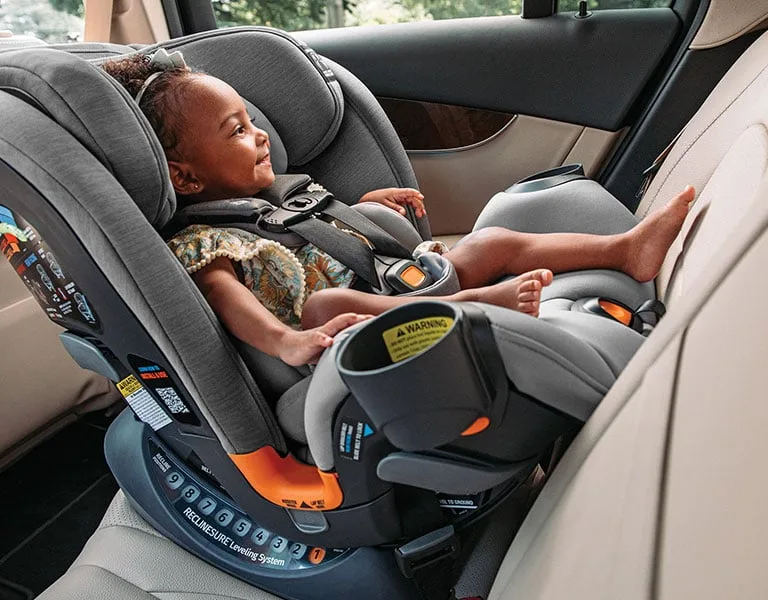
how long can you leave a baby in a car seat is a question every new parent eventually Googles, usually while their baby is finally asleep in the bucket seat and they're scared to move. The honest answer is that it depends less on a stopwatch and more on your baby's position, their breathing, and whether anyone is watching them. A car seat is a safety device for the car, not a bed.
That distinction matters more than most people realize. Per American Academy of Pediatrics safe sleep guidance, infants are safest on a firm, flat surface for every sleep, and car seats don't qualify. The AAP recommends limiting total car seat time during travel, especially for newborns.
Understanding why that guidance exists will change how you handle every nap, errand, and road trip.
how long can you leave a baby in a car seat
The safest answer is short. In the car, take breaks every 2 hours for older babies. Newborns should ideally be moved every 30 minutes.
Never leave a baby asleep in a car seat outside the car without direct supervision. Once you're home, move them to a flat, firm sleep surface right away.
The Short Answer and Why the Number Isn't the Real Story
The number everyone quotes, 2 hours, comes from travel guidance, not sleep safety. It's a rough limit for how long a baby should stay strapped in during a journey. It isn't a green light to let them nap in the seat on your kitchen floor for two hours.
Here's the part most AI answers bury. The real danger isn't the clock. It's the position.
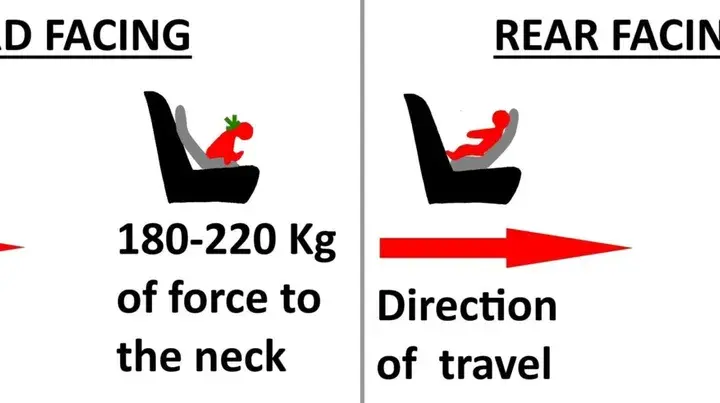
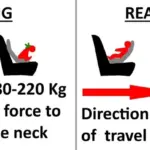
When a baby's head tips forward, chin toward chest, their tiny airway can close off. That's positional asphyxia, and it can happen in minutes, not hours.
So when you ask how long is safe, the better question is: is my baby's airway open right now? If they're upright, head flopping, and unobserved, the answer is zero minutes. Not thirty.
Zero.
Sleeping babies are the highest risk group because they can't reposition themselves. A newborn's neck muscles aren't developed enough to keep their head from slumping. That's why supervised, short stretches in the car are fine while unsupervised sleep in the seat is not.
The 2-hour guideline also assumes breaks. During long drives, you stop, take the baby out, feed them, change them, and let them stretch. That reset matters as much as the time limit itself.
Image source: Web (Bing) / cabinet.matttroy.net (Web image (fair-use with source credit))
What Actually Happens When a Baby Sits in a Car Seat Too Long
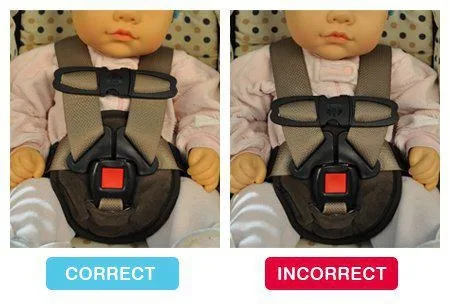
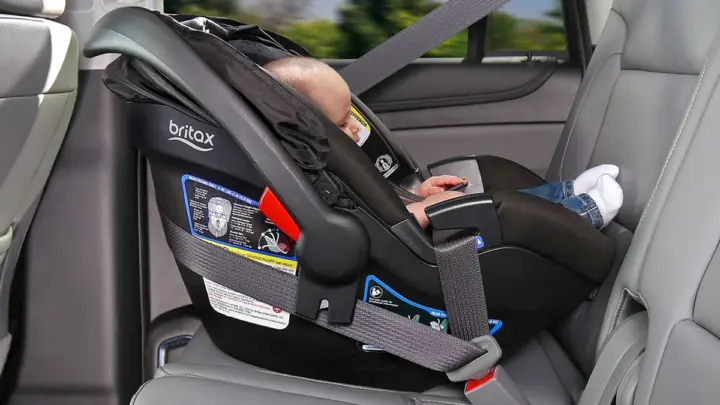
Image source: Web (Bing) / firstcrycare.com (Web image (fair-use with source credit))
Three things happen when an infant stays in a car seat too long. Their airway can narrow, their body temperature can rise, and their skull can develop flat spots. Each one is manageable when you know what to watch for.
Airway and Breathing Risks
The biggest concern is positional asphyxia. That's when a baby's chin drops toward their chest and compresses the windpipe. In a semi-reclined car seat, a newborn's heavy head can slump forward easily.
Quiet doesn't mean safe. A baby struggling to breathe may make no sound at all. That's why unsupervised car seat sleep is so dangerous.
You might not notice anything is wrong until it's too late.
Signs to watch for include:
- Chin resting on the chest
- Head tilted forward or to one side
- Blue or gray tint around the lips
- Noisy or labored breathing
- Unusual stillness or limpness
If you see any of these, reposition the baby immediately. Tilt the head back, open the airway, and move them to a flat surface.
Temperature and Overheating
Car seats trap heat. Add the inside of a parked car on a warm day and the temperature climbs fast. Overheating is linked to sleep-related infant deaths and can happen even when it doesn't feel that hot outside.
Dress your baby in thin layers. Skip bulky coats under the harness. Check their neck and chest for sweat.
If they're clammy or flushed, get them out.
Flat Head Syndrome
Extended pressure on one spot of a newborn's soft skull can cause plagiocephaly, or flat head syndrome. It's not life-threatening, but it can affect head shape. Car seats, swings, and bouncers all contribute when used for long stretches.
The fix is simple. Rotate positions. Use a flat surface for sleep.
Give them supervised tummy time when they're awake.
The Conditions That Change the Clock: Age, Sleep, Supervision, and Setting
There's no single number because the clock changes based on four variables. Use this if/then logic to figure out your own safe window.
If your baby is a newborn under 4 months old: Keep car seat stretches short. Around 30 minutes is the working limit for supervised time outside the car. Their neck control is minimal, and their airway is most vulnerable.
If your baby is older and has head control: You can stretch supervised car seat time longer during travel, up to the 2-hour mark before a break. Head control means they can keep their airway open better on their own.
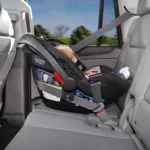
If your baby is asleep in the car and you're driving: That's fine. You're watching them, and the seat is installed at the correct crash-tested angle. Stop every 2 hours for a break.
If your baby is asleep in the seat on the floor or in a stroller: Move them to a flat surface. This is the riskiest scenario. The seat isn't at its installed angle, and nobody's watching the airway.
If your baby is asleep in the seat and you're in the room: Supervised floor time is still not sleep time. Watch their chin and chest. Move them within 30 minutes for a newborn, or sooner if their head slumps.
A Quick Reference Table
| Setting | Newborn (0-4 mo) | Older Baby (4+ mo) |
|---|---|---|
| In a moving car | Breaks every 30-60 min | Breaks every 2 hours |
| In a car seat on the floor | Move to flat surface within 30 min | Move to flat surface within 30-60 min |
| Asleep and unsupervised | Never | Never |
| Correctly installed, supervised | Safe for travel | Safe for travel |
The takeaway: supervision and position control the risk far more than the minutes on a clock.
Safe Practices for Every Scenario: In the Car, on the Floor, and Overnight
In the Car
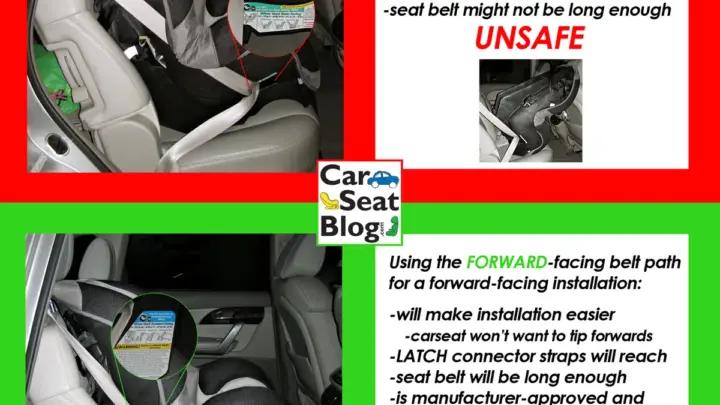
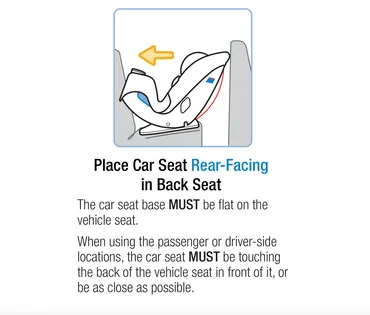
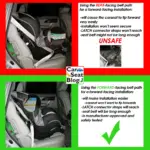
Install the seat correctly first. Use either the LATCH system or the seat belt, not both. Check the recline indicator to make sure it's within the manufacturer's range, typically between 30 and 45 degrees for a newborn.
Tighten the harness so you can't pinch any slack at the shoulder. Position the chest clip at armpit level, never over the belly or neck. Remove bulky coats before buckling, then add a blanket over the harness if it's cold.
Take breaks on long drives. Every 2 hours, pull over. Take the baby out.
Feed, change, and let them stretch for 15 to 20 minutes before strapping them back in.
On the Floor at Home
Don't use the car seat as a crib. If your baby falls asleep during the ride home, transfer them to a bassinet or crib as soon as you walk in. That flat, firm surface is what the AAP recommends for every sleep.
If you need a safe spot to set the baby down while you cook or clean, use a bassinet, a play yard with a bassinet insert, or a firm floor mat. Not the car seat.
Overnight and Naps
The car seat is never a sleep surface. No exceptions for "just this once." Positional asphyxia doesn't care that you're tired.
If you're traveling and don't have a crib, use a portable bassinet or a travel crib. If you're staying somewhere with only a car seat, put the baby on a firm mattress on the floor with a fitted sheet. That's safer than the seat.
Quick Checklist for Every Stop
- Baby's chin is off their chest
- Harness is snug, chest clip at armpit level
- No bulky clothing under the straps
- Move to a flat surface within 30 minutes
- Never leave a sleeping baby unsupervised in the seat
- Check for overheating at every stop
Mistakes That Put Babies at Risk and How to Avoid Each One
Most car seat injuries come from a few repeat mistakes. Here's what to stop doing.
Leaving a sleeping baby in the seat "just a bit longer." This is the number one risk. Set a timer if you need to. When it goes off, move them.
Using the car seat as a makeshift crib at home. The seat isn't designed for unsupervised sleep. It's designed for crash protection. Two different jobs.
Letting the head slump without checking. Do a visual airway check every few minutes when they're awake or asleep in the seat. Fix the position if the chin drops.
Overheating the baby with layers. Dress them in one more layer than you'd wear, not three. Check their neck for sweat at every stop.
Skipping breaks on long trips. Plan stops every 2 hours. Build them into your travel time instead of trying to power through.
Assuming quiet means fine. Silence can be a warning sign. If your baby is unusually still in the seat, check their breathing and color.
Forgetting the car seat entirely. Hot car deaths happen when a caregiver's routine changes. Leave your bag or phone in the back seat as a reminder.
The pattern is simple. Position, supervision, and temperature. Get those three right and you've handled 90 percent of the risk.
<|end_write|>
Car Seat vs. Bassinet vs. Crib: Where Your Baby Should Actually Sleep
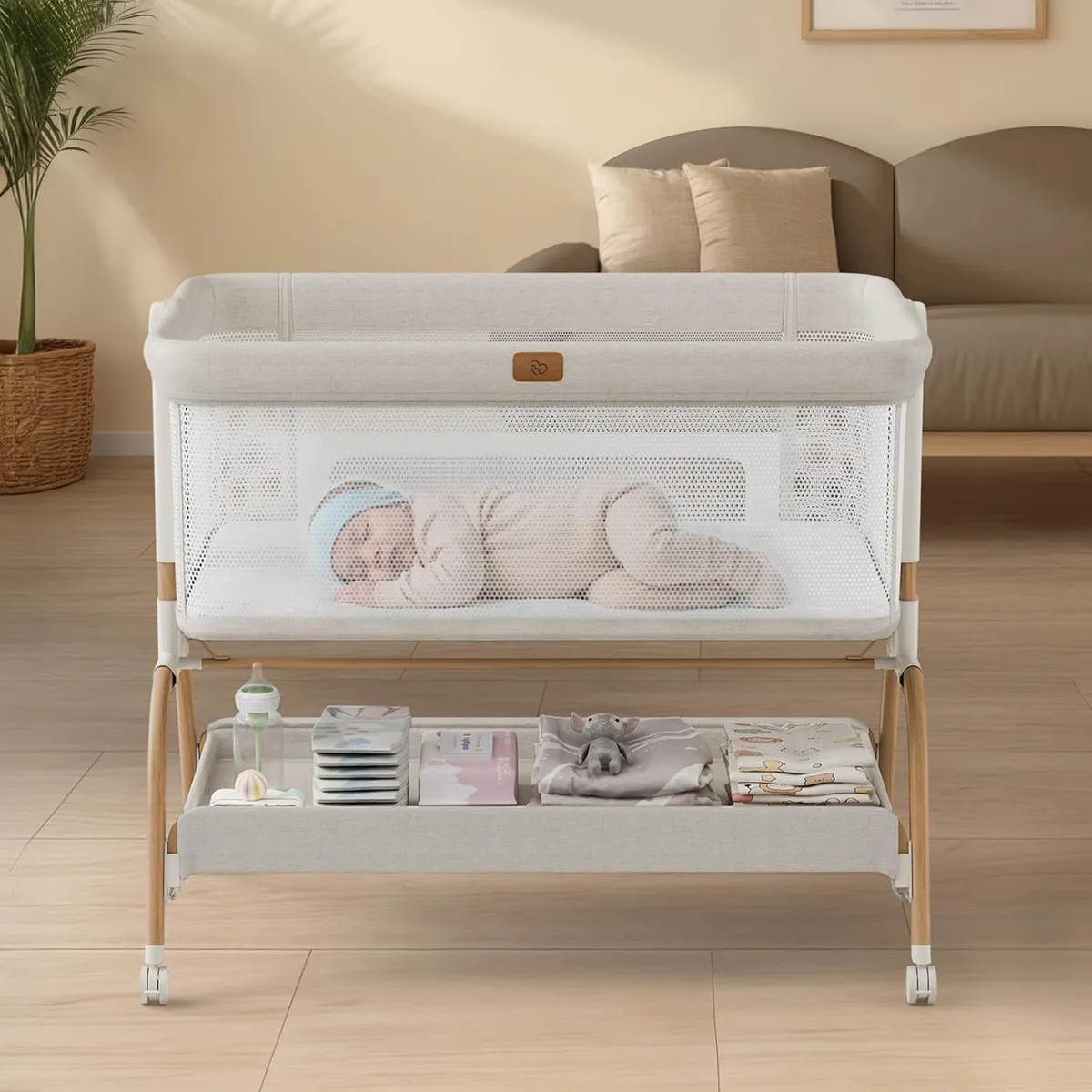
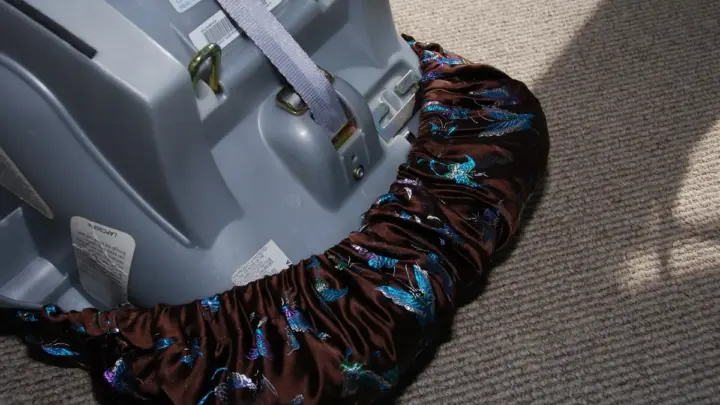
Image source: Web (Bing) / manuals.plus (Web image (fair-use with source credit))
A crib or bassinet wins for sleep. Every time. A car seat is for travel, and a stroller bassinet is for supervised walks where you can see your baby.
That's the whole ranking, and it doesn't change based on how tired you are or how well your baby naps in the seat.
The AAP's safe sleep guidelines are built around three words: Alone, Back, Crib. A flat, firm surface with a fitted sheet and nothing else. No pillows, no bumpers, no inclined sleepers.
Car seats don't fit that description, no matter how reclined they look.
Here's where parents get tripped up. A car seat is the safest place for a baby in a moving vehicle. It's not the safest place for a baby to sleep.
Those two facts live side by side, and confusing them is where the risk creeps in.
| Sleep Surface | Safe for Overnight Sleep | Safe for Travel | Best For |
|---|---|---|---|
| Crib or bassinet | Yes | No | All sleep, day and night |
| Car seat (installed in car) | No | Yes | Transport only |
| Car seat (on floor) | No | No | Quick supervised transfers |
| Stroller bassinet (flat) | Yes, if flat and firm | Yes | Walks with supervision |
| Play yard bassinet insert | Yes | No | Travel sleep away from home |
If you're away from home and need a sleep solution, a travel crib or a firm portable bassinet beats the car seat every time. Foldable travel bassinets pack down small enough for a car trunk and meet the same flat-surface standard. That's the swap worth making.
For preemies, the stakes go up. Some low-birth-weight babies fail the car seat challenge, a supervised test where nurses monitor breathing and heart rate while the baby sits in the seat. If your hospital runs that test, pay attention to the results.
A lie-flat car seat or a car bed may be the safer option for the ride home.
What the AAP, NHTSA, and Safety Standards Actually Say
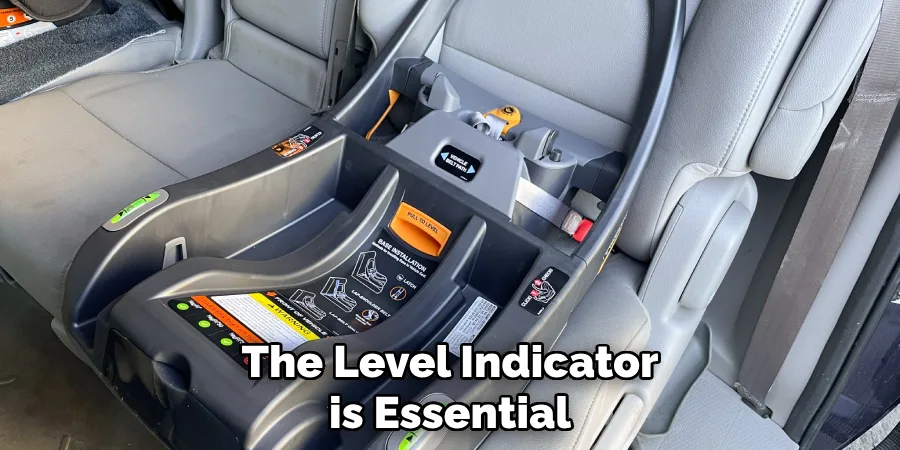
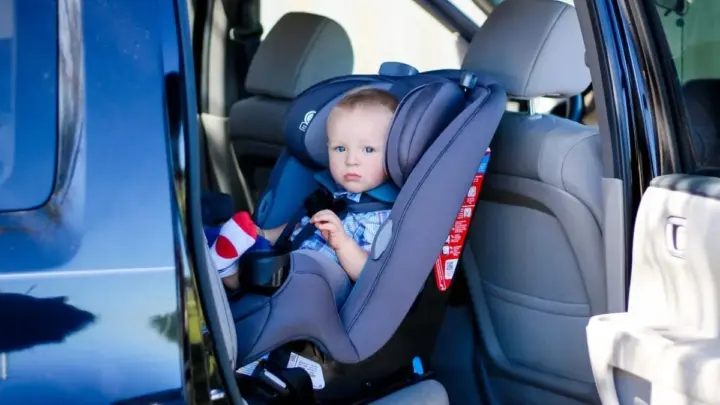
Image source: Web (Bing) / safetyfic.com (Web image (fair-use with source credit))
Official guidance is clear on the big points. The AAP recommends rear-facing car seats until a child hits the seat's height or weight limit, which usually lands around age 2 or later. NHTSA sets the federal standard, FMVSS 213, that every car seat sold in the US has to meet.
That standard covers crash performance, labeling, and installation requirements.
On sleep, the AAP is blunt. Car seats are not recommended for routine sleep. The group specifically warns that sitting semi-upright can cause a baby's head to fall forward, which can block their airway.
That warning applies whether the seat is in the car or sitting on your living room floor.
As of 2026, no US safety standard certifies any car seat as a sleep surface. That's not an oversight. It's a recognition that the design serves a different purpose.
Crash protection and safe sleep are two separate engineering problems, and one product can't solve both.
State laws add another layer. Every state requires appropriate child restraints for infants, and many specify rear-facing until at least age 2. Hot car laws in most states make it illegal to leave a child unattended in a vehicle, and those laws apply the moment you walk away, regardless of the outside temperature.
The Consumer Product Safety Commission (CPSC) also maintains recall listings for car seats and infant products. It's worth checking your seat's model number against the CPSC database, since a recalled seat may have defects that affect both crash safety and head positioning.
The bottom line from the regulators: use the car seat in the car, install it correctly, and get the baby out when you arrive. The NHTSA car seat guidance walks through installation checks and recall lookups if you want to verify your setup.
Frequently Asked Questions
Can a baby sleep in a car seat overnight?
No. Overnight sleep belongs on a flat, firm surface like a crib or bassinet. A car seat keeps a baby semi-upright, which can let their head slump forward and narrow the airway.
Positional asphyxia can happen even when the baby looks peaceful. Move them to a crib the moment you get home.
How long can a newborn stay in a car seat while I'm driving?
Around 30 to 60 minutes of supervised car seat time is a sensible working limit for a newborn during travel. Their neck muscles aren't developed enough to keep their airway open if their head slumps. Stop, take them out, feed and change them, then strap them back in for the next stretch.
Is it safe to leave a baby in a car seat on the floor while I do chores?
Only for very short, supervised stretches. Keep the seat where you can see your baby's face and check their breathing. Move them to a flat surface within 30 minutes for a newborn, or sooner if their chin drops toward their chest.
Never leave them unattended, even for a quick task.
What is positional asphyxia in a car seat?
Positional asphyxia happens when a baby's position blocks their airway long enough to cut off oxygen. In a car seat, that usually means the head tips forward and the chin presses toward the chest. It can happen in minutes, and a baby may make no noise at all.
That silence is the danger.
At what age can a baby stay in a car seat longer?
Once a baby has solid head and neck control, usually around 4 to 6 months, they can handle longer supervised stretches in the seat. The 2-hour travel break guideline still applies for comfort and safety. Head control reduces the risk of airway compression, but it doesn't eliminate it.
Do I need to wake a sleeping baby to move them out of the car seat?
Yes, if you've arrived home or at your destination. A sleeping baby's position can shift without you noticing, and their airway is still at risk. Transfer them gently to a crib or bassinet.
A few minutes of disrupted sleep beats the alternative every time.
The Bottom Line: Position Beats the Clock Every Time
Forget chasing a perfect number. The real rule is simpler. Keep your baby's airway open, keep them supervised, and get them onto a flat surface as soon as you can.
In the car, you're doing the right thing. Take breaks every 2 hours during travel, and move a newborn every 30 to 60 minutes. At home, at the store, or anywhere the car seat becomes a resting spot, the clock runs short.
Thirty minutes for a newborn is a reasonable limit for supervised seat time outside the car.
The AAP, NHTSA, and every major safety body agree on the core point. Car seats protect babies in crashes, not during sleep. Use them for the ride, then move your baby to a crib, bassinet, or firm flat surface.
That one habit, done consistently, handles almost every risk this topic raises.

Similar Posts