Which Side of the Car Should a Baby Seat Go On?
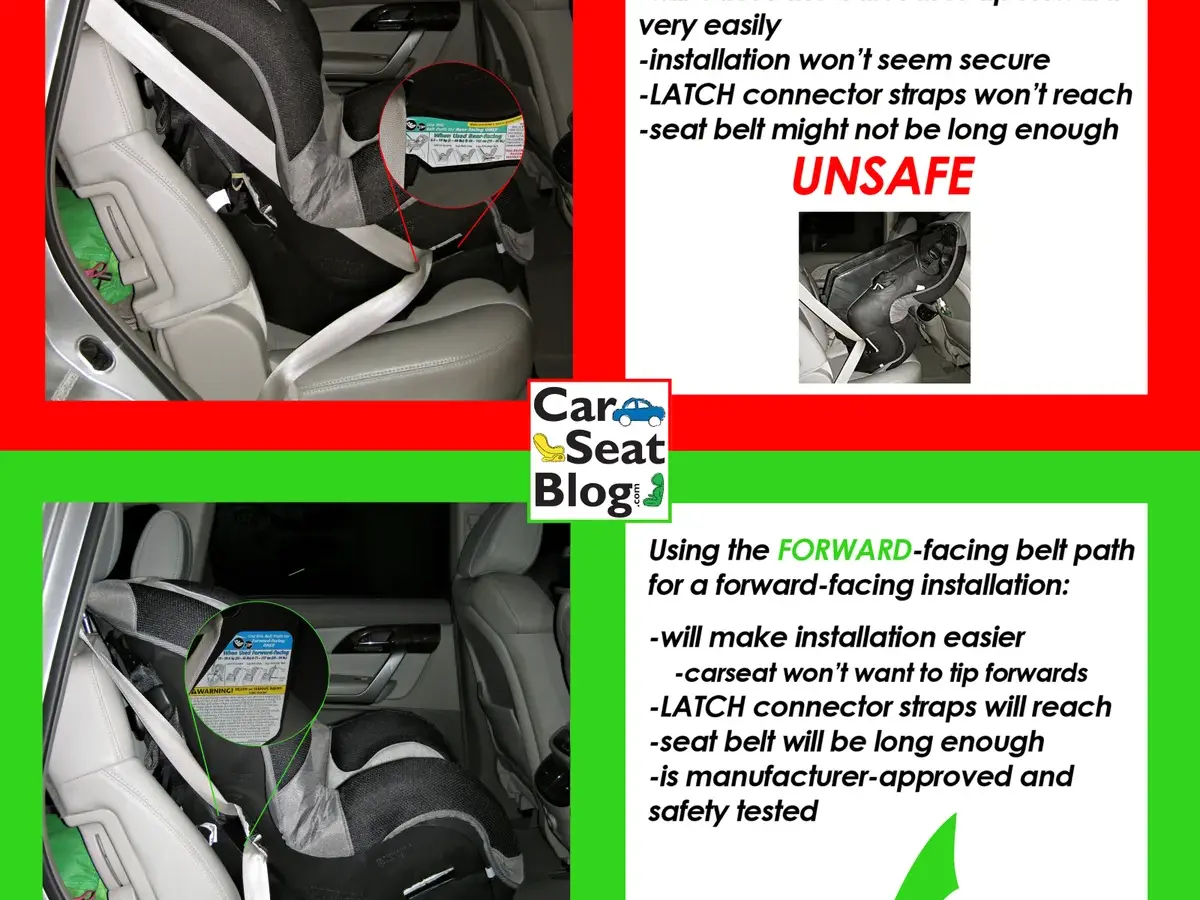
Ask any parent where the baby seat goes, and you'll usually hear the same thing: "the middle, right?" That answer isn't wrong, but it's not the whole story. The real answer to what side of the car should a baby seat be on depends on your vehicle, your LATCH anchors, and how many kids you're hauling. Get it wrong, and you've built your whole safety setup on a shaky foundation.
Here's the thing: not every back seat has a usable middle spot, and plenty of cars only put lower anchors on the two outboard positions. Per NHTSA guidance, the back seat is where kids belong, but "which side" comes down to specifics. Let's walk through the ranking, the catches, and how to pick the right spot in your actual car.
what side of the car should a baby seat be on
The center rear seat is the safest spot for a baby seat. If your car has usable center anchors or a lap-shoulder belt there, use it. If not, the driver-side rear and passenger-side rear are both safe outboard options.
Choose based on your car's LATCH setup and how you load your child.
Why Position Matters More Than You Think
Where your baby sits changes the forces they feel in a crash. It's not a small detail. The center rear seat sits furthest from both doors, so it gets more buffer from a side impact.
Outboard seats, by contrast, sit right next to the door and its crash structure.
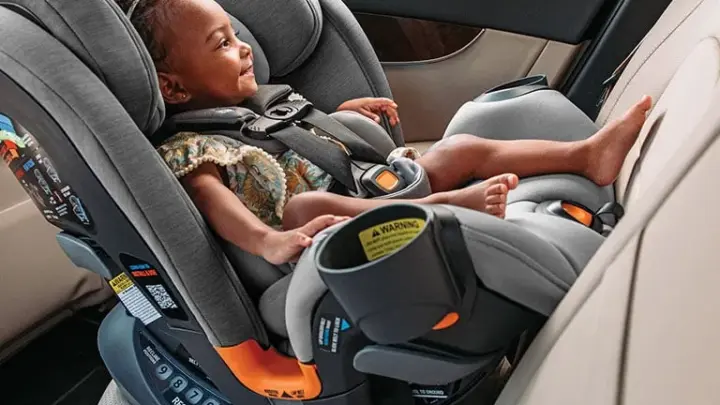
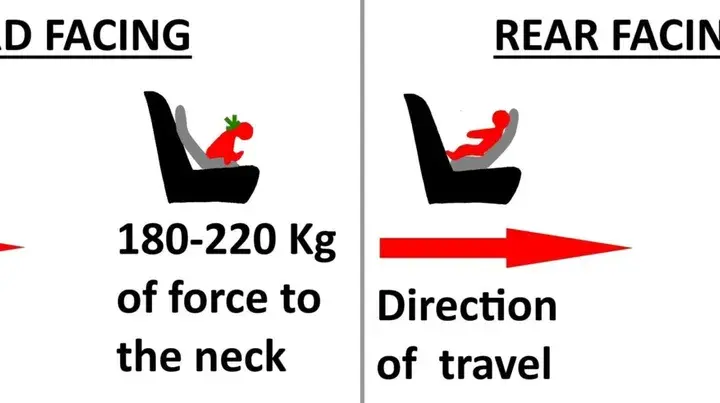
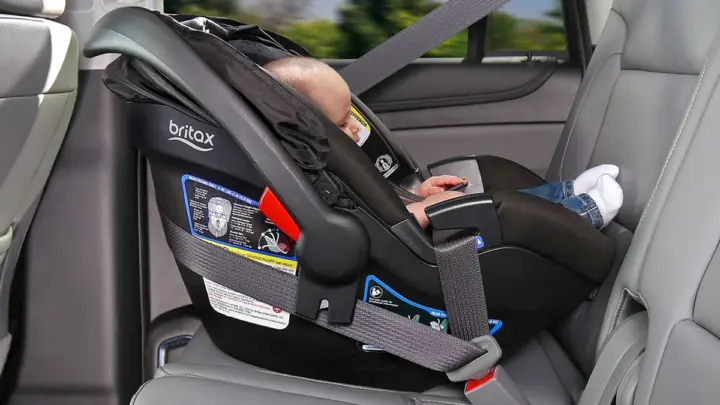
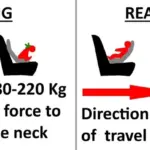
Rear-facing seats work by spreading crash energy across a baby's back, neck, and head. A rear-facing seat cradles the head and spine together, which is critical because an infant's neck muscles aren't developed enough to protect the head alone. That's why the American Academy of Pediatrics recommends keeping kids rear-facing as long as the seat allows, not just until age two.
So position and orientation work together. A perfectly installed rear-facing seat in a bad spot is still safer than a poorly installed one in a great spot. But when everything else is equal, moving toward the center reduces exposure.
What Side-Impact and Frontal Crash Data Actually Show
Rear-facing seats dramatically cut injury risk in frontal crashes, which are the most common serious collisions. Side impacts are less frequent but often more severe because there's less metal between the child and the striking vehicle. That's exactly why the center position earns its reputation: it puts distance between your baby and both sides of the car.
The Quick Answer (And Why It's Not as Simple as "The Middle")
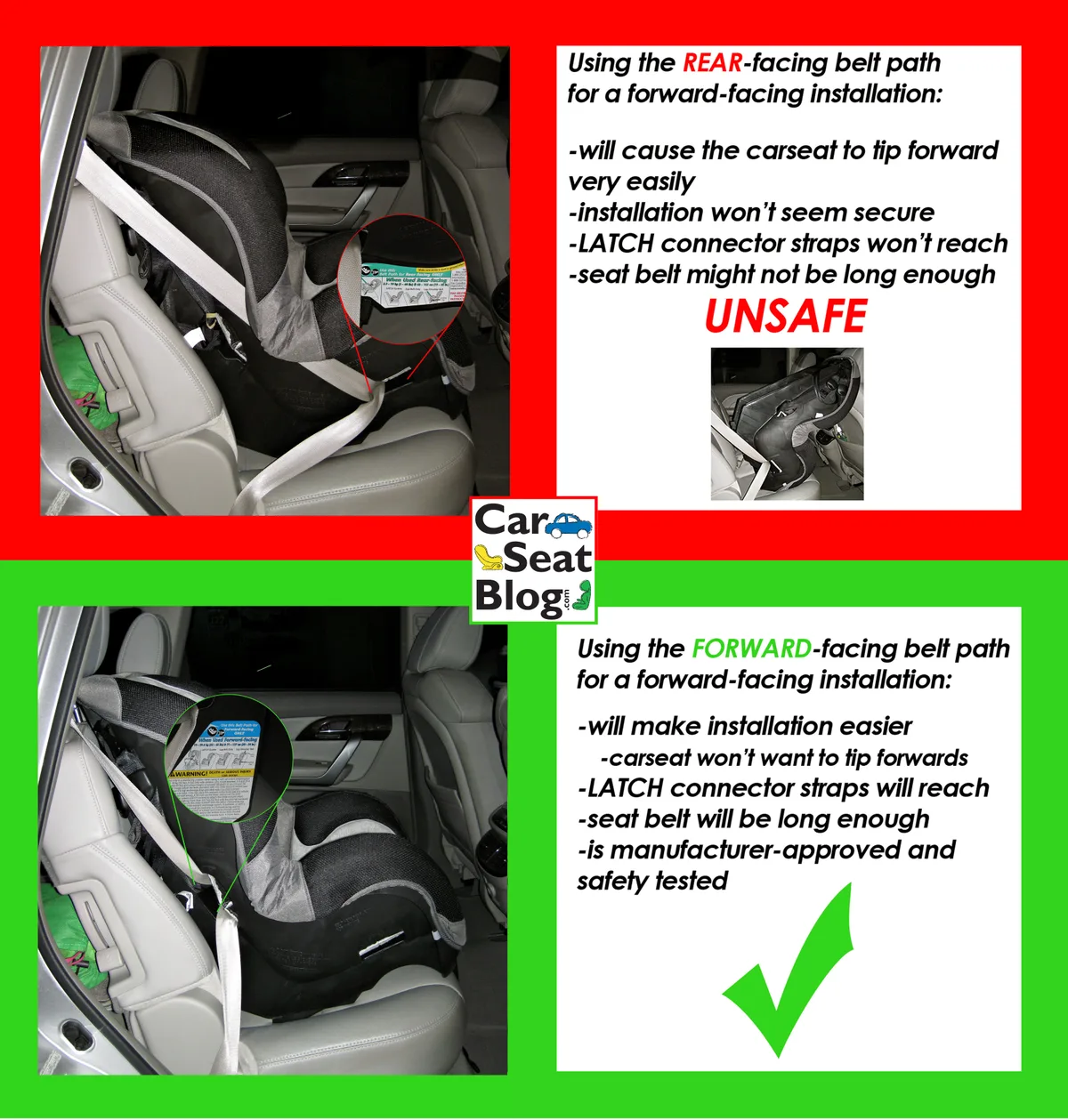
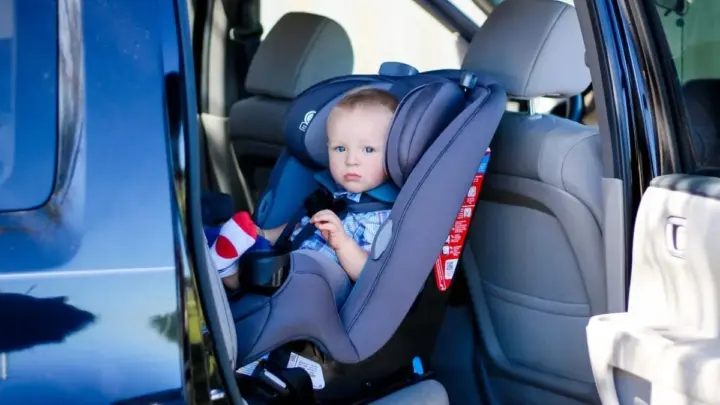
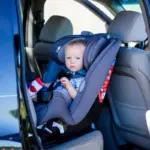
Image source: Web (Bing) / velcromag.com (Web image (fair-use with source credit))
The center is the gold standard, but "just use the middle" falls apart fast in real cars. Here's why.
Many back seats don't have a dedicated set of lower anchors in the center. Some only have a lap belt there, and some have a contoured hump that makes a tight install nearly impossible. A loose install in the "safest" spot is actually less safe than a rock-solid install outboard.
There's also a borrowing rule to know. Some automakers let you borrow one lower anchor from each outboard seat to secure a center install. Others explicitly forbid it.
Manufacturer specifications vary, and the only place to confirm your car's rule is the vehicle owner's manual.
So the honest answer looks like this:
- If your car has usable center LATCH or a lap-shoulder belt, then use the center.
- If the center has no anchors and borrowing isn't allowed, then pick an outboard seat.
- If you can't get a tight center install, then move outboard. A secure outboard install beats a sloppy center one.
That's the decision tree. Everything else is fine-tuning.
Ranking the Three Positions: Center, Driver Side, Passenger Side
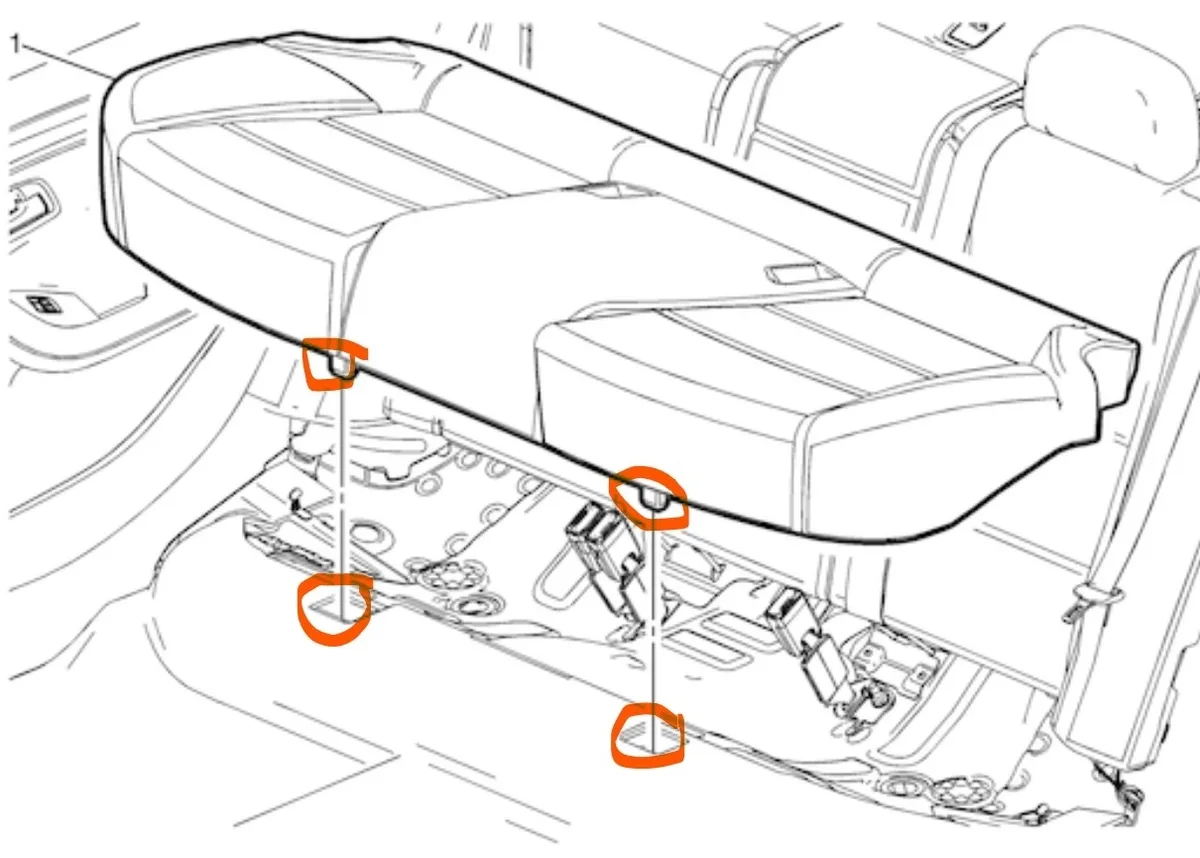
Image source: Bing (Web (fair-use with source credit))
Not all three back-seat positions are created equal. Here's how they stack up for safety and daily use.
| Position | Safety Rank | Main Catch | Best For |
|---|---|---|---|
| Center rear | Safest | Often no anchors or a contoured hump | One child in a car with usable center LATCH |
| Driver-side rear | Very safe | Loading from the street side | Curbside parking, easy driver access |
| Passenger-side rear | Very safe | Loading from the traffic side | Curbside drop-offs, right-side doors |
The Center Seat: Safest on Paper, Tricky in Practice
The center rear is the safest position when you can install correctly. It maximizes distance from both doors. But it's also the position most likely to fight you during install, especially in smaller sedans.
The Driver-Side Position: The Overlooked Sweet Spot
The driver-side rear is a favorite among safety techs for one practical reason: you load from the curb, not the street. If you park on the right side of a one-way street or in most driveways, this keeps you and your baby away from passing traffic.
The Passenger-Side Position: Convenient, But With a Catch
The passenger-side rear is the easiest to reach from the sidewalk in most parking lots. That's a real convenience win. The catch is traffic exposure when you park on the street's left side.
Loading a baby while cars pass inches away is a genuine risk.
When Your Back Seat Has No Usable Center LATCH
If your center seat has no anchors and your manual forbids borrowing, you're not out of luck. Choose the outboard position that matches your loading routine. A correct outboard install beats a forced center one every time.
How to Pick the Right Spot for Your Actual Car
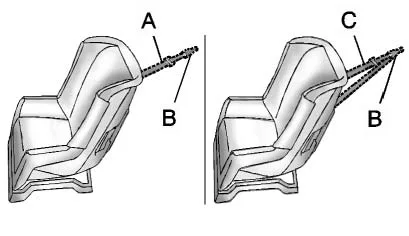
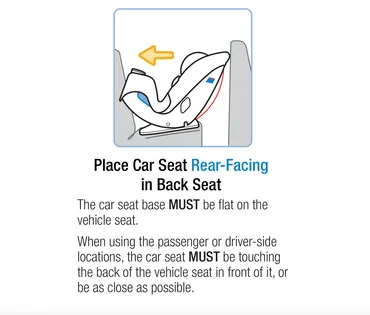
Image source: Web (Bing) / buiclub.com (Web image (fair-use with source credit))
Your car's manual decides most of this. Here's the order of operations.
Reading Your Vehicle Owner's Manual First
Find the child restraint section. It lists which seating positions allow LATCH, which allow seat belts, and whether center borrowing is permitted. This is the single most important step, and most parents skip it.
LATCH Weight Limits, Borrow Rules, and Tether Anchors
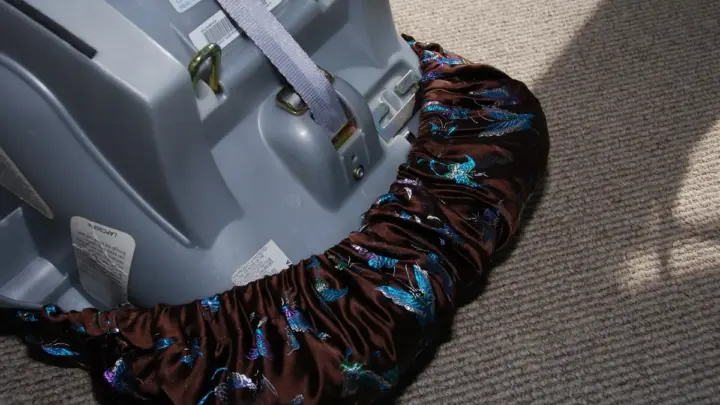
LATCH is the Lower Anchors and Tethers for Children system. Lower anchors sit in the seat crease, spaced 11 inches apart. The top tether anchor is usually behind the seat or on the ceiling or floor.
Combined child-plus-seat weight limits for LATCH typically cap around 65 pounds, after which you switch to the seat belt.
Fit, Recline Angle, and the 1-Inch Movement Test
Grab the seat at the belt path and tug. It shouldn't move more than one inch side to side or front to back. Check the recline angle, then do the pinch test on the harness at your baby's collarbone.
If you can pinch slack, it's too loose.
For installation guidance, NHTSA runs a free car seat inspection locator through its official site at nhtsa.gov. A certified Child Passenger Safety Technician can verify your install in minutes.
Real-World Scenarios That Change the Answer
Life with kids rarely looks like the manual's tidy diagram. Here's how the "right" spot shifts once real routines enter the picture.
One Child vs. Two or Three Kids Across
With one child, the center wins if your car supports it. Add a second, and both kids go outboard. Add a third, and someone lands in the middle, often forward-facing in a narrow seat.
Our research shows that 3-across installs force compromises, so check your manual before you stack seats in.
Curbside Loading, Traffic, and Daycare Runs
If you park curbside, the passenger-side rear is the easiest spot. You step onto the sidewalk, not the road. But if you routinely park on the street's traffic side, flip the logic.
Load from the driver's side instead and keep your body out of the lane.
Rideshares, Grandparents' Cars, and Rental Vehicles
In an unfamiliar car, never assume the center works. Check the manual, or look for the "LATCH" label on the lower anchors. If there's no clear center option, install outboard and move on.
A quick install in an outboard seat beats a wrong one every time.
Mistakes That Quietly Undo a "Safe" Position
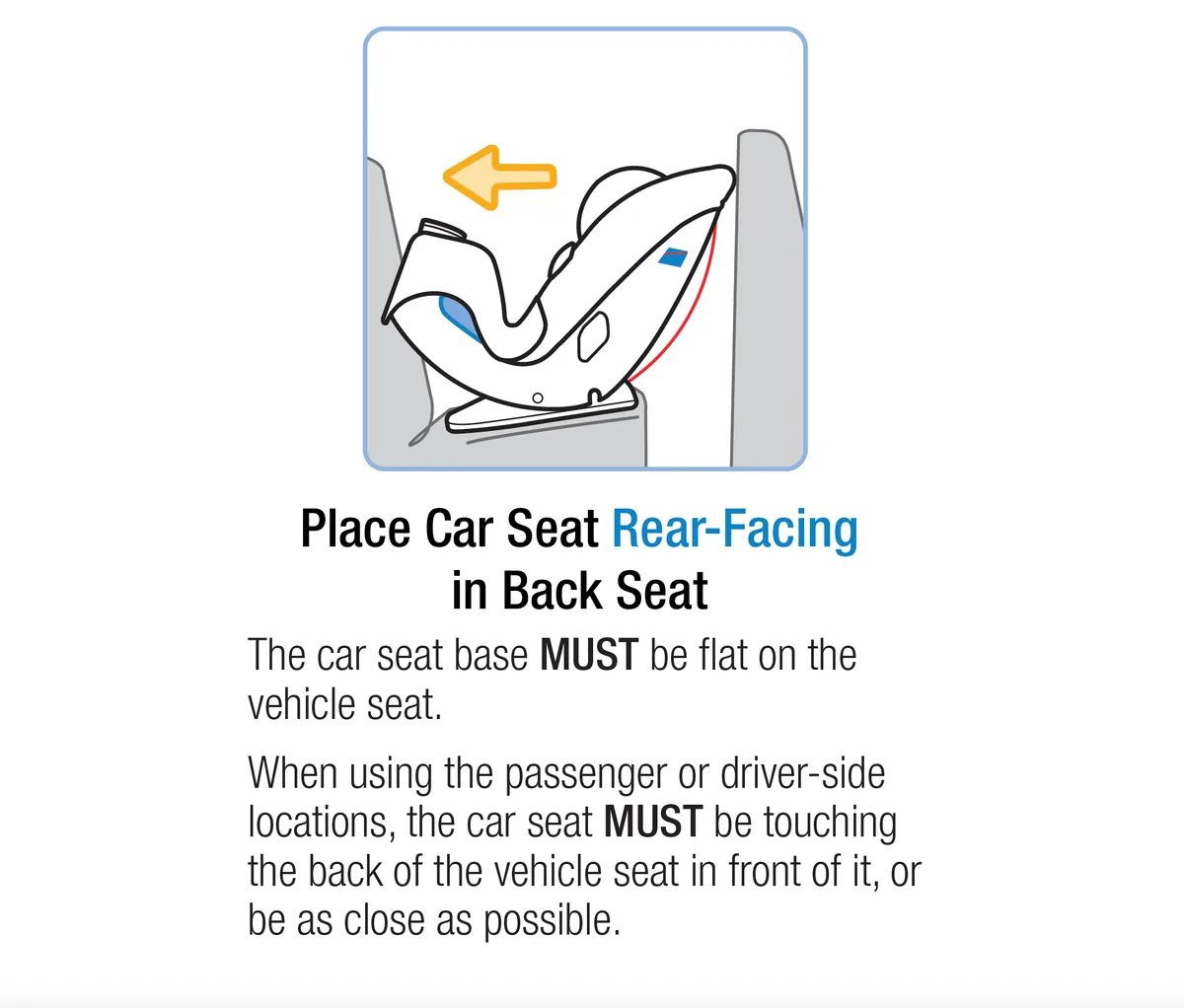
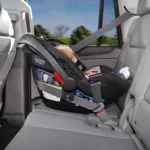
Image source: Web (Bing) / safety1st.com (Web image (fair-use with source credit))
A good position can't fix a bad install. These are the errors safety techs flag most often.
Front Passenger Seat and Active Airbags
Never put a rear-facing seat in front of an active frontal airbag. If it deploys, the force hits the seat back inches from your baby's head. Some cars allow the front airbag to be deactivated, but the back seat is still the safer choice under age 13.
Loose Installs, Wrong Recline, and Skipped Top Tethers
The 1-inch rule is non-negotiable. If the seat shifts more than an inch at the belt path, it's too loose. Rear-facing recline typically sits between 30 and 45 degrees.
And once your child moves forward-facing, the top tether is required in a LATCH install, not optional.
Aftermarket Inserts and Mirrors That Void Safety Testing
That cozy head support or back-seat mirror? It wasn't tested with your seat by the manufacturer, and it can change how the harness fits. FMVSS 213 testing covers the seat alone.
Add-ons can quietly reduce the protection you paid for.
Safety, Legal, and Compliance Basics Every Parent Should Know
Rules vary by state and by vehicle, so here's the short version of what actually applies.
FMVSS 213 and 225 in Plain English
FMVSS 213 sets performance standards for car seats themselves. FMVSS 225 sets the LATCH anchor rules for vehicles. Together they define what "tested" means.
A seat that meets both standards is built for the worst-case crash it's rated for, as of 2026.
State Laws, Age Minimums, and the Rear Seat Until 13 Rule
Every US state requires car seats for young children, but the age and weight cutoffs differ. NHTSA's guidance is simpler: keep kids in the back until at least 13. Rear-facing should continue until the child outgrows the seat's height or weight limit, not just until a birthday.
For state-specific rules, check your DMV site or the NHTSA child passenger safety page.
FAQs About Baby Seat Position
Is the middle seat always the safest for a baby seat?
No. The middle is safest only when it has usable anchors or a lap-shoulder belt and you can get a tight install. If your center is a lap belt over a hump, or borrowing anchors is banned, an outboard seat is the better choice.
Can I put a baby seat behind the driver's seat?
Yes. The driver-side rear is a safe outboard position. It's often easier for curbside loading, since you're stepping away from traffic rather than toward it.
Just confirm the position supports your install method.
What if my car has no LATCH in the center?
Use the seat belt in the center if the manual allows it. If the center has no lap-shoulder belt or the install won't tighten, move to an outboard LATCH position. A secure outboard install beats a loose center one.
Is it safe to install a car seat in the front passenger seat?
Only if there's no active airbag and the vehicle manual permits it. Rear-facing seats must never sit in front of an active frontal airbag. For kids under 13, the back seat is always the recommendation.
Do I need a top tether for a rear-facing seat?
Not usually. Top tethers are required for forward-facing LATCH installs. Some rear-facing seats use an anti-rebound feature or a load leg instead.
Check your seat manual for the exact requirement.
How often should I check the install?
Check it monthly, and any time the seat is removed, cleaned, or moved to a different vehicle. Temperature swings and fabric compression can loosen the belt path over time. A quick tug at the belt path each month catches most problems early.
Final Verdict: Where Your Baby Seat Should Actually Go
Center rear if your car allows it. Driver-side or passenger-side rear if it doesn't. That's the whole answer in one line, and everything above exists to help you pick the right branch for your vehicle.
Start with the owner's manual, verify your anchors, and do the 1-inch test every month. If you're unsure, have a certified Child Passenger Safety Technician check your install. It takes minutes, and it's the closest thing to a guarantee that your setup will perform when it matters most.

Similar Posts