When Can Baby Face Forward in a Graco Car Seat?
When can baby face forward in Graco car seat? The short answer is: not until your child meets your specific Graco seat's forward-facing weight, height, and age limits, and ideally not until they've maxed out the rear-facing limits first.
In our research, the two rules that matter most are the American Academy of Pediatrics (AAP) recommendation to keep children rear-facing until at least age 2, and the seat-specific limits printed on your Graco model's label. Those two don't always agree, and that's where most parents get stuck. Here's how to sort it out without guesswork.
when can baby face forward in graco car seat
Your baby can face forward in a Graco car seat once they meet all three seat-specific limits: the forward-facing weight minimum, the height minimum, and the age minimum listed in your model's manual.
The AAP recommends rear-facing until at least age 2.
Graco seats usually allow forward-facing from around 22 to 25 lbs.
Always check your seat's label, not a general rule.
Why This Decision Matters More Than You Think
Image source: Web (Bing) / safety1st.com (Web image (fair-use with source credit))
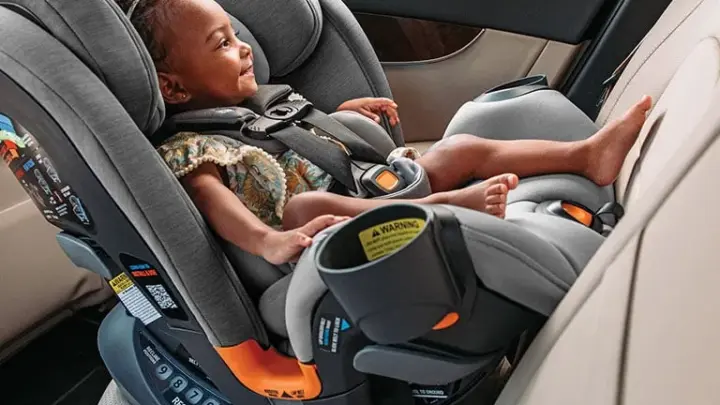
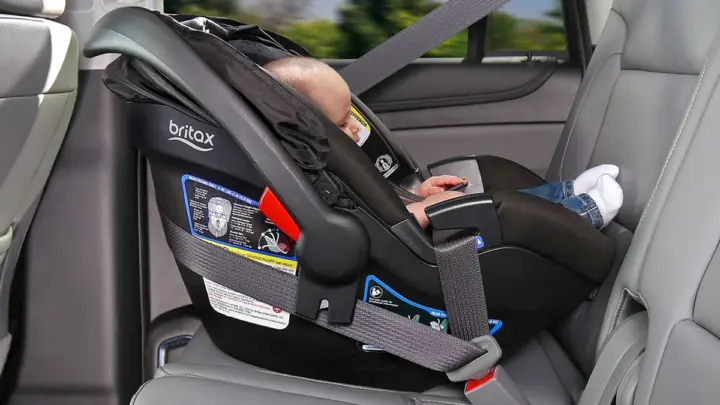
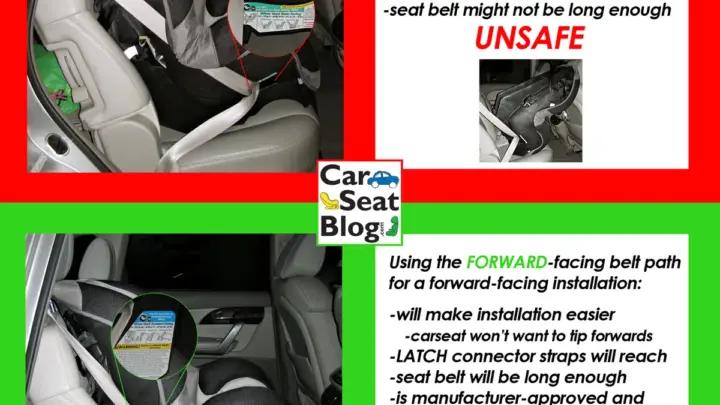
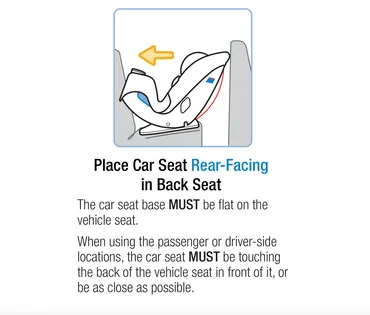
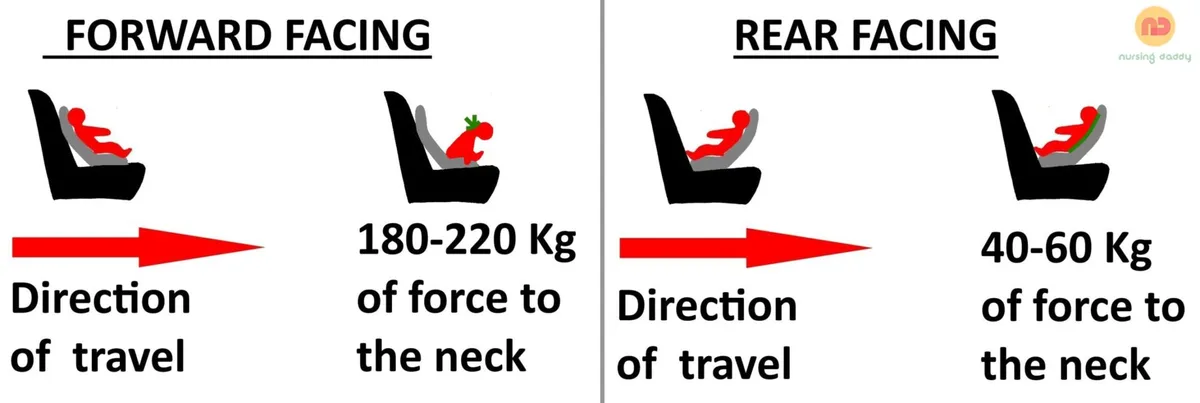
Rear-facing is not just a phase. It is the single most protective position a young child can ride in, and the reason comes down to anatomy.
A baby's head is disproportionately large compared to their body. Their neck bones and ligaments are still soft and not fully fused. In a frontal crash, a rear-facing seat cradles the head and shell together, spreading crash forces across the back of the seat rather than concentrating them on a fragile neck.
Forward-facing changes the physics. The child's body is held back by the harness, but the head whips forward. That motion, called head excursion, is exactly what rear-facing seats are designed to prevent.
Per NHTSA testing and crash data, children under age 2 are significantly safer rear-facing than forward-facing. Not slightly safer. Significantly.
That's why the flip is a real decision, not a milestone to rush. The question is not "when is my child old enough to face forward?" The better question is "when has my child truly outgrown rear-facing?"
Manufacturer specs and AAP guidance both push the same answer: keep them rear-facing as long as the seat allows. The forward-facing limits on your Graco seat are ceilings, not finish lines.
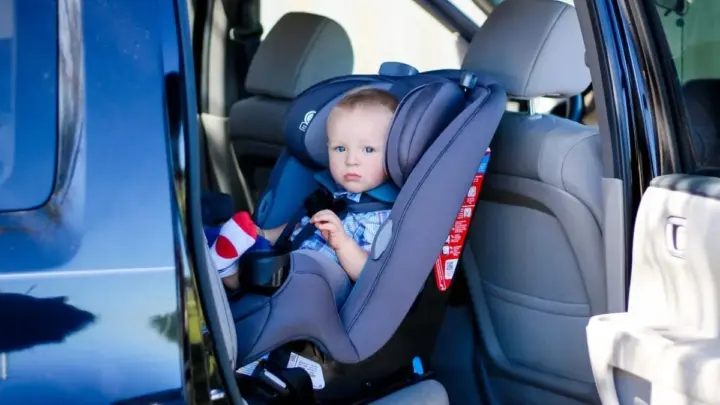
If your child still fits rear-facing, that's where they should stay. If they've hit the rear-facing weight or height limit, then you're ready for the next step.
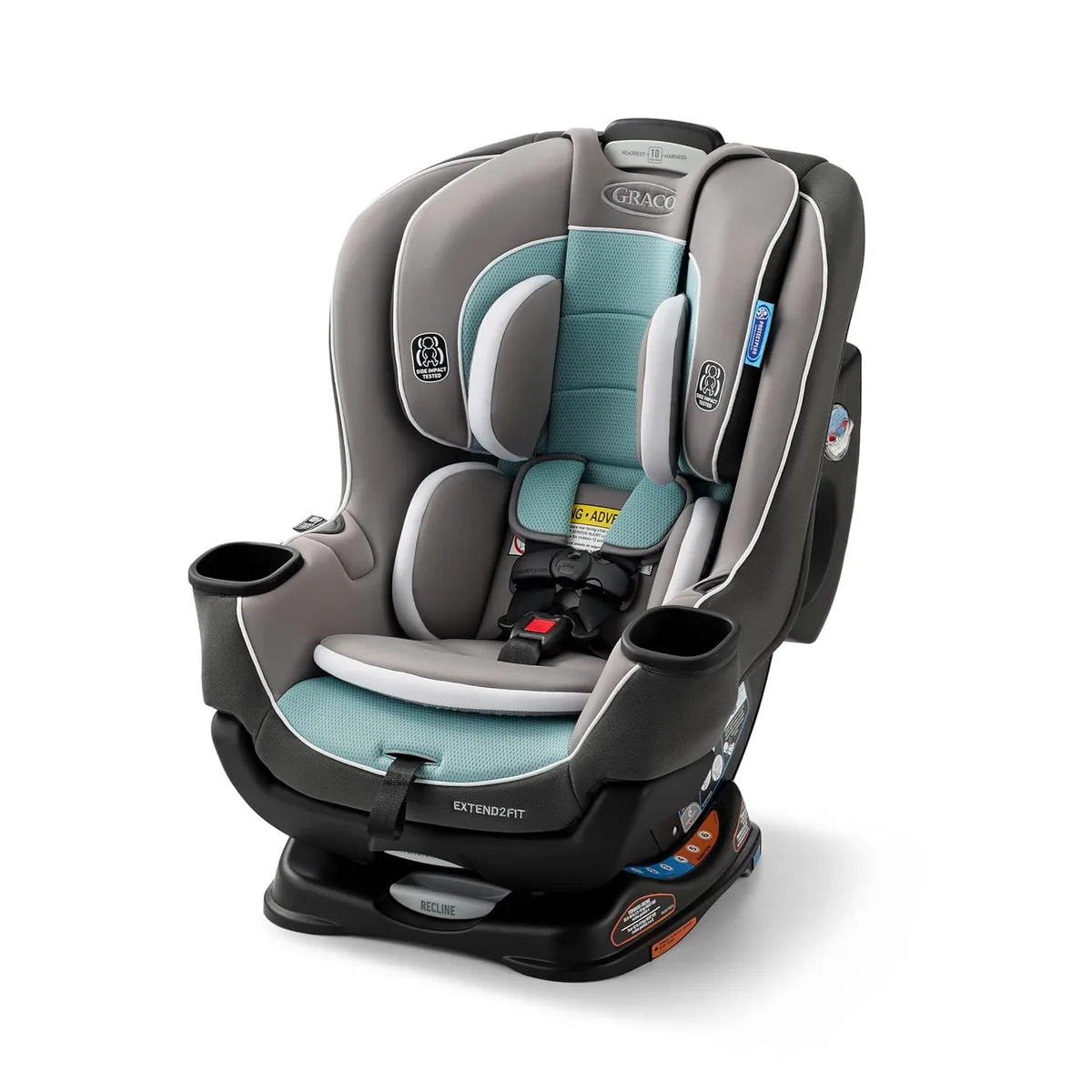
Image source: Web (Bing) / tiendamia.cr (Web image (fair-use with source credit))
What the AAP and NHTSA Actually Say (And What They Don't)
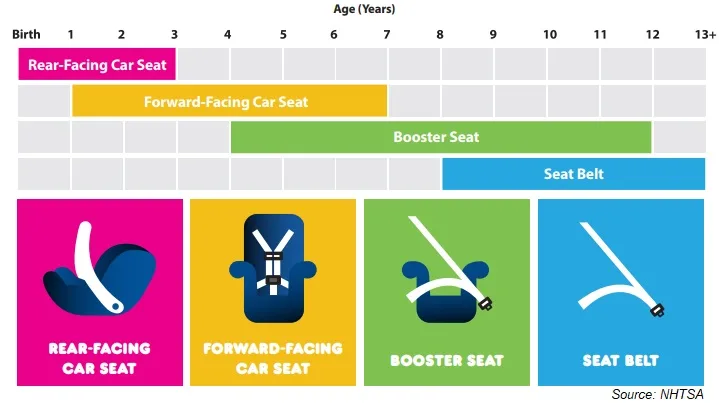
Image source: Web (Bing) / newcarseatlaws.com (Web image (fair-use with source credit))
The AAP and NHTSA agree on the core message. Rear-facing should continue until the child reaches the highest weight and height allowed by the car seat. Age 2 is the floor, not the ceiling.
Here's the part parents miss. Neither organization sets forward-facing limits for your particular seat. That job belongs to Graco, and the numbers are printed on the seat itself.
| Source | What it says | What it does not say |
|---|---|---|
| AAP | Rear-facing until at least age 2, longer if the seat allows | No specific Graco model limits |
| NHTSA | Keep rear-facing as long as the seat permits | No age where FF becomes "required" |
| Graco | Model-specific weight, height, and age limits | Not a safety recommendation on its own |
So how do you use these together? Simple. The AAP and NHTSA set the safety philosophy.
Graco sets the physical limits. Your child must meet both.
State law enters the picture too, but it's usually looser than the safety guidance. Many states require rear-facing only until age 1 or 2. Following the law alone puts your child behind the curve.
The NHTSA car seat guidance is a good place to check current federal recommendations. Then cross-check them against your Graco manual and label.
The Three Checks Before You Flip the Seat: Weight, Height, and Age
Three boxes have to be ticked. Not two. All three.
Check 1: Has your child hit the forward-facing minimum weight?
Graco convertibles and all-in-ones typically allow forward-facing starting around 22 to 25 lbs. That's a minimum, not a target. Hitting 22 lbs does not mean it's time.
It means the seat is now permitted to face forward.
Check 2: Has your child reached the rear-facing maximum?
This is the check that actually matters. If your child is still under the rear-facing weight limit (often 40 to 50 lbs on Graco convertibles like the Extend2Fit and 4Ever series), keep them rear-facing. The seat was built for it.
Check 3: What does the height and shoulder-height label say?
Height is the check most parents overlook. Rear-facing limits are usually capped by standing height or seated shoulder height. Once a child's head is within one inch of the top of the seat shell (for many Graco RF seats), they've outgrown rear-facing regardless of weight.
| Limit | Rear-facing (typical Graco) | Forward-facing (typical Graco) |
|---|---|---|
| Weight | 4 to 40/50 lbs | 22 to 65 lbs |
| Height | Up to 43 to 49 inches | Up to 49 to 57 inches |
| Age | Birth and up | 1 year and up (AAP: 2+) |
If your child has outgrown rear-facing by weight OR height, you can flip the seat. If they've only outgrown it by age, wait. Age alone is the weakest reason to flip.

Similar Posts