Can You Bottle Feed a Baby in a Car Seat? What to Know
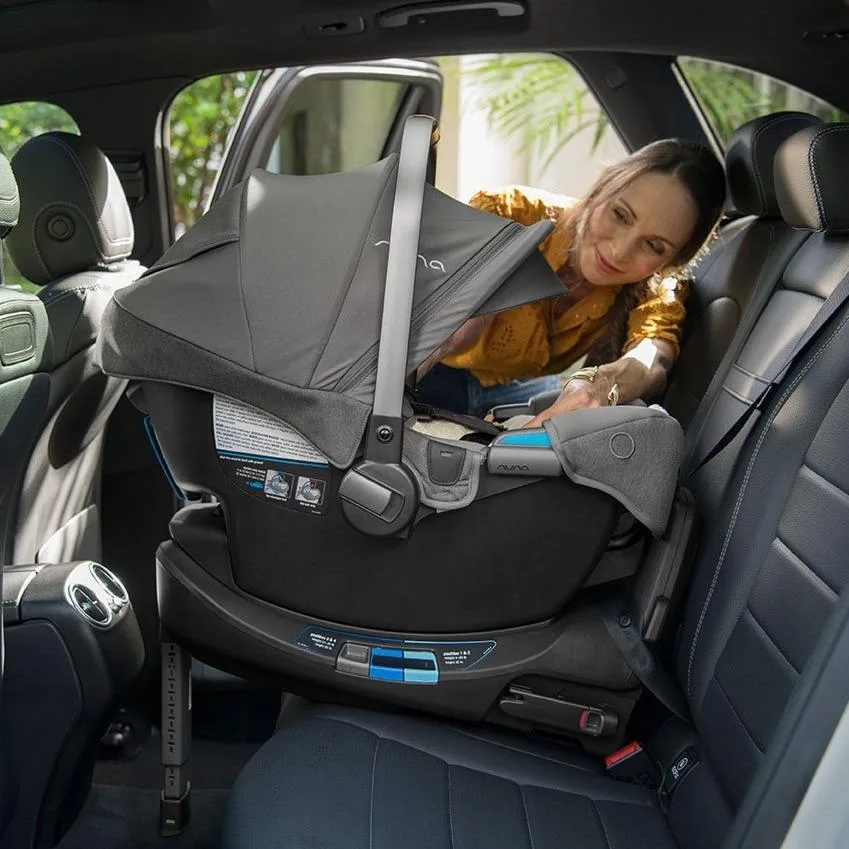
Can you bottle feed baby in car seat? The honest answer is yes, but only when the car is parked, you're supervising, and your baby is positioned safely. The moment the vehicle is moving, the answer flips to no.
That's not a rule designed to annoy you. It's about your baby's airway.
In our research, the American Academy of Pediatrics is blunt about this. Infants under 12 months have heavy heads, weak neck muscles, and narrow airways. A semi-reclined car seat pushes the chin toward the chest, which can block breathing.
Per AAP safe-sleep guidance, flat surfaces remain the only safe place for an unsupervised infant. Here's what that means for feeding on the go.
can you bottle feed baby in car seat
Yes, if the car is parked and you're actively watching. No, if the car is moving. Pull over safely first.
Recline the seat to its proper newborn angle. Keep the harness snug. Take the baby out when you can.
The Short Answer, and Why It Isn't a Simple Yes or No
It isn't a simple yes or no because the answer depends entirely on three conditions: whether the car is moving, whether you can supervise, and how your baby is positioned. Change any one of those and the answer changes with it. A parked car with an awake, supervised baby is a different scenario from a highway at 70 mph.
Here's the logic in plain if/then terms. If the car is moving, don't feed. If the car is parked and you're watching, you can, with the right positioning.
If your baby is under four months old, be extra cautious about any reclined feeding. If in doubt, take them out of the seat.
The AAP and the National Highway Traffic Safety Administration (NHTSA) agree on the fundamentals. A child must stay properly restrained while the vehicle is moving. That harness rule doesn't pause because a baby is hungry.
NHTSA's car seat guidance is clear that children should never be unbuckled or repositioned during travel.
What throws parents off is the convenience factor. Infant car seats look like little loungers. They aren't.
They're crash-tested safety devices, and their recline angle was designed for travel, not feeding. Once you understand that, the decision tree gets a lot shorter.
Image source: Bing (Web (fair-use with source credit))
The Real Risk: Why Position and Airway Matter for Newborns
Position is the whole game. A newborn's airway is roughly the width of a drinking straw. Tilt their head forward even slightly and that straw pinches.
This is the core reason feeding in a reclined seat is risky.
Chin-to-Chest Positioning and Airway Obstruction
Car seats are installed at a 30 to 45 degree recline for newborns. That's great for crash protection and for keeping the head back during sleep. It's less great for feeding.
When a baby's head slumps forward, the chin drops toward the chest and the airway narrows. The medical term is positional asphyxia. It can happen quietly, without crying, and that's what makes it dangerous.
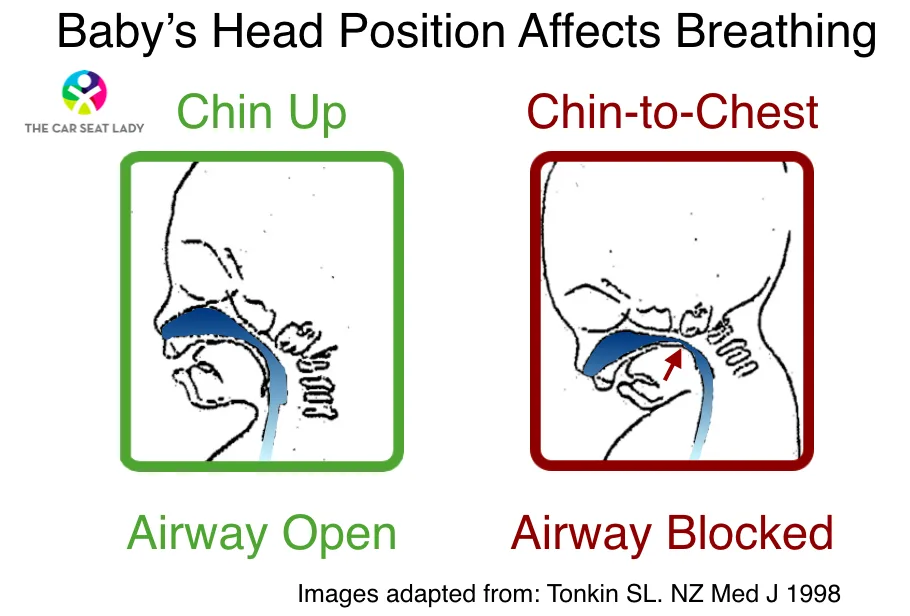
Image source: Bing (Web (fair-use with source credit))
Aspiration, Choking, and Pooling Milk
Feeding a baby in a semi-reclined position also raises the risk of aspiration. That's when liquid goes into the airway instead of the stomach. Milk can pool at the back of the throat, and a newborn's swallow reflex isn't fully coordinated yet.
Choking is the obvious concern. Less obvious is the link between supine feeding and ear infections, which pediatric sources have flagged for years.
The Distraction Factor Behind the Wheel
Even setting the airway aside, feeding while driving is a distraction problem. Reaching a bottle back to a rear-facing seat means taking your eyes and one hand off the road. You can't see your baby's face.
You can't tell if they're gagging, coughing, or turning away. Distracted driving laws in most US states and across the UK make this a legal issue too, not just a safety one.
Parked vs. Moving: The Line That Decides Everything
This is the single most useful distinction in the whole topic. If the car is parked, you have options. If it's moving, you have one job: stay buckled and wait.
When the Car Is Parked and You're Supervising
A parked car with the engine off, parking brake set, and you sitting next to your baby is a manageable feeding situation. You can see their face. You can stop the feed the second something looks wrong.
Recline the seat correctly for their age, keep the harness snug across the chest, and hold the bottle at a mild angle so milk doesn't rush.
If you can take them out entirely and feed them upright in your arms, even better. That's the gold standard. The car seat is a fallback, not the first choice.
Why Feeding While Driving Is Off the Table
Feeding while driving breaks two rules at once. It compromises restraint, and it removes your ability to monitor. No pediatric body endorses it.
Bottle propping is the worst version. A propped bottle can't be paced, can't be stopped, and keeps flowing even if your baby is struggling.
What About a Brief Red Light or Traffic Jam?
A red light isn't a park. Neither is stopped traffic on a highway. If you're in a travel lane, the vehicle could move at any second.
The right move is to take the next exit, find a parking lot, and feed there. A few extra minutes beats an emergency you can't undo.
How to Feed Safely if You're Stopping for a Bottle
If you've decided to stop and feed, here's the process we'd walk a friend through. Keep it simple and don't skip steps, even when the baby is screaming.
Step 1: Find a Genuinely Safe Place to Stop
Parking lots, rest areas, gas stations, and quiet side streets all work. A highway shoulder doesn't. Turn the engine off, set the parking brake, and put your hazard lights on if you're somewhere unusual.
You want the car stationary and predictable before you do anything else.
Step 2: Decide, Take Baby Out or Keep Them Buckled?
Ask yourself one question. Can I hold them upright in my arms right now? If yes, do that.
If no, leave them buckled but adjust the seat to the proper newborn recline and check the harness. Snug, no slack, chest clip at armpit level.
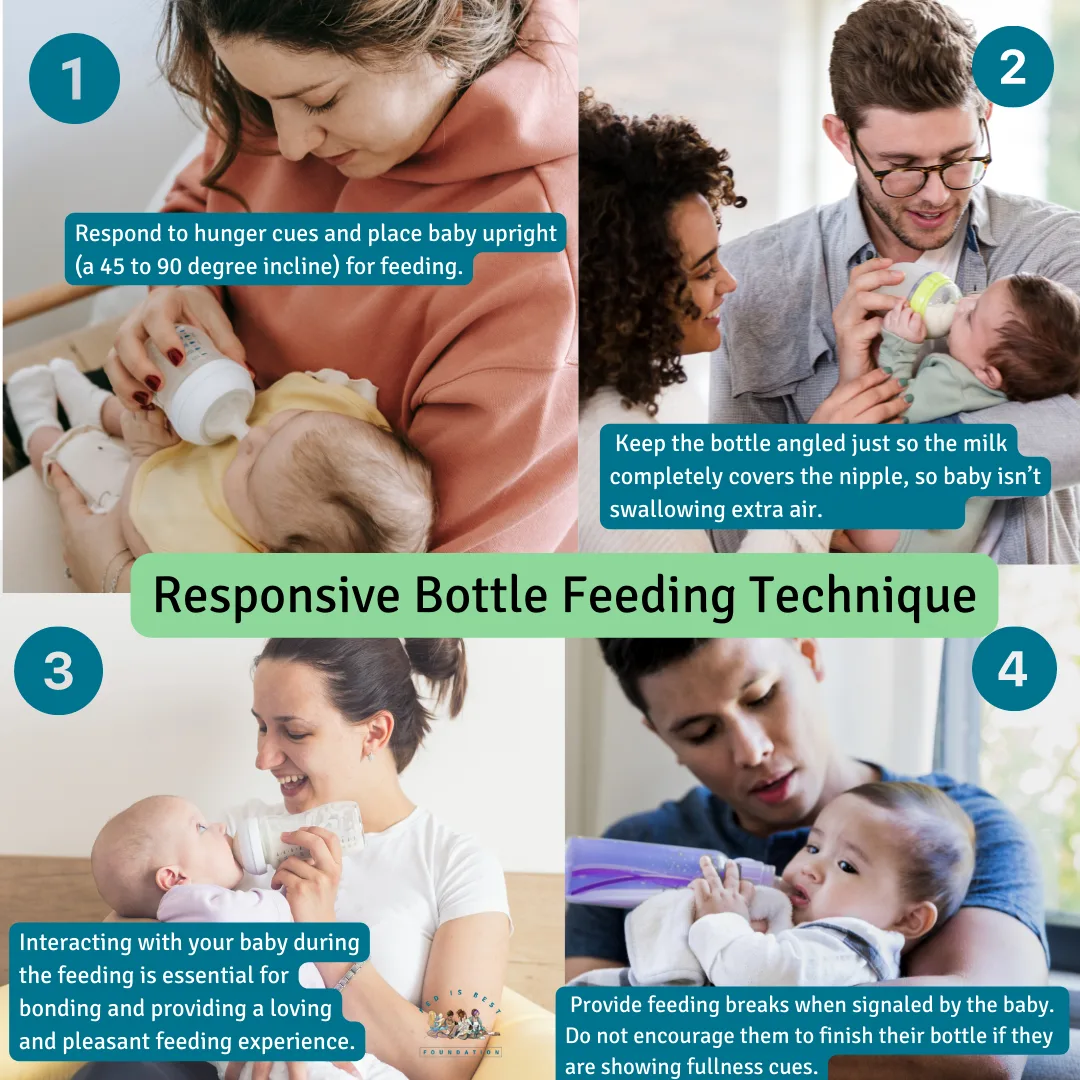
Image source: Bing (Web (fair-use with source credit))
Step 3: Position, Pace, and Watch for Cues
Hold the bottle at a shallow angle so milk fills the nipple, not the baby's throat. Let them set the pace. Pause every few minutes.
Watch for gagging, coughing, arching, or turning away. Any of those means stop and sit them up.
Step 4: Burp, Clean Up, and Re-Buckle Correctly
Burp them upright before you buckle them back in. That means taking them out if you can, or at least sitting them forward against your chest. Wipe any spit-up off the harness and shell.
Then re-buckle and check the chest clip before you pull away.
Common Mistakes Parents Make (and What to Do Instead)
Most of the trouble we see comes from the same handful of habits. Here's the short list, and what to do differently.
- Bottle propping in the seat. Never prop a bottle. Hold it, or don't feed in the seat at all.
- Leaving the harness loose. A loose harness during a feed becomes a loose harness in a crash. Keep it snug.
- Feeding flat or fully reclined. Newborns need an upright or semi-upright angle, not flat on their back.
- Missing hunger cues until the baby is frantic. A frantic baby gulps air and chokes more easily. Feed earlier.
- Ignoring spit-up on straps and pads. Milk residue sours, irritates skin, and can weaken harness grip. Clean it.
Image source: Bing (Web (fair-use with source credit))
For deeper safety detail, the CDC's infant and toddler nutrition pages cover feeding basics well. And NHTSA's car seat resources at https://www.nhtsa.gov remain the reference point for restraint rules as of 2026.
Feeding Alternatives That Actually Work on the Road
Feeding in a parked car seat is a last resort. These alternatives usually work better, and most cost nothing.
Pre-Departure Feeds and Timing
Feed your baby right before you leave. A full baby is a sleepy baby. That single change prevents most mid-drive meltdowns.
If you know your route is long, plan a feed 20 to 30 minutes before you pull out of the driveway.
For newborns feeding 8 to 12 times in 24 hours, this means mapping feeds to your trip. A two-hour drive usually fits between two feeds. A four-hour drive needs one scheduled stop.
Rest Stop Routines
Treat rest stops as feeding stations. Pull in, park away from traffic, and take your baby out of the seat if possible. Feed upright in your arms, burp, change the diaper, then re-buckle.
Many parents find a back seat setup works well here, especially in vans and SUVs.
Pacifiers, Comfort Items, and Distraction
A pacifier can buy you 20 to 30 minutes when a feed isn't due yet. So can a favorite toy, white noise, or a mirror on the headrest. These don't replace a feed.
They push the clock until your next safe stop.
Choosing the Right Car Seat for Road Trips
Some seats make on-the-go feeding easier than others. Infant carriers (bucket seats) click out of the base, so you can carry a sleeping baby inside without waking them. Convertible seats stay in the car, which makes quick removals harder.
| Feature | Infant Carrier | Convertible Car Seat |
|---|---|---|
| Quick removal | Yes, clicks out | No, stays installed |
| Best for | Newborns to ~12 months | Birth to booster age |
| Recline adjustment | Easy via base | Manual, varies by model |
| Road trip feeding | Easier with carry-out | Requires unstrapping |
If road trips are common, an infant carrier with a well-reviewed base usually wins on convenience. Once your baby outgrows it, the tradeoff shifts.
When to Call Your Pediatrician
Call your pediatrician if your baby coughs, gags, or turns blue during or after a feed. Those are aspiration warning signs. Don't wait to see if it passes.
Call the same day if your baby spits up forcefully after car seat feeds, seems to arch or stiffen during feeding, or refuses bottles in the seat but feeds fine elsewhere. That pattern can point to reflux or a feeding aversion tied to the reclined position.
Call 911 for any choking episode where your baby can't breathe, cry, or cough. Positional asphyxia can happen silently, so trust your instincts. If something looks wrong, act.
Infants who fall asleep in a car seat with a bottle still in their mouth need to be woken and repositioned. Never let a baby sleep with a bottle. It's a choking risk and a dental risk long term.
FAQs
Can I feed my baby in the car seat while the car is moving?
No. Feeding while the vehicle is moving breaks restraint rules and removes your ability to watch your baby. No pediatric body endorses it.
Pull over safely, park, then feed.
Is it safe to bottle prop in a car seat?
Never. A propped bottle can't be paced, can't be stopped, and keeps flowing if your baby struggles. It's a choking hazard and a leading cause of feeding-related emergencies in infants.
What age can a baby safely feed in a car seat?
There's no safe age for feeding while the car moves. For parked feeds, babies under four months carry the highest airway risk. Older babies with better head control tolerate semi-upright seated feeds more easily.
How upright should a baby be during a bottle feed?
Aim for upright or semi-upright, roughly 45 degrees or more from flat. Keep the head higher than the stomach. That angle reduces milk pooling and lowers aspiration risk.
Does the car seat recline angle matter for feeding?
Yes. Newborn seats are installed at 30 to 45 degrees for crash safety, which is flatter than ideal for feeding. If you're feeding in the seat while parked, sit your baby more upright than the installed recline allows.
Is breastfeeding in a car seat safer than bottle feeding?
No. The airway risk comes from the reclined position, not the milk source. Feeding in a moving car is unsafe either way.
If you're parked and supervised, both can work with the right positioning.

Similar Posts