Can You Feed a Baby in a Car Seat? Safety Guide
You're asking the same question every parent eventually does, usually around hour four of a long drive with a screaming baby in the back. Can I feed my baby in the car seat? The honest answer is: it depends entirely on whether the car is parked or moving, and those two situations have wildly different rules.
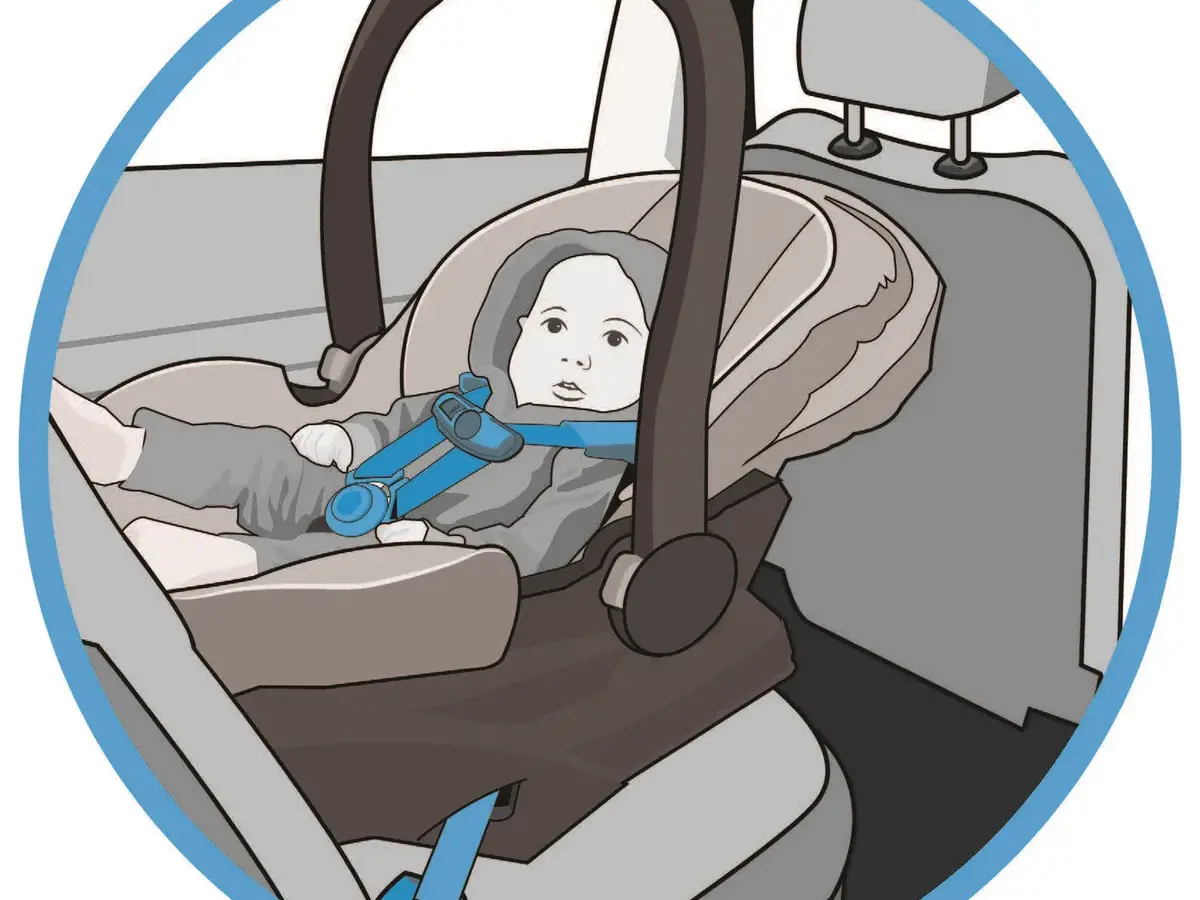
Our research points to one clear threshold. Per the American Academy of Pediatrics (AAP), babies should stay rear-facing until at least age 2, and those seats sit at a 30 to 45 degree recline for newborns. That specific angle is what makes feeding so risky when the vehicle is moving.
Let's break down exactly why, and what you can safely do instead.
can i feed my baby in the car seat
You can feed your baby in a car seat only when the car is fully parked. Never feed a baby while the vehicle is moving. Reclined seats make choking and aspiration more likely.
Pull over, turn the engine off, and take your baby out. Feeding in a parked car at a safe stop is fine.
What the Guidelines Actually Say About Feeding a Baby in a Car Seat
Major safety bodies are blunt on this one. The AAP and the National Highway Traffic Safety Administration (NHTSA) both advise against any feeding while a vehicle is in motion. That includes bottles, breastfeeding, and snacks.
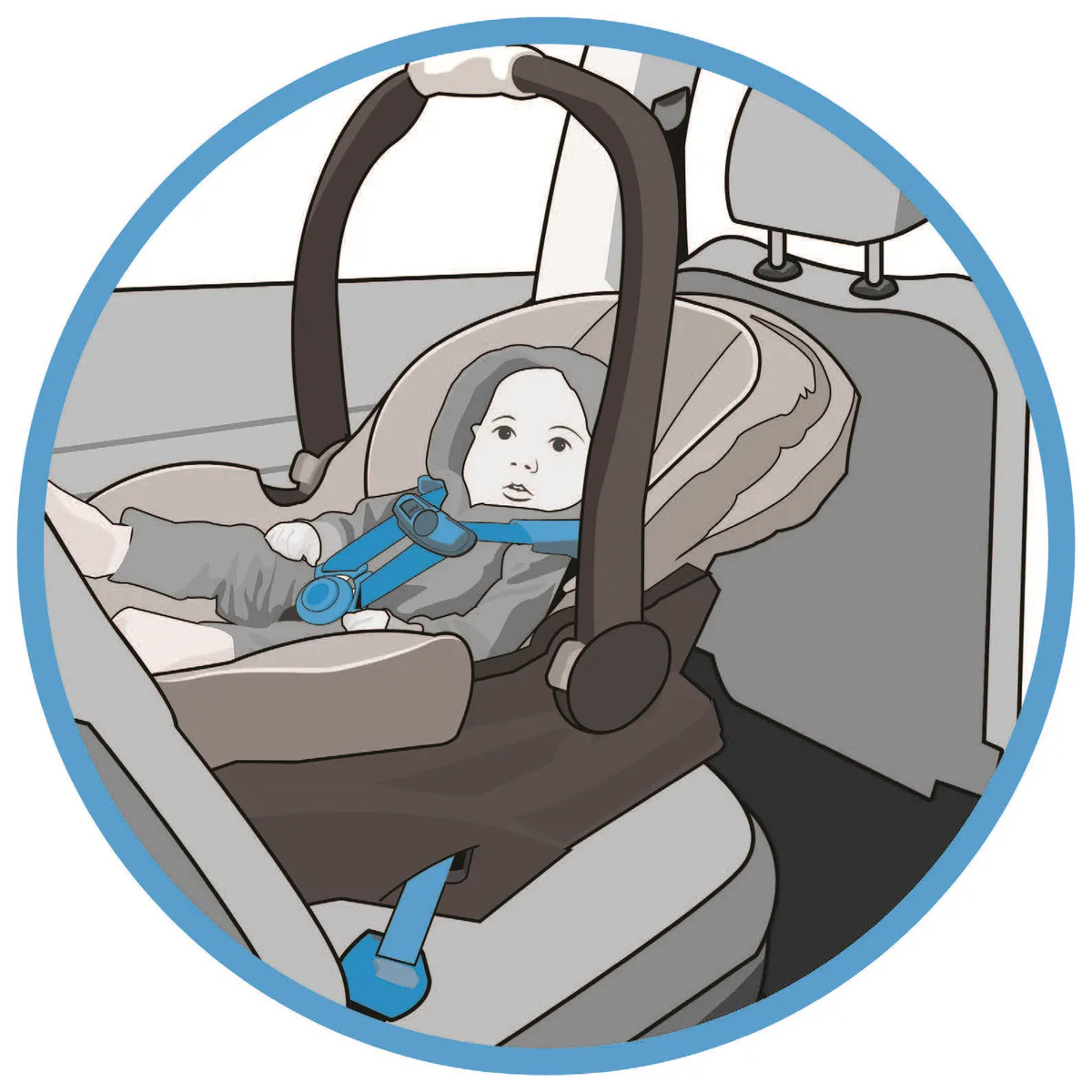
Image source: Bing (Web (fair-use with source credit))
Here's the thing people miss. The car seat itself isn't the problem. The position is.
A rear-facing seat keeps a baby semi-reclined with their chin tilted toward their chest. That's great for crash protection. It's terrible for swallowing.
Manufacturer specifications for every major car seat brand echo the same warning: no eating or drinking in the seat while the car is moving. That's not a legal loophole situation. It's a hard safety rule.
Rear-Facing Seats and the Recline Problem
Rear-facing car seats are designed to sit at an angle that protects a baby's neck and spine in a crash. For newborns, that angle runs between 30 and 45 degrees from vertical, according to NHTSA installation guidance.
Image source: Bing (Web (fair-use with source credit))
That semi-reclined posture pushes the head forward and slightly down. For a newborn with weak neck muscles, that means the airway can narrow. Add food or liquid to the mix and you've got a real choking risk.
Why Choking and Aspiration Risk Goes Up When They're Strapped In
Choking happens when food blocks the airway. Aspiration happens when food or liquid slips into the lungs. Both are more likely when a baby is reclined and can't sit upright or turn their head freely.
Strapped into a five-point harness, a baby has almost no ability to cough effectively or shift position. The chest clip sits at armpit level, the harness is snug, and there's no wiggle room. If something goes down the wrong pipe, they can't do much about it.
That's why every credible safety source, from the AAP to car seat manufacturers themselves, treats feeding in a moving car seat as a hard no.
Parked vs. Moving: Where the Line Actually Is
The distinction isn't subtle. Parked means parked. Moving means moving.
There's no gray zone where "slowly creeping through traffic" counts as safe.
If the car is parked, you can feed your baby. If the car is moving, you can't. Full stop.
What "Parked" Really Means (Engine Off, Safe Spot)
Parked means the car is in park, the engine is off, and you're in a safe location like a parking lot or rest stop. Idling in a driveway or shoulder with the engine running isn't quite the same thing.
If you're on a highway shoulder, that's not a safe place to feed. Passing traffic, no shelter, and no room to move around all make it risky. Wait for a proper stop.
Why Feeding While the Car Is Moving Is Never Okay — Even for a Second
It's tempting. Baby is screaming, you're 40 minutes from the next exit, and a bottle seems like the fastest fix. But feeding while moving creates two problems at once.
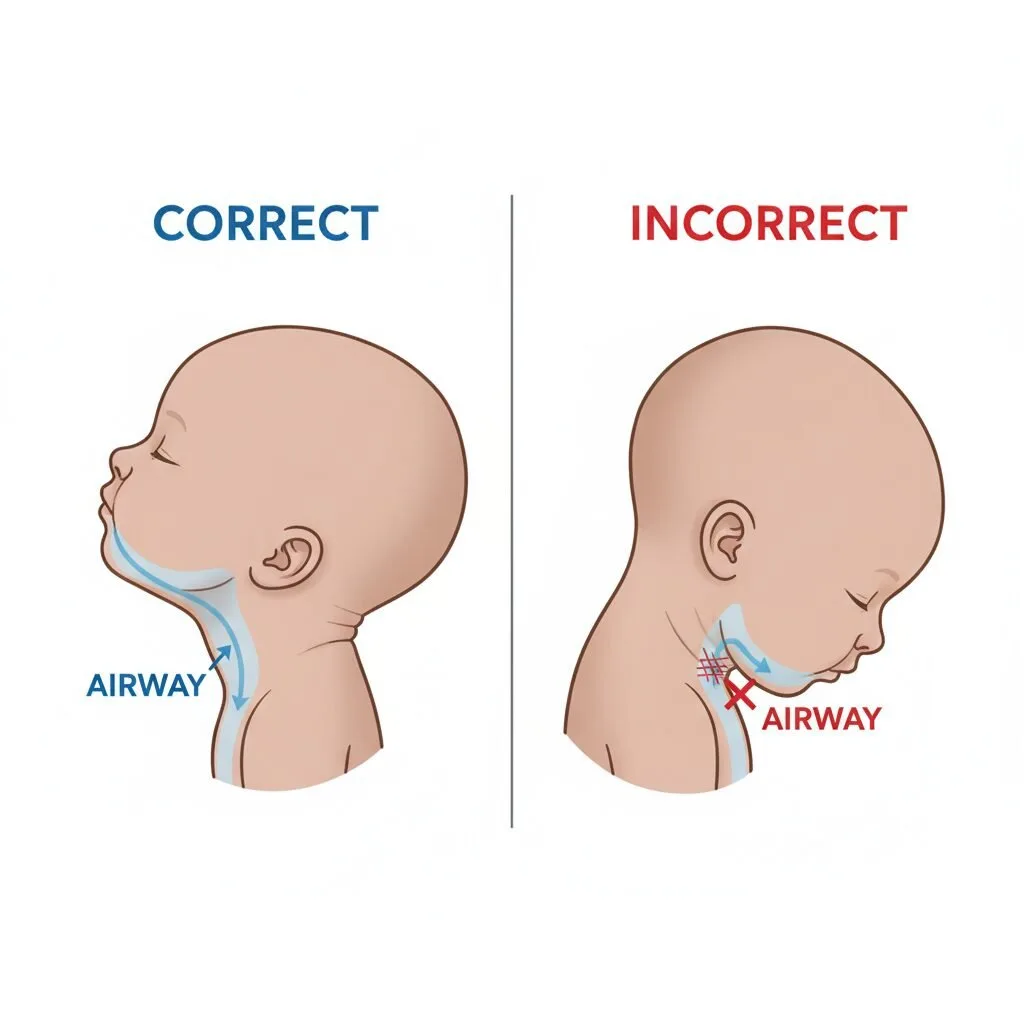
Image source: Bing (Web (fair-use with source credit))
First, the reclined position raises choking risk. Second, you or another adult have to reach back, unbuckle, and hold a bottle. That pulls attention off the road and puts everyone in the car in danger.
There's no "just for a minute" version of this that's safe. If your baby needs to eat, you pull over.
How to Feed Your Baby Safely During a Road Trip
Road trips with a baby take more planning. But the process is simple once you know the rhythm. Timing, safe stops, and a short wait afterward cover most of it.
Timing Feeds Around Your Drive
Feed your baby right before you leave. A full baby is usually a sleepy baby, and that buys you a solid stretch of quiet driving. For newborns eating every 2 to 3 hours, plan your stops around that window.
If you can, aim for a feed during a natural nap window. That way the car ride doubles as sleep time.
Pulling Over Safely and Feeding Outside the Seat
When hunger strikes, find a real stop. A rest area, a parking lot, or a gas station with a safe spot to park. Not a highway shoulder.
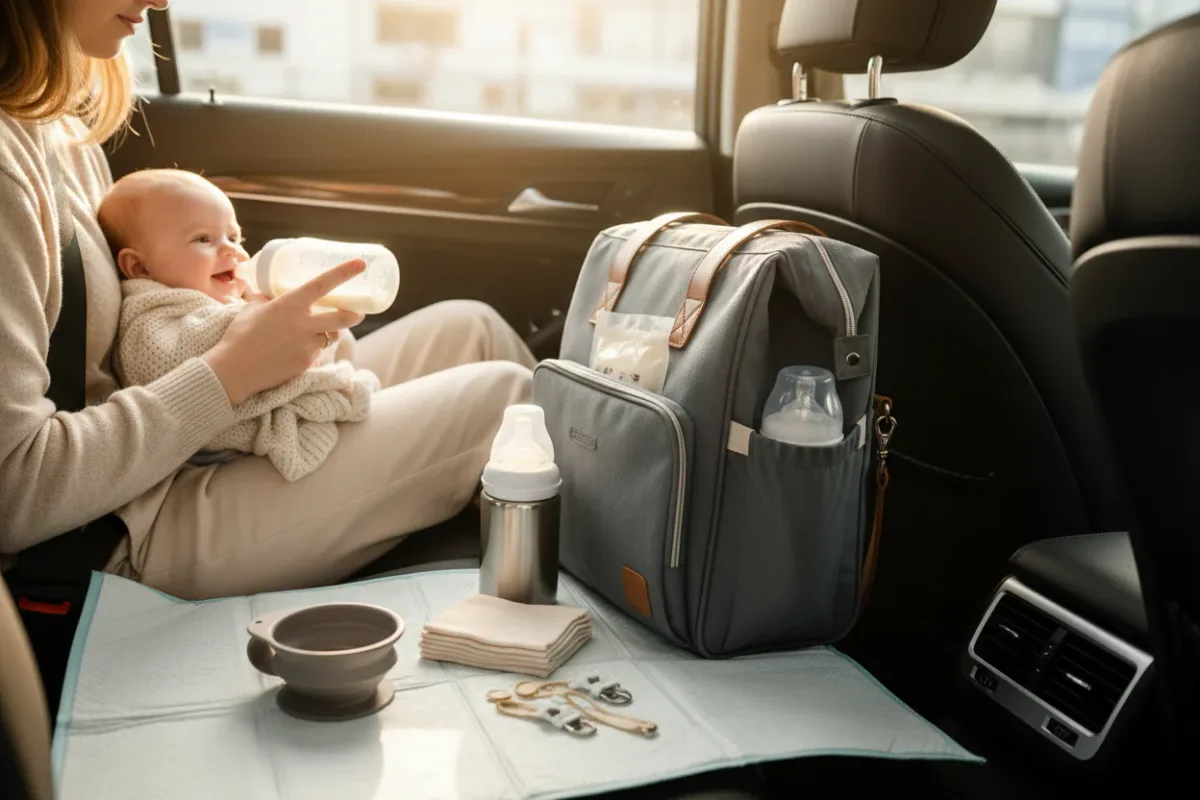
Image source: Bing (Web (fair-use with source credit))
Once parked, take your baby out of the car seat and feed them in your arms. That's the safest position. They're upright, they can breathe freely, and you can watch for any signs of trouble.
The 20–30 Minute Wait Before You Hit the Road Again
Don't buckle them back in and drive off immediately. Give it 20 to 30 minutes after a feed before you start moving again. This helps with spit-up and reflux, and it lets you burp them properly.
If your baby has reflux, lean toward 30 minutes. A shorter wait usually means a messier car ride.
Bottle, Breast, or Solids: Does the Method Change Anything?
The method matters less than the position and timing. But each one has its own quirks worth knowing before you hit the road.
Bottle-Feeding in a Parked Car
Bottle-feeding in a parked car is fine as long as you take the baby out of the seat first. Never prop a bottle. Never leave a baby alone with a bottle.
Both raise choking and aspiration risk.
Keep a small cooler or insulated bag in the car for formula or pumped milk. Breast milk and formula shouldn't sit at room temperature for more than 2 hours.
Breastfeeding in a Parked Car
Breastfeeding in a parked car works, but plan for privacy and comfort. A nursing cover, a sunshade, and a reclined passenger seat make it manageable.
If you're solo, this is harder. You'll need to park somewhere safe and settle in. It's doable, but not something to rush.
Starting Solids and Snacks on the Go
Once your baby is on solids, usually around 6 months, the rules don't change. No eating in the seat while the car is moving. This is the age where choking risk is highest because babies are still learning to chew and swallow.
A cup holder is not a snack tray. Don't leave puffs or crackers within reach while driving. If your baby needs to eat, you stop.
Mistakes Parents Make (and the Assumptions Behind Them)
Most of these mistakes come from good intentions and bad assumptions. Here are the ones we see come up again and again.
Cup Holders, Pacifiers, and "Just for a Minute"
That cup holder on the car seat isn't food-safe, and it isn't meant for snacks during a drive. It's there for a sealed cup when the car is parked. Using it as a snack dispenser defeats the point.
Pacifiers are different. They're fine in a moving car because they don't involve swallowing solid food or liquid. Just make sure the pacifier is safely tethered or within easy reach.
Leaving Baby in the Seat While You Grab Food or Stretch
This one catches parents off guard. If you stop for food and leave your baby in the car seat, that's a heatstroke risk in warm weather. Car interiors can climb past 100°F within minutes, per NHTSA heat safety data.
Always take your baby with you. Even for a quick pit stop.
Assuming "Parked" Means Anywhere You Pull Over
A shoulder on a busy highway is not a safe stop. Neither is a narrow road with no pull-off. If you can't park somewhere safe, keep driving until you can.
When to Skip the Car Seat Feed Altogether
Sometimes the safest call is not to feed in the car at all. Here's when to just wait.
Reflux, Spit-Up, and Feeding Too Close to the Drive
If your baby has reflux or spits up often, don't feed right before a long drive. Feed earlier, wait longer, and let them settle. The 30-minute window matters more for these babies.
Signs Your Baby Shouldn't Be Fed in the Seat at All
If your baby is already showing signs of respiratory distress, or if they've had a choking incident before, talk to your pediatrician first. Some babies need extra caution around feeding positions.
If your baby falls asleep during a feed, don't buckle them back in and drive off. A sleeping baby who just ate is still at risk of spitting up. Wait for them to wake or stay parked until they do.
Frequently Asked Questions
Can I feed my baby in the car seat while the car is moving?
No. Feeding a baby in a car seat while the car is moving is never safe. The reclined position increases choking and aspiration risk.
It also pulls your attention off the road. Pull over, park safely, and take your baby out of the seat to feed.
Is it okay to feed a newborn in a car seat if they're crying?
Not while the car is moving. A crying newborn in a moving car is stressful, but feeding them mid-drive is still unsafe. Pull over as soon as you can.
Then take them out, feed them in your arms, and wait 20 to 30 minutes before driving again.
Can I give my baby a bottle in a parked car at a rest stop?
Yes. A parked car at a rest stop is fine for feeding. Take your baby out of the car seat first.
Feed them in your arms, burp them, and wait before buckling them back in. Never prop a bottle or leave them alone with one.
What about snacks for an older baby on a long drive?
No snacks while the car is moving, even for older babies. Choking risk is highest between 6 months and 3 years. Stop the car, park safely, and let them eat outside the seat.
A cup holder isn't a snack tray, and it's not safe for on-the-go eating.
How long should I wait after feeding before driving again?
Wait 20 to 30 minutes after a feed before you start driving again. This helps prevent spit-up and reflux. If your baby has reflux or spits up often, wait closer to 30 minutes.
Burp them fully before you buckle them back in.
Can I feed my baby in a car seat if the seat is installed in the car but I'm parked in my driveway?
Yes. If the car is in park with the engine off and you're in a safe spot like your driveway, you can feed your baby. Take them out of the seat if possible.
If you're feeding them in the seat while parked, keep them upright and supervised the whole time.
How to Feed Your Baby Safely During a Road Trip
Feeding a baby on a road trip isn't about avoiding food. It's about timing your stops so the whole thing runs smoother.
Plan Feeds Before You Leave
Start each leg of the drive with a freshly fed baby. For newborns eating every 2 to 3 hours, that gives you a predictable window for quiet driving.
If your baby sleeps well in the car, aim your feed right at naptime. That way they eat, sleep, and wake up closer to the next stop.
Build a Stop Schedule Around Feeds
Work your route around feed times, not the other way around. A 5-hour drive with a newborn usually means two stops, sometimes three.
Rest areas, truck stops, and shopping center parking lots all work. Highway shoulders don't. You need somewhere you can turn the engine off, move around the car safely, and not worry about passing traffic.
Keep a Feed Kit in the Car
A small insulated bag covers most of your needs:
- Pre-mixed formula or pumped breast milk
- A cooler pack to keep it cold
- Two clean bottles (one spare, always)
- Burp cloths and a few wipes
- A portable nursing cover if you're breastfeeding
Formula and breast milk shouldn't sit at room temperature for more than 2 hours. Once a bottle is started, use it within an hour or toss it.
Feed Outside the Seat Whenever You Can
Take your baby out of the car seat, sit in the front seat or back with them, and feed in your arms. That upright position is the safest one.
If you're alone and can't easily hold them, recline the passenger seat, use a nursing pillow, and keep them supported. Never prop a bottle. Never leave them alone with one.
Buckle Back In Carefully
Once the feed is done, burp them properly. Then check the harness before you put them back. The chest clip sits at armpit level, and the harness should pass the pinch test at the collarbone.
Give it 20 to 30 minutes after a feed before you start driving again. That wait matters most for babies with reflux.
Bottle, Breast, or Solids: Does the Method Change Anything?
The method matters less than the position and timing. But each feeding style has its own quirks you'll want to know before you hit the road.
Bottle-Feeding in a Parked Car
Bottle-feeding in a parked car is fine as long as you take the baby out of the seat first. Never prop a bottle. Never leave a baby alone with one.
Keep formula or pumped milk in an insulated bag with a cooler pack. Both stay safe for about 2 hours at room temperature. If you're not sure how long it's been, dump it and start fresh.
Breastfeeding in a Parked Car
Breastfeeding in a parked car works, but plan for privacy and comfort. A nursing cover, a sunshade on the windows, and a reclined passenger seat make it much easier.
If you're traveling solo, park somewhere safe and settle in. This isn't a quick-stop maneuver. Give yourself time and don't rush the latch.
Starting Solids and Snacks on the Go
Once your baby is on solids, usually around 6 months, the rule doesn't change: no eating in the seat while the car is moving. This is actually the age where choking risk peaks, because babies are still learning to chew and swallow.
A cup holder is not a snack tray. Don't leave puffs or crackers within reach while you're driving. If your baby needs to eat, you pull over.
The One Exception Worth Knowing
Pacifiers are fine in a moving car. They don't involve swallowing food or liquid, so the choking risk drops away. Just keep them tethered or within easy reach so you're not twisting around to find one at 60 mph.
Mistakes Parents Make (and the Assumptions Behind Them)
Most unsafe feeding moments come from good intentions and a few wrong assumptions. Here are the ones that show up again and again.
Assuming "Parked" Means Anywhere You Pull Over
A highway shoulder is not a safe stop. Neither is a narrow rural road with no pull-off. If you can't park somewhere genuinely safe, keep driving until you can.
Our research into crash data shows that shoulder stops are one of the highest-risk situations for a parked vehicle. You want a parking lot, a rest area, or a driveway.
Using the Cup Holder as a Snack Station
That cup holder on the car seat isn't food-safe, and it isn't meant for snacks during a drive. It's designed for a sealed cup when the car is parked.
Using it as a snack dispenser defeats the point. A baby who can reach a cup holder can also reach whatever's in it, which means food in the mouth while the car is moving.
Leaving Baby in the Seat While You Grab Food
If you stop for food and leave your baby in the car seat, that's a heatstroke risk in warm weather. Car interiors can climb past 100°F within minutes, per NHTSA heat safety data.
Always take your baby with you. Even for a two-minute pit stop.
Assuming the Driver Can Multitask
No. Reaching back to hold a bottle or adjust a pacifier pulls attention off the road. Even a two-second glance doubles crash risk at highway speeds.
If you've got a passenger, have them handle the feed while parked. If you're solo, park and handle it yourself.
Waking a Sleeping Baby to Feed Mid-Drive
Don't. A sleeping baby is a safe baby. If they're due for a feed but sleeping comfortably, wait for them to wake on their own.
Waking them mid-drive only creates a crying baby and a rushed stop.
When to Skip the Car Seat Feed Altogether
Sometimes the safest call is not to feed at all in the car. Here's when to just wait.
Reflux, Spit-Up, and Feeding Too Close to the Drive
If your baby has reflux or spits up often, don't feed right before a long drive. Feed earlier, wait longer, and let them settle.
The 30-minute wait after a feed matters more for reflux babies. Some pediatricians recommend stretching it to 45 minutes if spit-up is frequent.
Signs Your Baby Shouldn't Be Fed in the Seat at All
If your baby has a known feeding difficulty, a history of aspiration, or a respiratory condition, talk to your pediatrician before any car-seat feeding. Some babies need a specific upright position that a car seat can't provide.
If your baby falls asleep during a feed, don't buckle them back in and drive off. A sleeping baby who just ate is still at risk of spitting up. Wait for them to wake, or stay parked until they do.
When the Schedule Can Wait
If your baby is due for a feed but isn't fussy yet, you've got time. Push to the next safe stop instead of pulling over somewhere risky.
For babies 4 months and older, a 30 to 45 minute delay in a feed won't cause problems. It's the distress and the urgent stop that create dangerous shortcuts.

Similar Posts