Can Baby Nap in Car Seat? Safe Sleep Tips for Parents
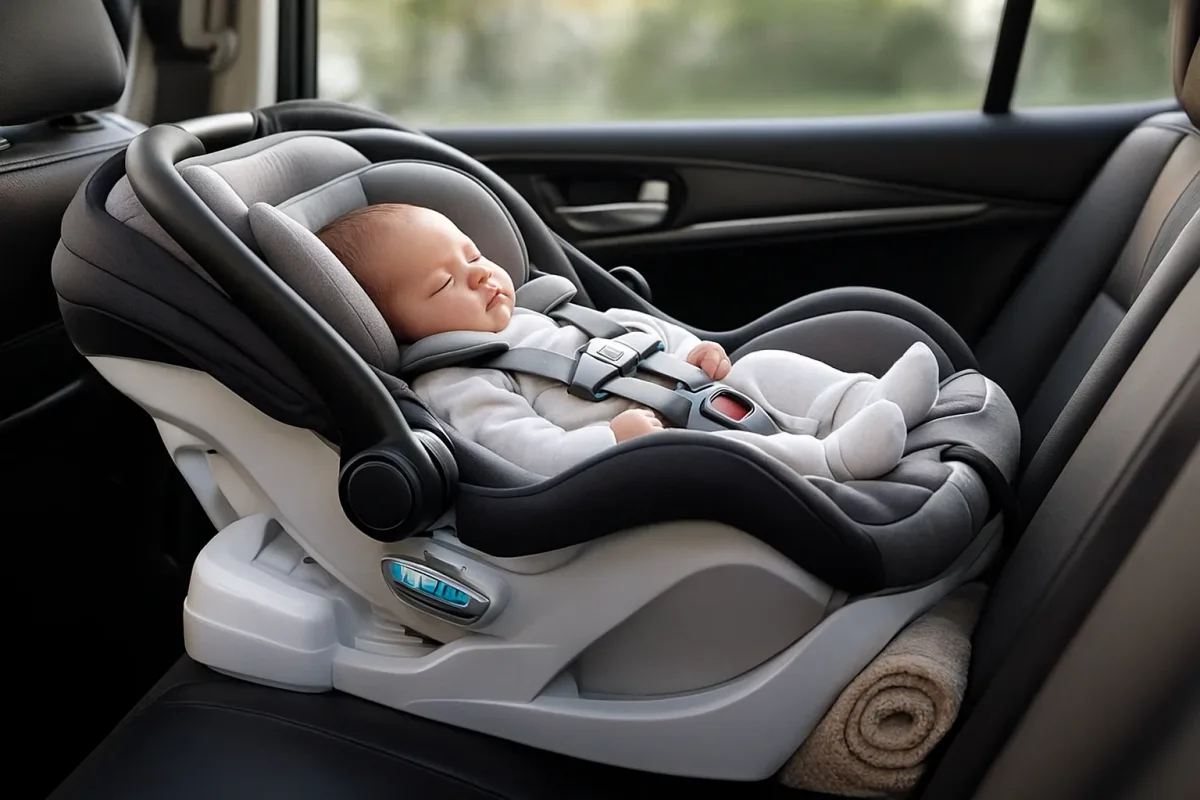
Can baby nap in car seat? Yes, they can, and they will, usually within the first ten minutes of any drive. The real question isn't whether it happens, it's whether the seat they're sleeping in is set up safely and where that seat is parked when the nap kicks in.
That distinction matters more than most parents realize. Per NHTSA and the American Academy of Pediatrics, a properly installed rear-facing car seat in a moving vehicle is a safe travel environment. But the same seat sitting on a living room floor, with an unsupervised sleeping infant, becomes a positional asphyxia risk.
Here's how to tell the difference and what to actually do.
can baby nap in car seat
Yes, a baby can nap in a car seat during travel, but only when the seat is correctly installed in a vehicle and someone is monitoring them. On the floor at home, in a stroller without sleep approval, or for longer than two hours, the same seat becomes unsafe. Transfer a sleeping infant to a flat, firm surface as soon as you arrive.
The Short Answer: Yes, But Location Changes Everything
The car seat is a travel device, not a sleep device. That's the whole thing in one line. It's engineered to protect a baby in a crash, not to hold them for hours of unmonitored sleep.
Where the seat sits changes its risk profile completely. If you understand that one fact, most of the confusing advice online starts to make sense.
Why the Same Seat Is Safe in One Spot and Dangerous in Another
Car seat safety depends on three things lining up: correct recline, correct installation, and active supervision. In a moving vehicle, all three usually line up. The seat is clipped into a base or belted in tight.
The recline angle is set. An adult is right there.
Take the same seat out of the car and set it on the couch, and two of those three vanish. The recline is now wrong for the surface. Nobody's watching the airway.
Manufacturer specifications indicate the seat is only tested and rated for use inside a vehicle. Using it outside that context is off-label, even though parents do it every single day.
The Chin-to-Chest Problem Every Parent Needs to Recognize
Newborns have almost no neck strength. Their heads are heavy compared to their bodies. When a baby's head flops forward in a seat, the chin drops toward the chest.
That position can narrow or block the airway. It's called positional asphyxia, and it can happen silently. A baby in that position may look like they're sleeping peacefully when they're actually struggling to breathe.
This is the single most important reason not to leave a sleeping baby in a car seat once you're parked. Waking them up is annoying. Missing a breathing problem is catastrophic.
Image source: Bing (Web (fair-use with source credit))
Why Positional Asphyxia Is the Real Risk, Not the Nap Itself
Most parents worry about the nap. The nap isn't the problem. The position is.
Positional asphyxia is a specific, documented cause of infant death in car seats, swings, bouncers, and loungers. It happens when an infant's body position blocks their airway and they can't self-correct.
What Happens to a Sleeping Infant's Airway
A sleeping infant's airway is already narrow. Add a forward head slump and the chin compresses the trachea. Airflow drops.
Because newborns have weak neck muscles, they can't lift their heads to fix it. They also can't cry for help if breathing becomes difficult. They just get quieter and stiller.
How Quiet Is Too Quiet: Breathing Warning Signs
Check on a sleeping baby in a car seat every 30 to 60 minutes, per AAP guidance. Watch for these signs:
- Chest rising and falling clearly
- Steady, audible breaths or visible rib movement
- Normal skin color, no bluish tint on lips or fingertips
- Head resting upright, not slumped forward
- No sweating or overheating
If any of those look off, wake the baby and reposition them immediately. Trust your gut. You're not being paranoid.
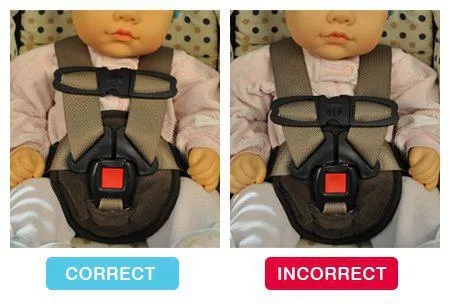
Image source: Web (Bing) / thecarseatlady.com (Web image (fair-use with source credit))
The Car Seat Nap Decision Guide: Matching the Situation to the Right Move
Run the situation. Match it to the branch. The answer changes based on where the seat is and who's watching.
Sleeping in a Moving Car vs. a Parked One
If the car is moving and the seat is correctly installed, the baby can nap. Keep the trip under two hours per manufacturer guidance, and check breathing periodically.
If the car is parked and you're still in it with them, keep the seat buckled in place. Don't unbuckle the baby and leave them in the seat. Once you leave the vehicle, take the baby with you.
Car Seat on the Floor, Couch, or Bed at Home
If the seat is off its base and sitting on furniture, don't leave a sleeping baby in it. Transfer them to a crib or bassinet. This is the classic mistake and the one that causes the most preventable deaths.
If you're mid-transfer and the baby wakes up, that's frustrating but fine. A woken baby is a safe baby.
Car Seat Clipped Into a Stroller
If your stroller and seat combo is rated for infant sleep, a reclined nap may be acceptable. Check the stroller manual. Many travel systems are not sleep-rated, even when the seat clicks in cleanly.
If it's not sleep-rated, treat it like a seat on the floor. Transfer the baby.
Rideshares, Taxis, and Grandparents' Cars
If you're in a rideshare without a base, install the seat with the seatbelt, check the recline, then supervise. If the drive is long, plan a break to get the baby out.
If a grandparent is driving, walk them through the recline, harness, and chest clip first. Well-meaning caregivers often skip these steps because they haven't done it in 30 years.
Safe Naps in the Seat: Setting Up and Monitoring Step by Step
Every safe car seat nap starts before the baby falls asleep. The setup is what makes the nap low-risk.
Recline Angle, Harness Snugness, and Chest Clip Position
Follow these setup steps in order:
- Install the base using LATCH or the seatbelt, per the manual.
- Check the recline indicator. Rear-facing infant seats typically need 30 to 45 degrees.
- Tighten the harness until you can't pinch slack at the shoulder.
- Slide the chest clip to armpit level.
- Confirm the baby's head isn't flopping forward.
If the head slumps, the seat is too upright. Adjust the base or add the recommended recline wedge. Never use rolled towels unless the manufacturer allows it.
The 30-Minute Check and the Two-Hour Rule
Set a timer for 30 minutes. Look at the baby's chest, color, and head position. Reset the timer if the nap continues.
Cap total car seat time at about two hours, per most manufacturer specs. After two hours, stop, take the baby out, and let them stretch and breathe freely.
The Transfer: Getting a Sleeping Baby onto a Flat Surface
The transfer is the hard part. It's also non-negotiable once you're home or parked for good.
- Park close to the door so you're not juggling the seat and the baby.
- Unbuckle the harness inside the car, not in the doorway.
- Lift with one hand under the head and one under the bottom.
- Lay the baby on their back on a firm, flat surface.
- Stay nearby for the first few minutes to confirm breathing is normal.
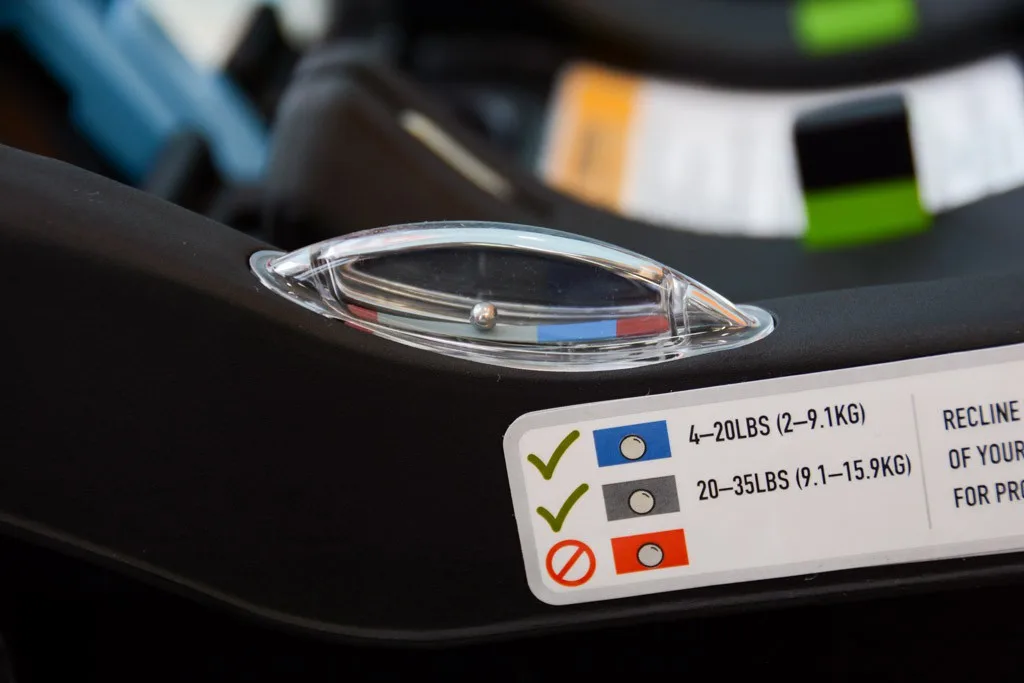
Image source: Web (Bing) / safetyfic.com (Web image (fair-use with source credit))
Better Alternatives When the Car Seat Nap Isn't Safe
If the nap can't happen safely in the seat, pick an option that keeps the baby flat. Flat is the goal. Reclined is the compromise.
| Option | Sleep-Safe? | Best For |
|---|---|---|
| Flat bassinet attachment | Yes | Stroller naps, home |
| Firm crib or bassinet | Yes | Routine sleep |
| Reclined stroller (sleep-rated) | Model-specific | On-the-go naps |
| Baby wrap or carrier | Yes, with checks | Short errands |
| Swing, bouncer, or lounger | No | Awake play only |
A flat bassinet attachment on a stroller gives you the portability of a car seat without the airway risk. If your stroller supports one, it's the better call for anything longer than a quick errand.
For home naps, a firm crib mattress with a fitted sheet and nothing else is the gold standard. No bumpers, no pillows, no blankets.
Image source: Bing (Web (fair-use with source credit))
As of 2026, the AAP continues to recommend the ABC of safe sleep: Alone, on the Back, in a Crib. Car seats don't fit that list, and they were never meant to.
Common Mistakes That Turn a Nap Into an Emergency
Most car seat injuries we see in the data don't come from crashes. They come from small, ordinary decisions that feel harmless in the moment.
Leaving a Sleeping Baby in the Seat After You Get Home
This is the number one mistake. You pull in the driveway, the baby's finally asleep, and you think, "Just five minutes."
Those five minutes turn into a nap on the living room floor. The seat is off its base. The recline is wrong.
Nobody's watching the airway.
If the baby's asleep when you park, unbuckle them and carry them in. Waking them is a two-minute annoyance. It's not a risk.
Using the Car Seat as a Crib Substitute Overnight
Car seats are not cribs. They're not approved for overnight sleep. Manufacturer specs are clear on this.
Overnight sleep in a car seat often means 6 to 10 hours in a semi-upright position. That's way past the two-hour limit and way outside the design intent.
Aftermarket Inserts That Void the Seat's Safety Rating
Aggregate user reviews show plenty of parents add head supports, strap covers, and infant inserts that didn't ship with the seat. These are not crash-tested with your specific model.
Manufacturer specifications confirm the seat's rating only holds with approved accessories. Third-party inserts can push the baby's head forward or change the harness geometry.
Skipping the Recline Check After Switching Cars
Every time you move the seat between vehicles, check the recline. Every time. The base surface and seat shape are different in each car.
If the head slumps forward on the drive, pull over. Fix the recline before you keep going. A twenty-second adjustment beats a hospital trip.
What the AAP, NHTSA, and Manufacturers Actually Say
Official guidance on this topic is consistent and blunt. The car seat is for travel. Not routine sleep.
The American Academy of Pediatrics advises parents to transfer a sleeping infant to a flat surface as soon as they arrive at their destination. That's not a suggestion. It's the standard.
NHTSA sets and enforces the FMVSS 213 standard for child restraint systems. Every car seat sold in the US must meet it. The seat is crash-tested as a restraint, not as a sleeper.
Rear-Facing Rules and State Law Basics
All 50 states require rear-facing car seats for infants, though the exact age and weight cutoffs vary. Many states now require rear-facing until at least age 2.
Rear-facing keeps the head, neck, and spine aligned in a crash. It also keeps the baby in the safest position for their body size. Don't rush the flip to forward-facing.
Heat, Time Limits, and Recall Checks
Hot cars kill babies. NHTSA reports an average of 38 child hot-car deaths per year in the US. A car seat in a hot vehicle gets dangerously warm fast.
Check the NHTSA recall database every few months. Recalls on bases, harnesses, and buckles are common. A recalled seat should not be used until the fix is applied.
Frequently Asked Questions
Can a baby sleep in a car seat overnight?
No. Car seats are not approved for overnight sleep. The semi-upright position and lack of monitoring increase the risk of positional asphyxia.
Use a firm, flat crib or bassinet for overnight sleep instead.
How long is too long in a car seat?
Most manufacturers cap car seat use at around two hours for infants. After two hours, take the baby out for a break, a feed, and a stretch. Longer stretches increase airway and temperature risks.
Is it safe if I'm watching them the whole time?
Supervision lowers the risk but doesn't remove it. Even supervised, a baby's airway can close silently in a slumped position. If the seat is off its base or on furniture, transfer the baby to a flat surface.
When can babies nap in a car seat without extra worry?
Never fully without monitoring, but the risk drops once head control is solid, usually around 4 to 6 months. Even then, keep naps to travel only and transfer as soon as you park.
Can I use the car seat as a bassinet on a walk?
Only if your stroller is specifically rated for infant sleep in the reclined position. Most travel systems are not. Check the stroller manual before assuming it's safe.

Similar Posts