How to Get Your Baby to Pass the Car Seat Test
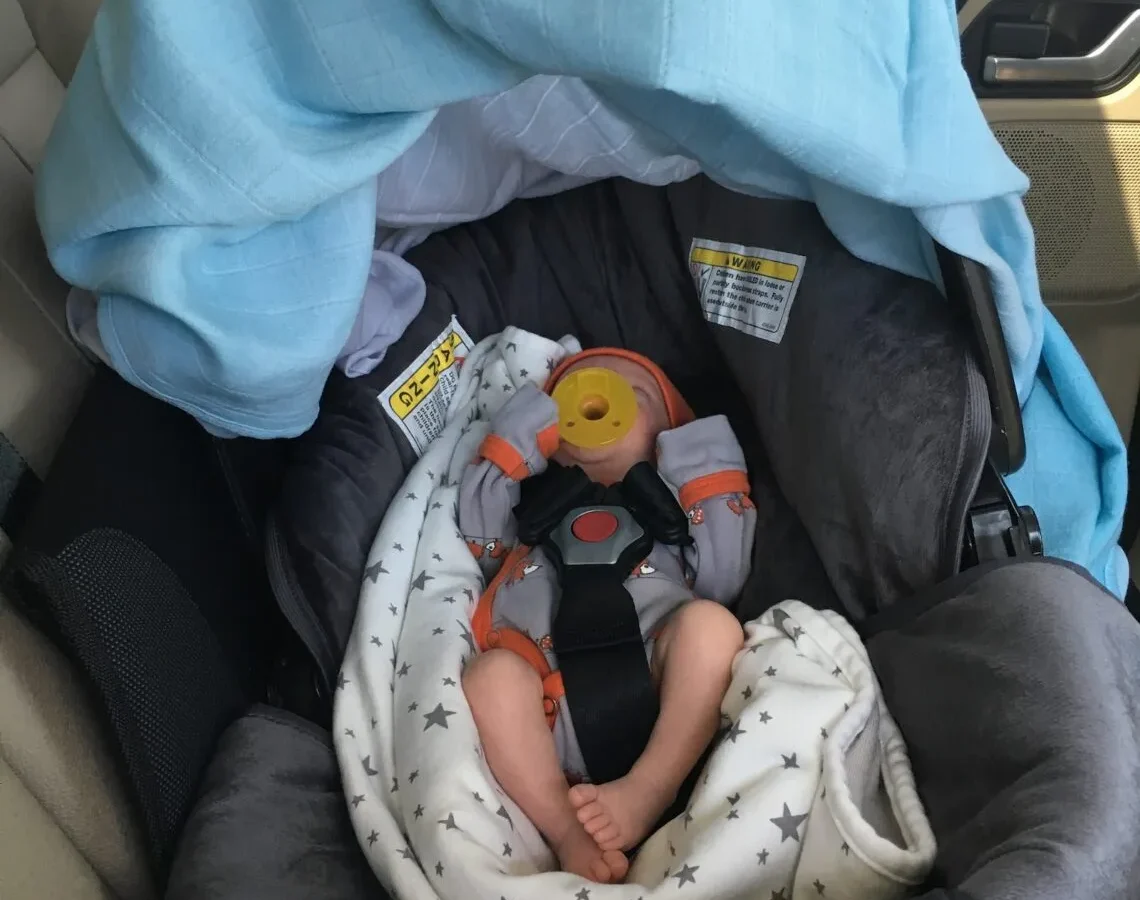
If your baby is heading home from the NICU, you've probably started thinking about how to get your baby to pass the car seat test. It's one of the last boxes to check before discharge, and it worries parents more than it should. The test isn't a measure of your parenting or your car seat.
It's a monitored observation that tells the medical team whether your baby can breathe and keep a steady heart rate while sitting semi-upright.
Here's the reassuring part. Most babies pass on the first try, and most who don't pass the first time pass on a retest. Per American Academy of Pediatrics guidance, the car seat challenge is standard for infants born before 37 weeks or with certain medical conditions.
What follows is how the test works, what the numbers mean, and what you can actually control on test day.
how to get your baby to pass the car seat test
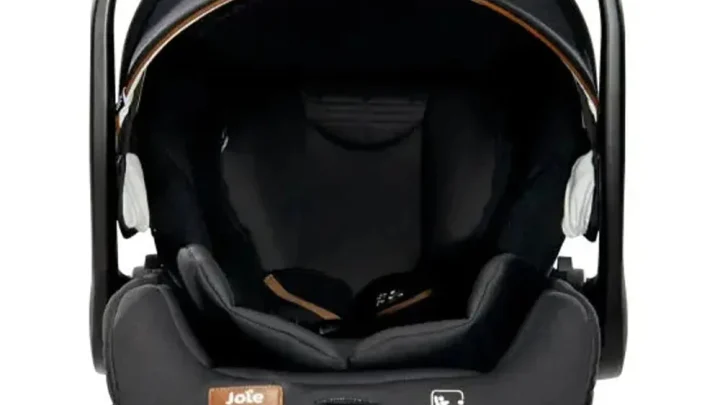
Give your baby the best shot by using a properly reclined seat, a snug harness with the chest clip at armpit level, and normal clothes with no bulky layers. Feed your baby at least 30 minutes before the test so they aren't deeply asleep or full. Keep them calm and alert, and let the monitor run the full 90 minutes.
What the Car Seat Test Actually Is and Why Hospitals Do It
The car seat test, also called a car seat challenge or car seat tolerance screening, is a monitored observation where your baby sits in their actual car seat for 90 to 120 minutes. During that time, staff track heart rate, breathing, and oxygen saturation continuously. The goal is simple.
They want to see whether your baby can handle the semi-upright position of a car seat without dropping their oxygen or pausing their breathing.
Why does position matter so much? Newborns, especially preemies, have weaker breathing reflexes and less head control. When they slump forward, their chin can press toward their chest and narrow the airway.
That's called positional airway obstruction, and it's the main reason hospitals run this test before sending a baby home.
Premature babies also carry a higher risk of apnea of prematurity, which is a pause in breathing lasting 20 seconds or more. They can also have bradycardia, where the heart rate drops below normal. Both can happen silently while a baby sleeps.
A car ride home can take an hour or longer, so the medical team wants proof your baby tolerates that position before you're on the highway.
Is the test mandatory?
No, it's not a law. It's a hospital policy at most U.S. NICUs, which means the rules vary by facility.
Some hospitals test every baby under 37 weeks. Others test based on weight, medical history, or a doctor's judgment. If your hospital does it, plan on it happening.
If you deliver at a birth center or a hospital without a NICU, your baby might never be tested at all.
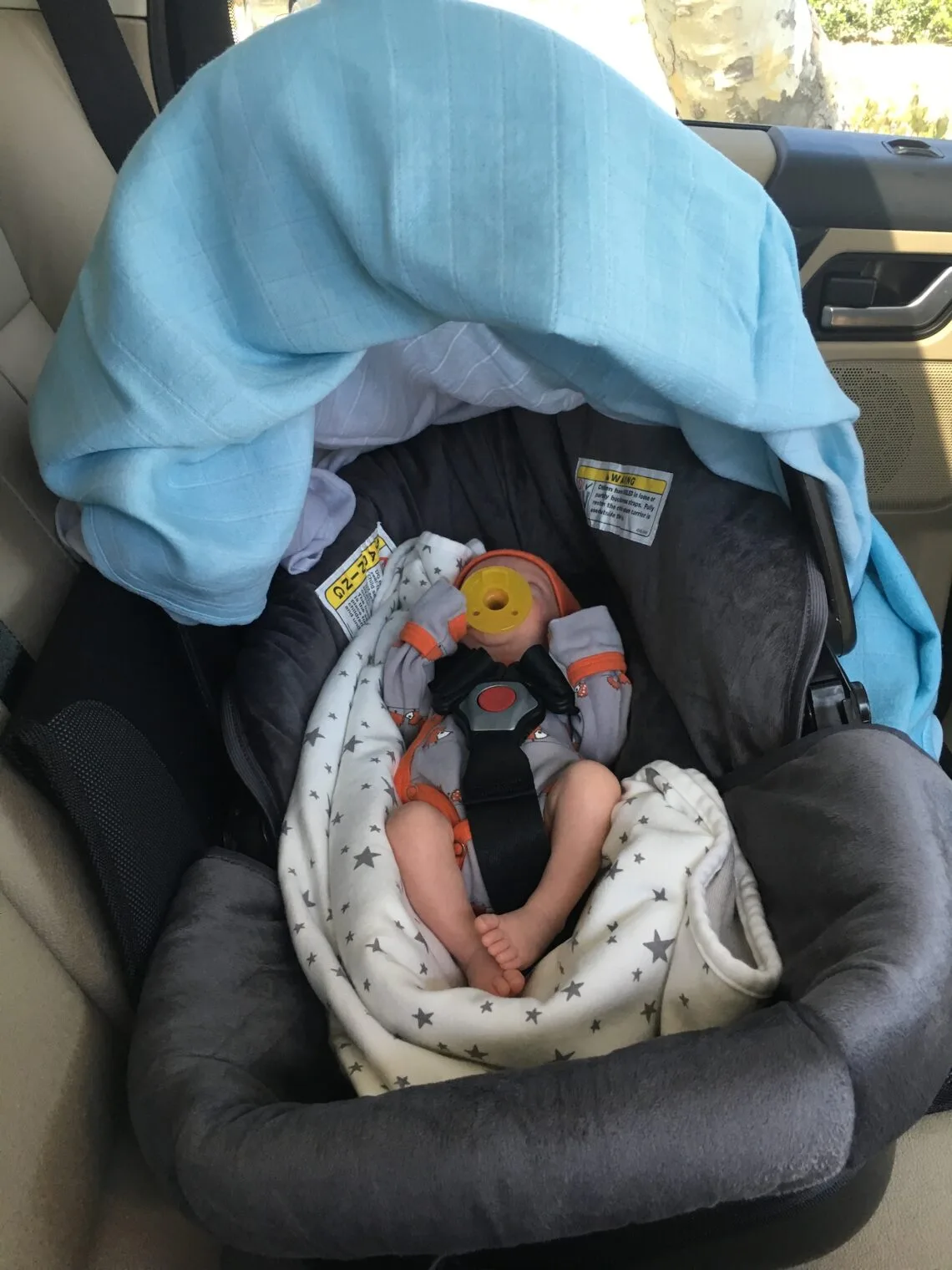
Image source: Bing (Web (fair-use with source credit))
Who Needs the Test (and Who Usually Doesn't)
Not every newborn gets a car seat challenge. The test is aimed at babies who have a real chance of struggling in a semi-upright seat. If your baby was born at term, weighed over 5.5 pounds, and has no breathing concerns, they probably won't be tested.
Here's how it usually breaks down.
Babies who typically need the test:
- Preemies born before 37 weeks gestation
- Low birth weight babies under about 5 pounds (2.27 kg)
- Babies with apnea, bradycardia, or oxygen desaturation episodes
- Babies with low muscle tone or certain congenital conditions
- Babies on caffeine therapy for apnea of prematurity
- Babies with a history of breathing support
Babies who usually don't need it:
- Full-term babies with no breathing issues
- Babies over 37 weeks with a normal exam
- Babies discharged from a well-baby nursery
The AAP recommends screening for all infants born before 37 weeks. That's the clearest line in the sand. From there, individual hospitals layer on their own criteria.
The CDC tracks preterm birth rates, and roughly 1 in 10 U.S. babies arrives early, so this test touches a lot of families.
What "Passing" Really Means: The Numbers Behind the Monitor
Passing sounds vague until you see the actual numbers. The monitor is watching three things at once. A pass means none of these events happen for the full duration of the test.
A single event can flip the result.
| Metric | What's being watched | Typical fail threshold |
|---|---|---|
| Oxygen saturation | Blood oxygen level | Below 90% (some hospitals use 88% or 92%) |
| Bradycardia | Heart rate | Under 80 to 100 bpm, age-dependent |
| Apnea | Breathing pauses | 20 seconds or longer, or shorter with desaturation |
The test usually runs 90 minutes minimum. Many hospitals extend it to two hours. That length matters.
Some babies look fine for 30 minutes and then drop their oxygen during a deep sleep stretch. A short test would miss that.
Most hospitals perform the test with a pulse oximeter on the foot and ECG leads on the chest. If your baby's numbers stay steady, that's a pass. If there's even one desaturation, one bradycardic dip, or one apnea pause, it's a fail, and the team documents it.
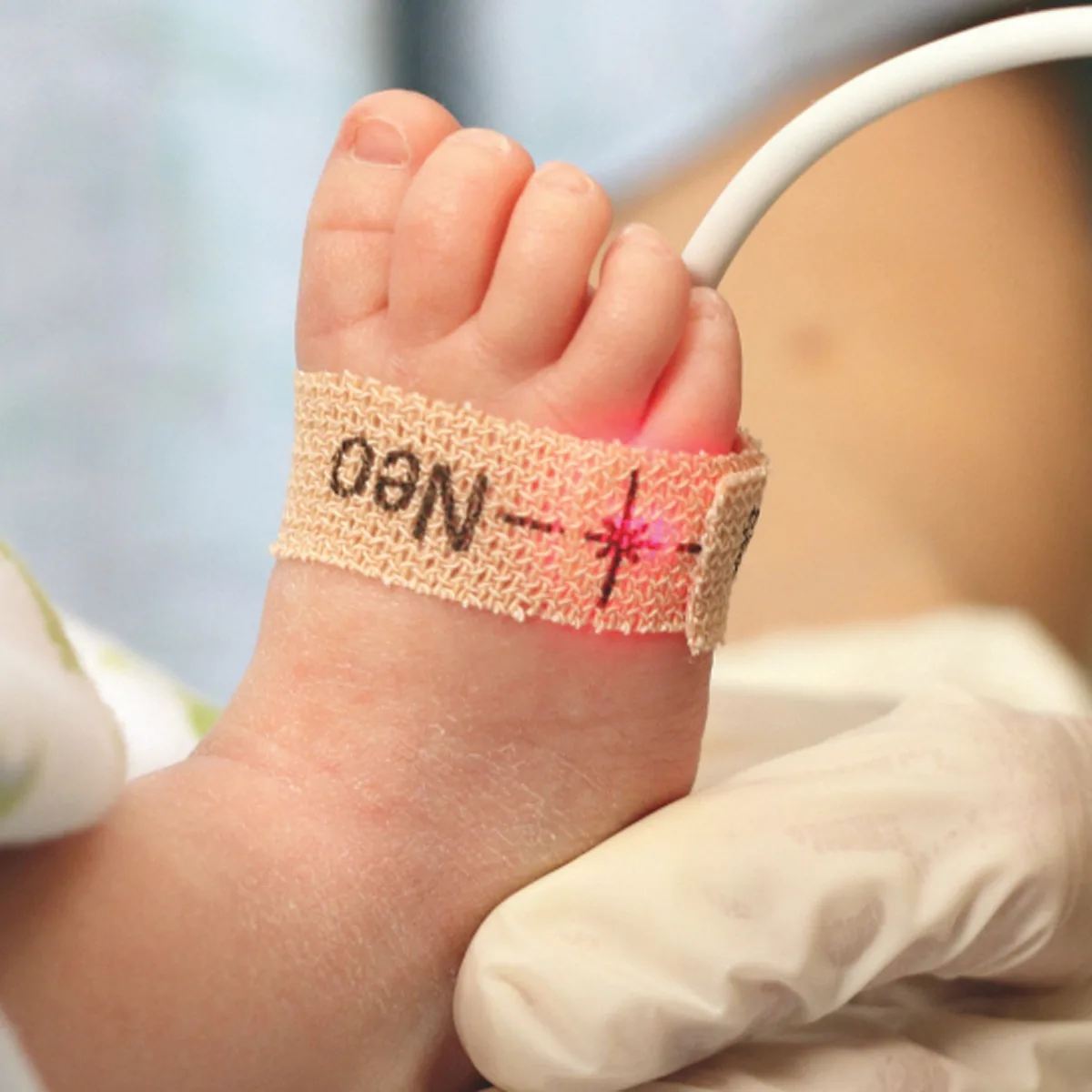
Image source: Bing (Web (fair-use with source credit))
What happens if your baby fails
A failed test doesn't mean your baby is sick. It means the car seat position triggered something. The team will usually retest.
Sometimes they retest the same day after a feeding, or they try a different time when your baby is more alert. Many babies pass the second time.
If your baby fails twice, the plan changes. The team may switch to an infant car bed, which lets the baby lie flat instead of sitting upright. In rare cases, they'll delay discharge or send your baby home with a home monitor.
About 5 to 15 percent of preemies fail the first test, and most of those pass on retest.
How to Set Your Baby Up to Pass: Seat, Harness, and Timing
Here's the honest truth. You can't control the monitor. But you can control a lot of what happens around it.
Most of the setup comes down to using the seat correctly and timing the test well.
Get the seat angle right
The recline angle is the single biggest factor. Every infant car seat has a built-in level indicator, either a bubble, a line, or a ball. It needs to sit in the correct zone.
Too upright, and your baby's head flops forward. Too reclined, and the seat isn't protecting them in a crash. Manufacturer specifications are clear on this.
Follow the indicator, not your own guess.
If you're unsure, ask a nurse or a Child Passenger Safety Technician (CPST) to check the install before the test. Many hospitals have one on staff.
Tighten the harness correctly
A loose harness lets your baby slump. The straps should lie flat with no twists, and they should be snug enough that you can't pinch any slack at the shoulder. The chest clip goes at armpit level, not down on the belly.
That clip keeps the straps on the shoulders, which keeps your baby positioned right.
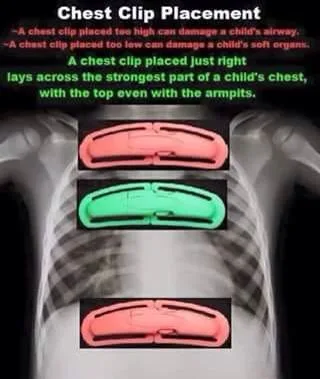
Image source: Bing (Web (fair-use with source credit))
Skip the bulky layers
Dress your baby in normal, thin clothing. A bulky coat or thick sleep sack under the harness creates slack, and it can cause overheating. Bring a blanket to drape over the top afterward if you need warmth.
Nothing goes between your baby and the harness except a thin layer.
Time the feed and the nap
Feed your baby 30 to 60 minutes before the test. A baby who just ate a full bottle tends to fall into a deep sleep, which is exactly when desaturations show up. A baby who is calm but alert does better.
Don't try to keep them awake the whole time, though. That just makes everyone miserable. Let them settle naturally.
Use the insert only if it came with the seat
Aftermarket inserts and head supports are a common mistake. Unless the padding came in the box with your seat or the manufacturer approves it, leave it out. Extra padding can push a baby's chin forward and cause the exact problem the test is looking for.
Why Babies Fail and What Happens Next
Babies fail for three main reasons. The first is position. If the seat is too upright or the head slumps forward, the airway narrows and oxygen drops.
The second is immature breathing control. Preemies sometimes just forget to breathe for a moment, and the semi-upright position makes that more likely. The third is undiagnosed apnea or reflux.
Sometimes the failure is a blessing. A test that catches a desaturation in the hospital is far safer than one you discover on the drive home. If your baby fails, ask the team three questions:
- What event triggered the fail, and how low did the numbers go?
- Will we retest, and when?
- Would a car bed be safer for our baby?
If your baby keeps failing and a car bed is recommended, that's not a step backward. It's the right tool for a baby who can't handle upright positioning yet. Some babies use a car bed for a few months and then transition to a standard seat once they've grown.
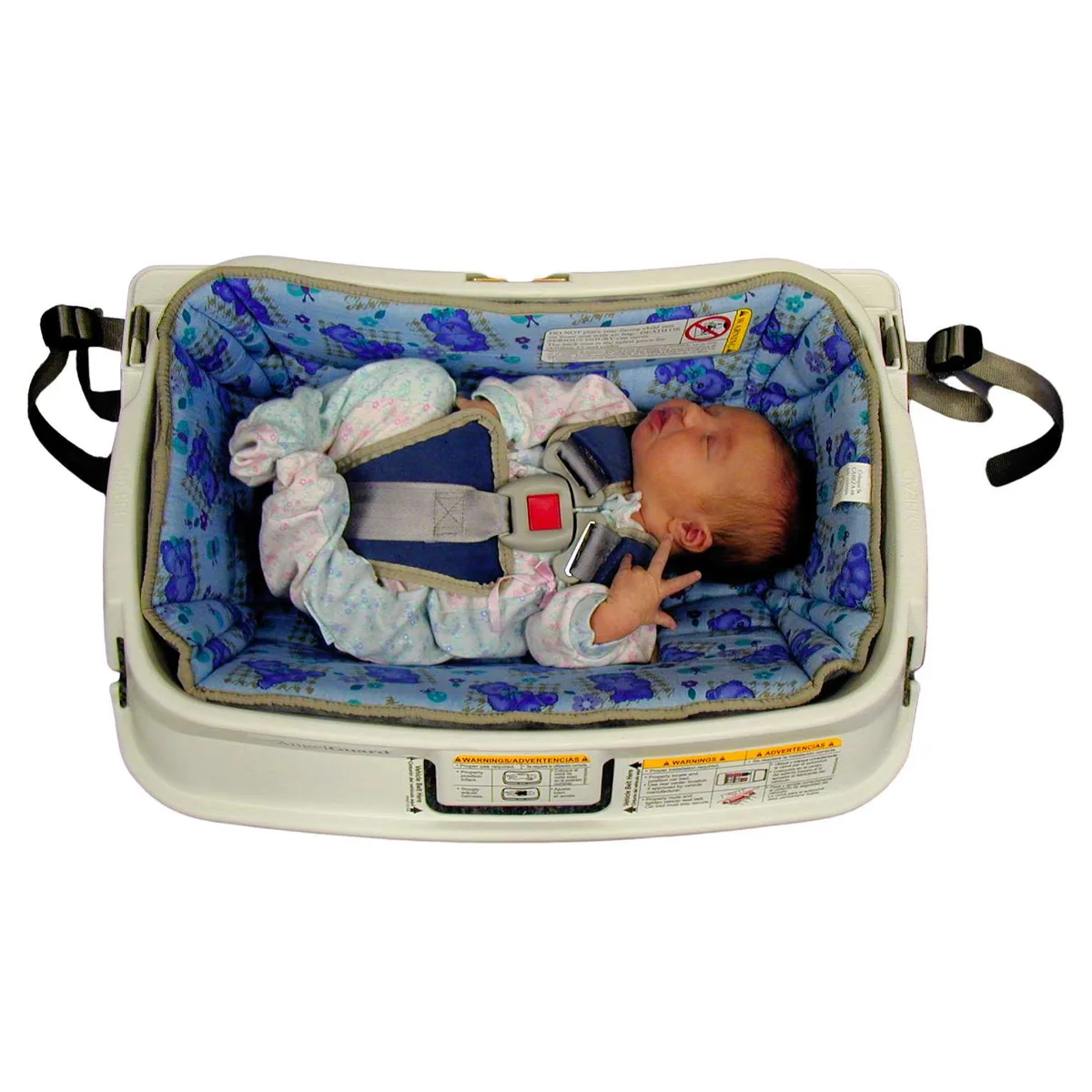
Image source: Bing (Web (fair-use with source credit))
Ideal Use Cases: Which Babies Benefit Most
Not every baby needs the same approach, and the car seat challenge is a stress test, not a one-size-fits-all gate. Here's how to think about which babies benefit most from extra attention.
Babies born before 34 weeks, or those who needed breathing support in the NICU, tend to have the highest risk of failing. Caffeine therapy for apnea also flags a baby who needs careful monitoring. If your baby has low muscle tone, a diagnosis like Down syndrome, or a known airway issue, expect a longer or repeated test.
Full-term babies with no breathing history represent the low-risk group. If the hospital still runs the test, they almost always pass on the first try. That said, any baby who was small for gestational age or who had a brief NICU stay for oxygen deserves the same caution.
A few scenarios shift the calculus. Long drives home, cold weather requiring layers, and rural hospital distances all raise the stakes. If your trip home is over an hour, ask the team whether a two-hour test is possible.
If you live somewhere hot, dress your baby in a single thin layer and bring a muslin blanket for the drive.
How weight and corrected age change the plan
Weight alone doesn't decide the test. Corrected gestational age and breathing history matter more. A five-pound preemie at 36 weeks corrected may still have apnea events, while a five-pound term baby rarely does.
Ask the team which factor drives their criteria.
How the Test Fits Into Discharge Day
Discharge day has a rhythm, and the car seat test slots into it. Knowing the sequence stops you from panicking when the room gets busy.
Most NICUs run the test within 24 to 48 hours of the planned discharge. Staff bring your own car seat into the unit, or the hospital lends one if you haven't bought yours yet. Nurses attach leads, position your baby, and start the clock.
Then you wait.
The monitor runs continuously. You can stay in the room, and many parents do. Some units let you hold the baby's hand if they fuss, but you can't take them out of the seat.
A calm baby finishes faster.
If the test passes, the team documents it and moves on with discharge paperwork. If it fails, they'll usually retest the same day or the next morning, depending on staffing and your baby's feeding schedule. A retest takes the same 90 to 120 minutes.
What to bring to discharge day
Pack your car seat a day early, with the base already installed in your vehicle if possible. Bring a thin onesie or sleeper, a hat, and a light blanket. Skip any aftermarket inserts unless they came in the seat box.
Also bring your infant car seat manual, since nurses may ask about the recline range.
If you don't have a car seat yet, arrange one before discharge. Hospitals don't send babies home without a proper seat, and a loaner program may be available. The National Highway Traffic Safety Administration is a solid reference for installation basics and recalls.
Mistakes Parents Make on Test Day
Most failed tests trace back to a small setup mistake, not a medical problem. Here are the ones we see pop up most often.
- Dressing the baby in a thick coat or sleep sack. This creates slack under the harness and traps heat. Use a thin layer.
- Skipping the recline check. A seat that's a few degrees too upright pushes the head forward. Always verify the indicator.
- Adding aftermarket head supports. Extra padding can do more harm than good. Stick with what came in the box.
- Feeding right before the test. A full belly sends babies into a deep sleep, which is when desaturations show up. Aim for 30 to 60 minutes before.
- Using the wrong harness slot. Straps should sit at or below the shoulders for a rear-facing infant. Higher slots put pressure on the neck.
- Leaving the chest clip too low. At armpit level, it does its job. On the belly, it does nothing.
- Forgetting the seat's weight minimum. Some infant seats start at 4 pounds, others at 5. If your baby is under the minimum, you may need a car bed.
One more mistake worth naming: parents sometimes ask to skip the test to speed up discharge. Don't. A desaturation caught in the hospital is far better than one you discover on the interstate.
Can you practice at home before discharge?
You can, and it helps. Once you know your baby's approximate weight and height, install the seat at the correct angle, buckle a doll or a rolled towel in to check the harness routing, and time how long a full session would run. It won't replicate the monitor, but it gets you familiar with the setup.
Just don't rely on it as proof your baby will pass. Only the monitored test counts.

Similar Posts