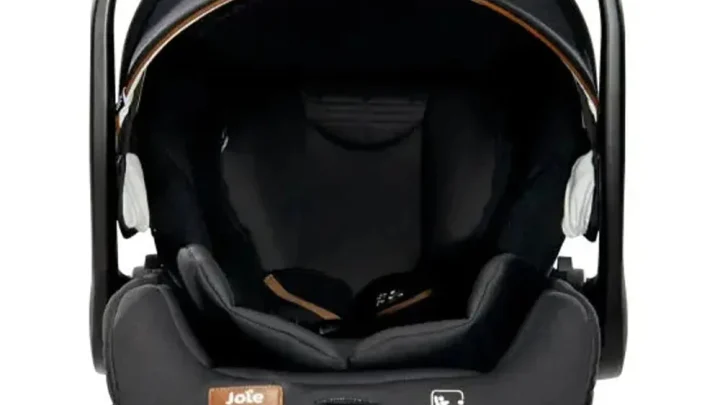
Travel With a Baby Without a Car Seat: Safe Guide
Traveling with a baby without a car seat is possible, but only if you plan around the one rule that never bends: a baby in a moving car needs a proper restraint. The trick isn't avoiding car seats everywhere. It's choosing trips and transport modes where no car ride is required.
In our research, this comes down to picking car-free travel modes, understanding when rideshares and taxis will refuse you, and knowing your legal backup if a car ride becomes unavoidable. Here's how to travel with a baby without a car seat, safely and legally, as of 2026.
how to travel with a baby without a car seat
Choose trips built on trains, buses, ferries, and walking. Book lap infants on flights instead of car seats. Avoid rideshares and taxis unless you bring a restraint.
Never hold a baby in a moving car. If a car ride is unavoidable, carry a travel vest or a lightweight car seat. Plan the whole trip around car-free transport first.
Why "No Car Seat" Isn't As Simple As It Sounds
The phrase "traveling without a car seat" hides two very different trips. One is a genuinely car-free trip: trains, buses, ferries, walking, and flights where your baby stays on your lap. The other is a trip where you'll still end up in a car at some point.
Image source: Bing (Web (fair-use with source credit))
Those two trips need completely different plans. If you mix them up, you'll get stranded.
Here's the non-negotiable fact. Per NHTSA and the American Academy of Pediatrics, a rear-facing car seat is the only safe way to restrain an infant in a car. Lap-holding isn't a "less safe" option.
It's the single most dangerous one. In a crash, you cannot physically hold onto a baby.
Is it ever legal to skip the car seat?
Rarely, and only in narrow cases. Most US states require an appropriate child restraint for infants in any motor vehicle. A handful of jurisdictions exempt taxis, but that exemption usually doesn't extend to rideshares like Uber and Lyft.
In the EU and UK, children under 12 or 135 cm must use an appropriate restraint in cars, with a few taxi exceptions. Enforcement varies, but the safety logic doesn't. The restraint isn't about the fine.
It's about surviving a crash.
What actually changes based on your trip?
- If your trip is car-free from door to door, you can leave the car seat at home.
- If your trip involves an airport transfer, a taxi, or a rental car, you need a restraint plan.
- If you're visiting a car-dependent city like Phoenix or Dallas, plan for a restraint.
- If you're visiting Manhattan, London, or Tokyo, public transit covers almost everything.
The Car-Seat-Free Travel Modes That Actually Work
These are the modes where a car seat genuinely isn't required, and where your baby can travel safely without one.
Trains, Buses, and Ferries
Amtrak doesn't require a car seat. Infants can ride on a parent's lap, and you can bring a stroller for the journey. European rail is even more family-friendly.
Deutsche Bahn, SNCF, and Eurostar all allow lap infants, and many trains have dedicated family areas.
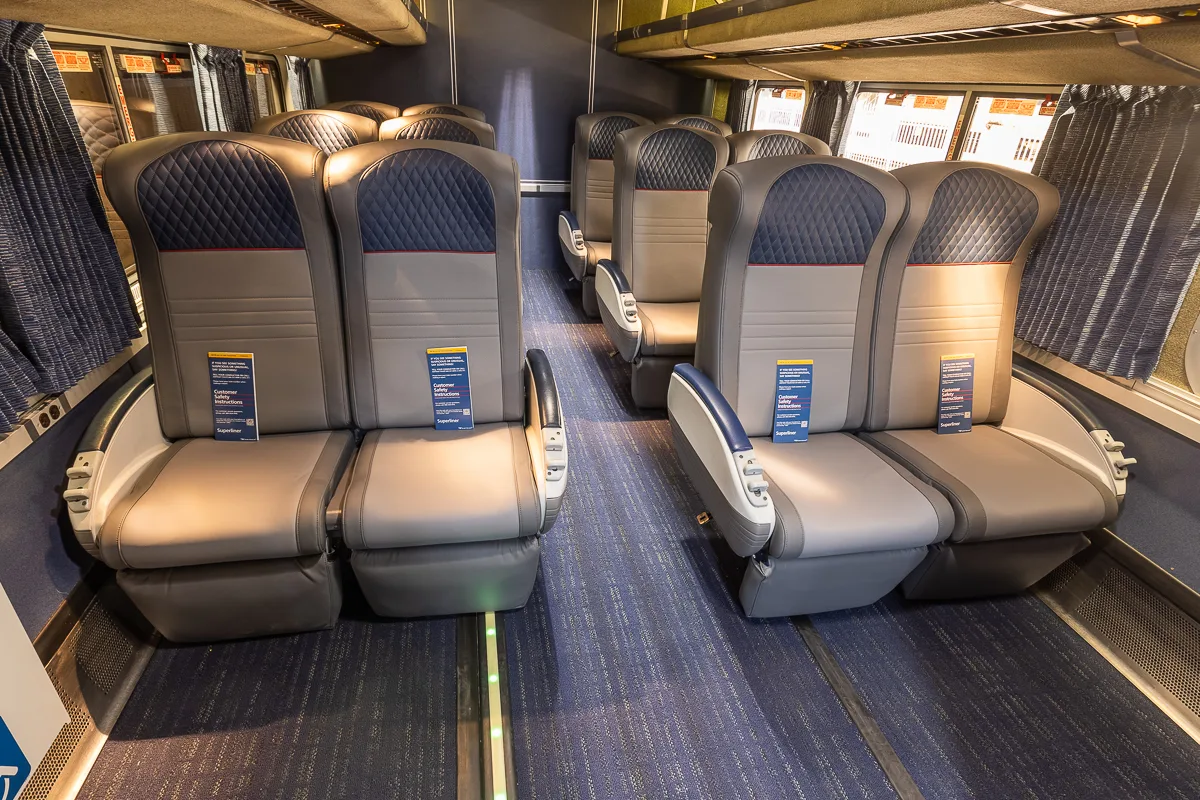
Image source: Bing (Web (fair-use with source credit))
Long-distance buses usually follow similar rules. Airport shuttles and hotel shuttles are a grey area, so ask ahead. Ferries and water taxis rarely require restraints and are often the easiest option for a baby.
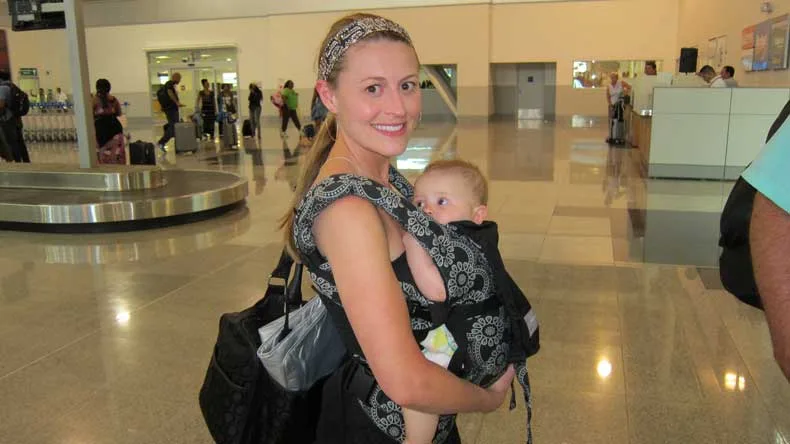
One catch: on trains and buses, your baby is safest in a carrier, not loose on the seat. Bring a structured carrier or wrap.
Flying With a Baby, No Car Seat Required
Airlines let you fly with a baby under two on your lap, but you must book them as a lap infant. That means no separate seat, no car seat, and no CARES harness (which is for 22 to 44 lbs anyway).
If you do want a restraint on the plane, bring an FAA-approved car seat and book a seat for your baby. Otherwise, hold them during takeoff, landing, and turbulence. A carrier helps, but you'll have to take the baby out during taxi, takeoff, and landing.
Walking, Carriers, and Strollers
This is where car-seat-free travel shines. A good baby carrier is your hands-free transport for the whole trip. Structured carriers and ring slings both work, as long as the baby is in a hip-healthy position.
For longer days, a lightweight travel stroller (like a Babyzen Yoyo or Bugaboo Butterfly) folds small enough for overhead bins. Full-size strollers are a hassle on transit, trains, and small European streets.
The Grey Zone: Rideshares, Taxis, and "Just This Once" Car Rides
This is where most parents get stuck. You're at the airport, it's raining, and the only option is a rideshare.
Will Uber or Lyft take you without a car seat?
Usually not. Uber and Lyft both require car seats for infants in most markets, and drivers can and do refuse rides. Some markets offer Uber Car Seat, but availability is limited to select cities.
Even where it exists, you're gambling on a driver showing up with the right seat.
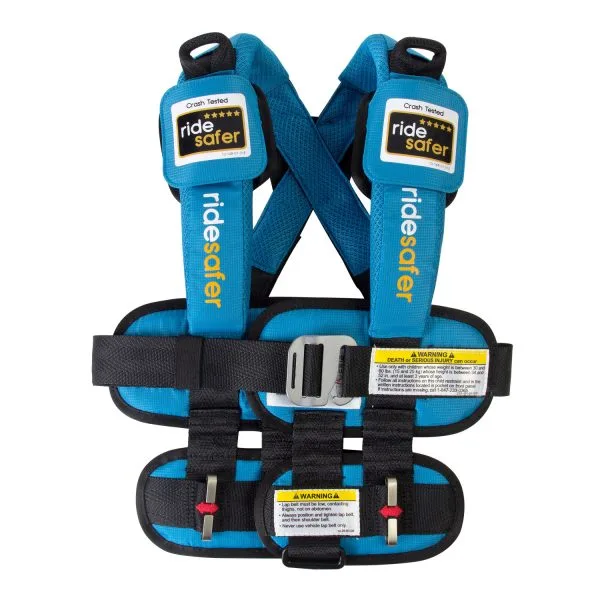
Image source: Bing (Web (fair-use with source credit))
What about taxis?
A few jurisdictions, including New York City, exempt taxis from car seat requirements. That doesn't make it safe. It just means you won't get a ticket.
For a short, slow ride, some parents accept the risk. For anything longer or faster, it's not a trade most safety experts would make.
Travel vests and harnesses
For babies over 30 lbs, a RideSafer Travel Vest or similar harness can be a legal, tested alternative in many places. It's not approved for infants. Manufacturer specs put the smallest RideSafer at 30 lbs, and the CARES harness at 22 lbs.
If your baby is under that, these aren't options.
Renting or borrowing a seat
If you'll need a car at your destination, renting a seat through BabyQuip or a local agency can work. The catch is quality. Check the label, check the expiration date, and check the recall database before you use it.
Borrowing from a hospital or fire department is another option, but verify the seat's history first.
When You Can't Avoid a Car: Your Safe Backup Plan
Sometimes the trip changes. A flight gets cancelled. A train is delayed.
A relative insists on driving you to the airport. Here's how to handle it.
Bring a lightweight travel seat
A budget travel seat like the Cosco Scenera Next or Safety 1st Guide 65 weighs 7 to 9 lbs and costs under $70. It's cheap enough to be disposable and light enough to carry. If you're on the fence about whether you'll need one, bring it.
You'll never regret having it.
Rent or borrow, but verify
If you rent or borrow a seat, check these before using it:
- FMVSS 213 label for US seats, or ECE R129 for European ones
- Expiration date (typically 6 to 10 years from manufacture)
- No visible cracks, fraying, or missing parts
- No history of a crash (never use a seat from an unknown crash history)
- Check the NHTSA recall database at nhtsa.gov
Emergency-only scenarios
If a car ride is truly unavoidable and you have no restraint, the safest option is the shortest, slowest route possible, with the baby in a properly fitted carrier or held as securely as you can. That's not a plan. That's damage control.
Do everything you can to avoid being in this position.
Mistakes That Get Parents Stranded, Fined, or Worse
The biggest mistake is assuming rideshare drivers will make an exception. They usually won't. Uber and Lyft policies require car seats in most markets, and drivers can cancel without penalty.
You're left on the curb with a baby and no ride.
The second big mistake is trusting a foreign country's rules to match your own. What's legal in NYC taxis isn't legal in London black cabs, and vice versa. Check the destination's actual law before you book, not after you land.
A third trap: hand-me-down seats. If you don't know the crash history, don't use it. An expired or damaged seat offers zero protection.
The shell can be cracked inside where you can't see it.
Gate-checking a car seat is another common regret. Aggregate traveler reports show seats arriving damaged, wet, or missing. If you need that seat at your destination, gate-check is a gamble.
Finally, booking a car-dependent destination on a transit-only plan. Phoenix, Dallas, and most of suburban America aren't walkable. If your trip ends at a strip-mall hotel, you'll need a restraint.
What It Really Costs (and What You Save)
Numbers matter here. Renting a car seat through BabyQuip usually runs $10 to $25 per day, or roughly $50 to $100 per week. A cheap travel seat like the Cosco Scenera Next costs under $70 outright.
For trips longer than a week, buying usually wins.
Car seats fly free on most US airlines as checked or gate-checked baggage. That's the good news. The bad news is damage risk and the hassle of hauling it.
Here's a quick cost comparison:
| Option | Cost | Best For |
|---|---|---|
| Rent a seat | $10 to $25/day | Short trips, one destination |
| Buy a budget travel seat | $50 to $70 | Trips over a week, multiple stops |
| Borrow a verified seat | Free | Local family, known history |
| Travel vest (30+ lbs) | $80 to $150 | Toddlers, transit-heavy cities |
Transit passes add a little cost but save a lot. A family railcard in the UK cuts fares by a third. Amtrak lets lap infants ride free.
Most metro systems let babies ride free too.
The hidden cost is a damaged or lost seat. If the airline damages it, you may get reimbursed, but you're still stranded at the gate. Bring a backup or don't check the one you need.
Legal and Safety Checklist Before You Book
Run through this list before you finalize any trip. It takes ten minutes and saves a lot of grief.
Image source: Bing (Web (fair-use with source credit))
- Check destination car seat law. US states, EU countries, UK, Canada, and Australia all differ.
- Look for the FMVSS 213 label (US) or ECE R129 (Europe) on any borrowed or rented seat.
- Verify the expiration date. Most seats last 6 to 10 years from manufacture.
- Search the NHTSA recall database at nhtsa.gov for the model number.
- Confirm your rental car or rideshare can accommodate a seat if you're bringing one.
- Check your travel insurance. Many policies void claims if a child wasn't properly restrained.
The AAP recommends rear-facing until at least age two. That rule doesn't change just because you're traveling. A travel vest is only an option once your baby clears the manufacturer's minimum weight, usually 30 lbs for RideSafer and 22 lbs for the CARES harness.
Traveling With a Baby Without a Car Seat: What We'd Do
If we were planning this trip, we'd start with the destination. Pick a transit-rich city first. Manhattan, London, Tokyo, Amsterdam, and Zurich all work without a car.
Then build the itinerary around trains, buses, and walking.
Book lap infant fares on flights. Bring a structured carrier and a lightweight travel stroller. Skip the car seat entirely if the trip is genuinely car-free.
If there's any chance of a car ride, bring a budget travel seat or a travel vest (if your baby meets the weight). The $70 seat is cheap insurance. It weighs under 9 lbs.
It fits in an overhead bin or straps to a stroller.
Verify any borrowed or rented seat before use. Check the label, the expiry, and the recall list. If anything looks off, walk away.
Finally, know your destination's law cold. A quick check on the government transport site for that country saves you a fine and a headache. The rules exist for a reason.
In a crash, the seat is what keeps your baby alive.

Similar Posts