How to Burp a Baby in a Car Seat Safely
If you're on a highway with a screaming baby and you're wondering how to burp baby in car seat without pulling over into traffic, here's the honest answer most guides skip: you don't burp them while strapped in. Not ever, not even for a second. You pull over safely, take them out of the 5-point harness, burp them upright, then strap them back in.
That's the whole game. Everything else, when to stop, how long to try, what position works best, comes down to a few variables we're about to walk through. Per the American Academy of Pediatrics (AAP), babies should stay rear-facing until at least age 2, and per NHTSA guidance re-buckling correctly afterward matters as much as the burp itself.
As of 2026, that safety picture hasn't changed.
how to burp baby in car seat
You don't burp a baby while they're strapped into a car seat. The semi-upright recline can compress the airway. Pull over somewhere safe first.
Take the baby out of the harness. Hold them upright on your shoulder or lap. Pat gently for 5 to 10 minutes.
Re-buckle before driving again.
Why Burping a Baby in a Car Seat Is Different From Burping at Home
At home, you've got a hundred options. Couch, bouncer, your shoulder, the burp cloth draped nearby, no time pressure. In a car seat, every one of those supports disappears and you're dealing with a device engineered for crash protection, not feeding comfort.
Car seats are designed at a specific recline angle to keep a rear-facing infant's head and spine aligned in a crash. That same angle puts a small baby's chin close to their chest. Pediatric safety guidance treats that chin-to-chest position as a known airway risk, especially for newborns with weak neck control.
So when a baby cries in a car seat, the instinct to "just burp them right there" collides with physics. Their airway isn't in a neutral position. Their torso is compressed by the harness.
Any spit-up that comes up has a shorter path to the wrong place.
Manufacturer specifications for most infant seats confirm what this means practically. The straps need to sit flat and snug, the chest clip at armpit level, and no bulky layers underneath. None of that is compatible with trying to burp a baby in place.
The seat is built for one job. Burping is a different job.
The good news: this is a solvable problem. You just need a workflow that respects the seat's limits instead of fighting them.
The Real Safety Problem: Positional Asphyxiation and Aspiration Risk
Positional asphyxiation is when a baby's airway gets blocked because of how their body is positioned, and it's the single biggest reason you don't burp an infant while they're strapped into a moving car. It's quiet, it's fast, and it doesn't look like choking. A baby can go limp without any struggle at all.
Here's the mechanism. A newborn's head is heavy relative to their neck muscles. When they slump forward in a semi-upright seat, the chin drops toward the chest and narrows the airway.
Add a spit-up burbling up at the same moment, and you've got two problems stacking.
Image source: Bing (Web (fair-use with source credit))
If you're burping a baby who's reclined and harnessed, you can't see their airway well. You can't reposition their chin. You can't tip them upright.
You're patting a back while their neck stays in the worst possible angle. That's the risk nobody talks about in the cute how-to posts.
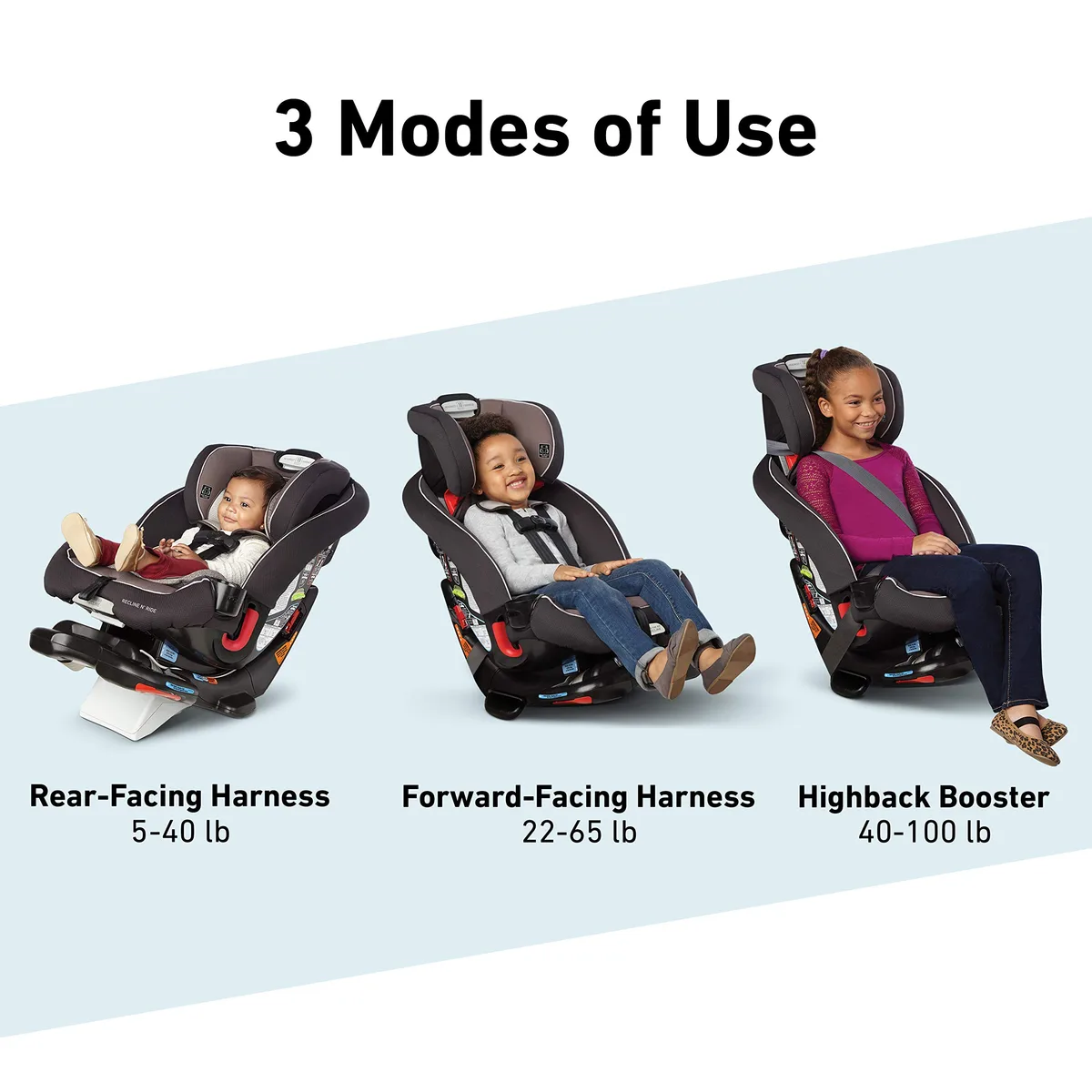
Image source: Bing (Web (fair-use with source credit))
Aspiration risk runs alongside it. Spit-up and stomach contents that come up while the baby is reclined can head toward the trachea instead of out the mouth. Upright positioning uses gravity to help.
Reclined positioning fights it.
Per the AAP and NHTSA, the standard safety posture for an infant in a car seat is that they should be visible and their head should not slump forward during the ride. If you're not checking that, you're not doing car seat safety. You're doing damage control on the fly.
When You Actually Need to Burp Your Baby Mid-Drive
Not every fussy cry means trapped gas. Getting this call wrong means you pull over for nothing, or you ignore a real problem. Use the cues.
Signs Your Baby Is Gassy vs. Hungry vs. Overtired
If your baby fed in the last 30 to 45 minutes, is pulling their legs up, arching their back, and squirming while fussing, that's more likely gas than hunger. Gassy cries tend to be intermittent and strained. Hunger cries build steadily and get louder.
Overtired cries are rhythmic and escalate when you try to engage.
When You Can Safely Wait Until You Arrive
If your baby is content, alert, or sleeping comfortably, and you're less than 15 to 20 minutes from your destination, you don't need to stop. Burping is not urgent for a comfortable baby. It's urgent for one showing gas distress or spit-up pooling in the mouth.
Use this quick decision guide:
| Baby's State | Stop and Burp Now? | Why |
|---|---|---|
| Screaming, pulling legs, hard belly | Yes, at the next safe spot | Classic trapped gas |
| Spit-up visible in mouth | Yes, immediately | Aspiration risk while reclined |
| Fussy but consolable | Wait if under 15 min | Could just be tired |
| Sleeping soundly | No | Don't wake unless feeding was recent and heavy |
The Safe Pull-Over and Burp Workflow, Step by Step
This is the workflow we'd hand any new parent. Follow it in order.
- Signal early and pull off the road completely. Highway shoulder counts as a last resort, not a plan.
- Park in a lot, rest area, or quiet side street when possible. Hazards on if you're anywhere near traffic.
- Turn off the engine. Set the parking brake.
- Unbuckle the 5-point harness fully. Chest clip first, then the main buckle.
- Lift the baby out with one hand supporting the head and neck.
- Position them upright on your shoulder or across your lap.
- Pat or rub their back gently with upward strokes for 5 to 10 minutes.
- Wipe their mouth and chin with a burp cloth.
- Re-buckle: chest clip at armpit level, straps snug, no twists, no puffy coat.
- Check their breathing, color, and head position before you drive again.
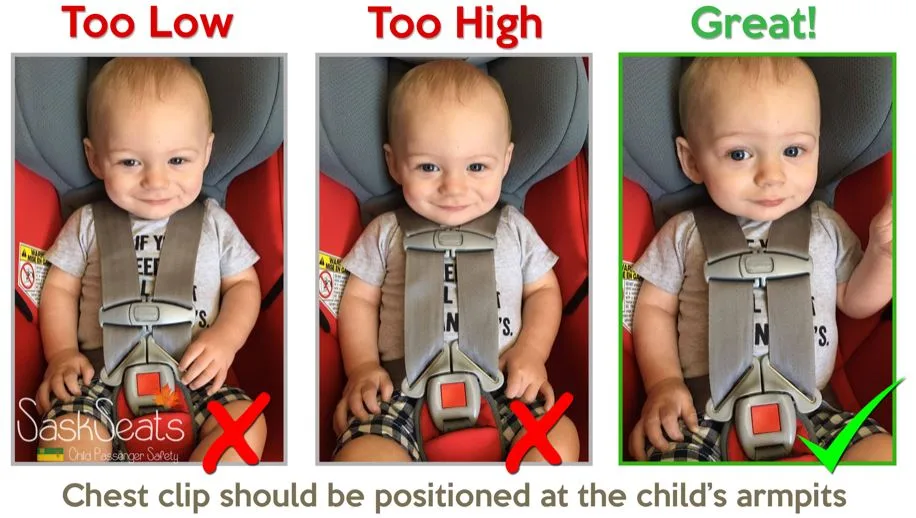
Image source: Web (Bing) / storage.googleapis.com (Web image (fair-use with source credit))
That last step matters more than people think. Re-buckling wrong after a burp undoes every safety gain you just made. If you wouldn't drive with your baby strapped in like that from the start, don't drive with them strapped in like that after a stop.
Common Mistakes Parents Make With Car Seat Burping
The biggest mistake is trying to burp a strapped-in baby while the car is moving, coasting, or "just briefly" paused at a stoplight. It doesn't work, and it's the exact scenario that produces positional asphyxiation.
Other mistakes we see over and over:
- Pulling over on a highway shoulder instead of a safe lot. The safety stop becomes its own hazard.
- Leaving the baby buckled and just reaching around to pat their back. You can't see the airway, and you can't reposition it.
- Waking a sleeping baby to burp them when they weren't showing any gas distress. Unnecessary stops make the drive worse, not better.
- Skipping re-buckle checks afterward. A loose chest clip or twisted strap is a silent failure.
- Using a rolled blanket or aftermarket insert "just for the burp position." Never add anything to the seat that isn't sold with it.
- Assuming a pacifier replaces a burp. It soothes, but it doesn't move trapped air.
If you take nothing else from this section, take this. The urge to "just fix it quickly" is the urge that gets babies hurt. Slow down, pull over, do it properly.
Car Seat, Reflux, and Colic: What Changes the Plan
If your baby has reflux or colic, the mid-drive burp stop becomes mandatory, not optional. These babies spit up more, swallow more air, and cry harder in the reclined seat position. You'll stop more often than parents of easygoing babies.
Reflux (GER, or GERD when severe) means stomach contents come up past the esophageal sphincter. In a rear-facing seat, gravity works against you. Per pediatric gastroenterology guidance, keeping a reflux-prone infant upright for 20 to 30 minutes after feeding helps.
A car seat recline does the opposite.
So the plan shifts: feed smaller volumes more often, burp every 1 to 2 ounces for bottle-fed babies, and stop within 10 minutes of driving if you see distress. Longer drives become a series of short legs, not one run.
Colicky babies need a different adjustment. Their crying isn't always gas. It's often overstimulation from motion, sound, and the seat itself.
Burping helps only when trapped air is actually the trigger.
Learn your baby's pattern. If the crying starts before you've even pulled out of the driveway, it's probably not gas. If it ramps up 10 minutes in, right after a feed, it likely is.
A table helps sort the difference:
| Trigger | Timing | Best Response |
|---|---|---|
| Trapped gas | 10 to 20 min after feed | Stop, burp upright |
| Reflux spit-up | During or just after feed | Smaller feeds, upright burp, longer hold |
| Colic / overstimulation | Any time, often evening | Soothing, pacifier, wait it out |
| Hunger | 2 to 3 hours since last feed | Feed again, then burp |
What the AAP and NHTSA Actually Say About Car Seat Safety and Feeding
The AAP and NHTSA don't publish a specific "burping in car seats" rule, but their existing guidance adds up to one clear answer. Don't do it in the seat. Their combined safety framework covers it from every angle.
The AAP recommends rear-facing until at least age 2, or until the child outgrows the seat's height and weight limits. Their safe sleep guidance also says infants shouldn't sleep in car seats outside the vehicle because of the same airway risk we've been talking about.
NHTSA's car seat guidance is blunt about harness fit. Straps must be flat, snug, and routed correctly, with the chest clip at armpit level. There's no version of that fit that accommodates a burping baby.
The NHTSA car seat safety page covers inspection programs and recall lookups. If you're unsure whether your seat is installed correctly, a free inspection is worth the 20 minutes.
One more piece from the AAP's HealthyChildren.org resource library: they treat feeding and car seat travel as two separate activities, not overlapping ones. That framing is the safest way to think about it too.
FAQ: Burping a Baby in a Car Seat
Can you burp a baby while they're still strapped into the car seat?
No. The reclined position compresses the airway and raises aspiration risk. Pull over, take the baby out of the harness, and burp them upright against your shoulder.
Re-buckle them properly before driving again.
What if there's nowhere safe to pull over?
Keep driving to the nearest lot, rest area, or quiet side street. A highway shoulder is a last resort. If your baby is in real distress and you can't stop safely, call emergency services or pull into the first driveway you find.
How long should you try to burp before giving up?
Give it 5 to 10 minutes. If nothing comes up and the baby settles, they likely didn't need to burp. Forcing it longer just wakes them and frustrates you.
For bottle-fed babies, burp every 1 to 2 ounces instead of waiting until the end.
Does a pacifier count as a burp alternative?
No. A pacifier soothes and can help with ear pressure, but it doesn't move trapped air. If your baby is gassy, a pacifier buys you 10 minutes, not a solution.
When should you call the pediatrician instead of just burping?
Call if your baby has forceful vomiting, green or bloody spit-up, refuses feeds, seems lethargic, or isn't gaining weight. These are reflux or feeding red flags that a burp won't fix.

Similar Posts