Can Baby Sleep in a Car Seat Overnight? Safety Facts
If you've ever driven around the block at 2 a.m. hoping the motion would finally knock your baby out, you've probably wondered: can baby sleep in car seat overnight? It's one of the most common questions new parents ask, and the honest answer is no, not for overnight sleep. Car seats are engineered for travel, not for hours of unsupervised rest.
That distinction matters because of how an infant's body sits in a reclined seat. The American Academy of Pediatrics recommends babies sleep on a flat, firm surface until at least 12 months. A car seat holds them at roughly 30 to 45 degrees, which can let a newborn's heavy head flop forward and narrow their airway.
So let's break down what's actually happening, when a supervised car-seat nap is fine, and what to do instead when there's no crib in sight.
can baby sleep in car seat overnight
No, a baby should not sleep in a car seat overnight. Car seats are for travel, not routine sleep. A reclined seat can let a baby's head slump forward and block their airway.
This raises the risk of positional asphyxia, especially in babies under 6 months. Move your baby to a flat, firm sleep surface for any overnight rest.
Why This Question Matters More Than Parents Realize
This isn't nitpicking. It's the difference between a safe night and a silent emergency.
Positional asphyxia is what happens when a baby's position blocks their breathing. It's quiet. There's no cry, no gasp, no struggle you'd recognize from across the room.
A baby can slip into it while looking perfectly peaceful, which is exactly what makes car-seat sleep so dangerous.
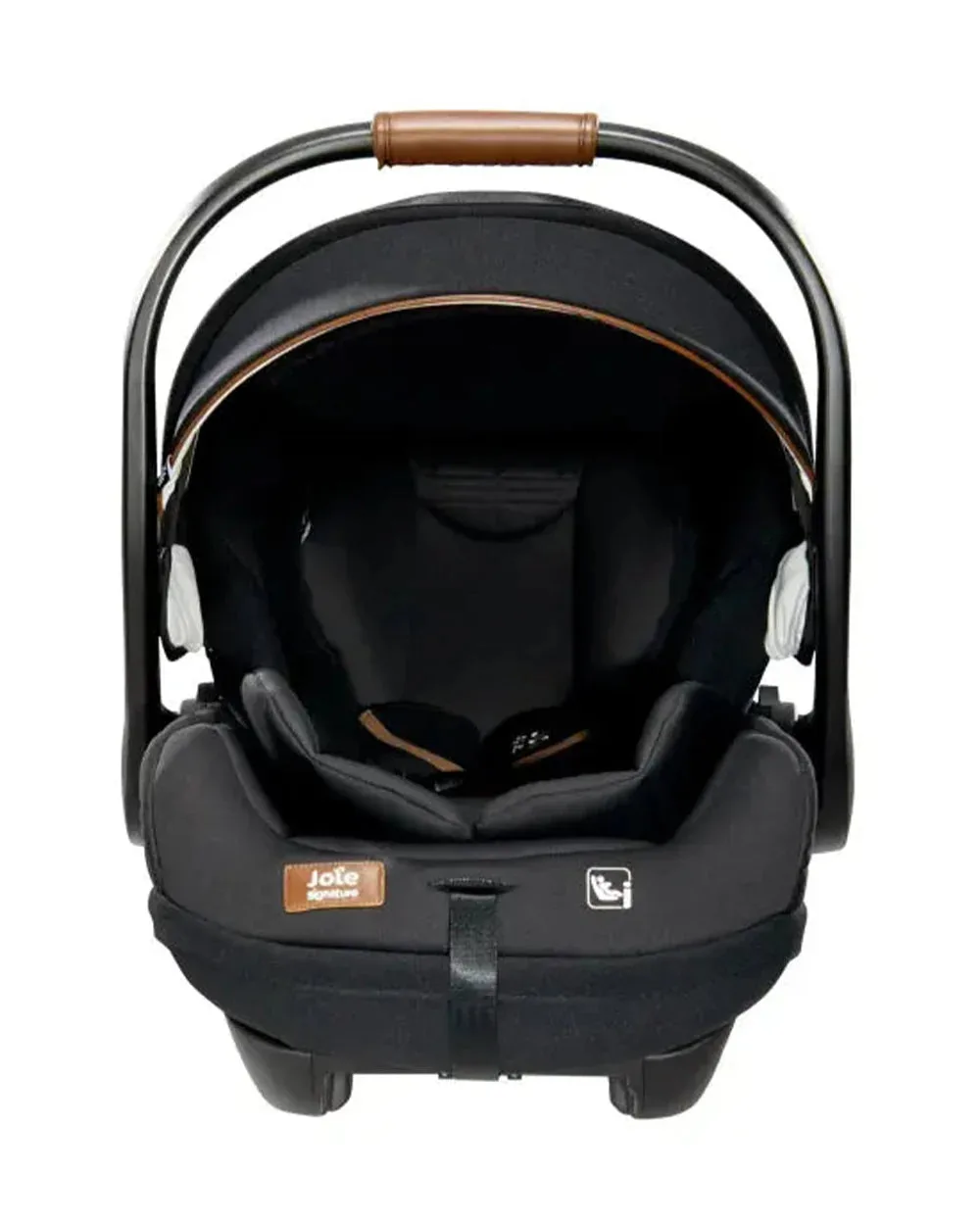
Image source: Bing (Web (fair-use with source credit))
Young infants are especially vulnerable for a few physical reasons:
- Their heads are disproportionately heavy compared to their bodies.
- Their neck muscles are weak and can't hold the head upright.
- Their tracheas are soft and can kink when the chin drops toward the chest.
Put those together and you get a baby who can't easily self-correct a slumped position. An older child would wake up and shift. A newborn may not.
How Positional Asphyxia Happens in a Car Seat
In our research, the mechanism is consistent and well documented. When a baby sits at an incline, gravity pulls their head forward and their chin toward their chest. That chin-to-chest position compresses the airway.
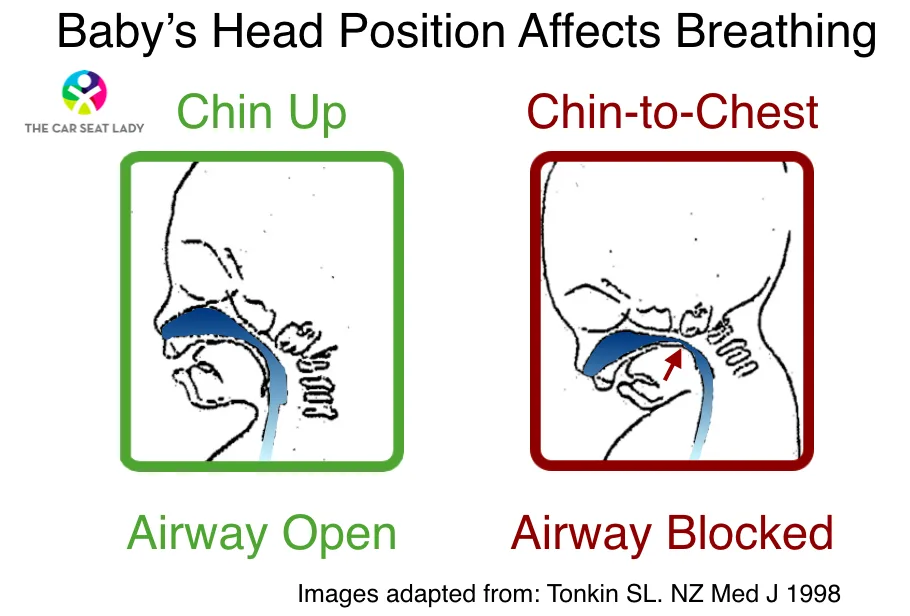
Image source: Web (Bing) / thecarseatlady.com (Web image (fair-use with source credit))
Because newborns can't lift their heads reliably, they stay in that compressed position. Breathing gets harder with every minute, and the baby has no way to signal distress. This is why the danger window is highest in the first four to six months.
Why "Looks Peaceful" Doesn't Mean Safe
Here's the part that catches parents off guard. A baby in respiratory distress from positioning often looks calm. Their eyes may be closed.
Their body may be relaxed.
That false calm is why safety agencies keep repeating the same message: never leave a baby unattended in a car seat for sleep. Per the Consumer Product Safety Commission, car seats should not be used as routine sleep surfaces.
The Car Seat Angle Problem: Why Recline Isn't the Same as Flat
"How is a car seat any different from a crib?" It comes down to geometry.
A crib mattress sits flat at zero degrees. A car seat holds a baby at an angle, and that angle changes depending on where the seat is sitting.
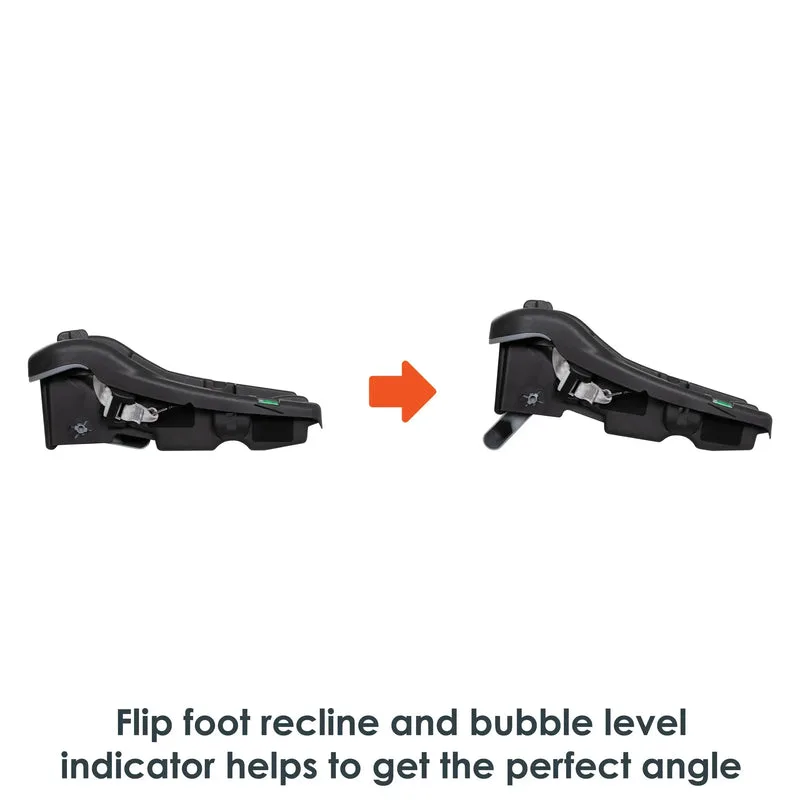
Image source: Bing (Web (fair-use with source credit))
Manufacturer specifications indicate most infant car seats are designed to recline between 30 and 45 degrees when properly installed in a vehicle. That angle is intentional. It keeps a baby's head from flopping forward during a crash.
But the same angle works against you during sleep.
What Happens to a Baby's Airway at 30 to 45 Degrees
At that incline, gravity does two things. It pulls the head forward, and it lets a small baby slide down into a slumped position over time. The chin drops.
The neck compresses.
Now here's the twist most parents miss. When you set that carrier on the floor at home, the angle often gets steeper, not flatter. Without the car's seat base holding the correct tilt, the carrier can tip into a more upright position.
That's worse for the airway, not better.
The Chin-to-Chest Position: The Silent Warning Sign
This is the single most important thing to check if your baby is in a car seat. Look at the relationship between the chin and the chest.
- Safe: chin is level or slightly up, airway open.
- Unsafe: chin is touching or near the chest, airway narrowing.
- Danger sign: baby's head is flopped forward with no effort to correct it.
If you see a chin-to-chest position and your baby isn't waking to fix it, reposition them immediately. Don't wait to see if it resolves on its own.
When Car Seat Sleep Is Fine vs. When It Isn't
So is every car-seat nap a problem? No. Context changes everything here.
The risk isn't the seat itself, it's the combination of position, duration, and supervision.
Supervised Naps in the Car: What's Okay
If you're driving and your baby falls asleep, that's normal and expected. You're right there. You can glance back at stops, and the seat is installed at its proper angle in the vehicle.
If/then logic helps here:
- If the baby is in the car and you're driving, a nap is fine.
- If you arrive home and the baby is still asleep, transfer them to a flat surface.
- If you must leave them briefly, keep them in the car seat but stay in the same room and keep eyes on them.
The key word is supervised. You need to see their breathing and their head position.
Overnight Sleep in a Car Seat: What's Not
Overnight sleep is a different category entirely. This means hours of unsupervised rest, usually while you sleep too. That's when the risk compounds.
Duration matters. A five-minute doze while you unload groceries is one thing. Seven hours in a carrier on the bedroom floor is another.
The longer a baby stays in that angled position, the more chances for their head to slump and their airway to narrow.
Travel-Day Exceptions and Their Limits
Long road trips create real pressure. You're miles from a crib, the baby's finally asleep, and stopping feels like a mistake.
Here's the honest guidance. On a road trip, take breaks and check the baby's position at every stop. When you stop for the night, move them to a flat sleep surface, even if it's a travel crib on a hotel floor.
The car seat is for the drive, not the destination.
Safe Alternatives for Overnight Sleep When You Don't Have a Crib
The good news is you've got options. You don't need a full nursery to give your baby a safe place to sleep.
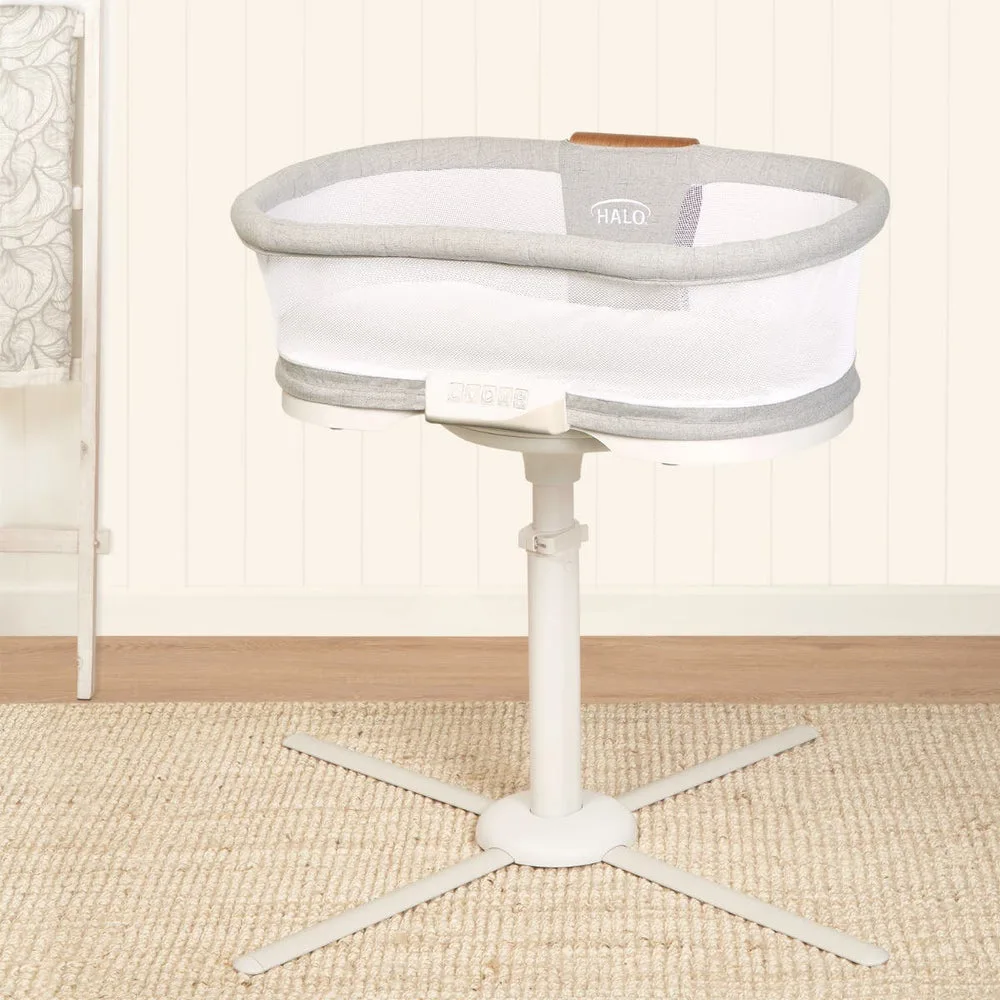
Image source: Bing (Web (fair-use with source credit))
The non-negotiable rule is flat and firm. Whatever you use, it needs a firm, flat surface with no incline.
Here's how the common options compare:
| Sleep Option | Overnight Safe? | Notes |
|---|---|---|
| Bassinet (AAP-approved) | Yes | Flat, firm, portable |
| Play yard / travel crib | Yes | Great for hotels and relatives' homes |
| Bedside sleeper | Yes | Firm, flat, keeps baby close |
| Stroller bassinet (flat, approved) | Yes | Check maker's overnight rating |
| Car seat (on floor or in car) | No | Angled, unsafe for unsupervised sleep |
| Inclined sleeper (recalled) | No | Banned under the Safe Sleep for Babies Act |
Bassinets, Play Yards, and Travel Sleepers That Meet Safe Sleep Rules
A travel crib or play yard is the workhorse here. It folds flat, fits in a trunk, and sets up in minutes. Most meet the same flat, firm standard as a crib mattress.
For newborns, a portable bassinet is even easier. Many are lightweight enough to move room to room. Just confirm it's flat, has a firm mattress, and hasn't been recalled.
How to Transfer a Sleeping Baby Without Waking Them
This is the skill every parent eventually learns. The trick is timing and warmth.
- Wait until the baby is in deep sleep, usually 15 to 20 minutes after they nod off.
- Warm the new surface first with a blanket you remove before laying them down.
- Lower them feet first, then bottom, then head, keeping them close to your body.
- Keep a hand on their chest for a few seconds before you step away.
If they stir, don't panic. A gentle hand and a quiet pause often settles them back down.
Mistakes Parents Make and How to Avoid Them
Most car-seat sleep mistakes aren't careless. They come from exhaustion and good intentions.
The "Just for Tonight" Trap
This is the big one. It's 3 a.m. The baby is finally asleep in the carrier.
The crib is across the room. You tell yourself it's just for tonight.
That one night is exactly when the risk is highest, because you'll be asleep too. The fix is simple in principle and hard in practice: decide now that the transfer always happens, no matter how tired you are.
Recalled Inclined Sleepers and Lookalike Products
Some products were sold as sleepers but are now banned. The Safe Sleep for Babies Act of 2022 made inclined sleepers illegal to sell in the US.
If you have a hand-me-down inclined sleeper or a rocker marketed for sleep, stop using it. These products were linked to dozens of infant deaths and don't meet current safety standards.
Recline Base on the Floor vs. In the Car
Here's a subtle one. A car seat carrier placed on the floor doesn't sit at its designed angle. Without the base, it can tilt too upright, which pushes the baby's head forward.
So even a "quick" floor nap in the carrier can put a baby in a worse position than they'd be in the car. If the baby's asleep in the carrier at home, move them to a flat surface.
Frequently Asked Questions
Can my baby nap in a car seat if I'm watching?
Yes, a short supervised nap is generally fine if you can see your baby the whole time. Watch their head position and breathing. The moment their chin drops toward their chest, reposition them.
Never leave the room or fall asleep yourself while they're in the seat.
What if we're on a road trip and there's no crib?
Take breaks and check your baby's position at every stop. When you settle in for the night, move them to a flat sleep surface. A travel crib or play yard folds small and sets up fast.
It's worth the trunk space.
Is a car seat safer than bed-sharing?
Both carry risks, but they're different risks. Bed-sharing raises suffocation and SIDS concerns, which is why the AAP advises against it. A car seat raises positional asphyxia concerns.
The safest choice for overnight sleep is a flat, firm surface in the same room as you.
At what age can a baby sleep in a car seat overnight?
There's no age where overnight car-seat sleep becomes recommended. The positional asphyxia risk is highest under 6 months, but the guidance holds through the first year. Once a child is older and can reposition themselves, the risk drops, but flat sleep is still the standard.
Do reclined stroller bassinets count as safe sleep?
Some do, but only if the manufacturer rates them for overnight sleep and they lie completely flat. A stroller seat that reclines but stays angled doesn't qualify. Always check the maker's instructions before using any stroller bassinet for a full night.
What the AAP, CPSC, and Safe Sleep Laws Actually Say
The official guidance lines up across every major authority: flat and firm, every time. In our research, the American Academy of Pediatrics has been consistent on this for years. Infants should sleep on a firm, flat surface until at least their first birthday.
Car seats, swings, and other angled products don't qualify.
That's why the AAP pushes the ABC of safe sleep: Alone, on their Back, in a Crib. No inclines, no propping, no substitutes. The AAP's safe sleep recommendations remain the gold standard parents and pediatricians reference.
AAP Safe Sleep Guidelines for Infants Under 12 Months
The AAP guidance covers the whole first year, not just the newborn phase. Key points parents should know:
- Place babies on their back for every sleep.
- Use a firm, flat sleep surface with a fitted sheet.
- Keep the sleep space free of pillows, bumpers, and loose blankets.
- Share your room, not your bed, for at least the first six months.
Car seats don't meet the flat-surface requirement. So the same guidelines that rule out inclined sleepers also rule out overnight car-seat sleep.
The Safe Sleep for Babies Act and Banned Products
As of 2026, inclined sleepers are illegal to sell in the US. The Safe Sleep for Babies Act of 2022 banned them outright after they were linked to dozens of infant deaths.
If you've got an old one in the attic or bought one secondhand, stop using it. The ban includes products marketed as sleepers, rockers, and loungers with an incline over 10 degrees. Some look harmless.
That's the problem.
What Manufacturer Car Seat Manuals Tell You About Sleep
Here's a detail most parents never check. Car seat makers put sleep warnings right in the manual.
Manufacturer specs confirm that infant seats are designed for travel, not sleep. Graco, Chicco, Britax, and Nuna all state in their documentation that the seat shouldn't be used as a sleep surface. Some go further and warn against leaving a sleeping baby in the seat once you arrive.
It's worth reading that page.
Frequently Asked Questions
Can my baby nap in a car seat if I'm watching?
Yes, a short supervised nap is generally fine if you can see your baby the whole time. Watch their head position and breathing. The moment their chin drops toward their chest, reposition them.
Never leave the room or fall asleep yourself while they're in the seat.
What if we're on a road trip and there's no crib?
Take breaks and check your baby's position at every stop. When you settle in for the night, move them to a flat sleep surface. A travel crib or play yard folds small and sets up fast.
It's worth the trunk space.
Is a car seat safer than bed-sharing?
No, but both carry risks. Bed-sharing raises suffocation and SIDS concerns, which is why the AAP advises against it. Car seats raise positional asphyxia concerns.
The safest choice for overnight sleep is a flat, firm surface in the same room as you.
At what age can a baby sleep in a car seat overnight?
There's no age where overnight car-seat sleep becomes recommended. The positional asphyxia risk is highest under 6 months, but the guidance holds through the first year. Once a child can reposition themselves, the risk drops, but flat sleep is still the standard.
Do reclined stroller bassinets count as safe sleep?
Some do, but only if the maker rates them for overnight sleep and they lie completely flat. A stroller seat that reclines but stays angled doesn't qualify. Check the maker's instructions before using any stroller bassinet for a full night.
What if my baby only sleeps in the car seat?
That's common, especially with reflux-prone babies. But comfort isn't the same as safety. Use the car seat to settle them, then transfer to a flat surface.
A warm transfer, feet first with a hand on their chest, often keeps them asleep.
The Bottom Line: A Flat, Firm Surface Every Time
A car seat is one of the best safety tools you own. It protects your baby in a crash like nothing else. But it isn't a bed, and treating it like one is where the danger starts.
So here's the rule to carry with you. Supervised naps in the car while you're driving? Fine.
Overnight sleep in a carrier on the floor? No.
The transfer is annoying. It wakes babies. It costs you sleep.
Do it anyway. A flat, firm surface, every time, is the single most protective habit you can build. Your baby's airway doesn't care how tired you are, and that chin-to-chest slump can happen in minutes.
If you're ever unsure whether a specific product is safe for sleep, check the CPSC recall list and the maker's manual. When in doubt, default to flat and firm.

Similar Posts