Why Your Baby Hates the Car Seat (and How to Help)
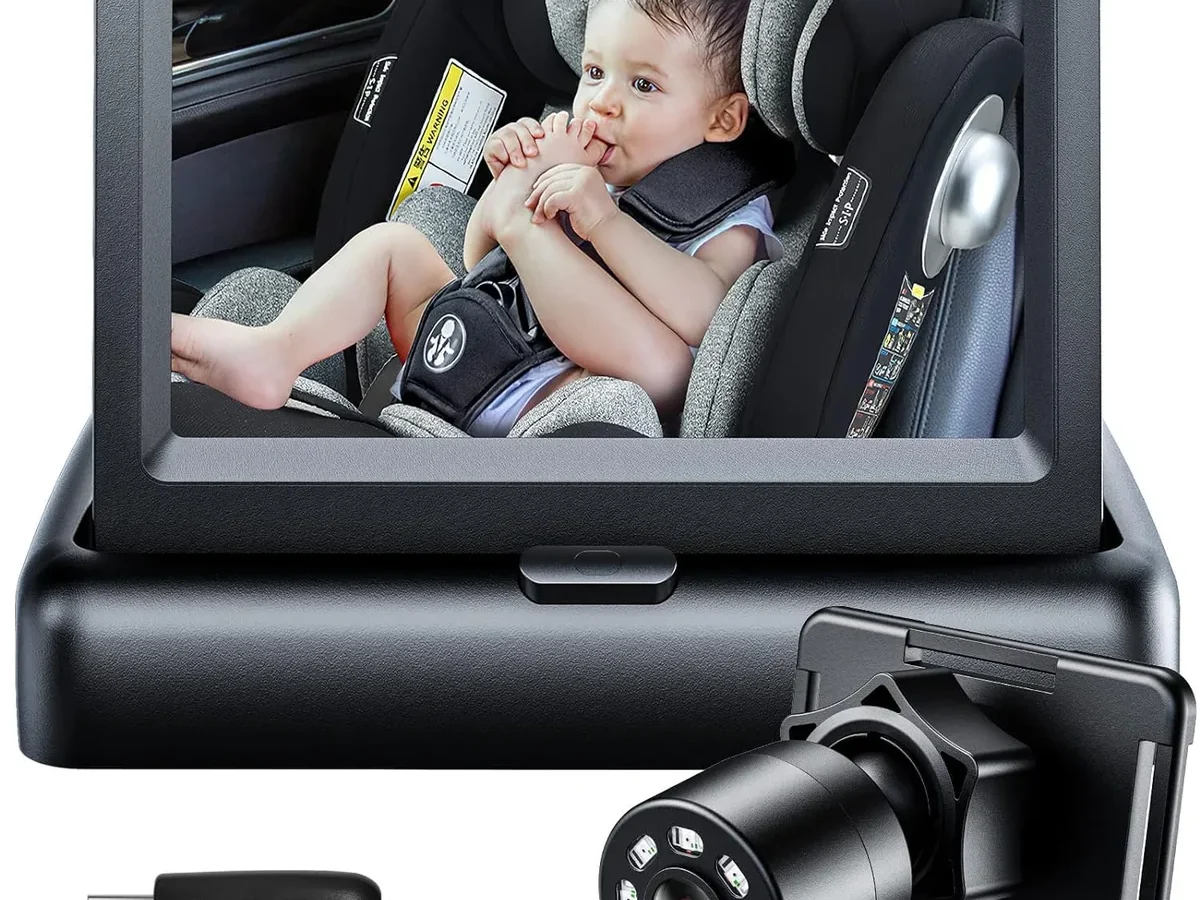
Why does my baby hate the car seat? It's one of the toughest parts of new parenthood, and the answer is rarely about your baby being difficult. Most infants who scream the second you buckle them in are dealing with one of three things: physical discomfort, a bad harness or seat fit, or sensory overload they can't escape.
According to the American Academy of Pediatrics, babies should ride rear-facing until they hit the seat's height or weight limit, which for most convertible seats means well past age two. That's a long stretch of car rides, so getting to the bottom of the crying matters. Here's what's actually going on, and what you can safely do about it.
why does my baby hate the car seat
Babies hate the car seat because of physical discomfort, a poor harness or recline fit, or sensory overload. A newborn seat may sit at the wrong angle or pinch the legs. Rear-facing also hides your face, which feels lonely.
Some babies get reflux or motion sickness. Crying is their only way to say "this feels wrong."
The Real Reasons Babies Fight the Car Seat (And Which One You're Dealing With)
The fix depends on why your baby is upset. If you treat every meltdown the same way, you'll keep guessing. So start by matching the pattern to the cause.
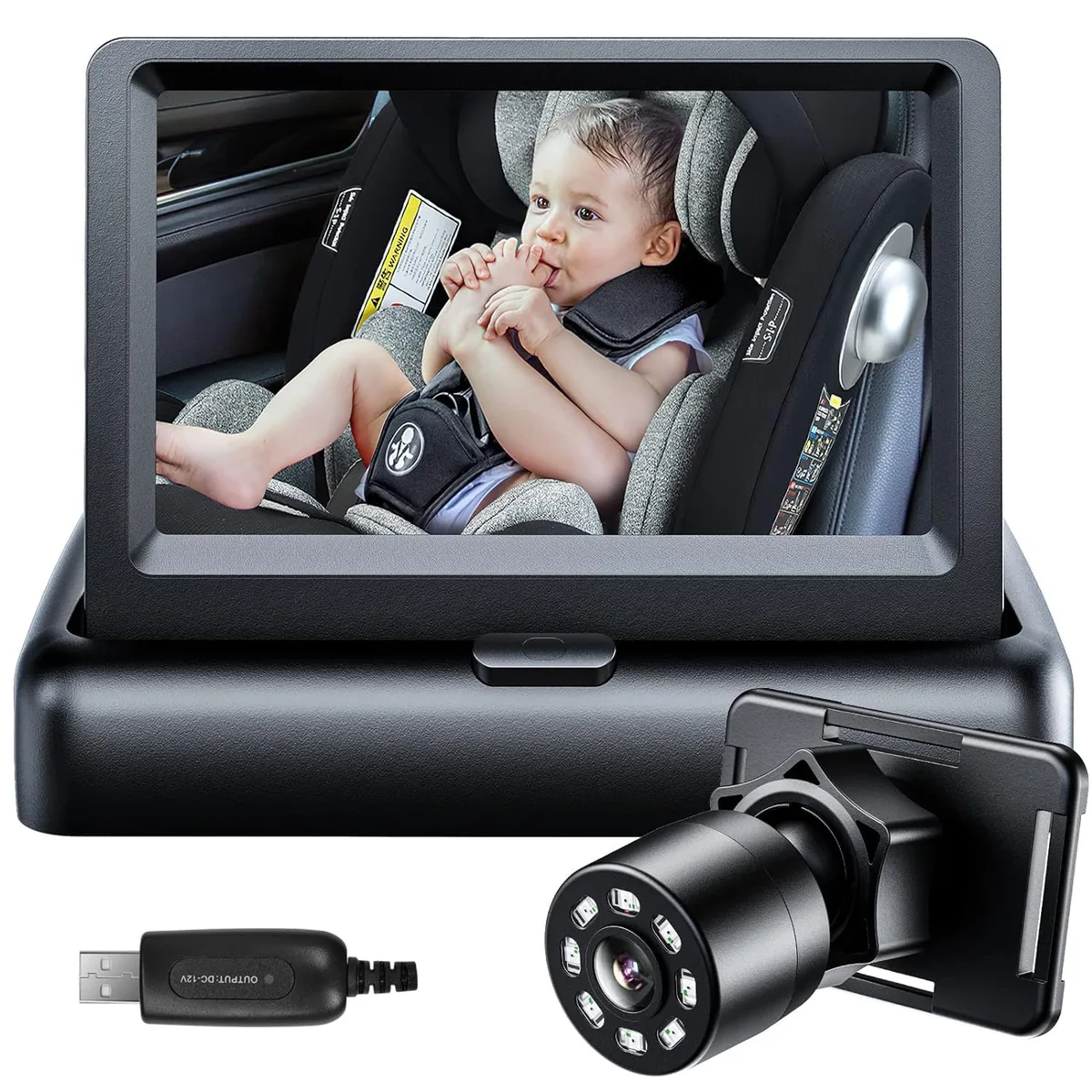
Image source: Bing (Web (fair-use with source credit))
It's Not Discipline, It's Discomfort, Sensory Overload, or Development
A newborn can't manipulate you and doesn't have the brain wiring to throw a tantrum. Crying in the seat is a stress response, full stop. Their nervous system is brand new and easily overwhelmed.
Motion helps a lot of babies, but only when the car is actually moving. Stops at red lights and traffic jams are often when the screaming starts. That's a clue, not a coincidence.
Sensory overload plays a role too. A car is loud, bright, and full of vibration. Some babies handle that fine.
Others hit their limit fast.
The Bucket Seat Problem: Why Newborns and Small Babies Cry First
Infant carriers are designed for safety, not comfort. That skinny padding and deep shell can feel cramped for a small newborn. Manufacturer inserts are meant to fix this, but only when they're used exactly as specified.
A seat that's reclined too upright for a newborn can drop their chin toward their chest. That makes breathing harder and feels awful. The built-in angle indicator on your seat exists for a reason.
If your baby is sweaty, flushed, or arching their back the moment you strap them in, the seat fit is your first suspect.
The 4-Month Shift: When Motion Sensitivity and Awareness Kick In
Around four months, babies get more aware of their surroundings and more sensitive to motion. This is when car sickness can show up for the first time. They suddenly notice they're moving backwards and can't see you.
The fourth trimester is over. Their vestibular system, which controls balance and motion sensing, is now fully online. Some babies find that thrilling.
Others find it nauseating.
This is a normal developmental window. It usually passes, though the peak weeks can feel endless.
The Fit Check That Solves Half of All Car Seat Meltdowns
Before you try a single calming trick, rule out a bad fit. A loose harness, wrong recline, or misplaced chest clip will make any baby miserable. Here's what to verify.
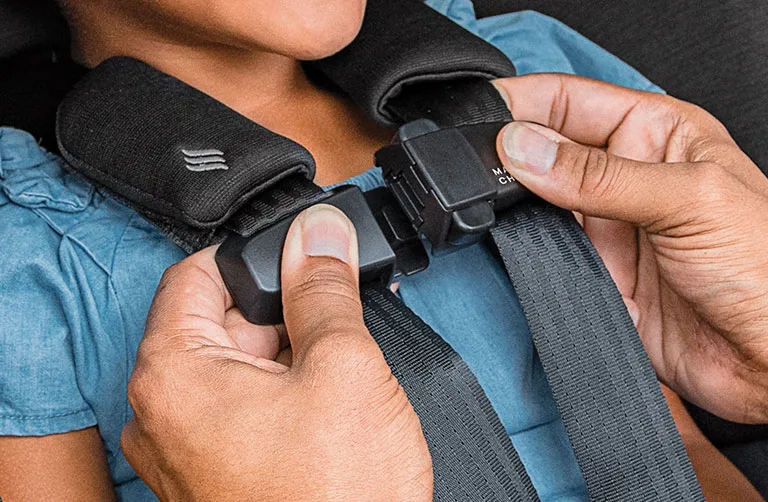
Image source: Bing (Web (fair-use with source credit))
Recline Angle, Harness Slots, and Chest Clip: The Three Things to Verify First
The NHTSA and seat manufacturers set clear rules here, and they matter for comfort as much as safety. Check all three in order.
- Recline: newborns usually need 30 to 45 degrees. Use the seat's own indicator or angle gauge.
- Harness slots: for rear-facing, straps go at or just below the shoulders, never above.
- Chest clip: at armpit level, every single ride. A clip on the belly is both unsafe and irritating.
- Snugness: you shouldn't be able to pinch slack at the collarbone. No more than one finger under the strap.
The Insert Trap: Manufacturer Inserts vs. Aftermarket Add-Ons
This is where a lot of well-meaning parents go wrong. The insert that came in the box was crash-tested with that seat. A generic pillow from a marketplace was not.
If your baby is small, the manufacturer insert helps position the head and body correctly. Once they outgrow it, take it out. Leaving it in too long can push the harness off the shoulders.
Never add aftermarket head supports, strap covers, or cushions that didn't come with the seat. They void the warranty and can make the harness fit worse.
Why Bulky Coats and Loose Straps Make Crying Worse (And Less Safe)
A puffy coat creates a gap between your baby and the harness. In a crash, the coat compresses and the straps go slack. But it also makes them hot and uncomfortable right now.
Buckled in a coat, your baby sweats, gets fussy, and fights the straps harder. Take the coat off, buckle them in, then drape a blanket over the top. They stay warm and the harness stays tight.
Same goes for loosening the harness to "help them settle." A loose strap feels like falling, not comfort. Keep it snug.
When Crying Points to Something Physical
Sometimes the crying isn't about fit at all. It's a body signal. If the fit is dialed in and your baby still screams, look at these physical causes.
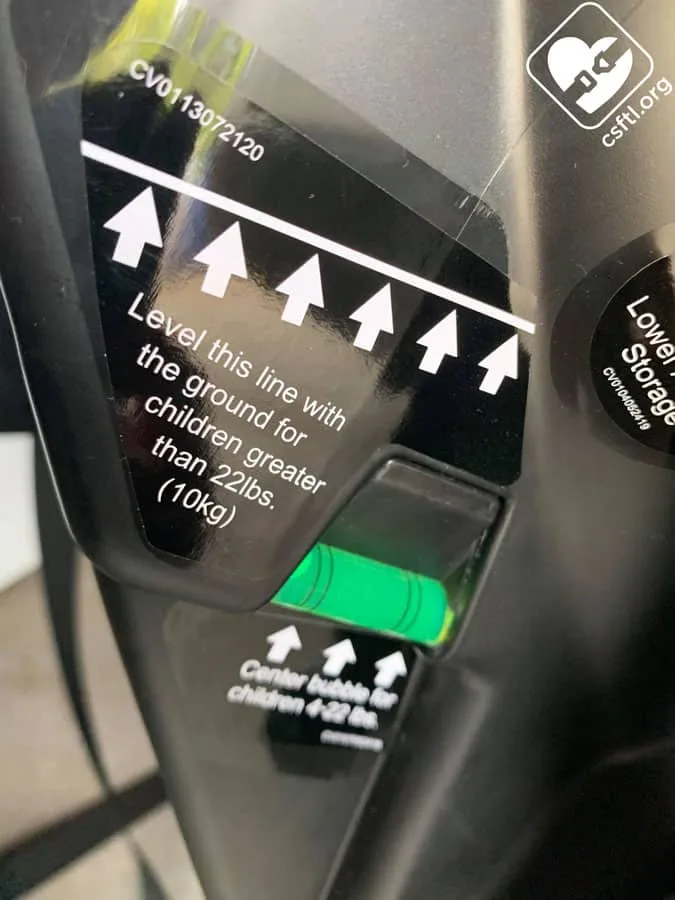
Image source: Bing (Web (fair-use with source credit))
Reflux, GERD, and the Semi-Reclined Position Problem
A car seat puts a baby at an angle, and for reflux babies that angle can be rough. Stomach contents creep up, and lying back makes it worse. If your baby spits up a lot in the seat but not at home, this is likely your answer.
Talk to your pediatrician before you change anything about how you position your baby. Never prop the seat up on towels or block the base to change the angle. The recline is a safety setting.
Overheating, Sweating, and the Hot-Seat Factor
Cars get hot fast, even in mild weather. A dark seat in the sun can feel like an oven. If your baby wakes up flushed, damp, and crying, heat is the culprit.
Cool the car before you load them in. Crack windows while parked. A window shade on the car beats a canopy that traps air inside the shell.
Motion Sickness in Babies: Yes, It's Real
Babies can absolutely get motion sick. Rear-facing means they see less of the horizon, which worsens the queasy feeling. The result is crying, then often vomiting, usually after a stretch of driving rather than at the start.
Try feeding them earlier so a full stomach isn't sloshing around. Keep the car cool and ventilated. Some babies do better with a slightly elevated, less reclined seat once they're older, but check your seat's manual first.
Red Flags: When Crying in the Car Isn't Normal Fussiness
Most car seat crying is frustrating, not dangerous. But some signs mean you should call your pediatrician.
- Crying that turns into choking, gagging, or trouble breathing
- Turning blue or grey around the lips
- Repeated vomiting after every ride
- Limpness, unresponsiveness, or unusual stiffness
- Screaming that doesn't stop even when you pull over and hold them
Trust your gut. If something feels off, get it checked.
What Actually Works: A Step-by-Step Calming Plan
Once you've ruled out a bad fit and any physical cause, you can work on the actual soothing. These steps build on each other, so try them in order.
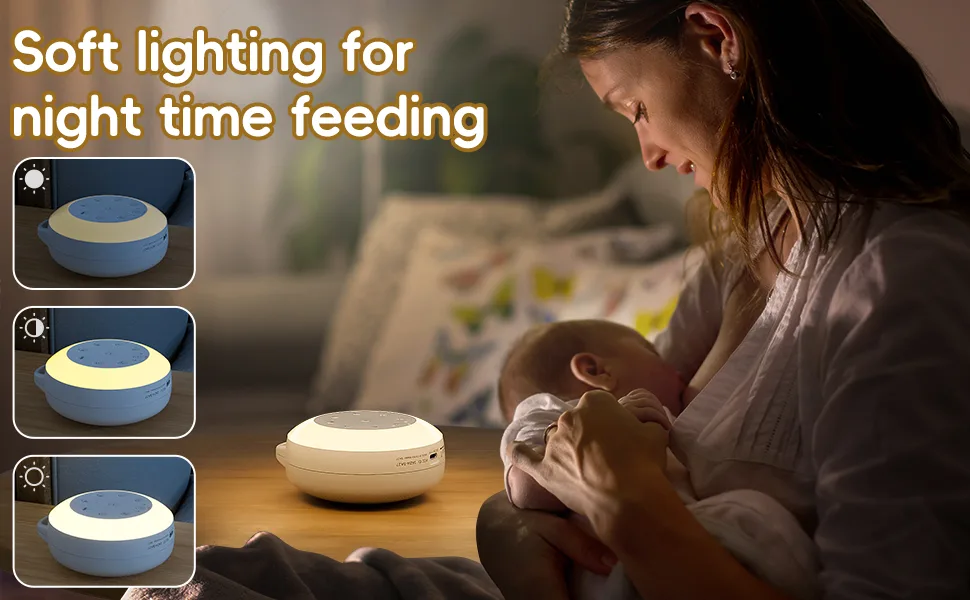
Image source: Bing (Web (fair-use with source credit))
Time Rides Around Sleep and Feeds, Not Against Them
A tired baby settles in the car far more easily than a wired one. A hungry baby doesn't settle at all. Plan short trips right after a feed and burp, or right at naptime.
Avoid the "feed then immediately drive" trap if your baby has reflux. Give it a little time. A full, gassy tummy plus motion equals a bad ride.
Build a Womb-Like Environment (White Noise, Warmth, Familiar Smells)
Newborns miss the womb, and the car can either mimic it or fight it. White noise is your best friend here. So is warmth and a familiar scent.
- Play white noise at a steady, moderate volume
- Keep the car warm but not stuffy
- Bring a blanket that smells like you
- Use a pacifier if your baby takes one
Some parents swear by a cracked window for airflow. Others use a small fan. Watch what your baby responds to and repeat it.
Soothing on the Road Without Breaking Safety Rules
You can comfort your baby from the front seat without undoing their safety. Your voice, your hand, and your music all reach them.
- Talk or sing in a calm, low voice
- If a passenger is with you, they can hold a hand or offer a pacifier
- Play the same familiar song every ride to build a cue
- Keep the cabin cool and the music soft
Never reach back and unbuckle or loosen straps to soothe a crying baby. Never take them out of the seat while the car is moving. Those are hard lines.
When to Pull Over, and How to Do It Safely
If your baby is truly inconsolable, pull over. But do it somewhere safe, not on a highway shoulder if you can avoid it. A parking lot or rest stop is far better.
Once stopped, take a breath, hold your baby, and reset. Feed, change, or just cuddle for a few minutes. Then buckle them back in snugly and try again.
A short reset often buys you a calmer stretch of driving.
What Not to Do: The "Fixes" That Put Your Baby at Risk
Some of the most common car seat "solutions" are the ones that scare us most. They feel helpful in the moment. They also void your seat's safety certification and can cause serious injury in a crash.
Never loosen the harness to stop crying. A snug five-point harness is what keeps your baby in the seat during impact. Loose straps let them slide or eject, even in a low-speed collision.
Comfort comes from a correct fit, not a slack one.
Never add aftermarket inserts, head supports, or strap covers. The NHTSA is clear that only the products shipped with your seat have been crash-tested with it. A squishy pillow from a marketplace can push the harness off the shoulders or create a gap.
Never put a rear-facing seat in front of an active airbag. Airbags deploy with enough force to kill an infant in a rear-facing shell. Typically only two or three years old, but check the seat's manual and your state rules.
Never use a car seat past its expiration date. Most seats expire six to ten years from the manufacture date, stamped on the shell. Plastic gets brittle and the seat may not perform in a crash.
Never buy a used seat with unknown history. A seat that's been in any moderate crash may have invisible structural damage. Replace it, even if it looks fine.
Finally, never leave a baby unattended in a car seat, even for a minute. Positional asphyxia is a real risk in a semi-reclined seat, especially for newborns. If they fall asleep in the seat, transfer them to a flat surface as soon as you're home.
Your Decision Guide: Matching the Fix to Your Baby's Pattern
Still not sure which fix applies to your situation? Use this if/then guide to narrow it down fast.
| If your baby… | Likely cause | What to try first |
|---|---|---|
| Screams the second you buckle them | Harness or recline fit | Full fit check: recline, slots, chest clip, snugness |
| Cries only in the infant carrier | Seat angle or small-baby padding | Verify recline angle, use manufacturer insert |
| Spits up or gags in the seat | Reflux or positional discomfort | Talk to your pediatrician, try a feed-burp-wait routine |
| Cries after 10+ minutes of driving | Motion sickness | Feed earlier, cool the car, ventilate well |
| Wakes and screams at every stop | Motion stops suddenly | Time rides around naps, use white noise |
| Sweats and turns red in the seat | Overheating | Cool the car first, remove bulky layers |
| Calms only when held | Sensory or comfort need | Build a womb-like environment, add familiar scent |
Compare your baby's pattern against the table honestly. Most parents find they're dealing with two or three overlapping causes, not one.
If you've done everything on this list and the crying is still extreme, see your pediatrician. Sometimes the answer is a tongue tie, reflux, or sensory issue that needs a proper look.
Frequently Asked Questions
Is it normal for my baby to cry every time they're in the car seat?
Yes, it's extremely common, especially in the first six months. Most babies outgrow car seat resistance as their nervous system matures and they get used to the routine. If crying comes with choking, gagging, or color changes, call your pediatrician.
Should I let my baby cry it out in the car seat?
No. Crying it out isn't a safe strategy in a moving car. If your baby is inconsolable, pull over somewhere safe and comfort them.
A calmer, less-stressed driver is safer for everyone in the car.
Can I add a head support or cushion to make my baby more comfortable?
Only if it came with the seat or is approved by the manufacturer for your specific model. Aftermarket inserts can interfere with the harness and haven't been crash-tested with your seat. When in doubt, leave it out.
Why does my baby only cry in the car when the car is stopped?
Motion soothes, so when the car stops the soothing stops. Red lights, traffic, and slow parking lots are common trigger points. Keeping a steady hum of white noise can help mask the sudden change.
How do I know if my baby has motion sickness or reflux?
Motion sickness usually shows up after a stretch of driving and often includes vomiting. Reflux tends to happen sooner and can happen in any reclined position, not just moving. Your pediatrician can help tell the difference.
What if nothing works and my baby still screams in the car?
Keep rides short and time them around naps and feeds. If the crying is severe, ongoing, or paired with physical signs, ask your pediatrician about reflux, sensory issues, or a referral to a certified car seat technician.

Similar Posts































