When to Put Baby in Stroller Without Car Seat
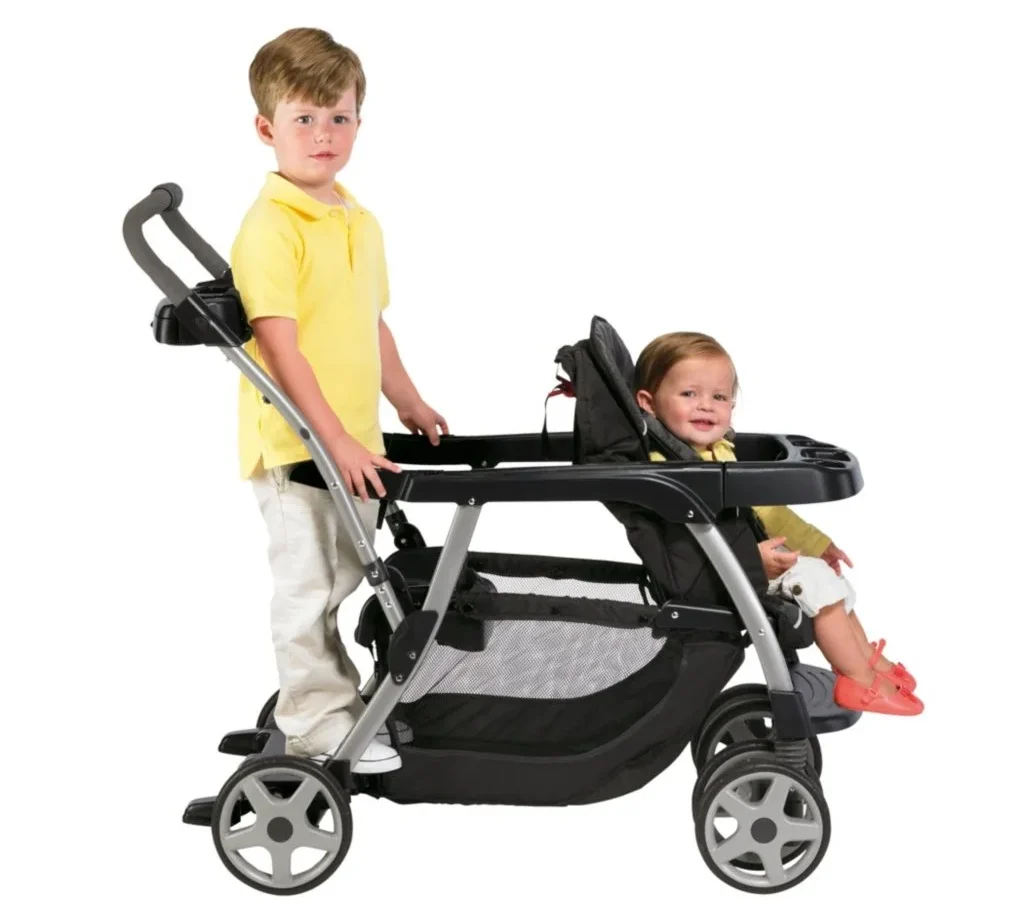
Most parents hit the question of when to put baby in stroller without car seat around month three. It usually shows up after one too many trips hauling a heavy bucket seat up the stairs. The answer is clearer than the conflicting advice online suggests.
The real variables are head control, recline, and harness fit, not a single magic age.
Per the American Academy of Pediatrics (AAP), car seats are for travel only. Long semi-reclined stretches can compress a young baby's airway. Stroller seats follow a different rule, and manufacturer specs put most upright models at 5 to 6 months or 15 to 20 pounds.
Flat-reclining models play by their own rules, and that's where the real checklist begins.
When to Put Baby in Stroller Without Car Seat
Put baby in the stroller without the car seat once head control steadies. That typically happens between 5 and 7 months. The stroller seat must also recline far enough for your baby's stage.
A near-flat recline works for babies who still slump. Check the stroller manual for the model's minimum age, weight, and recline settings.
There's no single date that fits every baby and every stroller. Work through these branches instead:
- If your stroller seat reclines fully flat or takes a bassinet attachment, you can skip the car seat from day one. Keep baby on their back with the harness snug.
- If the seat only partially reclines, wait for steady head control with no bobbling.
- If your baby passes the head-control checks later in this guide, start with short, supervised rides before long walks.
- If your baby was born early, judge by adjusted age and loop in your pediatrician first.
The Real Milestone Isn't an Age, It's Head and Neck Control
Manufacturers print age ranges on stroller seats because labels are easier to print than developmental assessments. Your baby never read those labels. The real gate is head and neck control.
That means holding the head steady without flopping forward, sideways, or back.
Image source: Bing (Web (fair-use with source credit))
Head lag is the earliest tell. Pull your baby gently from lying to sitting and watch the head. If it trails back like a rag doll, control isn't there yet.
In our research of manufacturer guides and pediatric sources, steady control shows up somewhere between 4 and 6 months. The range is wide. Babies born early should be judged by adjusted age, meaning the age they'd be if born on their due date.

Image source: Bing (Web (fair-use with source credit))
The reason behind this rule is uncomfortable but simple. A newborn's neck muscles can't keep the airway open when the chin drops to the chest. That's the mechanism behind positional asphyxia, and it happens quietly.
No label can measure that, but your baby's actualhead control can.
Two Quick Milestone Checks
- Head lag test: Gently pull your baby from lying to sitting by the hands. If the head trails behind, hold off.
- Steady hold test: Prop baby upright against you. If the head stays centered and level for several minutes, control is close.
- Watch during feeds and play. A head that flops sideways mid-wiggle means the trunk isn't ready either.
Talk to your pediatrician about timing if your baby was premature or has low muscle tone.
Car Seat vs. Stroller Seat: Two Different Readiness Checklists
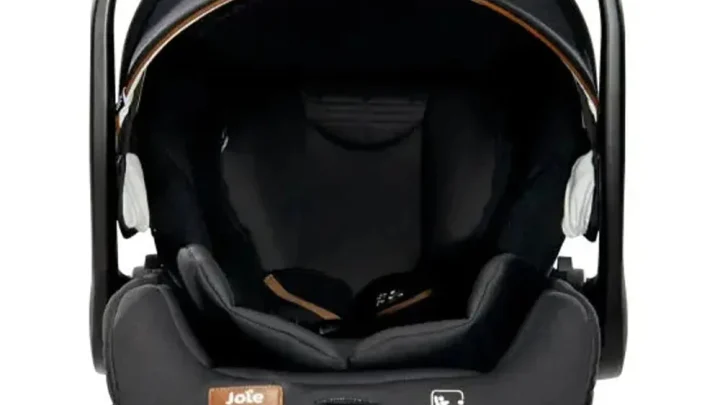
This is where parents mix things up. Car seat readiness and stroller seat readiness are separate checklists. Clicking an infant car seat into adapters doesn't mean the baby is ready for the stroller's own seat.
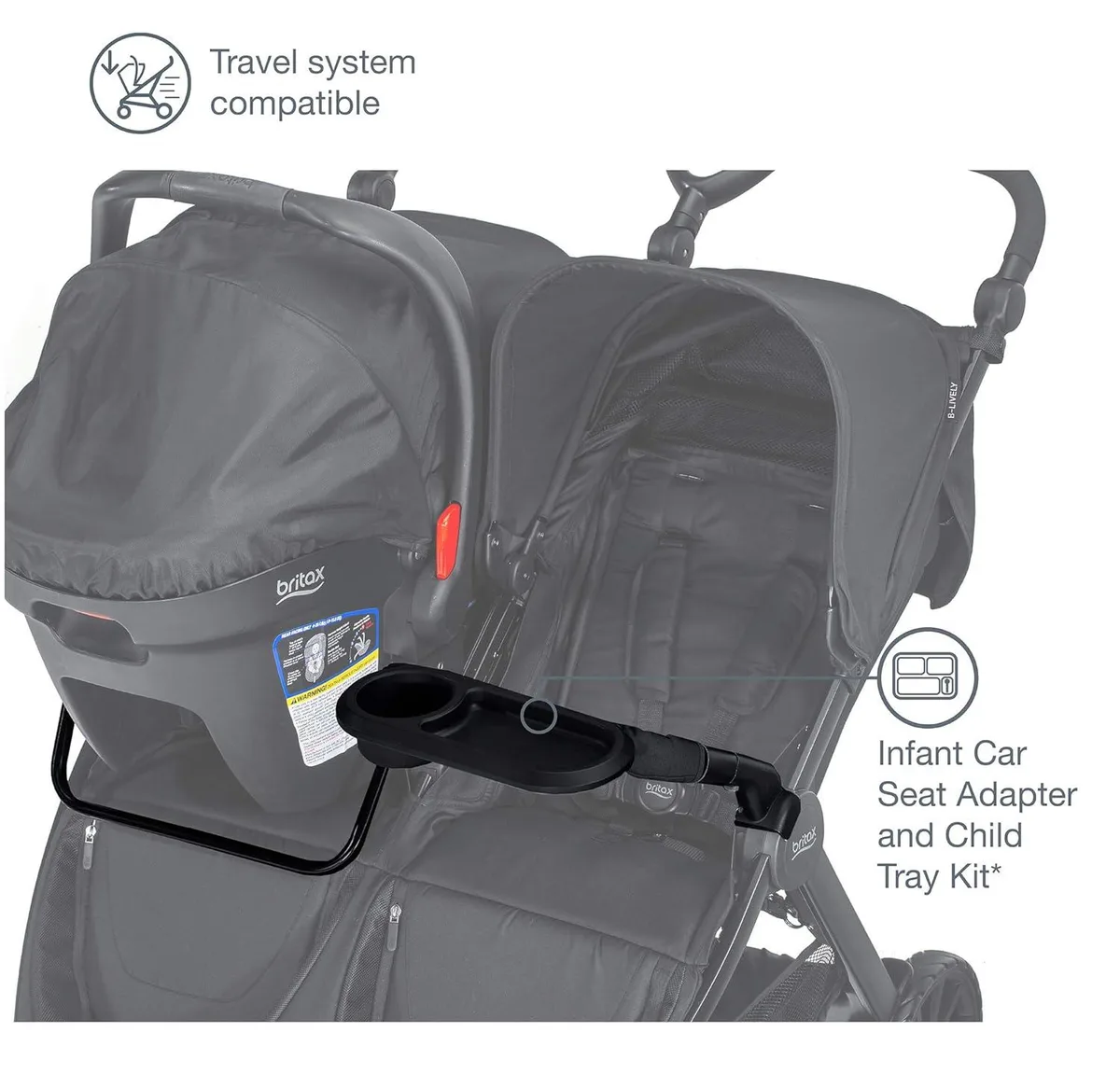
Image source: Bing (Web (fair-use with source credit))
Car seat rules are about travel. Stroller seat rules are about position, recline, and weight limits.
| Factor | Infant Car Seat | Stroller Seat |
|---|---|---|
| Primary purpose | Vehicle travel | Walking, outings |
| Position | Semi-reclined bucket | Flat to upright, varies |
| Age floor | From birth (fit dependent) | 5 to 6 months typical |
| Time limits | Not for prolonged sleep | No stated limit |
| Harness | Built-in 5-point | Built-in 5-point |
A car seat clicked into a stroller is still a car seat. That's the key point. AAP guidance says babies shouldn't spend long stretches in a semi-reclined car seat outside the car.
Positional asphyxia risk doesn't vanish because the seat is on wheels.
Stroller seats, by contrast, are designed for on-foot use. Flat-reclining and bassinet-style seats work from birth because the spine stays supported. Upright seats are for babies with trunk control.
Both are fine options once you match the seat to the baby.
The word "stroller-ready" on a car seat label only means it clicks into frames. It says nothing about position safety.
How to Tell If Your Baby Is Actually Ready for the Stroller Seat
Answer these questions honestly. If you get a no, wait a little longer or adjust the seat.
- Does the head stay steady without support for 5 to 10 minutes?
- Does baby sit with only minor trunk support?
- Does the stroller manual list a minimum weight or age your baby meets?
- Can baby sit in the seat without slumping or folding forward?
- Does the harness adjust snugly with two fingers of slack at most?
The Recline Rule for Newborns and Young Infants
Newborn stroller seats should recline near-flat, roughly 170 to 180 degrees. A flatter recline keeps the airway open and the spine supported. If baby's head tips forward when the seat is reclined, they aren't ready.
If a seat won't recline far enough, use a bassinet attachment or keep using the car seat for outings.
Signs Your Baby Isn't Ready Yet
- Head still bobbles or flops during short upright holds
- Baby slides down in the seat and ends up chin-to-chest
- Trunk sags forward and stays there
- Legs slide through the front of the harness
- Baby fusses the entire time; comfort often tracks readiness
None of these are emergencies. They're signals to keep using the car seat or bassinet for now.
Safety Risks Parents Miss: Slumping, Positional Asphyxia, and Harness Mistakes
Positional asphyxia is the biggest one, and it's silent. A baby's airway can close when the chin drops toward the chest, and they may not cry or struggle. That's why recline angle and head support matter so much on a stroller seat.
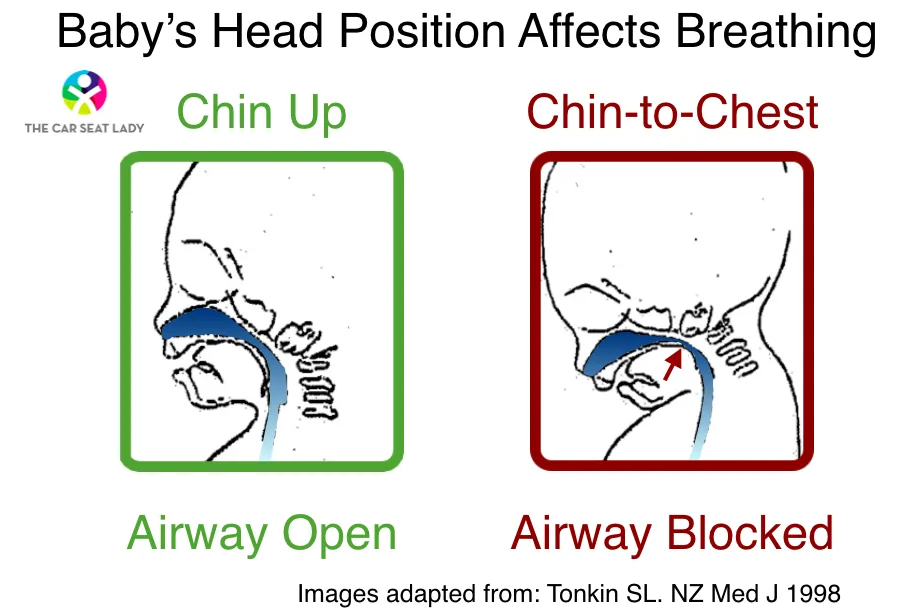
Image source: Bing (Web (fair-use with source credit))
Slumping is the warning sign. If your baby folds forward or slides down, stop the ride and reposition. Recline the seat or switch to a flatter setup.
Don't tilt the seat forward to "fix" it.
Other risks parents miss:
- Loose harness. More than two fingers of slack means the baby could slip during a bump or sudden stop.
- Chest clip too low. It belongs at armpit level, not at the belly.
- Long car seat naps off-base. Even clicked into a stroller, prolonged sleeping in a semi-reclined seat raises asphyxia risk.
- Wrong buckle position. Straps should sit over the shoulders, not fall off them.
- Adapters that don't lock. Confirm the click every single time. A half-seated car seat can tip on a curb.
Cover baby with a light blanket or sunshade instead of draping fabric over the seat. Trapped heat is a known risk in warm months.
When It's Still Safer to Use the Car Seat or Bassinet Instead
Age is one factor. The bigger ones are control and fit. Use the car seat or bassinet if any of these apply:
- Newborn stage, 0 to 3 months. Head control isn't there. Flat recline or a car seat from the car is safer.
- Premature or low-tone babies. Adjusted age runs behind, so use the flatter option longer.
- Baby has reflux or breathing issues. Ask your pediatrician whether a flat lie is better than a reclined seat.
- Toddler-level weight in a stroller seat that's still too upright. Check the manual; don't guess.
- Long naps on the go. A flat bassinet or lie-flat seat beats a car seat for sleep every time.
Talk to your pediatrician before switching, especially for preemies, babies with feeding issues, or any known breathing concerns. Show them the stroller's recline position so they can weigh in on what fits your baby.
Setting Up the Stroller Seat Safely: Step-by-Step
Follow these steps in order every time you switch to the stroller seat. It takes about two minutes once you've done it a few times.
- Check the recline setting against your baby's stage. Flat for newborns, partial for babies with emerging control, upright for sitters.
- Lock the seat into its frame position. Push down until you hear or feel the click. Tug upward to confirm.
- Place baby flat on their back first. Let the torso settle before you tighten anything.
- Thread the harness over both shoulders. Straps go over the shoulders, never under the arms.
- Fasten the chest clip at armpit level. Not at the belly, not at the throat.
- Buckle the crotch strap. Snug it so the buckle sits low on the pelvis.
- Tighten the harness. You should fit no more than two fingers under the strap at the collarbone.
- Watch the first five minutes. Look for slumping, chin-to-chest, or a head that falls sideways.
- Recline further or switch seats if any of those appear. Don't push through it.
For car seat adapters, add two extra checks. Confirm the adapter matches your exact car seat model, and press down on the seat after locking it to make sure it doesn't rock. A half-seated car seat can tip on a curb.
A Quick Tool and Check Table
| Item | What to Check | When |
|---|---|---|
| Stroller manual | Min age, weight, recline | Before first use |
| Harness | Two-finger slack max | Every ride |
| Chest clip | Armpit level | Every ride |
| Adapter | Clicks and locks | Every use |
| Recline angle | Matches baby's stage | Before each outing |
FAQs About Stroller Use Without a Car Seat
Can a 3-month-old ride in a stroller seat without a car seat?
Not usually. Most 3-month-olds still lack steady head control. They need a flat-reclining seat or a bassinet attachment.
Check your stroller manual for the minimum age and weight. If in doubt, ask your pediatrician.
Is it safe for a newborn to lie flat in a stroller?
Yes, if the seat reclines to near-flat, roughly 170 to 180 degrees. A proper flat recline keeps the airway open and the spine supported. Use the harness snugly even when flat.
Check the manual for the model's specific recline position.
How do I know if my baby has enough head control?
Try the head lag test. Gently pull baby from lying to sitting by the hands. If the head trails back, control isn't ready.
If it stays level with the body, control is developing.
Do I still need a car seat for the car if I use the stroller seat?
Yes. Stroller seats are for walking, never for vehicle travel. A car seat is the only safe option in a moving car.
Keep the two uses separate.
What's the minimum weight for a stroller seat?
It varies by model, but most upright stroller seats list 15 to 20 pounds as a floor. Flat-reclining seats often have no minimum weight. Always read your specific manual.
Can my baby sleep in a stroller seat?
Short supervised naps are fine if the seat reclines flat and the harness is snug. Long sleep in a semi-reclined position raises asphyxia risk, so keep an eye on breathing and head position.
Quick Decision Guide: Car Seat, Bassinet, or Stroller Seat?
Use this as a fast reference. Start with your baby's control level, then match the seat.
- Newborn, no head control: bassinet attachment or flat-recline stroller seat.
- Newborn, car travel or quick errands: infant car seat clicked into stroller, but keep the trip short.
- Emerging head control (around 4 to 5 months): flat or near-flat recline in the stroller seat.
- Steady head control (around 5 to 7 months): stroller seat at partial recline.
- Independent sitter (around 6 to 9 months): upright stroller seat with snug harness.
- Premature or low-tone: adjusted age plus pediatrician sign-off before any upright seat.
If you're ever unsure, default to the flatter option. Flatter never hurts. Too upright can.

Similar Posts