When to Upgrade Your Baby Car Seat: Key Signs
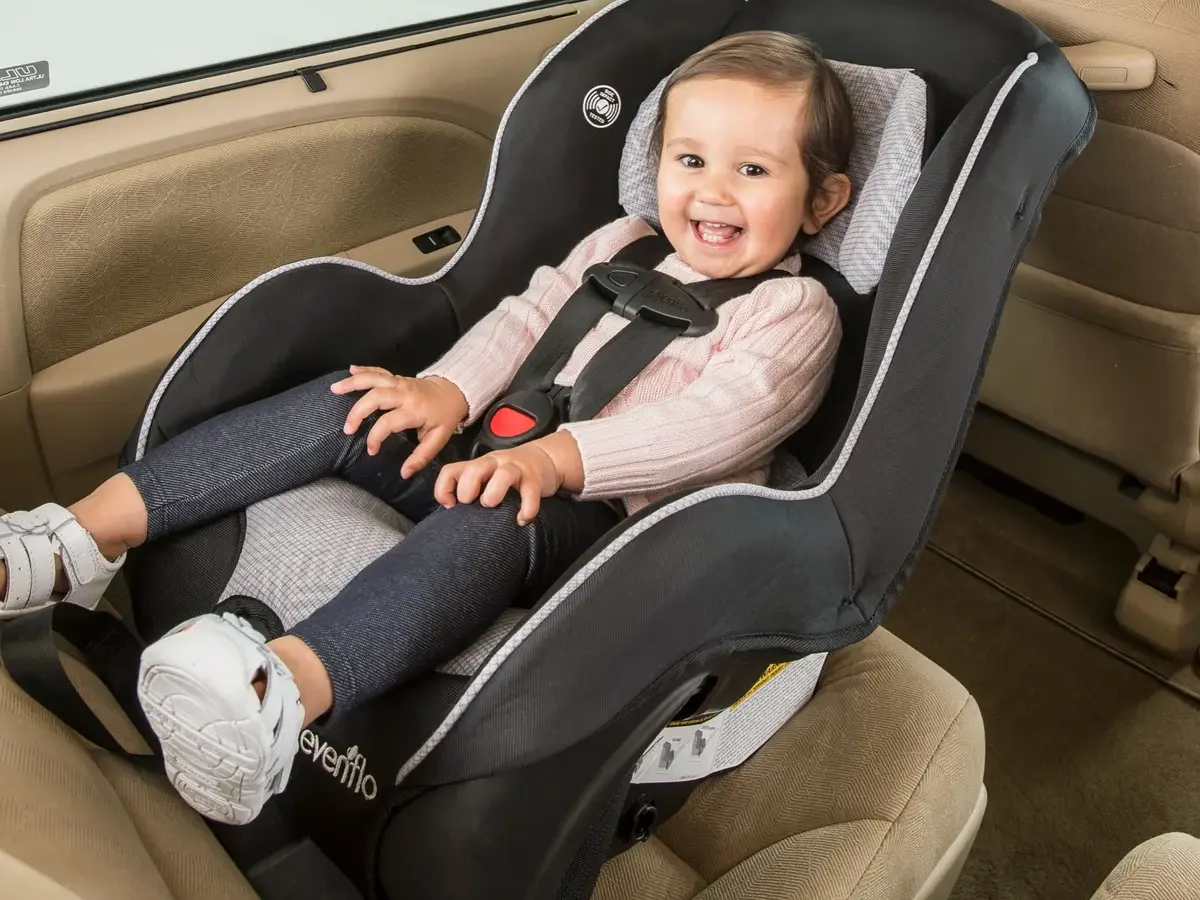
When your child outgrows their seat, the clock isn't set by age alone. The real answer to when do you upgrade baby car seat comes down to four numbers: weight, height, seated height, and the seat's own expiration date. Parents often jump to the next stage too early, and that single move is one of the biggest preventable risks in child passenger safety.
In our research, the American Academy of Pediatrics (AAP) recommends keeping kids rear-facing as long as possible, at minimum until age 2. The federal standard FMVSS 213 sets the structural and crash-test rules every US seat must pass, and the updated FMVSS 213a adds side-impact testing for seats made after 2025. Manufacturer specifications, not state law, tell you when a specific seat is truly outgrown.
Here's how to read them correctly.
when do you upgrade baby car seat
You upgrade when your child hits any limit on the seat label. That means the max weight, max height, or the top harness slot. Rear-facing seats are outgrown when the head nears the top of the shell.
Forward-facing harness seats end at the top slot. Boosters end when the seat belt fits without one.
The Real Rules Behind Every Car Seat Switch — Weight, Height, Age, and the Seat's Own Limits
Every car seat has a label listing weight and height limits, plus an expiration date stamped on the shell. Those limits are the law of your seat. Age is a rough guide, not the trigger.
A tall 18-month-old and a small 3-year-old hit the same seat differently.
Here's what actually forces an upgrade:
- Rear-facing max weight reached
- Rear-facing max height reached, or head within 1 inch of the top of the shell
- Forward-facing harness max weight or top harness slot reached
- Booster outgrown when shoulder belt sits off the shoulder or lap belt rides up the belly
- Expiration date reached (typically 6, 10 years from manufacture)
Weight limits vary widely. Infant carriers often cap around 30, 35 lb. Convertible seats rear-face to 40, 50 lb in many models.
Forward-facing harnesses commonly run to 65 lb, some to 90 lb. Always check the label on your specific seat.
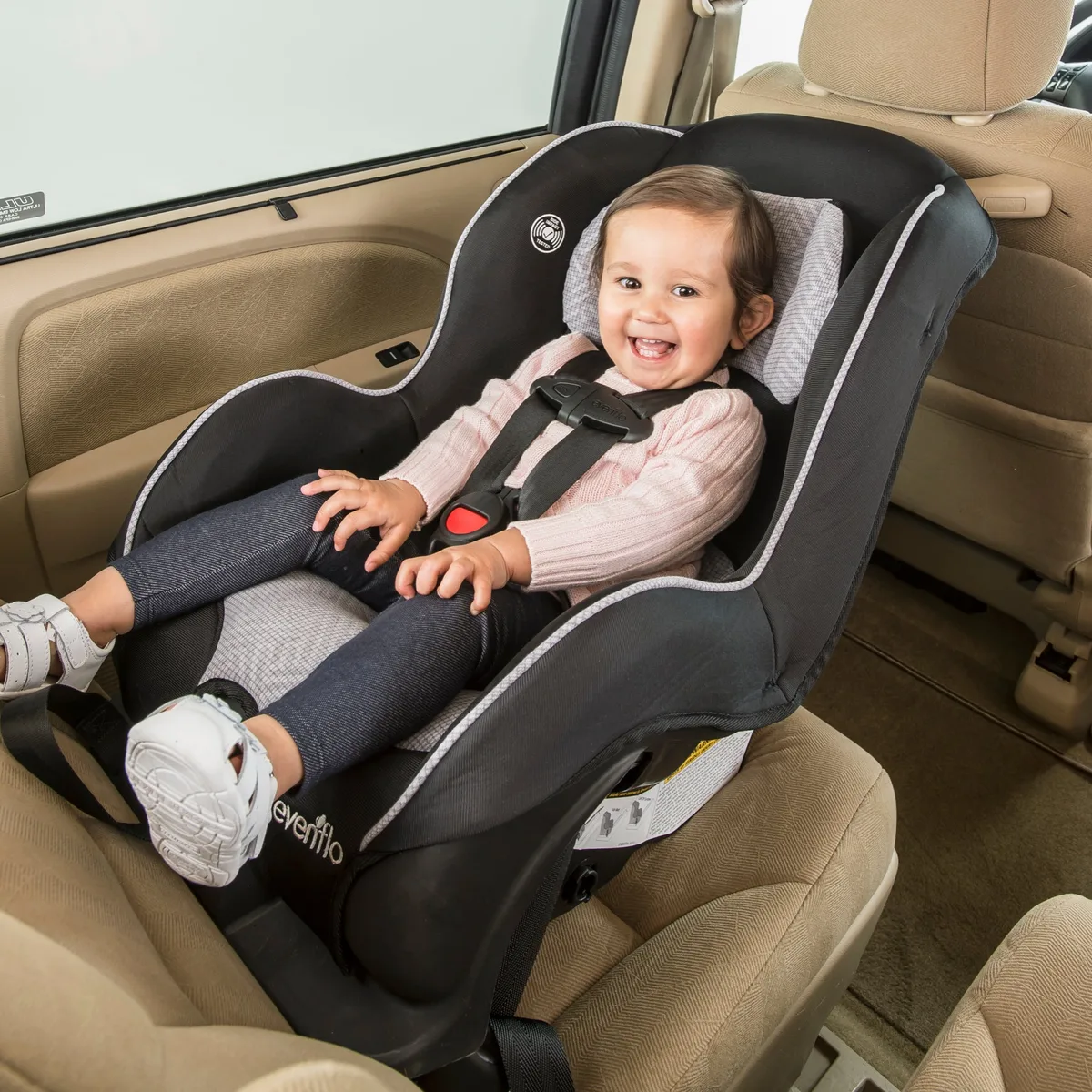
Image source: Bing (Web (fair-use with source credit))
Seated height matters as much as standing height. A child can be under the weight limit but have shoulders above the top harness slot, which means the seat is done. That's a hard stop, not a judgment call.
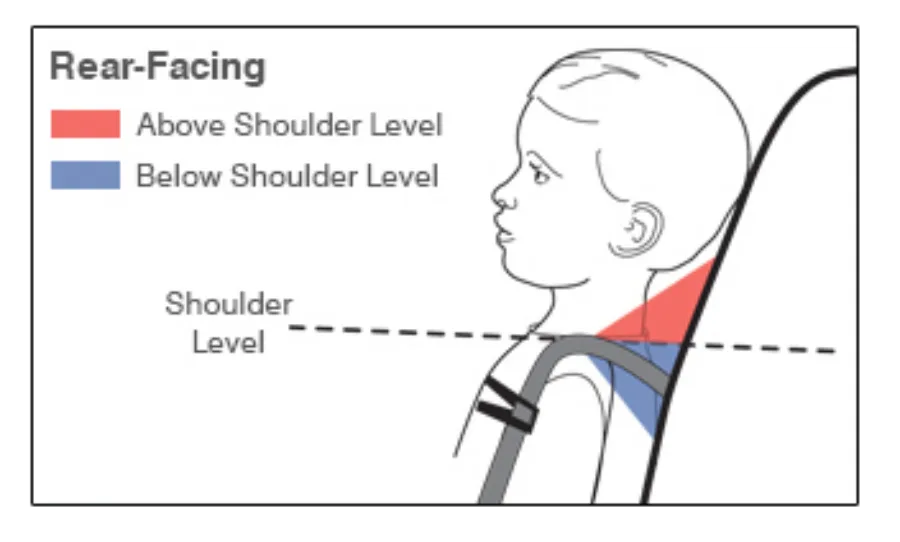
Image source: Bing (Web (fair-use with source credit))
A quick reference table
| Seat type | Typical rear-facing limit | Typical forward-facing limit | Common expiration |
|---|---|---|---|
| Infant carrier | 22–35 lb | N/A | 6 years |
| Convertible | 40–50 lb | 40–65 lb | 6–10 years |
| Combination | N/A | 40–65 lb (harness) | 8–10 years |
| Booster | N/A | N/A (belt-positioned) | 6–10 years |
Those numbers shift by brand, so treat them as a starting range. Your manual is the final word.
Your Decision Tree: Rear-Facing, Forward-Facing, or Booster?
Use if/then logic. If your child still fits the rear-facing seat by weight, height, and head position, keep them rear-facing. Full stop.
Rear-facing spreads crash forces across the whole back, head, and neck, which is why the AAP pushed the minimum to age 2.
If they've maxed out rear-facing, move to a forward-facing harness seat with a top tether. If they've maxed out the forward-facing harness limits, and they're at least 4 years old and mature enough to sit still, consider a booster.
Here's the branch:
- Rear-facing seat still fits → stay rear-facing, regardless of age
- Rear-facing weight maxed, under 2 years old → get a convertible with a higher rear-facing limit
- Rear-facing maxed and over 2 → move to forward-facing harness
- Forward-facing harness maxed, 4+ years, sits still → belt-positioning booster
- Booster maxed, seat belt fits correctly → back seat with the regular belt
The five-step booster readiness test is the gate. The child's back stays against the seat back. Knees bend at the seat edge.
Lap belt sits low on the hips. Shoulder belt crosses mid-shoulder. They can stay put the whole ride.
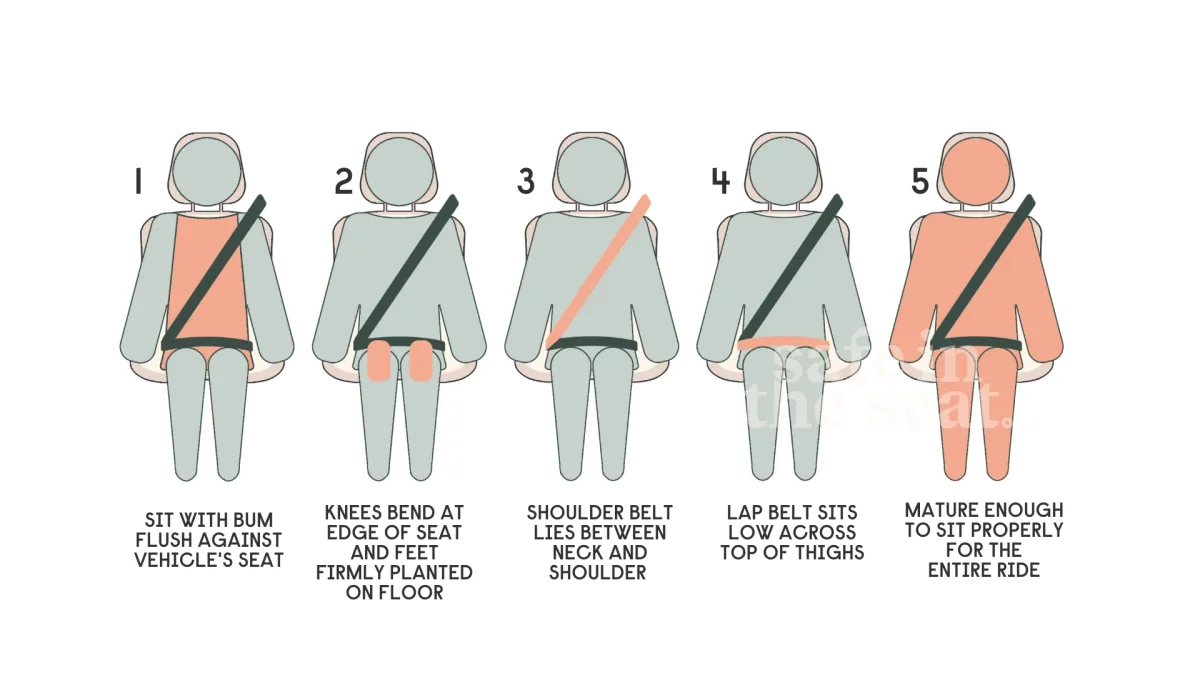
Image source: Bing (Web (fair-use with source credit))
If any of those five fail, they're not ready. "Legally allowed" and "actually safe" aren't the same thing.
Where Parents Get It Wrong — The Most Dangerous Upgrade Mistakes
Turning a toddler forward-facing too soon is the single most common and most dangerous mistake. The AAP and NHTSA both stress that rear-facing protects the head and spine better in a frontal crash, which is the most common crash type. Moving to a booster before age 4, or before the child can sit still, is the next big one.
Other common errors we see repeated in user reviews and inspection reports:
- Harness too loose, you should not be able to pinch slack at the shoulder
- Chest clip too low, it belongs at armpit level, not the belly
- Wrong recline angle rear-facing, letting a newborn's head flop forward
- LATCH used beyond its weight limit, often 65 lb combined child plus seat
- Bulky coats under the harness, which compress in a crash and leave the straps loose
- Aftermarket inserts that weren't sold with the seat and void the fit
- Reusing a crashed seat with hidden stress damage
- Buying used without knowing the history or expiration
Each of these quietly cuts protection without anyone noticing. Most are fixed by reading the manual and doing the pinch test.
Seat Expiration, Crash History, and Hand-Me-Downs: When a Seat Itself Is the Problem
Car seats expire because plastic and foam degrade over years of heat, cold, and UV exposure. Expiration dates usually run 6, 10 years from the manufacture date, not the purchase date. A seat that sat in a garage for two years before you bought it is already two years older.
Register your seat so you're notified of recalls. NHTSA runs the recall lookup and the car seat finder at nhtsa.gov. It's free and takes minutes.
Avoid hand-me-downs unless you can confirm all of this:
- Manufacture date and expiration are still valid
- No moderate or severe crash history (manufacturers replace seats after crashes, so ask)
- All parts, labels, and the manual are present
- No recalls on that model
- No visible cracks, fraying, or missing hardware
A moderate or severe crash means the seat is done, even if it looks fine. Some manufacturers replace seats after minor crashes, but that's policy-dependent. Check the brand's crash replacement statement before reusing.

Image source: Web (Bing) / garretthealth.org (Web image (fair-use with source credit))
The 7-Step Upgrade Process (and How to Get It Inspected for Free)
Here's the sequence we recommend when it's time to move up a stage:
- Read your current seat's label and manual first
- Measure your child's weight, standing height, and seated height
- Confirm which limit is actually being hit
- Check your vehicle manual for LATCH limits and tether anchor locations
- Pick the next seat type based on the decision tree above
- Install it, then run the pinch test and confirm the chest clip sits at armpit level
- Register the new seat for recall alerts
Installation is where most of the risk lives, so don't rush step six. For forward-facing seats, the top tether is required in nearly every case. It cuts head excursion in a crash, and skipping it is one of the most common oversights we see in aggregate inspection data.
Then get it checked. Safe Kids Worldwide runs a CPST locator, and NHTSA lists inspection stations across the country at nhtsa.gov. A certified Child Passenger Safety Technician will confirm the install, the harness fit, and the recline angle for free.
Inspections routinely catch four out of five seats installed with at least one error.
Bring the seat, the manual, and the child if you can. The technician will reinstall it correctly and show you exactly what was off.
State Law vs. Best Practice: What's Legal Isn't Always What's Safe
State child passenger safety laws are the floor, not the ceiling. Most states set age or height triggers for boosters, but those minimums lag behind what safety research supports. A child can be legally fine in a booster at 6 in some states and still fail the five-step readiness test.
Here's the gap in plain terms:
| What law often says | What safety guidance says |
|---|---|
| Rear-facing until 1 year and 20 lb | Rear-facing until at least 2 years, ideally longer |
| Booster at age 4 or 40 lb | Booster when the belt fits correctly, usually 4'9" and 8–12 years |
| Back seat until a set age | Back seat until at least 13 |
So if you're asking whether you have to upgrade, check your state statute. If you're asking whether you should, follow the AAP and the seat's own limits. Those are stricter for a reason.
FAQs: The Upgrade Questions Parents Ask Most
Can my child use a booster before age 4?
No. Under 4, the harness spreads crash forces better than a seat belt ever can. Wait until the child meets the seat's minimum for a booster and passes the five-step test.
What if my child outgrows the rear-facing weight but is under 2?
Move to a convertible seat with a higher rear-facing limit. Don't flip forward. Keeping them rear-facing longer is the safer choice, even if it costs a new seat.
Does a seat really expire if it looks fine?
Yes. Plastic and foam weaken with age and heat exposure, even without visible damage. The manufacture date on the shell is the authority, not the condition.
Do I need a new seat after a minor fender bender?
Not always. Many manufacturers replace seats after minor crashes with no airbag deployment or structural damage. Check your brand's crash replacement policy before you decide.
How long does a car seat inspection take?
Usually 20 to 30 minutes. Bring the seat, the manual, and your child. A CPST will verify the install and show you the fixes on the spot.

Similar Posts