What Side Should a Baby Car Seat Be On? Safe Guide
If you've ever searched what side should baby car seat be on, you've probably seen the same answer: middle of the back seat, always. That's true in a perfect world. Your car isn't a perfect world.
It's a specific year, make, and model with specific anchors in specific spots.
Here's the thing most guides skip. The safest position is the one where you can get a rock-solid, tight install every single time. A perfectly placed seat with a loose install is more dangerous than an outboard seat installed like a rock.
Per FMVSS 213, the federal standard for child restraint systems, seats must pass crash tests when installed correctly. Correct installation is the variable you control.
what side should baby car seat be on
Put the car seat in the center rear position if you can get a tight fit there. If not, use the rear passenger-side seat. Never place a rear-facing seat in the front passenger spot.
The center rear protects best in side impacts. The passenger side keeps your child curbside, away from traffic.
Center vs. Passenger Side vs. Driver Side: What Changes and What Doesn't
Each rear position has trade-offs. Not one wins on every measure. The chart below breaks down what actually differs.
| Position | Crash protection | Install difficulty | Curbside loading |
|---|---|---|---|
| Center rear | Best in side impacts | Often hardest | Not applicable |
| Passenger side rear | Good with side airbags | Usually easiest | Yes |
| Driver side rear | Good with side airbags | Usually easiest | No, traffic side |
| Front passenger | Never for rear-facing | Not applicable | Not applicable |
The center rear seat sits furthest from both doors. In a side-impact crash, that distance matters. It's the reason NHTSA and the American Academy of Pediatrics have long pointed to the middle as the safest spot when it's usable.
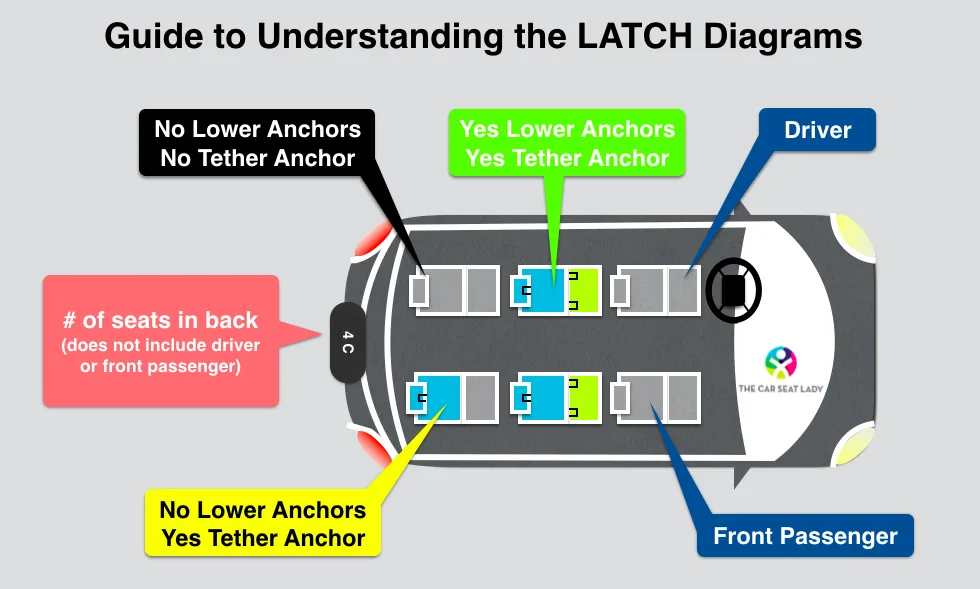
But here's the catch. Most vehicles built after 2002 have LATCH lower anchors only in the two outboard positions. The center seat usually relies on a seat belt install, and sometimes there's no top tether there at all.
A seat belt install isn't less safe when done right, but it's harder to get tight.
Image source: Bing (Web (fair-use with source credit))
The passenger-side rear seat wins for daily life. You load and unload curbside, away from passing traffic. If you're juggling groceries, a diaper bag, and a toddler, that matters more than you'd think.
Driver-side rear is fine too. It just puts you in the traffic lane during loading in street parking.
What doesn't change much between the two outboard seats is crash protection. Modern cars have side-curtain airbags across both sides. So as of 2026, the passenger versus driver side question is mostly about loading convenience, not safety.
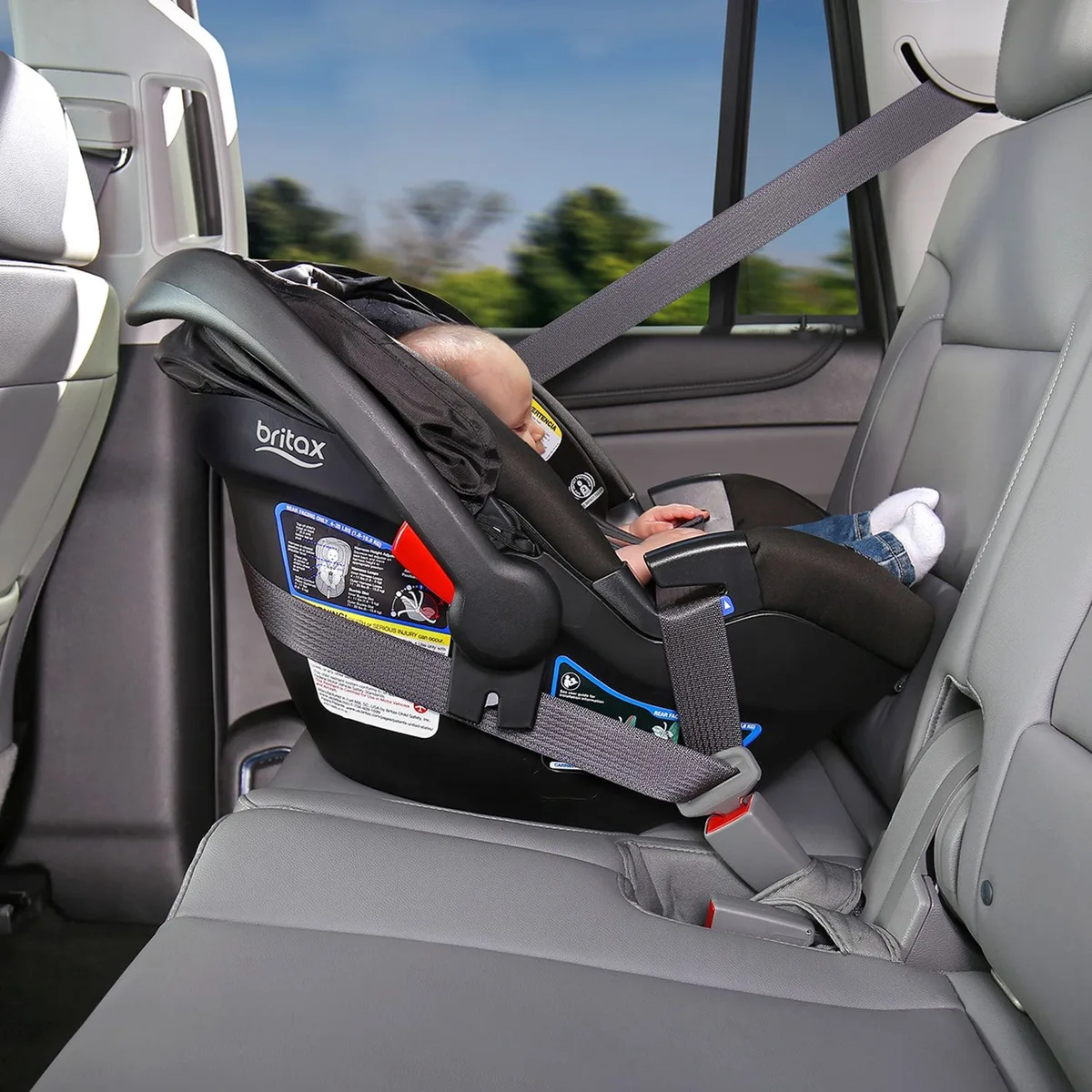
Image source: Web (Bing) / pinterest.com (Web image (fair-use with source credit))
How to Pick the Right Position for Your Car, Your Kid, and Your Daily Life
Start with your vehicle's owner's manual. Then read your car seat's manual. Both documents tell you which positions are allowed and which anchors you can use.
Some manufacturers forbid borrowing the inner lower anchors from the outboard seats to install in the center. That's a real restriction, and ignoring it voids the seat's tested performance.
When the Center Seat Works, and When It Doesn't
Use the center seat if the seat fits without touching the front seats, you can achieve less than 1 inch of movement at the belt path, and your manuals allow it. Skip the center if your back seat has a hump, no top tether, or a lap-only belt with a retractor that won't lock.
Outboard Seats: Passenger vs. Driver Side
Pick the passenger-side rear if you park on streets and load your child often. Pick the driver-side rear if you're usually in a driveway or garage, or if the passenger side is already taken by another car seat. If you're installing two seats, put the younger child in the position with the best install, not automatically the center.
What Your Vehicle Manual and Seat Manual Actually Say
If your car manual says "LATCH positions: outboard only," that's not a suggestion. It's the tested configuration. If your seat manual says "do not install with lower anchors in the center," believe it.
Manufacturers test what they write down. They don't test what you improvise.
Step-by-Step: Installing the Seat and Confirming You Got It Right
A correct install is repeatable. Follow the same steps whether you're using LATCH or the seat belt.
- Park on flat ground. Recline the vehicle seat per your car seat manual, usually one or two clicks.
- Route the belt or LATCH strap through the correct belt path. Rear-facing seats use the rear-facing path. Forward-facing seats use the forward-facing path.
- Tighten with your knee pressing into the seat. Pull the strap or belt tail firmly.
- Test for movement. Grab the seat at the belt path and push side to side. It should move less than 1 inch.
- Attach the top tether on forward-facing seats. This cuts head movement in a crash.
- Check the recline angle. Use the seat's built-in level indicator or angle app.
- Harness your child snugly. Chest clip at armpit level, no bulky coats underneath.
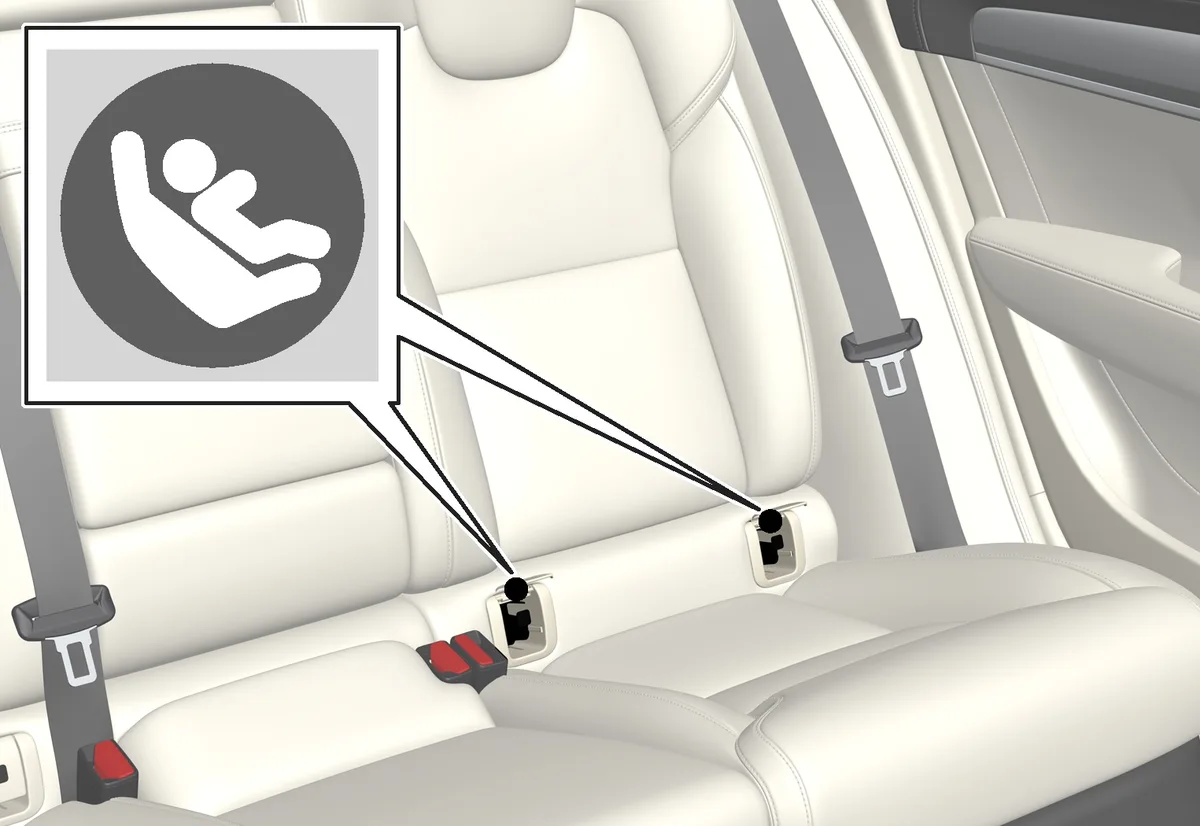
Image source: Bing (Web (fair-use with source credit))
If you're unsure, get a free inspection. NHTSA maintains a searchable list of Child Passenger Safety Technician (CPST) inspection stations at NHTSA.gov. Aggregate reports from these stations show that roughly three in four car seats arrive with at least one installation error.
Mistakes That Get Kids Hurt, and How to Avoid Every One of Them
Most install errors are quiet. Nothing feels wrong until a crash. These are the ones safety technicians see most.
- Using the front passenger seat for a rear-facing seat. If the airbag deploys, it strikes the seat back at full force. Never do this.
- Skipping the top tether on a forward-facing seat. It's not optional. It cuts head excursion significantly.
- Leaving more than 1 inch of movement at the belt path. Tighten again, or switch positions.
- Borrowing lower anchors from outboard seats for a center install. Most manufacturers forbid it.
- Dressing your child in a puffy coat under the harness. The coat compresses in a crash, and the harness goes slack.
- Adding aftermarket seat cushions, head supports, or strap covers. Unless the seat maker sells them for that seat, they're untested.
- Reclining the vehicle seat for comfort after install. It changes the car seat angle and can loosen the belt.
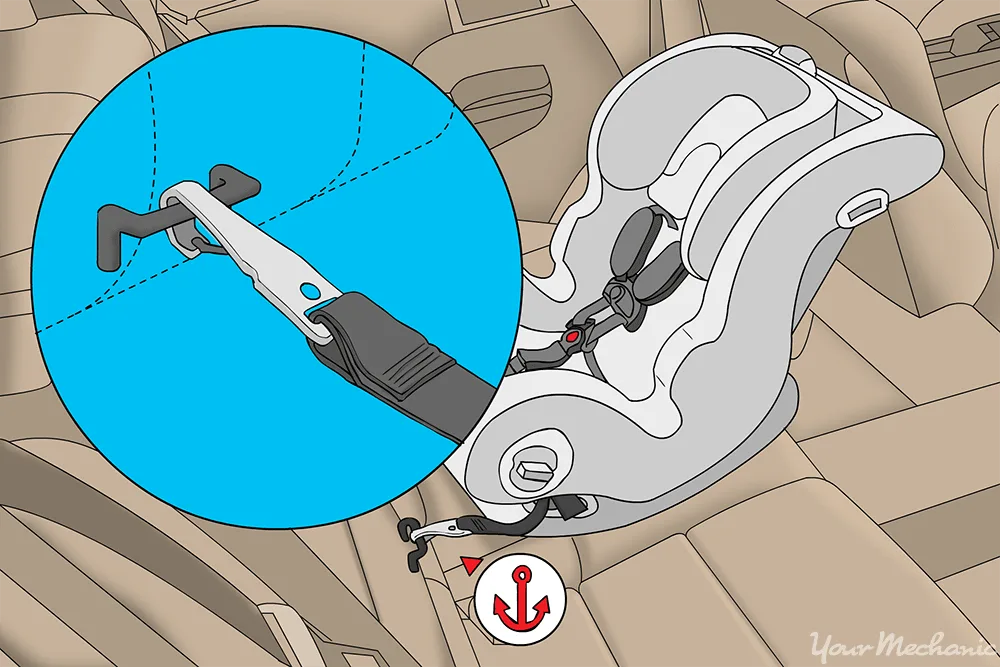
Image source: Bing (Web (fair-use with source credit))
One more: forgetting that car seats expire. Most last six to ten years from the manufacture date stamped on the shell. Plastic fatigues.
Check the label.
When to Move the Seat, When to Seek Help, and What the Law Requires
Rear-facing seats stay rear-facing until your child outgrows the seat's height or weight limit. Most convertible seats sold today allow rear-facing to 40 or 50 pounds. The AAP recommends keeping kids rear-facing until they hit those limits, not switching at age two just because the calendar says so.
Switch to forward-facing only when the seat manual says to. Then add the top tether. Skip the tether and you lose a big chunk of the seat's tested protection.
The law varies by state. Most US states require rear-facing until age two, and a handful go further. Some require a booster until age eight or until the child hits 4'9".
Check your state's child passenger safety law, because the minimum legal standard is often lower than what's actually safest.
Re-check the install after any of these events:
- You move the seat to a different vehicle
- Your child gains weight or height near a limit
- Someone unbuckles the seat to fit a passenger or cargo
- A crash occurs, even a minor one (most seats must be replaced)
- The seat reaches its expiration date, usually six to ten years from manufacture
Seek help if you can't get a tight install in any position after two honest attempts. A certified CPST will inspect it free at many fire stations, hospitals, and police departments. Aggregate data from inspection events shows roughly 75 percent of seats arrive with at least one error, so you're in good company.
FAQs: Real Questions Parents Actually Ask
Can I put the car seat in the center if my car has no center LATCH?
Yes, if your vehicle and seat manuals allow a seat belt install there. Many center seats have a lap-and-shoulder belt that locks. Some older cars have a lap-only belt.
If the retractor won't lock and you have no locking clip, use an outboard position instead.
Is the passenger side safer than the driver side?
No. Crash data doesn't show a meaningful safety difference between the two outboard rear seats in modern cars with side-curtain airbags. Pick the side that's easier and safer for you to load, usually the passenger side if you park curbside.
What if I have two kids and can't fit both outboard and center?
Put the younger child in whichever position gets the tightest install. Then fit the older child's seat in the remaining spot. If three seats won't fit across, look at a narrower convertible seat.
Don't force a seat into a spot where it won't install tightly.
Can my child ride in the front seat?
Not in a rear-facing seat, ever. An active front airbag can kill a rear-facing child. Forward-facing kids should stay in the back until at least age 13, per AAP guidance, and only when the front seat belt fits them properly.
Does the car seat position change for a booster?
Boosters can go in any rear position with a lap-and-shoulder belt. The center is often best because it keeps the child away from doors. Never use a booster with a lap-only belt.
The shoulder belt needs to cross the chest, not the neck.
How do I know I've got less than 1 inch of movement?
Grab the seat at the belt path, not the top. Push and pull side to side and front to back. If it moves more than 1 inch in any direction, tighten the belt or strap and test again.
Repeat until it holds.
The Bottom Line: Pick the Position You Can Install Correctly Every Single Time
The center rear seat is the safest spot in the car when you can get a tight install there. If you can't, an outboard rear seat with a rock-solid install beats a loose center install every time. Passenger side wins for curbside loading.
Driver side is fine if that's what fits your life.
Read both manuals. Test for movement. Use the top tether on forward-facing seats.
Keep kids rear-facing as long as the seat allows. And when in doubt, get it checked by a CPST for free.
That's the whole game. Position matters, but a correct install matters more.

Similar Posts































