How Does a Baby Fail a Car Seat Test? Key Reasons
Giving birth early is stressful enough. Then a nurse mentions your baby has to "pass" a car seat test before going home, and suddenly you're Googling at 2 a.m. wondering how does a baby fail a car seat test in the first place.
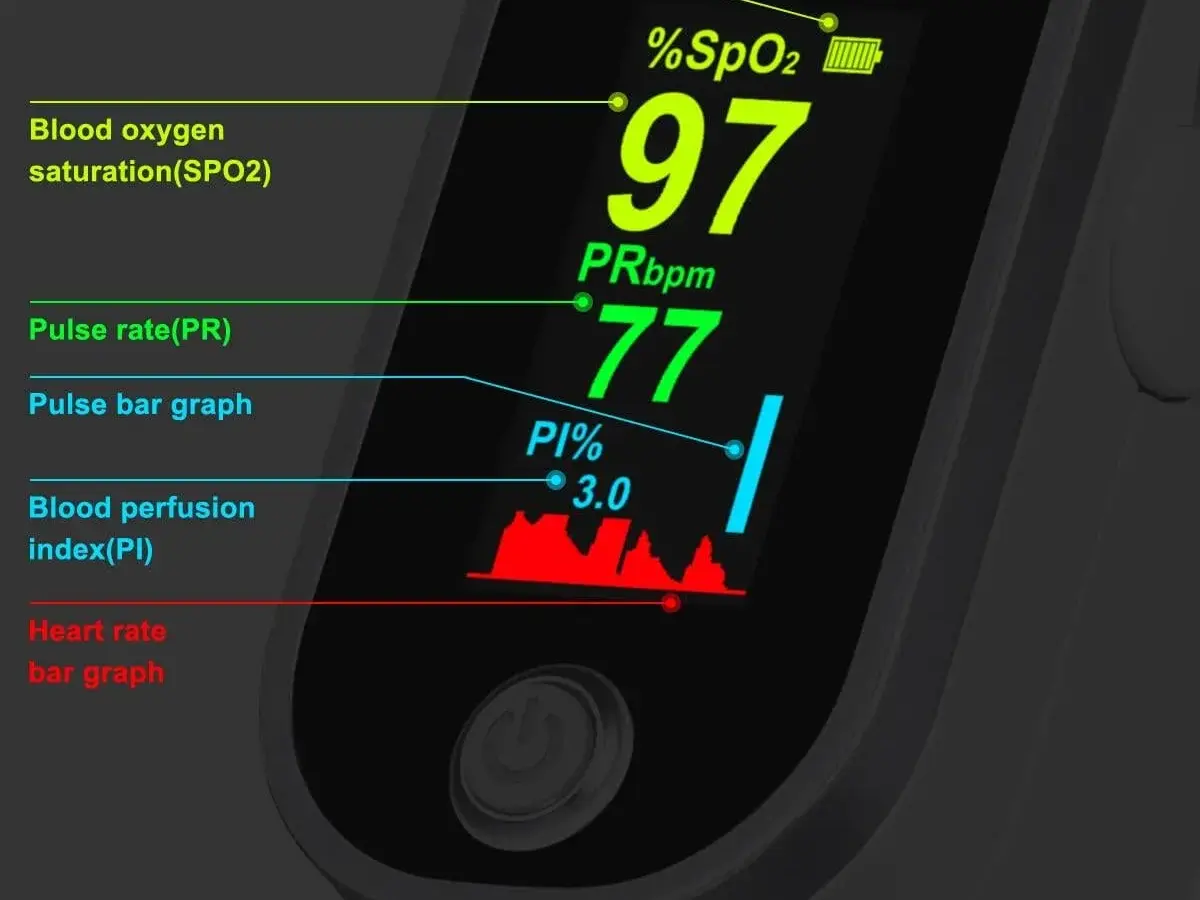
Here's the short version. A baby fails when their oxygen level, heart rate, or breathing dips below a set threshold while strapped into a car seat and monitored. Most hospitals watch babies for 90 to 120 minutes using pulse oximetry and a cardiorespiratory monitor.
The good news is that many "failures" come down to fixable things like a poor seat angle, a loose harness, or a chin-to-chest slump rather than a serious medical problem. Let's walk through what's actually happening during that test.
how does a baby fail a car seat test
A baby fails when monitored vitals drop below the hospital's thresholds while seated. Common triggers include oxygen saturation below 90% (some units use 88%), a heart rate under 80 to 100 beats per minute, or a breathing pause of 20 seconds or longer. The seat's semi-upright angle is what makes it hard for some newborns.
What Failing a Car Seat Test Actually Means
Failing doesn't mean your baby can't ride in a car. It means their body struggled with the semi-upright position for the short window they were watched, and the care team wants to know why before you drive off.
The car seat test (also called a car seat challenge or car seat tolerance screening) is a monitored observation, not a pass/fail exam with one universal cut-off. Each NICU sets its own thresholds. Two hospitals can look at the same baby and reach slightly different conclusions based on their protocol.
Why Hospitals Run This Test Before Discharge
Newborns, especially preemies, have immature control over their breathing and heart rate. Add a semi-upright seat with a harness across the chest and shoulders, and some babies slump into a position that narrows the airway. The test exists to catch that while trained staff and monitors are right there.
Discharge readiness is the goal. Most units pair the car seat test with a room-air challenge and a feeding milestone. If a baby can't hold their own oxygen in a car seat, they're not ready for a two-hour drive home either.
What Counts as a Fail — SpO2, Heart Rate, and Apnea Thresholds
What counts as a fail depends on your hospital's protocol, but the ranges are fairly consistent.
- SpO2 (oxygen saturation): a drop below 90% is the most common threshold. Some units use 88%.
- Bradycardia: a heart rate that drops below 80 to 100 bpm, depending on the unit.
- Apnea: a breathing pause of 20 seconds or longer. Shorter pauses also count if they come with a desaturation or bradycardia.
- Duration: many events only count if they last a set number of seconds, or if the baby doesn't self-correct quickly.
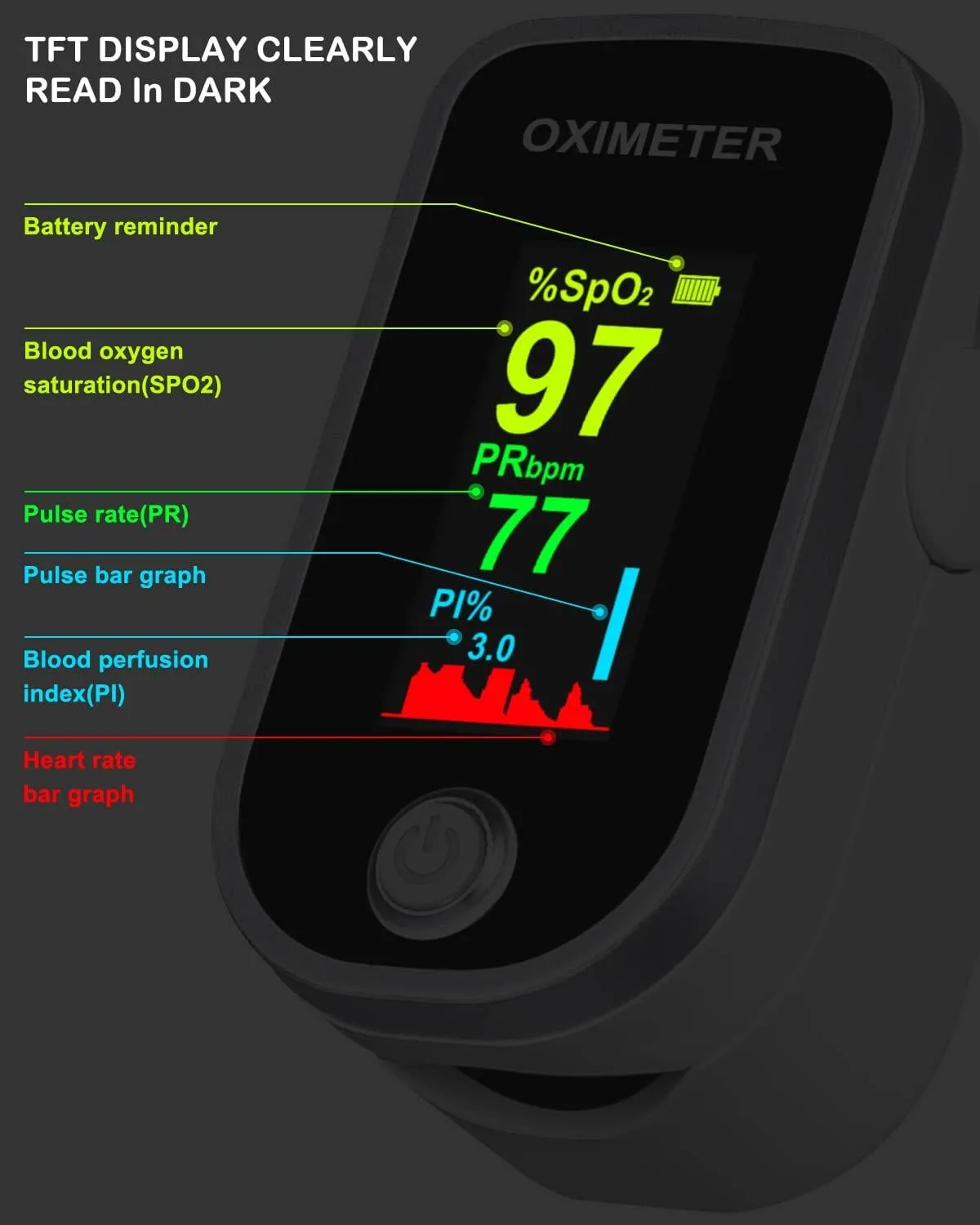
Image source: Bing (Web (fair-use with source credit))
Why Fail Doesn't Mean You're Going Home Without a Car Seat
Hospitals don't discharge babies without a suitable restraint. A failed test triggers a plan, not a delay with no end. That plan might be repositioning, removing an insert, adjusting the recline, retesting, or switching to a specialty car bed.
The National Highway Traffic Safety Administration (NHTSA) has clear guidance that all infants ride rear-facing, and a car bed is still a rear-facing restraint. Nothing about a failed test changes that rule.
Per NHTSA, every car seat must meet Federal Motor Vehicle Safety Standard 213. That standard covers crash performance. It does not guarantee a specific baby tolerates the semi-upright position, which is exactly why the hospital test exists.
Who Needs a Car Seat Test (and Who Usually Doesn't)
Not every newborn gets tested. Most full-term, healthy babies go home without one. The test is aimed at babies with a higher chance of struggling in the seated position.
Image source: Bing (Web (fair-use with source credit))
Preemies, Late Preterms, and Low Birth Weight Babies
Preterm means born before 37 weeks. Late preterm is 34 to 36 weeks. Low birth weight (LBW) is under 2,500 grams, and very low birth weight (VLBW) is under 1,500 grams.
If your baby fits any of these, expect a car seat test before discharge. Some units test every baby under a certain gestation or weight. Others only test when there's a history of breathing events.
Ask your nurse which protocol your hospital follows.
Babies With Apnea, Bradycardia, or Desaturation History
If your baby has had any documented apnea of prematurity, bradycardia, or desaturation episodes in the nursery, they're an automatic candidate. The test is a way to confirm those episodes aren't going to happen in the car seat before you leave.
Many units require a set "event-free" window before testing. If your baby had a bradycardia event yesterday, the team may wait a day or two. That's normal and not a setback.
Conditions That Change the Picture
Some conditions raise the risk regardless of birth weight or gestational age.
- Congenital heart defects
- Hypotonia (low muscle tone)
- Airway issues like Pierre Robin sequence
- Neurological conditions affecting breathing control
- Babies on caffeine therapy for apnea of prematurity
If your baby has any of these, the care team may skip the standard car seat test and go straight to a car bed tolerance screening instead.
The Real Reasons Babies Fail — Fixable vs. Not
Most failures aren't scary. They're mechanical. A seat at the wrong angle, a loose strap, or an insert that wasn't tested with the seat can all cause the same result as a genuine breathing problem.
Positioning Problems
How a baby sits in the seat matters more than most parents realize. Two issues come up again and again.
- Chin-to-chest: when the head flops forward and the chin presses toward the chest. This narrows the airway and is a common cause of desaturation.
- Head slump: the head tips to one side, which can also compress the airway in small babies.
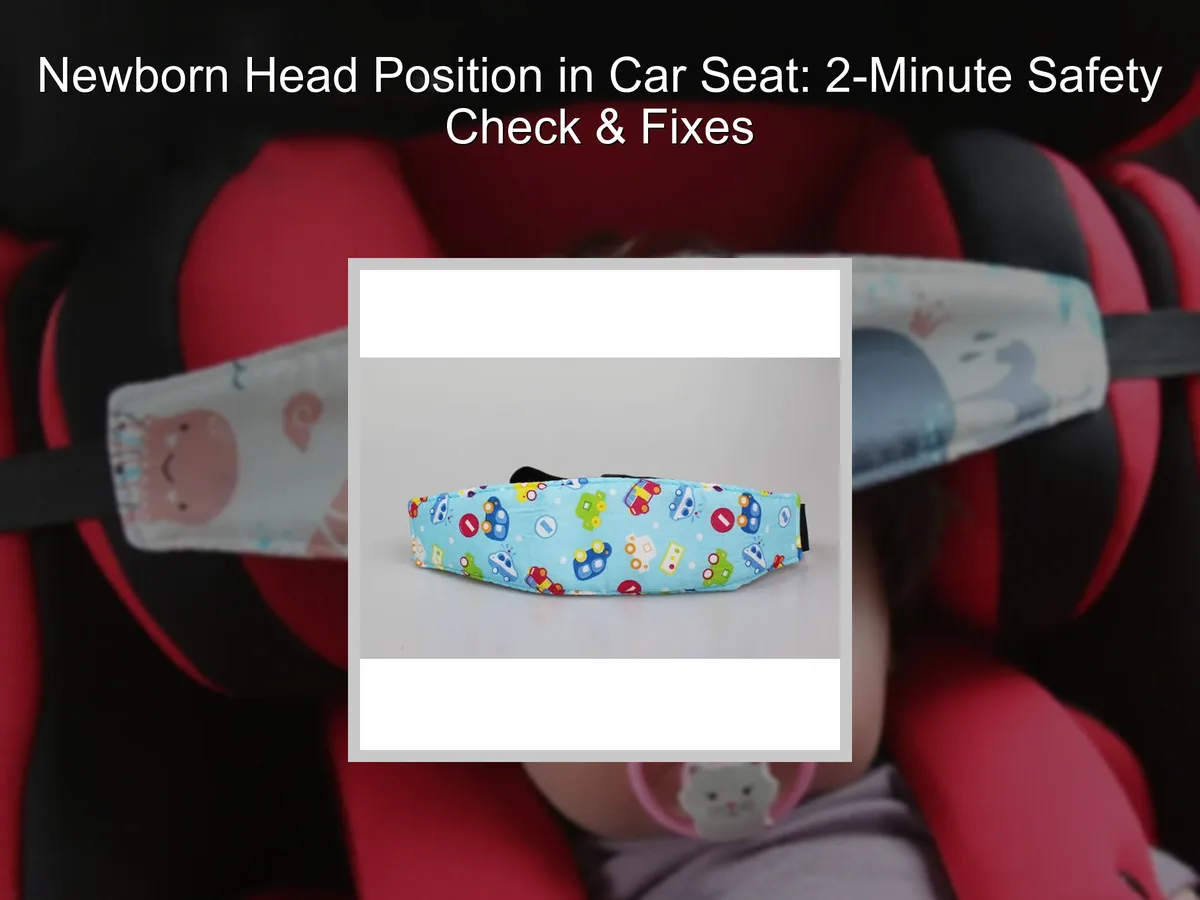
Image source: Bing (Web (fair-use with source credit))
Loose harness straps let the baby slide down, which makes both problems worse. A snug harness with the chest clip at armpit level keeps the torso in place. The straps should pass the "pinch test", meaning you can't pinch a fold at the shoulder.
Seat Fit Issues
Sometimes the problem is the seat itself, not the baby.
- Aftermarket inserts that weren't tested with the seat can push the baby forward.
- Wrong recline angle, the seat sits too upright or too flat.
- An expired seat (most expire 6 to 10 years from manufacture).
- A seat with a crash history, which should never be reused.
- A seat that's simply too big for a small preemie.
Manufacturer specifications matter here. The seat manual will tell you exactly where the harness should sit, which inserts are approved, and what recline positions are safe.
When It's the Baby, Not the Seat
Sometimes the seat is fine and the baby genuinely can't hold their own vitals in the semi-upright position. That's not a parenting failure. It's immature physiology in a small body.
These are the cases where a car bed or a delay in discharge comes into play. Roughly a small but meaningful share of preterm infants fail their first test, and many pass on a retest after adjustments.
What Happens After a Failed Test
A failed test is the start of a troubleshooting process. The care team has a playbook for this. Here's what typically happens next.
Reposition, Adjust, and Retest
The first move is rarely a specialty seat. It's usually a fix.
- Remove any aftermarket inserts.
- Recheck the harness fit and tighten as needed.
- Adjust the recline angle per the manual.
- Reposition the head and add a manufacturer-approved support if allowed.
- Retest, often later that day or the next.
Many babies pass on round two. If the retest fails again, the team escalates.
The Car Bed Question
A car bed is a flat-lying restraint for babies who can't tolerate semi-upright positioning. It looks like a small bassinet that secures in the back seat.
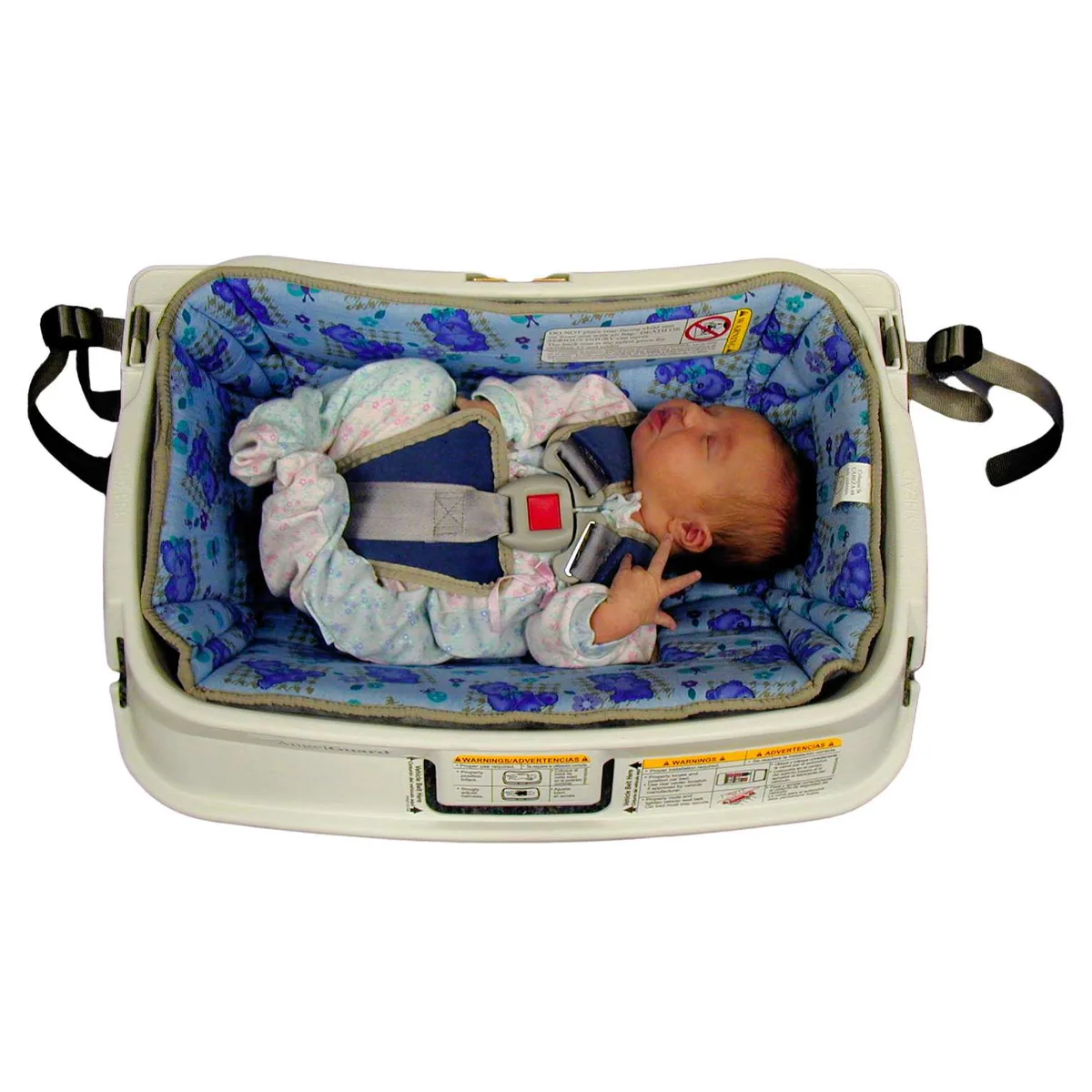
Image source: Bing (Web (fair-use with source credit))
Car beds are usually reserved for babies who fail multiple car seat tests or who have specific conditions like low tone or airway problems. They aren't the default. If your baby needs one, the hospital will often connect you with a durable medical equipment (DME) supplier.
Insurance coverage varies, so ask early.
Working With a CPST and Getting Coverage
A Child Passenger Safety Technician (CPST) can verify the seat is installed correctly in your actual car. NHTSA maintains a national CPST locator. Many hospitals have one on staff or on call.
For car bed coverage, expect paperwork. Your pediatrician or neonatologist will need to document why a standard seat won't work. Some states and insurers cover it, others don't.
Ask your hospital social worker for help navigating it.
Step-by-Step: How the Test Runs and What Parents Should Bring
The test itself is simple for you and carefully documented by the nurses. Knowing the flow takes some of the mystery out of a stressful day.
Before the Test
Bring your baby's actual car seat into the hospital, not the one still sitting in your garage. Some units keep loaner seats, but using your own means the nurses can check the seat model, inserts, and harness before testing.
- Confirm the seat isn't expired (most run 6 to 10 years from manufacture).
- Check the NHTSA recall database for your model.
- Read the manual before you arrive so you know the approved recline positions.
- Bring the base if you plan to use it in the car.
A CPST on staff can verify the install in your vehicle too. Ask for one if your hospital offers it.
During the Monitoring Window
The nurse places your baby in the seat fully harnessed, then attaches a pulse oximeter and a cardiorespiratory monitor. The chest clip sits at armpit level. Straps pass the pinch test.
The seat reclines per the manufacturer's specs.
Then everyone waits. Typical test length runs 90 to 120 minutes, which roughly matches a long drive home plus a buffer.
Any desaturation, bradycardia, or apnea event gets logged with a timestamp. Nurses watch the monitor the whole time, not just the chart afterward.
What the Documented Result Means for Discharge
A pass means your baby held steady vitals through the full window. Discharge planning continues, and you get the usual car seat safety teaching.
A fail means the team documents the event and moves into the troubleshooting flow covered earlier. You'll hear the plan before you leave that day. Ask three questions: what triggered the fail, what's changing for the retest, and when the retest happens.
Mistakes Parents and Even Some Units Make
Most car seat test failures trace back to a short list of avoidable mistakes. Here's what to watch for.
Aftermarket Inserts and Just Reclining It More
Aftermarket head supports and body inserts are a common culprit. They weren't crash-tested with your seat and can push a small baby forward into a chin-to-chest position.
Manufacturer specs confirm only inserts shipped with the seat are approved. Anything else voids your warranty and, worse, may cause the exact airway problem the test is screening for.
Reclining the seat more isn't a fix either. Too flat and the baby can slide forward. Too upright and the head flops.
Stick to the manual's angle range, usually 30 to 45 degrees for an infant seat.
Skipping the Manual and Ignoring Expiration Dates
Read the manual. Every time. Seats expire because plastic weakens and standards change.
A seat from a yard sale or a relative's attic may be past its date or have a hidden crash history.
Even hospital loaner seats need checking. Ask when the seat was last inspected and whether it's been in any crashes. Nurses will tell you.
Misreading a Pass as a Permanent Green Light
A pass isn't a lifetime guarantee. As your baby grows, harness height and recline need adjusting. Around 2026, most manufacturers still recommend rear-facing until at least age 2, or until the child hits the seat's height or weight limit.
A pass also doesn't cover every scenario. Long road trips, extreme heat, and heavy winter coats all change how a baby rides. Recheck the fit each season.
Safety Rules That Don't Change After Discharge
The rules that keep babies safe in cars don't get looser once you're home. If anything, they matter more because there's no monitor watching.
Rear-Facing, Harness Fit, and Chest Clip Basics
Rear-facing is non-negotiable for infants. The harness straps should sit at or below the shoulders in a rear-facing seat. The chest clip goes at armpit level, not on the belly.
Check strap tightness with the pinch test. If you can pinch a fold at the shoulder, tighten the straps. No bulky coats under the harness either.
A thin layer is fine, a puffy jacket isn't.
State Law, FMVSS 213, and Why the Manual Wins
Every U.S. state requires a car seat for infants. Federal Motor Vehicle Safety Standard 213 sets the crash performance every seat must meet before it can be sold.
The manual still wins over hospital habit, internet advice, or what a friend did with their baby. If the manual and a nurse disagree, ask for a CPST to weigh in. Manufacturer instructions are the legal and safety baseline.
When to Call the Pediatrician vs. When to Call 911
Call your pediatrician if your baby seems to struggle in the seat at home, has episodes of color change, or breathes oddly during car rides. Bring up any concerns at the first well-baby visit.
Call 911 if your baby stops breathing, turns blue or gray, or goes limp in the seat. Pull over safely first. Don't try to unbuckle a baby while driving.
Frequently Asked Questions
How long does a car seat test take?
Most hospital car seat tests run 90 to 120 minutes. The window is designed to match a typical drive home plus a safety buffer. Some units shorten or extend the time based on the baby's history and the hospital's protocol.
Can a baby fail for no real reason?
Yes, sometimes. A loose strap, a slipped insert, or a slightly off recline angle can trigger a fail without any underlying medical issue. That's why a retest after adjustments is so common.
Many babies pass cleanly the second time.
Does a failed test mean my baby needs a car bed?
Not usually. A car bed is reserved for babies who fail multiple tests or who have specific conditions like low muscle tone or airway problems. The first response is almost always reposition, adjust, and retest in the same seat.
Can we retest, and how many times?
Yes, and most units retest at least once. If your baby fails two or three times despite adjustments, the team typically moves toward a car bed tolerance screening. Your neonatologist will walk you through the decision.
What if we live far from the hospital?
Tell your care team early. A longer drive home means more time in the semi-upright position, which can change how strictly the team evaluates the test. Some units extend the monitoring window for families with long drives.
Does passing mean my baby is safe in any car seat?
No. A pass means your baby tolerated your specific seat at that angle for the test window. As they grow, recheck the harness height, recline, and insert needs.
A CPST inspection at key milestones keeps the fit right.

Similar Posts































