How Long Can a Baby Ride in a Car Seat? The 2-Hour Travel Rule Explained
A baby can safely ride in a car seat for up to 2 hours in one stretch. Newborns should be limited to about 30 minutes per ride. Take a break every 1.5 to 2 hours on longer trips.
Never leave a baby sleeping in a car seat once you've parked.
The Real Question Behind "How Long" And Why One Number Doesn't Fit All
The AAP's two-hour limit applies to one continuous stretch. Newborns have a tighter window. Car seat time altogether is separate from that.
The AAP's Two-Hour Rule, Explained Properly
The American Academy of Pediatrics guidance caps a single car seat stretch at 2 hours for healthy babies. That covers the time from buckle-in to buckle-out, not the whole day. Once you hit the two-hour mark, get the baby out and let them stretch on a flat surface.
The 30-Minute Newborn Rule You've Probably Heard
Several hospital NICU discharge teams advise no more than 30 minutes in a car seat for newborns. Preemies are especially fragile here. Their head and neck muscles aren't strong enough to hold an airway open if the head flops forward.
Three Different Questions Hiding Inside One Keyword
If you're wondering how long can a baby ride in a car seat, you're really asking three things. How long in one single stretch? How long across a full day of driving?
And how many months until they outgrow the seat entirely?
Why Time in a Car Seat Actually Matters for a Baby
Time in a car seat isn't just about comfort. It's about how a newborn's body handles a semi-upright position for extended periods.
Positional Asphyxia: The Silent Risk
Positional asphyxia happens when a baby's airway gets blocked by a forward-slumped head. It's silent. There's no struggle, no cry, no obvious sign.
Newborns lack the neck strength to correct a chin-to-chest position on their own.
Overheating and Heat Buildup
Car seats trap heat. Dark fabric, padding, and a closed cabin can push a baby's core temperature up fast. In warm climates, a 20-minute errand can turn uncomfortable.
Never drape a blanket over the seat opening.
Flat Head Syndrome and Container Baby Syndrome
Pediatric physical therapists use the term "container baby syndrome" for babies who spend too much time in seats, swings, and bouncers. Prolonged pressure on one spot of the skull can cause positional plagiocephaly, or flat head syndrome.
Image source: Web (Bing) / csftl.org (Web image (fair-use with source credit))
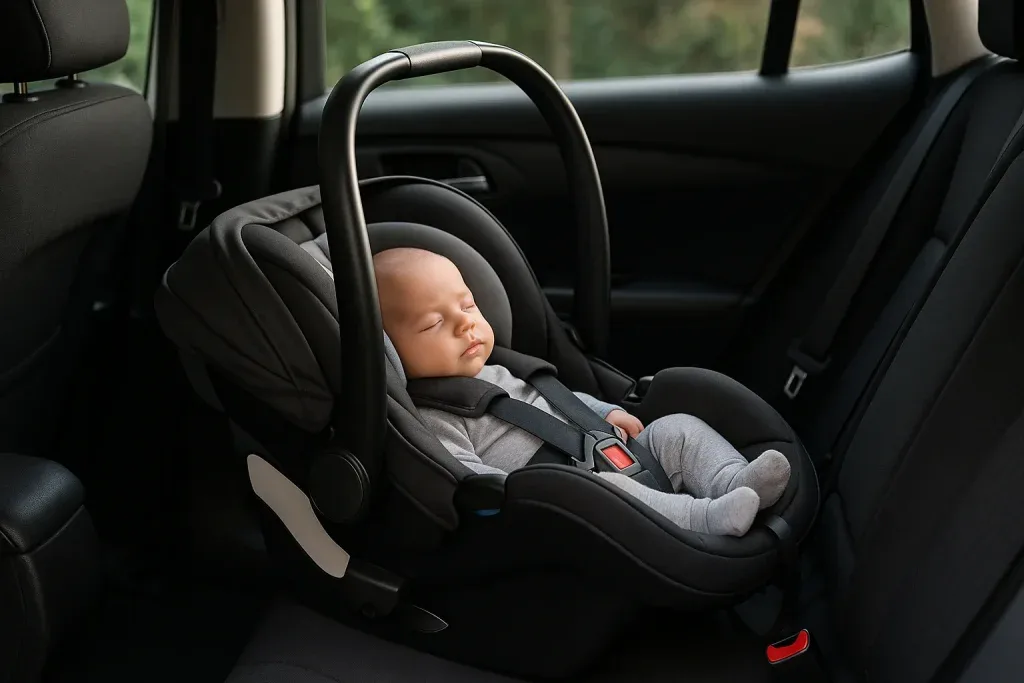
Image source: Bing (Web (fair-use with source credit))
The Conditions That Change the Answer
The safe time window shifts based on a few concrete variables. Think of it as if/then logic.
Age and Weight
If your baby is under 6 months or under 12 pounds, treat 30 minutes as the ceiling. If they're past 6 months with steady head control, the 2-hour AAP guideline applies.
Awake vs. Asleep
An awake baby with good head control tolerates longer stretches. A sleeping baby's head can slump without resistance. Check the chin position every 15 to 20 minutes.
Recline Angle and Head Position
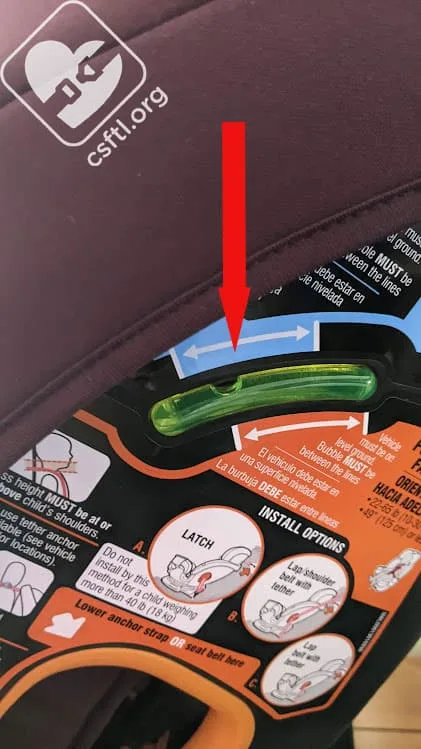
Newborn seats need a 30 to 45 degree recline. Too upright and the head falls forward. Too flat and the baby can slide up.
Check the seat's built-in angle indicator.
Climate and Car Temperature
Hot cars amplify overheating risk. Cold cars are a different problem. Bulky coats compress under the harness and create hidden slack.
Preemies and Babies With Reflux or Breathing Issues
Preemies often get a specific NICU discharge instruction. Follow it over general guidance. Babies with reflux or airway concerns need their pediatrician's sign-off.
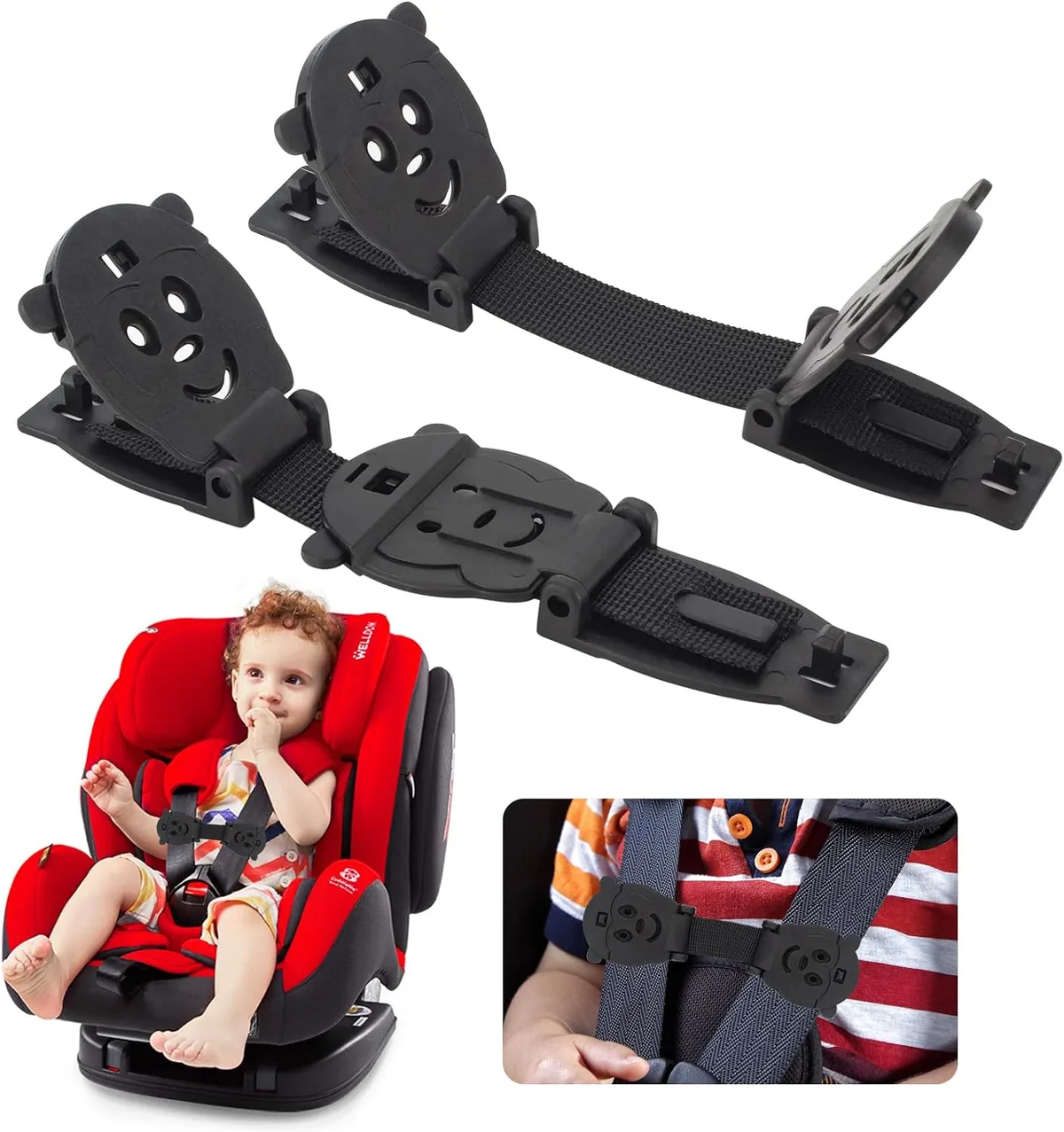
Image source: Web (Bing) / amazon.co.uk (Web image (fair-use with source credit))
How Long Is Too Long? Safe Limits by Scenario
Real trips don't fit neatly into one rule. Here's how the guidance maps to everyday situations.
Quick Errands (Under 30 Minutes)
A 15-minute drive to the store is fine for any age. Keep the baby in the seat while you shop only if the seat is clipped into a stroller. Otherwise, transfer to a carrier or a flat surface.
Routine Commutes and Daycare Runs
A 20 to 40 minute daily commute falls inside safe limits for babies over 6 months. For newborns, keep the total daily car seat time reasonable. That's on top of any swing, bouncer, or stroller time.
Road Trips and Long Drives
Stop every 1.5 to 2 hours. Get the baby out. Feed, change, and let them lie flat for 10 to 15 minutes.
For newborns, stop every 30 minutes and break the trip into shorter legs.
| Baby's Age | Max Single Stretch | Break Frequency |
|---|---|---|
| Newborn to 3 months | 30 minutes | Every 30 minutes |
| 3 to 6 months | 1 to 1.5 hours | Every 45 to 60 minutes |
| 6 months and up | 2 hours | Every 1.5 to 2 hours |
Naps in the Car Seat: What's Actually Safe
A nap during a drive is fine. Supervise it and check head position often. A nap in a parked car with you outside the car is not.
Neither is a nap in a car seat used as a crib indoors.
Leaving Baby in the Seat After You Park
Take them out. Not because the seat is dangerous on its own, but because a supervised drive is different from an unsupervised nap. Positional asphyxia risk climbs when no one is watching.

Image source: Bing (Web (fair-use with source credit))
Safe Practices: A Step-by-Step Routine
A simple before-during-after routine covers almost everything.
Before You Drive
- Check the recline indicator matches your baby's age.
- Adjust harness slots to at or below the shoulders for rear-facing.
- Run the pinch test at the collarbone. No excess webbing.
- Position the chest clip at armpit level.
- Skip bulky coats. Use a thin layer plus a blanket over the harness.
During the Drive
- Glance at the baby at red lights and during stops.
- Watch for the chin dropping toward the chest.
- Watch for flushed skin or sweating.
- Keep the cabin comfortable, not warm.
When You Arrive
- Unbuckle and lift the baby out.
- Lay them flat on a firm surface for a few minutes.
- Save the car seat for the car.
The AAP publishes car seat safety guidance worth bookmarking, and NHTSA's car seat recommendations cover installation and fit checks.
Mistakes Parents Make And How to Avoid Them
Most car seat injuries tied to time aren't crash-related. They come from everyday habits that feel harmless.
Using the Car Seat as a Bassinet, Bouncer, or Stroller Replacement
An infant seat is a car safety device, not furniture. Hospital and CPSC guidance both warn against using it as a sleep surface at home. If your baby falls asleep in the seat after you park, move them to a firm, flat crib.
The angle that protects them in a crash is the same angle that can close a newborn's airway over time.
Skipping Breaks on Road Trips
A three-hour leg without stopping pushes past the two-hour ceiling for older babies and blows past it for newborns. Set a phone timer at 90 minutes. If you're still driving when it goes off, find the next safe stop.
Aftermarket Inserts and Bundled-Up Babies
Add-on head supports and padded inserts are tempting. Most aren't crash-tested with the seat they're paired with. They can also push a newborn's chin toward the chest.
Bulkier coats cause the same problem by hiding slack in the harness. Use a thin base layer plus a blanket over the buckled harness.
Ignoring the Seat's Own Limits
Every seat has a rear-facing weight and height ceiling. Infant seats typically max out around 22 to 35 pounds and 30 to 32 inches. Once your child crosses either number, the seat is done for rear-facing, no matter how comfortable it looks.
When to Move Up And When to Call Your Pediatrician
Moving up isn't about age alone. It's about fit, weight, and how your baby handles the position.
Signs It's Time for a Convertible Seat
Make the switch when your baby hits the infant seat's weight or height cap. Also switch if the top of their head is within an inch of the shell's top edge. A convertible seat in rear-facing mode gives you more shoulder room and a higher weight ceiling.
Red Flags During or After Car Seat Time
Call your pediatrician promptly if you notice any of these:
- Chin consistently dropping to the chest during rides
- Flushed skin, sweating, or unusual fussiness after a longer trip
- A flat spot developing on one side of the head
- Any pause in breathing or color change during a ride
- Persistent head-turning preference to one side
A flat spot or a head-tilt preference can usually be corrected with repositioning and tummy time. Breathing pauses during a ride need urgent evaluation.
Preemies Need Specific Advice
NICU teams often run a car seat challenge before discharge. They monitor breathing and heart rate while the baby sits in a seat for 90 minutes or more. Ask for your baby's specific time limit.
General guidance may not fit.
Related Baby Car Seat Safety Guides & Practical Resources
- Understand newborn physiology and infant airway physiology and breathing safety guidelines.
- Review pediatric warnings regarding safe sleep positions and stroller travel restrictions.
- Plan your vehicle preparation with our pre-birth vehicle installation timeline and inspection.
- Check physical development milestones and key indicators your child is outgrowing the infant seat.
- Learn more about our review methodology from our child passenger safety testing team at Baby Seat Guard.
FAQs About Car Seat Time Limits
Can a baby sleep in a car seat overnight?
No. Car seats are not approved sleep surfaces. Overnight sleep needs a firm, flat crib or bassinet.
Positional asphyxia risk climbs when a baby sleeps unsupervised in a semi-upright seat.
How long can a newborn be in a car seat on a road trip?
Thirty minutes per stretch is the safest target for a newborn. Stop, feed, change, and let them lie flat for 10 to 15 minutes before the next leg. A 6-hour drive becomes a full-day trip.
Does the two-hour rule include the stroller?
Yes. If the car seat is clicked into a stroller frame, that time counts. Any semi-upright position in the seat adds up against the same daily ceiling.
When can a baby face forward?
The AAP recommends staying rear-facing until at least age 2, or until they hit the seat's rear-facing weight and height limits. Many seats now support rear-facing to 40 or 50 pounds, which can push that past age 3.
Can a baby ride in a car seat with a coat on?
No. A bulky coat creates hidden slack under the harness. Use a thin fleece layer or a car seat poncho that sits over the buckled harness instead.
The Bottom Line: A Simple Rule You Can Actually Remember
Two hours max per stretch for healthy babies over 6 months. Thirty minutes for newborns. Breaks every 1.5 to 2 hours on road trips.
Out of the seat the moment you park at home.
That covers almost every situation you'll meet. If your baby was a preemie, has reflux, or has any breathing concern, follow your pediatrician's specific limit over these numbers. When in doubt, err on the shorter side.
Ten extra minutes out of the seat is a small cost compared to the risk of a slumped airway.
Rear-facing is the safest position for as long as the seat allows. The AAP's rear-facing recommendation and NHTSA's car seat guidance both point the same way. Keep the harness snug, the chest clip at armpit level, and the recline indicator where it should be.
Then trust the routine.

Similar Posts































