How Long Can a Newborn Be in a Car Seat? Infant Breathing Safety Guide
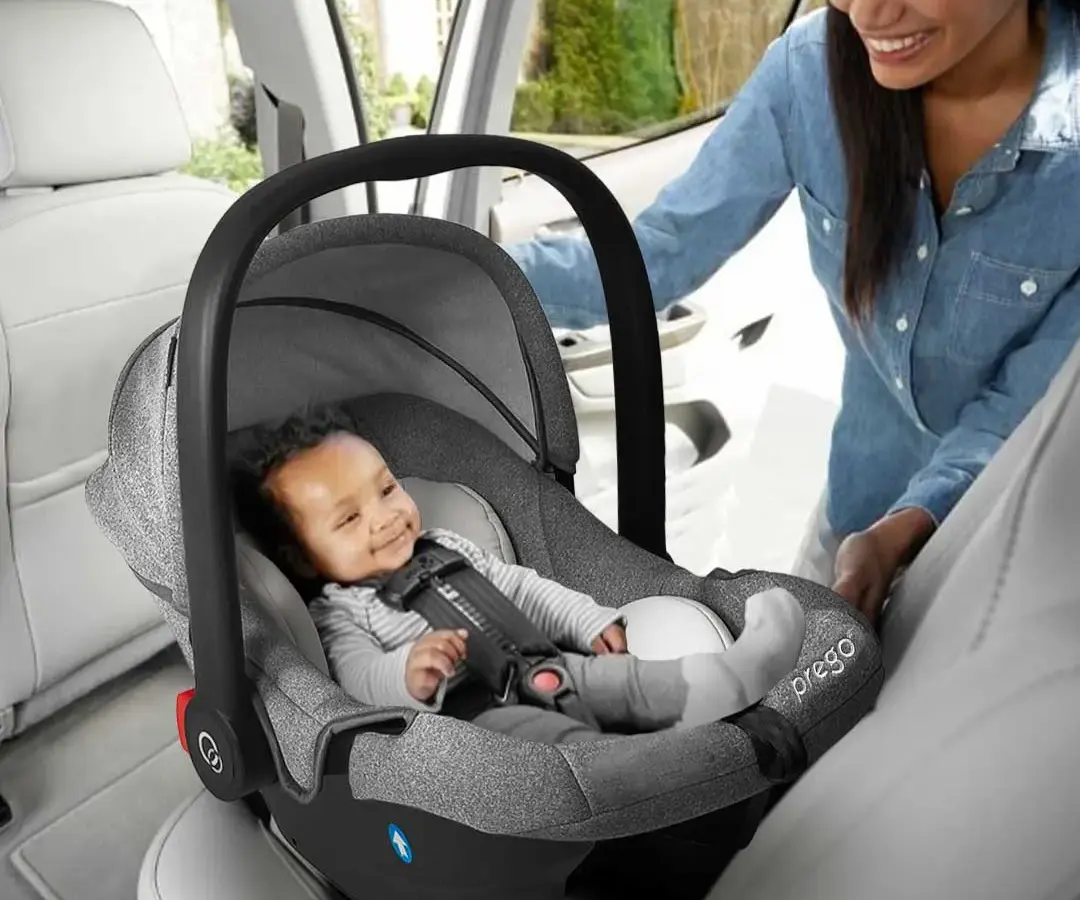
How long can a baby be in a car seat? The honest answer isn't a single number. For most full-term newborns, the working limit is about two hours in one stretch, and many safety bodies recommend a break every 30 minutes for babies born early or at a low birth weight.
That two-hour figure gets repeated everywhere, but the reason behind it matters more than the number itself. In our research, the real risk isn't the clock so much as the position: a baby's heavy head, a soft airway, and a reclined seat can combine to restrict breathing. So let's break down what actually drives your baby's safe time limit.
how long can a baby be in a car seat
For a healthy full-term infant, keep car seat sessions to about two hours at a time, and take a break after that.
Preterm or low birth weight babies should be limited to roughly 30 minutes per stretch.
The count applies to time spent in the seat itself, not just time driving.
Never let a baby sleep in a car seat once you've stopped.
The seat is for travel, not for naps, feeding, or lounging.
The Short Answer (And Why "Two Hours" Isn't the Full Story)
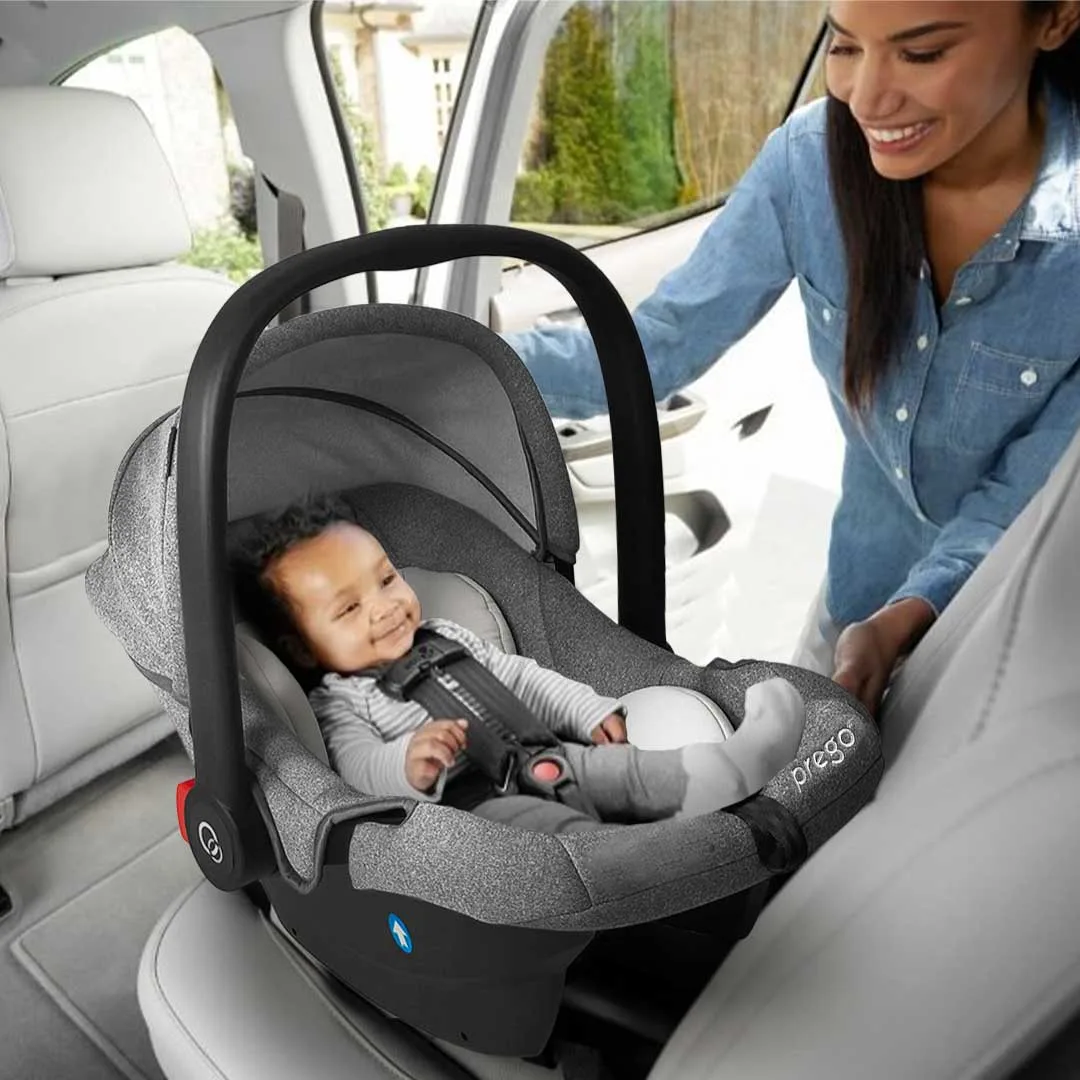
Image source: Web (Bing) / exocuqwxk.blob.core.windows.net (Web image (fair-use with source credit))
Two hours is the widely cited ceiling for full-term babies, but it's a rule of thumb, not a law of physics. It assumes a correctly installed seat, the right recline angle, a snug harness, and an awake or lightly sleeping baby who isn't slumped.
Change any of those variables and the safe window shifts. A preterm baby with weaker neck muscles tires faster. A baby in a seat set too upright can drop their chin toward their chest, which narrows the airway.
Here's the part most parents miss. The clock doesn't pause when you arrive at your destination. If your baby is still strapped in while you carry the carrier into the house and finish a phone call, that's still seat time.
The American Academy of Pediatrics (AAP) is clear that car seats are for transport, not for routine sleep. So the practical rule becomes: two hours max in the seat, then out.
If you're planning a long drive, that means building breaks into the schedule before you leave, not improvising when your baby starts to fuss.
What Actually Happens When a Baby Sits in a Car Seat Too Long
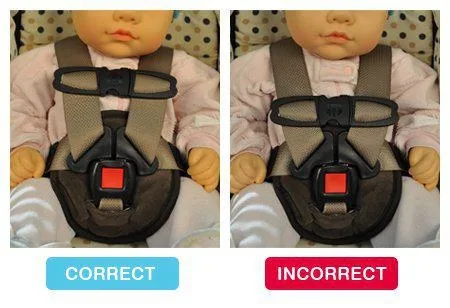
Image source: Web (Bing) / csftl.org (Web image (fair-use with source credit))
Three separate problems can develop when an infant stays in a car seat too long. They don't all show up at once, and none of them are obvious to a parent glancing in the rearview mirror.
The Airway Problem: Positional Asphyxia and Oxygen Desaturation
Positional asphyxia happens when a baby's posture blocks their own airway. A newborn's head is disproportionately heavy, and their neck muscles are weak. If the head flops forward, the chin can press against the chest and cut off airflow.
This is a silent event. There's no coughing, no choking sound, no cry. A baby who can't breathe in that position simply goes quiet.
That's why the recline angle matters so much, and why a properly fitted seat keeps the head back rather than drooping forward.
Oxygen desaturation is the milder cousin. It means blood oxygen levels drop below normal, even if breathing isn't fully blocked. Preterm babies are especially prone to this.
Peer-reviewed research in Pediatrics has repeatedly documented oxygen dips in premature infants during car seat testing.
The Flat Head Problem: Positional Plagiocephaly
Prolonged pressure on one spot of a baby's skull can flatten it. This is called positional plagiocephaly, and it's cosmetic rather than dangerous, but it can take months to correct.
Car seats aren't the only culprit, but they're a common one when babies spend hours strapped in during commutes and errands. The fix is straightforward: plenty of floor time and tummy time when you're not driving.
Why Preterm and Low Birth Weight Babies Are Different
Preterm infants have lower muscle tone, smaller airways, and less head control. Their bodies fatigue faster in a semi-reclined position.
That's why many hospitals run a car seat tolerance test before discharge. It's also why the 30-minute guideline exists for this group, and why you should follow your NICU team's specific advice over any general rule.
How to Know Your Baby's Specific Time Limit
There's no single number that fits every baby, so use this if/then logic to find yours.
- If your baby was born full-term and healthy: aim for two hours max per stretch, with a real break after that.
- If your baby was born before 37 weeks: cap it at 30 minutes, or whatever your pediatrician specifies.
- If your baby was low birth weight (under 5 lb 8 oz): treat them like a preterm baby until cleared otherwise.
- If your baby has reflux, breathing issues, or a documented airway concern: ask your pediatrician before any long trip.
- If your baby is asleep in the seat: the clock still runs. Sleep doesn't extend the limit.
- If you're only doing a 10-minute school run: you're fine. Short trips aren't the concern.
Awake Time vs. Asleep Time in the Seat
Some parents assume the two-hour rule only applies when the baby is awake. It's the opposite. Sleeping babies are at higher risk because they can't reposition themselves when their airway narrows.
A sleeping newborn in a car seat is the exact scenario where positional asphyxia tends to occur. So if your baby falls asleep at the 90-minute mark, plan to stop at two hours regardless.
Recline Angle, Inserts, and Harness Fit
The recline angle on an infant seat usually sits between 30 and 45 degrees. Too upright and the head flops forward. Too reclined and the baby can slide up.
Newborn inserts are designed to help with this, but they must be the ones that came with your seat. Aftermarket inserts aren't crash-tested with the seat and can void its certification.
Harness fit is the other half. Straps should be snug enough that you can't pinch slack at the collarbone, and the chest clip should sit at armpit level. A loose harness lets a baby slump, which is exactly what you're trying to prevent.
Safe Practices for Long Drives and Daily Errands
Image source: Web (Bing) / amazon.com (Web image (fair-use with source credit))
A long drive with an infant is doable. It just needs a plan, and the plan isn't complicated.
The 2-Hour Break Rule (And the 30-Minute Rule for Preemies)
Take a break every two hours for a full-term baby, or every 30 minutes for a preterm one. The break should last long enough to take the baby out of the seat entirely.
That's the part people get wrong. Parking the car and checking your phone isn't a break. The baby needs to come out, stretch, feed if needed, and have a diaper change.
What a Real Break Looks Like
- Pull over somewhere safe, ideally a rest stop or parking lot.
- Unbuckle and lift the baby out of the seat.
- Hold them upright or lay them flat for at least 10 to 15 minutes.
- Feed, burp, and change them if they need it.
- Do a quick harness and recline check before strapping them back in.
Car Seat Tolerance Tests and NICU Discharge
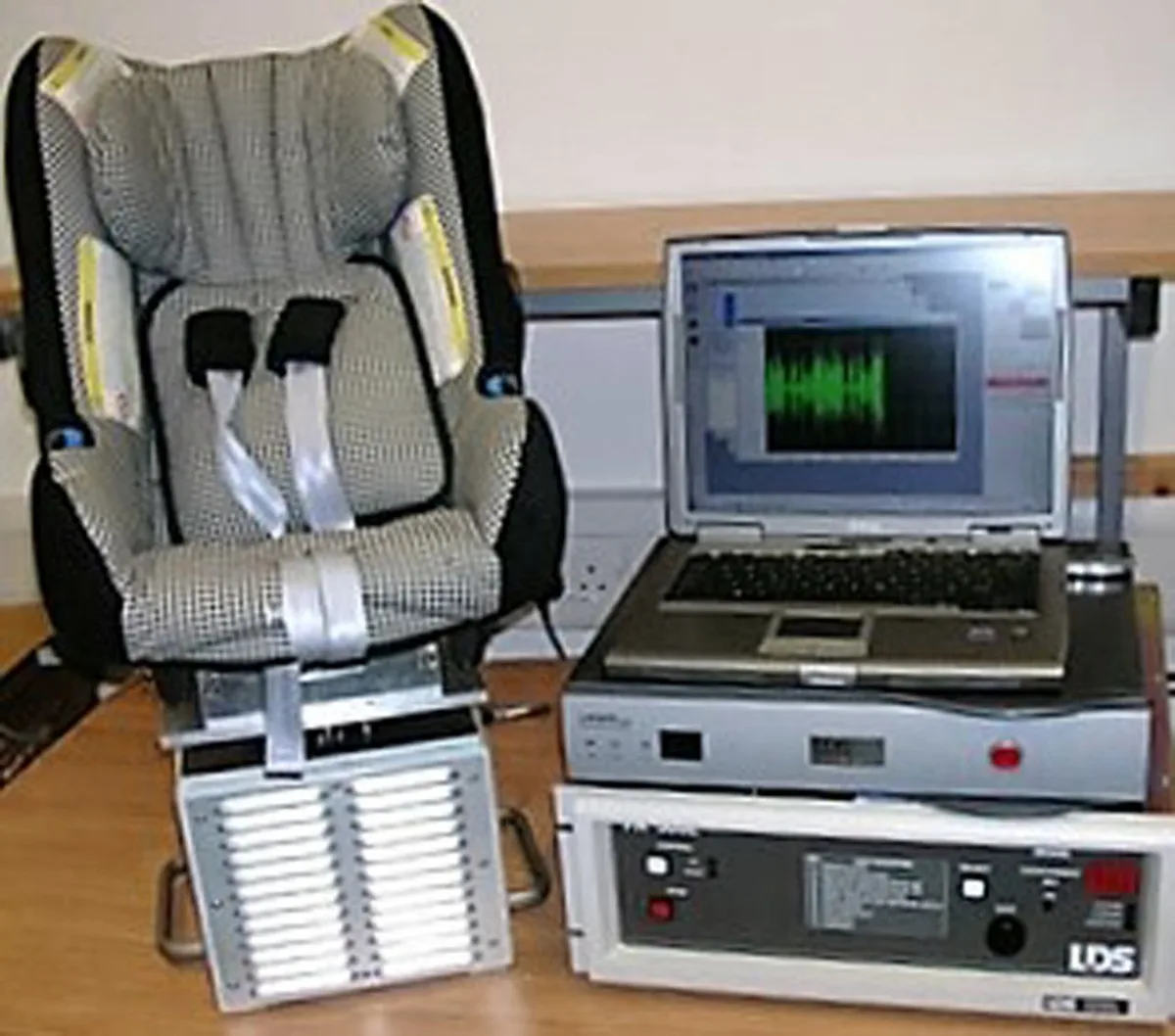
Image source: Web (Bing) / automotiveplanner.com (Web image (fair-use with source credit))
If your baby was born early or spent time in the NICU, the hospital may run a car seat tolerance test before you go home. Your baby sits in their actual car seat while monitors track heart rate and oxygen saturation.
The test usually runs 90 minutes to two hours, though some hospitals use a shorter window. If oxygen levels drop below the accepted threshold, the team may recommend a car bed instead of a standard seat.
This isn't a formality. It catches babies who look fine but can't maintain their airway in a semi-reclined position. Ask your NICU team whether your baby needs one, and follow their guidance over anything you read online.
Mistakes That Put Babies at Risk
Most car seat injuries in infants don't happen in crashes. They happen because a seat gets used for something it wasn't designed for.
Using the Car Seat as a Stroller, Bassinet, or Feeding Chair
A car seat clicks into a stroller, so it's tempting to leave a sleeping baby in it while you shop. That turns a 20-minute nap into two hours of continuous seat time.
The same goes for bringing the carrier inside and setting it on the floor while you make dinner. If the baby's in the seat, the clock is running.
Bad Recline Angles, Loose Harnesses, and Aftermarket Inserts
A seat installed at the wrong angle is one of the most common errors we see in inspection data. The recline indicator on the seat exists for a reason, and it should match the level ground, not a sloped driveway.
Loose harnesses and third-party inserts are the other big ones. Both let a baby slump into a position that compromises their airway.
Skipping Breaks Because Baby Finally Fell Asleep
This is the hardest one to get right. Your baby has been fussing for an hour and finally drifted off. Stopping the car feels like waking a sleeping bear.
Do it anyway. A sleeping baby in a car seat is the highest-risk scenario, not the safest one. The nap isn't worth the risk, and they'll fall back asleep once you're moving again.
Car Seat Safety, Rules, and Legal Limits You Should Know
Regulations vary by country, and the differences matter if you travel with an infant. Here's how the major standards compare as of 2026.
| Standard | Region | Rear-Facing Minimum | Key Detail |
|---|---|---|---|
| AAP guidance | US (clinical) | Until at least 2 years or seat limit | Follows the seat's height/weight cap |
| NHTSA / FMVSS 213 | US (federal) | Varies by state law | Sets crash-test requirements for seats |
| i-Size / R129 | EU / UK | Until at least 15 months | Uses height-based sizing, not weight |
| AS/NZS 1754 | Australia / NZ | Until at least 6 months | Strict tethering requirements |
State laws in the US are the floor, not the ceiling. Most require rear-facing until a minimum age, often 1 or 2 years. The AAP goes further and recommends keeping your child rear-facing until they outgrow the seat's rear-facing weight or height limit.
Expiration dates matter too. Most car seats expire 6 to 10 years after the manufacture date, stamped on the shell or base. Plastic weakens over time, and standards change.
Secondhand seats carry real risk. If you don't know the seat's crash history, or it's missing the manual or labels, walk away. A seat that's been in even a minor collision may need replacing, depending on the manufacturer's policy.
Certified inspections are free and worth doing. Safe Kids Worldwide and many fire stations offer Child Passenger Safety Technician (CPST) checks. They'll verify your install, recline angle, and harness fit in about 20 minutes.
When to Call Your Pediatrician
Call your pediatrician if your baby was born preterm and hasn't had a car seat tolerance test. That's a conversation to have before any long drive, not after.
Call if your baby turns blue, goes limp, or seems to struggle to breathe in the seat. Stop the car and take them out immediately. If symptoms don't resolve, call emergency services.
Call if your baby consistently slumps forward despite a correct install. That can signal a seat that's too upright for their size, or a harness that needs adjusting. Your pediatrician can also flag whether a car bed is a better fit.
Call if you're planning a trip longer than a few hours and your baby has any breathing, heart, or reflux condition. Your care team knows your baby's history and can give you a specific window.
Daily Habits That Keep Seat Time in Check
Short trips add up faster than most parents realize. A 10-minute drop-off, a 15-minute grocery run, and a 20-minute pickup can total 45 minutes before lunch. Do that twice a day and you're pressing against the limit without leaving town.
Track it loosely in your head, or set a timer on longer days. If your baby is in the seat and the car isn't moving, the timer keeps running.
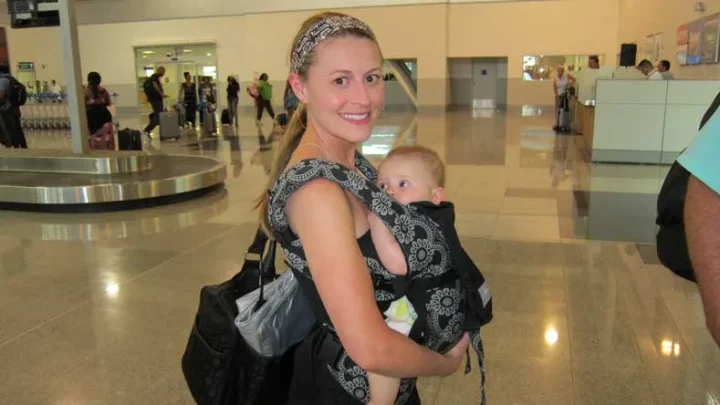
Swap the carrier for a sling or your arms when you're out of the car. A soft-structured carrier keeps your baby upright against your chest, which is a healthier position than a semi-reclined seat. It also gives their skull a break from pressure.
Build floor time into the day. Twenty to thirty minutes of supervised tummy time, spread across a few sessions, offsets the flat-spot risk from car seat use. It also strengthens the neck muscles that help your baby hold their head up in the seat.
If you use a travel system stroller, treat the car seat as a car seat, not a stroller seat. Click the baby into the stroller only for quick transitions. For longer walks, use a bassinet attachment or a lie-flat stroller.
Frequently Asked Questions
How long can a newborn be in a car seat in one stretch?
For a healthy full-term newborn, about two hours is the safe ceiling. After that, take them out for at least 10 to 15 minutes. Preterm or low birth weight babies should be limited to roughly 30 minutes per stretch, or whatever your NICU team advises.
Can a baby sleep in a car seat overnight?
No. Car seats aren't safe for overnight sleep. A baby's head can slump forward and block their airway, and there's no monitor watching them.
Move them to a firm, flat sleep surface as soon as you're home.
Does the two-hour rule count when the car is parked?
Yes. The clock measures time in the seat, not time driving. If your baby stays strapped in while you carry them inside or finish a call, that time still counts toward the limit.
At what age can a baby stay in a car seat longer?
There's no age where the two-hour guideline disappears. Older babies with strong head control tolerate the seat better, but the recommendation to break every two hours stays in place through the toddler years.
Is it safe to use a car seat on a plane?
Yes, if the seat is FAA-approved and labeled as such. Airline approval labels are usually printed on the seat shell. On a plane, the same time limits apply, so plan breaks during long flights if your baby needs them.
What should I do if my baby falls asleep in the car seat?
Let them sleep while the car is moving, but plan to stop at the two-hour mark anyway. Once you arrive, take them out and move them to a flat surface. A sleeping baby in a parked car seat is the highest-risk scenario.

Similar Posts