Can a Baby Car Seat Go in the Middle? Center Seat LATCH & Belt Rules
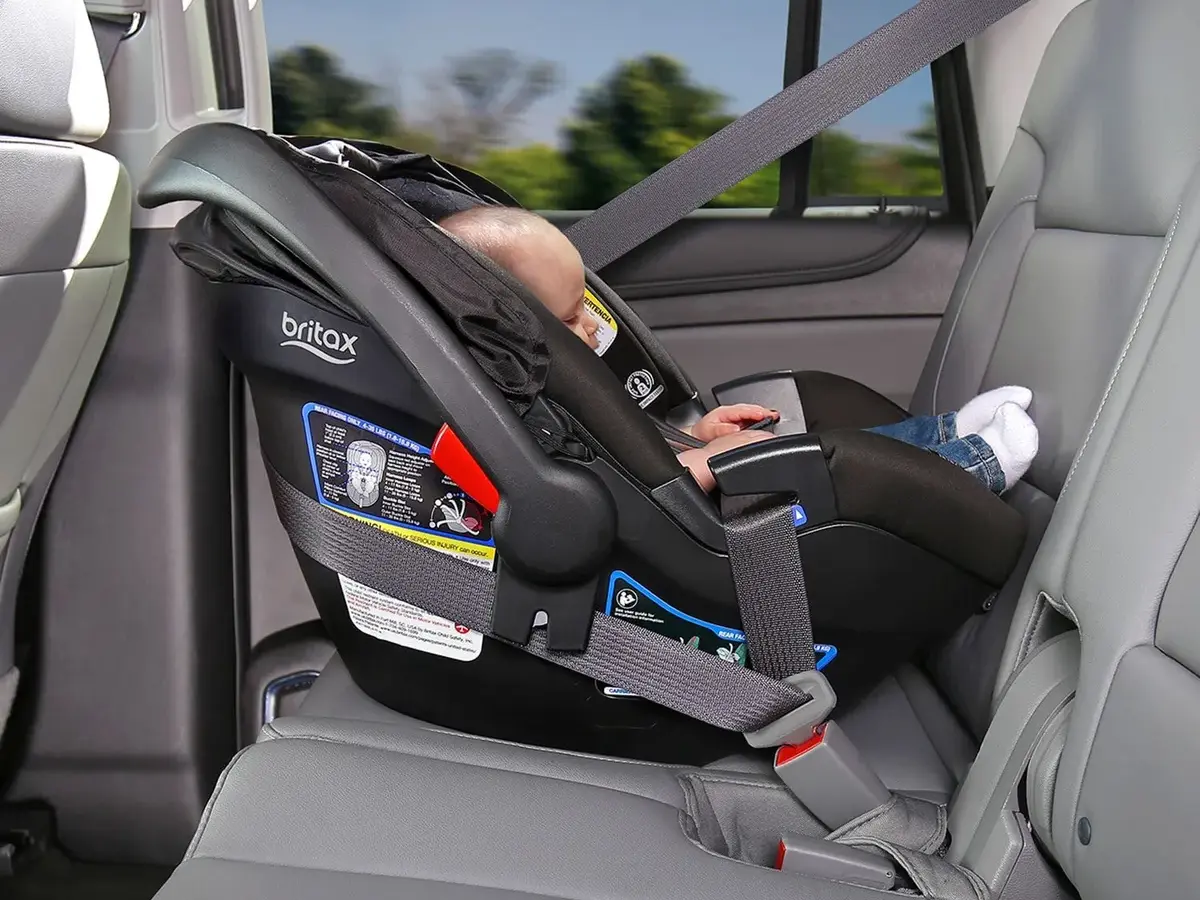
If you've ever stared at the back seat of your car wondering where that infant seat actually belongs, you're not alone. The question "can baby car seat go in the middle" comes up for nearly every new parent, and the honest answer depends on your vehicle. The center seat is widely considered the safest spot for a single child.
But safety only counts when the install is actually allowed and done correctly.
Per National Highway Traffic Safety Administration (NHTSA) guidance, a properly installed car seat reduces the risk of fatal injury by roughly 71% for infants in passenger cars. That number only holds when the seat is secure and compatible with the position. So before you snap that base into the middle, let's walk through what your car and your car seat manual actually permit.
can baby car seat go in the middle
Yes, a baby car seat can go in the middle, and it's often the safest position. But only if your vehicle manual and car seat manual both allow it. The center position is furthest from side-impact doors.
It's not always possible, though. Many cars lack center LATCH anchors or have a narrow middle seat.
The Short Answer — and Why It's Not Always Yes
The middle seat is the safest place for a single car seat in most vehicles. That's been the standard line from child passenger safety experts for years. But "safest" and "allowed" are two different things, and that gap trips up a lot of parents.
Here's the core problem. The center position offers the most distance from both doors, which matters a lot in a side-impact crash. But your vehicle has to actually support a car seat there.
Some back seats have a humped floor, a narrow cushion, or no lower anchors at all. Others have a fold-down armrest that isn't strong enough for a car seat base.
So the real answer splits into two questions. First, is the middle safer in theory? Usually yes.
Second, can you safely install your specific seat in your specific car's middle spot? That depends on four conditions we'll break down next.
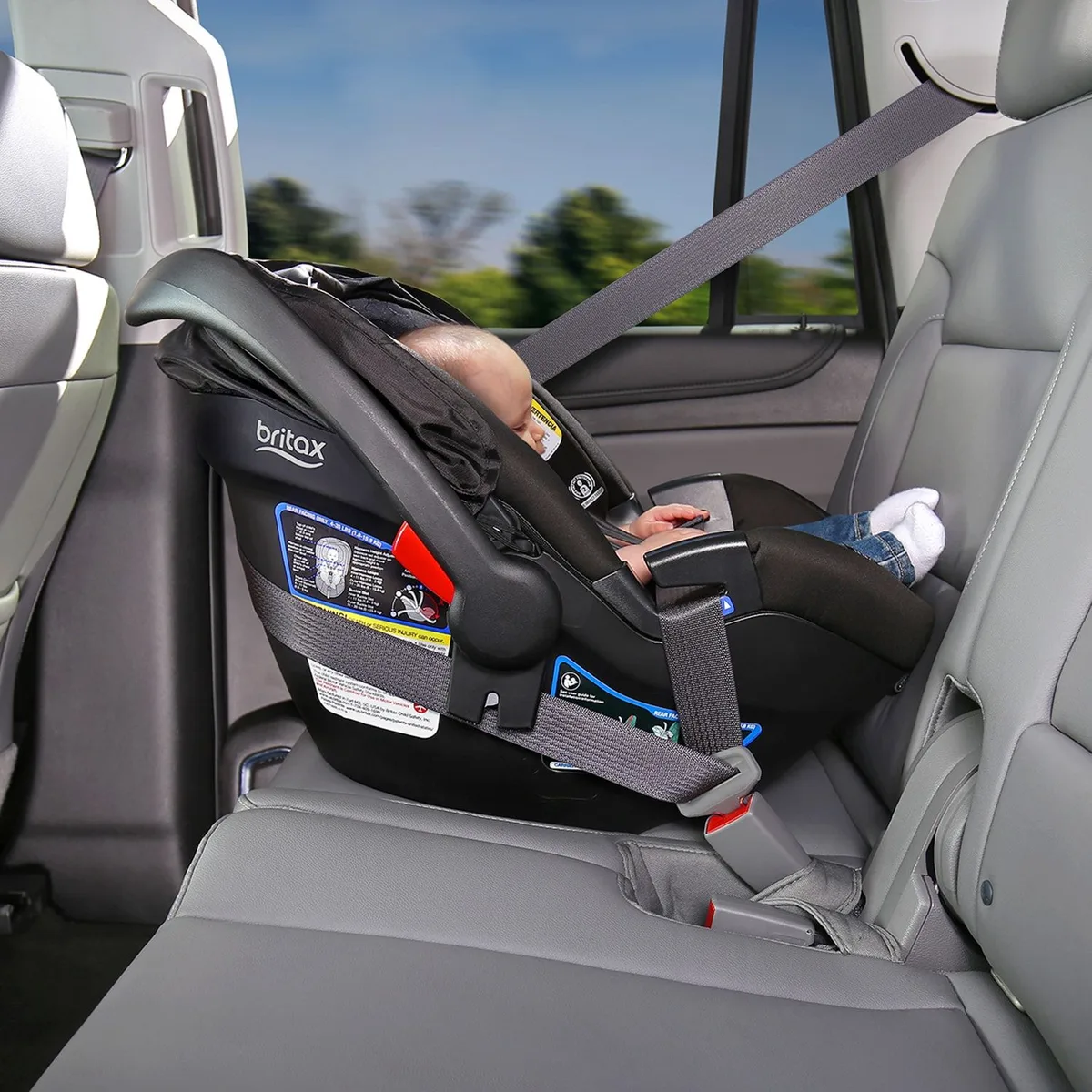
Image source: Web (Bing) / pinterest.com (Web image (fair-use with source credit))
What Makes the Center Seat Safer (When It Works)
The center seat's advantage comes down to distance. In a side-impact crash, the forces hit the door closest to your child. Sitting in the middle gives the most space between your baby and either door, which reduces the chance of intrusion or flying debris reaching them.
Rear-facing seats add another layer of protection. The shell absorbs crash energy across your child's back and head, and the center position compounds that benefit. That's why the American Academy of Pediatrics (AAP) recommends rear-facing until at least age 2, and longer if the seat allows.
But here's the catch. That safety edge only exists when the install is tight and correct. A loose center seat is far more dangerous than a rock-solid outboard install.
When our research looks at real-world misuse data, improper installation is the biggest risk factor by far, not the position itself.
- Center = most distance from both doors
- Side impact is the most common serious crash type for kids
- Rear-facing plus center is the strongest combo for a single child
- A loose install cancels out every safety benefit
The Four Conditions That Decide If the Middle Works in Your Car
This is the decision tree. Run your car and your seat through these four checks. If any one fails, the middle isn't your spot.
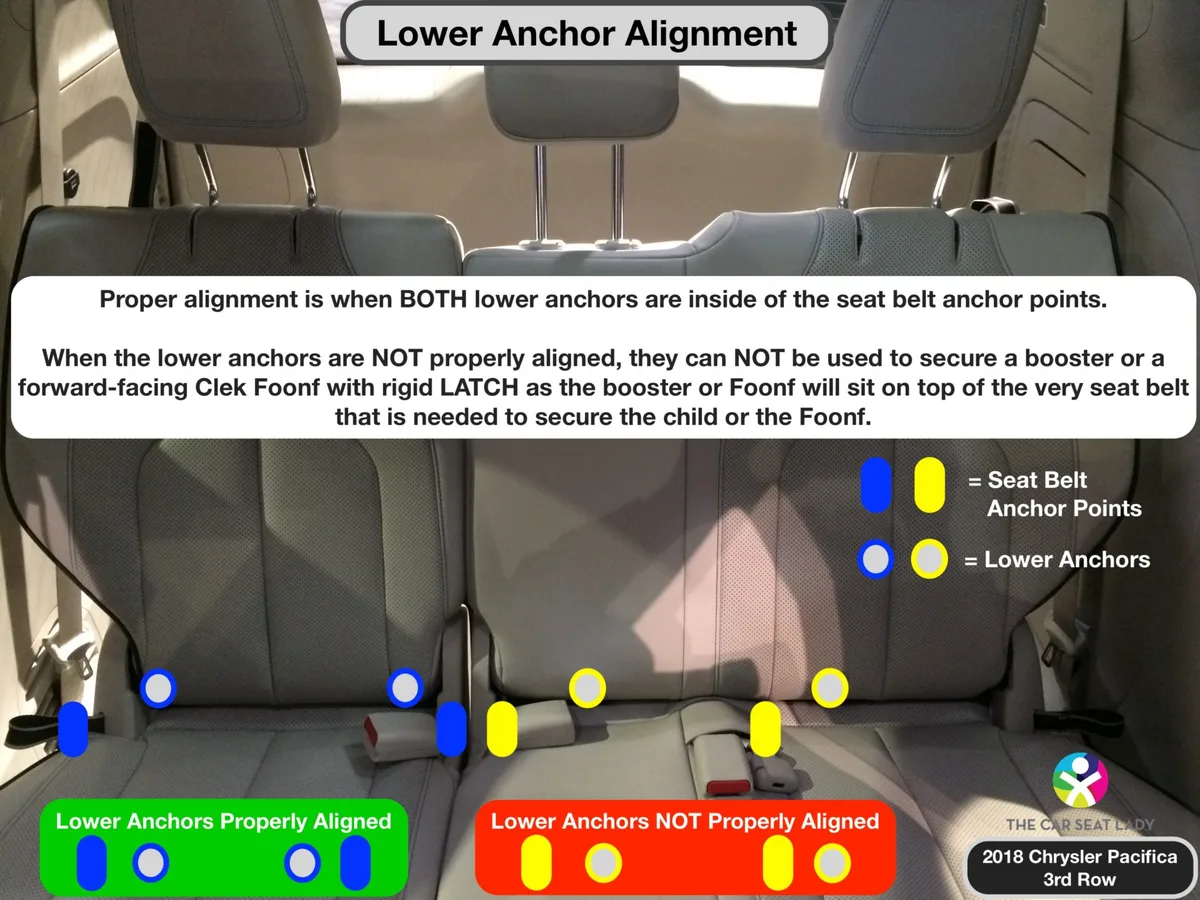
Image source: Web (Bing) / thecarseatlady.com (Web image (fair-use with source credit))
Condition 1: Does Your Vehicle Allow a Center Install?
Check your vehicle owner's manual first. It's the legal authority on where a car seat can go in your car. Some manuals list the center position as approved for LATCH, some approve it for seat belt only, and some rule it out entirely.
If your manual says no, that's the end of the conversation for the middle.
Condition 2: Does Your Car Seat Manual Approve It?
Your car seat manual has its own rules. Some manufacturers allow center installs with LATCH only if the anchors are spaced correctly. Others permit seat belt installs in the center but ban LATCH.
Manufacturer specifications indicate that both manuals must agree before you proceed.
Condition 3: Is There a Center LATCH — or Do You Need the Seat Belt?
Most cars since 2002 have LATCH, but the anchors sit in the two outboard positions, not the middle. So if you want a center install, you'll usually use the seat belt. Borrowing the two inner outboard anchors for a center install is banned unless the vehicle manual explicitly allows it.
Condition 4: Does the Middle Seat's Shape and Width Fit the Base?
The center cushion needs to be flat and wide enough for the base to sit flush. A humped center, a narrow slot, or a fold-down armrest can all block a secure install. If the base tilts or rocks after tightening, the middle isn't workable.
Your Step-by-Step Center Install Workflow
Ready to try it? Follow these steps in order. Stop the moment a step fails and move to an outboard position instead.
- Read your vehicle owner's manual for center seat rules.
- Read your car seat manual for center install rules.
- Check for center LATCH anchors, or confirm seat belt only.
- Check the center seat width and contour for a flat fit.
- Route the LATCH strap or seat belt exactly as the manual shows.
- Tighten until there's less than 1 inch of movement at the belt path.
- Check the recline angle using the seat's built-in indicator.
- Attach the top tether if your seat allows rear-facing tethering.
- Get the install verified by a certified Child Passenger Safety Technician (CPST).
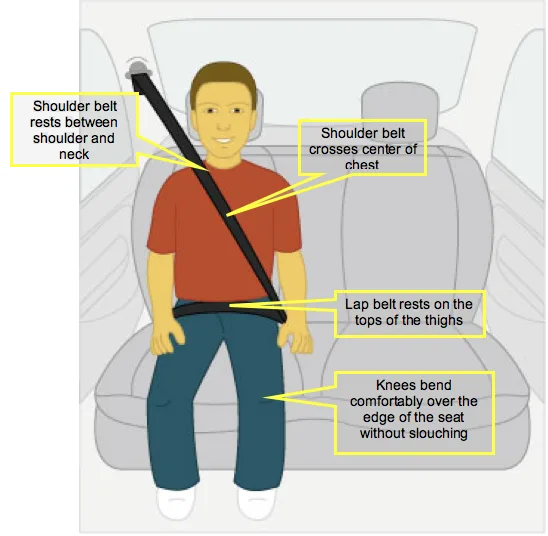
Image source: Bing (Web (fair-use with source credit))
That last step matters more than people think. A CPST inspection catches the small stuff, like a twisted belt or a misrouted strap, that a tired parent misses at 10 p.m. Many fire stations and hospitals offer free checks.
One more thing. If you're using the seat belt in the center, make sure the belt locks. Pull it all the way out to engage the retractor, or use the locking clip if your manual calls for one.
A belt that stays loose is a belt that fails.
When the Middle Won't Work: Your Best Alternatives
So the middle failed one of the four conditions. What now? You've got solid options, and each one can still be very safe.
Image source: Web (Bing) / amazon.com (Web image (fair-use with source credit))
Your first move is the outboard passenger-side seat. That's often the second-best spot because it keeps your child on the curb side for loading. It also lets you keep an eye on them through the rearview mirror.
If you're fitting two or more kids, the puzzle gets real. A narrow car seat on the outboard positions plus a center seat can sometimes let you fit three across if your back row is wide enough. In vehicles with captain's chairs, you don't have a center at all, so each child rides outboard.
Here's the trade-off in plain terms. A tight outboard install beats a sloppy center install every single time. Position matters, but a secure install matters more.
- Single child, middle blocked: use passenger-side outboard
- Two kids: put the younger one in the most protected usable spot
- Three across: try narrow seats and check the vehicle manual for spacing
- Captain's chairs: outboard only, no middle option exists
As of 2026, the guidance hasn't shifted. Get the tightest, most correct install you can in the best allowed position, and verify it with a professional.
Mistakes That Turn a "Safe" Center Install Into a Dangerous One
Even a well-planned center install can go wrong in ways that quietly kill its safety edge. Here are the errors our research sees most often, and how to catch them.
The biggest one is borrowing the inner outboard LATCH anchors for a center install. Parents assume those two anchors are close enough to work. They aren't.
Unless your vehicle manual explicitly permits it, that install is unsafe and outside the standard.
Another common slip is a twisted or misrouted seat belt. If the belt doesn't lie flat through the path, it can't lock properly under load. That's a fail, even if the seat feels snug.
- Using a loose locking clip instead of engaging the retractor
- Letting a fold-down armrest press into the base
- Skipping the recline check on a newborn seat
- Ignoring the vehicle's 1-inch movement rule
- Assuming a "tight enough" feel replaces a real check
How do I know if my center install actually passed?
Use the 1-inch rule at the belt path. Grab the seat near where the belt or LATCH strap passes through and tug. Movement should stay under 1 inch in every direction.
Test at the belt path, not the headrest end, or you'll get a false reading.
Center vs. Outboard: Quick Side-by-Side
Here's how the three positions stack up for a single child. This helps you decide fast when the middle is off the table.
| Factor | Center | Driver Outboard | Passenger Outboard |
|---|---|---|---|
| Distance from doors | Most | Moderate | Moderate |
| Center LATCH available | Rare | Yes | Yes |
| Ease of loading | Hardest | Hard | Easy (curb side) |
| Best for one child | Yes, if allowed | Okay | Good |
| Fits three across | Sometimes | Yes | Yes |
The center wins on protection when it's allowed and installed tight. The passenger outboard wins on convenience and almost always has LATCH ready to go. If you've got one kid and a cooperative middle seat, use it.
If not, don't force it.
Do You Need a Professional Inspection?
Yes, a free CPST inspection is worth it for any center install. The middle position has more variables than outboard, so a second set of trained eyes catches mistakes you'd miss.
Certified Child Passenger Safety Technicians follow a national curriculum and check belt routing, recline angle, and anchor use in minutes. Many fire departments, hospitals, and police stations offer this at no cost. Safe Kids Worldwide runs a searchable locator to find one near you.
If you can't get an inspection, at least do a self-check against both manuals. Recheck the install after any seat adjustment or if you move the car seat to a different vehicle. A center install that was safe last month can loosen over time.
Related Baby Car Seat Safety Guides & Practical Resources
- Explore collision crash test data on middle rear car seat safety and side-impact protection advantages.
- Review vehicle geometry tradeoffs when comparing driver-side versus passenger-side installation spots.
- Ensure timely car preparation by timing your infant car seat installation before delivery.
- Understand crash forces by studying rear-facing crash dynamics and spinal development guidance.
- Review our child passenger safety credentials and our certified CPST inspection standards detailed on our About Us page.
FAQs
Can a baby car seat go in the middle with a seat belt only?
Yes, if both manuals allow it. Most cars lack center LATCH, so the seat belt is the standard route. Make sure the belt locks by pulling it fully out, or use the locking clip your car seat manual specifies.
Is the middle seat always the safest for a baby?
No, not always. The middle is usually safest if the install is tight and both manuals approve it. A loose center install is more dangerous than a secure outboard one.
Position safety only counts when the install is correct.
Why don't most cars have LATCH in the center?
The federal LATCH standard requires anchors in two positions, not three. Most automakers put them outboard. A few vehicles add a third set in the middle, but it's the exception, not the rule.
Always check your owner's manual.
Can I borrow the outboard LATCH anchors for a center install?
Only if your vehicle manual explicitly says so. Borrowing the inner anchors from both outboard positions is banned by car seat and vehicle manufacturers unless the manual specifically permits it. Seat belt is the safer default.
Does the center seat work for two car seats?
Sometimes. You'd put one seat in the center and one outboard, which can block the middle belt path. For three across, you'll need narrow seats and a wide back row.
Check anchor spacing before committing.
What if my center seat has a hump or fold-down armrest?
Then it likely won't work. A humped or contoured center cushion prevents the base from sitting flush. A fold-down armrest can contact the base and interfere with the install.
Move to an outboard position instead.
Final Decision Guide: Should Your Baby Ride in the Middle?
Here's the whole decision in one place. Run through it top to bottom and you'll know your answer.
If your vehicle manual allows a center install, your car seat manual agrees, and the center cushion is flat and wide enough, then yes, use the middle. It's the safest spot for a single child.
If any of those three fail, move to the passenger-side outboard position. It's a strong second choice, usually has LATCH, and it's easier to load on the curb side.
Whichever you pick, get the install tight to the 1-inch rule and have a CPST verify it. As of 2026, that's still the gold standard for protecting a baby in the car. A correct install in the right position is what keeps your child safe, not the position alone.

Similar Posts































