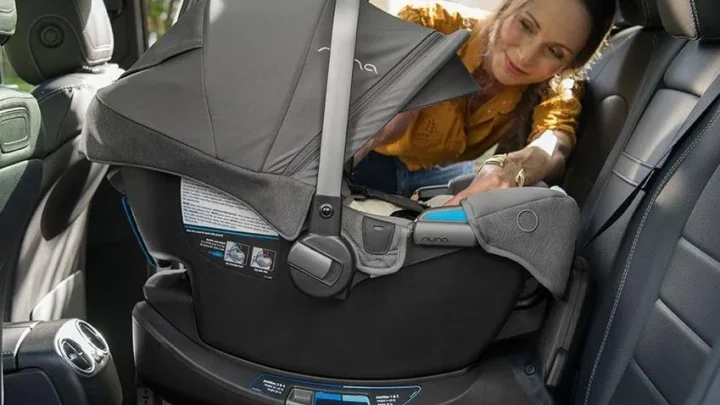
Is It Safe for Baby to Sleep in a Car Seat?
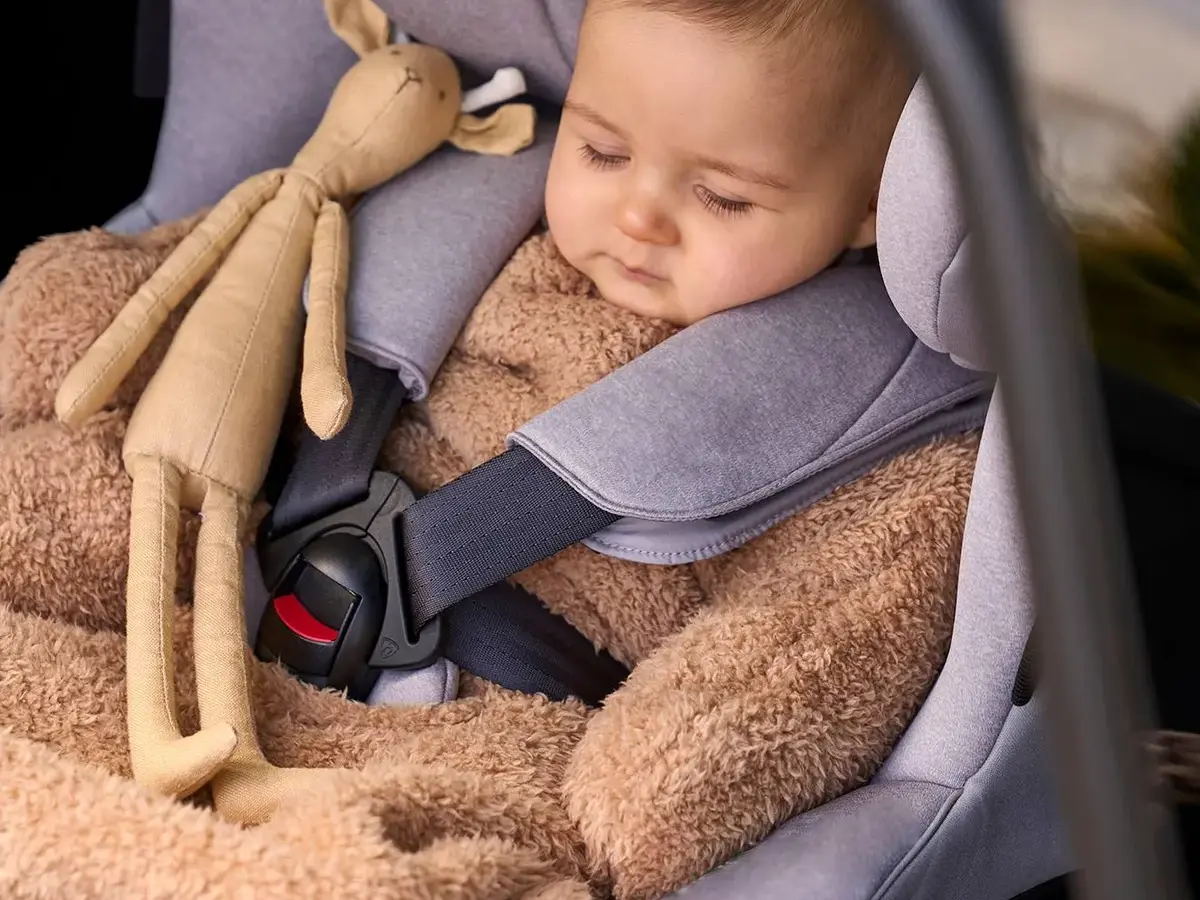
Can you let baby sleep in car seat? Yes, but only under specific conditions, and the answer changes fast depending on where the seat is and how long the nap lasts. A sleeping baby in a moving vehicle is normal and, for short stretches, unavoidable.
What matters is what happens once the wheels stop.
The American Academy of Pediatrics (AAP) is blunt on this: infants should sleep on a firm, flat surface for every sleep, including naps. Car seats are built for transport, not sleep. In our research, that gap between "safe for travel" and "safe for sleep" is where most parents get confused.
can you let baby sleep in car seat
Yes, for short trips in a properly installed seat while you're driving. No, for routine naps or overnight sleep. Never leave a baby sleeping in a car seat outside the vehicle.
Once you park, move them to a firm, flat surface. If the seat is used as a sleep space at home or daycare, that crosses into unsafe territory.
Why This Question Keeps Parents Up at Night
Nobody wants to wake a sleeping newborn. You've just survived the drive, the baby is finally out cold, and every instinct says leave them alone. That instinct is understandable.
It's also the exact situation where car seat sleep gets risky.
Here's the problem. Infant car seats hold babies at a semi-upright recline, usually somewhere between 30 and 45 degrees. That angle is great for crash protection.
It's not great for a sleeping airway.
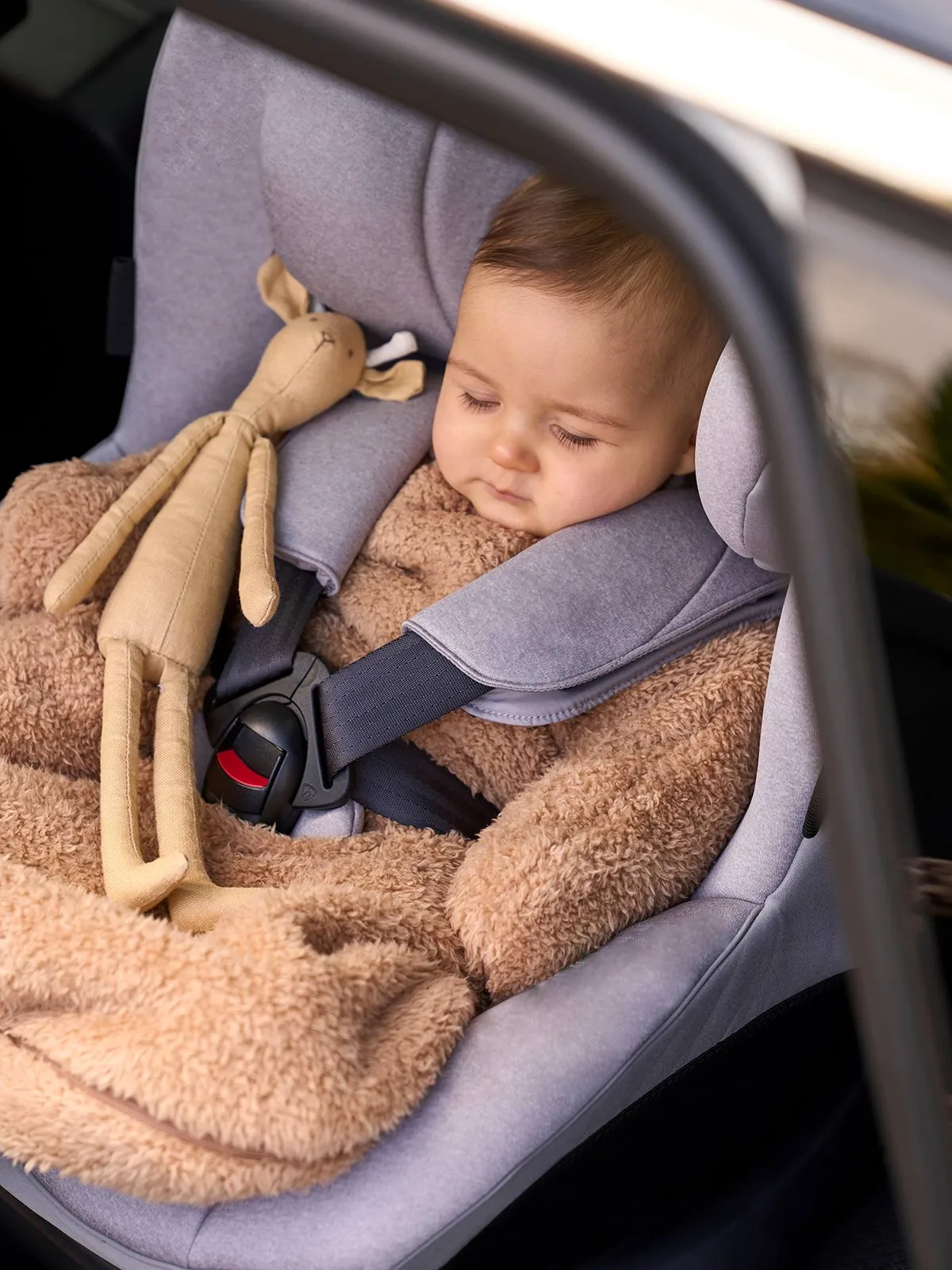
Image source: Web (Bing) / ar.inspiredpencil.com (Web image (fair-use with source credit))
A newborn's head is heavy relative to their neck muscles. When they fall asleep in a reclined seat, the head can flop forward. That pushes the chin toward the chest and narrows the airway.
The baby doesn't wake up or struggle. They just quietly stop breathing well.
That's the part parents don't see coming. Car seat sleep looks peaceful. It looks safe.
That's what makes the whole topic so tricky.
Manufacturer manuals almost universally say the same thing. Infant carriers are for travel, not for sleep. Graco, Chicco, Britax, Nuna, and UPPAbaby all carry "not for unsupervised sleep" warnings on their seats or in the manual.
Those warnings exist because the risk is real, not because lawyers demanded them.
Positional Asphyxia: The Risk That Doesn't Make a Sound
Positional asphyxia is when a baby's position blocks their airway, and it can happen in minutes. It's the single biggest reason car seat sleep gets so much attention from pediatric researchers. It's also the risk parents most often underestimate.
Here's what makes it dangerous. A baby suffocating in a car seat doesn't gasp, flail, or turn blue right away. They slip into it slowly.
By the time a caregiver notices something's wrong, the window to intervene has often closed.
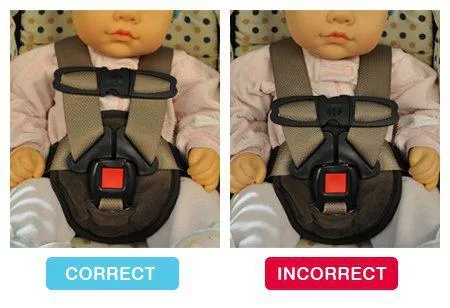
Image source: Bing (Web (fair-use with source credit))
Peer-reviewed neonatal research published in journals like Pediatrics and the Journal of Perinatology has documented drops in oxygen saturation in newborns placed in car seats, especially preterm infants. Some studies show measurable desaturation within 30 to 60 minutes. That's why the NICU sets strict car seat challenge tests before discharge for preemies.
If your baby falls into any of these categories, the risk climbs:
- Born preterm (before 37 weeks)
- Low birth weight (under 5 lbs 8 oz)
- Reflux or frequent spit-up
- Airway or breathing concerns
- Low muscle tone
For these babies, even a short nap in a standard infant carrier deserves extra caution. A lie-flat car seat or bassinet attachment is the safer option when one is available.
What "Supervised Sleep" Actually Means (and What It Doesn't)
Supervised sleep in a car seat doesn't mean "I'm in the same room." It means eyes on the baby, in the same vehicle, while the car is moving or in active use. Watching from the front seat through a mirror is not the same as close visual monitoring.
And "monitoring" at home doesn't cut it either. You can't watch a sleeping baby every second, and positional asphyxia doesn't announce itself. That's why the AAP doesn't treat supervision as a safety plan for car seat sleep.
It treats a firm, flat surface as the safety plan.
When Car Seat Sleep Is Safe, and When It Isn't
This is where the if/then logic actually helps. Same baby, same seat, totally different answer depending on the variables.
| Condition | Safe | Not Safe |
|---|---|---|
| In a moving car, properly installed seat | Yes | |
| Parked car, baby still in seat, you're outside | No | |
| Baby asleep in carrier on the floor at home | No | |
| Baby asleep in carrier on a couch or bed | No | |
| Baby asleep in carrier clicked into a stroller | Only during active use | |
| Overnight sleep in any car seat | No | |
| Preemie in a standard infant carrier | Only after car seat challenge | Routine naps: no |
The variables that matter most:
- Age: Newborns and preemies are highest risk. Once a baby has strong head and neck control, the risk drops but doesn't disappear.
- Position: Chin-to-chest is the danger zone. Any head slump should prompt a reposition or a stop.
- Duration: The AAP recommends limiting car seat time to around two hours at a stretch for newborns, with breaks for repositioning.
- Location: In a moving vehicle, the seat is doing its job. Out of the vehicle, it's just a container.
Per NHTSA guidance, car seats should always be installed and used according to the manufacturer's instructions. That includes recline angle and harness tightness. A seat that's installed wrong makes every one of these variables worse.
In the Car vs. Out of the Car: The Line That Matters Most
If the car is moving and the seat is properly installed, a sleeping baby is fine for the length of the trip. Once you park, the rules change. That's the line.
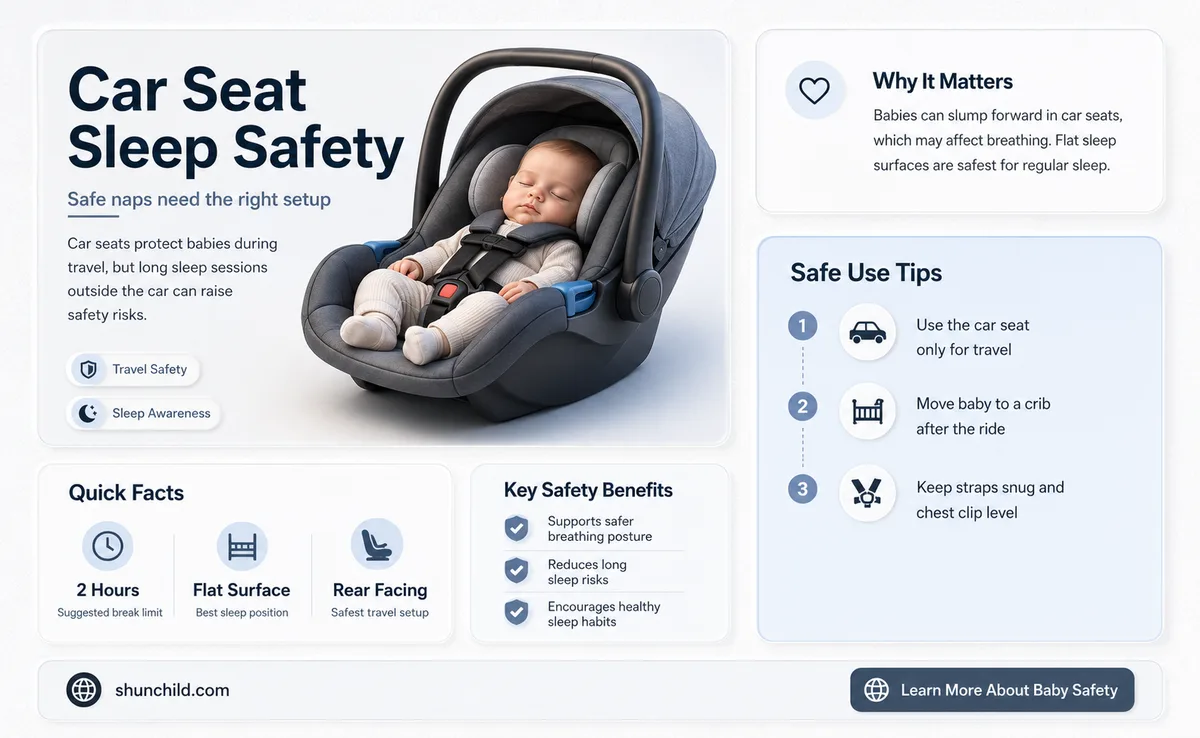
Image source: Bing (Web (fair-use with source credit))
The reason is simple. In a moving car, the seat is at the correct recline angle for that specific installation, and you're nearby. The moment you pull the carrier out and set it on the floor, a couch, or a restaurant booth, the angle shifts and the surface gets soft.
Now the seat is tilted wrong and the baby's airway is at higher risk.
Some parents transfer the whole carrier into a stroller frame and leave the baby asleep for an hour of shopping. That's usually fine for short stretches during active use, but it still isn't a substitute for a real sleep surface. The AAP's position is consistent: flat and firm wins for sleep, every time.
Lie-Flat Car Seats vs. Standard Infant Carriers
Lie-flat car seats and bassinet-style carriers are built to a flatter angle, closer to horizontal. They reduce the chin-to-chest risk that makes standard infant carriers a problem for sleep. If your baby is a preemie, has reflux, or you're facing long drives, they're worth the investment.
But they still aren't cribs. A lie-flat seat in a moving car is a better sleep environment than a standard carrier. A lie-flat seat parked in your living room for a three-hour nap is still not recommended.
The flatness helps, but it doesn't rewrite the rule.
The Two-Hour Rule and Other Numbers That Matter
The two-hour rule is the one parents hear most often. It's a general guideline, not a hard law, but it holds up well in practice. Here's what it means and where the other key numbers come in.
| Metric | Recommended Value | Why It Matters |
|---|---|---|
| Max time in car seat per stretch | About 2 hours | Limits airway and spine strain |
| Newborn recline angle | 30 to 45 degrees | Correct install for safety |
| Infant seat weight limits | 22 to 35 lbs (varies) | Exceeding limits voids protection |
| Chest clip position | Armpit level | Prevents strap slippage |
| Harness tightness | Pinch test at shoulder | Loose straps = ejection risk |
Why Preemies and Reflux Babies Need Extra Caution
Preemies are the highest-risk group for car seat sleep problems. Their neck muscles are weaker, their airways are smaller, and their breathing patterns are less stable. NICUs run a "car seat challenge" before discharge for exactly this reason.
The baby sits in their actual seat for 90 to 120 minutes while oxygen levels are monitored.
If your preemie passed the challenge, that's reassuring, but it's a test, not a permanent green light. Routine naps in the seat at home are still a no-go.
Reflux babies face a different issue. Spit-up while semi-upright can pool in the airway. A flat sleep surface lets spit-up drain safely.
A reclined car seat can let it sit. If your baby spits up a lot, keep car seat time short and transfer to a flat surface as soon as you park.
Recline Angles, Weight Limits, and Weighted Sleep Sacks
Recline angles on infant seats are set by the manufacturer and marked with a level indicator, usually a bubble or a line on the side of the seat. If the indicator shows the seat is too upright, you're increasing the head-slump risk. If it shows too reclined, crash protection drops.
Weight limits matter too. Infant carriers typically top out between 22 and 35 lbs depending on the model. Once your baby hits that limit, they need a convertible seat, and the sleep question gets a bit more forgiving as head control improves.
Weighted sleep sacks are a separate topic, but they come up here. The AAP advises against weighted sleep products for infants, and the Safe Sleep for Babies Act (passed in 2022) bans inclined sleepers. As of 2026, that guidance hasn't changed.
Weighted items and car seat sleep together are a bad combination.
How to Handle a Sleeping Baby at Your Destination
You parked. The baby is asleep. Now what?
This is the moment where the whole article pays off.
The Transfer: Getting Baby from Seat to Safe Sleep Surface
The transfer isn't as hard as it sounds. What you're trying to do is move the baby without a full wake-up. Some babies sleep right through it.
Others don't. Both outcomes are okay.
- Unbuckle the harness first, then pause. Give the baby a few seconds to settle before you lift.
- Support the head and neck with one hand as you scoop. Newborns can't hold their own heads yet.
- Keep the baby close to your chest during the walk. The warmth and heartbeat help.
- Lower slowly onto the flat sleep surface. Butt first, then head, then release.
- Keep a hand on the chest for 30 seconds. This prevents the startle reflex from kicking in.
If the baby wakes up, that's not a failure. A wide-awake baby on a safe sleep surface beats a sleeping baby in a risky position. Every time.
When to Wake a Sleeping Baby (Yes, Really)
Waking a sleeping baby feels wrong, but there are moments when it's the right call. If you're past two hours in the seat, wake them for a break. If the head is slumped forward and you can't reposition it, pull over and wake them.
If the baby's breathing looks shallow or their color seems off, wake them and check.
If you're home and the baby has been in the carrier for more than 20 or 30 minutes after you parked, wake them and move them. It's a short-term annoyance for a real safety gain.
You don't need to wake a baby who's mid-drive and comfortable. You do need to wake one whose head has been slumping for the last 15 minutes. The distinction matters.
Mistakes Parents Make, and What to Do Instead
Most car seat sleep errors come from the same root cause. Parents treat the seat as a portable bed because it's already holding a sleeping baby. Here are the mistakes we see most often in our research, and the fix for each.
- Leaving the baby in the seat after parking. The fix: transfer them within a few minutes, even if they wake up.
- Setting the carrier on a couch, bed, or soft rug. Soft surfaces let the seat tilt back. That pushes the chin toward the chest.
- Using the carrier as a daycare nap spot. Asking a daycare to do this puts them in a bind. Flat cribs and cots are the standard.
- Skipping breaks on long drives. Plan a stop every two hours to let the baby stretch and reposition.
- Assuming a mirror means supervision. A mirror helps you see, but it doesn't prevent airway problems.
- Bundling the baby in a thick coat before buckling. Bulk creates slack in the harness. Buckle first, then add a blanket over the straps.
The safest default is simple. If the car isn't moving, the baby shouldn't be sleeping in the seat.
Using the Car Seat as a Crib, Bassinet, or Daycare Nap Spot
A car seat is not a crib, and no manufacturer markets it as one. Manuals from every major brand carry explicit warnings against unsupervised sleep. Daycares that follow licensing rules almost never allow car seat naps for infants.
If yours does, ask about their written sleep policy.
Aftermarket Inserts, Bulky Coats, and Loose Harnesses
Aftermarket inserts are a hidden problem. Unless the insert came with the seat or is approved by the manufacturer, it changes the harness geometry. That can lift the baby out of the safe zone and interfere with the chest clip.
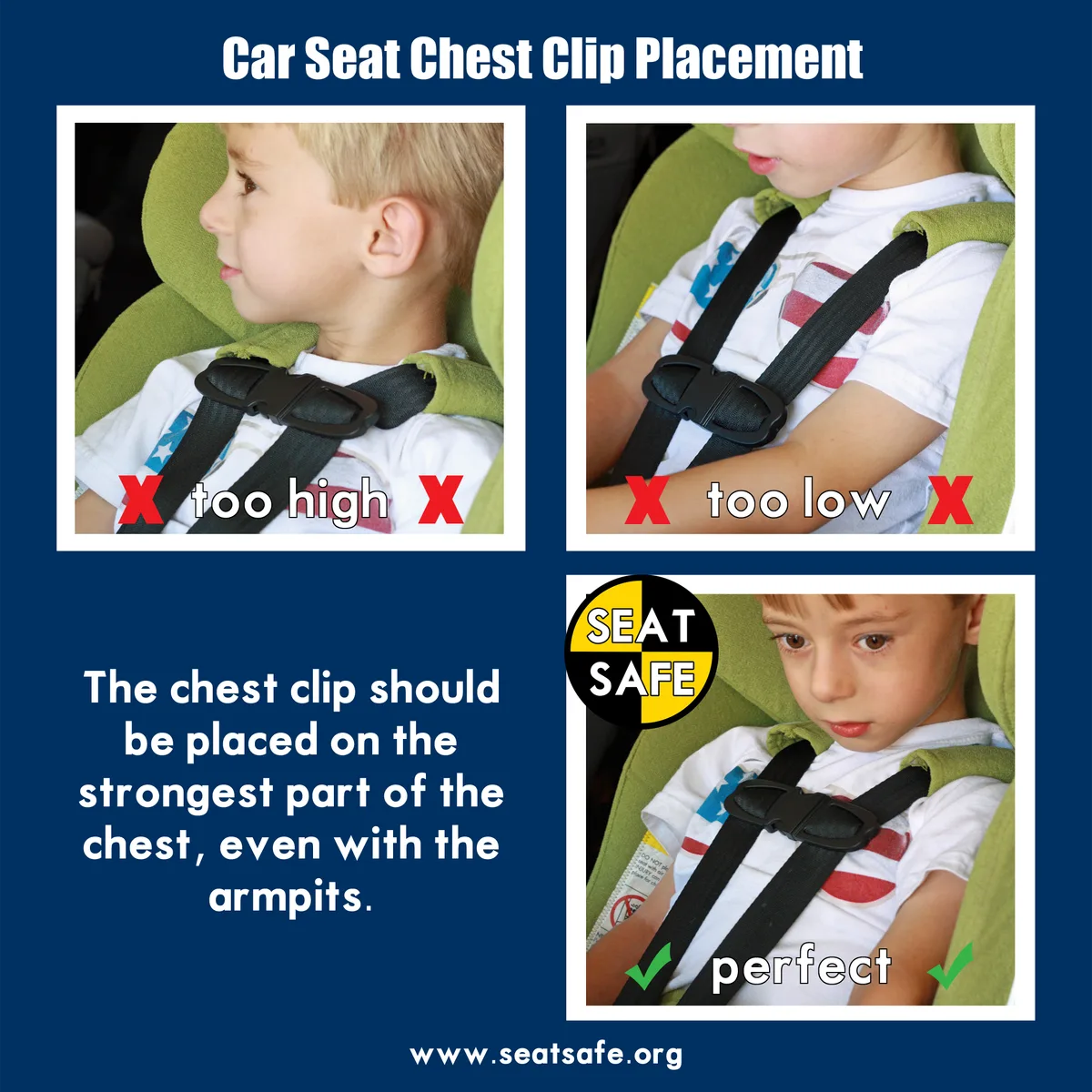
Image source: Bing (Web (fair-use with source credit))
The chest clip belongs at armpit level. Not at the belly. Not at the neck.
The harness should pass the pinch test, meaning you can't pinch slack at the shoulder. Loose straps let a baby slide forward in a crash. They also let a sleeping baby slump into a bad airway position.
Safe Sleep on the Go: Strollers, Bassinets, and Travel Systems
Travel systems are where car seat sleep gets genuinely confusing. A carrier clicked into a stroller is still a car seat, and the sleep rules don't change. The stroller frame doesn't make the seat flat.
It just makes it easier to push.
If you want sleep on the go, look for these features:
- A bassinet attachment. These lie flat and meet safe sleep standards when used on a firm surface.
- A lie-flat car seat. Flatter recline, lower chin-to-chest risk.
- A firm, flat stroller bassinet. Some strollers offer these as add-ons.
- A travel crib. The safest option for naps at a destination.
A bassinet attachment on a stroller is fine for naps while you're actively pushing. It's not a crib for overnight sleep. Most stroller bassinets aren't rated for that.
What to Look For in a Travel System If Naps on the Go Matter
Check the bassinet's safety rating first. Look for one that meets the ASTM F2194 bassinet standard or the equivalent. Then check the depth and mattress firmness.
A thin, flimsy pad isn't a sleep surface.
Finally, test the recline in person if you can. A bassinet that looks flat online can arrive with a subtle incline. That subtle incline is exactly what you're trying to avoid.
Car Seat Sleep Safety: Your Questions Answered
Here's where we answer the questions parents ask most. If you're searching "can you let baby sleep in car seat" late at night with a sleeping newborn on your chest, these are the answers you need.
Does the AAP Say Babies Can Never Sleep in Car Seats?
No. The AAP says car seats shouldn't be used for routine sleep. Short naps during travel are fine when the seat is properly installed and the car is moving.
The AAP's real concern is car seats used as beds at home.
What About a 10-Minute Drive Where Baby Nods Off?
That's fine. A ten-minute nap in a moving car is not a safety issue. The problem starts when the drive ends and the baby stays in the seat on a non-moving surface.
Move them when you park.
Can a Baby Sleep in a Car Seat at Daycare?
Not for routine naps, and most licensed daycares won't allow it. If a daycare does allow it, ask about their supervised sleep policy. Most will use a crib, cot, or pack-and-play instead.
Is a Lie-Flat Car Seat Safe for Overnight Sleep?
No. Lie-flat car seats reduce risk compared to standard carriers, but they aren't cribs. Overnight sleep should always happen on a firm, flat mattress in a crib or bassinet.
No exceptions here.
What If My Baby Sleeps Longer Than Two Hours in the Seat?
Pull over and take a break. You don't need to wake them every two hours if they're comfortable and breathing normally. You do need to check the position, ease the harness, and let them stretch.
Then continue.
Does the Two-Hour Rule Apply to a Preemie Too?
Yes, and it applies more strictly. Preemies have weaker neck muscles and less stable breathing. Keep stretches under two hours, and never leave a preemie sleeping in a carrier at home.
The NICU car seat challenge is a test, not permission.

Similar Posts