Can You Pressure Wash a Baby Car Seat? What to Know
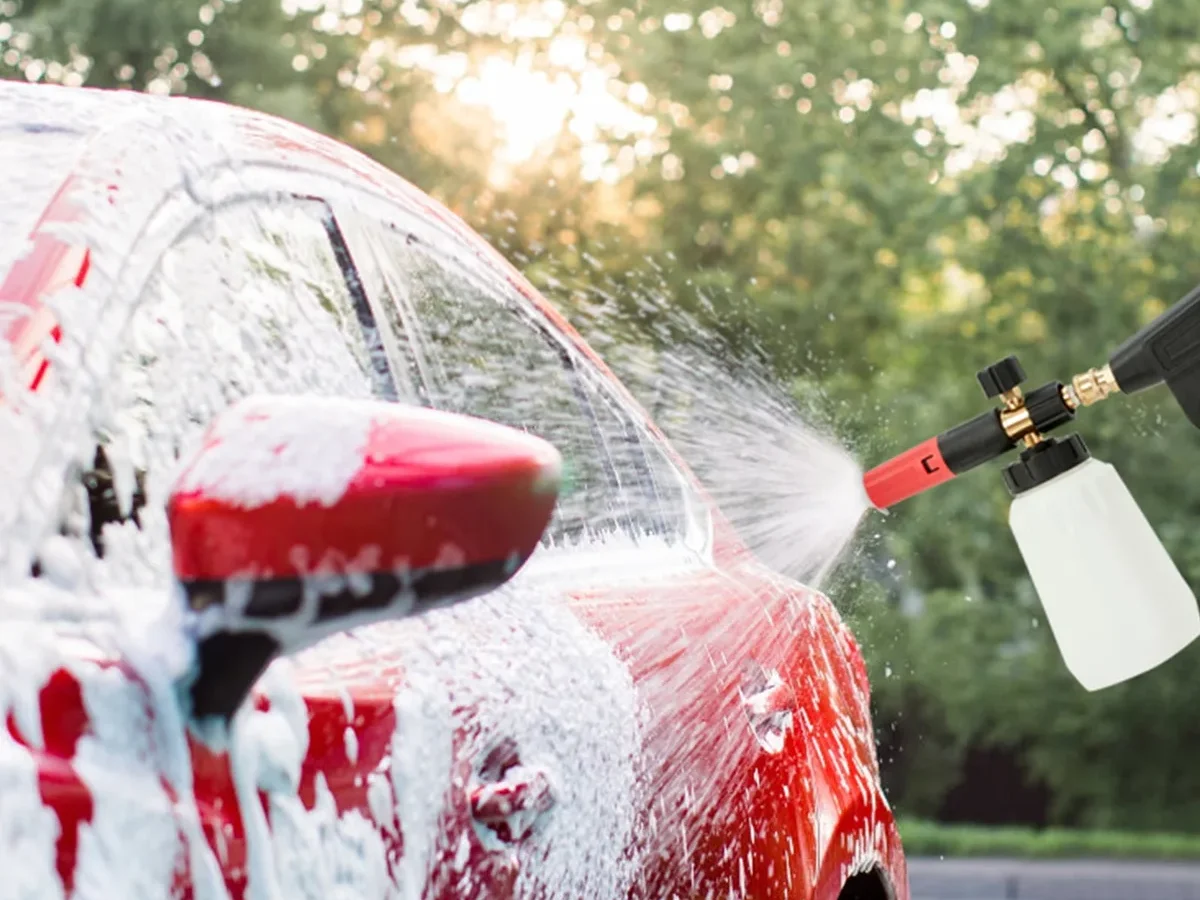
Can you pressure wash a baby car seat? Short answer: no, not the whole thing. Pressure washing a car seat can crack the impact foam, fray the harness webbing, and void the seat's safety certification, which are all things you can't undo.
A pressure washer is built for driveways and decking, not for the seat your child straps into every day.
That said, cleaning the cover is a different story. Most manufacturers, from Graco to Britax, allow you to machine wash the fabric cover on a gentle cycle in cold water. The straps and shell?
Those are spot-clean only. Stick around, because the difference between "safe to wash" and "never touch with water" comes down to three materials, and getting it wrong means buying a new seat.
can you pressure wash a baby car seat
No. You should never pressure wash a baby car seat. High-pressure water can crack the EPS foam, warp the plastic shell, and weaken the harness straps.
Most manufacturers explicitly void the warranty if the seat is soaked or submerged. Spot-clean the shell and straps instead, and machine wash only the cover if the label allows it.
Why This Question Matters More Than You Think
This isn't just about a dirty seat. It's about a safety device that's been crash-tested to a specific standard, and every cleaning choice either preserves that protection or quietly erodes it.
Car seats are certified under Federal Motor Vehicle Safety Standard 213 (FMVSS 213), which governs frontal crash protection. That certification applies to the seat exactly as it left the factory. Once you introduce a pressure washer, you're changing the materials in ways you can't see or measure.
Here's the uncomfortable part: damage often hides. A cracked foam core or stretched strap can look perfectly fine from the outside.
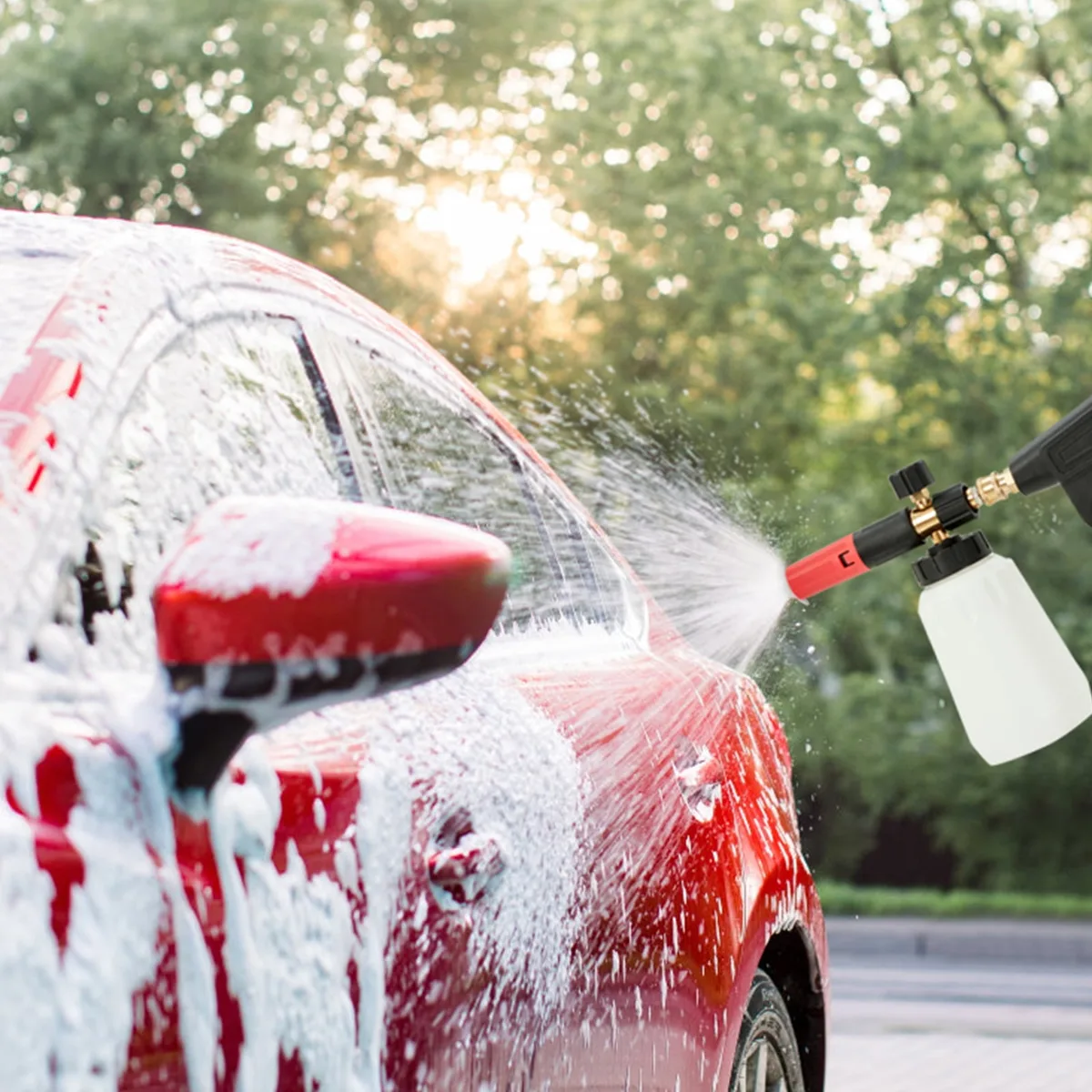
Image source: Bing (Web (fair-use with source credit))
We've seen parents on forums swear their seat "dried out fine" after a hose-down. Then they notice the harness doesn't tension right, or the buckle sticks. Those are the exact failure points that matter in a crash.
So when you ask, "can you pressure wash a baby car seat," the honest answer is about more than water pressure. It's about whether you're willing to gamble with the one piece of gear built to save your kid's life.
What Actually Happens When Water Hits a Car Seat
A car seat is really three materials stitched into one product. Each reacts to water completely differently, and that's why a single pressure-washing pass is so risky.
The shell, the foam, and the straps: three very different materials
The hard outer shell is usually polypropylene or high-density polyethylene. It tolerates moisture reasonably well, but high-pressure spray can force water into seams and mounting points.
Underneath sits the EPS foam, or expanded polystyrene. This is the energy-absorbing core. It's designed to crush once in a crash.
Water and pressure can crack it, and a cracked core offers almost no protection.
Then there's the harness webbing, typically woven nylon or polyester. That webbing is engineered to a specific tensile strength. Soaking it, scrubbing it with detergent, or blasting it with water can degrade the fibers.
Manufacturer specs confirm one thing across the board: webbing is the part you're told to wipe, never soak.
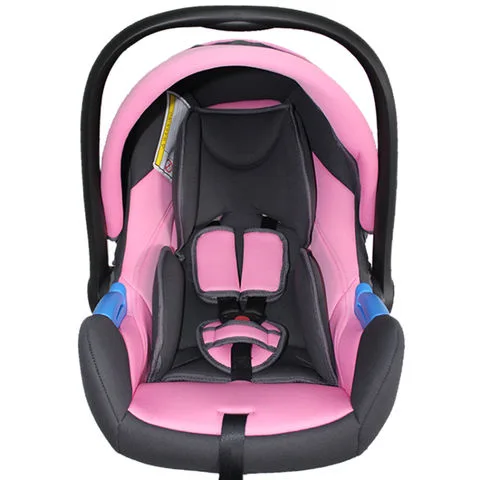
Image source: Web (Bing) / groww.in (Web image (fair-use with source credit))
Where flame retardants and safety ratings come into play
Most car seat fabrics carry flame-retardant treatments to meet FMVSS 302, the flammability standard for interior materials. Aggressive washing can strip these treatments out, which technically moves the seat out of compliance.
If that sounds nitpicky, think about it this way. The seat was tested as a unit: shell, foam, straps, cover, chemicals and all. Change any of those and you've altered the tested product.
So if your situation is "cover is stained, straps are sticky, foam smells like old milk," here's the if/then logic:
- If the cover is removable and the label says machine washable, you can wash it.
- If the straps are soiled, you spot-clean only.
- If the foam or shell is soaked through, you've got a problem.
The Real Risks of Pressure Washing a Car Seat
Shell warping and hidden structural damage
Pressure washers push water at 1,300 to 3,200 PSI in most residential units. That's enough to bend plastic and drive moisture into hollow ribs of the shell. Once water gets trapped inside, it sits there.
Warping of the shell can change how the seat installs and how it interfaces with the vehicle.
Harness webbing, buckles, and the parts you can't replace
This is the big one. Harness straps aren't sold separately for most seats. If you compromise them, you can't just buy a new strap and call it fixed.
Detergent residue also gummers up the buckle mechanism. A sticky buckle is a real-world safety failure, because you need it to release fast in an emergency.
Mold, mildew, and drying problems
Padded covers and foam hold water for 24 to 48 hours, sometimes longer in humid climates. That's a prime window for mold. Once mold gets into the foam, you can't clean it out.
The seat becomes a health hazard, not a clean one.
Warranty, insurance, and crash-safety fallout
Nearly every major manufacturer voids the warranty if the seat is submerged or soaked. NHTSA guidance is clear that a seat involved in a crash, or one that's been structurally altered, should be replaced. A pressure-washed seat often falls into that altered category.
What's Safe to Wash, Wipe, or Avoid
Manufacturer guidance: covers, shells, straps, and foam
Here's the rule of thumb our research kept landing on: fabric cover gets washed, everything else gets wiped.
Graco, Chicco, Britax, Evenflo, and Nuna all publish similar care instructions. The removable cover is machine washable on gentle with cold water. The shell and straps are spot-clean only, using mild soap and a damp cloth.
The foam? Never soak it. Never scrub it.
If it's contaminated, that's often a replacement situation.
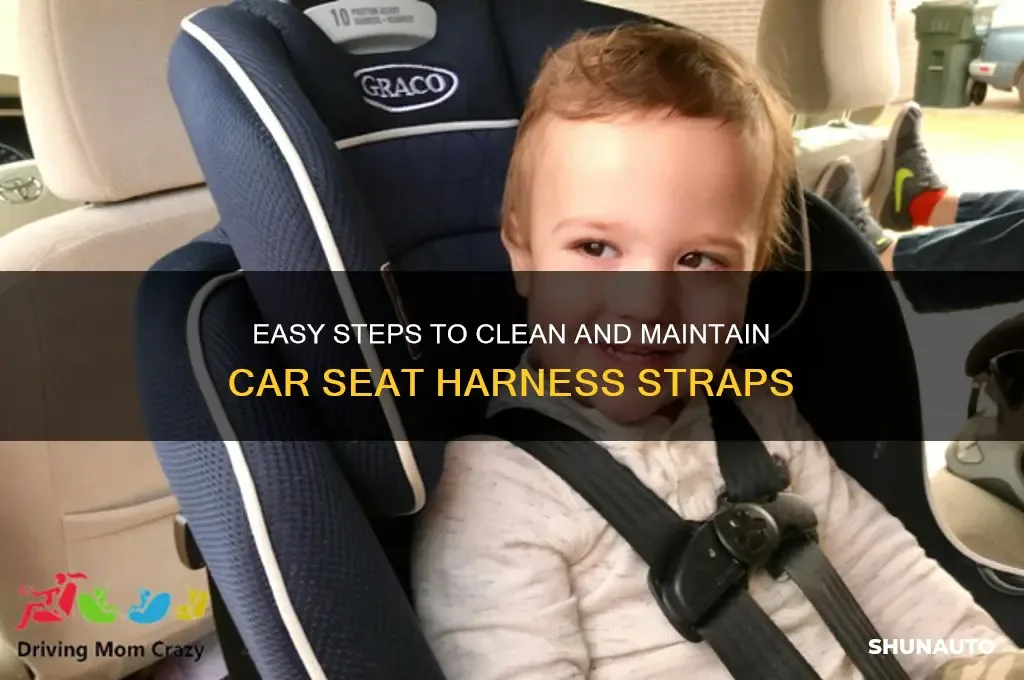
Image source: Bing (Web (fair-use with source credit))
When pressure washing is genuinely off the table
If any of these apply, put the pressure washer down for good:
- The seat is still under warranty.
- You don't have the manual and can't confirm material tolerances.
- The seat has EPS foam you can't inspect for cracks.
- The harness straps are permanently attached and non-replaceable.
- It's a secondhand seat with unknown history.
In all of those cases, gentle spot-cleaning is your only safe move.
A Safe Step-by-Step Cleaning Method Instead
Disassembly, spot treatment, and correct drying
Here's the process we recommend, and it's the one that mirrors manufacturer guidance.
- Read the manual first. Photograph the harness routing before you touch anything.
- Remove the cover per the manual. Most unclip or unzip.
- Vacuum loose crumbs and debris from all crevices.
- Spot-treat stains on the cover with a baby-safe detergent.
- Machine wash the cover on gentle, cold water only, if the label allows.
- Wipe the shell and straps with a damp cloth and mild soap. No soaking.
- Air dry everything. Never tumble dry a cover with flame-retardant treatment.
Drying times matter. Here's what to expect:
| Component | Cleaning Method | Dry Time |
|---|---|---|
| Fabric cover | Machine wash, gentle, cold | 24 to 48 hours air dry |
| Plastic shell | Damp cloth wipe | 1 to 2 hours |
| Harness straps | Damp cloth, mild soap | 2 to 4 hours |
| EPS foam | Wipe only, never soak | Immediate if wiped |
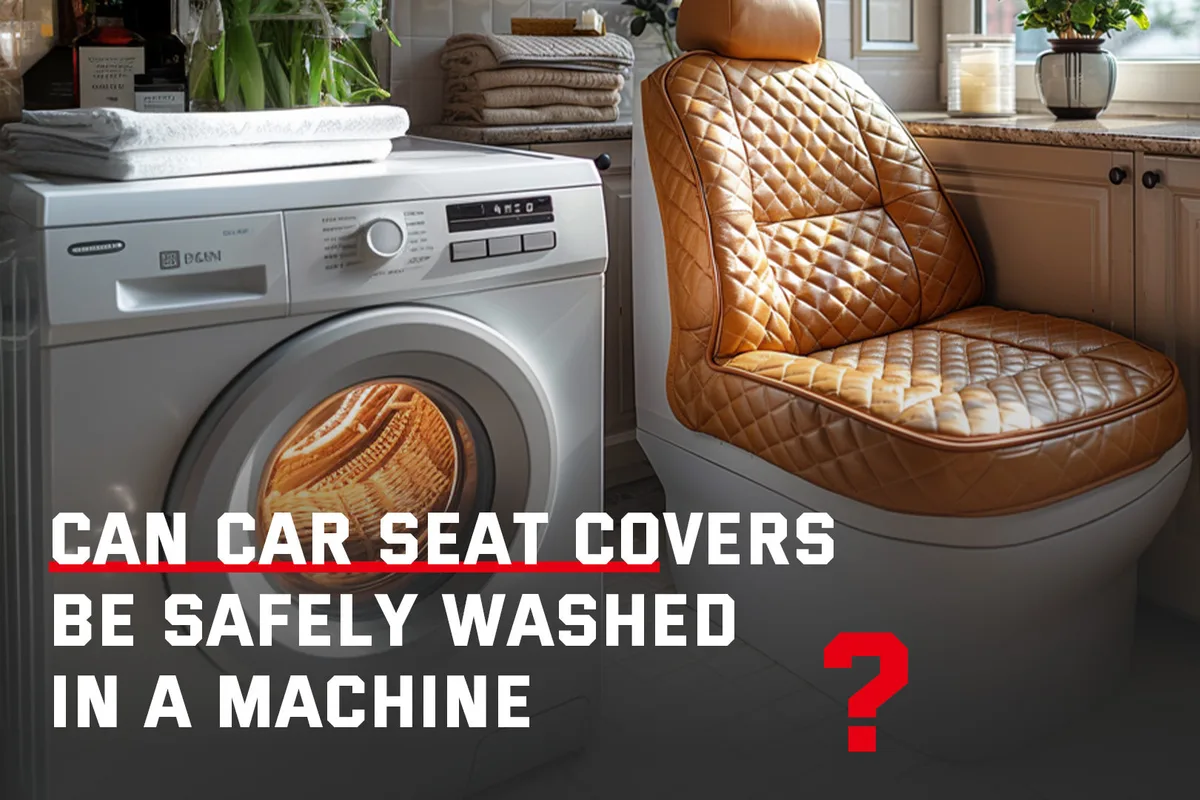
Image source: Bing (Web (fair-use with source credit))
Reassembly and post-clean safety checks
Once everything is bone dry, reassemble using your photos as a guide. Then run these checks:
- Re-thread the harness exactly as shown in the manual.
- Test harness tension at the shoulder. It should pass the pinch test.
- Confirm the buckle clicks and releases cleanly.
- Check the shell and foam for any cracks you may have missed.
- Reinstall the seat and verify recline angle and tightness.
If the buckle feels sticky or the straps look frayed, stop. That's a replacement, not a fix.
For deeper guidance on car seat care and replacement, NHTSA's official site is the standard reference parents should check first. You can also verify recalls through the Consumer Product Safety Commission before cleaning any secondhand seat.
Pressure Washer vs. Every Other Cleaning Method
You've got options, and they're not created equal. Here's how each method stacks up against a pressure washer, laid out so you can pick the right tool for the mess you're actually facing.
| Method | Safe for Shell? | Safe for Straps? | Safe for Cover? | Mold Risk | Notes |
|---|---|---|---|---|---|
| Pressure washer | No | No | No | High | Warps plastic, cracks EPS foam, voids warranty |
| Garden hose | Risky | No | Sometimes | High | Saturates padding, slow drying |
| Hand wash (cover only) | N/A | N/A | Yes | Low | Gentle cycle, cold water, air dry |
| Steam cleaner | Caution | No | Sometimes | Low | Heat can degrade flame retardants |
| Wet/dry vacuum | Yes | Yes (surface) | Yes | Low | Best for crumbs and spot spills |
| Baking soda + vinegar | Yes | Spot only | Yes | Low | Good for odors, mild stains |
Who each method is best for
If you're dealing with a milk spill on the cover, hand washing wins. If it's crumbs and dust in the crevices, a wet/dry vacuum is your fastest option. Steam cleaning works for a quick refresh, but keep the heat away from straps and foam.
The pressure washer? It doesn't have a safe use case here.
When to Clean, When to Replace, and When to Call the Manufacturer
Cleaning isn't always the answer. Sometimes the seat is past saving, and knowing that line keeps your kid safe.
Expiration dates, recalls, and crash history
Most car seats expire 6 to 10 years from the manufacture date. The plastic degrades over time, even if the seat looks fine. Check the label on the shell for the exact date.
If the seat's been in any crash, even a minor fender-bender, NHTSA guidance says replace it. The same goes for a seat caught in a recall. You can check the Consumer Product Safety Commission website for active recalls before you clean or reuse anything.
Secondhand seats and unknown pasts
Here's where it gets tricky. A secondhand seat with an unknown history could be pressure-washed, crashed, or moldy, and you'd never know. If you can't verify its past, walk away.
When in doubt, call the manufacturer directly. Graco, Chicco, Britax, and most major brands have customer service lines that will confirm whether a specific model's cover is machine washable or if a part is replaceable.
FAQs About Pressure Washing Baby Car Seats
Can I use a pressure washer on just the plastic shell?
No. Even at low PSI, pressurized water can force moisture into the shell's hollow ribs and warp the structure. Wipe the shell with a damp cloth and mild soap instead.
That's the only method manufacturers endorse.
Is it safe to hose down a car seat in the driveway?
It's risky. A garden hose won't crack foam the way a pressure washer will, but it still soaks padding and straps. Water trapped in foam takes 24 to 48 hours to dry, which is prime mold territory.
Spot-clean instead.
Can I machine wash the harness straps?
No. Harness webbing is spot-clean only. Detergent and agitation break down the fibers that give the straps their tensile strength.
Once that strength is gone, the straps won't hold in a crash, and most aren't sold as replacements.
How do I get vomit smell out of a car seat?
Remove the cover and wash it according to the label. Wipe the shell and straps with a damp cloth and mild soap. Sprinkle baking soda on the foam, let it sit overnight, then vacuum it up.
Air everything out for at least 24 hours.
My cover isn't removable. What now?
Spot-clean it in place with a damp cloth and baby-safe detergent. Use a wet/dry vacuum to pull moisture out of the padding. Never soak a non-removable cover, because you can't get it dry fast enough to prevent mold.
How long should a cleaned car seat dry before use?
Give it a full 24 to 48 hours in a well-ventilated space. If it's humid, add another day. Never reinstall a seat while the foam or padding still feels damp.
Trapped moisture is the number one cause of mold in car seats.
The Bottom Line: Clean Smart, Not Hard
So, can you pressure wash a baby car seat? Not if you want it to keep doing its job. The shell, foam, and straps each have a different tolerance for water and pressure, and none of them tolerate a pressure washer well.
What actually works is boring, and that's the point. Read the manual. Wash the cover if the label allows it.
Wipe everything else. Dry it fully. Check the harness after reassembly.
Your car seat was crash-tested as a complete unit, and every cleaning choice either preserves that tested protection or quietly undermines it. Stick with gentle methods, and you'll get a clean seat without gambling with the one piece of gear built to save your kid's life.

Similar Posts