How Many Years Is a Baby Car Seat Good For?
How many years is a baby car seat good for? The honest answer is somewhere between 6 and 10 years, depending on the type of seat and who made it. Infant seats usually last about 6 to 7 years.
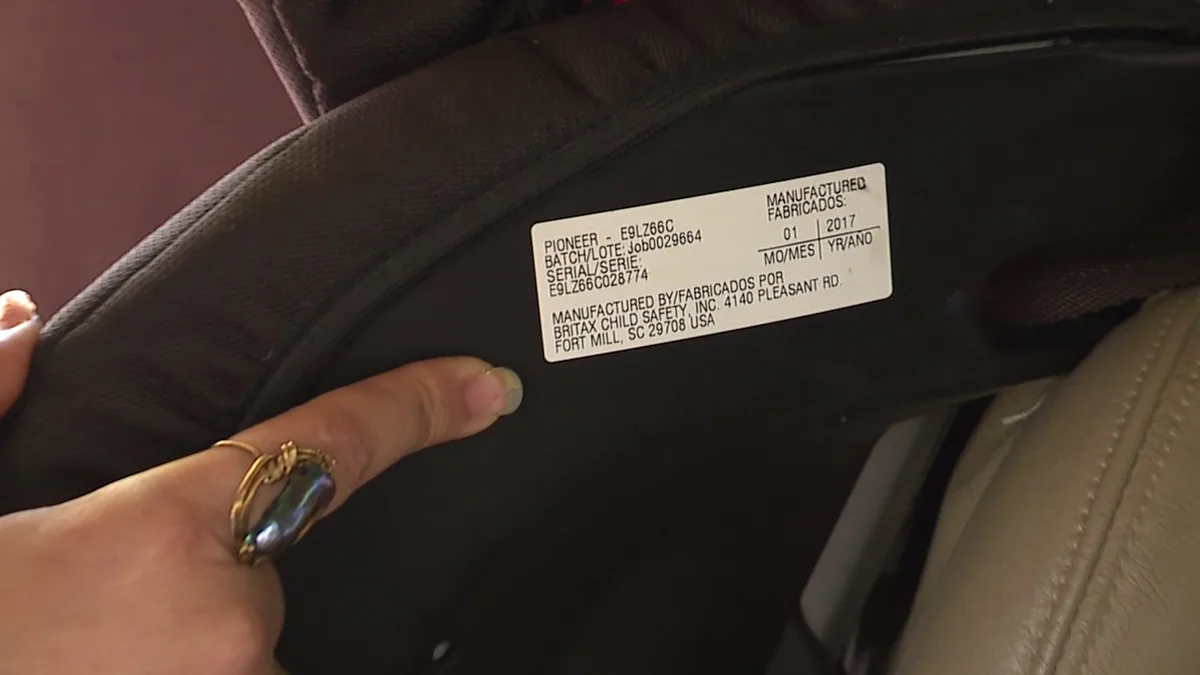
Convertibles and all-in-ones tend to run 8 to 10. The exact number is printed on a sticker, not guessed from how the seat looks.
That expiration date exists because plastic, foam, and harness webbing weaken over time, even when a seat sits unused in a closet. Federal Motor Vehicle Safety Standard 213 (FMVSS 213) covers the seat's crash performance when new, but no standard guarantees it stays safe forever. As of 2026, every major U.S. manufacturer prints its own lifespan, and that number is the one that matters.
Here's how to find yours and what to do with it.
how many years is a baby car seat good for
Most car seats are good for 6 to 10 years from their date of manufacture. Infant seats typically expire at 6 to 7 years. Convertible and all-in-one seats usually last 8 to 10.
Boosters run 6 to 10, depending on brand. The exact date is printed on the seat's shell or base. Always follow the manufacturer's number over general rules.
The Quick Answer: Most Car Seats Expire in 6 to 10 Years
The lifespan window isn't arbitrary. Manufacturers set it after testing how their specific materials hold up against heat, sunlight, humidity, and everyday use. A seat that lives in a shaded garage ages differently from one parked in a Phoenix driveway all summer.
Here's the rough breakdown by seat type:
| Seat Type | Typical Lifespan | Notes |
|---|---|---|
| Infant (rear-facing bucket) | 6 to 7 years | Shorter because of the detachable base and carry handle |
| Convertible (rear to forward) | 8 to 10 years | Most common hand-me-down candidate |
| All-in-one (3-in-1) | 8 to 10 years | Longest stated lifespan on the market |
| Booster (backless or high-back) | 6 to 10 years | Varies widely by brand |
Image source: Web (Bing) / fox4kc.com (Web image (fair-use with source credit))
Two seats built the same year can have different remaining lifespans. If one sat in a cool basement and the other baked in a hot car for three summers, the second seat is further along. That's why the sticker on your specific seat beats any generic rule you read online.
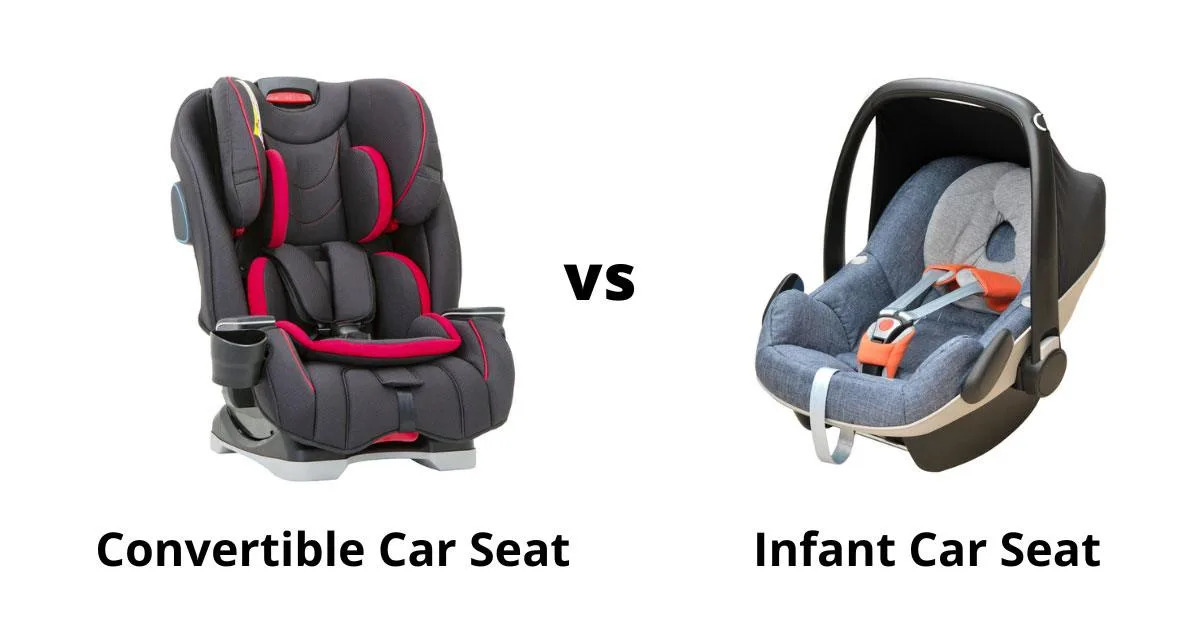
Image source: Web (Bing) / 800bucklup.org (Web image (fair-use with source credit))
One more thing worth knowing: manufacturers count from the date of manufacture, not the date you bought the seat. A seat that sat on a shelf for 18 months before you purchased it already lost 18 months of its life. Check the sticker before you assume you've got a full decade.
Why Car Seats Expire at All (It's Not a Marketing Trick)
Expiration dates aren't a scheme to sell you more seats. They're a real safety measure. The materials inside a car seat change over time, and those changes affect how the seat performs in a crash.
What Actually Breaks Down Over Time
The shell is typically polypropylene plastic. It's tough, but it's not immortal. Years of heat cycling make it more brittle.
In a crash, brittle plastic can crack instead of flexing the way it was engineered to.
The energy-absorbing foam, usually EPS or EPP, is the second weak point. This foam crushes to absorb impact. With age and heat, it dries out and loses some of its ability to compress predictably.
Cracks in the foam are a major red flag.
Harness webbing is the third. Nylon and polyester straps weaken with UV exposure, sweat, and repeated tension. The difference may be invisible to your eye, but the webbing's breaking strength isn't what it was on day one.
The buckles, adjusters, and LATCH connectors also wear. Plastic fatigues. Metal corrodes in humid climates.
None of this shows up in a visual inspection.
Why Two Seats of the Same Age Can Have Very Different Lifespans
Storage and climate do a lot of the damage. NHTSA notes that temperatures inside a parked car can climb past 150°F in summer sun. Every one of those heat cycles nudges the materials closer to failure.
Compare two 7-year-old convertibles:
- One was kept in a climate-controlled garage between uses, maybe in a cool, dry climate.
- The other sat in a car in Florida, baking daily and getting rained on through an open window.
The first seat may honestly have plenty of life left. The second is probably done. This is why the manufacturer's number is a ceiling, not a guarantee.
If your seat has lived a hard life, treat it as older than its age suggests.
How to Find Your Seat's Expiration Date in Under 5 Minutes
Finding the date is easier than most parents expect. It's printed somewhere on the seat itself, usually in more than one spot. You just have to know where to look.
Date of Manufacture vs. Expiration Date — The Mix-Up That Trips Everyone Up
These two dates are not the same thing, and this is where most people get confused. The date of manufacture (DOM) is when the seat was built. The expiration date is when the manufacturer says it's no longer safe to use.
If you see a sticker that says "DOM 03/2019" on a convertible with a 10-year lifespan, that seat expires around March 2029. Some manufacturers print the expiration directly. Others only print the DOM and expect you to do the math.
Here's where to look:
- The bottom of the shell, often under the fabric cover.
- The side of the base, near the belt path.
- The back of the seat, sometimes behind a flap.
- The manual, which states the lifespan in years.
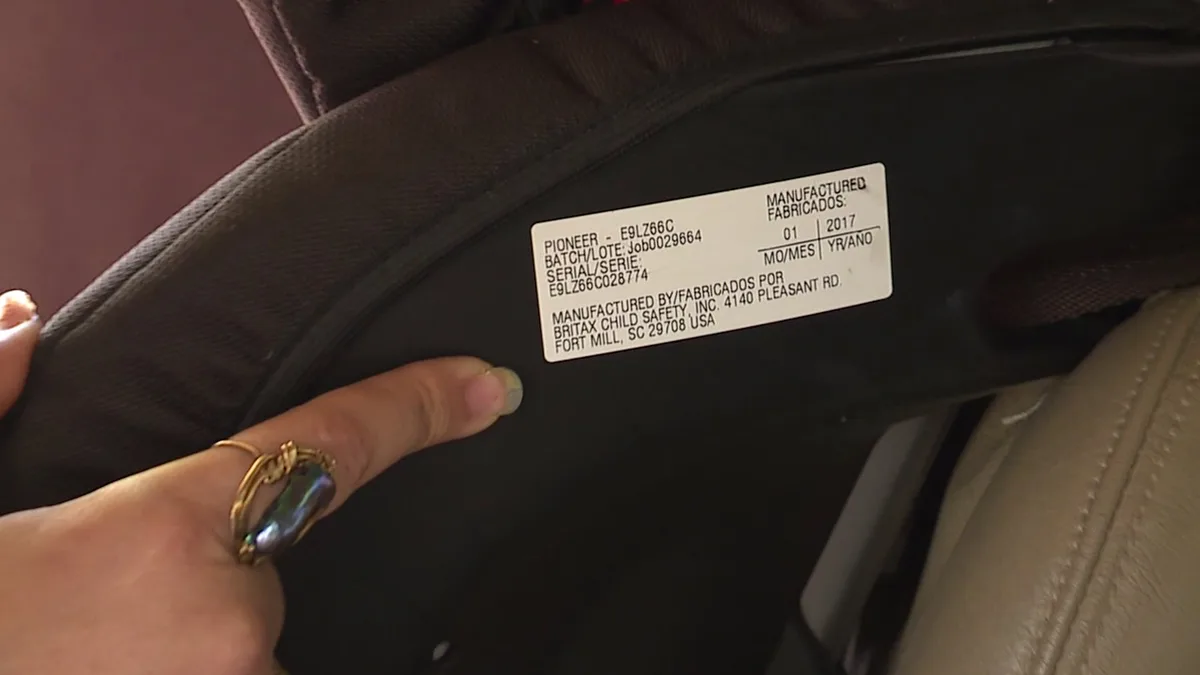
Image source: Bing (Web (fair-use with source credit))
What to Do If the Sticker Is Missing or Unreadable
Missing stickers are more common than you'd think, especially on hand-me-down seats. If you can't find a date anywhere on the shell, don't guess. Contact the manufacturer directly with the model number and any serial information you can find.
If the manufacturer can't confirm the age, treat the seat as expired. A free seat isn't worth the risk. NHTSA's recall database at nhtsa.gov can also confirm whether your specific model has been recalled, which matters as much as the expiration date.
What Shortens a Car Seat's Life (And What Doesn't)
Not everything that happens to a car seat ages it equally. Some things matter a lot. Others get blamed unfairly.
Heat, UV, and Storage — The Big Three
These three factors do the most damage over time:
- Heat. Repeated exposure to high temperatures inside a parked car accelerates plastic and foam breakdown.
- UV light. Direct sun fades fabric and weakens straps. A window shade helps.
- Humidity and moisture. Damp storage encourages mold and can corrode metal parts.
A seat stored in a cool, dry place will age more slowly than one living in a hot car. If you're storing a seat for a future child, keep it indoors and out of the sun.
What doesn't shorten a seat's life as much as people fear? Normal use. A seat that's been used daily but never crashed, cleaned properly, and kept out of extreme heat is generally fine within its stated lifespan.
Spills and crumbs don't expire a seat. Washing harness straps in a machine or soaking them in harsh cleaners can damage them, though. Wipe straps with a damp cloth and mild soap instead.
The Crash Rule: When Age Doesn't Matter Anymore
Here's the rule that overrides everything else. If a car seat has been in a moderate or severe crash, it's done, regardless of how old it is or how good it looks.
NHTSA's guidance is clear on this. Replace the seat after any crash that meets its criteria for moderate or severe, even if the child wasn't in it at the time. The seat absorbed forces it wasn't designed to absorb twice.
Check with your insurance company too. Many policies cover car seat replacement after a crash.
Hand-Me-Downs and Secondhand Seats: When It's Safe, When It's Not
A secondhand seat can be perfectly safe, or it can be a serious risk. The difference comes down to history, not appearance. A seat that's clean and shiny might be one crash away from being worthless.
Here's how to think about it. If you know the previous owner well, know the seat's full story, and can verify the dates, you're in decent shape. If you're buying from a stranger on Facebook Marketplace or grabbing one from a curb, the odds are against you.

Image source: Web (Bing) / garretthealth.org (Web image (fair-use with source credit))
The 5 Questions to Ask Before You Accept a Used Seat
Ask these before you commit:
- What's the date of manufacture, and can I see the sticker?
- Has this seat ever been in a crash, even a minor one?
- Do you have the manual and all original parts?
- How was it stored, and was it ever left in a hot car for long stretches?
- Has it been recalled? (Check the model on NHTSA's site yourself.)
If the answer to any of these is vague or "I don't know," walk away. A free seat that's been through a crash is worth less than nothing.
How to Check for Recalls in Two Minutes
Go to the NHTSA recall lookup at nhtsa.gov/recalls. Enter the model number and DOM from the sticker. The site tells you if the seat has an open recall.
If there's a recall, contact the manufacturer. Many will send you a free fix kit or replacement part. Don't skip this step.
Recalls on car seats often involve harness or buckle failures that won't show up in a visual check.
What to Do With an Expired or Unsafe Seat
Once a seat is expired, crashed, or unverifiable, it needs to leave your life completely. That means it can't end up in someone else's car.
How to Dispose of It So No One Else Uses It
Cut the harness straps into pieces. Remove the cover and padding. Use a permanent marker to write "EXPIRED" or "DO NOT USE" across the shell.
Then put it out with regular trash, not in a recycle bin or donation pile.
This feels wasteful, and it is. But a seat sitting at the curb in perfect-looking condition is a magnet for someone who doesn't know better.
Trade-In Programs and Recycling Options
Every spring, Target and Walmart run car seat trade-in events. You bring in an old seat and get a coupon toward a new one. The seats get recycled through a partner program.
Some municipalities also have dedicated car seat recycling days. If yours doesn't, the trash is the honest answer. Retailers like Target usually announce trade-in dates in April and September.
The Bottom Line: Check the Sticker, Then Trust It Over Your Gut
The rule that matters most is simpler than everything above: find your seat's date of manufacture, look up the manufacturer's stated lifespan, and count forward. If the math says expired, it's expired. If it says you've got four years left, you've got four years left.
Your eyes can't see brittleness in plastic or fatigue in webbing, so stop relying on them.
A few things to hold onto:
- Infant seats typically expire at 6 to 7 years. Convertibles and all-in-ones typically run 8 to 10.
- The count starts at the date of manufacture, not the purchase date.
- Any moderate or severe crash ends the seat's life immediately, no matter the age.
- Secondhand seats need full verification, or they don't get used.
Do those four things reliably and you'll never have to guess whether your child is riding in a seat that's past its prime. That's the whole game.

Similar Posts