When Can Baby Face Forward in a Car Seat?
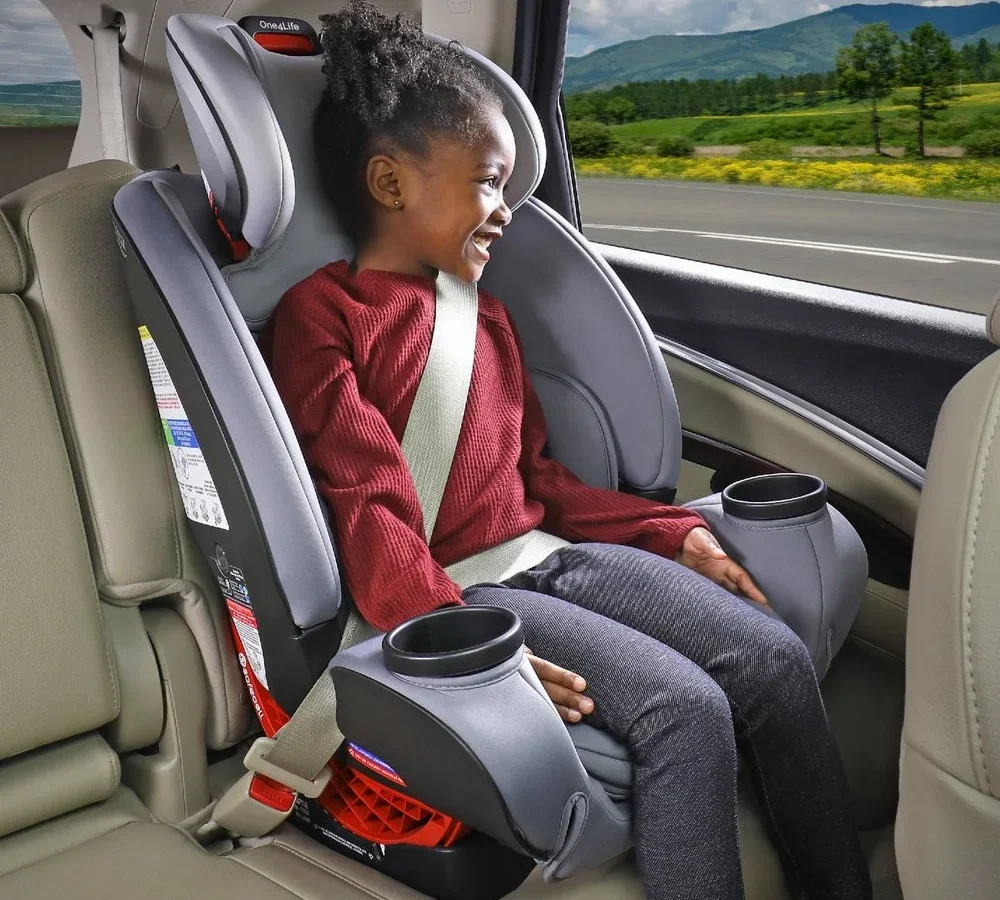
Forward-facing feels like a milestone. But the move from rear-facing to forward-facing isn't about age alone. It's about your child's size, their seat's limits, and what the research says keeps them safest.
Getting this wrong can mean the difference between a scare and a tragedy, so it's worth taking ten minutes to understand the real rules.
Here's the headline: as of 2026, the American Academy of Pediatrics recommends keeping children rear-facing until they hit the maximum weight or height for their convertible seat, and never before age 2. That's often closer to age 3 or 4. Federal safety standard FMVSS 213 sets the baseline, but your child's actual measurements decide the flip.
when can baby start facing forward in car seat
A baby can start facing forward when they meet every minimum. That means age 2 or older. They must hit the seat's forward-facing weight and height limits too.
Local law matters as well. Best practice says wait longer if the seat allows.
The Short Answer (And Why "Age 2" Isn't the Whole Story)
Age 2 is a floor, not a finish line. That's the single most misunderstood point in this whole conversation. The AAP updated its policy in 2018 to say children should stay rear-facing until they reach the highest weight or height their seat allows.
In practice, that means many kids stay rear-facing until 3 or even 4 years old. Waiting longer isn't overprotective. It's matching your child's body to the physics of a crash.
A 2-year-old's neck and spine simply aren't built for forward-facing forces yet.
Manufacturer specifications set the hard ceiling on each seat. A convertible car seat might rear-face up to 40 or 50 pounds. Once your child passes that number, the seat can no longer protect them rear-facing, so it's time to flip.
What the AAP and NHTSA Actually Say
The AAP recommends rear-facing until the seat's limits are maxed out. NHTSA mirrors this guidance and adds a clear minimum: never forward-face before age 1, and ideally not before age 2. Both organizations frame the switch as size-driven, not birthday-driven.
Age vs. Height vs. Weight: Which One Really Decides It
Height and weight almost always trigger the switch before age does. A tall toddler may max out a seat's rear-facing height limit at 2.5 years. A petite 3-year-old might stay rear-facing another year.
The rule is simple. If any one limit is exceeded, that seat can't be used that way anymore. You check all three every few months.
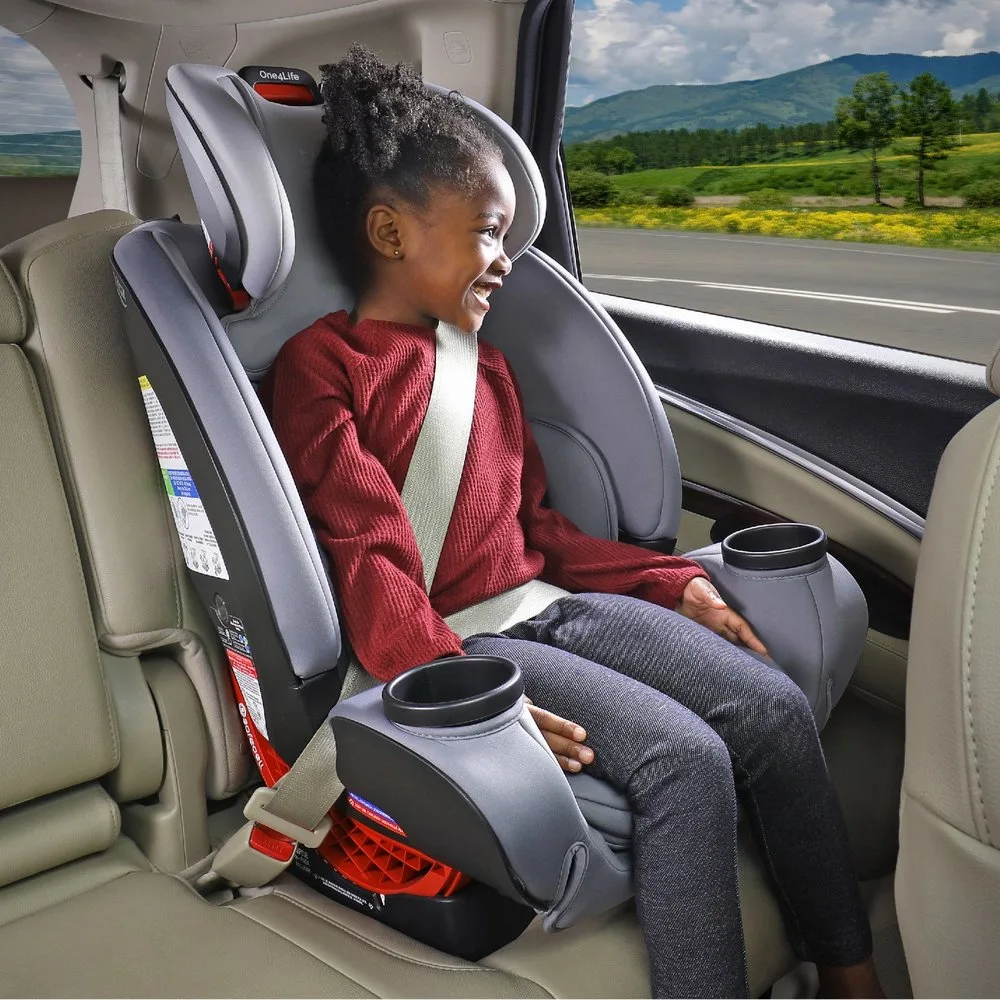
Image source: Bing (Web (fair-use with source credit))
Why Rear-Facing Matters More Than You Think
Rear-facing spreads crash forces across the whole back, head, and shell of the seat. Forward-facing concentrates that force on the harness points and the neck. On a small body, that difference is enormous.
Newborns and toddlers have proportionally huge heads and underdeveloped neck vertebrae. The spinal cord can stretch and tear in a forward-facing crash at high speed. Rear-facing keeps the head, neck, and spine moving together.
This isn't opinion. NHTSA and the AAP cite crash data showing rear-facing seats reduce injury risk dramatically for children under 2. The benefit doesn't vanish at 2.
It just tapers as the child's skeleton matures.
The Neck and Spine Science in Plain English
A young child's neck bones are still partly cartilage. The vertebrae don't fully fuse until years later. Under sudden deceleration, a forward-facing head whips ahead of the body.
Rear-facing cradles the head against the shell instead.
Why "Their Legs Look Uncomfortable" Isn't a Safety Reason
Legs bent or touching the back seat is normal and not dangerous. Studies of rear-facing children show very low rates of leg injury. Kids find ways to sit comfortably, often cross-legged or with feet up.
Don't flip early because of leg position. The spine risk outweighs a little cramping every time.
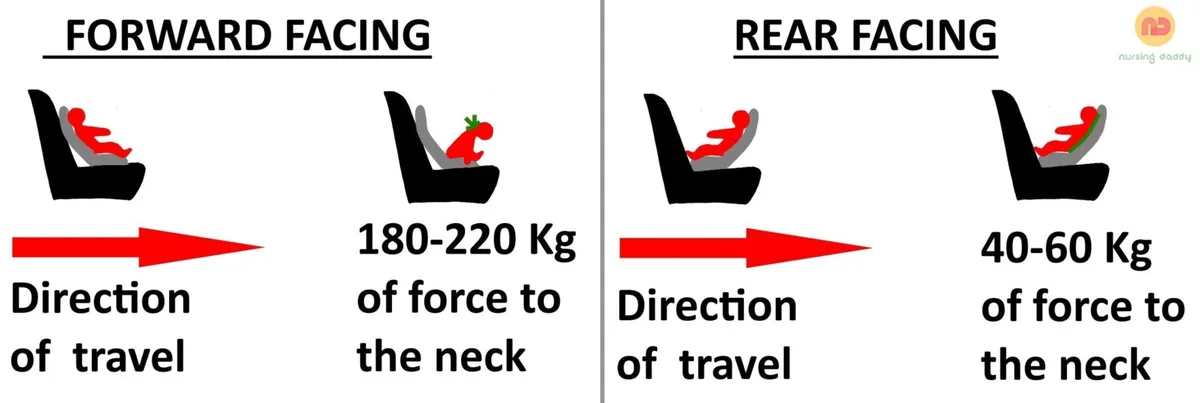
Image source: Bing (Web (fair-use with source credit))
How to Know Your Child and Seat Are Ready to Flip
You're ready to flip only when every box is ticked. If even one is missing, stay rear-facing. This is the single most important checklist in this guide.
- Age: child is at least 2 years old (best practice pushes toward 3 or 4)
- Weight: child has reached the seat's forward-facing minimum weight
- Height: child has reached the seat's forward-facing minimum height
- Seat limit: child has maxed out the rear-facing weight OR height limit
- Manual: your specific seat allows forward-facing at this size
Miss any one of these and you're not ready. Yes, it's that strict.
The Four-Part Checklist (Age, Weight, Height, Seat Limits)
Find the label on the side of your car seat. It lists rear-facing and forward-facing limits separately. Write those numbers down before you check your child.
Then measure your child's height and weight. Compare the numbers. The flip happens when rear-facing is no longer an option, and age 2 has passed.
Reading Your Car Seat Manual and Label the Right Way
The manual is the final word for your specific seat. Weight limits vary wildly. One convertible seat might rear-face to 40 pounds, another to 50.
Never assume your seat matches a friend's.
Keep the manual in the glove box or download the PDF. You'll want it again when you switch to a booster.
When Local Law and Best Practice Don't Match
Some US states legally allow forward-facing at age 1. That's the legal floor, not the safety recommendation. Following the law alone can leave your child under-protected.
When law and expert guidance disagree, follow the safer route. Rear-facing longer is always allowed.
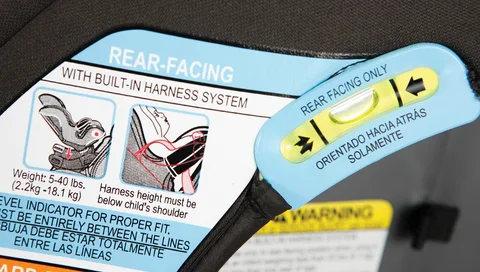
Image source: Bing (Web (fair-use with source credit))
Forward-Facing Setup: Getting the Install Right
Flipping the seat isn't the end of the job. Forward-facing installs have different rules than rear-facing ones. Get these wrong and the seat won't protect your child in a crash.
The biggest change is the top tether. On a forward-facing seat, the tether strap hooks to an anchor behind the seat. It stops the seat from pitching forward too far.
Next, the recline changes. Forward-facing seats sit more upright than rear-facing ones.
Finally, the harness slots move. On rear-facing seats, straps go at or below the shoulders. On forward-facing, they go at or above.
Recline, Harness Slots, and Chest Clip Positions That Change When You Flip
Adjust the recline to the forward-facing angle shown in the manual. Rethread the harness through the correct slots. Then check the chest clip sits at armpit level, never on the belly.
Why the Top Tether Isn't Optional
The top tether reduces head movement in a crash by a huge margin. Most seats require it for forward-facing use. Some parents skip it because the seat feels secure without it.
That's a mistake.
If your car has no tether anchor in the chosen spot, pick a different seating position. You can also have one retrofitted in many vehicles.
The 1-Inch Test and Other Install Checks
Grab the seat at the belt path and tug. It shouldn't move more than 1 inch side to side or front to back. Check the harness too.
You shouldn't be able to pinch any slack at the collarbone.
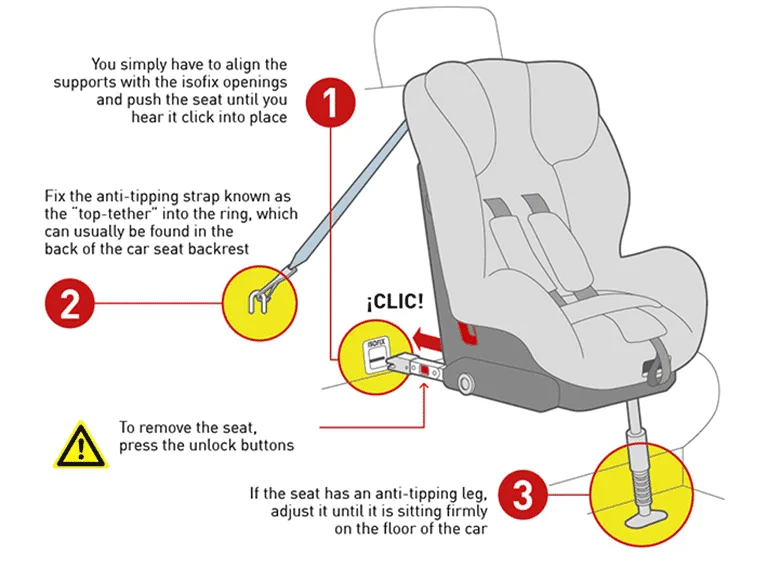
Image source: Bing (Web (fair-use with source credit))
Mistakes That Put Kids at Risk
Flipping early is the most common mistake, and it usually comes from outside pressure. A grandparent says the child looks squished. A friend flipped at 18 months.
Neither is a good reason to move your child before the seat's rear-facing limits are maxed out.
The AAP is clear that rear-facing past age 2 is safer, not spoiled. If a relative pushes back, you can politely point to the policy. Your child's spine doesn't care about opinions.
The second big mistake is skipping the top tether. It's not a decoration. On a forward-facing install, the tether is what stops the seat from pitching too far forward in a crash.
Flipping Too Early Because of Family Pressure
If your child is under 2, they stay rear-facing. No exceptions for car sickness, long trips, or leg complaints. Those are all manageable without sacrificing protection.
Skipping the Top Tether or Misreading Weight Limits
Read the label on the seat shell, not the box. Seats get updated, and secondhand seats may have outdated stickers. The top tether always goes on for forward-facing use.
A loose tether is nearly as bad as no tether. Pull it snug so the slack is gone.
Hand-Me-Down Seats, Expired Seats, and Unknown History
Car seats expire, usually 6 to 10 years from the manufacture date. The plastic weakens over time. A seat that's been in a crash should never be reused, even if it looks fine.
If you don't know the seat's history, don't use it. Free or cheap isn't worth the risk.
Regional Rules: US, UK, EU, Canada, and Australia at a Glance
Car seat law changes at the border, and the differences are real. The US leans on age-based minimums that vary by state. The UK and EU use the R129 (i-Size) standard, which regulates by height.
Canada and Australia have their own national rules.
Best practice, in every region, is the same. Keep them rear-facing as long as the seat allows, regardless of what's legal.
| Region | Minimum age for forward-facing | Primary standard |
|---|---|---|
| US | Varies by state (often 1 to 2 years) | FMVSS 213 |
| UK / EU | 15 months (R129) | UN R129 (i-Size) |
| Canada | Varies by province | CMVSS 213 |
| Australia | 6 months (state-dependent) | AS/NZS 1754 |
Legal Minimums vs. Expert Best Practice
Legal minimums are the floor, not the goal. The law tells you what's allowed, not what's safest. Follow the expert guidance when the two diverge.
i-Size, R129, and FMVSS 213 Explained Simply
FMVSS 213 is the US federal standard for car seats. UN R129, also called i-Size, is the newer European standard. It requires rear-facing until at least 15 months and regulates by height rather than weight.
When to Ask a Pro (And Where to Find One)
A Child Passenger Safety Technician (CPST) can check your install in about 30 minutes. Most inspections are free. You can find one through NHTSA's website or Safe Kids Worldwide.
The best time to book an inspection is right after you flip the seat. That's when installs go wrong most often. A tech will catch loose tethers, wrong harness slots, and bad recline angles.
Child Passenger Safety Technicians and Free Inspection Stations
Search for "car seat inspection station" plus your city. Many fire departments, hospitals, and police stations offer free checks. Some require an appointment, others take walk-ins.
Bring your child and your car. The tech needs to see the actual fit.
Signs You've Installed Something Wrong
If the seat moves more than 1 inch at the belt path, it's too loose. If the harness straps dangle off the shoulders, the slots are wrong. If the chest clip sits on the belly, it needs to move up.
If the seat reclines too far back or sits too upright, check the manual again.
Any one of these is a red flag. Fix it before the next drive.

Similar Posts































