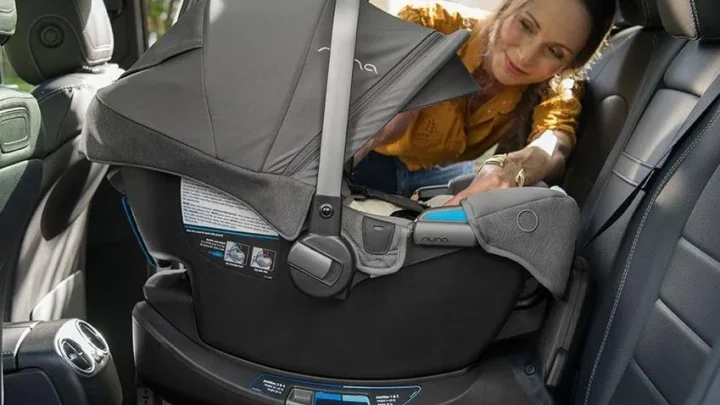
When Can a Baby Face Forward in a Car Seat?
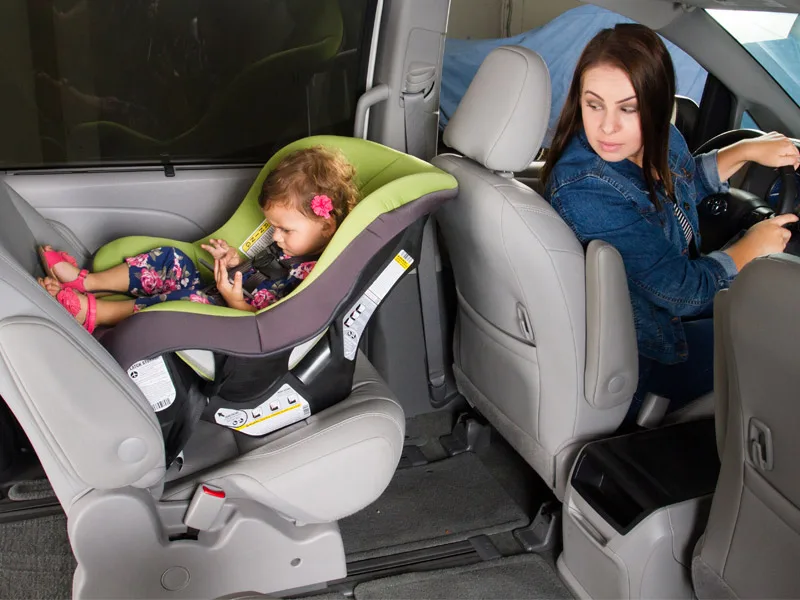
Most parents hear the same number: wait until age 2. It's good advice, but it's not the finish line. When can you turn a baby around in a car seat depends on a lot more than a birthday, including the child's weight, height, and the specific seat they're riding in.
The American Academy of Pediatrics now recommends keeping kids rear-facing until they hit the seat's height or weight limit, not just age 2. Per AAP guidance, that milestone varies widely between seats, so the real answer lives in your seat's manual. That's the piece most parents miss, so let's break down what actually triggers the change.
when can you turn a baby around in a car seat
You can turn a baby forward-facing when they reach their car seat's rear-facing height or weight limit, usually well after age 2. Most kids hit that limit between ages 2 and 4. Always check your seat's manual first.
State law is the minimum, not the goal.
The Short Answer and Why "Age 2" Isn't the Whole Story
Age 2 is the floor, not the ceiling. The AAP recommends rear-facing until a child reaches the maximum height or weight allowed by the seat's manufacturer. For many convertible seats, that's 40 to 50 pounds and up to 49 inches tall.
Rear-facing isn't punishment. It's physics. In a frontal crash, a rear-facing shell cradles the head, neck, and spine, spreading force across a much larger area.
A forward-facing child takes that same force on a still-developing neck.
The difference isn't small. Per NHTSA data cited by the CDC, child safety seats reduce the risk of fatal injury by about 71% for infants and 54% for toddlers in passenger cars. Direction matters to that outcome.
The age-2 rule got popular because pediatricians needed a simple, memorable marker. In reality, your seat's limits are the real trigger. Read them before you flip anything.
Image source: Bing (Web (fair-use with source credit))
The Two "Turning Around" Moments Parents Mix Up
These are years apart, and combining them into one decision causes real mistakes. Here's the split.
Rear-facing to forward-facing (the harness flip)
This is the one people mean by "turning around." You keep the same 5-point harness and rotate the seat to face the front. Most kids do this between 2 and 4 years old, based on seat limits.
Forward-facing to booster seat (years later)
This is a different milestone entirely. You remove the harness and switch to a belt-positioning booster. Most kids aren't ready until around age 5 or older, and often closer to 8 to 12, based on the seat belt fit.
The gap between these two moments is where parents get confused. Turning forward-facing does not mean booster-ready. Those are separate checks, and you should treat them that way.
What Actually Decides When It's Safe
Four things decide it: age, weight, height, and seat design. Age sets a floor, and the other three set the real line.
Age: your floor, not your finish line
The AAP says at least 2, and longer if your seat allows it. Some states now require rear-facing until 2. So age gets you to the starting line, never past it.
Weight and height limits on your specific seat
Every seat has its own rear-facing limits. Manufacturer specs confirm a wid range, roughly 30 to 50 pounds on convertibles and up to 49 inches tall on extended rear-facing models. Your manual is the authority.
The 1-inch rule and shoulder slot position
Use the 1-inch rule. There should be at least 1 inch of shell above your child's head when rear-facing. If there's less, they've outgrown that direction.
On harness slots, they go at or below the shoulders for rear-facing. Forward-facing, slots sit at or above the shoulders. Get this wrong and the harness won't hold the child correctly in a crash.
Airbag safety and why the front seat is off the table
Never put a rear-facing seat in front of an active airbag. The force of a deploying airbag can cause fatal injury to a rear-facing child. The back seat is the only safe spot until the teen years.
State law vs. AAP best practice
State law sets the minimum. AAP guidance usually exceeds it. If you follow only the law, you might turn your child earlier than is safest.
Best practice is to match your seat's limits, not the statute.
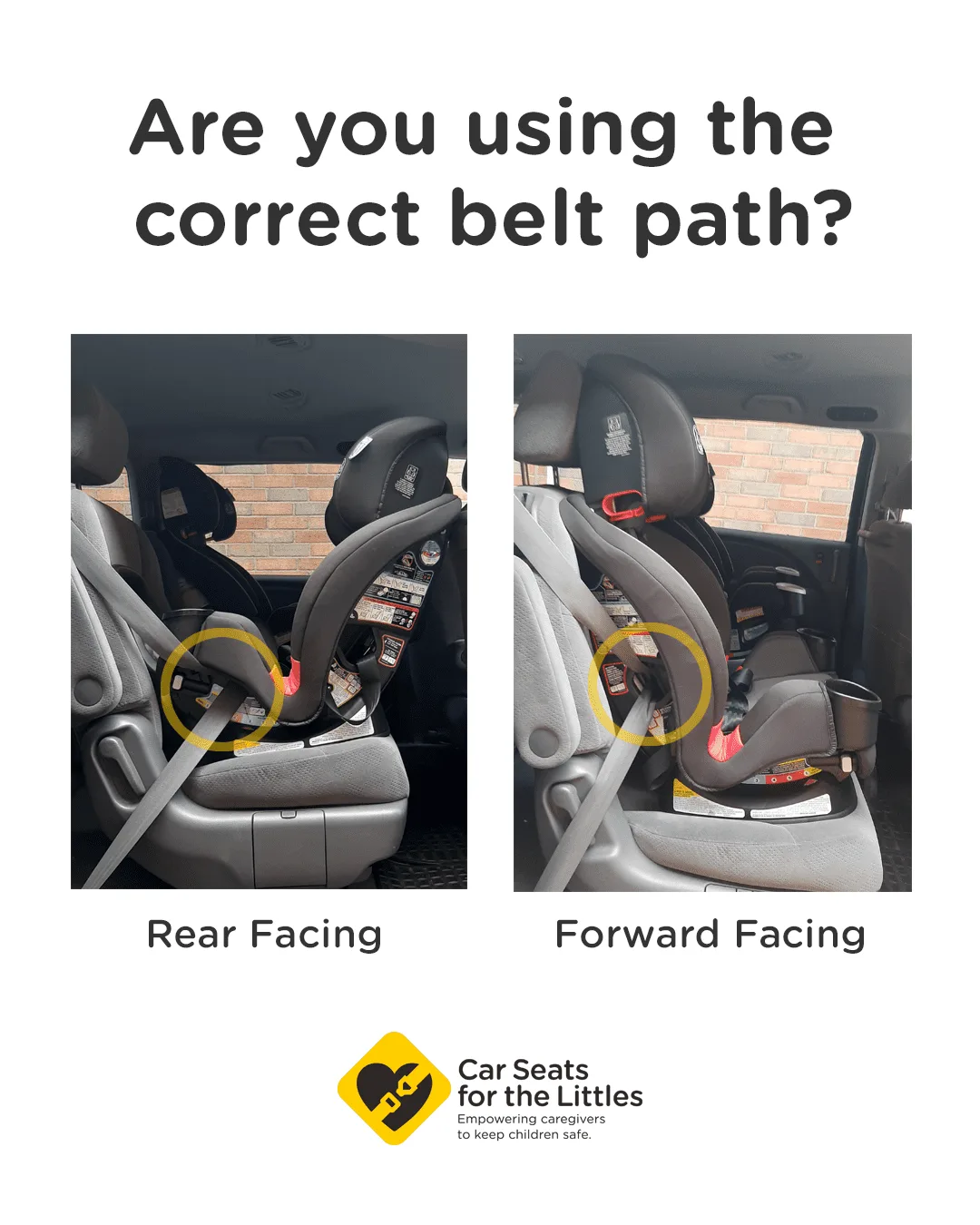
Image source: Web (Bing) / rivieradeifiori.org (Web image (fair-use with source credit))
How to Flip the Seat the Right Way
Installing forward-facing is not a mirror of rear-facing. The belt routing, tether, and recline all change.
- Read the seat manual and your vehicle manual first. Both matter.
- Reroute the seat belt or lower anchors for forward-facing.
- Attach the top tether. Don't skip it.
- Adjust the recline to the forward-facing angle shown in the manual.
- Move the harness to at or above shoulder level.
- Tighten the harness so you can't pinch slack at the shoulder (the pinch test).
- Position the chest clip at armpit level.
- Get the install checked by a Child Passenger Safety Technician (CPST).
The top tether is the step people skip most. Per FMVSS 225, most forward-facing harness seats are designed for tether use, and it reduces how far the head moves forward in a crash. Your manual will say it's required.
Treat "required" as exactly that.
Once it's installed, test the seat. Grab the belt path and give it a firm shake. Movement should stay under 1 inch side to side and front to back.
If it slides more, tighten again and recheck.
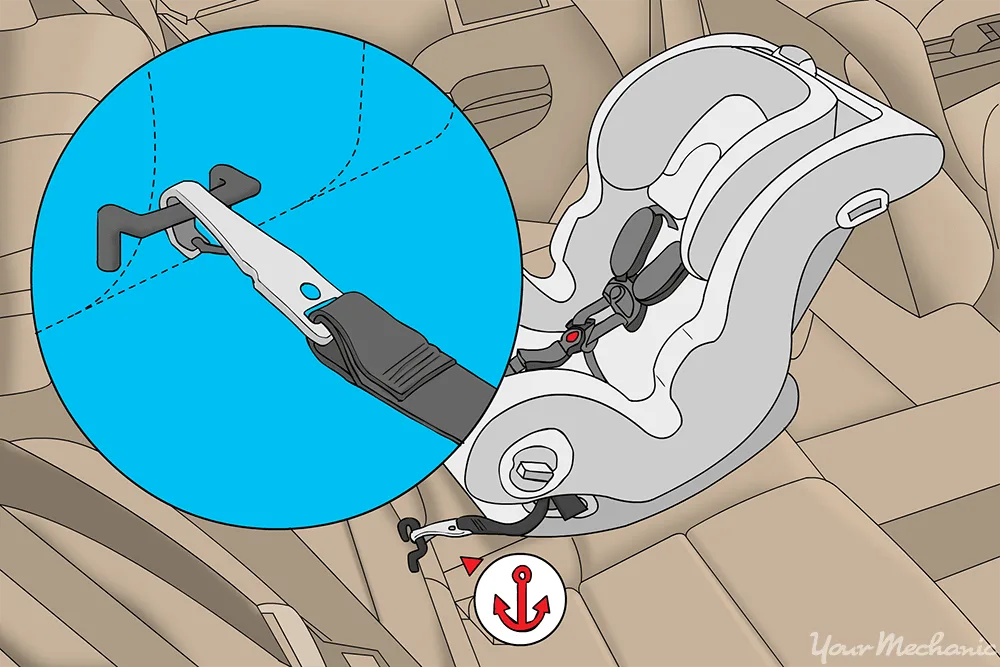
Image source: Web (Bing) / tcorollacross.com (Web image (fair-use with source credit))
Mistakes That Put Kids at Risk
Most car seat errors aren't dramatic. They're small oversights that add up in a crash.
- Flipping early for comfort or legroom. Kids can be rear-facing with bent legs. Bending isn't a sign of danger.
- Bulky coats under the harness. The coat compresses in a crash, leaving the harness too loose. Buckle the coat over the harness instead.
- Aftermarket inserts and padding. Anything not sold with the seat can void its certification and change how it performs.
- Skipping the top tether on forward-facing installs.
- Confusing "forward-facing ready" with "booster ready."
The last one trips up a lot of parents. A child can be forward-facing in a harness at 3 and still years away from booster readiness. They're separate milestones with separate tests.
State Laws, EU Rules, and What "Legal" Really Means
Legal and safe aren't the same thing. State law sets the minimum, and best practice usually sits well above it. As of 2026, most US states require rear-facing until at least age 1, and a growing number require it until 2.
A few states defer entirely to the manufacturer's instructions, which quietly makes your seat manual the legal standard. That catches parents off guard. If your state says "per manufacturer," an early flip is a violation, not just a bad habit.
The EU runs on a different framework. The i-Size regulation (ECE R129) requires rear-facing to at least 15 months. Sweden goes further, with a cultural norm of rear-facing to age 4 or beyond.
If you're traveling with a rental car or rideshare, the same rules follow the child, not the vehicle. Plan ahead. Many rental companies can't guarantee an appropriate rear-facing seat at short notice.
| Region | Rear-facing minimum | Notes |
|---|---|---|
| Most US states | Age 1 to 2 | Varies by state |
| "Per manufacturer" states | Seat's manual limit | Manual becomes law |
| EU (i-Size, ECE R129) | 15 months | Rear-facing required |
| Sweden / Nordic | Age 4+ | Cultural best practice |
When to Move to a Booster and the 5-Step Fit Test
A booster is a belt-positioning seat, not a harness. Your child is ready when the harness seat's limits are outgrown and the seat belt fits properly on its own. Most kids hit that around 8 to 12 years old, or near 4'9" tall.
The 5-step test is the standard check. Run it in the actual seating position your child uses.
- Step 1: The child sits all the way back against the seat back.
- Step 2: Knees bend naturally over the edge of the seat cushion.
- Step 3: The lap belt sits low across the upper thighs, not the stomach.
- Step 4: The shoulder belt crosses the middle of the shoulder and chest, never the neck.
- Step 5: The child can stay seated correctly for the whole trip.
All five need a yes. Miss even one, and you go back to a booster. Some states allow backless boosters once a high-back's head support isn't needed, but only when the vehicle headrest supports the head correctly.
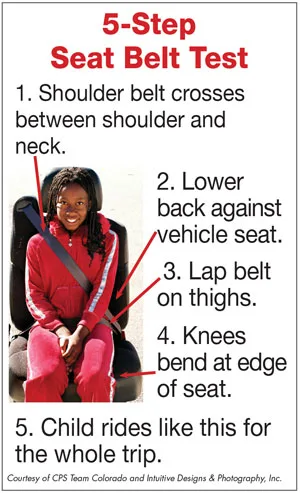
Image source: Bing (Web (fair-use with source credit))
Shopping for a Seat That Delivers Longer Rear-Facing
Convertible and all-in-one seats decide how long you can stretch rear-facing. If you want to keep your child rear-facing toward 4, buy a seat with high rear-facing limits. Extended rear-facing models commonly go to 40 to 50 pounds and 49 inches.
Check two specs before you buy. The rear-facing height limit, and the seated head clearance the seat allows. A tall seat with a low shell height will force an early flip, no matter the weight limit.
A no-rethread harness saves time as your child grows. Height-adjustable headrests and side-impact protection typically appear on higher-tier seats. They aren't safety requirements, but they make the fit easier to get right.
Seats also expire. Most have a lifespan of 6 to 10 years from the manufacture date. An expired seat may not have been tested against current standards, so check the label before you pass one down.
Get the Install Checked by a CPST
A Child Passenger Safety Technician is a certified inspector for exactly this task. They'll verify your harness routing, recline, tether, and fit in about 20 to 30 minutes. Most inspections are free.
Search for a local inspection station through Safe Kids Worldwide or your state highway safety office. Many fire departments and hospitals run regular car seat check events.
Bring the child, the seat, and your vehicle. The tech needs all three to check fit. Bring the manual too if you still have it.
Common issues a CPST finds include a loose install, a chest clip at the belly instead of the armpits, and a harness that's too loose to pass the pinch test. Most installs have at least one problem.
Frequently Asked Questions
Can I turn my baby around at age 2?
Age 2 is the minimum, not a target. Only turn your child forward-facing once they've reached the rear-facing height or weight limit printed in your seat's manual. If the seat still fits them rear-facing, keep them that way.
What if my toddler's legs touch the back seat?
Bent legs are not a safety problem. Kids sit cross-legged or with knees bent all the time rear-facing. Never turn a child forward-facing just because their legs look cramped.
Is it legal to keep a child rear-facing past age 2?
Yes. Every US state allows rear-facing beyond the minimum. Keeping your child rear-facing longer than the law requires is safer and never a violation.
What's the difference between forward-facing and a booster?
Forward-facing uses the seat's 5-point harness. A booster uses the vehicle's own seat belt to hold the child. Boosters skip the harness, so the seat belt has to fit correctly on its own.
How do I know when my child has outgrown the rear-facing seat?
Two checks. The child hits the seat's rear-facing weight or height limit, or there's less than 1 inch of shell above their head. Either one means it's time to flip or switch seats.
Your Decision Guide: A One-Page Checklist
Work down this list before you flip the seat. If any answer is no, keep the child rear-facing.
- Does the child meet the seat's minimum age for forward-facing?
- Have they hit the seat's rear-facing weight limit?
- Have they hit the rear-facing height limit?
- Is there less than 1 inch of shell above their head?
- Does your state law allow forward-facing now?
- Can you attach the top tether in your vehicle?
- Have you moved the harness to at or above shoulder level?
- Has a CPST checked the install?
A yes across the board means you're ready. A no anywhere means wait, or fix the setup first. When in doubt, keep them rear-facing.
There's no safety penalty for waiting.

Similar Posts