Where Should a Baby Car Seat Go? Safe Placement Tips
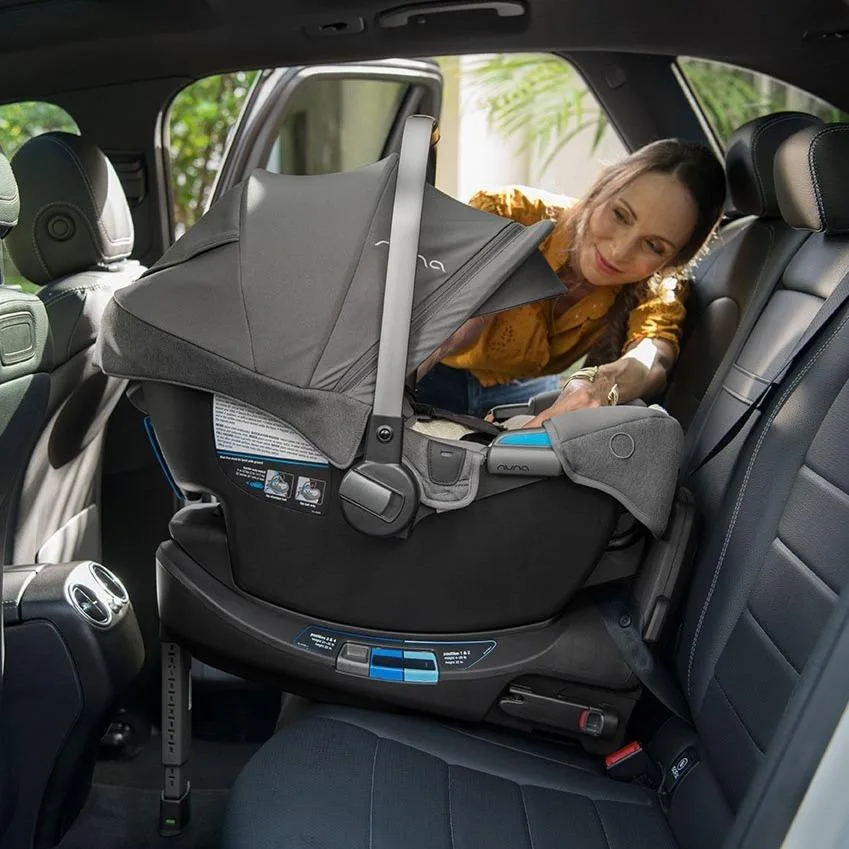
Your baby's car seat has one right place in the car, and it isn't up for debate. Federal crash data and every major child safety body point to the same answer: back seat, never in front of an active airbag, center position when it fits properly. So where should baby car seat be placed?
The short version: rear seat, ideally the middle, and always where you can get a rock-solid install.
But "center of the back seat" gets messy fast in real vehicles. Some cars don't allow a car seat in the center. Some humps and seat contours make the install wobbly.
Per FMVSS 213, the federal standard governing child restraint systems, what matters most isn't just position. It's whether the seat stays tight. Here's how to figure out the safest spot for your car.
where should baby car seat be placed
The baby car seat belongs in the back seat. The center rear position is safest when it installs tightly. If the center won't work, use an outboard rear seat.
Never place a rear-facing seat in front of an active airbag. Put it where the install is tight.
The One Rule That Overrides Every Other Placement Question
Never install a rear-facing car seat in front of an active front passenger airbag. That's the rule. Everything else is a preference, and this one is a hard line.
Here's why it matters. Front airbags deploy in about 30 milliseconds, inflating at 100 to 220 mph. That force is designed to protect an adult chest and head.
Against a rear-facing infant's head, it's lethal. NHTSA has documented infant deaths from exactly this scenario for decades.
So if you're tempted to put the carrier up front "just for this one trip," don't. The back seat isn't a suggestion. It's the entire safety premise.
One narrow exception exists. Some two-seater vehicles have a manual airbag on/off switch. If the switch disables the airbag, and the vehicle truly has no rear seat, a rear-facing seat may go up front.
That's it. That's the only carve-out. Everything else stays in back.
Image source: Bing (Web (fair-use with source credit))
Center Rear vs. Outboard: Which Back Seat Position Is Actually Safer
The center rear position usually wins. It gives your baby the most crash buffer on both sides. In a side-impact crash, the center keeps the child furthest from the point of intrusion, and that matters because side impacts kill more kids than any other crash type.
But "usually" is doing real work in that sentence. Aggregate data on the center position shows a consistent safety edge in most crash configurations. It doesn't show a magic percentage that applies to every car, every seat, and every install.
So treat it as a strong default, not a guarantee.
Here's the honest decision logic:
- If the center installs tightly, use the center.
- If the center installs loosely, or your vehicle manual bans it, use an outboard position.
- If you have two kids and three seats won't fit across, outboard positions are your only realistic option.
- If your child needs constant monitoring or has medical needs, outboard behind the passenger seat can be reasonable.
A tight install in an outboard seat beats a sloppy install in the center every single time. That's the trade you're actually making. Position is a factor.
Fit is the foundation.
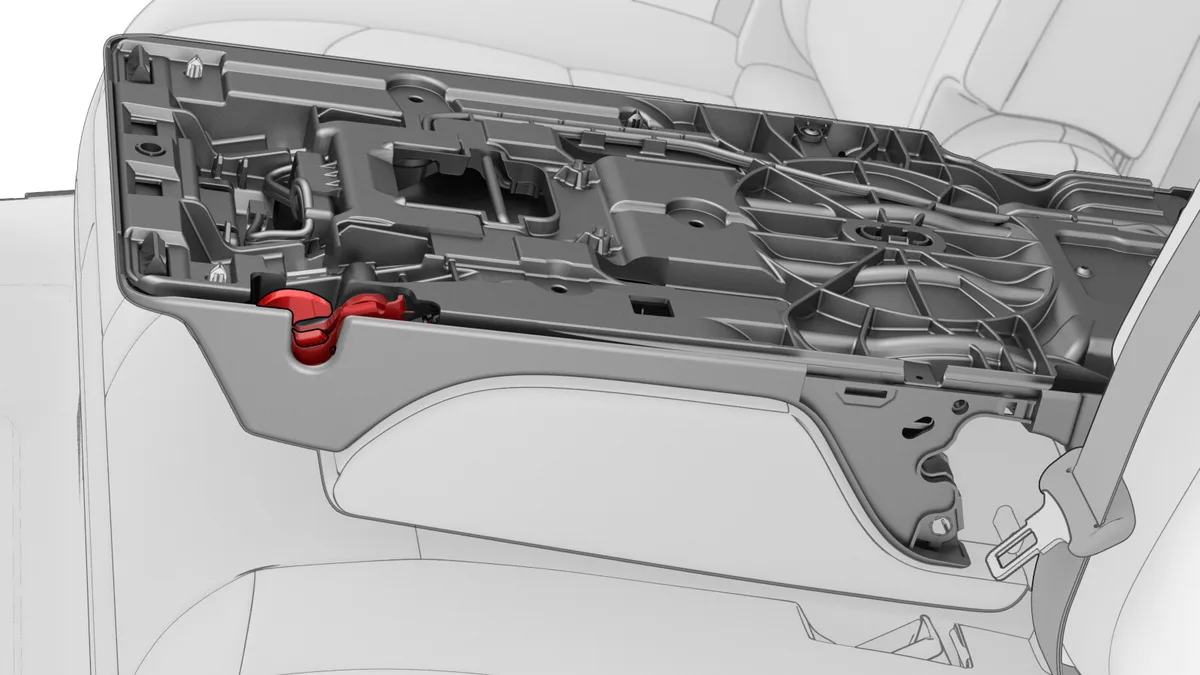
Image source: Bing (Web (fair-use with source credit))
Checking Your Vehicle: LATCH, Tether Anchors, and Center-Seat Limits
Not every center seat has LATCH anchors. This trips up a lot of parents, and the mistake is dangerous. LATCH (Lower Anchors and Tethers for Children) is the anchor system built into vehicles to hold car seats without the seat belt.
Lower anchors are the metal bars in the seat bight. The top tether anchor is the strap point behind or above the seat.
Many vehicles only put lower anchors in the two outboard positions. So if you want the center, you may need a seat belt install. That's fine.
A seat belt install is just as safe when done correctly.
What you must not do is "borrow" anchors. That means using the innermost lower anchor from each outboard position to install in the center. Some older manuals allowed it.
Most current ones don't. If your manual is silent, don't do it.
Check these three things before you install anything:
- Read your vehicle owner's manual's child restraint section. It lists approved seating positions.
- Read your car seat manual. It lists weight and height limits for LATCH versus seat belt.
- Check the LATCH weight limit. Most lower anchors are rated to 65 lbs combined child plus seat weight.
Once your child and the seat together exceed that limit, you switch to a seat belt install with the top tether. That switch is mandatory, not optional. Per NHTSA guidance, the top tether is required for forward-facing seats in nearly all cases, and skipping it increases forward head movement in a crash.
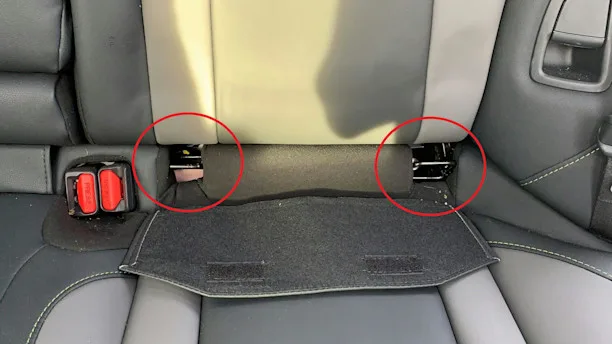
Image source: Bing (Web (fair-use with source credit))
How to Get a Tight Install in the Position You Choose
A tight install is the whole game. The test is simple: less than 1 inch of movement at the belt path, side to side and front to back. Grab the seat near where the belt or LATCH strap runs, not at the top of the shell.
Push and pull firmly. If it moves an inch or less, you're good.
Here's the sequence that works, whether you're using LATCH or the seat belt:
- Identify the belt path on the car seat (rear-facing and forward-facing paths differ).
- Route the LATCH strap or thread the seat belt through the correct path.
- Push down hard on the seat with your body weight while tightening.
- For rear-facing infant seats, check the recline angle indicator.
- For forward-facing seats, attach and tighten the top tether.
- Retest for movement at the belt path.
A few things that quietly ruin installs. The front seatback reclining into the car seat. A headrest that lifts the forward-facing seat off the vehicle seat.
A center hump that tilts the seat base. Long buckle stalks that let the belt creep loose. Cupholders or storage bins that block the belt path.
If the center seat won't cooperate after two or three honest attempts, move outboard. Don't fight a losing install for the sake of the "best" position. A certified Child Passenger Safety Technician (CPST) can inspect your setup for free at most fire stations and inspection events, and that's worth doing once regardless.
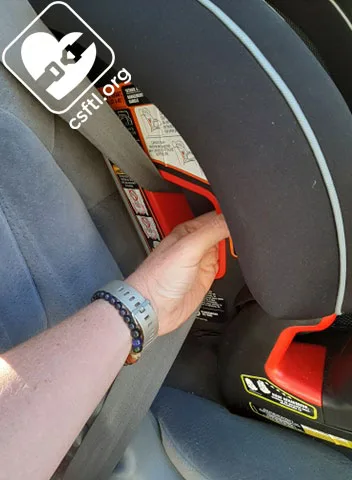
Image source: Bing (Web (fair-use with source credit))
Placement Mistakes That Put Your Baby at Risk
The most dangerous mistake is using the front seat with an active airbag. It's also the most tempting one, because a crying baby is hard to ignore. NHTSA and the American Academy of Pediatrics both list this as a leading cause of preventable infant death in crashes.
Close behind that one: a loose install you never recheck. Kids climb in and out, seat belts loosen, and LATCH straps stretch over time. Recheck tightness every few weeks and before any long trip.
Other common errors our research keeps surfacing:
- Reclining the front seat back into a rear-facing seat, which tilts the install angle.
- Using both LATCH and the seat belt together, which most manuals prohibit.
- Borrowing the two inner lower anchors to install in the center.
- Skipping the top tether on a forward-facing seat.
- Forgetting that car seats expire, typically 6 to 10 years from the manufacture date.
- Never registering the seat, so you miss recall notices.
Each of these looks minor. Together they're why so many car seats fail real-world crash compatibility tests.
When the Front Seat Becomes the Only Option (and How to Do It Safely)
The front seat is only an option when there is no rear seat at all. That means a two-seater, a single-cab pickup, a classic car, or certain sports cars. If your vehicle has a back seat, the front stays a strictly forbidden zone for anyone under 13.
If you drive a two-seater, the vehicle must have a manual airbag on/off switch. First, turn the airbag off with the ignition key or the switch labeled specifically for this purpose. Second, check the seat manual for front-seat approval.
Some seats permit it, some don't.
Third, slide the seat back as far as it will go. That distance buys you precious inches in a crash. Fourth, install the seat per the manual, using the seat belt if LATCH isn't available.
Rear-facing seats still face rearward, even in a two-seater.
Some modern vehicles use occupant detection sensors instead of manual switches. These may auto-disable the airbag if a child seat is detected. Don't trust the sensor alone.
Follow the manual's explicit instructions and verify the airbag status light.
One final point. If you drive a pickup with jump seats or a tiny extended cab, check the manual. Many small rear cabs don't accept car seats at all.
In that case, the front seat with a deactivated airbag may be your only legal option, but only if the seat and vehicle both allow it.
Placement FAQs Parents Actually Ask
Is it illegal to put a car seat in the front seat?
Yes, in most U.S. states it's illegal to place a rear-facing car seat in front of an active airbag. State laws vary, but the safety rule is universal. Only use the front seat when the vehicle has no rear seat and the airbag is deactivated.
Does a car seat have to go in the middle?
No. The center rear is safest when it installs tightly, but it isn't required. An outboard seat with a solid install is safer than a loose center install.
Follow your vehicle manual's approved positions.
Can I put two car seats in the same row?
Yes. Most vehicles accept two outboard car seats in a single row. Three-across installs are possible in wide benches, but check that each seat stays tight.
Narrow car seats and belt-only installs help.
What if the center seat has no LATCH anchors?
Use the seat belt. A seat belt install is just as safe as LATCH when the belt path is correct and the seat moves less than 1 inch. Don't borrow outboard anchors for a center install unless the manual permits it.
Do I need a top tether for a rear-facing seat?
It depends on the seat. Some rear-facing seats allow or require a top tether, often routed in a specific way. Check your car seat manual.
For forward-facing seats, the top tether is almost always required.
How often should I recheck the install?
Check monthly and before every long trip. Also check after cleaning the car, moving seats, or letting kids climb around. Tightness drifts.
Catching that drift is far easier than repairing a bad install in a parking lot.
The Bottom Line: Position Matters, but Fit Matters More
Center rear is the safety target. Rear seat, never the front. That's the rule set, and it doesn't shift based on your car's color or your kid's mood.
What shifts is whether your specific vehicle and specific seat can actually achieve a tight install in the center.
If they can, use the center. If they can't, go outboard and don't second-guess it. A certified CPST inspection takes twenty minutes and is free at thousands of locations across the country.
NHTSA's inspection station locator makes finding one easy.
Rear-facing as long as the seat allows. Back seat until at least 13. Top tether on every forward-facing install.
Register the seat. Recheck tightness monthly. Those five habits carry more weight than any placement debate, and they're the ones worth building into your routine.

Similar Posts