Best Car Seats for Babies Who Hate the Car
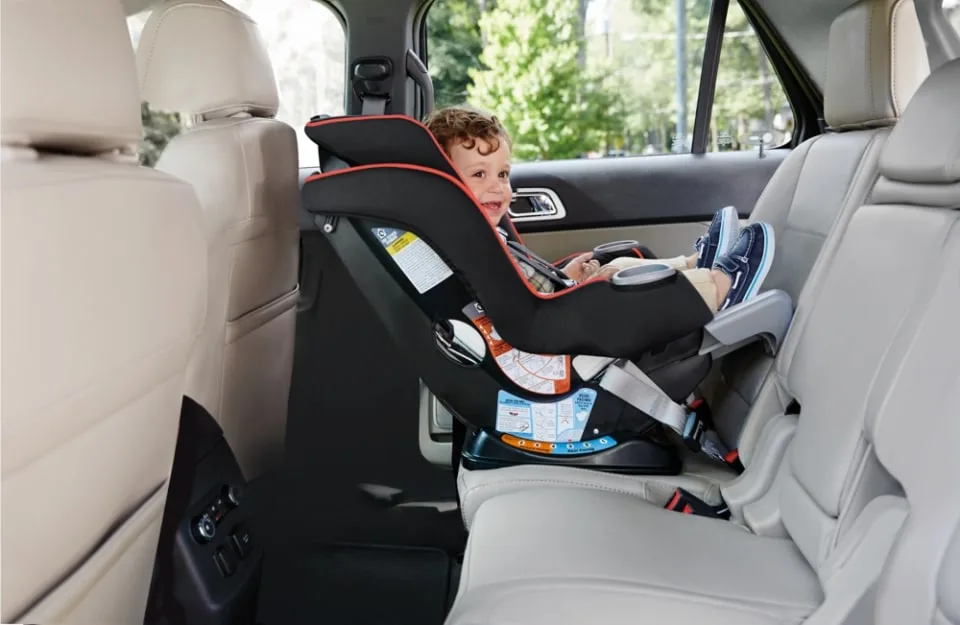
If your baby screams the second the buckle clicks, you've probably typed "best car seat for baby who hates car" into a search bar at 2 a.m. hoping something, anything, will fix it. Here's the honest answer we've found after digging through safety research and parent reports: the seat itself is usually not the problem. In most cases, the baby hates the ride because of recline angle, harness fit, or overheating, not the brand name on the shell.
And that matters, because Fixing a crying baby is tempting, but fixing it the wrong way can put your baby at risk. Every car seat sold in the US must meet FMVSS 213, the federal safety standard, and product comparisons don't change that. What changes is how well the seat fits your baby and your car.
So before you spend $300 on a new seat, let's walk through what's actually going on, step by step.
best car seat for baby who hates car
There's no single best car seat for this, because a rejecting baby usually needs an adjustment, not a new seat. Check recline angle first, then harness fit, then heat. If your baby is outgrowing their bucket seat, a convertible with a wide recline range often solves it.
Per AAP guidance, keep them rear-facing until at least age 2 regardless.
Why Hates the Car Is Rarely About the Seat Itself
Most parents assume the seat is uncomfortable, so they start shopping. In our review of safety guidance and parent forums, three factors come up again and again, and none of them are brand-related. Recline angle, harness fit, and heat account for the vast majority of "my baby hates the car" complaints.
Here's the thing: a car seat is a safety device, not a lounge chair. Manufacturers design rear-facing seats with specific angles to protect the airway and spine. When the angle is off, a baby's head flops forward or their chin drops toward their chest.
That's uncomfortable and, in some positions, restricts breathing.
Image source: Bing (Web (fair-use with source credit))
The three real culprits
- Recline angle. Too upright causes head slump, too flat aggravates reflux. Newborns typically need 30 to 45 degrees.
- Harness fit. Straps that are too tight, too loose, or positioned wrong dig into shoulders and thighs.
- Heat. Dark fabric in a parked car can hit 120°F or higher, and babies overheat fast.
Why swapping seats usually doesn't fix it
If your current seat is installed incorrectly, a new one will be too. Recline and harness problems follow the seat, not the box it came in. Aggregate user reviews show the same seat gets five stars from one parent and one star from another, often because of install differences, not manufacturing defects.
When a new seat genuinely helps
If your baby is maxing out the bucket seat's height or weight limits, or if their current seat has a fixed recline that doesn't suit them, upgrading makes sense. That's the scenario where the question becomes about the seat again. Otherwise, tune what you have first.
Recline Angle: The Fix That Solves Half of These Cases
Recline is the number-one thing to check, and it's free to fix. Per NHTSA installation guidance, every rear-facing seat has a built-in indicator, a ball, bubble, or line, that tells you whether the angle is right. If your baby hates the car and the indicator is off, you've likely found your answer.
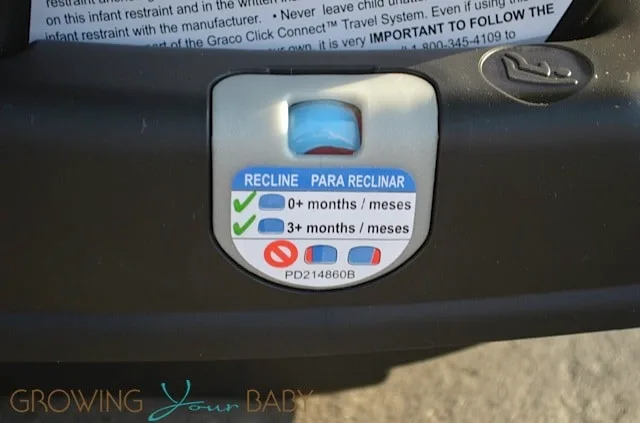
Image source: Bing (Web (fair-use with source credit))
How to read your seat's recline indicator correctly
Every seat uses a slightly different system, so check your manual first. A ball-in-track indicator needs the ball inside the marked zone. A bubble level needs the bubble centered.
A line indicator needs the line parallel to the ground. If you're not sure, park on flat ground and re-check.
Newborn vs. older baby recline
Newborns need a fairly flat recline, usually 30 to 45 degrees, to protect their airway. As babies gain head control, around 4 to 6 months, you can move the seat slightly more upright. Going too upright too early is a common mistake that causes head slump and crying.
| Baby's Stage | Typical Recline Range | Why It Matters |
|---|---|---|
| Newborn (0–3 months) | 40–45° | Keeps airway open, prevents chin drop |
| 3–6 months | 35–40° | Balances comfort with head control |
| 6+ months | 30–35° | More upright, better view, less fussing |
The reflux trade-off
If your baby has reflux, a flatter recline can make spit-up worse. If they slump forward, a more upright angle risks airway issues. Finding the middle usually means testing two or three positions on short drives.
Check with your pediatrician if reflux is severe.
Adjust recline before installing
Adjust the recline while the seat is loose, then tighten the install. Once the seat is locked in with LATCH or the seatbelt, changing recline gets awkward. Follow the manual's order, and re-check the indicator after every install.
Harness Fit and the Aftermarket Trap
A loose or badly routed harness is a safety problem first and a comfort problem second. The pinch test is the simplest way to check: buckle baby in, tug the strap at the shoulder, and pinch. If you can grab slack, it's too loose.
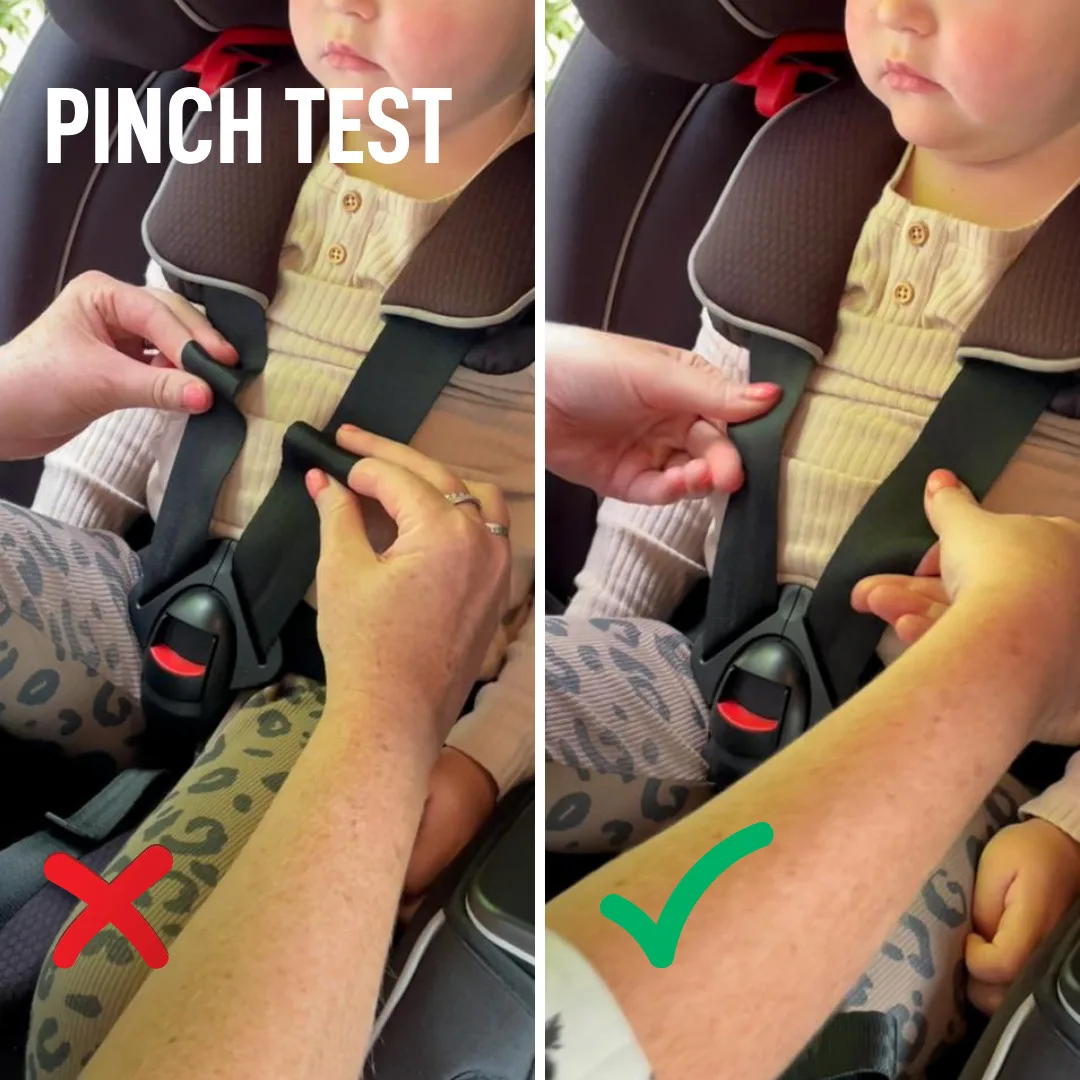
Image source: Bing (Web (fair-use with source credit))
The pinch test and inch test in plain English
For the harness, pinch at the collarbone. No slack means it's right. For the install, grab the seat at the belt path and wiggle.
Less than 1 inch of movement is the target. More than that, tighten and re-check.
Crotch strap position and thigh pressure
Many seats have two or three crotch strap slots. Using the wrong one pulls the buckle into the baby's thighs or groin. Switch slots as baby grows.
Manufacturer specs usually list the position for each weight range.
Why aftermarket products make things worse
Head supports, strap covers, and rolled towels are not tested with your seat. They can interfere with the harness and are considered unsafe by NHTSA and the AAP. They also often make babies hotter, which increases crying.
What "newborn insert" actually means
If your seat came with a newborn insert, use it only as the manual directs. Remove it once your baby hits the weight or height limit listed. After that, it pushes the baby forward and changes the harness geometry.
When a Different Seat Is the Right Move
If you've fixed recline, harness, and heat, and your baby still screams, or if they're outgrowing the seat, it's fair to look at new ones. Focus on the specs that actually matter for a baby who hates the car, not marketing copy.
Bucket seat vs. convertible from birth
Bucket seats are easier for quick errands, since you can carry the whole seat inside. But many babies outgrow them by 9 to 12 months. Convertibles from birth fit longer and often have a wider recline range, which helps fussy babies.
| Factor | Bucket Seat | Convertible from Birth |
|---|---|---|
| Weight range | 4–35 lbs typical | 4–50 lbs rear-facing typical |
| Recline range | Fixed or 2–3 positions | Multi-position, wider range |
| Portability | Lift and go | Stays in car |
| Lifespan | 1–2 years | 4–6 years |
| Best for | Frequent short trips, transfers | Long-term value, wider recline |
What to look for
- Recline range. Multi-position recline gives you room to tune.
- Seat depth. Shallower seats suit smaller babies better.
- Harness. No-rethread harnesses are easier to adjust as they grow.
- Fabric. Mesh and light colors run cooler.
- Weight of the seat. Lighter seats are easier on your back.
Best fits by situation
For hot climates, mesh fabric and light colors matter most. For reflux, look for a seat with a moderate recline range. For long road trips, prioritize seat depth and head support built into the shell.
Trial rides matter more than any spec sheet.
Calming Strategies That Work Alongside the Seat
Seat setup fixes half the problem. The other half is the ride itself. These strategies are low-risk and worth trying before you assume a new seat will help.
White noise, mirrors, and motion transfer
White noise apps can mask road hum, which some babies find overstimulating. A back-seat mirror lets you see if the problem is head flop rather than pure fussiness. And if your baby falls asleep in the car, use a travel system or a car-seat-compatible stroller to keep them asleep during transfer.
Trial rides
Pick a short, low-stakes route and drive it at different times of day. Note what changes: temperature, hunger, nap timing, recline. After three or four attempts, a pattern usually emerges.
If it doesn't, the crying may be developmental, not seat-related.
What to skip
Don't add rolled towels under the baby, strap covers, or aftermarket inserts. Don't loosen the harness to make it feel comfier. And don't turn the seat forward-facing early.
All three are common reactions that create real risk without fixing the crying.
Mistakes That Make Car Rides Worse, and Sometimes Unsafe
Some reactions are understandable but dangerous. Loosening the harness because your baby arches and cries is one of them. A loose harness lets a baby slip forward in a crash.
Keep it snug, then look for the real cause, whether that's heat, recline, or timing.
Turning the seat forward-facing early is another common "fix." Per AAP guidance, rear-facing until at least age 2 protects the spine and neck. Forward-facing infants face higher injury risk. The crying is temporary.
The safety trade is permanent, so don't make it.
What about bulky coats and expired seats?
Bulky coats create slack under the harness, which defeats the snug fit. Use a thin layer, then buckle, then add a blanket over the top. Expired seats and crash-replaced seats also undermine safety, even if they look fine.
Check the label for the expiration date and replace after any moderate or severe crash.
Why the free seat check matters
Small install errors are invisible to most parents. A CPST catches them in minutes. Skipping the check is one of the easiest mistakes to avoid, and it costs nothing.
We'll cover how to book one next.
When to Get a Professional Fit Check, and What to Bring
A CPST inspection is the fastest way to confirm your install is right. These technicians are certified through Safe Kids Worldwide and trained on every seat type. Most inspections take 20 to 30 minutes and are free.
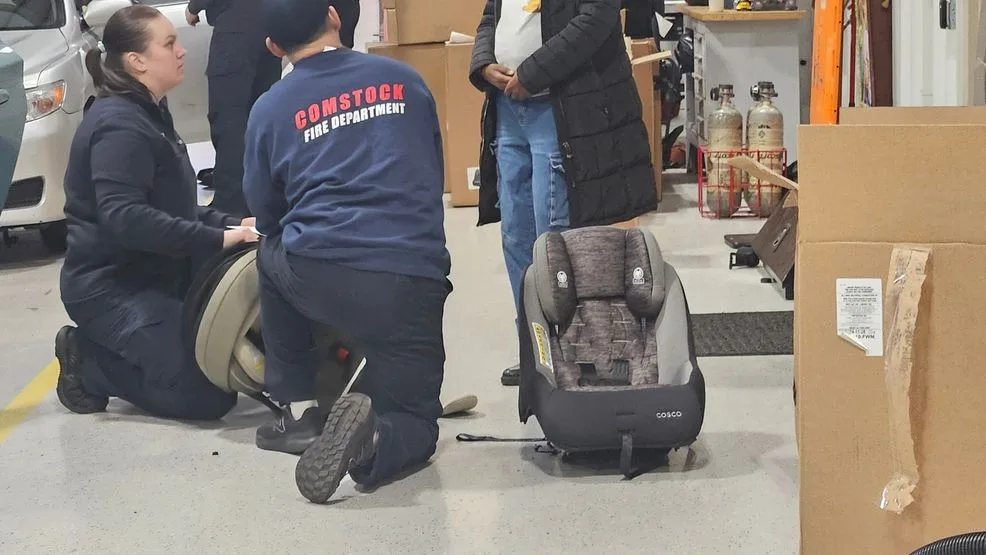
Image source: Bing (Web (fair-use with source credit))
What a CPST actually does
They check the recline angle against the manual, verify the harness routing, and test install tightness at the belt path. They also spot aftermarket add-ons that need to go. If your seat is incompatible with your car, they'll tell you why.
Where to find free inspections
- Fire stations and hospitals often host regular seat check events.
- Safe Kids Worldwide lists local inspection stations by ZIP code.
- Some car seat manufacturers offer virtual checks via video call.
- NHTSA maintains a searchable list of inspection locations.
NHTSA recall check and expiration dates
Before your inspection, look up your seat's model and manufacture date on the NHTSA recall database. Bring the manual too. Expired seats, typically past 6 to 10 years depending on the model, should be replaced regardless of condition.
| What to Bring | Why It Helps |
|---|---|
| Car seat manual | Confirms recline and harness rules |
| Vehicle owner manual | Shows LATCH positions and limits |
| Baby (if possible) | Lets the CPST check actual fit |
| Seat's model and DOM label | Verifies recall status |
FAQs
Do I need a new seat if my baby screams every ride?
Probably not. Fix recline, harness fit, and heat first. In our research, most crying cases trace back to setup, not the seat itself.
Only shop for a new seat if your baby is outgrowing their current one or the seat lacks the recline range they need.
Is a convertible seat better than a bucket seat for a baby who hates the car?
It can be. Convertibles typically offer a wider recline range and fit babies longer, which helps fussy riders. Bucket seats win on portability for quick errands and transfers.
Pick based on your driving patterns, not just the crying.
Can I add a head support or insert to make the seat comfier?
No. Aftermarket inserts, head supports, and strap covers are not tested with your seat. NHTSA and the AAP warn against them.
They can interfere with the harness and often make babies hotter. Use only the newborn insert that ships with your seat, and remove it per the manual.
At what age can I turn my baby forward-facing to stop the crying?
Age 2 is the minimum per AAP guidance, and longer is safer. Many seats allow rear-facing to 40 or 50 pounds. Turning early raises injury risk in a crash, so it's not a valid fix for fussiness.
Solve the crying through fit, recline, and ride strategies instead.
How do I know if the recline angle is wrong?
Your seat's indicator tells you. A ball, bubble, or line shows whether the angle is correct. Newborns usually need 40 to 45 degrees, older babies a bit more upright.
If baby's head flops forward or their chin drops, the angle is off. Park on flat ground and re-check.

Similar Posts































