Can a Baby Sleep in a Car Seat? What Parents Must Know
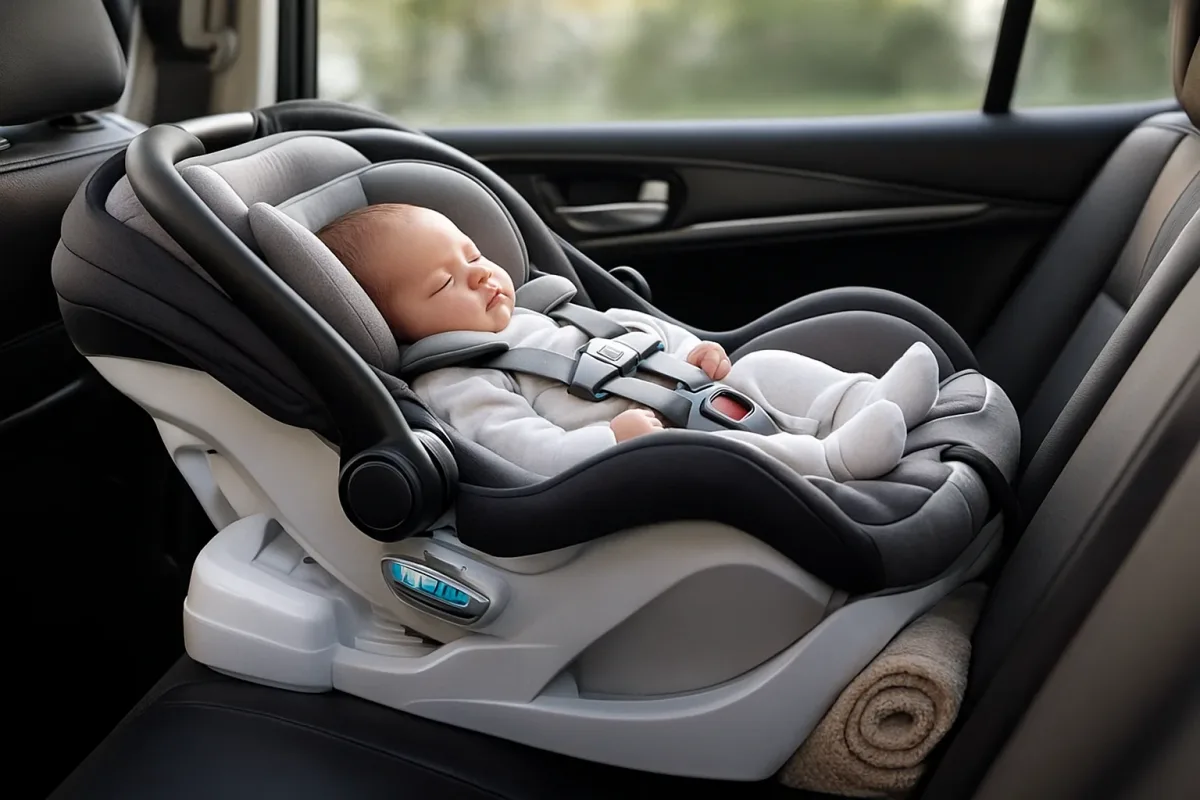
Can a baby sleep in a car seat? Sort of, but only under very specific conditions. A car seat is built for travel, not for sleep.
It keeps your baby safe in a crash, but it's not a safe sleep surface. Falling asleep in it during a drive is common. Leaving them there for hours is where the danger lives.
In our research, the biggest risk isn't the seat itself. It's positional asphyxiation, a quiet suffocation that happens when a baby's chin drops toward their chest and pinches the airway. The American Academy of Pediatrics says infants should sleep on a firm, flat surface for every sleep.
Manufacturer specs confirm car seats sit at a 30, 45 degree recline angle. That angle is fine for a moving car. On the living room floor with a sleeping newborn, it's a different story.
can a baby sleep in a car seat
Yes, briefly and only while supervised in a properly installed car seat. Short naps during a drive are okay. Do not leave a baby sleeping in a car seat once you've stopped.
Never use a car seat for overnight sleep or long, unmonitored naps. Positional asphyxiation can happen in minutes.
The Short Answer, and Why It's Not a Simple Yes or No
Here's the honest truth. Yes, babies fall asleep in car seats all the time. That's normal and often unavoidable.
The question isn't whether they'll doze off. It's whether you can safely let them stay asleep there.
The distinction matters because car seat sleep falls into two categories. There's the moving-car nap, where the seat is installed at the correct recline angle and someone is watching. And there's the parked-car or indoor sleep, where the seat sits on a floor or gets clipped onto a stroller.
Those situations are where the risk climbs.
Image source: Bing (Web (fair-use with source credit))
Newborns have weak neck muscles and heavy heads. When they slump forward, their chin can press against their chest. That position narrows the airway, and a newborn doesn't have the strength to lift their head out of it.
It can happen silently, with no crying and no struggle. That's what makes it so dangerous.
If the drive is short, the seat is properly reclined, and you can glance back at your baby, a nap is generally fine. If the trip is long or you're leaving them strapped in after arriving, move them out. That's the practical rule.
Why Car Seats Are Dangerous for Infant Sleep
Positional Asphyxiation: The Silent Risk
Positional asphyxiation is when a baby's body position blocks their own airway. In a car seat, it usually happens when the head falls forward and the chin rests on the chest. The airway pinches shut, and breathing gets cut off.
The scary part is how quiet it is. There's no thrashing, no gasping you'd recognize from TV. A baby can slip into oxygen deprivation without making a sound.
According to Safe Kids Worldwide, sleep-related deaths remain a leading cause of infant death, and unsafe sleep positions are a big factor.
Premature babies and babies with low muscle tone are at higher risk. So are babies with reflux, who are sometimes propped upright in a seat to keep milk down. If your baby fits any of these groups, be extra careful.
The 45-Degree Rule and Head Slumping
Infant car seats are designed to recline at roughly 30 to 45 degrees. That angle keeps a newborn's head tilted back, which protects the airway during a crash. It's not designed to keep the airway open during sleep.
When the seat is set up correctly in a car, the recline indicator bubble sits in the right zone. The car's seat base holds that angle steady. The moment you set that same carrier on a soft bed or a couch, the angle changes.
The seat tips back or sinks, and your baby's head can flop forward. That's when slumping starts.
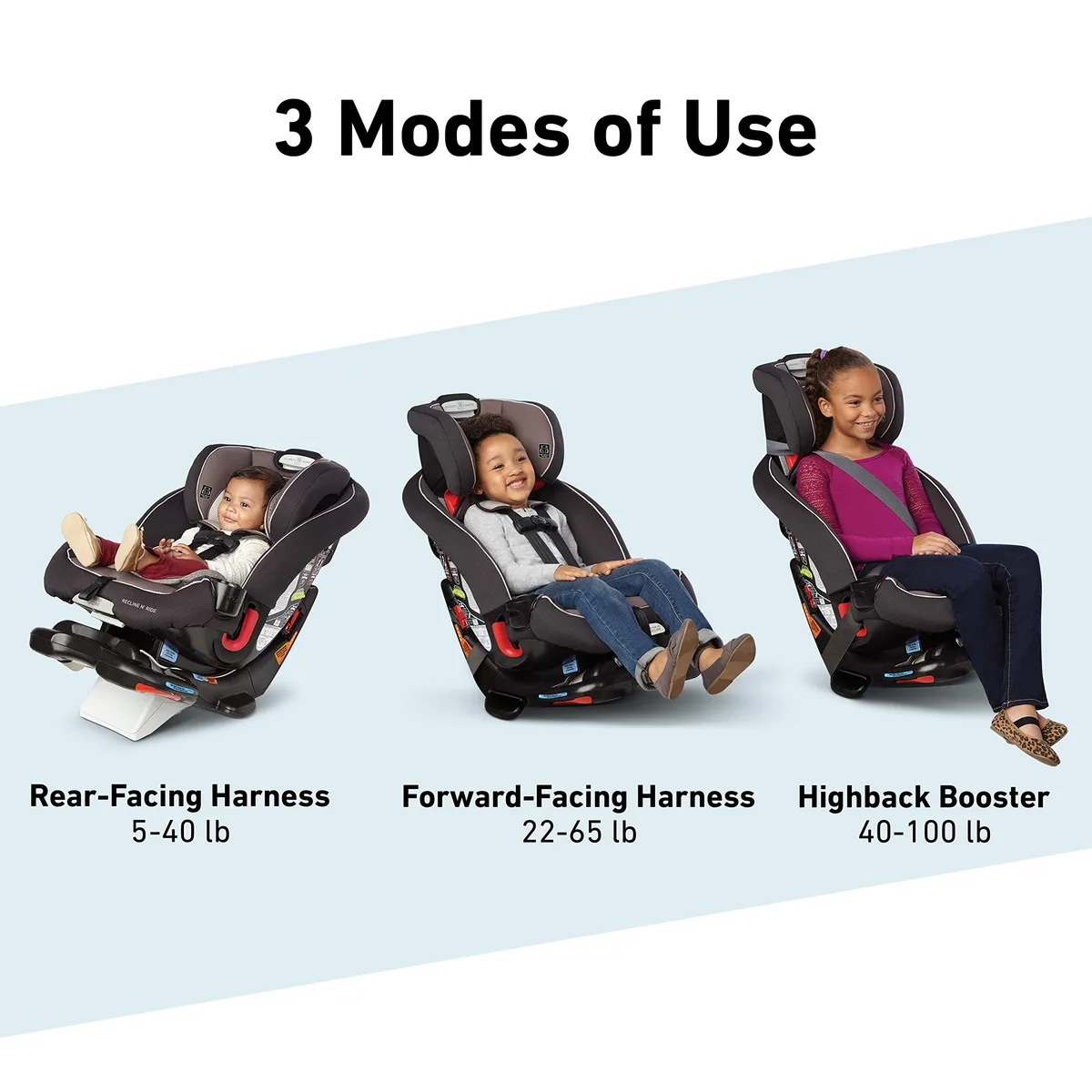
Image source: Bing (Web (fair-use with source credit))
In our research, one of the most common mistakes is leaving the carrier on a soft surface. A firm floor is much safer than a mattress or sofa. If you must set the seat down indoors, keep it flat on the floor and keep the handle up and locked.
How Car Seat Sleep Differs From Crib Sleep
A crib is flat, firm, and free of soft edges. That's the gold standard for infant sleep, per the AAP's safe sleep guidelines. A car seat is curved, padded, and angled.
Your baby is semi-upright and strapped in.
Those differences aren't minor. A flat surface lets a baby's head rest to the side with zero airway pressure. A reclined seat lets the head drop forward.
A crib has breathable mesh and no harness. A car seat has shell walls and straps that can press against a small chest. Different tools, different jobs.
When Car Seat Sleep Is Acceptable, and When It Isn't
Short, Supervised Naps on the Road
If the car is moving and the seat is installed correctly, a nap is fine. You're right there. You can check on your baby at every stoplight.
Most pediatric guidance treats these short travel naps as low risk.
The key word is supervised. If you're driving, you can't stare at your baby the whole time. So plan breaks.
Pull over often. Look at their head position. If their chin is down, gently adjust them or take them out for a stretch.
Errands and Quick Transfers
If the trip is quick and the seat stays in the car, you're fine. If you're transferring a sleeping baby onto a stroller, use the stroller's own flat bassinet attachment when possible. Clipping the infant seat onto a stroller keeps the same reclined angle, so it's not a safe sleep upgrade.
Per NHTSA and AAP guidance, the safest move is to transfer a sleeping baby to a flat surface once you're done driving. If that's not possible, keep the seat on the floor, in your line of sight, and don't leave them for long stretches.
Overnight Sleep, Long Stretches, and Unsafe Surfaces
Never let a baby sleep overnight in a car seat. Never leave them strapped in for hours after the car has stopped. Never let them sleep in a seat placed on a bed, couch, or soft blanket.
These are the situations where positional asphyxiation cases cluster.
The reason is simple. Overnight sleep means many hours of an airway-unfriendly position. Long stretches mean no one is checking.
Soft surfaces change the seat angle and let the head drop forward. Any one of these alone is risky. Two or three together is where tragedies happen.
Premature Babies and Babies With Reflux
Preemies have weaker neck and trunk control. They're the highest-risk group for positional asphyxiation. Hospitals often run a car seat challenge test before discharge to make sure a preemie can tolerate the seat.
If your baby failed that test or has breathing concerns, talk to your pediatrician first.
For reflux, the temptation is real. Propping a baby upright after a feed seems to help. But the AAP warns that car seats aren't safe sleep surfaces even for reflux.
Feed upright in your arms. Burp well. Then lay them flat on their back in a crib or bassinet.
That combination is safer than a car seat snooze.
How to Keep Your Baby Safer in the Car Seat
Install and Recline It Correctly
A correct install is the foundation. Follow the manufacturer's manual for your specific seat, not a generic YouTube clip. Use either the LATCH system or the seatbelt, never both.
Tighten until the seat moves less than one inch at the belt path.
Then check the recline. Most infant seats have a level indicator, either a bubble or a line. Adjust the base until the indicator is in the correct zone.
If the seat is too upright, a newborn's head slumps forward. If it's too reclined, straps may sit wrong on the shoulders. Get the angle dialed in before you drive.
Harness Fit, Clothing, and the Pinch Test
The harness should sit snug against your baby's body. Straps go at or just below the shoulders for a rear-facing infant. Do the pinch test: try to pinch the strap at the collarbone.
If you can grab fabric, it's too loose. If you can't, it's snug enough.
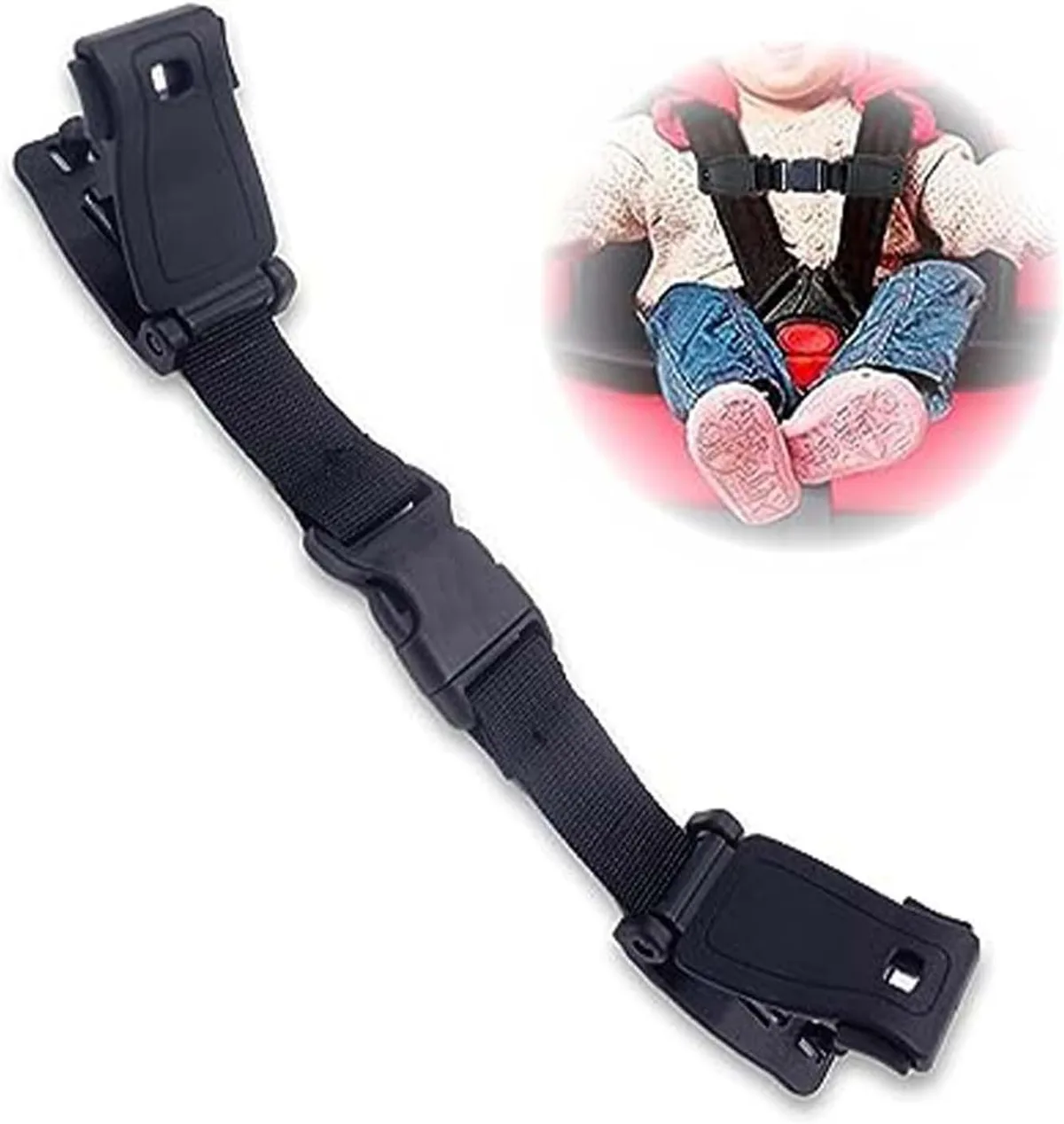
Image source: Bing (Web (fair-use with source credit))
Skip bulky coats. A puffy jacket creates a gap between the harness and your baby's body. In a crash, the padding compresses and the straps go slack.
Dress your baby in thin layers, buckle them in, then tuck a blanket over the top. Thin layers plus a snug harness are what keep them in place.
Take Breaks Every 1.5 to 2 Hours
Long drives are hard on a newborn. Plan to stop every 90 minutes to 2 hours. Take your baby out of the seat.
Let them stretch, feed, and have a diaper change. Then put them back in, snug everything up, and go again.
These breaks aren't just for feeding. They reset your baby's position. A head that's been resting to one side gets a rest.
A body that's been curved in a shell gets a chance to straighten. That small reset makes the next hour safer.
What to Do When They Fall Asleep
If your baby falls asleep mid-drive, leave them be and keep driving safely. Check on them at every stop. If you need to get out, decide fast.
Short errand? Take the whole seat, keep it on the floor, and stay close. Long stop?
Take them out and lay them flat.
Never unbuckle a sleeping baby and leave them in the seat anyway. The harness is what keeps them in position. If you're going to take them out, do it fully.
If you're leaving them in, keep them buckled and supervised.
Common Mistakes Parents Make
A few patterns come up again and again in our research.
- Leaving the carrier on soft surfaces like beds, couches, or thick rugs.
- Using aftermarket inserts that didn't come with the seat (they can change the harness fit).
- Letting babies sleep overnight in the car seat at home.
- Skipping break stops on long drives because the baby is finally asleep.
- Buckling a baby in a bulky coat, then loosening the straps to compensate.
- Hanging toys or mirrors that dangle near the face and tempt head-slumping.
- Assuming a stroller clip-in is the same as a flat bassinet.
Each of these is small on its own. Together, they're the reason car seat sleep gets so many warnings attached to it.
Safe Sleep Alternatives to the Car Seat
A crib or bassinet is the safest place for your baby to sleep. That's the anchor point for everything here. When you can't use one, you've got decent substitutes.
But each one comes with its own rules.
A flat bassinet attachment on a stroller is a real sleep surface. Full lie-flat and firm. That's the one that lets you roll a sleeping newborn indoors without breaking the safe sleep rules.

Image source: Bing (Web (fair-use with source credit))
A bedside sleeper or co-sleeper bassinet keeps your baby flat and close. That's helpful for night feeds, especially in the first few weeks. A travel crib or play yard with a firm mattress is fine once your baby outgrows the bassinet.
Here's a quick comparison:
| Option | Flat Sleep? | Safe Overnight? | Best For |
|---|---|---|---|
| Crib or bassinet | Yes | Yes | Every sleep at home |
| Stroller bassinet attachment | Yes | Yes | Errands and travel |
| Bedside sleeper | Yes | Yes | Night feeds |
| Car seat (in car) | No | No | Travel naps only |
| Car seat (on floor or stroller) | No | No | Brief, supervised carries |
If your baby has fallen asleep in the car and you need somewhere safe, the rule is simple. Lay them flat. If that's not possible right now, keep them in the seat on a firm floor, stay with them, and move them as soon as you can.
Car Seat Safety, Laws, and Official Guidance
Every US state requires infants to ride in a federally approved car seat. That's not optional. It's the law, and it applies from the first ride home from the hospital.
Federal Motor Vehicle Safety Standard 213 sets the crash-test requirements every infant seat must pass. NHTSA reports that roughly 46% of car seats are misused. That's the reason so many seats get installed at a fire station or a car seat check event.
Free inspections exist in most communities, and they're worth using.
The AAP recommends rear-facing until at least age 2, or until your child outgrows the seat's height and weight limits. Extended rear-facing is even safer, and as of 2026, more parents are keeping kids rear-facing past that minimum.
Separately, the AAP's Safe Sleep guidelines say infants should sleep alone, on their back, on a firm, flat surface, for every sleep. Car seats don't meet that standard. So the two rules coexist.
Use the car seat for travel. Use a crib or bassinet for sleep.
Frequently Asked Questions
Can a baby sleep in a car seat overnight?
No. Overnight sleep means hours in a reclined position with nobody checking. That's the highest-risk scenario for positional asphyxiation.
Move your baby to a crib, bassinet, or bedside sleeper for any sleep longer than a short drive.
How long is too long for a baby to sleep in a car seat?
Most guidance points to 1.5 to 2 hours maximum, with breaks in between. That aligns with feeding and diaper change intervals anyway. If your baby is asleep at the two-hour mark, pull over and take them out for a stretch before continuing.
Is it safe to let a newborn sleep in a car seat on the floor?
Only for brief, supervised moments when you can't lie them flat right away. Keep the seat on a firm floor, never a bed or couch, and stay in the room. Move them to a flat surface as soon as you can.
It's a short bridge, not a routine.
What's the difference between a car seat and a lie-flat car seat?
A standard infant car seat reclines at 30 to 45 degrees. A lie-flat seat, common in the EU under the i-Size regulation, lets a baby ride almost fully horizontal. The lie-flat design lowers airway risk, but it's still not a substitute for a crib.
Use it for travel, not overnight sleep.
Can a premature baby sleep in a car seat?
Only after a car seat challenge test, which many hospitals run before discharge. Preemies have weaker neck and trunk control. If your baby failed the test or has breathing concerns, talk to your pediatrician before any car seat sleep.
Short, supervised travel naps are usually fine once cleared.
Does a stroller bassinet count as safe sleep?
Yes, if it's a true flat bassinet attachment with a firm mattress. Many meet the same safety standards as a standalone bassinet. A stroller seat that simply reclines is different.
Keep the flat attachment for sleep, and use the regular seat when your baby is awake and upright.
What should I do if my baby's head slumps forward in the car seat?
Pull over as soon as it's safe and reposition your baby. A forward-slumped head is the exact position that pinches the airway. If the recline angle is off, fix the seat before you keep going.
If your baby keeps slumping, stop driving and take them out.
Is it okay to use a car seat as a bassinet at home?
No. A car seat isn't a bassinet, no matter how flat it looks. It's curved, padded, and angled for crash protection, not sleep.
For naps and nights at home, use a crib, bassinet, or play yard with a firm mattress. Keep the car seat in the car.
The Bottom Line for Parents
Car seats are built to save lives in a crash, and they do that job well. They were never designed to be sleep surfaces. Those are two different jobs, and mixing them up is where the risk comes from.
The practical rule is short and simple. Let your baby nap in a properly installed car seat while you're driving and can check on them at stops. Once the car stops, move them to a flat, firm surface.
Take a break every 1.5 to 2 hours on long trips. Skip the overnight sleeps, the soft-surface setups, and the aftermarket add-ons.
If you're ever unsure, trust the AAP safe sleep guidelines over convenience. Alone, on the back, in a crib. That's the standard.
Car seats are for the journey, not the destination.

Similar Posts