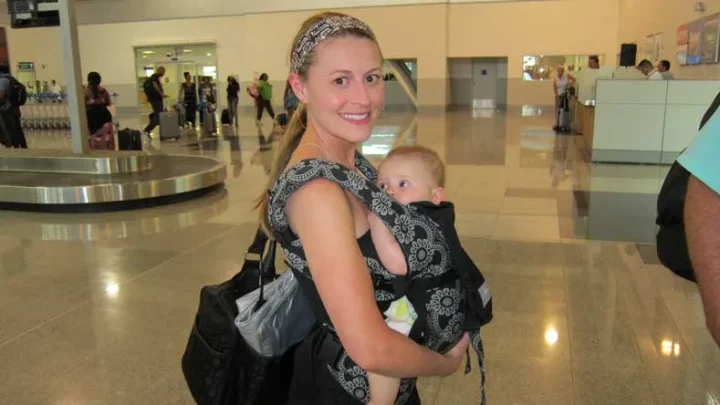
How to Put a Baby in a Car Seat Safely
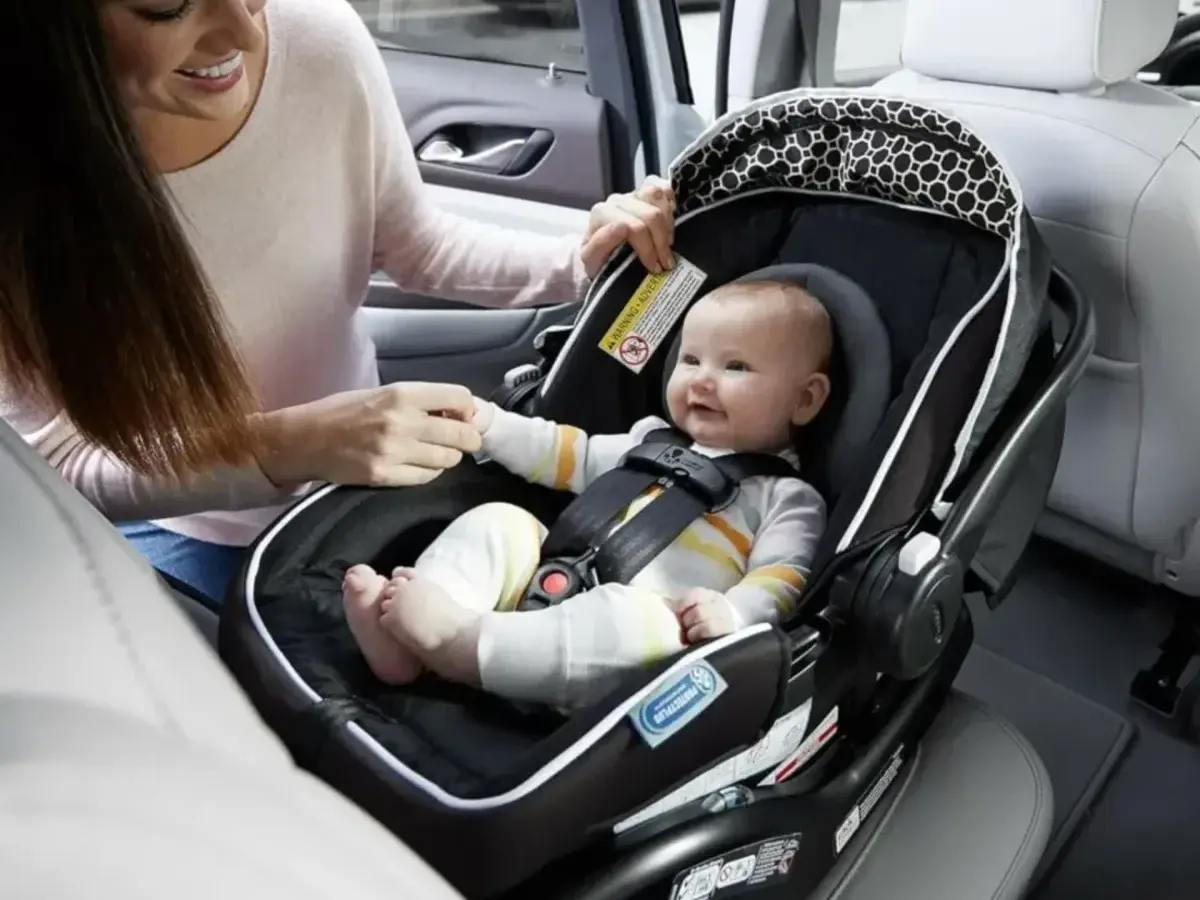
If you've ever stood in a parking lot, baby on one hip, diaper bag sliding off your shoulder, staring at a car seat wondering how to put baby in car seat without a meltdown, you're not alone. It looks simple until you're actually doing it. And "snug" or "tight enough" turns out to be a lot more specific than most of us grew up thinking.
Here's the good news: once you know the handful of rules that actually matter, buckling a baby in becomes muscle memory. Per NHTSA (the National Highway Traffic Safety Administration), car crashes are a leading cause of death for children under 13, yet correctly used car seats cut fatal injury risk for infants by roughly 71%. That's why the details matter.
Let's walk through what those details actually are.
how to put baby in car seat
Place the baby's back flat against the seat, then route the harness over each shoulder. Buckle the crotch strap and tighten until you can't pinch slack at the shoulder. Clip the chest clip at armpit level, never over the belly.
Rear-facing seats go at the correct recline angle, and the harness sits at or below the shoulders.
Why This 30-Second Task Is One of the Most Important Things You'll Do Today
Every trip is a potential crash, even the two-minute one to the pharmacy. That's not meant to scare you. It's just the reality car seat engineers design around.
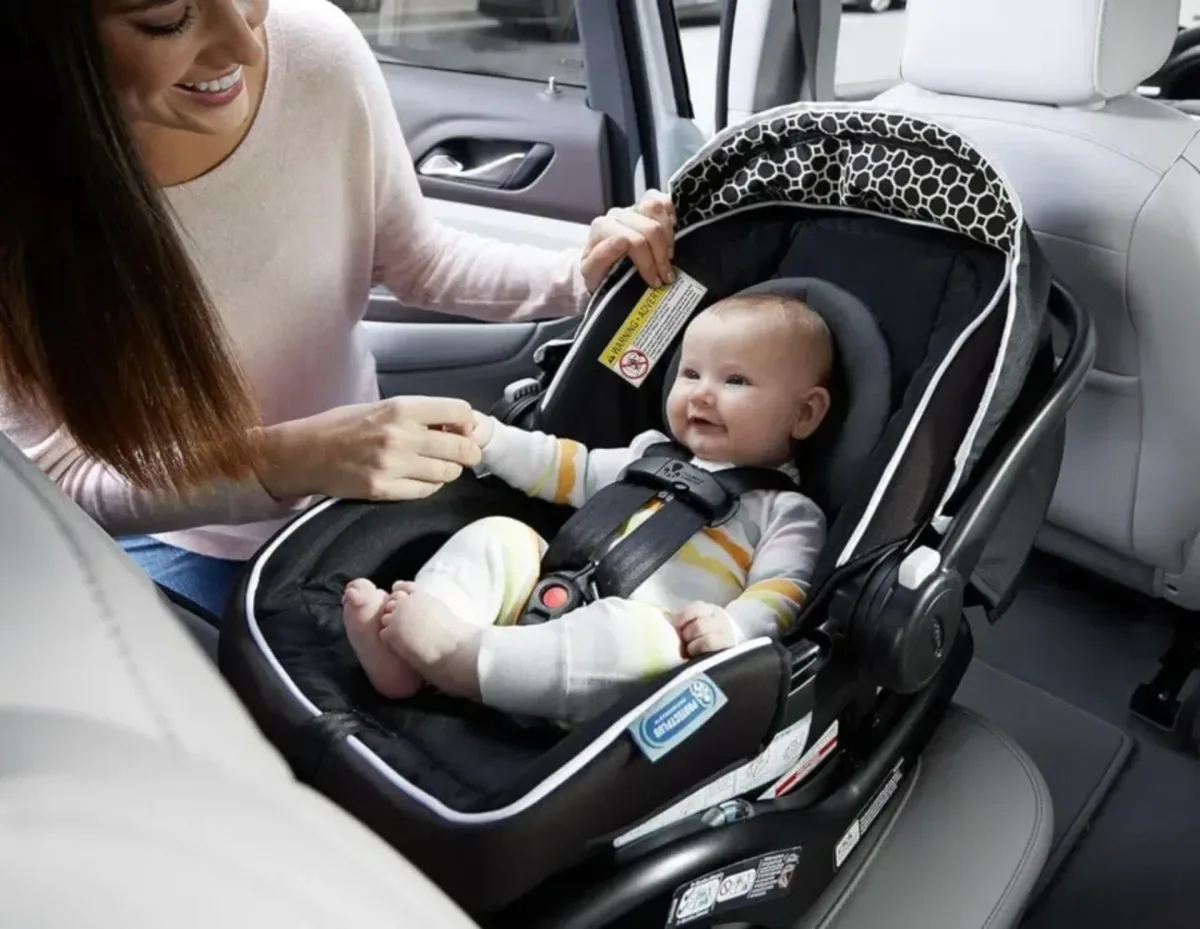
Image source: Bing (Web (fair-use with source credit))
When a vehicle stops suddenly, the baby's body keeps moving. The harness is what catches them, spreads the force across the strongest parts of their body, and keeps them inside the shell. If straps are loose, that protection drops fast.
A common misconception is that a snug harness hurts or annoys the baby. Actually, loose straps are the far bigger problem. A baby squished into the shell is doing fine.
A baby who can wiggle their shoulders free is not.
The AAP (American Academy of Pediatrics) recommends keeping children rear-facing as long as the seat allows, and for at least two years. That guideline exists because the rear-facing position supports the head, neck, and spine, which are still developing in the first years.
The Pieces You're Working With (and Why Each One Matters)
A standard car seat looks complicated, but only a few parts do the real work. Understand these and you'll never fumble in the dark again.
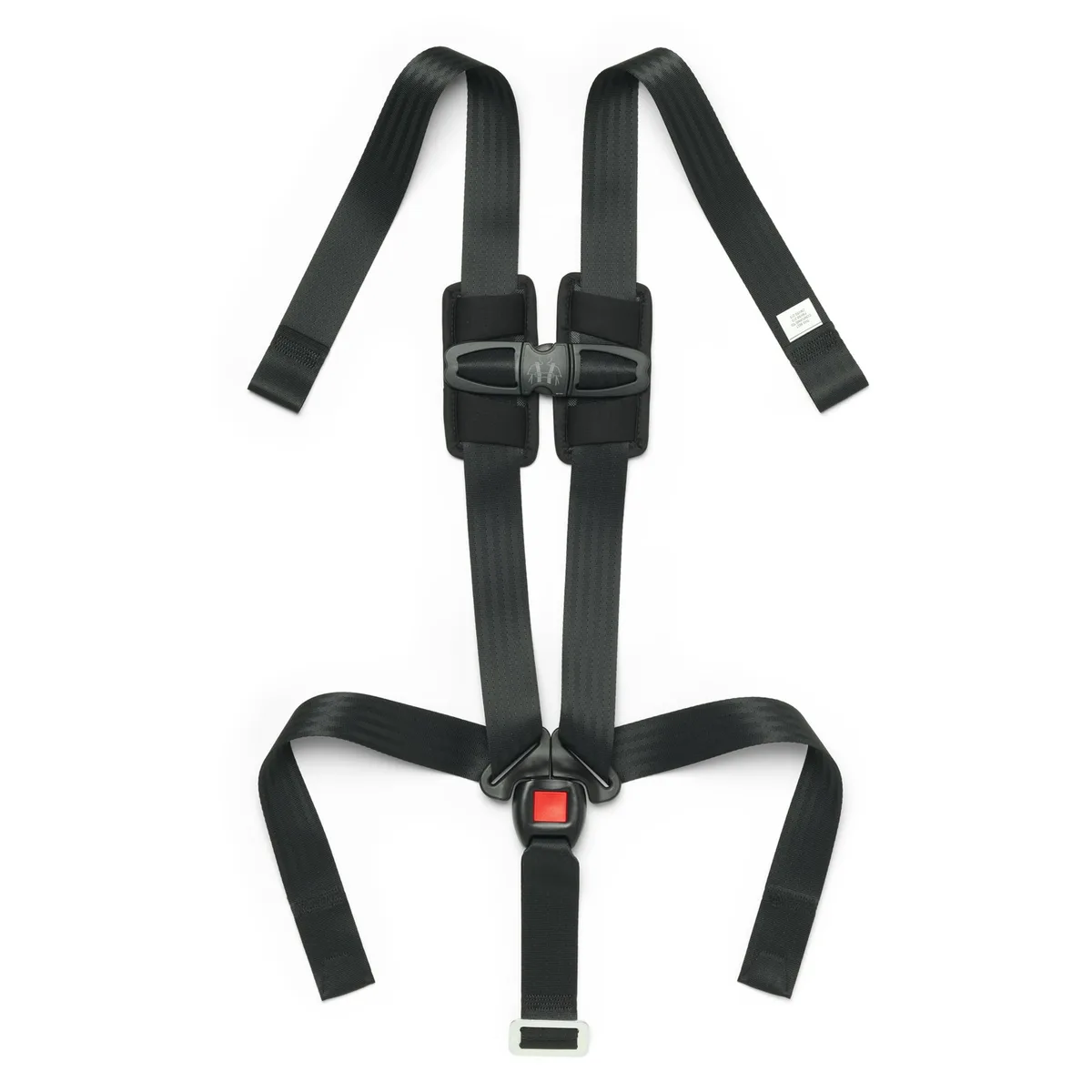
Image source: Bing (Web (fair-use with source credit))
- The 5-point harness: Five straps (two shoulders, two hips, one crotch) spread crash forces across the body. This is the primary safety system.
- The chest clip: A retainer clip that keeps the shoulder straps in place. It holds position, not force. Armpit level is the rule.
- The crotch buckle: Connects the lower straps. It should sit snug against the body, not floating below.
- The harness adjuster: Usually a strap at the front of the seat. Pull it to tighten the whole system after buckling.
- The recline angle indicator: Built into most infant seats. It tells you if the seat is tilted enough to keep a newborn's airway open.
Here's the part that trips people up. The harness height for a rear-facing baby must sit at or below the shoulders. As they grow, move the straps up, never above that line while rear-facing.
Step-by-Step: Getting Your Baby In Without the Wrestling Match
Most parents fight the car seat for a month before someone shows them the right order. Here's the sequence that actually works.
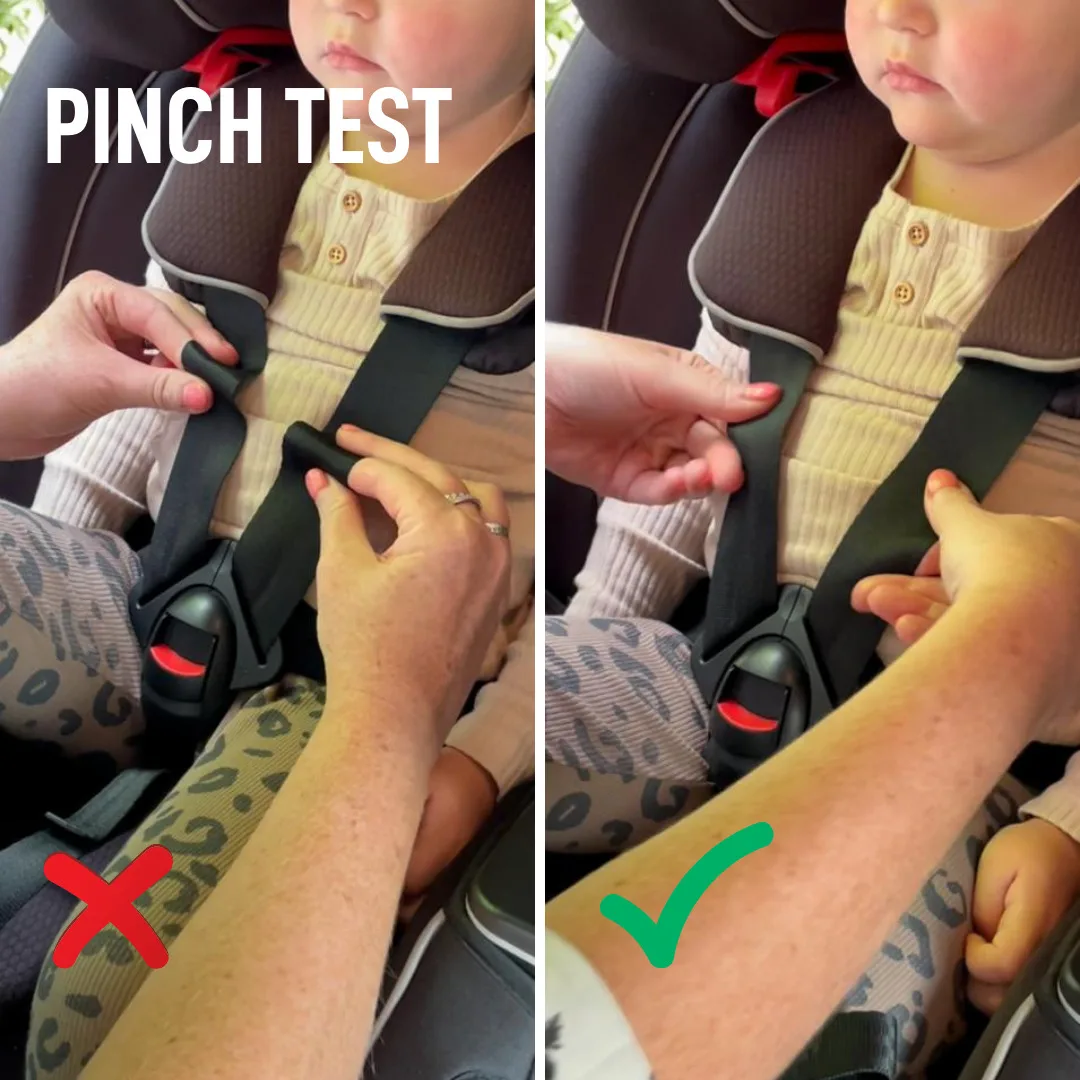
Image source: Web (Bing) / chiccousa.com (Web image (fair-use with source credit))
Prep before you even pick them up
Loosen the harness first. Open the chest clip. Pull both straps out to the sides.
If it's cold, take the bulky coat off before they go near the seat, not after.
Strapping them in
- Lay the baby in the seat, back flat against the backrest.
- Bring each shoulder strap over the shoulder, checking for twists.
- Buckle the crotch strap until it clicks.
- Pull the harness adjuster strap to tighten.
- Do the pinch test at the shoulder: if you can pinch slack between your fingers, tighten more.
- Clip the chest clip at armpit level.
The coat problem
Bulky winter coats create hidden slack under the straps. In a crash, the coat compresses and the baby can slip free. The fix is simple: buckle the baby in without the coat, then lay a blanket over the straps.
That way the harness touches their body directly.
Getting them back out calmly
Unclip the chest clip first, then push the buckle release. Loosen the harness before lifting them out so you're not fighting the straps. This also makes the next buckle-up faster.
The 7 Mistakes That Quietly Make Car Seats Unsafe
These are the ones CPSTs (Child Passenger Safety Technicians) see over and over. Any one of them can reduce how well the seat protects your baby.
- Loose harness: The pinch test fails. Tighten every time.
- Chest clip too low: Sitting over the belly instead of the armpits. Move it up.
- Twisted straps: A folded strap can't distribute force evenly. Smooth them flat.
- Bulky coats under the harness: Creates dangerous slack. Buckle first, blanket after.
- Aftermarket inserts: Anything not sold with the seat hasn't been crash-tested. Skip it.
- Using LATCH and seat belt together: Not allowed unless both manuals say so. Pick one.
- Expired or hand-me-down seats: Seats expire (usually 6 to 10 years) and unknown-history seats may have crash damage. Don't risk it.
Per FMVSS 213, the federal standard that governs car seat safety, seats are tested to specific crash conditions. Violating the manufacturer's instructions takes your install outside that tested envelope.
When to Get a Pro to Check Your Install (and How to Find One)
If you're unsure, get it checked. This is free, and it takes about 20 to 30 minutes. There's no shame in it.
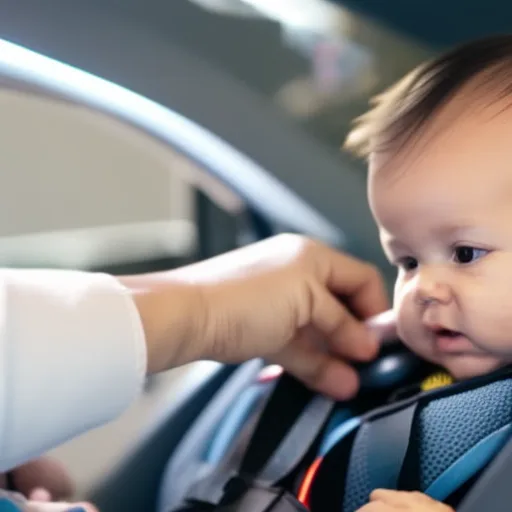
Image source: Web (Bing) / garretthealth.org (Web image (fair-use with source credit))
A CPST will check the recline angle, the belt path, the tightness of the install (no more than 1 inch of movement at the belt path), and your harness routing. They'll also verify nothing is expired or recalled.
To find one, use the NHTSA inspection locator at nhtsa.gov. Bring your car seat manual and your vehicle owner's manual. Both have model-specific rules that a technician will want to reference.
Many fire departments and hospitals also host car seat check events. Safe Kids Worldwide runs inspection stations across the US. As of 2026, most states offer these checks at no cost.
Rear-facing, forward-facing, and booster seats aren't interchangeable. Each stage protects a different body type, and moving up too early removes protection your child still needs.
Rear-Facing, Forward-Facing, and Booster: What Changes as They Grow
The rear-facing position is the safest for as long as the seat allows. The AAP recommends keeping children rear-facing until at least age two, or until they hit the seat's height or weight limit, whichever comes last.
Once your child outgrows the rear-facing limit, they move to forward-facing with a top tether. That tether is not optional. It stops the seat from pitching forward in a crash and cuts head movement dramatically.
Booster seats come next, once the child passes the forward-facing harness limits (often around 40 to 65 pounds, depending on the model). Boosters don't install into the car. They position the child so the vehicle's lap and shoulder belt fits correctly across the hips and chest.
Here's the sequence in a quick reference table:
| Stage | Position | Typical Limit | Bare Minimum Rule |
|---|---|---|---|
| Infant seat | Rear-facing | 22 to 35 lbs | Until outgrown |
| Convertible | Rear-facing | 40 to 50 lbs | 2 years minimum |
| Forward-facing | Front + tether | 40 to 65 lbs | 4 years minimum |
| Booster | Belt-positioning | 40 to 100+ lbs | Until belt fits without it |
Every seat has its own specific numbers. Read the label, not a general rule.
Your Buckle-Up Cheat Sheet: Quick Answers to Real Questions
These are the questions that come up again and again, and the answers stay the same.
How tight is tight enough?
The pinch test is the standard. Buckle and tighten the harness, then try to pinch slack at the shoulder. If you can grab a fold, it's too loose.
Can they wear a coat?
Not a bulky one. Buckle the harness first, then add a blanket over the top. A thin fleece layer usually works fine if it compresses easily.
How do I know if the seat's installed correctly?
Grab the seat at the belt path and give it a firm shake. It should move less than 1 inch side to side and front to back. Anything more means retighten.
What if my baby hates the car seat?
Most newborns cry at first because it's cold and unfamiliar. A pre-warmed seat, a pacifier, and a calm voice help. If crying is extreme or nonstop, check with your pediatrician.
When can they face forward?
Only when they've maxed out the rear-facing height or weight limit for their specific seat. Age alone isn't the deciding factor. The AAP says rear-facing is safest for as long as possible.
Frequently Asked Questions
How do I put a newborn in a car seat?
Lay them back flat, route the harness over each shoulder, and buckle the crotch strap. Tighten until no slack remains at the shoulder. Clip the chest clip at armpit level.
Keep the head and neck supported the whole time.
Where should the chest clip go on a baby?
At armpit level. Not over the belly, not at the neck. A clip that's too low won't hold the straps in position during a crash.
It's a retainer, not a force-bearing part.
How do I know if my car seat is expired?
Check the label on the shell or the base. Most seats expire 6 to 10 years from the manufacture date. Expired seats may have degraded plastic or missing recalls.
Replace them.
Can I use a car seat with a winter coat?
Yes, but not with the coat on underneath the harness. Buckle the baby without it, then lay a blanket or car seat cover over the straps. This keeps the harness tight against the body.
Is it safe to use LATCH and the seat belt at the same time?
No, unless both the car seat manual and the vehicle owner's manual say it's allowed. Using both creates uneven tension and can change how the seat moves in a crash. Pick one method.
How often should I check my car seat install?
Recheck after any seat movement, a long trip, or a deep clean. A quick shake at the belt path takes seconds. Many parents check at every buckle-up.

Similar Posts