Can You Take a Baby Car Seat on a Plane? What to Know
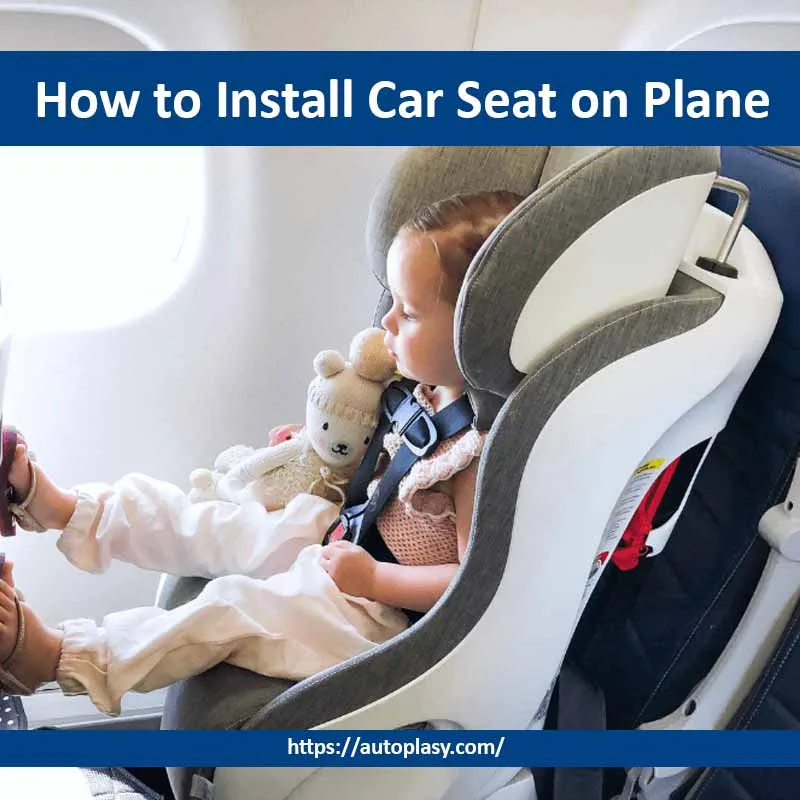
Can you take a baby car seat on plane? Yes, in most cases, as long as the seat is FAA-approved and you've booked a separate seat for your child. The catch is that "FAA-approved" isn't the whole story.
Airlines layer their own rules on top, and those rules vary more than most parents expect.
Federal Aviation Administration (FAA) rules require every child restraint used in flight to carry a specific approval label. As of 2026, the label text you're looking for is "This restraint is certified for use in motor vehicles and aircraft." That single line decides whether you're installing a car seat or gate-checking it. Here's how to work through the whole decision before you get to the airport.
can i take baby car seat on plane
Yes, you can take a baby car seat on a plane if it's FAA-approved and you purchased a seat for your child. The seat must go in a window position. Bulkhead rows and exit rows are usually off-limits.
Always confirm your airline's policy before booking.
The Real Reason Airlines Say Yes, No, or "It Depends"
The FAA sets the baseline. Airlines decide the details. That split is why two parents with identical car seats can get completely different answers at two different gates.
Federal rules require any child restraint system used during taxi, takeoff, and landing to be certified for aircraft use. That's the floor. Above it, each carrier adds its own layer: advance notice windows, seat-position limits, cabin restrictions, and paperwork requests.
Some airlines want 24 to 48 hours of notice. Some don't care at all.
Here's the pattern our research keeps surfacing. Airlines rarely ban FAA-approved car seats outright. What they ban is specific placement, specific timing, or specific seat models they consider too wide for their cabins.
So the question isn't really "does the airline allow car seats." It's "does this airline allow this car seat, in this row, on this aircraft, booked this way."
Image source: Bing (Web (fair-use with source credit))
If your seat is FAA-approved and you booked a window seat, you're in good shape on nearly every major US carrier. If any one of those conditions is missing, expect friction. The next section walks through the four variables that decide your outcome.
The Four Conditions That Decide Everything
Think of this as a checklist. All four conditions have to line up. Miss one and the gate agent has grounds to say no.
Condition 1: Does Your Car Seat Carry the FAA Approval Label?
Check the label first, before anything else. Look on the side or back of the shell for red lettering that reads "This restraint is certified for use in motor vehicles and aircraft." If that exact phrase isn't there, the seat cannot be used in flight, full stop.
Labels wear off. Sun exposure, repeated cleaning, and hand-me-down seats are common culprits. If yours is faded or missing, check the manufacturer's manual or their official site for the model's aircraft approval status.
Bring a photo of the label on your phone as backup.
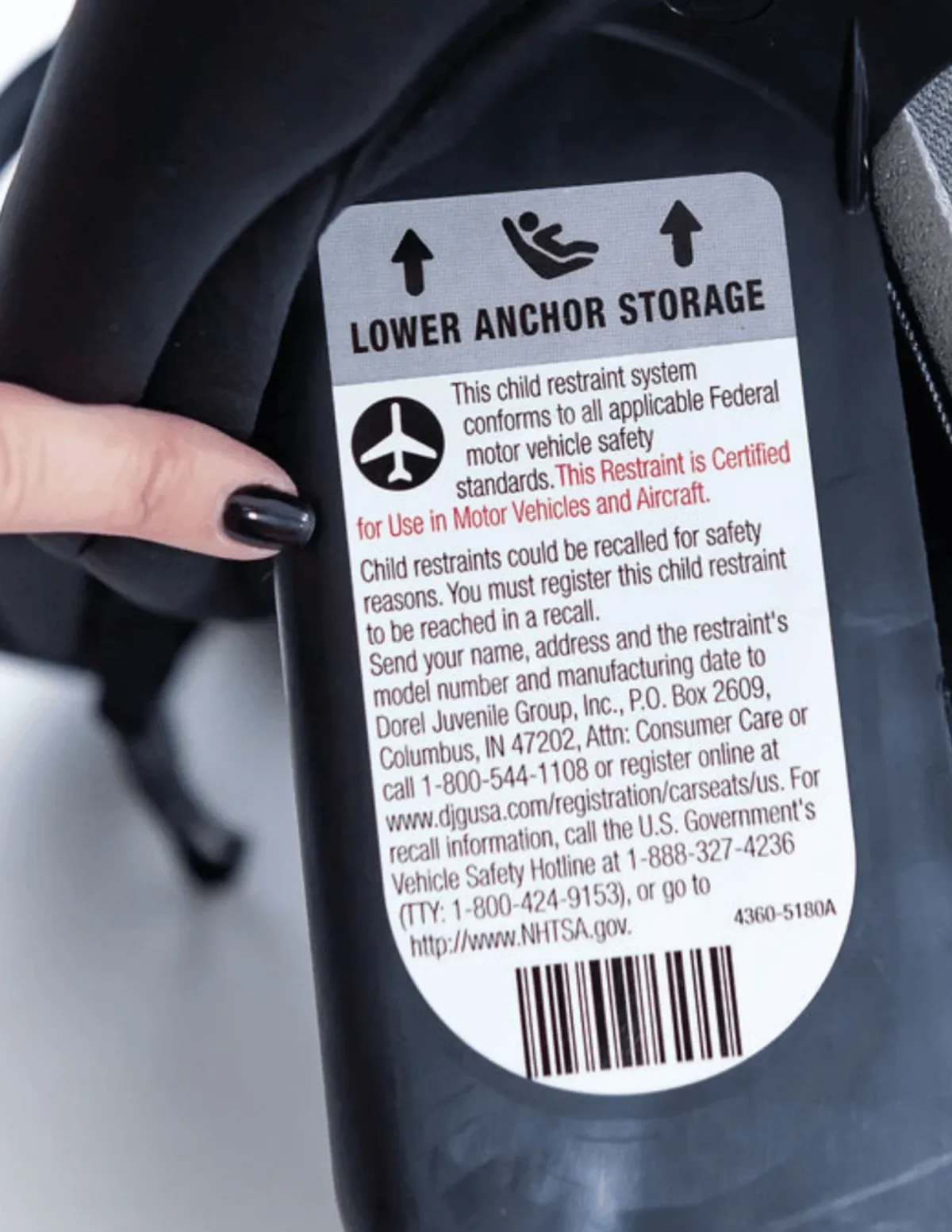
Image source: Bing (Web (fair-use with source credit))
One more thing: booster seats are not allowed on planes, labeled or not. They need a shoulder belt to work, and airplane seats don't have one in the way boosters require. That rule has no exceptions.
Condition 2: Did You Buy a Seat for Your Baby?
If you want to use a car seat, you need a seat for your child. Lap infants under age two fly free or at a reduced fare on most carriers, but they sit on your lap, not in a car seat.
So if/then applies cleanly here. If you bought a ticket for your baby, you can install the car seat. If you didn't, your only options are lap-holding or gate-checking the seat.
Some airlines offer a discounted child fare, so it's worth asking.
Condition 3: Which Airline and Aircraft Are You Flying?
This is where the variation bites. Policies differ by carrier, and sometimes within the same carrier by aircraft type. Smaller regional jets have narrower seats, and some won't accommodate a full-size convertible car seat at all.
Call the airline directly if you're unsure. Ask three specific questions: is my car seat model allowed, does it need advance notice, and which rows are approved for installation. Get the answer in writing if you can, either by email or a chat transcript you can screenshot.
Condition 4: Will the Seat Physically Fit the Plane Seat?
Measure your car seat's base width before you fly. Most infant seats run 16 to 19 inches across. Economy seats on domestic aircraft typically measure about 17 to 18 inches between armrests.
That leaves very little margin.
A seat that's too wide won't fit, regardless of its FAA label. If you're flying on a regional jet or a budget carrier, expect tighter dimensions. Convertible seats tend to be the worst offenders here.
Your Step-by-Step Workflow Before You Book
Run these steps in order. Each one feeds the next, and skipping ahead tends to cause problems later.
Check the Label on the Back of the Car Seat
Find the FAA approval text. Confirm the wording matches. Note the model number and manufacture date.
If anything looks worn or missing, resolve it now rather than at the gate.
Call the Airline and Confirm the Policy in Writing
Ask about car seat rules for your specific flight. Confirm whether advance notice is required. Save the response.
A screenshot or email is your best defense if a gate agent pushes back.
Book the Right Seat (Window, Not Aisle or Bulkhead)
Car seats must go in a window seat on most airlines. That's so the seat doesn't block another passenger's path to the aisle. Bulkhead rows often have fixed armrests and seat belts anchored in ways that prevent proper installation.
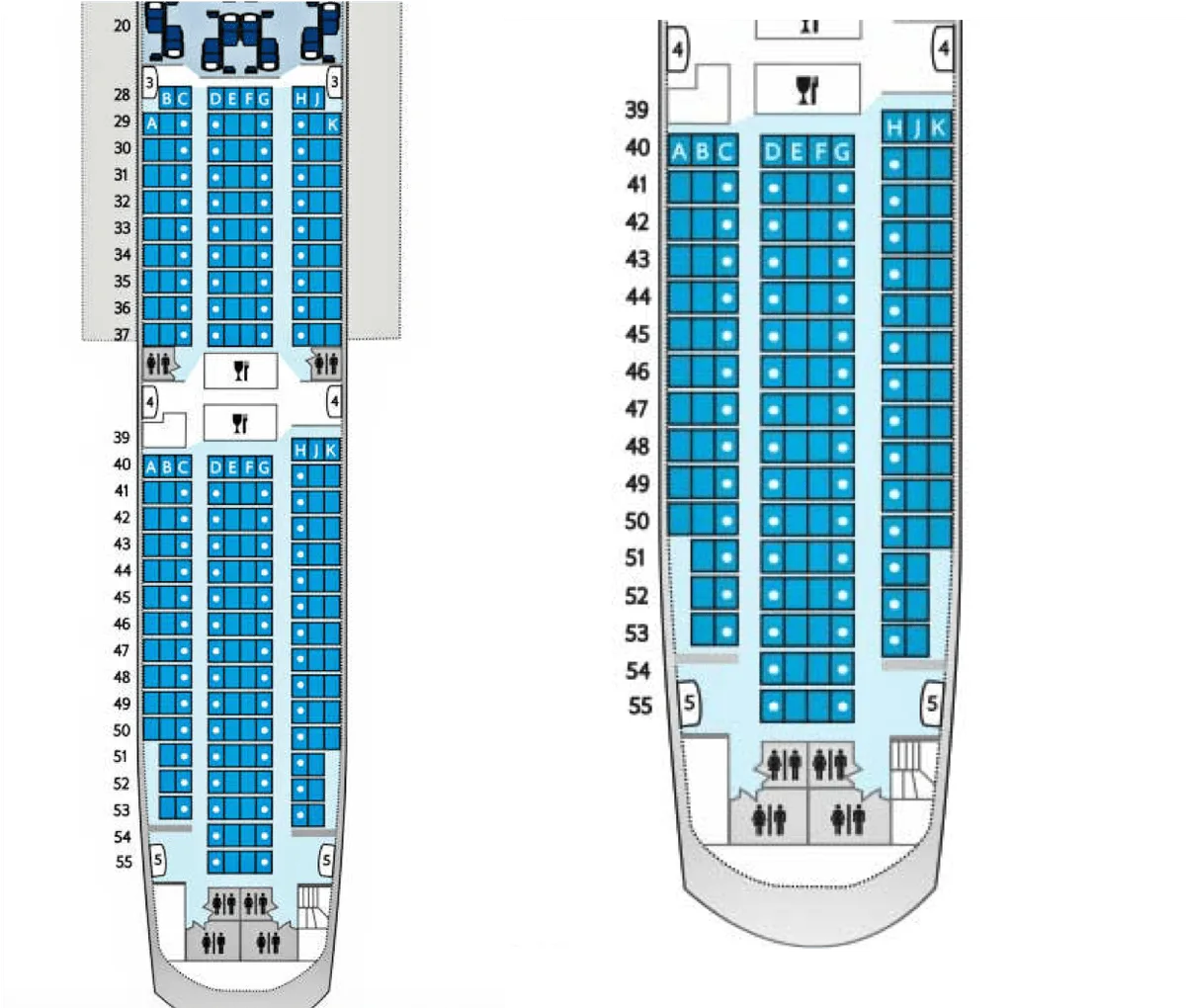
Image source: Bing (Web (fair-use with source credit))
Exit rows are out, period. No car seat, no lap infant, no exceptions. Those rows exist for evacuation, and anything that slows that down is banned.
Practice the Install at Home Before Travel Day
Install the seat in your own car using the aircraft method, not the LATCH method. Planes use the lap belt, threaded through the same path the manual specifies for aircraft. If you've only ever used LATCH, this will feel unfamiliar.
Run it twice. Time yourself. Do it with the baby already strapped in once, so you know how that feels too.
What to Do at the Gate If the Crew Pushes Back
Stay calm and lead with paperwork. Show the FAA label, your seat purchase confirmation, and any written airline policy you saved. If the gate agent still refuses, ask for a supervisor.
Gate-check the seat only as a last resort, and ask for a protective bag if one's available.
Rear-Facing, Forward-Facing, or CARES Harness: Which Fits Your Child
The right setup depends on your child's age, weight, and how well they tolerate sitting still. Here's the quick breakdown.
| Option | Weight Range | FAA Approved | Best For |
|---|---|---|---|
| Rear-facing infant seat | Up to 22 to 35 lbs | Yes, if labeled | Babies under 1 |
| Forward-facing convertible | 20 to 65 lbs | Yes, if labeled | Toddlers over 1 |
| CARES harness | 22 to 44 lbs | Yes | Kids who sit upright well |
| Booster seat | 40+ lbs | No | Not allowed on planes |
| Lap infant | Under 2 | N/A | Last resort only |
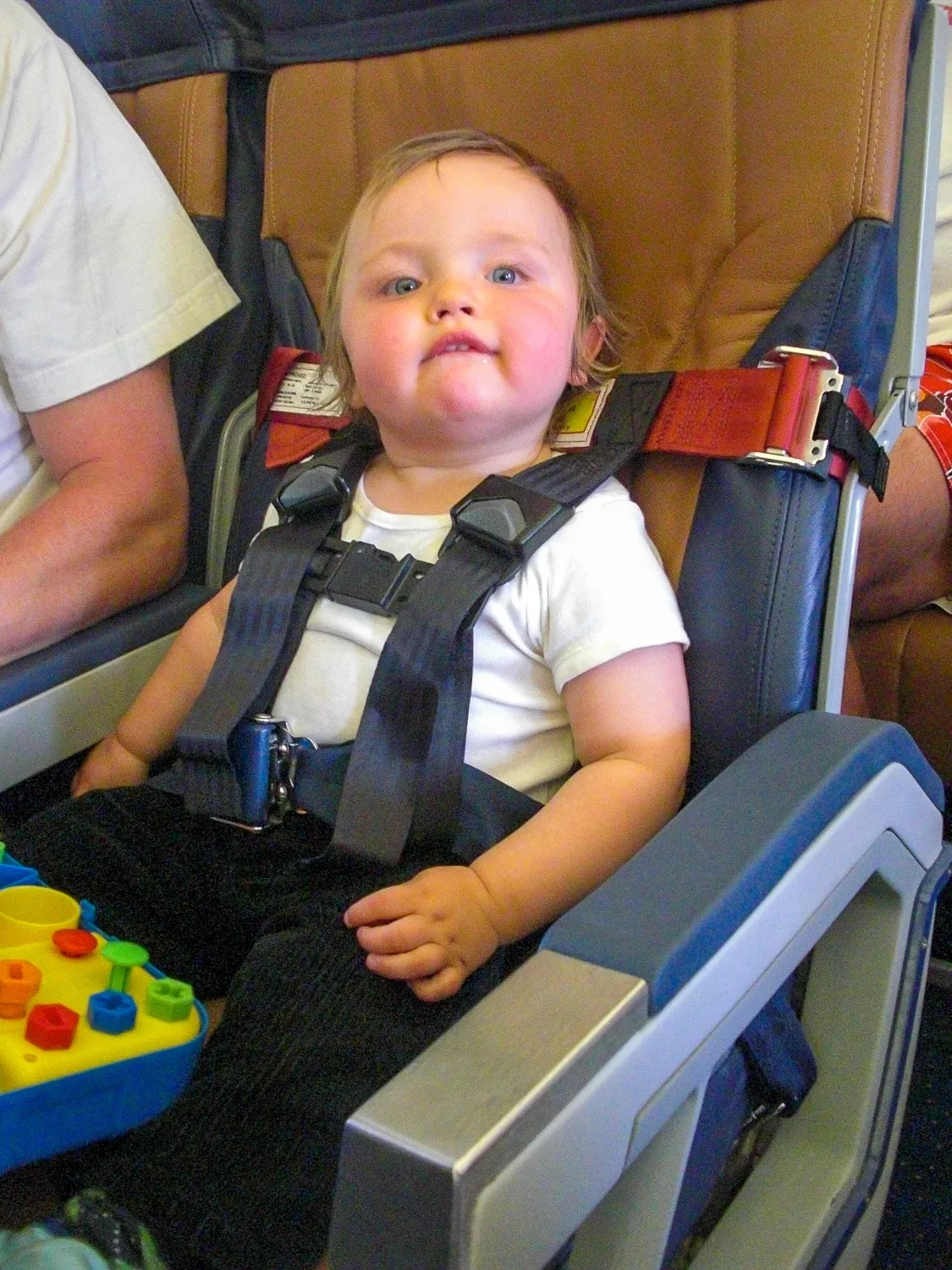
Image source: Bing (Web (fair-use with source credit))
Rear-facing is the safest position for infants, and the FAA supports rear-facing installation when the seat's manual allows it. Forward-facing works for older toddlers once they've outgrown the rear-facing limits. The CARES harness is a lightweight alternative for bigger kids, and it's approved for use during taxi, takeoff, and landing.
It weighs about a pound and packs into a small bag.
For the FAA's own guidance on child restraints in aircraft, the agency's child safety resources lay out the approved categories. The National Highway Traffic Safety Administration also publishes car seat standards that overlap with the aircraft label requirement.
Mistakes That Get Parents Stopped at the Gate
Most gate refusals trace back to one of a handful of avoidable errors. Here are the ones our research keeps turning up.
Assuming Every Car Seat Is Allowed Onboard
Approval is model-specific, not brand-wide. A manufacturer can sell one FAA-labeled seat and one non-labeled seat in the same line. Check your exact model number, not the brand name.
Booking a Bulkhead or Aisle Seat by Mistake
Aisle seats block passenger movement, so car seats aren't permitted there. Bulkhead rows often have fixed armrests and awkward belt anchors that make installation impossible. Book a window seat from the start.
Showing Up Without the Manual or FAA Sticker Visible
If the label is worn, a gate agent has no way to verify approval. Keep a photo on your phone and the manufacturer's manual in your carry-on. That combination resolves most disputes on the spot.
Forgetting That Booster Seats Are Banned
Boosters need a shoulder belt to function properly, and airplane seats don't provide one in the required configuration. There's no workaround. If your child has outgrown a harnessed seat, a CARES harness is the approved alternative.
Gate-Checking Without a Protective Bag
Gate-checked seats get tossed around with strollers and luggage. A padded travel bag cuts down on cracked shells and bent harness hardware. Without one, damage claims are an uphill fight.
What It Costs and What You Get for It
Car seat travel isn't expensive, but the costs aren't always obvious upfront. Here's where the money goes.
| Option | Typical Cost | What You Get |
|---|---|---|
| Extra seat fare | 75 to 100% of adult fare | Baby rides in car seat |
| Lap infant fee | Free to ~10% of fare | Baby on your lap only |
| Gate-check | Free | Seat waits at the jet bridge |
| Checked baggage | Airline-dependent, often free | Seat rides in the hold |
| Rental car seat | $10 to $15 per day | Loaner at destination |
Extra Seat Fare vs. Lap Infant Fees
If you want the car seat installed, you're buying a ticket. Most US carriers charge a discounted child fare, though some charge full price. That's the real cost of in-flight car seat use, and it's worth comparing against renting at your destination.
Gate-Check (Free) vs. Checked Baggage (Airline-Dependent)
Gate-checking is free on virtually every carrier and keeps the seat out of the luggage system longer. Checked baggage is usually free for car seats too, but the seat travels farther and takes more abuse. If you don't need it in the cabin, gate-check is the safer call.
Renting a Car Seat at Your Destination
Rental seats run $10 to $15 per day. Over a week, that's $70 to $105, and you have no control over the model or its condition. Aggregate reviews often flag cleanliness and fit issues.
For short trips, it can still beat hauling your own.
Safety, Legal Rules, and When to Leave the Seat Behind
The safety case for car seats in flight is stronger than most parents realize. Here's what the rules actually say.
FAA Advisory Circular 120-87 in Plain English
Advisory Circular 120-87 covers child restraint systems on aircraft. The short version: FAA-approved seats are the recommended way to fly with a child under two. Lap-holding is legal, but it isn't the safer option.
During sudden deceleration, a lap-held infant can be pulled from your arms.
International Rules: EASA, UK CAA, and Transport Canada
Overseas carriers follow their own regulators. The European Union Aviation Safety Agency (EASA), the UK Civil Aviation Authority, and Transport Canada each publish their own child restraint rules. A US-approved seat isn't automatically accepted abroad.
Check the destination country's rules before you fly.
Turbulence, Takeoff, and Landing: Why Holding a Baby Isn't Safer
Turbulence is the leading cause of in-flight injuries to infants, according to federal safety guidance. Clear-air turbulence gives no warning, and it can hit hard enough to lift a child off your lap. A properly installed car seat keeps your baby contained through every phase of flight.
When to Leave the Seat Behind
If your child is over 40 pounds and sits well upright, a CARES harness is lighter and easier to pack. If you're flying solo with two kids, gate-checking one seat and using the other in-cabin can be the practical middle ground. And if your seat lacks the FAA label, leave it at home.
Frequently Asked Questions
Can I use a car seat on any airline?
No. The FAA label is the minimum requirement, but each airline adds its own rules on top. Some require 24 to 48 hours of advance notice.
Some restrict car seats to certain cabin classes or aircraft. Always call your specific airline and confirm before you book.
Do I need to buy a seat for my baby to use a car seat?
Yes. If you want the car seat installed during flight, you need a purchased seat for your child. Lap infants under two ride on your lap, not in a car seat.
Most carriers offer a discounted child fare, so ask before booking at full price.
What if my car seat doesn't have an FAA sticker?
Then it can't be used in flight. The exact wording "This restraint is certified for use in motor vehicles and aircraft" is required. If the label is worn or missing, check the manufacturer's manual or official site.
Otherwise, plan to gate-check the seat and hold your baby.
Are booster seats allowed on planes?
No. Booster seats require a shoulder belt to position a child correctly, and airplane seats don't provide one in the way boosters need. That rule has no exceptions.
For kids over 40 pounds, a CARES harness is the FAA-approved alternative.
Can I install a car seat in a bulkhead row?
Usually no. Bulkhead rows often have fixed armrests and seat belts anchored in ways that prevent proper installation. Car seats must also go in a window position, and bulkhead rows rarely offer that configuration on the aisle side.
Book a standard window seat instead.
What's the safest seat on a plane for a baby?
A window seat with a properly installed FAA-approved car seat. Rear-facing is preferred for infants when the seat's manual allows it. Window placement keeps the seat out of the aisle and satisfies most airline rules.
It also gives your child a stable, contained spot through turbulence, takeoff, and landing.

Similar Posts































