Can You Feed Baby in Car Seat While Driving? Safety First
can you feed baby in car seat while driving? The short answer is no. It's not safe, and it's not something pediatric safety bodies recommend at any speed.
It's one of those questions parents quietly Google during a long drive, hoping the answer is more flexible than they suspect. It isn't.
The American Academy of Pediatrics (AAP) is unambiguous here: babies shouldn't eat while the vehicle is moving. That's because a car seat is a crash-tested restraint, not a high chair. In our research, the same harness geometry that protects a baby in a 30 mph impact creates real choking and airway risks the moment you add food or a bottle.
So what do you actually do when hunger hits at mile 200? Let's walk through it.
can you feed baby in car seat while driving
No. You should never feed a baby in a car seat while the vehicle is moving.
- Safety organizations, including the AAP, advise against it.
- Choking and airway risks rise when a baby feeds semi-reclined.
- Distraction raises crash risk for the driver.
- Pull over, park, and turn off the engine first.
- Then feed, burp, and re-harness before driving on.
Why This Question Matters More Than Most Parents Realize
The stakes here are higher than most parenting questions, and that's not an exaggeration. A feeding while driving sounds harmless because babies eat all the time. But a moving car changes the equation.
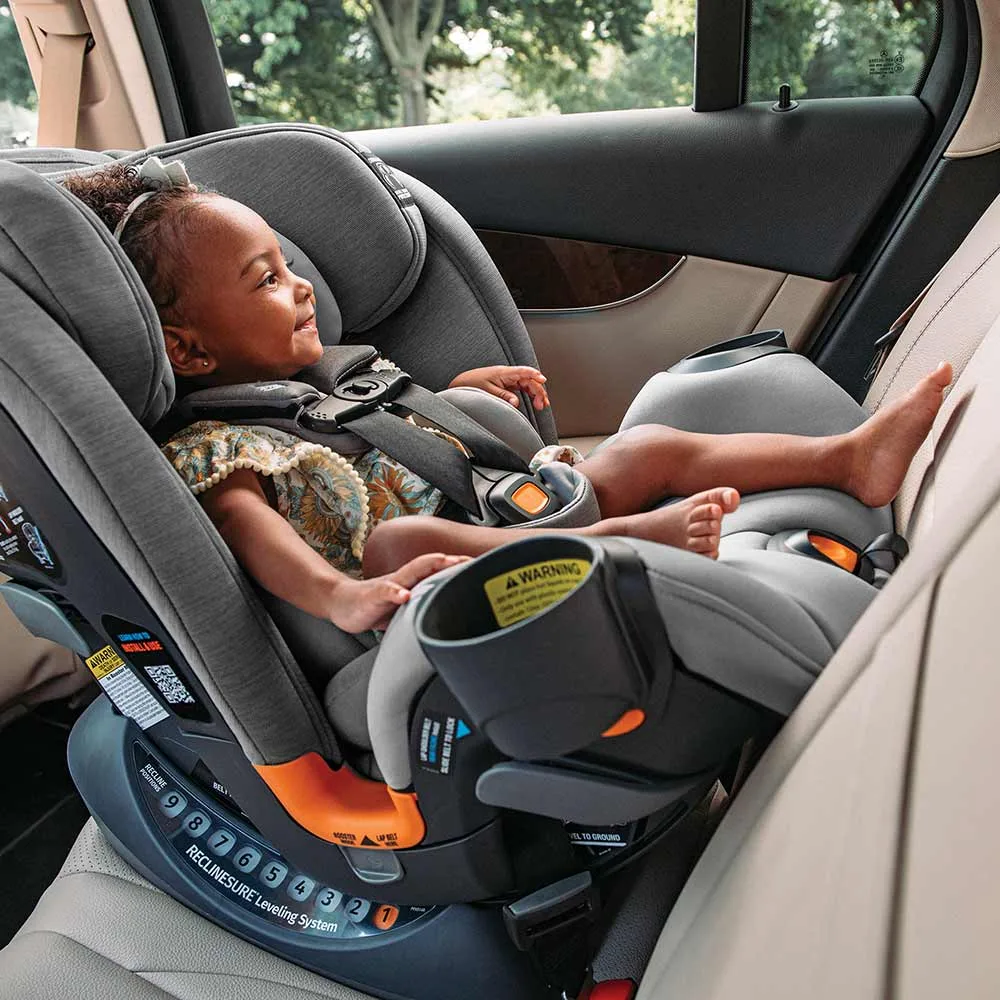
Image source: Bing (Web (fair-use with source credit))
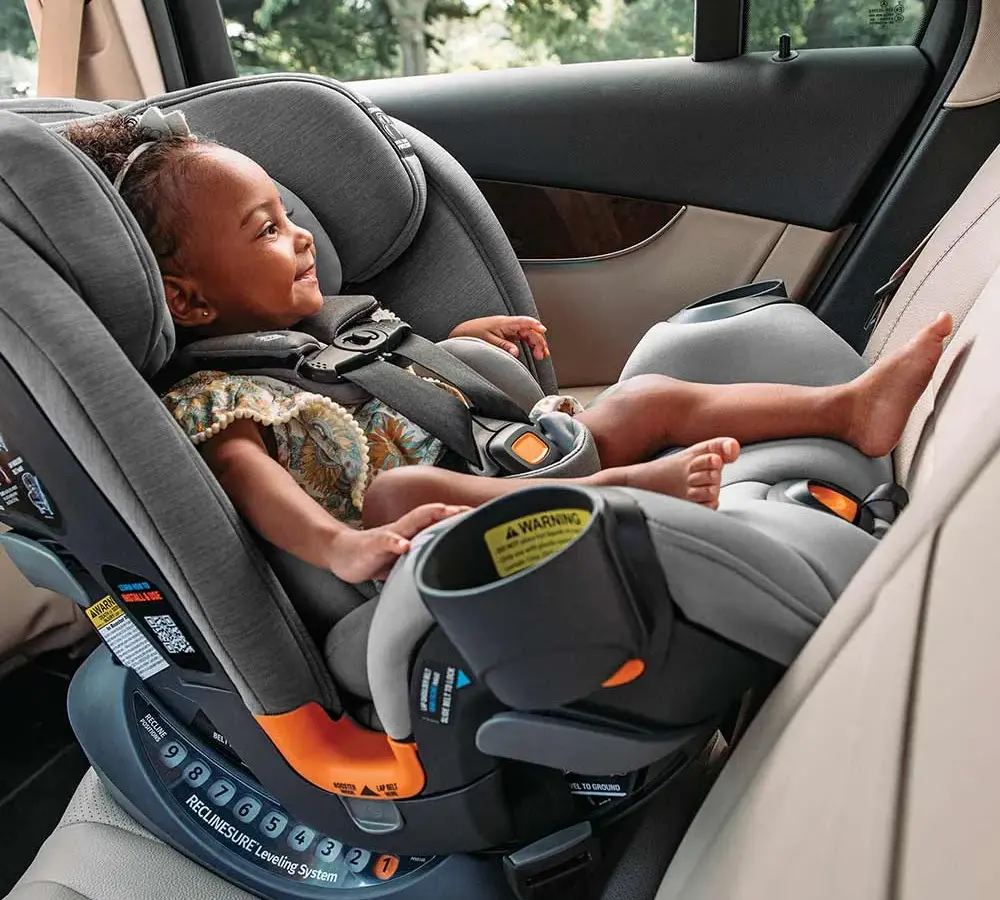
Two separate risks stack on top of each other. First, the baby's position. A rear-facing seat keeps an infant at a reclined angle, often 30 to 45 degrees for newborns per manufacturer specs.
That angle is great for sleep and crash protection. It's not great for swallowing.
Second, the driver. Reaching back to hold a bottle, adjusting a snack cup, or turning your torso to check on a fussy baby all pull your eyes and hands off the road. NHTSA frames distracted driving simply: taking your eyes off the road for five seconds at 55 mph is like driving the length of a football field blindfolded.
Put those two risks together and you've got a scenario where the parent is distracted and the baby is in a compromised feeding position. No safety agency signs off on that combination. Not the AAP, not NHTSA, not any car seat manufacturer we've seen in official documentation.
Here's the part that trips parents up. It's not about whether you can physically do it. You can.
It's about whether the setup is designed for it. It isn't, and that gap is where injuries happen.
What the AAP and NHTSA Actually Say About Feeding While Driving
The AAP doesn't dance around this. Its guidance for car seat safety repeatedly stresses that infants should ride rear-facing and stay properly harnessed for the entire trip. Feeding is not listed as an exception, because there isn't one.
NHTSA's child passenger safety materials echo the same principle. A child restraint is engineered to do one job: keep a child contained and positioned correctly during a crash. Every piece of it, from the 5-point harness to the chest clip, exists to serve that job.
Nothing about it is built for eating.
So when parents ask whether they can feed on the go, the honest translation of official guidance is this: no, not while the car is moving. Treat a car seat like a seat belt for a baby. You wouldn't unbuckle to eat a sandwich at 70 mph, and the same logic applies.
What about older babies and toddlers in convertible seats? Same rule. Rear-facing is rear-facing.
The seat doesn't become a feeding station just because your child can hold a cracker.
One more thing worth naming. Feeding in a parked, engine-off car is a different scenario entirely. That's fine, with supervision.
The danger lives specifically in the moving car, where both the airway risk and the distraction risk are live at the same time.
The Real Risks: Choking, Airway Position, and the Physics of a Crash
Choking is the risk parents underestimate most. In a semi-reclined position, an infant's airway and swallowing mechanics aren't lined up the way they are when sitting upright or held at the breast. Milk or puree can pool, and a young baby's cough reflex isn't fully developed.
Add a bumpy road, a sudden brake, or a pothole, and the risk climbs.
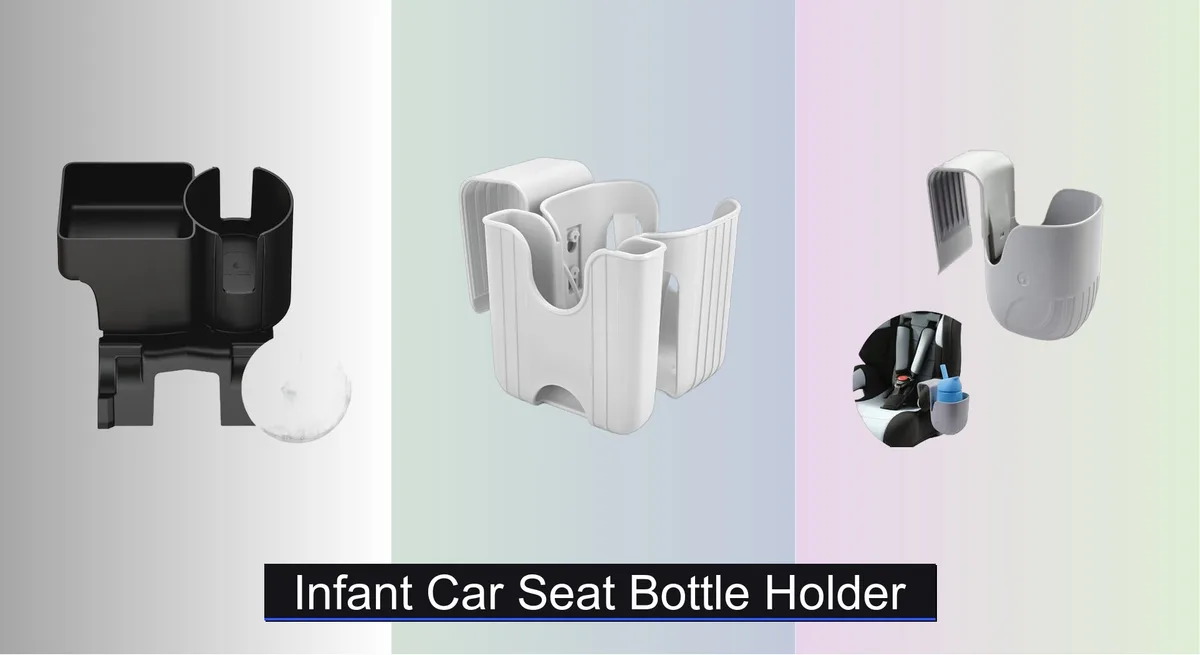
Image source: Web (Bing) / bestbabycarseat.com (Web image (fair-use with source credit))
Bottle propping deserves its own warning. Wedging a bottle with a rolled blanket, a pillow, or against the seat edge is one of the most common workarounds parents use on road trips. It's also one of the most dangerous.
The baby can't control the flow, can't push the bottle away, and can't turn their head if they start to choke. Aspiration, where liquid enters the airway, becomes a real possibility.
Then there's the crash physics angle. Anything not secured in the car becomes a projectile in an impact. An unrestrained baby, or a baby who's been unbuckled mid-drive to nurse, is the worst version of that.
NHTSA data shows car seats reduce the risk of fatal injury for infants in passenger cars by roughly 71 percent. That protection only exists when the baby is strapped in correctly. Take the harness off to feed, and you've just removed the one thing keeping your child safe.
There's also the less dramatic but real issue of distraction. Even if nothing bad happens, reaching back repeatedly to manage a bottle or snack means you're not fully driving. That's a crash risk whether or not the baby chokes.
The American Academy of Pediatrics publishes ongoing car seat safety guidance that keeps coming back to the same core point: restraint first, everything else second.
What's Actually Safe, And What Isn't
Let's separate the myths from the workable options. The line isn't complicated once you frame it around whether the vehicle is moving.
Feeding on the Move vs. Feeding at a Stop
If the car is moving, don't feed. If the car is parked, engine off, you can feed safely. That's the whole decision.
If the baby is crying and you're on a highway, the answer is to pull over at the next safe stop. Not to reach back with a bottle.
If you've got a long stretch with no rest area, plan the stop before you leave. Look at the route and mark gas stations, truck stops, or park-and-ride lots where you can safely pull off, park, and feed.
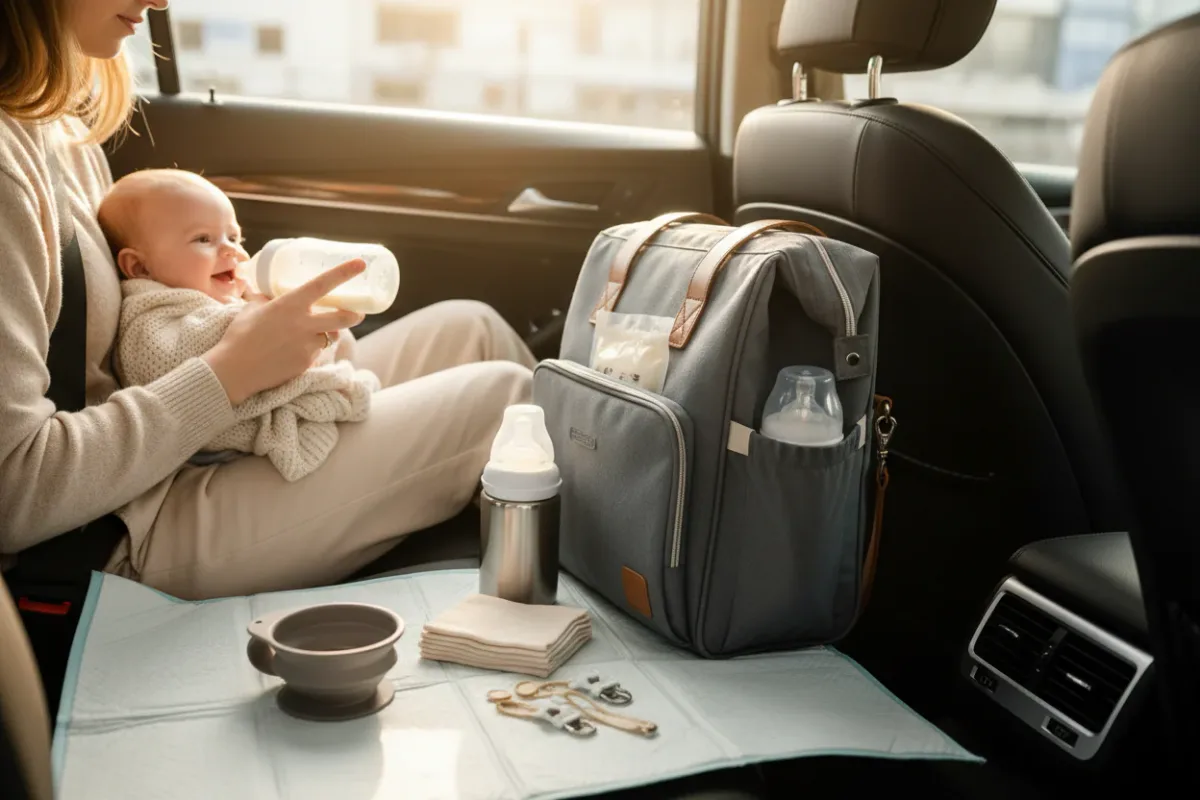
Image source: Bing (Web (fair-use with source credit))
When a Passenger Can Help (And When They Can't)
If a second adult is in the car, can they feed the baby? Technically they can hold a bottle, but the baby is still semi-reclined and still at airway risk. The safer version is a snack or a pacifier, not a full feed, and even then only if the baby is old enough to sit up well.
For newborns and young infants, the passenger should still wait for a stop.
If you're driving solo, there's no safe mid-drive feeding option. Full stop.
Pacifiers, Snacks, and the Handoff Question
Pacifiers are the safest in-motion soothing tool. They don't involve swallowing, and a parent can often hand one back at a red light.
Snacks are a gray zone. A teething cracker for a baby who's already eating solids and sitting well is low risk if a passenger hands it over. Loose snacks, small pieces, and anything a baby could choke on are out.
Popcorn, grapes, and hard chunks are non-starters.
Bottle handoffs by a passenger are possible but carry the same recline risk as any feeding. Keep them short, keep the baby upright if the seat allows it, and never do it from the driver's seat.
How to Plan a Road Trip So Your Baby Doesn't Need to Eat While You Drive
Planning beats improvising every time. The goal is simple: feed the baby fully before you leave, and schedule stops so hunger never becomes a mid-highway emergency.
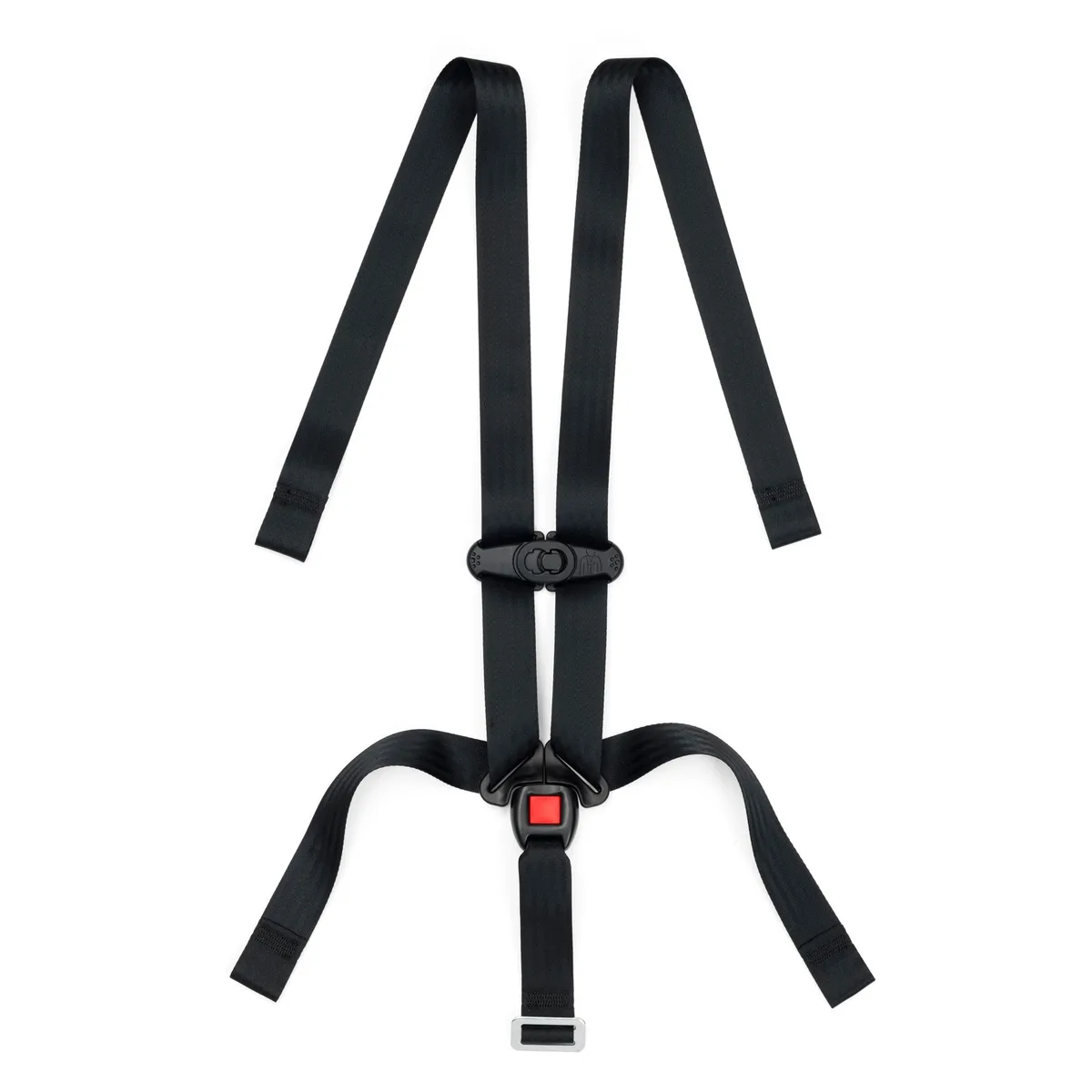
Image source: Bing (Web (fair-use with source credit))
Here's the workflow we'd recommend:
- Feed and burp the baby 30 to 60 minutes before departure.
- Change the diaper right before you strap them in.
- Install the car seat per manufacturer instructions and check the harness snugness with the two-finger test at the collarbone.
- Verify the chest clip sits at armpit level.
- Plan stops every 2 to 3 hours for infants.
- Scout safe pull-off spots in advance: rest areas, gas stations, grocery parking lots.
- At each stop, park, engine off, then unbuckle and feed.
- Burp again, then re-harness and re-check before you restart.
A distraction kit up front helps too. A pacifier, a soft toy, white noise, or a favorite song can buy you time between stops. A baby mirror lets you glance without turning your body.
As of 2026, most convertible and infant seats still rely on the same 5-point harness geometry, so nothing about the setup has changed the core rule.
If the baby won't settle and you're still miles from a stop, pull over. A five-minute delay beats a lifetime of regret. That's the trade every time.
Mistakes Parents Make (And What to Do Instead)
The biggest mistake is treating a crying baby as an emergency that justifies a mid-drive feed. It's not. It feels urgent, but it's a solvable problem with a safe solution: pull over.
Here are the errors we see most often, and the fixes.
- Reaching back to hold the bottle. Instead, pull over at the next safe spot, park, and feed properly.
- Propping a bottle with a blanket or pillow. No fix exists for this one. Just don't.
- Unbuckling the baby to nurse in motion. Never. A parked car, engine off, is the only place this happens.
- Turning your whole torso to check the baby. Use a rear-facing mirror and glance, don't twist.
- Feeding a newborn a full bottle in a semi-reclined seat. Wait for the stop. Airway risk is highest in the first months.
- Handing back loose snacks. Small, round, or hard foods are choking hazards in a moving car.
- Assuming a short trip is fine. A low-speed impact can still cause aspiration or projectile injury.
- Skipping the pre-departure feed because you're running late. That sets up the exact scenario you're trying to avoid.
The pattern behind all of these is improvising under pressure. Plan the feed, plan the stops, and you remove the temptation entirely.
When to Pull Over, When to Push Through, and When to Call It
Pull over the moment feeding becomes the only way to settle your baby. That's the line. Crying alone isn't an emergency, but hunger plus distress at highway speed is a setup for bad decisions.
Use this if/then logic:
- If the baby is hungry and the car is moving, pull over at the next safe stop.
- If the baby is fussy but not hungry, try a pacifier, white noise, or a soft toy first.
- If a passenger is available and the baby is older and sitting well, a pacifier or short snack is low risk.
- If you're on a highway with no exit for 20 miles, keep driving calmly and take the first safe off-ramp.
- If the crying is escalating and you're distracted, pull onto the shoulder only when it's legal and safe, otherwise exit fully.
- If you're exhausted, stressed, or it's late at night, stop somewhere well-lit and take a real break.
Shoulder stops on busy highways are risky. Exiting to a gas station or rest area is almost always the better call.
When do you call it? When the drive has become more about finishing the trip than keeping your baby safe. Turn off, park, feed, reset.
The trip can wait.
Real Scenarios: What This Looks Like on the Road
These aren't hypotheticals. They're the situations parents write in about, and each one has a clean answer.
A solo parent, four hours into a six-hour drive, baby screaming and refusing the pacifier. If the baby is hungry, the answer is the next exit, not the next mile. Park, engine off, feed, burp, re-harness, drive on.
A couple driving overnight, one at the wheel, one in back. If the baby needs a bottle at 2 a.m., the passenger can hold it only if the baby is older and the seat position allows. Otherwise, pull over.
A tired driver plus a feeding baby is a doubly bad combination.
A parent running late to a pediatric appointment with a hungry newborn. If you didn't feed before you left, that's the lesson. Next time, build in 30 minutes.
For today, pull over, feed, and accept the delay.
A family on a rural route with 90 minutes between towns. If you know the stretch, feed right before it. If you didn't, plan for the first town and keep the baby soothed until then.
The thread running through all of these is the same. Prep beats panic. The parents who handle road trips well are the ones who fed the baby before they pulled out of the driveway.
FAQ: Feeding, Car Seats, and Driving With an Infant
Can you feed a baby in a car seat while the car is parked?
Yes. A parked car with the engine off is a safe place to feed, as long as you're supervising. Unbuckle the baby, feed at a proper angle, burp, then re-harness before you restart the car.
The rule is about motion, not about the seat itself.
Is it safe to give a baby a bottle in a moving car if a passenger holds it?
Not for newborns or young infants. The semi-reclined position still creates airway and choking risk, regardless of who's holding the bottle. For older babies who sit well, a short, supervised feed is lower risk but still not ideal.
Why is bottle propping so dangerous?
A propped bottle lets milk flow faster than a baby can manage. The baby can't push it away or turn their head if they start to choke. Aspiration risk goes up sharply, and a bumpy road makes it worse.
Can a baby choke on a bottle in a car seat?
Yes, especially in a semi-reclined rear-facing seat. The recline angle, combined with motion and a young baby's developing swallowing reflex, raises the risk. Feeding upright or at a stop is always safer.
How often should you stop on a road trip with a baby?
Plan a stop every 2 to 3 hours for infants, matching their normal feeding rhythm. That's the sweet spot for most families. Longer stretches mean more hunger, more crying, and more temptation to feed on the move.
What about pacifiers and snacks while driving?
Pacifiers are the safest in-motion option for soothing. Snacks are a gray zone. A teething cracker for a baby already eating solids is low risk.
Loose pieces, grapes, popcorn, and hard chunks are choking hazards. Skip them.

Similar Posts