Can You Bottle Feed a Baby in a Car Seat? Safety Facts
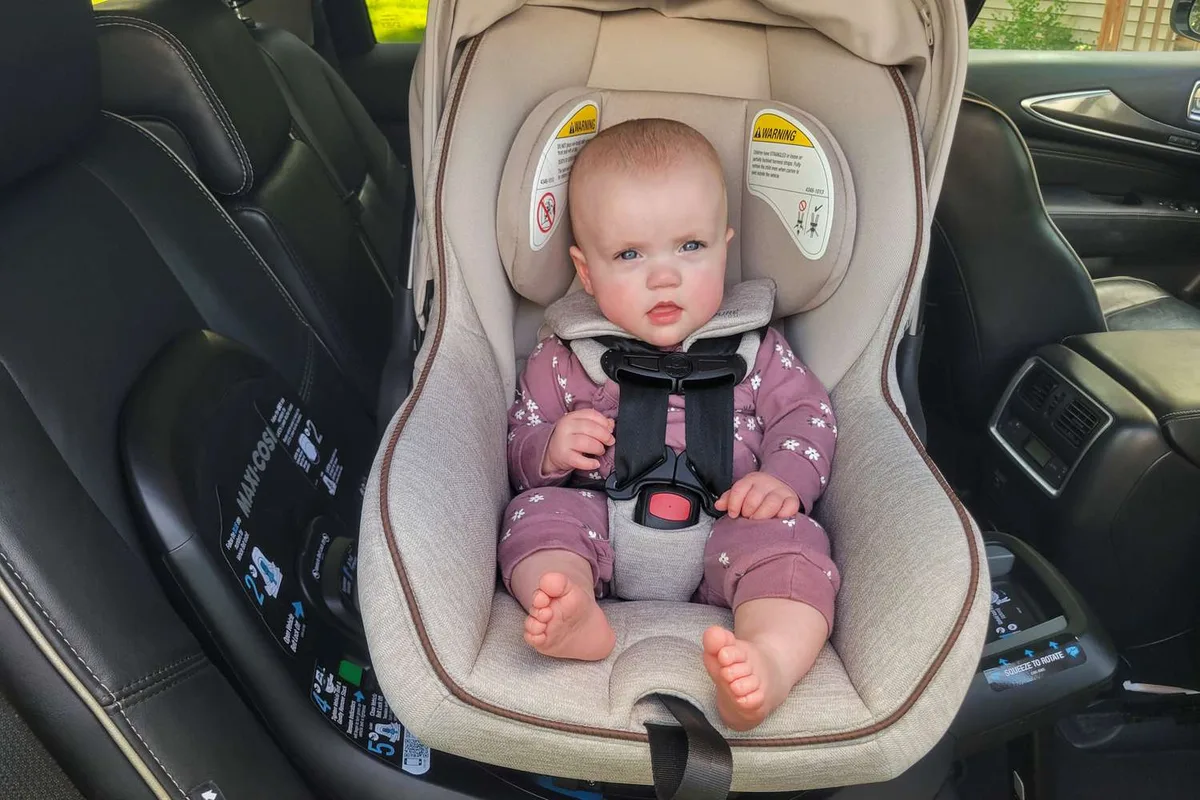
You can feed your baby in a car seat, but only under very specific conditions. The safe answer depends on whether the car is parked or moving, how reclined the seat is, and how alert your baby is during the feed. Get any of those wrong and you're looking at a real choking risk.
That's why "can you bottle feed a baby in a car seat" isn't a yes-or-no question. It's a conditions question.
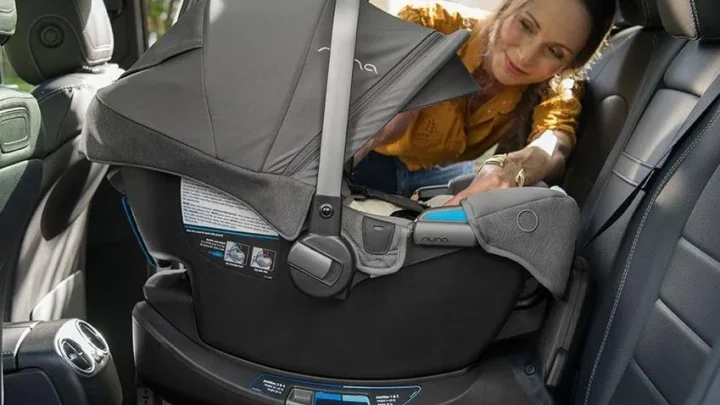
The American Academy of Pediatrics (AAP) is clear that car seats aren't sleep surfaces, and NHTSA's FMVSS 213 standard only tests seats for crash protection, not feeding safety. Manufacturer specifications indicate that a rear-facing infant seat sits at a 30 to 45 degree recline angle. That's fine for a crash, but it's a semi-upright position for a feeding baby.
So let's break down what actually changes your answer.
can you bottle feed a baby in a car seat
Yes, but only when the car is parked, you're sitting beside your baby, and they're fully awake. Never feed a baby in a moving car. Never prop a bottle.
Never leave them alone with a bottle in the seat. A supervised, parked, upright-adjacent feed is workable. Anything else isn't.
Why This Question Matters More Than Most Parents Realize
Image source: Bing (Web (fair-use with source credit))
The real danger isn't choking on milk. It's positional asphyxia, and it's silent.
Positional asphyxia happens when a baby's head slumps forward and their chin drops toward their chest. That position compresses the airway. In a semi-reclined car seat, a newborn with no head control can slip into that position in minutes.
There's no coughing, no gasping, no noise.
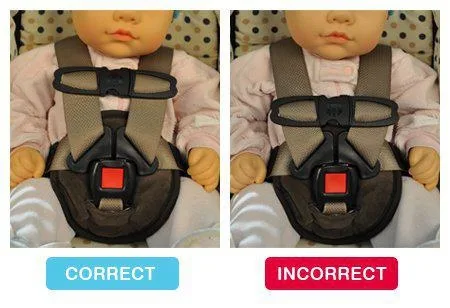
Image source: Web (Bing) / csftl.org (Web image (fair-use with source credit))
Per AAP guidance, the highest-risk window is under 4 months old. Those babies have weak neck muscles and heavy heads. They can't reposition themselves if their airway narrows.
Here's the distinction most parents miss. There are three completely different scenarios, and each carries a different risk profile:
- Feeding while the car is moving. Off the table. Not safe, no exceptions.
- Feeding in a parked car, supervised, baby awake. Conditional yes.
- Feeding in a car seat at home, baby left alone. This is where most injuries actually happen.
That third one catches parents off guard. A baby finishes a bottle in a carrier seat on the kitchen floor, drifts off, and the parent steps away. That's the scenario pediatric researchers flag most often in positional asphyxia case reviews.
What the Experts Actually Say
Regulators and pediatric bodies agree on the core point: car seats are for transport, not for feeding or sleeping.
The AAP recommends rear-facing travel until at least age 2. It also warns against using car seats as sleep surfaces outside the vehicle. NHTSA's FMVSS 213 test standard covers crash dynamics only.
It says nothing about feeding safety, and that silence matters.
Manufacturer documentation tells the same story. Graco, Chicco, Britax, and Evenflo all print warnings against leaving infants unsupervised in their seats. Some manuals go further and explicitly warn against feeding in the seat while the vehicle is moving.
Where the guidance gets fuzzy is the parked-and-supervised scenario. No major body issues a blanket ban there. That's why the answer depends on your specific setup.
| Source | Position on feeding in a car seat |
|---|---|
| AAP | No sleep in car seats outside the car; supervise all in-seat time |
| NHTSA | Crash-tested only; no feeding guidance |
| CPSC | Recalls and product warnings focused on restraint, not feeding |
| Manufacturers (Graco, Chicco, Britax) | Warn against unsupervised use and feeding while moving |
The Risk Factors That Change Your Answer
If your baby is under 4 months old, treat every in-seat feed as high-risk. Their head control isn't there yet. A slight slump is enough to narrow the airway.
If the seat is reclined past 45 degrees, your baby is essentially lying flat. That sounds safer for feeding, but it isn't. Milk can pool in the back of the throat, and a flat-lying baby can't clear it.
If your baby is drowsy, stop the feed. A drowsy baby sucks slower, swallows less often, and is more likely to fall asleep mid-bottle. That's the exact moment positional asphyxia risk spikes.
If the harness is loose, you've removed the one thing holding your baby in a safe position. Some parents loosen straps to reach the baby's mouth. That defeats the entire purpose of the seat.
Heat matters too. A parked car interior can hit 100°F within minutes on a warm day. That's a separate risk stacked on top of the feeding one.
How to Feed Safely in the Car (If You Do It at All)
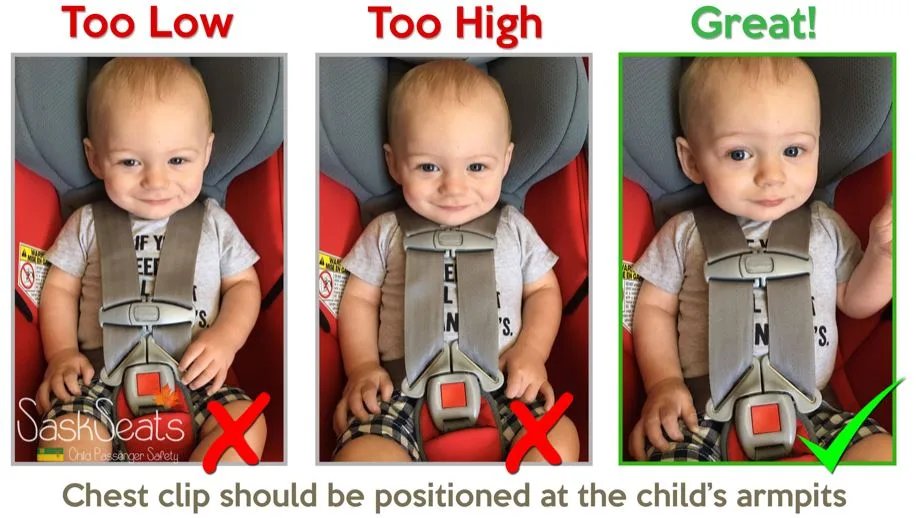
Image source: Bing (Web (fair-use with source credit))
If you're going to do this, do it right.
- Park safely. Engine off, parking brake set, flat ground. No exceptions.
- Sit beside your baby. The front passenger seat is too far to monitor breathing and swallowing.
- Keep the harness snug. Don't loosen it for the feed. The chest clip stays at armpit level.
- Hold the bottle yourself. Never prop it with a blanket, pillow, or the seat edge.
- Keep the bottle at a shallow angle. Gravity feeding is too fast for a newborn.
- Watch the whole time. Coughing, arching, head turning, or color changes mean stop now.
- Burp and re-secure. Then get them out for a proper nap. Not in the seat.
That last step is the one parents skip. Car seats aren't cribs. Once the feed is done, the seat's job is over.
Safer Alternatives When You Can't Pull Over

Image source: Bing (Web (fair-use with source credit))
Sometimes the safest move is not feeding in the seat at all.
Feeding in the back seat of a parked car works well. You're beside your baby, the seat is flat, and you control the bottle. A baby carrier (wrap or structured) at a rest stop keeps them upright and close.
A stroller seat with a full flat recline is another option. Only use it if it reclines flat enough for sleep. Otherwise you're recreating the same problem.
Timing beats improvisation. Feed before you leave, or plan a stop around the expected feed window. A 10 to 20 minute newborn feed is predictable enough to schedule around.
Paced bottle feeding helps here too. Per pediatric feeding guidance, it slows the flow and lets your baby breathe between sucks. That reduces the risk in any semi-reclined position.
Common Mistakes Parents Make
Propping the bottle "for a second" is the single most dangerous move you can make. A propped bottle keeps flowing even when your baby stops swallowing. That's how choking and aspiration happen.
Loosening the harness to reach your baby's mouth is a close second. The straps are what hold their body in a safe position. Slack straps let the torso shift and the chin drop.
Leaving your baby in the seat to finish a bottle alone is the scenario pediatric case reviews flag most often. Positional asphyxia doesn't announce itself. A baby can slip into a compromised airway while the parent checks their phone.
Feeding a drowsy baby who's already halfway to sleep is another trap. Sucking slows, swallowing stops, and milk pools. Stop the feed the moment their eyes start to close.
Treating the car seat as a nap zone after the feed rounds out the list. The seat did its job during the feed. Once the bottle's done, a sleep-safe surface is the only place your baby should land.
- Propping the bottle with a blanket or pillow
- Loosening the harness to feed
- Walking away mid-feed
- Feeding a drowsy or half-asleep baby
- Letting them nap in the seat after feeding
- Feeding in a moving vehicle
When to Call Your Pediatrician
Call your pediatrician if your baby coughs, gags, or sputters during in-seat feeds more than once. Repeated feeding struggles can point to reflux, a feeding aversion, or a nipple flow rate that's too fast.
Call 911 if your baby turns blue, pale, or limp during or after a feed. Those are positional asphyxia warning signs. Don't wait to see if they recover on their own.
Ring your pediatrician if feeding volumes drop off, if your baby refuses the bottle, or if you notice breathing that looks effortful. Pauses in breathing longer than 20 seconds in a newborn warrant a same-day call.
Any near-asphyxia event deserves a follow-up, even if your baby seems fine minutes later. Brief oxygen drops can have delayed effects. Your pediatrician can decide whether monitoring is needed.
Frequently Asked Questions
Can I feed my baby in a car seat while the car is moving?
No. Feeding in a moving car is unsafe, full stop. Your baby can't be properly supervised, the seat angle promotes chin-slump, and any sudden braking creates a choking hazard.
Pull over safely and feed in a parked car with you sitting beside them.
Is it safe if my baby is wide awake and I'm sitting next to them?
It's the safest version of an in-seat feed, but not risk-free. Keep the harness snug, hold the bottle yourself, watch for coughing or arching, and stop the moment they get drowsy. Never prop the bottle.
Never walk away mid-feed.
What if my baby falls asleep right after the feed?
Get them out of the seat and onto a flat, firm sleep surface. Car seats aren't sleep-safe outside the vehicle. Per AAP guidance, the semi-reclined angle can cause a newborn's head to slump forward and narrow their airway.
A crib or bassinet is the only safe next step.
Do convertible car seats change the answer?
Not really. Convertible seats in rear-facing mode use similar recline angles (30 to 45 degrees). The same rules apply: parked car, supervision, snug harness, no propping.
The physical risks don't change with seat type.
Are there car seats designed for feeding?
No. No car seat on the market is designed or tested for feeding. NHTSA's FMVSS 213 standard covers crash protection only.
Any seat you use for feeding is being used off-label, so the safety burden falls on you.
The Bottom Line on In-Seat Feeding
In-seat feeding isn't banned, but it lives in a narrow safe zone. Parked car. Snug harness.
Awake baby. You sitting close, bottle in hand. Miss any of those and the risk climbs fast.
The bigger truth is that car seats aren't feeding stations to begin with. They're crash protection devices. Every minute your baby spends in one outside of driving is a minute their body is in a semi-upright position that isn't ideal for feeding or sleep.
If you can plan feeds around your drive instead of during it, do that. If you can't, pull over, take them out, feed them in your arms or on a flat surface, then strap them back in. It's slower.
It's also safer, and it's the version pediatric researchers actually recommend.

Similar Posts