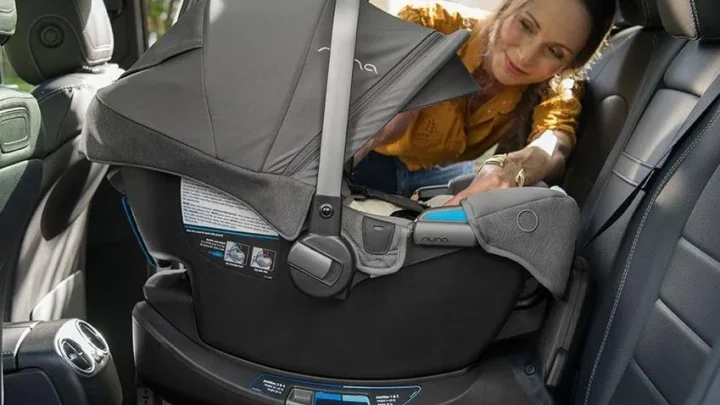
Can You Feed a Baby in a Car Seat? Safety Facts
Learning your way through the car seat rules is a rite of passage for new parents. You have probably heard "never feed a baby in a car seat" from one person, and "it's fine if you're parked" from another. So can you feed baby in car seat at all, or is it truly off-limits?
The honest answer sits somewhere in the middle, and the stakes are high enough to get it right.
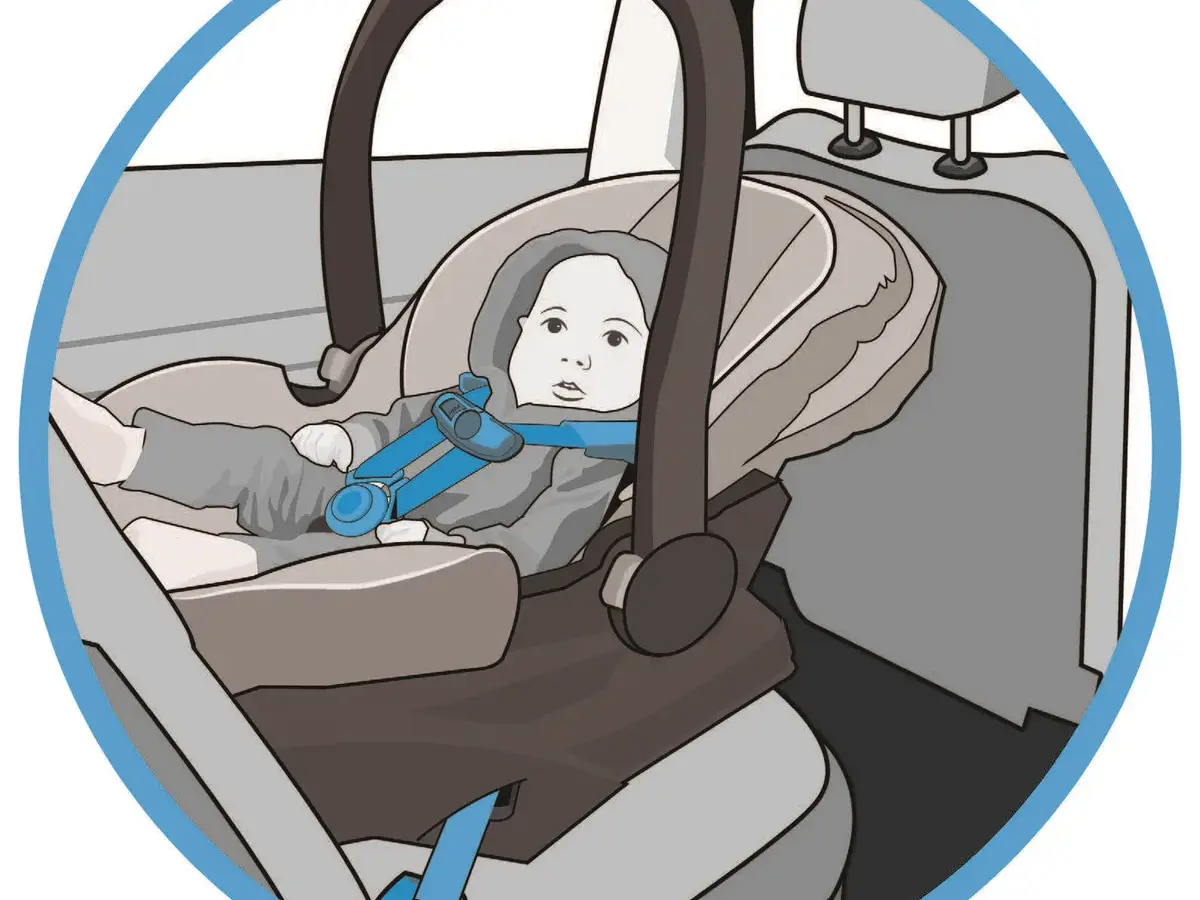
The core problem isn't the seat. It's the recline angle. Rear-facing infant seats sit at roughly 30 to 45 degrees, and that semi-upright position lets a newborn's head tip forward.
The American Academy of Pediatrics and NHTSA both warn that a chin-to-chest posture can narrow the airway. Here's what that means for your feeding plan.
can you feed baby in car seat
Yes, you can feed a baby in a car seat, but only under strict conditions. The car must be parked. You must supervise the baby directly.
Do not bottle-feed a baby in a moving car or a reclined seat. Never leave a baby unattended with a bottle.
Why This Question Matters More Than Most Parents Realize
A hungry baby on a long drive creates real pressure. You want to soothe them, keep the trip moving, and avoid a meltdown. That pressure is exactly why so many parents reach back with a bottle at 60 mph.
That decision carries more risk than most people assume. A baby's airway is roughly the width of a drinking straw. A small shift in head position can narrow it in seconds.
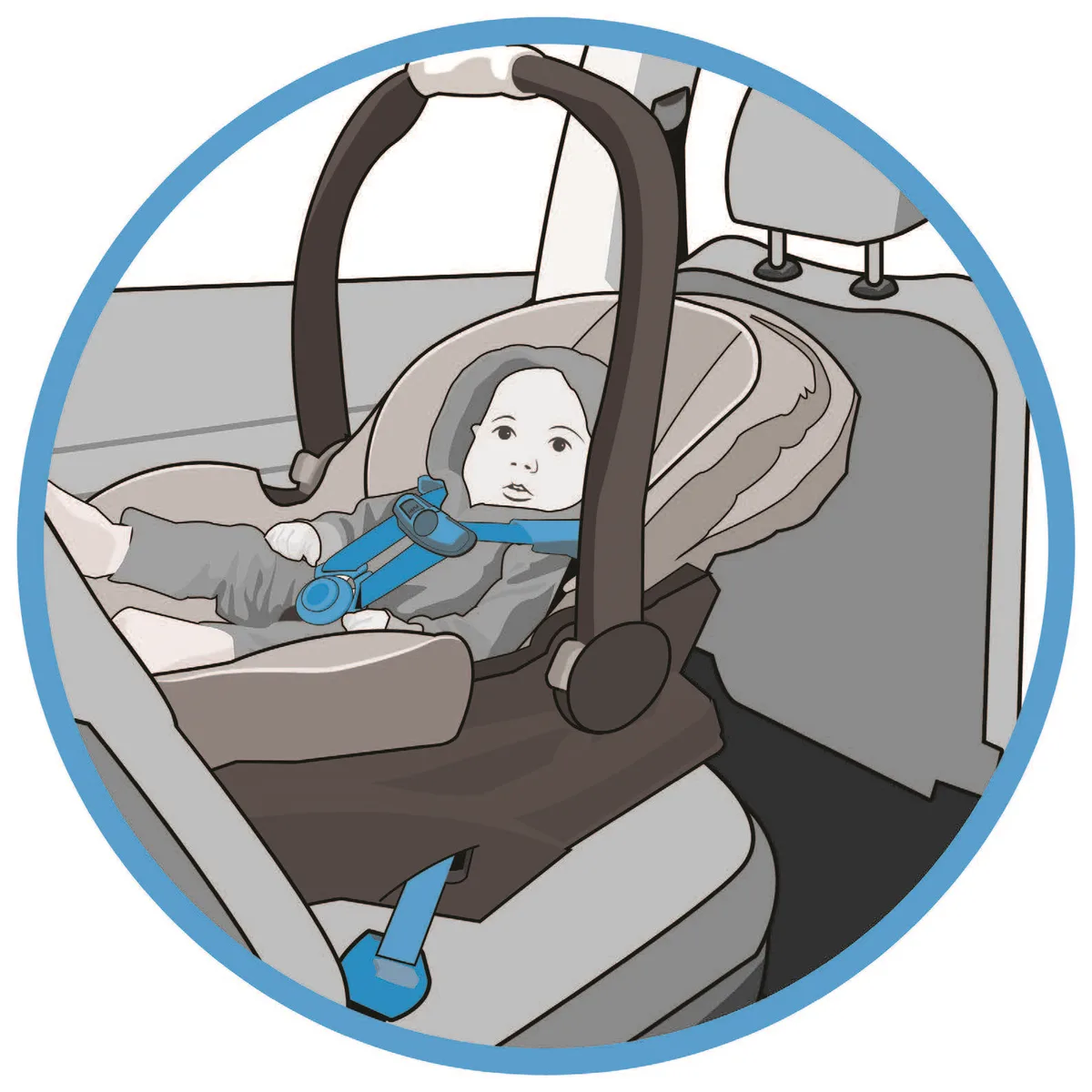
Image source: Bing (Web (fair-use with source credit))
Positional asphyxia is the medical term for this. It happens when a baby's body position blocks their airway, and it can occur silently. There's no choking sound, no gasp, and no struggle you'd notice from the driver's seat.
What positional asphyxia and choking actually look like
Positional asphyxia looks calm. A baby who is suffocating may simply go quiet and limp. That's why safety experts treat a sleeping baby in a car seat as a red flag, not a relief.
Choking from a bottle is different. It's usually louder and more obvious. But a newborn's swallow coordination isn't fully developed, so milk can pool in the throat during a reclined feed.
Why "just for a minute" is where things go wrong
Most car seat injuries don't happen because a parent ignored every rule. They happen during a "quick" feed in a parking lot that stretches to twenty minutes. Or a sleeping baby left in the seat after a bottle.
The safest habit is simple. When the feed ends, the car seat time ends too. Move the baby to a flat surface for any real rest.
The Real Risks of Feeding in a Car Seat
This isn't about scaring you off. It's about knowing exactly what you're managing so you can make a clear-headed call. Here's what the research and safety bodies actually say.
Positional asphyxia and chin-to-chest airway compression
The biggest risk is airway compression. When a baby's head falls forward, the chin drops toward the chest. That angle can kink the airway and cut off oxygen.
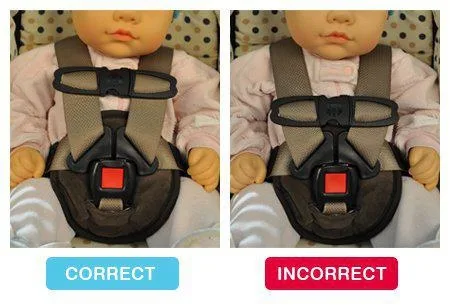
Image source: Bing (Web (fair-use with source credit))
Newborns have weak neck muscles. They can't lift or turn their heads to fix a bad position. That's why even a brief unsupervised moment in a reclined seat matters.
The AAP has documented infant deaths in car seats, swings, and similar devices. Most involved babies left unsupervised or placed at an improper angle. The pattern is consistent, and it's avoidable.
Choking risk at a rear-facing recline angle
Feeding at an incline changes how milk flows. Gravity pushes liquid toward the back of the throat faster than a newborn can swallow. That pooling is the setup for choking.
The problem worsens if baby is drowsy or drifting off. Their swallow reflex slows. A bottle still in the mouth at that point is a genuine hazard.
Never prop a bottle. Propping lets milk flow continuously, with no one watching. It also raises the risk of ear infections and baby bottle tooth decay.
Bottle propping, tooth decay, and ear infections
The American Academy of Pediatric Dentistry links prolonged bottle contact with early childhood cavities. Milk sugars sit against the teeth for long stretches. That's a problem even before teeth fully emerge.
Feeding while lying flat can push fluid into the Eustachian tube. That raises the odds of ear infections. It's a lesser concern than airway risk but still worth avoiding.
What the AAP, NHTSA, and seat manufacturers actually say
The guidance is consistent across the board. Here's the short version:
- The AAP advises against feeding a baby in a car seat while the vehicle is moving.
- NHTSA treats the car seat as a travel restraint, not a feeding or sleep device.
- Most car seat manuals explicitly prohibit feeding in the seat. Check yours.
- Safe sleep guidance requires a flat, firm surface. A car seat does not qualify.
As of 2026, no major safety body endorses feeding a baby in a moving vehicle. That's the line to hold.
Parked vs. Moving: The One Split That Changes Everything
If you take one thing away, make it this. The parked-versus-moving question is the single biggest factor in whether a feed is risky. Here's how the decision branches.
Feeding in a moving car, then stop the car
If the car is moving, do not feed. That's the clean rule. You can't supervise a feed and drive at the same time.
Pull over to a safe spot before you do anything else. A rest area, parking lot, or gas station works. A highway shoulder does not.
Feeding in a parked car, then follow the checklist
If the car is parked, feeding can be safe under tight conditions. Set the parking brake. Turn off the engine.
Stay within arm's reach the whole time.
Keep the feed short. Watch your baby's face and breathing, not your phone. When they're done, burp them upright and get them out of the seat.
Feeding in arms at a rest stop vs. in the seat
Feeding in your arms is almost always safer than feeding in the seat. You control the angle, and you can see your baby's airway clearly. The only catch is you need a clean, comfortable place to sit.
If a rest stop has a nursing room or family area, use it. If not, the front seat with baby in your arms beats a reclined bucket seat every time. For breastfeeding parents, the same logic applies.
Nurse in arms when parked, never while the car is moving.
How to Feed Your Baby Safely on the Road (Step-by-Step)
If you've decided to feed in a parked car, treat it like a small procedure. These steps keep the risk as low as it can reasonably be.
Plan the feed before you leave
Feed your baby right before you head out. A full baby is a calmer traveler. Build in a stop roughly every two to three hours for newborns.
Pack a room-temperature bottle or a cooler for expressed milk. Avoid needing to heat a bottle mid-drive. That's a distraction you don't want.
Pick a genuinely safe pull-over spot
Choose your stop before hunger hits. Rest areas, travel plazas, and parking lots are all fine. Plan around safe spots, not just the clock.
If you're on a rural stretch with no safe pull-off, keep driving to the next one. A crying baby is stressful. A crash is worse.
Bottle position, recline angle, and harness handling
This is where small details matter most. Get these right and a parked feed is far safer.
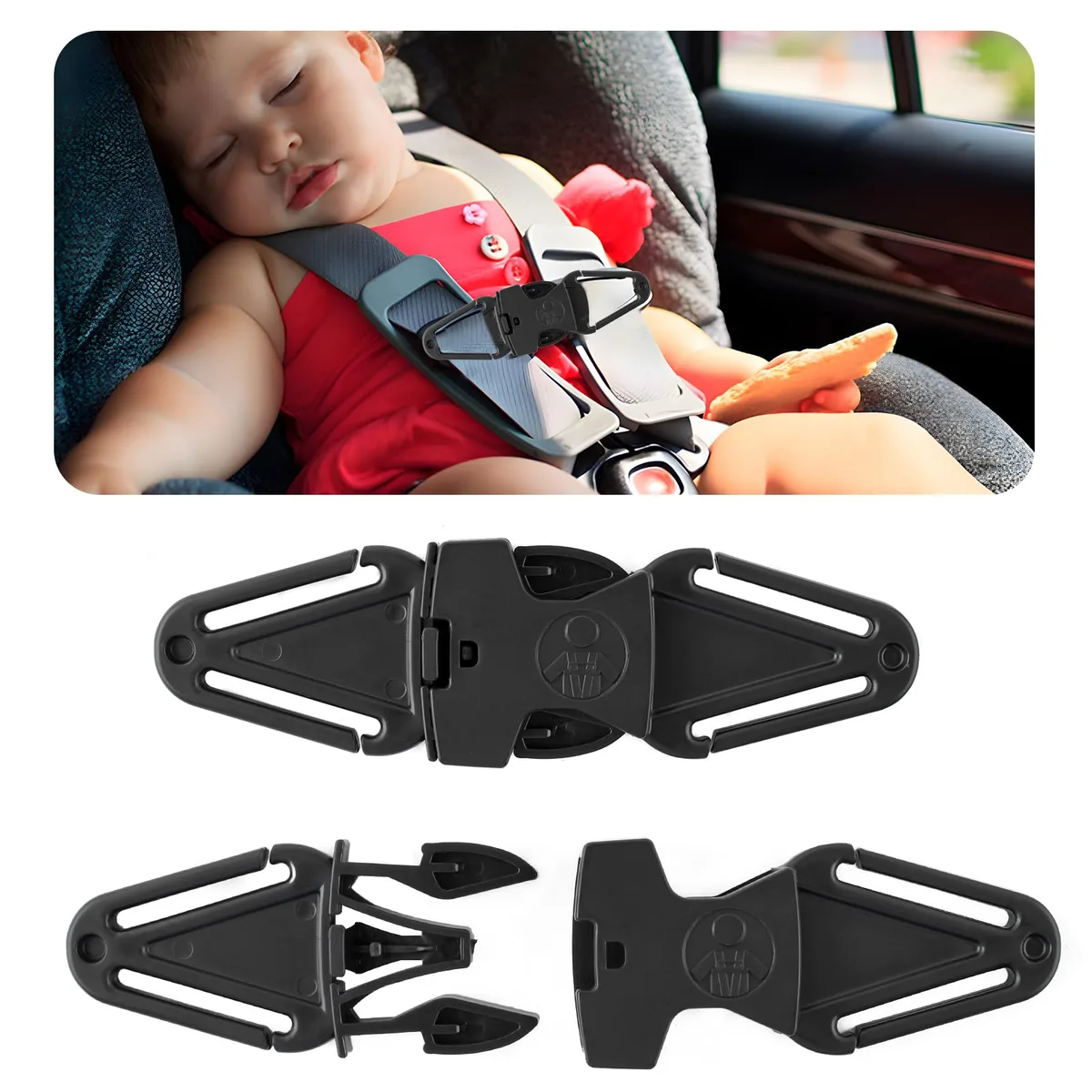
Image source: Bing (Web (fair-use with source credit))
- Keep the recline at the seat manufacturer's specified angle. Check the level indicator.
- Hold the bottle at a low angle so milk doesn't rush.
- Keep the harness snug if baby stays in the seat. Don't loosen it enough to shift position.
- Watch for chin-to-chest posture. If the chin drops, reposition the head.
- Stop the feed at the first sign of gurgling, arching, or color change.
What to do the moment baby falls asleep
This is the step most parents skip. The second your baby nods off, the feed is over. Do not leave them in the seat.
Move them to a flat, firm surface, like a travel bassinet or safe sleep space. If you're mid-drive, pull over at the next safe spot. A sleeping baby in a car seat is not a safe-sleep scenario, even if it looks peaceful.
Mistakes Parents Make (And What to Do Instead)
Every parent makes at least one of these. Spotting them early is half the battle.
Reaching back to hold the bottle while driving
This is the most dangerous move on the list. It's distracted driving plus an unsupervised feed. The fix is simple: pull over.
Unbuckling baby "just to feed them"
Unbuckling while the car is moving removes your baby's only protection. If you need to feed, park first. Then decide if arms or seat is safer for that feed.
Leaving a sleeping baby in the seat after a feed
A post-feed nap in the car seat feels convenient. It's also when positional asphyxia risk climbs. Move them out as soon as the feed ends.
Misreading the seat's recline angle
Many parents assume the seat is set correctly. It often isn't. Use the level indicator, and recheck it after any install change.
Using head inserts that push the chin down
Aftermarket inserts can push a newborn's head forward. That recreates the exact chin-to-chest risk you're trying to avoid. Use only inserts that came with your seat.
Who This Applies To, and When You Need a Different Plan
Long road trips and rural drives raise the stakes. When safe stops are far apart, plan feeds around them, not against them. Rideshares and taxis add another wrinkle since you may not have a base installed.
For reflux babies, cluster feeders, and preemies, the risk profile is higher. Talk to your pediatrician about a feeding plan for travel.
Lie-flat car seats as an alternative
Lie-flat car seats keep a baby closer to horizontal. That reduces the chin-to-chest risk and makes supervised feeding easier.
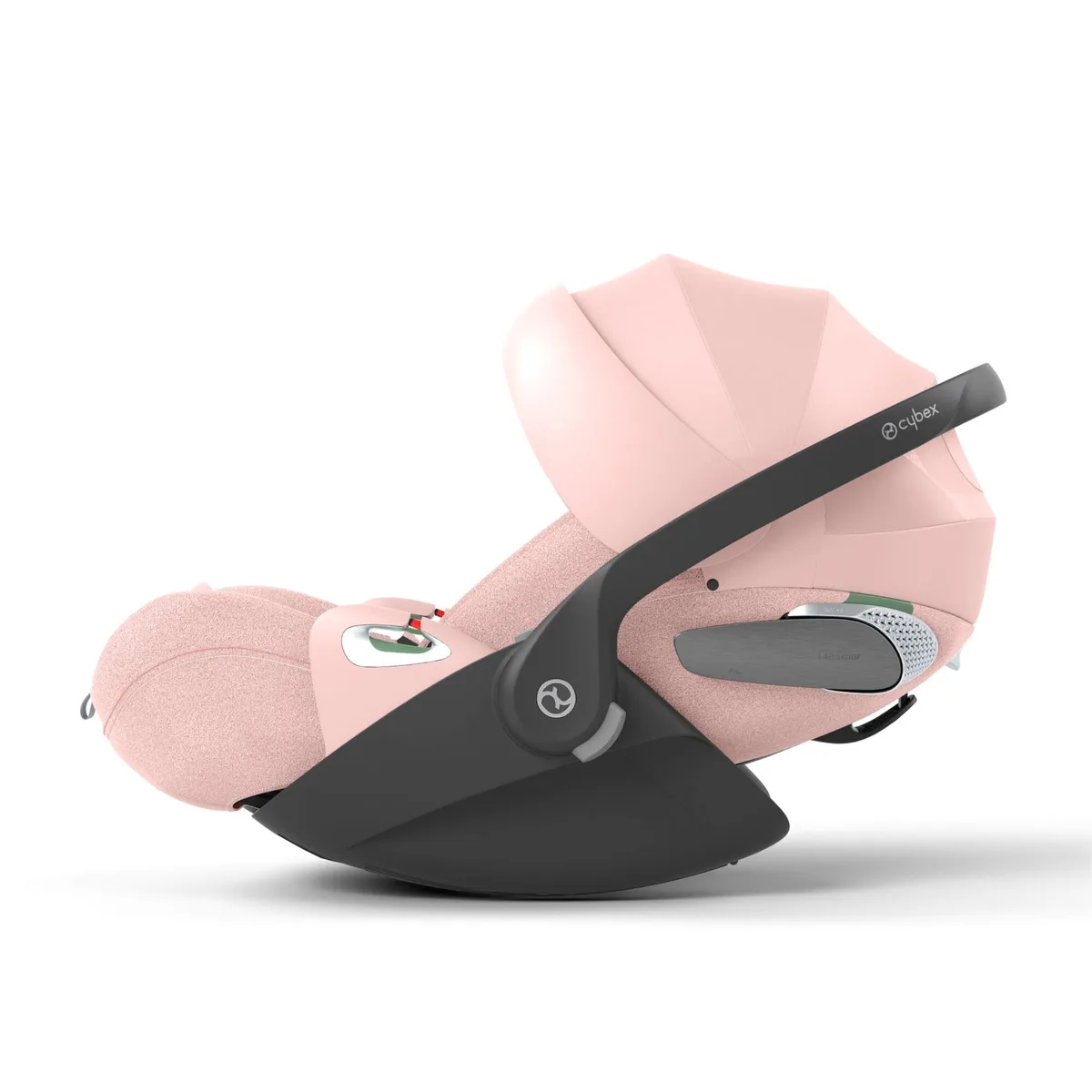
Image source: Bing (Web (fair-use with source credit))
They're not a free pass, though. You still shouldn't feed while the car is moving. Think of them as a safer angle for parked, supervised feeds, not a green light.
If you're unsure whether your setup is safe, a Child Passenger Safety Technician (CPST) can check it. Find one through NHTSA. For feeding-specific concerns, your pediatrician is the best call.
Your Decision Guide: Quick Reference
Run your situation through this short guide before you decide.
- Parked, baby awake, right recline, full supervision, then a short feed in the seat is acceptable.
- Moving, drowsy, or unsupervised, then stop and move the baby. A feed can wait. An airway can't.
- In doubt, then feed in your arms at a safe stop. It's almost always the better call.
FAQs
Can I feed my baby in the car seat if the car is parked?
Yes, if you supervise closely and keep the seat at the correct recline. Keep the feed short and watch for chin-to-chest posture. Move your baby out the moment the feed ends.
Never leave them unattended with a bottle, even briefly.
Is it safe to feed a baby in a car seat while the car is moving?
No. Never feed a baby while the car is moving. You can't supervise the feed and drive at the same time.
Pull over to a safe spot first. The AAP and NHTSA guidance both point the same way here.
Can I breastfeed in the car with my baby in the car seat?
No, not while baby stays in the seat. Breastfeeding in the seat is unsafe because of the reclined angle and airway risk. Nurse in your arms while the car is parked instead.
That gives you full control of the angle.
What if my baby falls asleep mid-feed in the car seat?
End the feed immediately and move them to a flat, firm surface. A sleeping baby in a car seat is not a safe-sleep setup. Positional asphyxia risk rises when an unsupervised baby's head tips forward.
Don't wait for the nap to finish.
Do lie-flat car seats make feeding safer?
They help, but they don't make in-motion feeding safe. A flatter angle lowers chin-to-chest risk during a supervised, parked feed. You should still never feed while driving.
Treat them as a better angle, not a green light.
How long can a baby safely stay in a car seat?
For travel, follow the seat manual and take breaks every two to three hours. For sleep, no stretch in a car seat counts as safe sleep. Move your baby to a flat surface whenever they're resting.
A car seat is for travel, not for naps.
The biggest variable isn't the seat model or the bottle type. It's your situation. A five-minute top-up in a quiet parking lot is a very different risk than a full feed on a moving interstate.
Long road trips and rural drives with no safe stops
If you're crossing rural country with long gaps between rest areas, plan feeds around the map, not the clock. Check your route for travel plazas or gas stations before you leave. If the next safe pull-off is 40 miles away, that's your target stop, not a shoulder.
A crying baby is hard to listen to. A crash is worse. Keep driving to the next real stop, then feed in arms or a supervised parked seat.
Rideshares, taxis, and rental cars without a base
If you're riding in a taxi, rideshare, or rental car, the full checklist still applies. Park the vehicle before any feed, and keep baby supervised. Without a proper base install, the seat sits differently, so recheck the angle.
Feeding in arms in the back seat is often the safer call here. You control the head position, and you don't have to fight a loose install.
Reflux, cluster-feeding, and premature babies
If your baby has reflux, cluster-feeds, or arrived early, their risk profile is higher. Preemies and reflux babies have weaker swallow coordination and weaker neck control. A reclined feed is harder for them to manage safely.
Talk to your pediatrician about a travel feeding plan specifically. For these babies, feeding in arms at a safe stop is almost always the better option. Skip the car seat feed entirely if you can.
Lie-flat car seats as an alternative
Lie-flat car seats keep baby closer to horizontal, which reduces chin-to-chest risk. That flatter angle makes supervised, parked feeding easier on the airway. They're not a green light, though.
You still shouldn't feed while the car is moving.
Think of them as a safer angle for parked feeds, nothing more. Their recline doesn't cancel the need for supervision.
What the Manufacturer Manuals Actually Say
Car seat manuals are blunt about this. Most explicitly prohibit feeding in the seat, full stop. That instruction sits alongside the harness rules and install steps, and it's there for a reason.
Why the manufacturer's line is stricter than parents expect
Manufacturers don't write "no feeding" because they're being fussy. They're managing liability around airway risk and unsupervised use. If a feed causes harm in their seat, they're exposed.
That's why the manual often lumps feeding in with sleeping, propping bottles, and using aftermarket inserts. All four violate the seat's intended use.
What to check in your own manual
Pull your manual and read the warnings page. You'll usually find feeding listed under "do not use for" or "improper use." If you can't find the print copy, search your seat model on the manufacturer's site.
If your manual bans feeding in the seat, that's the rule you follow. No internet forum overrides it.
A Quick Side-by-Side: Feeding Options Compared
Each option has a best-fit situation. Use the table to match yours.
| Feeding option | Best for | Main risk | Supervised? |
|---|---|---|---|
| In-arms at a rest stop | Newborns, preemies, reflux babies | None if seated safely | Yes, full |
| Parked car seat feed | Quick top-ups, no clean stop nearby | Chin-to-chest posture | Yes, full |
| In-motion car seat feed | Nothing | Airway obstruction, crash risk | No |
| Bottle propping | Nothing | Choking, tooth decay, ear infection | No |
If your situation doesn't match a "best for" column, choose the safer option and wait. The feed can pause. The airway can't.
Your Decision Guide: Quick Reference
Run your plan through this check before you commit.
- Parked, baby awake, right recline, full supervision, then a short feed in the seat is workable.
- Moving, drowsy, or unsupervised, then stop and move the baby. Don't feed in the seat.
- In doubt, then feed in arms at a safe stop. It's almost always the safer call.
When you're unsure about your seat angle or install, a Child Passenger Safety Technician can check it. Find one through NHTSA. For feeding concerns specific to your baby, your pediatrician is the right next call.
Frequently Asked Questions
Can I feed my baby in the car seat if the car is parked?
Yes, if you supervise closely and keep the seat at the correct recline. Keep the feed short and watch for chin-to-chest posture. Move your baby out the moment the feed ends.
Never leave them unattended with a bottle, even briefly.
Is it safe to feed a baby in a car seat while the car is moving?
No. Never feed a baby while the car is moving. You can't supervise the feed and drive at the same time.
Pull over to a safe spot first. AAP and NHTSA guidance both point the same way here.
Can I breastfeed in the car with my baby in the car seat?
No, not while baby stays in the seat. Breastfeeding in the seat is unsafe because of the reclined angle and airway risk. Nurse in your arms while the car is parked instead.
That gives you full control of the angle.
What if my baby falls asleep mid-feed in the car seat?
End the feed immediately and move them to a flat, firm surface. A sleeping baby in a car seat is not a safe-sleep setup. Positional asphyxia risk rises when an unsupervised baby's head tips forward.
Don't wait for the nap to finish.
Do lie-flat car seats make feeding safer?
They help, but they don't make in-motion feeding safe. A flatter angle lowers chin-to-chest risk during a supervised, parked feed. You should still never feed while driving.
Treat them as a better angle, not a green light.
How long can a baby safely stay in a car seat?
For travel, follow the seat manual and take breaks every two to three hours. For sleep, no stretch in a car seat counts as safe sleep. Move your baby to a flat surface whenever they're resting.
A car seat is for travel, not for naps.

Similar Posts