How Long Can a Baby Sleep in a Car Seat? Safe Limits
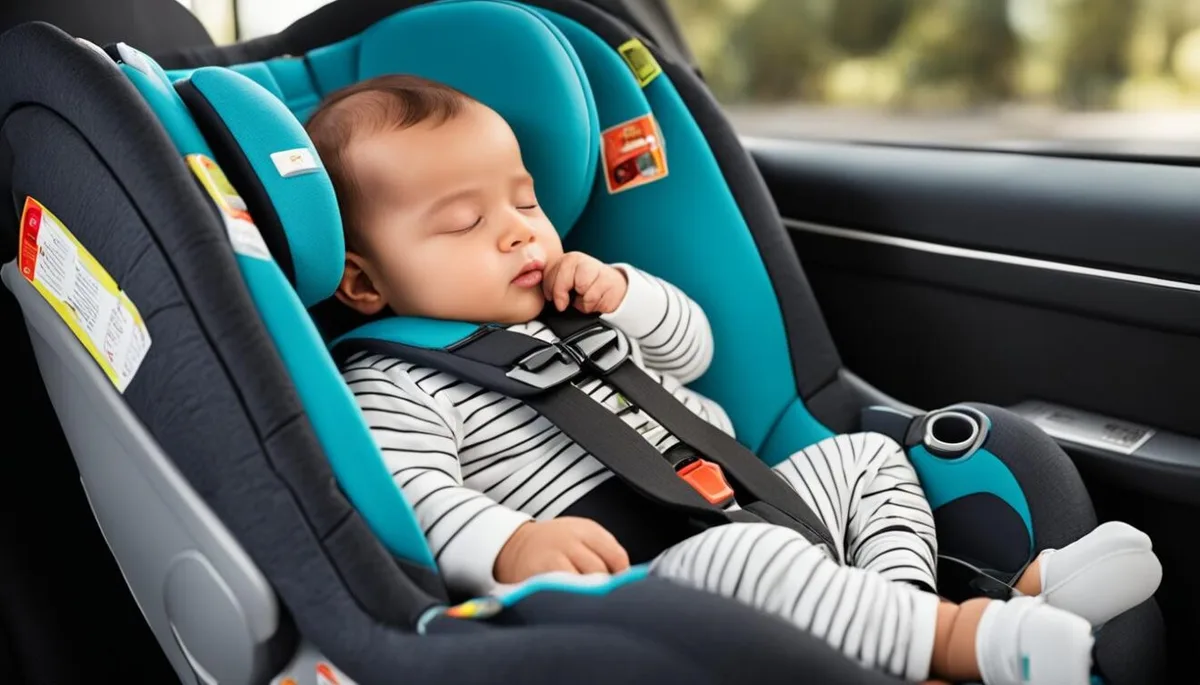
How long can a baby sleep in a car seat? Short answer: not long, and never unsupervised. Car seats are engineered for crash protection, not for sleep.
That single fact drives every rule below.
In our research, the American Academy of Pediatrics and NHTSA both treat car seats as travel devices, not sleep surfaces. Federal standard FMVSS 213 tests these seats for impact, not for breathing. Once the wheels stop, the risk calculus changes fast.
how long can a baby sleep in a car seat
There's no universal safe duration. Experts say keep it brief. Supervised, awake-baby use during short trips is fine.
A sleeping newborn should stay in the seat only while you're driving. Move them out once you arrive. Anything longer raises positional asphyxia risk.
When in doubt, take them out.
Why Car Seat Sleep Is a Different Kind of Risk
Car seats hold babies at an angle. That's the whole point. It keeps them secure during a crash.
But it also pushes a newborn's heavy head forward. Their neck muscles can't fight it yet.
Positional asphyxia is the term for this. The airway gets compressed when the chin drops toward the chest. What makes it so dangerous is the silence.
There's no gasp, no cry, no struggle. A baby can suffocate without any sound.
Image source: Bing (Web (fair-use with source credit))
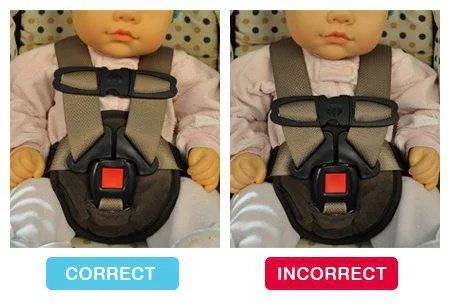
Image source: Bing (Web (fair-use with source credit))
What Positional Asphyxia Actually Looks Like
A baby's head tilts forward or slumps to one side. The chin rests near the chest. Breathing becomes shallow or labored.
Oxygen drops, carbon dioxide builds. Preemies and low-birth-weight babies are hit hardest. Their airways are smaller and softer.
Why Newborns and Preemies Are Hit Hardest
Newborns have weak neck muscles and heavy heads. Put those together and you get an unstable airway. A rear-facing car seat at the wrong recline angle makes it worse.
Around 30 to 45 degrees is the typical newborn recline range. Too upright and the head flops forward. Too flat and the seat won't protect in a crash.
So the angle has to be right, and the baby has to be watched.
The Real Rules: Age, Awake vs. Asleep, and Moving vs. Parked
Age, sleep state, and whether the car is moving all change the answer. That's why a single time limit doesn't exist.
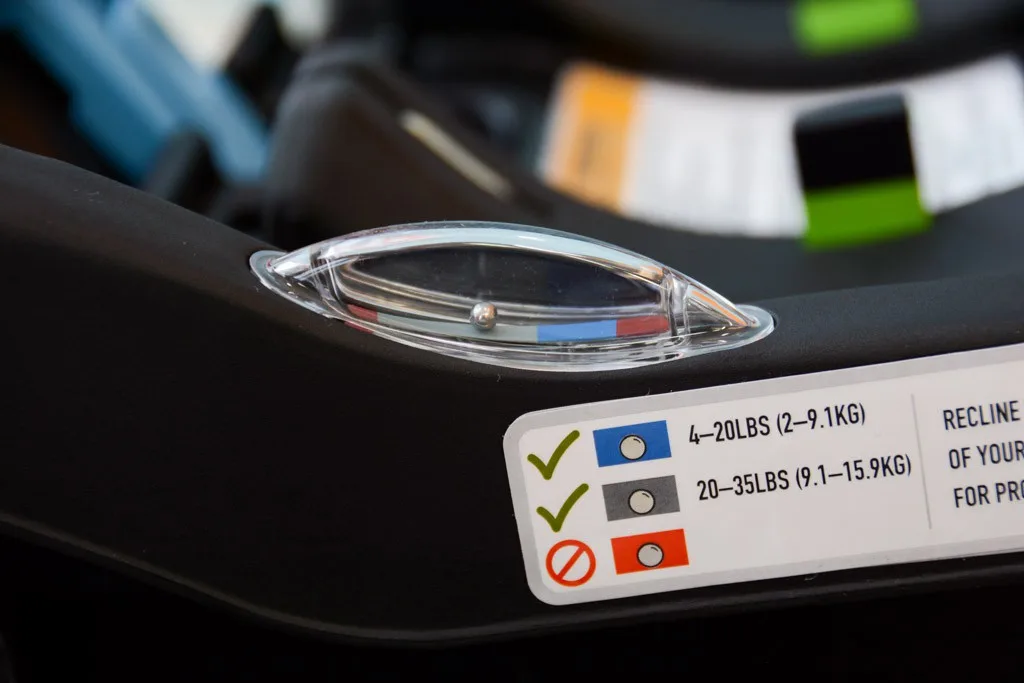
Image source: Bing (Web (fair-use with source credit))
If Your Baby Is Asleep and You're Driving
If your baby is asleep and you're driving, that's fine. Keep driving. Check on them when you safely can.
A mirror helps you glance at head position. It doesn't replace pulling over if something looks off.
On long trips, plan breaks every two hours. Newborns need them more often. Take the baby out, feed them, and let them stretch.
This reduces container time and resets their posture.
If You've Arrived and They're Still Sleeping
If you've arrived and the baby is still asleep, wake them or move them. Don't run errands with a sleeping infant in a car seat. Don't set the seat on a table or bed.
Car seats tip, and babies can roll into a position where they can't breathe.
If You're Using the Car Seat Outside the Car
If you're using the car seat outside the car, treat it as a bucket, not a bed. It's a carrier for moving a baby from car to stroller or into the house. It's not a sleep surface.
How Long Is Too Long? Time Limits by Scenario
Here's how the scenarios break down. Use this as a practical guide.
| Scenario | Safe Window | What to Do |
|---|---|---|
| Driving, baby asleep | Whole drive | Check head position at stops |
| Parked, baby asleep | Zero minutes | Wake or move them |
| Awake baby in seat | Short trips only | Don't let them settle into sleep |
| Long road trip | 2-hour max chunks | Stop, feed, stretch, reposition |
| Home use as bassinet | Never | Use a crib or bassinet instead |
The pattern is simple. Moving car, brief supervised sleep, that's acceptable. Parked car or home use, that's a hard no.
Once a baby is in a deep sleep, the head can settle into a dangerous tilt within minutes.
The Mistakes Parents Make (and What to Do Instead)
The most common mistakes are also the most dangerous. Most parents make them without realizing.
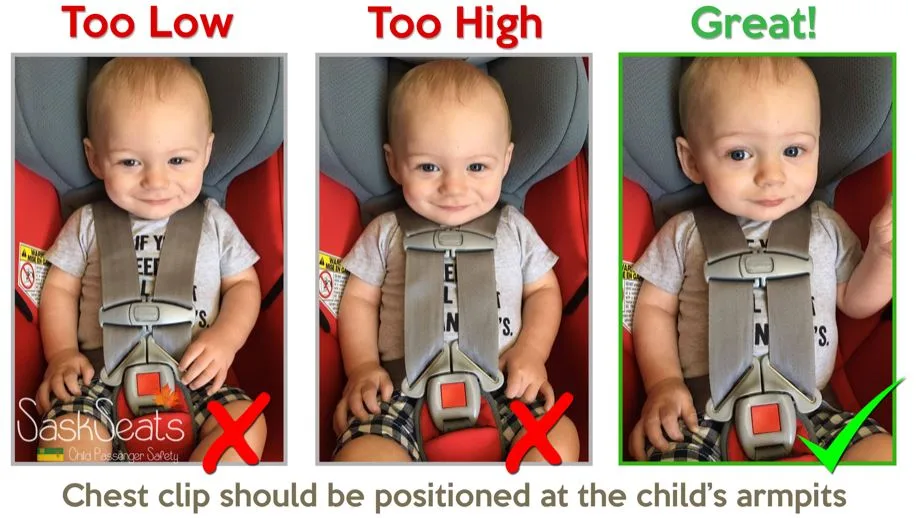
Image source: Bing (Web (fair-use with source credit))
Letting Them Finish the Nap in the Seat
Letting them finish the nap in the parked seat tops the list. It's tempting. The baby is finally asleep.
Don't do it. Take them out, even if they wake up. A ruined nap beats a silent breathing emergency.
Using the Car Seat as a Bassinet at Home
Using the car seat as a bassinet at home is next. A car seat isn't a crib. It's not angled for overnight sleep.
Consistent container time can also flatten the back of a baby's head. That's called plagiocephaly.
Bundling Up Before Buckling
Bulky coats and thick sleep sacks seem harmless. They aren't. They stop the harness from sitting snug against the chest.
A loose harness means a baby can slip in a crash. Dress them in thin layers, buckle, then add a blanket over the top.
Per NHTSA guidance, the harness should be snug enough that you can't pinch any slack at the shoulder. The chest clip belongs at armpit level. Not at the belly.
Skipping the Recline Check
Every car seat has an angle indicator. Most parents ignore it. Get it right.
A newborn seat that's too upright is a positional asphyxia risk. One that's too flat won't protect in a crash.
When to Pull Over, Wake Them, or Call the Doctor
Pull over if the baby's head is tilted forward or slumped to one side. Wake them if you've arrived and they're still asleep. Call the doctor if you notice labored breathing, a bluish tint around the lips, or unusual floppiness.
These signs can show up fast. A baby in positional asphyxia often looks peaceful at first. That's what makes it so easy to miss.
If you're unsure whether something looks right, stop and check. Pull into a safe spot, unbuckle the harness, and lift the baby out. If their breathing normalizes quickly once they're upright, the seat position was likely the issue.
If it doesn't, treat it as an emergency.
Red flags to watch for:
- Chin resting on or near the chest
- Head flopped forward or to one side
- Shallow, rapid, or irregular breathing
- Blue or gray tint around the mouth or fingertips
- No response to touch or voice
- Limp body tone
Per Safe Kids Worldwide, a certified Child Passenger Safety Technician (CPST) can inspect your install and fit for free. Many fire stations and hospitals offer this. It's the fastest way to rule out a seat problem you didn't notice.
When in doubt, take them out. No nap is worth the risk.
What the AAP, NHTSA, and CPSC Actually Say
The guidance from all three is consistent. Car seats are for travel, not for routine sleep. Full stop.
The AAP's safe sleep guidelines list cribs, bassinets, and play yards as approved sleep surfaces. Car seats don't make the list. The AAP also warns that sitting devices, including car seats, should not be used for routine sleep at home.
NHTSA, the National Highway Traffic Safety Administration, focuses on installation and use in the car. Their guidance is clear on harness fit, recline angle, and rear-facing duration. They don't endorse car seats as sleep equipment.
The CPSC, or Consumer Product Safety Commission, has issued warnings about car seat use outside the vehicle. Falls, tip-overs, and suffocation are all documented risks. They also maintain the recall database you should check against your seat's model number.
Federal standard FMVSS 213 governs crash performance. It doesn't test sleep safety. That's a critical gap most parents never hear about.
Europe's ECE R129 (i-Size) standard is similar. It covers crash protection, not sleep positioning. The same rules apply on both sides of the Atlantic.
As of 2026, no major pediatric body endorses car seats as sleep surfaces. The messaging has only gotten stronger, not softer.
FAQ
Can my baby sleep in a car seat overnight?
No. Never let a baby sleep overnight in a car seat. The recline angle isn't designed for extended sleep.
Positional asphyxia risk rises with duration. Use a crib, bassinet, or play yard instead. If you're traveling, bring a portable sleep surface.
Is it OK if my baby falls asleep on a 10-minute drive?
Yes. A short drive with a sleeping baby is normal and generally fine. Keep the recline angle correct and check their head position at lights.
Move them out once you arrive. Ten minutes is not the concern. Parking and leaving them is.
Do lie-flat car seats change the rules?
Partly. Lie-flat seats, also called flat-recline car seats, keep a baby more horizontal. That reduces head-slump risk.
But they're still car seats, not cribs. The same rule applies: travel use only, no unsupervised sleep. They're pricier and harder to find, but they're a real option for long trips.
What about a car seat on a stroller or shopping cart?
A car seat clicked into a stroller is a carrier, not a bed. Don't let a baby sleep there for long stretches. Never place a car seat on a shopping cart.
Tip-overs and falls are well documented. Use the stroller's lie-flat bassinet mode if you need a sleep-safe option on the go.
How often should I stop on a long road trip with a newborn?
Stop every two hours, and more often for newborns. Some experts suggest every 60 to 90 minutes for the first few months. Take the baby out at each stop.
Feed, change, and let them stretch. This resets their posture and cuts container time.
Does a car seat cause flat head syndrome?
Yes, prolonged car seat use can contribute to plagiocephaly, or flat head syndrome. The seat presses on the same spot on the back of the head. Consistent container time makes it worse.
Rotate sleep surfaces, do tummy time, and hold your baby often. If you notice flattening, mention it to your pediatrician.
The Bottom Line: Safe Sleep, Safe Travel, No Shortcuts
Here's the simple version. A car seat is a travel device. It protects your baby in a crash.
It is not a bed, and it should never become one.
If the car is moving and your baby is asleep, you're fine. Check their head position when you safely can. If you've arrived, wake them or move them out.
No lingering, no errands, no "just five more minutes."
For long trips, plan breaks every two hours. For newborns, stop sooner. Take them out, feed them, and let them reset.
Lie-flat car seats reduce the risk but don't erase it.
The rules that matter most:
- Rear-facing until at least age two, longer if the seat allows
- Recline angle set per the manufacturer's indicator
- Harness snug, chest clip at armpit level
- No bulky coats under the straps
- No car seat sleep at home, ever
- No unsupervised sleep in a parked car
If you're unsure about your install, get it checked. A free inspection from a certified CPST takes twenty minutes. It's the single best thing you can do for your baby's safety on the road.
Trust your gut, too. If something about your baby's position looks off, stop and fix it. You're not being paranoid.
You're being careful, and careful is exactly right.

Similar Posts































