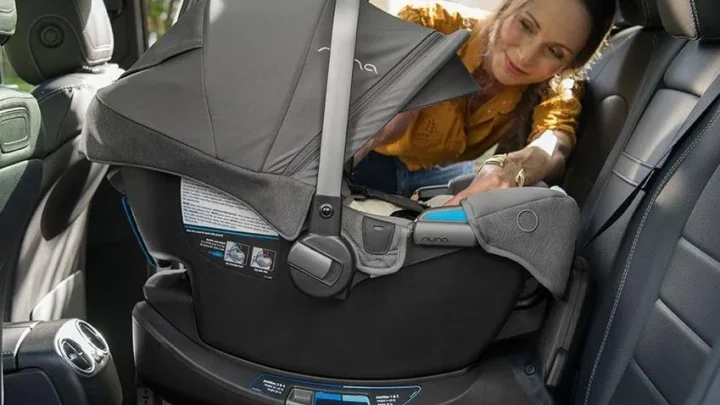
When to Put Baby in a Front Facing Car Seat
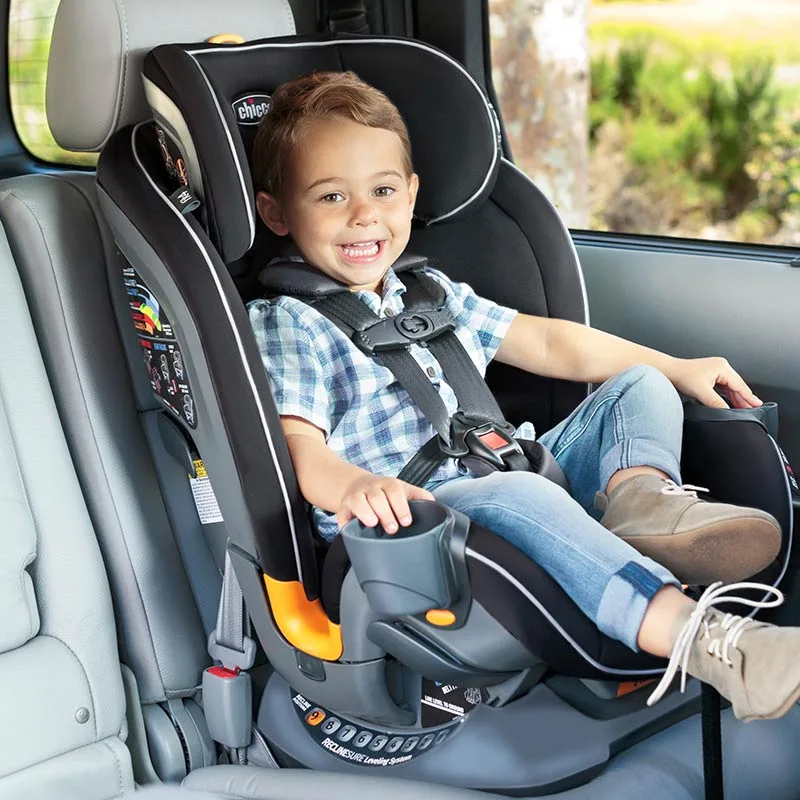
When you're staring down a toddler who has outgrown their infant carrier, the question of when to put baby in front facing car seat starts to feel urgent. You want them safe, you want them comfortable, and you want to know you're not making a mistake. The short answer is that most children aren't ready before age two, and many aren't truly safe until age four or later.
That gap between the minimum and the smart choice is where parents get tripped up.
The American Academy of Pediatrics recommends keeping kids rear-facing as long as the car seat allows, based on height and weight limits rather than age alone. Per that guidance, a child should stay rear-facing until they've maxed out the seat's rear-facing weight or height limit, which for many convertible seats means 40 to 50 pounds. So the real question isn't just when the law says you can flip the seat.
It's when your specific child, in your specific seat, actually outgrows rear-facing.
when to put baby in front facing car seat
Most children can move to a forward-facing car seat once they've reached the maximum rear-facing height or weight limit for their specific seat. That usually happens at age two or older, but many kids stay rear-facing until age four. Always check your car seat manual for exact limits before switching.
Why the Age on the Box Isn't the Real Answer
Car seat packaging often slaps a number on the front, like "1 year and 20 pounds," and parents read it as a green light. In reality, that number is usually a legal floor, not a safety target. It tells you the bare minimum required to sell the seat, not what's best for your child's body.
Manufacturer specifications indicate three separate limits that matter: age, weight, and height. Age alone is meaningless because a light two-year-old and a heavy two-year-old have very different bodies. What actually stops a child from moving forward is when they hit the top of the rear-facing weight range, or when their head is within one inch of the top of the seat shell.
Image source: Bing (Web (fair-use with source credit))
A child can legally be forward-facing at twelve months in many US states. That doesn't make it safe. The physics haven't changed just because a statute was written decades ago, and crash forces don't negotiate with legal minimums.
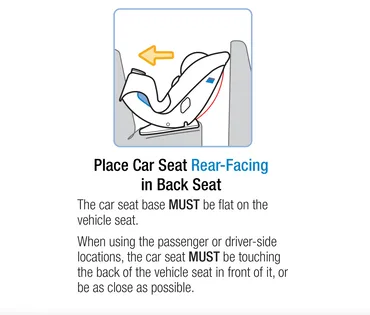
Image source: Bing (Web (fair-use with source credit))
The Three Numbers That Actually Decide It: Age, Weight, and Height
Use these three checks together. Any one of them failing means the child isn't ready yet. So if you're wondering whether to switch, run through each honestly.
Age
The AAP suggests rear-facing until at least two years old. As of 2026, most pediatric safety experts push for longer, often to three or four. Age matters because a young child's head is proportionally huge compared to their body.
In a frontal crash, a rear-facing seat cradles that heavy head and protects the spine from stretching.
Weight
Check the rear-facing maximum on your seat. Common convertible seats handle 40 to 50 pounds rear-facing. Once your child tips over that number, the seat can no longer safely hold them in that position, so it's time to switch.
Height
This is the one parents forget. The rule is simple: rear-facing until the top of the child's head is within one inch of the top of the car seat shell. When they get that close, they've outgrown the seat in that mode, regardless of weight.
| Check | Safe rear-facing limit | Switch to forward-facing when… |
|---|---|---|
| Age | At least 2, ideally 3–4 | Child meets weight/height max |
| Weight | Up to 40–50 lbs (seat-specific) | Child exceeds rear-facing max |
| Height | Head 1 inch below shell top | Head within 1 inch of shell top |
If all three say "still room," stay rear-facing. It's that simple, and it's the single most protective choice you can make.
The Gap Between What's Legal and What's Safe
Here's where a lot of parents get burned. In many US states, the law only requires rear-facing until age one. Some say two.
Only a handful push beyond that. So you can follow the letter of the law perfectly and still be putting your toddler at unnecessary risk.
"Using a properly installed car seat can reduce the risk of death in a crash by over 70% for infants and toddlers," according to the NHTSA. The agency's own recommendations align with the AAP, which means the federal safety body and pediatric experts agree: rear-face longer.
The legal floor exists because laws lag behind science. Legislatures move slowly. Safety research doesn't wait for them.
So treat your state's minimum as a starting point, not a finish line.
How to Move Your Child to Forward-Facing the Right Way
Once your child has genuinely maxed out rear-facing, the switch itself has to be done correctly. A poorly installed forward-facing seat is arguably more dangerous than a well-installed rear-facing one. Here's the process, step by step.
Read the car seat manual for forward-facing weight and height ranges. Your specific model has its own numbers, and they override anything generic.
Move the harness straps to the slot at or just above your child's shoulders. Forward-facing harnesses sit differently than rear-facing. Straps below the shoulders are wrong in this mode.
Reinstall the seat in forward-facing mode. Route the seat belt or LATCH strap exactly as the manual shows. The belt path is different than the rear-facing route, so don't assume you already know it.
Attach the top tether. This is non-negotiable in forward-facing mode. The tether anchors the top of the seat and cuts head movement in a crash. If your car doesn't have tether anchors, the seat likely can't be used forward-facing in that vehicle.
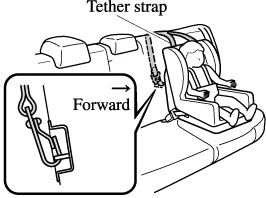
Image source: Bing (Web (fair-use with source credit))
Adjust the recline for forward-facing mode. Most seats have a different recline position for each direction. Check the indicator on the seat.
Buckle your child, tighten the harness until there's no slack at the collarbone, and place the chest clip at armpit level. Then check that the seat itself moves less than one inch at the belt path.
If any step feels uncertain, find a Child Passenger Safety Technician (CPST). Many fire departments and hospitals offer free inspections. A five-minute check can catch a dangerous mistake.
Common Mistakes That Put Kids at Risk
Turning a child forward too early is the most common mistake, and it usually comes from good intentions. Parents see a toddler who looks cramped or fussy and assume forward-facing will fix it. In reality, a child who's still within rear-facing limits should stay there, even if their legs look folded.
Loose installation runs a close second. The one-inch test is the standard: grab the seat at the belt path and tug. If it moves more than an inch in any direction, it's not tight enough.
Harness mistakes are sneaky because they look fine at a glance. The chest clip belongs at armpit level, not down at the belly. Straps should be snug enough that you can't pinch slack at the collarbone.
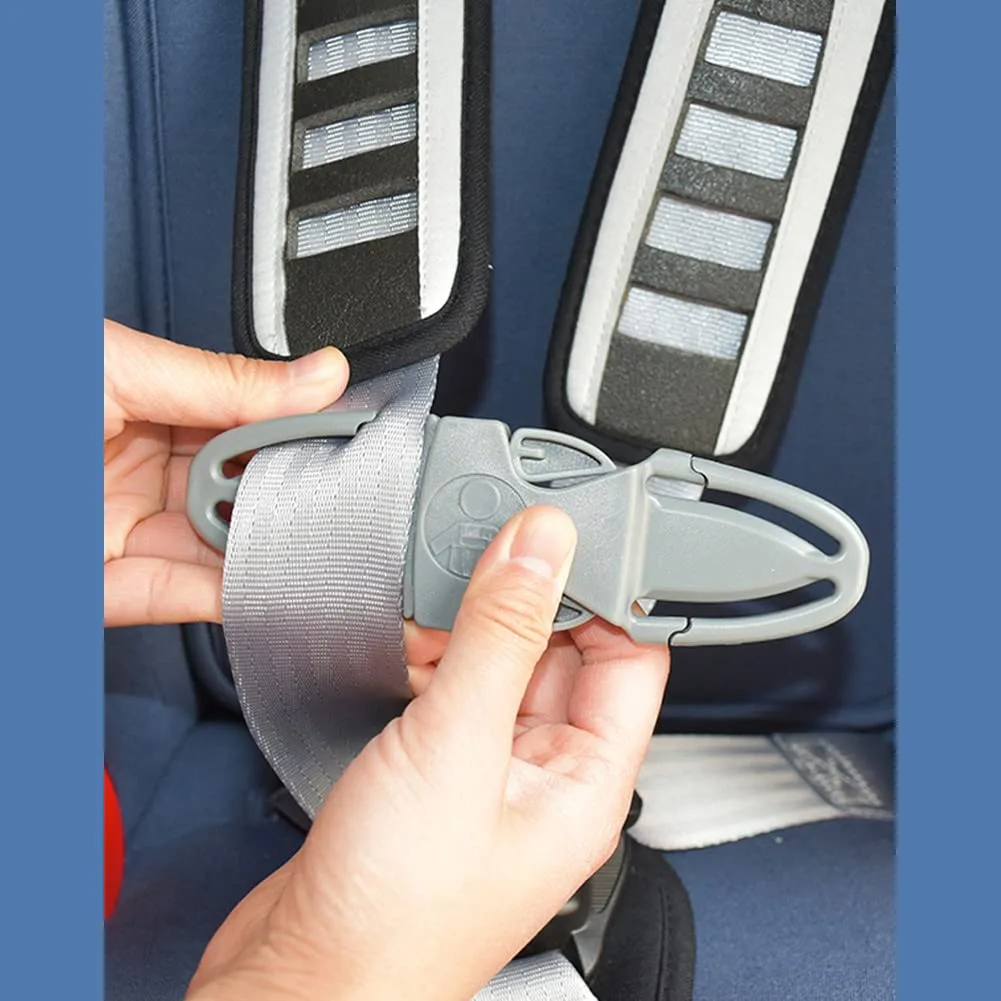
Image source: Web (Bing) / pinterest.com (Web image (fair-use with source credit))
Winter coats are another quiet hazard. A bulky coat compresses in a crash, leaving the harness far looser than it felt in the driveway. Put the coat on backward after buckling, or use a thin fleece layer instead.
What about a used car seat?
Skip it unless you know its full history. A seat that's been in a crash, has missing parts, or is past its expiration date (usually six to ten years) can't be trusted. Manufacturer manuals confirm expiration dates stamped on the shell.
Forward-Facing vs. Rear-Facing: What the Crash Data Shows
The physical difference comes down to how crash forces travel through a small body. Rear-facing spreads the load across the back, head, and neck. Forward-facing concentrates it on the harness points, which pulls the head forward hard.
In a frontal crash, a rear-facing child's head moves with the seat shell. The shell absorbs energy as it rotates. A forward-facing child's head whips forward relative to the torso, stretching the neck.
Young children have weaker neck ligaments and heavier heads proportionally, so they're especially vulnerable.
| Factor | Rear-facing | Forward-facing |
|---|---|---|
| Force distribution | Whole back, head, neck | Harness contact points |
| Neck stress in frontal crash | Low | High |
| Leg room | Can look cramped | More room |
| Visibility for child | Limited | Better |
| Best for | Under 2 to 4 years | After rear-facing max |
The crash data isn't subtle. Children under two are significantly safer rear-facing in a frontal collision, which is the most common serious crash type. The Swedish approach, keeping kids rear-facing to age four or beyond, reflects that evidence.
None of this means forward-facing is unsafe when done right. It's about matching the seat to the child's stage. Once they've maxed out rear-facing, forward-facing with a top tether is the correct next step, not a compromise.
Is forward-facing ever the safer choice?
No, not for a child who still fits rear-facing limits. In our research, there's no scenario where turning a child forward early improves safety. It only helps with comfort, visibility, or fitting multiple seats in a tight row.
FAQs: Straight Answers to the Questions Parents Ask Most
At what age can a baby face forward in a car seat?
Most safety organizations say at least two years old, and many recommend three to four. Age is only one factor. Your child also needs to have maxed out the rear-facing height or weight limit for their specific seat before switching.
Can I turn my one-year-old forward-facing if they meet the weight limit?
Legally in many states, yes. Safely, no. Weight and height limits don't override the age guidance, because a one-year-old's neck and spine aren't developed enough to handle forward-facing crash forces.
Keep them rear-facing until at least two.
How do I know when my child has outgrown rear-facing?
Check two things. First, the rear-facing weight maximum in your seat manual. Second, whether the top of their head is within one inch of the top of the seat shell.
If either limit is reached, it's time to switch.
Does my child need a top tether in forward-facing mode?
Yes, always. A top tether is required for forward-facing installations and stops the seat from pitching forward in a crash. If your vehicle has no tether anchor, check the owner's manual.
Some seats can't be used forward-facing without one.
Is it safe to put a forward-facing seat in the front passenger seat?
No. The front seat is the most dangerous spot for any child under thirteen. An active airbag can strike a forward-facing car seat with deadly force.
Keep kids in the back seat until they're old enough to ride without a booster.

Similar Posts