How Long Can a Baby Stay in an Infant Car Seat?
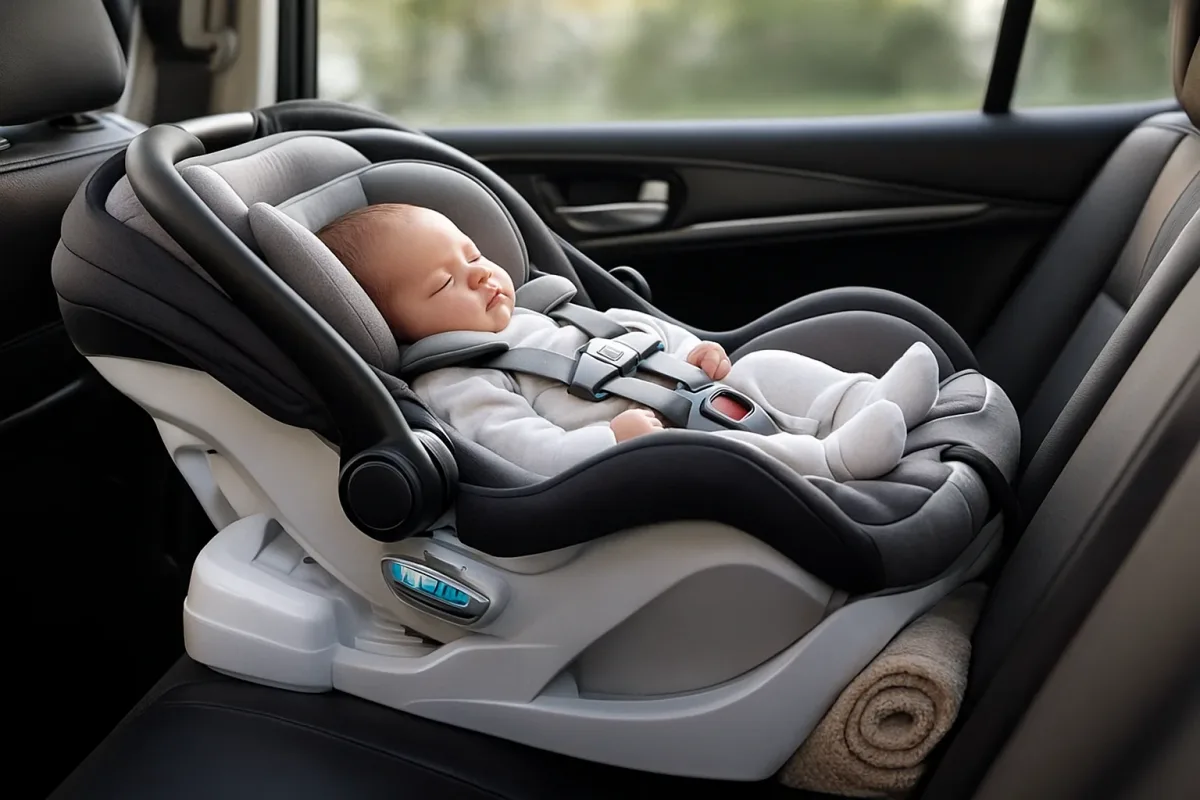
As a parent or caregiver, you've probably wondered how long can baby stay in infant car seat, and the answer is more nuanced than a single clock. The question usually comes up during long drives, or after you realize your newborn has been sleeping in the carrier for way longer than expected. The truth is that the clock inside a moving car works very differently from the clock when the seat is parked on your kitchen floor.
In our research, the line most parents miss is that there's no hard time limit for a properly installed car seat during travel, but there is real risk once the seat leaves the vehicle. The American Academy of Pediatrics (AAP) recommends rear-facing travel until at least age 2 or until the child outgrows the seat's height and weight limits, which usually runs 30 to 32 inches or 22 to 35 pounds. So the honest answer is about position and location, not minutes.
Here's how to think about it.
how long can baby stay in infant car seat
There's no fixed time limit while the car is moving. A properly reclined infant seat keeps a newborn's airway open during travel. The real risk starts once the seat leaves the vehicle.
Outside the car, keep seated time short and supervised.
The Real Question Behind the Question
Most people ask about minutes. What they should be asking about is the seat's position angle. An infant car seat in a moving vehicle sits at roughly a 45-degree recline, which is the angle that keeps a newborn's heavy head tipped back and their airway open.
That's the entire reason rear-facing seats exist.
When you take the seat out of the car and plop it on a living room floor, that careful angle stops being reliable. The seat's recline changes, the base isn't attached, and a baby's head can slump forward. That's when "how long" becomes a real safety question.
A short nap in a car seat on a stroller during a walk? Fine if you're watching. A three-hour nap in a car seat on the floor while you cook dinner?
That's the scenario pediatricians warn about.
Image source: Bing (Web (fair-use with source credit))
So the framework is simple. Inside the car, moving, properly installed: no time cap. Outside the car, stationary, unsupervised: minimize it.
Under 30 minutes for a newborn is the general guidance many pediatric sources cite, but that's a guideline, not a legal rule.
Inside the Car: Is There a Time Limit While Driving?
If the seat is correctly installed and the car is moving, there's no clock. Your baby can ride for a full road trip as long as you're checking on them and taking normal breaks.
There's a persistent myth about a "two-hour rule" for car seats. It has some roots in European guidance and in general advice for newborns, where long stretches of sitting are discouraged for comfort and hip development. But the two-hour figure isn't a firm safety rule from the AAP or NHTSA.
It's a sensible break guideline, not a hard stop.
Here's what actually matters during long drives:
- Pull over every two hours or so to feed, change, and let your baby stretch.
- Check that the harness is snug and the chest clip sits at armpit level.
- Glance back often or use a mirror to watch your baby's head position.
- Never leave a baby alone in a car seat in a parked, unattended vehicle. Ever.
Also, watch for overheating. Infants can't regulate temperature well, and a car seat with heavy padding in a warm car can turn into a little oven. Dress your baby in thin layers and skip bulky coats under the harness.
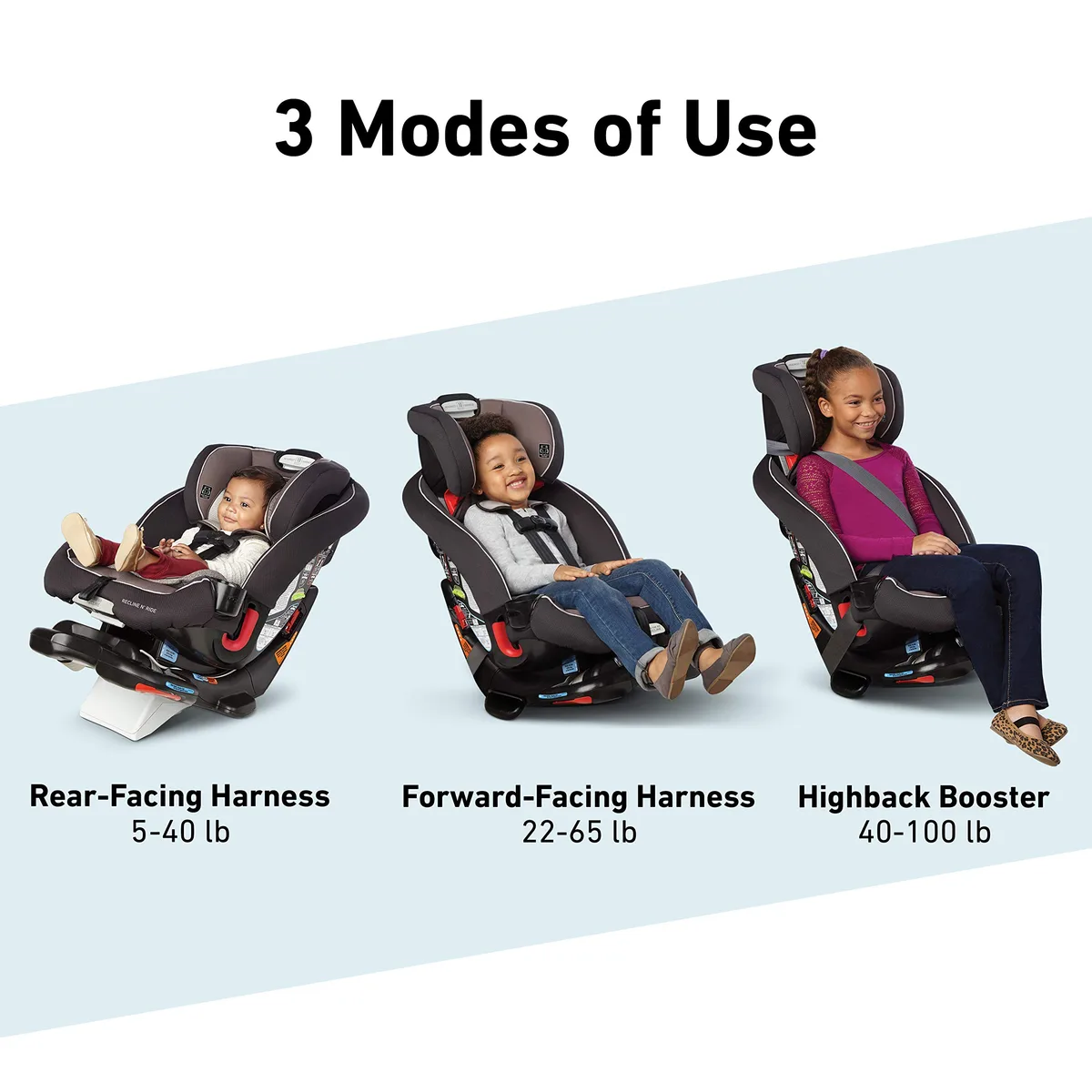
Image source: Bing (Web (fair-use with source credit))
So the if/then logic is straightforward. If the car is moving and the seat is installed right, ride as long as your trip needs. If the car is parked and you're not in it, take the baby out.
Outside the Car: When the Clock Actually Starts Ticking
Once the seat leaves the vehicle, the risk profile changes. The seat sits lower or flatter, the base is gone, and there's no crash protection benefit happening at that moment. Now you're dealing with the airway question, not the crash question.
This is where the difference between a moving car and a stationary car seat matters most. Inside the car, the seat is anchored and reclined exactly as designed. On the floor, in a stroller bassinet attachment that isn't flat, or on a kitchen counter, that angle is gone.
Practical guidance from pediatric sleep and safety experts usually lands here:
- Keep supervised seated time in a carrier to roughly 30 minutes at a stretch for newborns.
- For older infants with good head control, up to an hour or two is generally considered okay if someone is watching.
- Never let a baby sleep unsupervised in a car seat outside the car.
- If your baby falls asleep in the seat, transfer them to a firm, flat sleep surface as soon as you reasonably can.
Travel systems make this tricky. The click-in carrier is convenient, and it's easy to leave a sleeping baby in it while you run errands. That's the exact habit that creates risk.
The seat is a travel device, not a crib.
The Positional Asphyxia Risk No One Talks About Enough
Positional asphyxia is the big one. It's when a baby's airway gets blocked because their chin drops toward their chest, cutting off breathing. Newborns have weak neck muscles, heavy heads, and small airways.
That combination is why position matters so much.
The danger is quiet. A baby in distress from positional asphyxia often doesn't cry or struggle. They just go still.
That's why an unsupervised car seat nap is so different from an unsupervised crib nap.
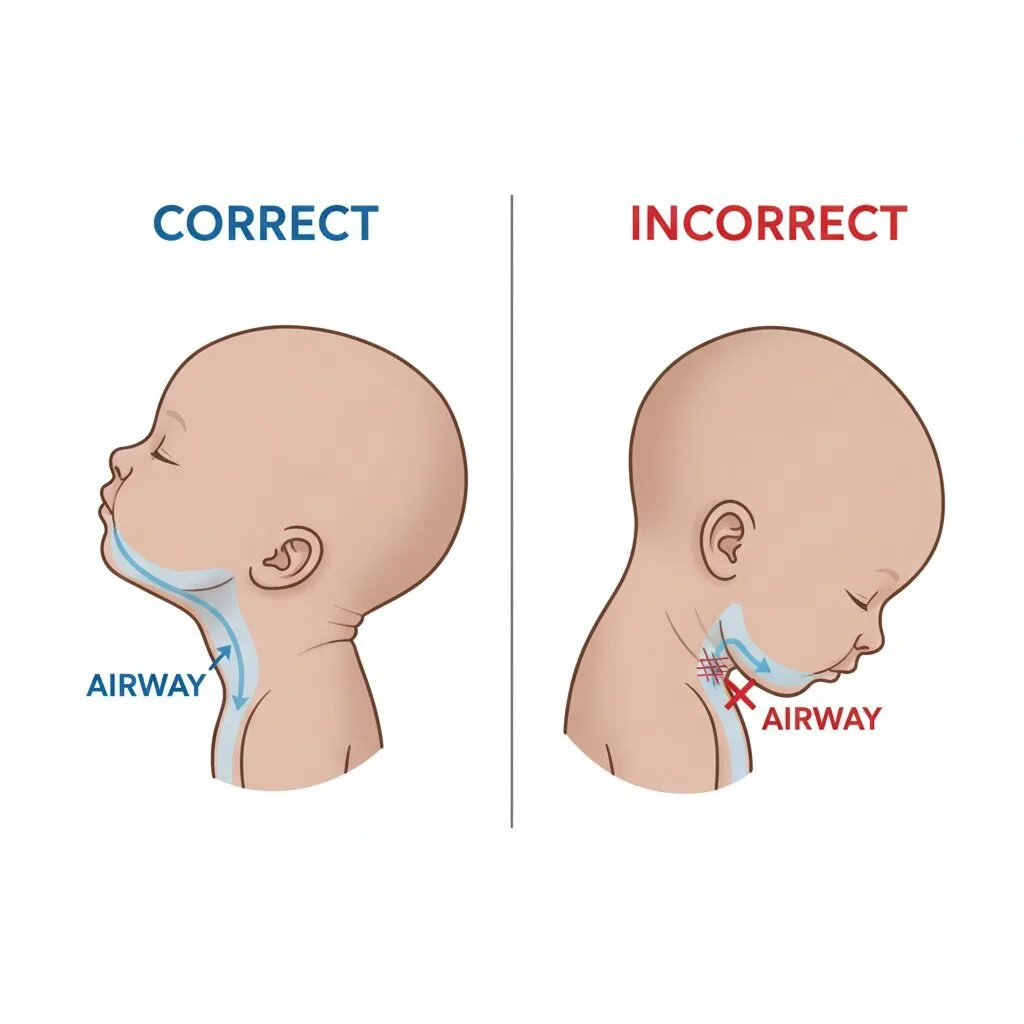
Image source: Bing (Web (fair-use with source credit))
The AAP has been clear on this. Their safe sleep guidance says infants should sleep on a firm, flat surface for every sleep, and car seats, swings, and bouncers are not safe sleep surfaces. The seat can be a place for a supervised doze during travel.
It is not a place for a nap while you do chores.
Signs to watch for if your baby is in a seat and you're near them:
- Chin touching or close to the chest.
- Head flopped forward or to the side.
- Face turning pale, blue, or gray.
- No movement or sounds when they'd normally stir.
If you see any of these, reposition their head or take them out immediately. Don't wait to see if they "settle."
For preemies, the stakes are higher. Many hospitals run a car seat tolerance screening before discharge, which monitors breathing and heart rate while the baby sits in the seat for a set period. If your baby fails it, your care team will guide you on next steps.
That screening exists precisely because the risk is real and measurable.
Height, Weight, and Fit: The Limits That End the Seat, Not the Clock
Time isn't what usually ends an infant seat's life. Fit is. Every infant car seat has a rear-facing weight and height limit, and your baby outgrows the seat the moment they hit either one, whichever comes first.
Common infant seat limits as of 2026:
- Rear-facing weight: typically 22 to 35 pounds.
- Rear-facing height: typically 30 to 32 inches.
- Head clearance: at least 1 inch of shell above the top of the head.
That last one is the one parents forget. Even if your baby is under the weight and height limits, if there's less than an inch of shell above their head, the seat is done. The shell is what protects the head in a crash, and a too-small margin means less protection.
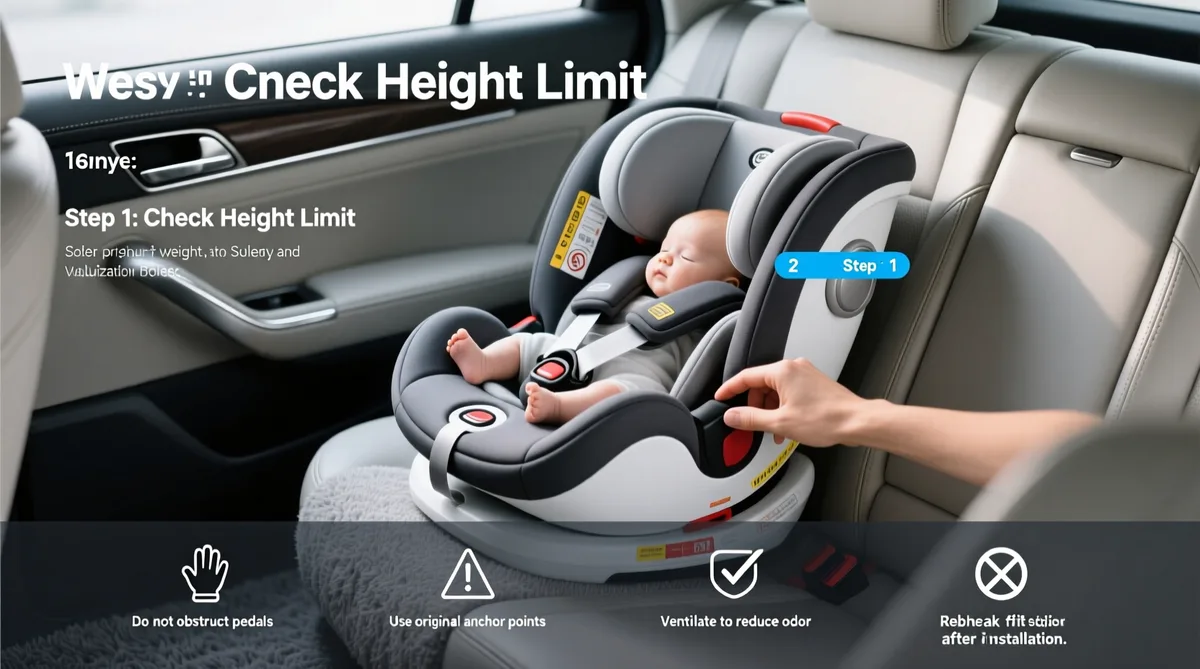
Image source: Bing (Web (fair-use with source credit))
Here's a quick way to think about it:
| Check | What to Look For | If It Fails |
|---|---|---|
| Weight | Under seat's rear-facing max | Move to convertible seat |
| Height | Under seat's rear-facing max | Move to convertible seat |
| Head clearance | 1+ inch of shell above head | Move to convertible seat |
| Harness fit | Snug, chest clip at armpit | Adjust or reseat |
If any of these fail, the seat is outgrown. Don't stretch it. A convertible seat that stays rear-facing longer is the safer move, and many now support rear-facing up to 40 or 50 pounds.
For the official weight and height standards, the National Highway Traffic Safety Administration (NHTSA) publishes current car seat guidance at https://www.nhtsa.gov, which is worth bookmarking as your baby grows.
When to Move to a Convertible Seat and When Not To
Move to a convertible seat the moment your baby outgrows the infant seat, not before. Convertible seats stay rear-facing much longer, often up to 40 or 50 pounds, which matters because rear-facing is the safest position per NHTSA and AAP guidance.
Here's the if/then logic. If your baby has hit the weight limit, the height limit, or the 1-inch head clearance rule, it's time. If none of those have happened, keep using the infant seat.
The infant seat isn't the problem. The problem is stretching it past its limits.
A few reasons parents switch early, and why you shouldn't:
- The seat feels heavy or awkward to carry. That's a convenience issue, not a safety one.
- Baby seems "too big." Check the actual limits, not your gut.
- A sibling needs the infant seat. Buy a second convertible instead of rushing the older baby out.
Convertibles are heavier and don't click into a stroller. That trade-off is real. If you rely on the carrier-to-stroller flow, you might prefer to keep the infant seat until it's truly outgrown.
Just don't keep it a day longer than the specs allow.
Ask your pediatrician if you're unsure. They can check fit at a well visit.
Red Flags, Safe Habits, and When to Call Your Pediatrician
Call your pediatrician right away if your baby's breathing looks off, if their color changes, or if they seem unusually still in the seat. Those are the signs that something is wrong, and you shouldn't wait to see if it passes.
Day-to-day, safe habits keep the risk low:
- Buckle the harness snug, with the chest clip at armpit level.
- Skip bulky coats under the straps. Thin layers only.
- Check the seat's expiration date and recall status. Seats expire in roughly 6 to 10 years.
- Never buy a secondhand seat with unknown crash history.
- Recline the seat to the level indicator, every single install.
- Use the rear-facing tether if your seat and vehicle support it.
Aggregate user reviews and pediatric guidance both point to the same thing. Most car seat injuries and deaths happen when the seat is used outside its design intent. Wrong angle, loose straps, or unsupervised sleep.
Fix those three and you've handled most of the risk.
If your baby was premature or has low muscle tone, ask about a car seat tolerance screening before you take them home. Many hospitals run it as standard for NICU graduates.
Frequently Asked Questions
Can a baby sleep in an infant car seat overnight?
No. Car seats are not safe sleep surfaces. Overnight sleep belongs on a firm, flat mattress.
A supervised doze during travel is different. If your baby falls asleep in the seat, move them to a crib or bassinet as soon as you can.
Is there a two-hour rule for car seats?
Not a hard rule. The two-hour figure is a sensible break guideline, not AAP or NHTSA policy. Inside a moving car with a properly installed seat, there's no strict time limit.
Take breaks every couple of hours for feeding and changes.
How long can a newborn stay in a car seat outside the car?
Keep it under roughly 30 minutes for newborns, and always supervised. Their weak neck muscles and heavy heads make airway blockage more likely when the seat isn't properly reclined. Older infants with head control can handle a bit longer if you're watching.
Do I need to wake my baby to take them out of the car seat?
If you've arrived and the seat is no longer in the car, yes, transfer them to a flat sleep surface. Leaving a sleeping baby in a stationary car seat is the exact habit that raises positional asphyxia risk. A short wake-up is worth it.
How do I know when my baby has outgrown the infant car seat?
Check three things: weight limit, height limit, and head clearance. If your baby hits any of them, or if there's less than 1 inch of shell above their head, the seat is done. Move to a rear-facing convertible seat.
Are infant car seats safe for long road trips?
Yes, if installed correctly and you're checking on your baby. Pull over every two hours. Watch for overheating and head slumping.
Never leave a baby alone in a parked car, even for a minute.

Similar Posts































