How to Clean a Baby Car Seat Safely
Learning how to clean a car seat baby messes have ruined takes some planning, and not all seats clean the same way. The right method depends on your seat type, the cover fabric, and the kind of mess you're dealing with. Get it wrong and you can shrink a cover, wreck a buckle, or weaken the harness straps that keep your child safe.
Manufacturer specifications matter here more than any generic advice. Per NHTSA guidance, the car seat manual is the final authority on cleaning, and many harness straps must never go in a washing machine because detergent residue degrades the webbing. So before you grab the stain spray, let's sort out which seat you have and what it actually allows.
how to clean a car seat baby
Clean a baby car seat by checking the manual first, then removing the cover and washing it per the label. Vacuum crumbs from crevices. Spot-treat stains with mild soap and cold water.
Wipe straps with a damp cloth only, never soak them. Air dry everything fully before reassembling. Reinstall the seat and check that it moves less than 1 inch at the belt path.
First, Figure Out What You're Actually Dealing With
Every cleaning decision starts with three questions. Skip them and you risk damaging a seat that costs anywhere from $80 to $500. The answers point you to the right method before you touch a single strap.
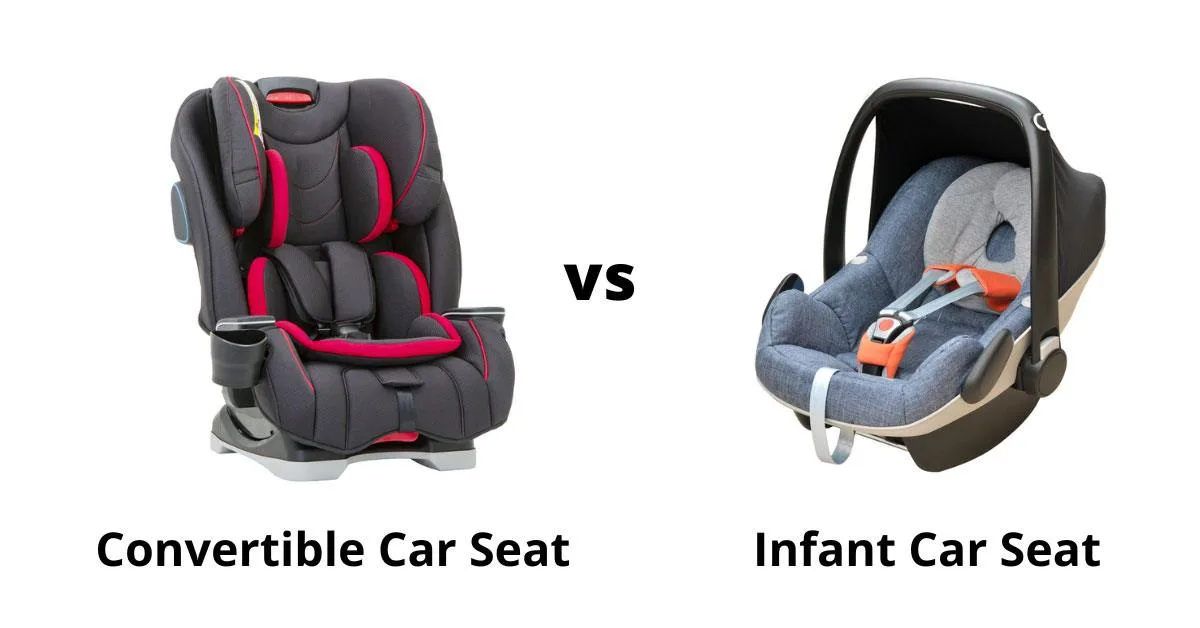
Infant carrier, convertible, or booster?
Infant carriers usually have removable covers and a detachable base. Convertible and all-in-one seats often have more complex harness routing you'll need to photograph before disassembly. Booster seats are the simplest: mostly wipe-down jobs with no harness to worry about.
Image source: Web (Bing) / 800bucklup.org (Web image (fair-use with source credit))
Machine-washable cover or hand-wash only?
Check the fabric label and the manual. If it says machine wash, use cold water on a gentle cycle. If it says hand wash, that's not a suggestion.
Hot water and agitation shrink covers and break down flame-retardant treatments.
What kind of mess are you cleaning?
- Spit-up and formula: mild soap, cool water, quick action
- Blowout: enzymatic cleaner, soak time, full cover removal
- Sticky snacks: vacuum first, then spot-treat
- Mildew or vomit: deeper clean plus full air dry
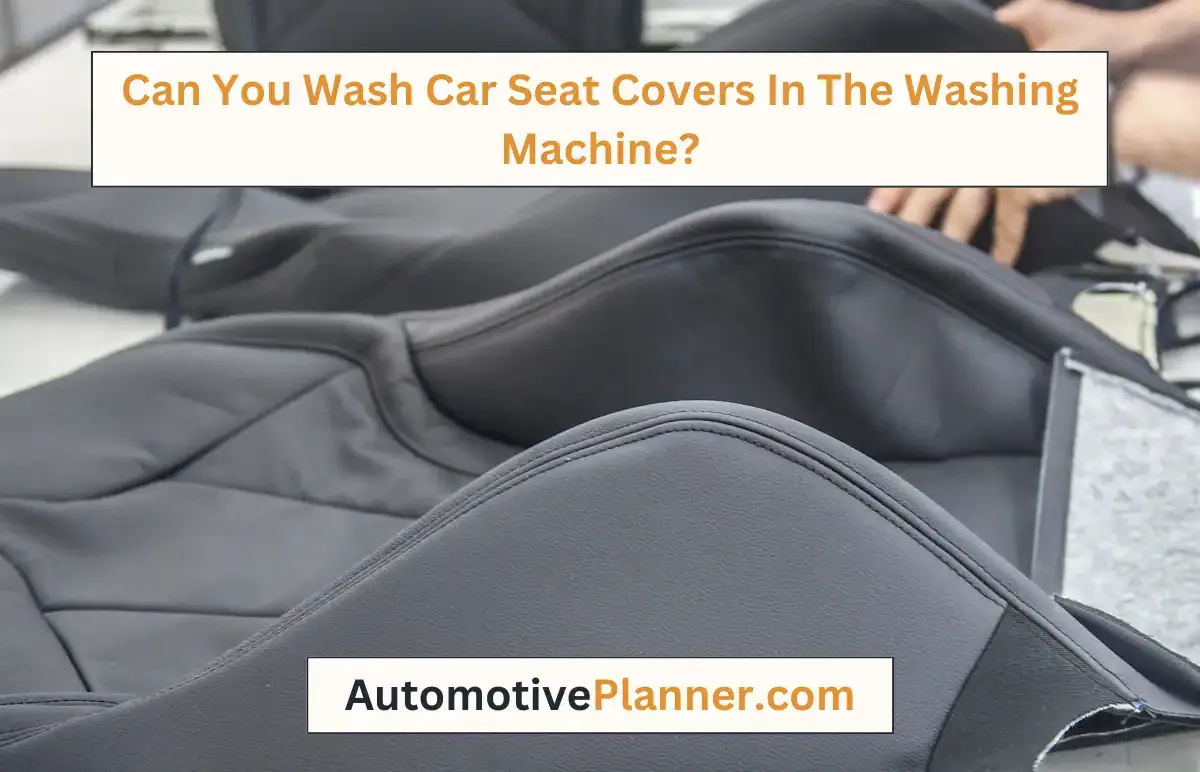
Image source: Bing (Web (fair-use with source credit))
The Golden Rules That Apply to Every Car Seat
These rules hold no matter what seat you own. Break them and you're gambling with both the seat's lifespan and your child's safety.
What you should never wash, soak, or submerge
Never submerge the harness buckle in water. Water gets trapped inside the mechanism, causing rust and jamming. Never machine wash harness straps unless the manual explicitly allows it, since detergent residue weakens the webbing.
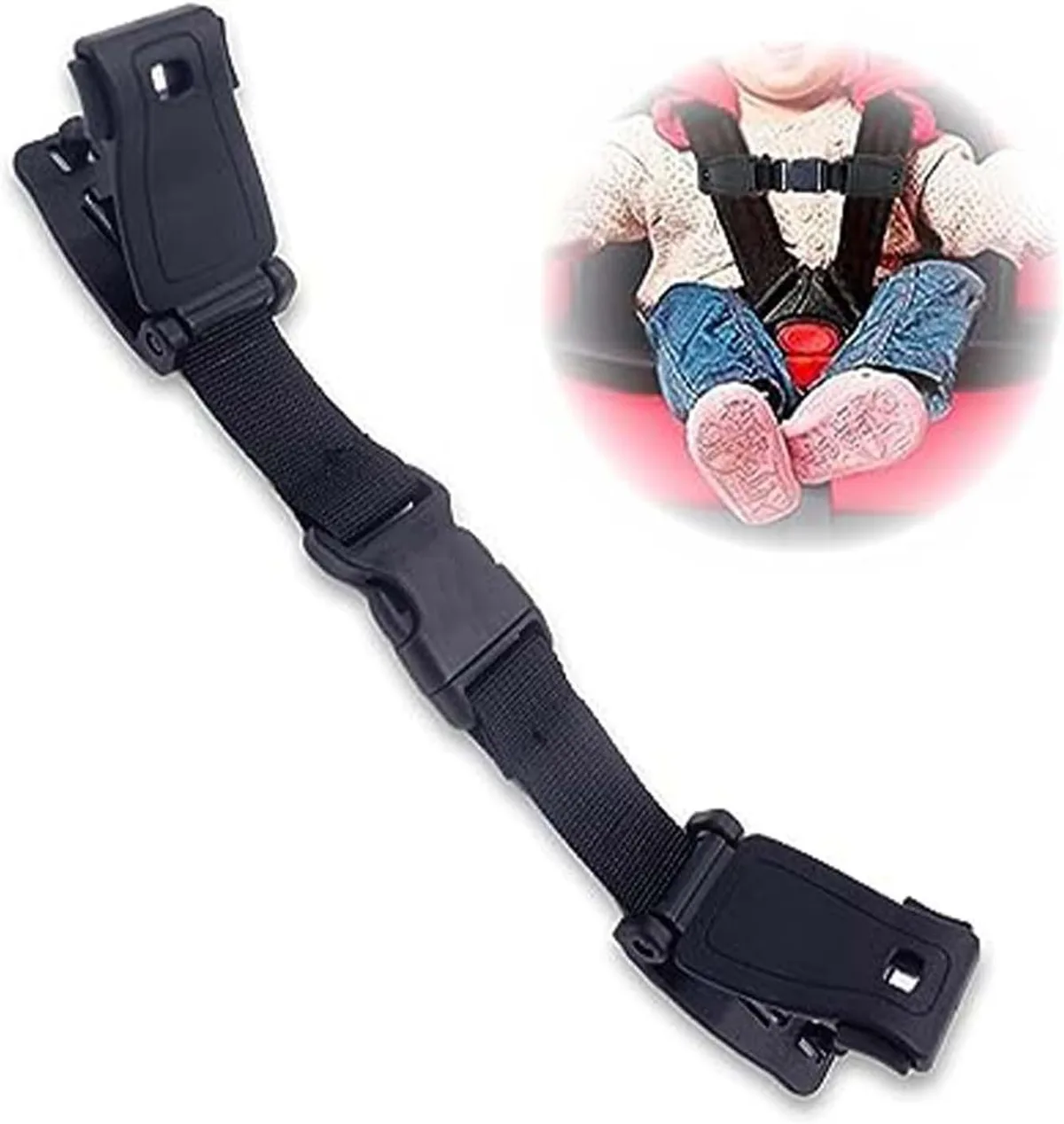
Image source: Web (Bing) / amazon.com (Web image (fair-use with source credit))
Also skip bleach, solvents, and abrasive cleaners on any part of the seat. And never dry covers in a hot dryer. Heat shrinks fabric and damages the EPS foam that absorbs crash energy.
Why the manual beats every blog, video, and tip you'll find
Seat makers design covers, straps, and buckles as a tested system. Changing any part, or cleaning it in a way the maker didn't approve, can void the warranty and compromise crash performance. If your manual is lost, most brands publish a PDF version on their official site.
Search your model number and download it.
Cleaning by Mess Type: The Decision Branches
Match your mess to the branch below, then follow that path.
| Mess type | First move | Cleaner | Cover removal? |
|---|---|---|---|
| Spit-up / formula | Blot fresh spills | Mild soap + cool water | Only if soaked through |
| Blowout | Scrape solids off | Enzymatic cleaner | Yes, full removal |
| Sticky snacks | Vacuum debris | Damp cloth | Usually no |
| Mildew / vomit | Air out first | Oxygen cleaner + hand wash | Yes, full removal |
Spit-up, formula, and milk stains
If the spill is fresh, blot it right away with a damp cloth and a drop of mild dish soap. If it's dried, wet the area, let it sit five minutes, then dab. Milk proteins set fast, so the sooner you act, the easier the cleanup.
Blowout and diaper leaks
If a blowout soaked through to the pad, remove the cover. Scrape off solids, then apply an enzymatic cleaner and let it sit 15 to 30 minutes. Enzymatic formulas break down proteins and bacteria that regular soap leaves behind.
Sticky snacks, juice, and mystery odors
If the mess is dry, vacuum first. Crumbs wedged in crevices turn into odors fast. Then wipe with a damp cloth and mild soap.
For lingering smells, sprinkle baking soda on the cover, let it sit overnight, and vacuum it off.
Mildew, vomit, and long-neglected seats
If you smell mildew, the seat needs a full deep clean and thorough drying. Mold spores survive surface wiping. Remove the cover, hand wash or machine wash per the label, and air dry in direct sun if possible.
UV light helps kill remaining spores.
Step-by-Step: The Full Deep Clean Workflow
Here's the complete workflow for a seat that needs more than a wipe-down. Block out about two hours, plus drying time.
Removing and photographing the harness
- Take the seat out of the car and off its base.
- Loosen the harness and unbuckle everything.
- Snap photos of the strap routing before you touch anything. You'll thank yourself later.
- Remove the chest clip and detach the cover via snaps, elastic, or zippers.
Washing the cover the right way
If machine washing is allowed, use cold water, gentle cycle, and a small amount of mild detergent. If not, hand wash in a sink or tub with cool water and mild soap. Never wring it out hard.
Press the water out gently instead.
Cleaning the shell, base, buckle, and straps
Vacuum the shell and base first. Wipe the plastic with a damp cloth and mild soap. Clean the buckle with a damp cloth only, never submerged.
Wipe harness straps with a damp cloth, and spot-clean stains with mild soap. Let straps air dry completely away from direct heat.
Drying, reassembling, and reinstalling safely
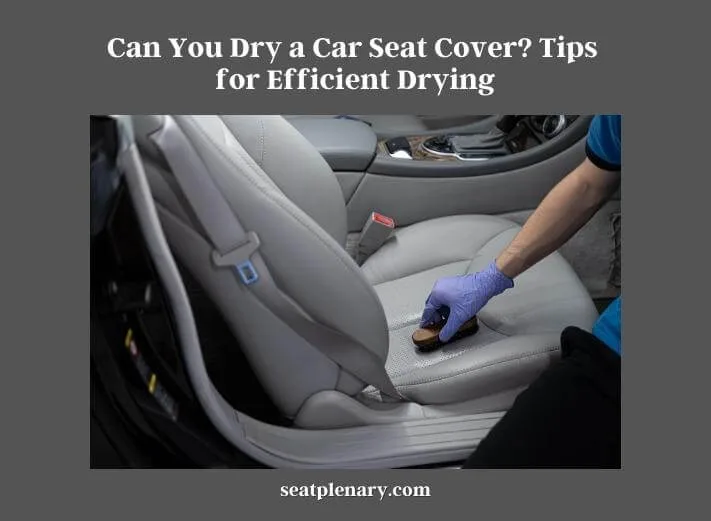
Image source: Web (Bing) / seatplenary.com (Web image (fair-use with source credit))
Air dry the cover flat or line dry it. Expect 12 to 24 hours. Re-thread the harness exactly as your photos show.
Reattach the cover and confirm every clip and snap. Reinstall the seat and check that it moves less than 1 inch side to side at the belt path.
When to replace a cover, harness, or the whole seat
If straps look frayed, stiff, or stained with something you can't identify, replace them. Order parts from the manufacturer, not a third-party seller. And if the seat has been in a moderate or severe crash, replace the whole thing regardless of how clean it looks.
Mistakes That Ruin Car Seats (And Sometimes Compromise Safety)
Most car seat damage doesn't come from accidents. It comes from cleaning mistakes that seemed like a good idea at the time. Here are the ones that show up again and again in our research.
The harness-strap washing trap
Never machine wash harness straps. That's the single biggest mistake we see. Detergent breaks down the webbing fibers, and once that happens, the straps may not hold in a crash.
Wipe them with a damp cloth and mild soap instead. If they're badly soiled, order replacements from the manufacturer.
Buckle damage, shrinkage, and third-party cover risks
Submerging the buckle traps water inside, which causes rust and a sticky release button. Soaking a non-washable cover in hot water shrinks it and can strip its flame-retardant treatment. And third-party covers aren't crash-tested with your seat, so they void the warranty and can interfere with the harness.
Keeping It Clean Between Deep Cleans
A five-minute routine every couple of weeks saves you from a two-hour deep clean later. Small habits add up fast.
Quick wipe-downs, vacuum tricks, and stain prevention
Keep a small towel or wet bag in the car for spills. Vacuum the seat's crevices weekly with a brush attachment. Wipe the buckle and chest clip with a damp cloth.
For quick protection, a machine-washable seat protector (one approved for use with car seats) catches most messes before they reach the cover.
When to replace a cover, harness, or the whole seat
Replace the cover if the fabric tears, the padding breaks down, or the fit loosens. Replace the harness if straps are frayed, stiff, or stained with anything you can't identify. Replace the whole seat if it's been in a moderate or severe crash, if it's past its expiration date (usually 6 to 10 years from the manufacture date), or if it's under a safety recall.
FAQs
How often should I clean my baby's car seat?
Spot-clean spills right away and do a light vacuum every one to two weeks. A full deep clean with cover removal is best every two to three months, or sooner if your child has a blowout, vomits, or the seat starts to smell. Humid climates and allergy season call for more frequent cleaning.
Can I put the car seat cover in the washing machine?
Only if the manual says you can. Many covers are hand-wash only, and hot water or agitation shrinks them and damages the fabric. When machine washing is allowed, use cold water and a gentle cycle.
Always air dry rather than using a hot dryer.
Can I wash the harness straps?
No, not in a washing machine. Detergent residue weakens the webbing that holds your child in a crash. Clean straps with a damp cloth and mild soap, then air dry.
If they're badly soiled or frayed, order replacements from the seat manufacturer.
How do I get the smell out of a car seat?
Remove and wash the cover, then air it out in direct sun. Sprinkle baking soda on the padding, let it sit overnight, and vacuum it off. For vomit or mildew, use an enzymatic or oxygen-based cleaner.
Make sure everything dries completely before reassembly, since trapped moisture causes the smell to return.
Is it safe to use a third-party car seat cover?
Generally no. Third-party covers aren't crash-tested with your seat, and they can interfere with the harness or add bulk that affects fit. Stick with covers and inserts made or approved by your seat's manufacturer.
Check the manual before adding anything.
How long does a car seat take to dry after cleaning?
Plan on 12 to 24 hours for a full air dry. Humidity, fabric thickness, and airflow all affect the timeline. Never use a hot dryer or a hair dryer on high heat, since heat shrinks covers and damages the EPS foam.
Reassemble only when every part is completely dry.
Quick Decision Guide: What to Do Based on Your Situation
Use this shortcut when you're short on time and need the right answer fast.
| Your situation | What to do |
|---|---|
| Fresh spit-up or milk | Blot now, mild soap, air dry |
| Blowout through the pad | Remove cover, enzymatic cleaner, full wash |
| Dry crumbs and dust | Vacuum crevices, quick wipe-down |
| Mildew or vomit smell | Deep clean, oxygen cleaner, sun dry |
| Frayed or stiff straps | Replace from manufacturer, never wash |
| After a moderate crash | Replace the whole seat |
If the manual allows machine washing, run the cover on cold and gentle. If it doesn't, hand wash and air dry. When in doubt, contact the manufacturer's customer service with your model number.
They'll tell you exactly what your seat can handle, and that beats any generic advice online.

Similar Posts































