Is Baby Trend a Good Car Seat? Honest Safety Guide
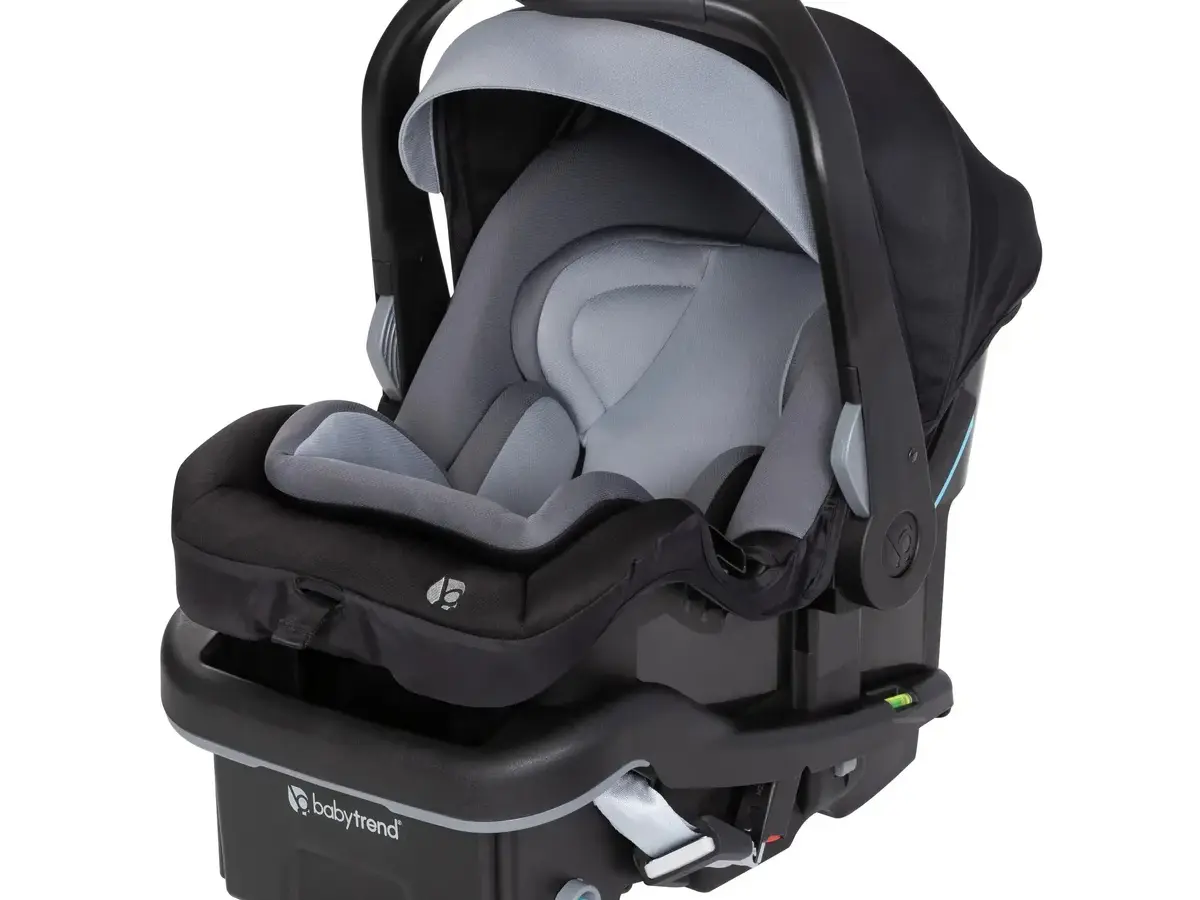
Is baby trend a good car seat? For most families, the honest answer is yes, with conditions. Baby Trend makes federally compliant seats that pass the same FMVSS 213 crash standard as every other car seat sold in the US.
The catch is that "legal" and "best for your kid" aren't the same thing, and Baby Trend sits firmly at the budget end of the market.
What that means in practice: fewer premium features, stiffer harness adjustments, and NHTSA ratings that vary widely by model. Federal law requires every seat to survive a 30 mph frontal crash test, so the floor is high. The question is whether the ceiling is high enough for your car, your child, and your budget.
is baby trend a good car seat
Yes, Baby Trend car seats are safe and legal when used correctly. They meet federal FMVSS 213 crash standards. NHTSA star ratings range from three to five stars by model.
Prices run roughly $80 to $180 for infant seats. Premium brands offer more padding and easier installs. Always check the specific model's rating and recall status.
Why the Brand Name Isn't the Real Question
Here's the thing most parents get backwards. The brand on the box matters far less than three other factors: does the seat fit your car, does it fit your child, and will you install it correctly every single time? A $400 seat installed wrong is more dangerous than a $90 seat installed right.
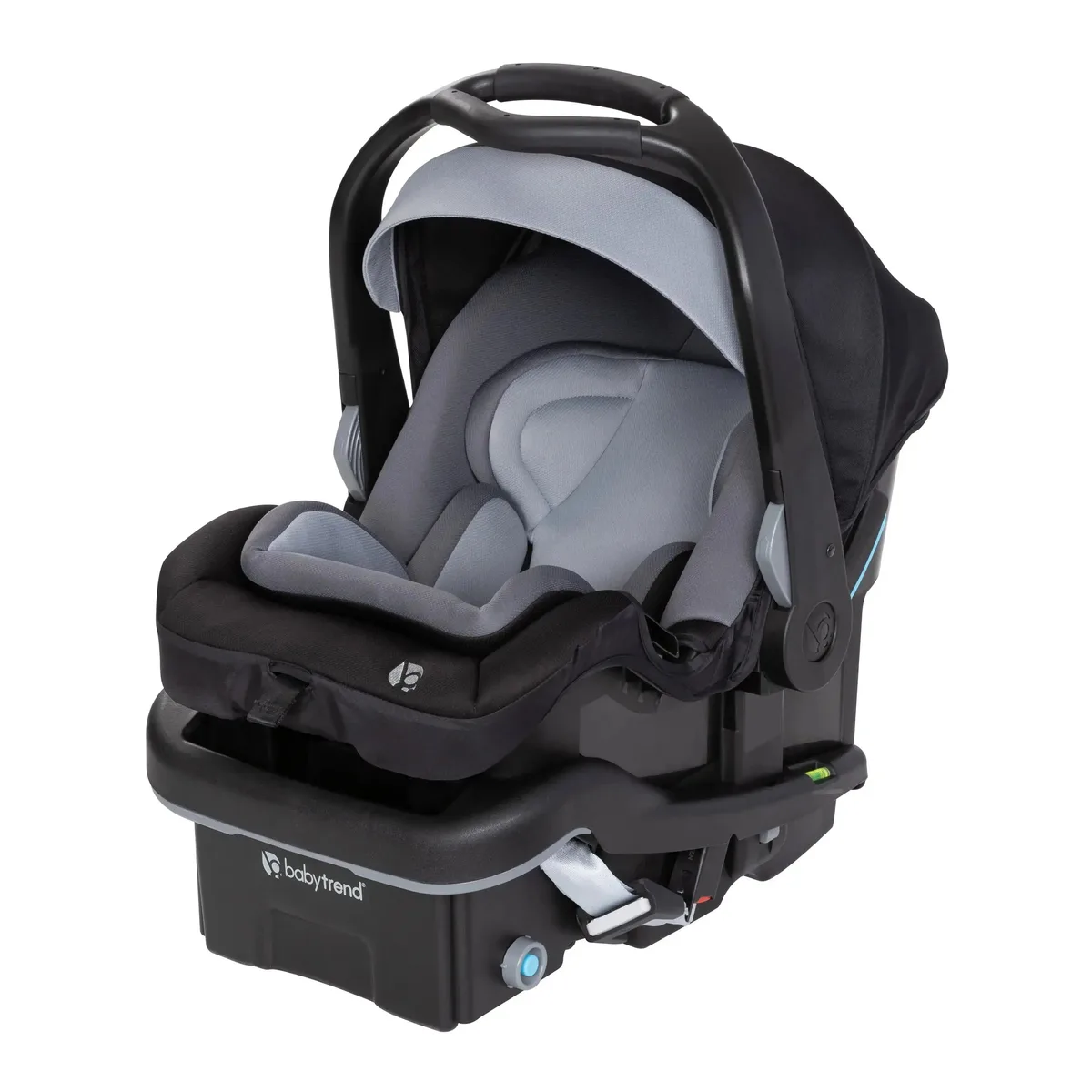
Image source: Web (Bing) / babytrend.com (Web image (fair-use with source credit))
Every car seat sold in the US must pass Federal Motor Vehicle Safety Standard 213, known as FMVSS 213. That's a 30 mph frontal crash test with strict limits on how much force reaches a test dummy's head and chest. No brand gets to skip it.
Baby Trend is no exception, and neither is the most expensive European import.
So when you ask whether Baby Trend is a good car seat, you're really asking three narrower questions. Does this specific model perform well in testing? Does it fit your vehicle's back seat without workarounds?
And can you live with its harness and base system day after day?
If the answer to all three is yes, you're fine. If any answer is no, the brand name won't save you.
What Baby Trend Actually Makes (and What It Doesn't)
Baby Trend covers the three main car seat categories, but not every category equally well. Knowing which tier you're shopping in helps set expectations before you spend a dime.
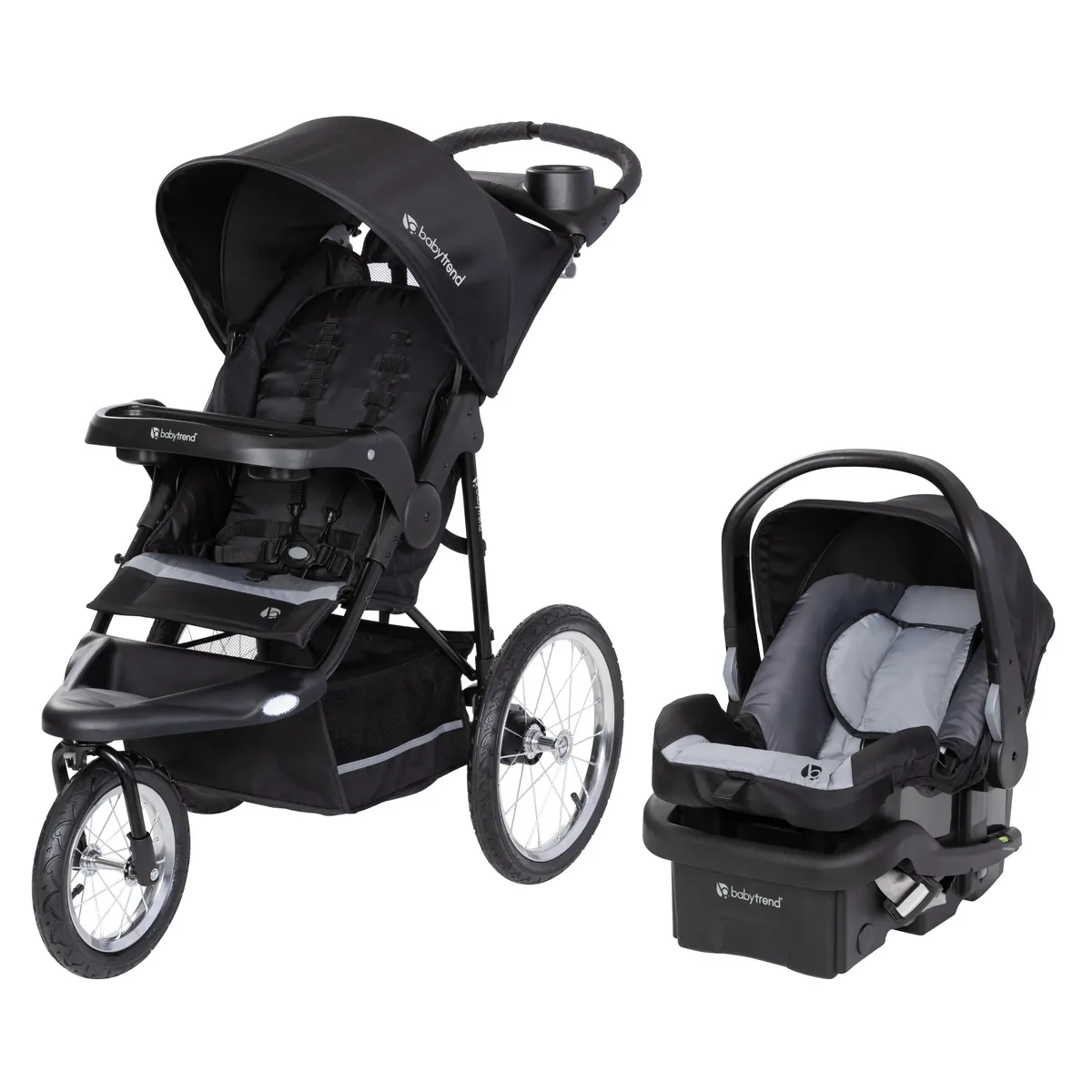
Image source: Web (Bing) / babytrend.com (Web image (fair-use with source credit))
Infant Carriers and Travel Systems
This is Baby Trend's strongest ground. The Secure Snap, Secure 35, and Ally 35 are rear-facing infant carriers with weight limits typically between 4 and 35 lbs. Most come with a stay-in-car base, and many bundle into a travel system with a stroller for under $200.
The stroller-plus-seat combo is the real draw here. Buying the two separately from a premium brand can run $500 or more. Baby Trend does it for a fraction of that.
Convertibles and Boosters
Baby Trend does make convertible seats and belt-positioning boosters, but they're less competitive. Convertibles in this price range often have lower rear-facing height limits and less padding. If you want one seat from birth to booster age, budget brands tend to fall short of what Graco or Chicco offer.
Where Baby Trend Sits in the Market
Think of the car seat market in three tiers. Premium runs $300 to $600 and up. Mid-tier runs $150 to $300.
Budget runs under $150. Baby Trend lives in the budget tier, alongside Cosco and Safety 1st, and slightly below Evenflo.
That's not a knock. It's positioning. You're paying less because you're getting fewer features, not because the seat skipped safety testing.
The Specs That Decide Whether Any Car Seat Is Safe
Forget brand loyalty for a second. These are the numbers and certifications that actually determine whether a seat protects your child. Check them on the exact model you're considering, because Baby Trend's lineup varies widely.
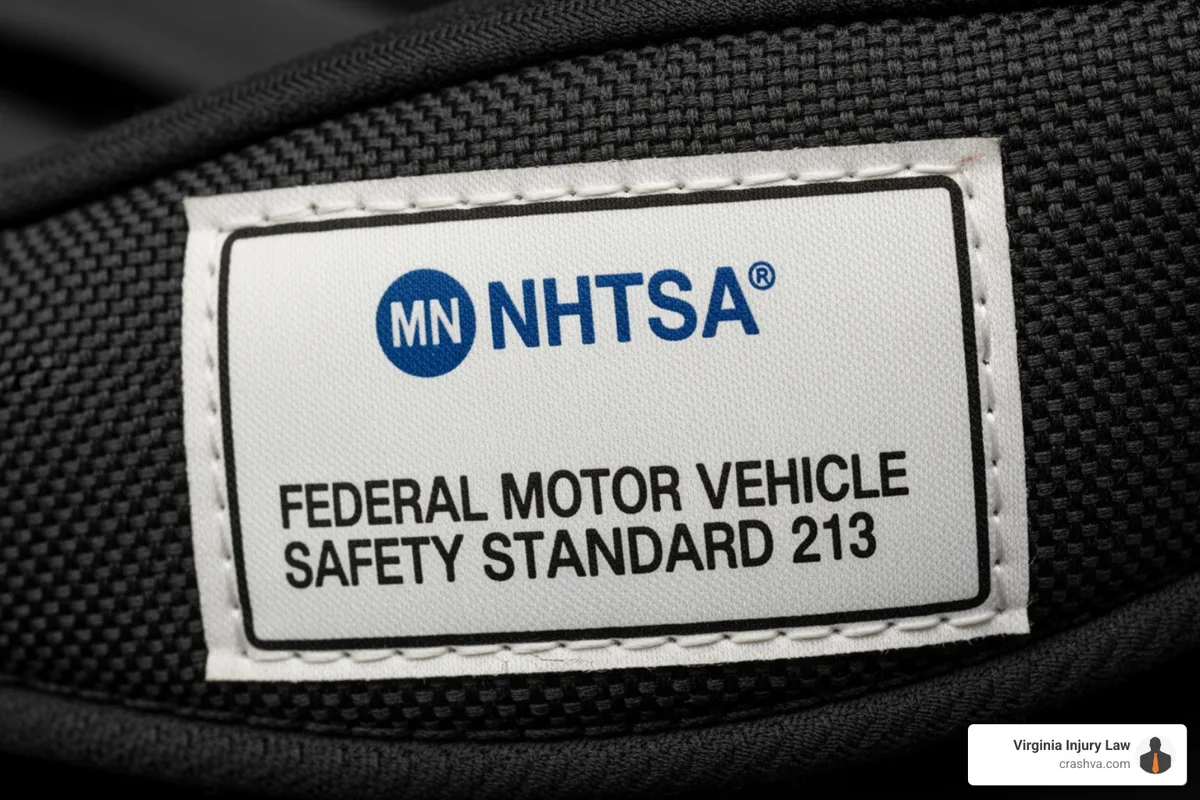
Image source: Bing (Web (fair-use with source credit))
Federal Standards Every Seat Must Pass
FMVSS 213 is the baseline. It covers frontal crash protection, harness strength, and labeling requirements. Every Baby Trend seat sold in the US meets it.
That's non-negotiable and not a differentiator.
What does differentiate seats is the NHTSA Ease-of-Use rating. NHTSA evaluates labels, instructions, and installation features on a five-star scale. A seat that's easy to install correctly is safer in real life than one that isn't, no matter what the crash test says.
What the Ratings Actually Tell You
You can look up any Baby Trend model in NHTSA's car seat ratings database. Star ratings vary by model and by mode (rear-facing vs. forward-facing). Some score four or five stars.
Others land at three.
Our research suggests the pattern is consistent: Baby Trend's infant carriers tend to rate better than its convertibles. Check the specific model number, not the brand.
| Spec | Why It Matters | Where to Check |
|---|---|---|
| FMVSS 213 | Legal minimum crash standard | Seat label, manual |
| NHTSA Ease-of-Use rating | Real-world install accuracy | NHTSA car seat database |
| JPMA certification | Voluntary third-party quality check | JPMA directory |
| Expiration date | Plastic degrades over time | Stamped on shell |
| Height/weight limits | Outgrowing seat too early | Manual, seat label |
Height, Weight, and Expiration Limits
This is where budget seats can bite you. If an infant carrier maxes out at 30 inches instead of 32, your child outgrows it sooner. That means buying the next seat earlier than planned.
Run the math on total cost across all stages before you commit.
Every seat also has an expiration date, usually 6 to 7 years for infant seats. Check the stamp on the shell, not the box.
Baby Trend vs. Graco, Chicco, and the Budget Tier
Side-by-side, the differences come down to padding, install ease, and how long the seat lasts. Here's how Baby Trend stacks up against the brands parents ask about most.
Side-by-Side Comparison
| Brand | Typical Infant Seat Price | NHTSA Ease-of-Use | Best For |
|---|---|---|---|
| Baby Trend | $80–$180 | 3–5 stars by model | Tight budgets, travel systems |
| Graco | $120–$250 | 4–5 stars | All-around value |
| Chicco | $200–$350 | 5 stars | Easy installs, premium feel |
| Evenflo | $90–$200 | 3–5 stars | Budget with more features |
Best For Each Type of Family
If you're on a strict budget and need a safe seat plus stroller today, Baby Trend is a reasonable pick. If you install and reinstall seats often, or you're juggling three kids in one back seat, the easier-install brands earn their price.
If your child is tall for their age, pay close attention to height limits. A seat that expires from use in 14 months isn't a bargain.
Real Problems Parents Run Into With Baby Trend Seats
The complaints cluster around a few repeat issues. None of them mean the seat is unsafe. They mean you should know what you're signing up for.
- Harness straps and buckles can be stiffer to tighten than premium seats, which matters on cold mornings with a wiggling toddler.
- Some infant carriers are heavier than competitors, so carrying a growing baby in the bucket gets tiring fast.
- Bases are sometimes sold separately, and it's easy to miss when budgeting.
- Rear-facing height limits on some models are shorter, so taller kids outgrow the seat sooner.
- Fit in small back seats or three-across configurations can be tight, especially with the base installed.
If any of these sound like dealbreakers, that's your signal to look at the mid-tier instead.
How to Install and Use Any Baby Trend Seat Safely
Installation is where safety is won or lost. NHTSA estimates that nearly half of all car seats are installed incorrectly. A correctly installed budget seat beats a badly installed premium one every time.
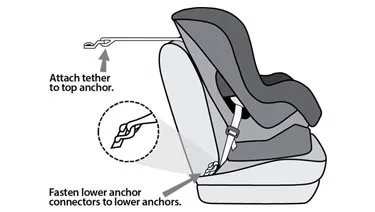
Image source: Bing (Web (fair-use with source credit))
The Install Steps That Matter
- Read the manual first. Baby Trend's instructions differ by model, and the base setup isn't universal.
- Choose LATCH or the seat belt. Use one method, never both. LATCH has a combined weight limit of 65 lbs (child plus seat).
- Check the recline angle. Use the indicator on the base or seat shell. A wrong angle risks your baby's airway.
- Tighten until there's less than 1 inch of movement at the belt path.
- Adjust the harness. The chest clip sits at armpit level, and you shouldn't be able to pinch slack at the collarbone.
- Register the seat. That's how you'll get recall alerts directly.
If You Switch Between Cars Often
Then pay attention to the base. Buying a second Baby Trend base is far cheaper than a second seat. If you're using a seat belt install without the base, practice the locking clip before you need it in a parking lot.
If Your Child Is Near a Limit
Then move up a stage. Rear-facing until at least age 2 is the AAP's guidance, but always follow your specific seat's height and weight limits first.
Recalls, Expiration Dates, and Secondhand Seats
Always check for recalls before you buy, and never accept a secondhand seat with an unknown history. Baby Trend has had recalls over the years, like most major brands. The CPSC recall database is the fastest way to check a model number and manufacture date.
Expiration matters more than most parents realize. Infant seats usually expire after 6 to 7 years because the plastic weakens over time. Check the stamp on the shell, not the box or the receipt.
If you're buying used, walk away when any of these apply:
- No visible expiration date.
- Missing harness parts, base, or manual.
- The seat was in any crash, even a minor fender-bender.
- The history is unknown or the seller can't confirm it.
- The harness straps look frayed or the buckle feels loose.
A free seat with a hidden past is not a bargain. It's a risk. If you can afford $80 for a new Baby Trend, that's the safer call every time.
FAQs About Baby Trend Car Seats
Are Baby Trend car seats safe?
Yes. Every Baby Trend seat meets FMVSS 213, the federal crash standard. Safety depends on correct installation and staying within height and weight limits.
Check the specific model's NHTSA rating before buying.
Is Baby Trend a good brand compared to Graco or Chicco?
Baby Trend is a solid budget pick. Graco and Chicco offer easier installs and more padding for more money. If budget is tight, Baby Trend is a reasonable choice.
If you install seats often, the mid-tier brands earn their price.
Do Baby Trend car seats expire?
Yes. Infant seats typically expire 6 to 7 years after manufacture. Convertibles often last 8 to 10 years.
The expiration date is stamped on the plastic shell. Never use an expired seat.
How do I check if my Baby Trend seat is recalled?
Look up the model number and manufacture date in the CPSC recall database. You can also check the manufacturer's own recall page. Register your seat when you buy it so you get alerts automatically.
Can I use a Baby Trend infant seat without the base?
Yes, most models allow a seat-belt-only install. Follow the manual's routing path exactly. The base-free method is handy for travel and taxis, but it takes practice to get right.
Final Verdict: Who Should Buy Baby Trend (and Who Shouldn't)
Buy Baby Trend if you need a safe, legal, affordable seat today and you're willing to install it carefully. The infant carriers and travel systems are the strongest value in the lineup. For a family on a tight budget, it's a genuinely reasonable choice.
Skip Baby Trend if you install and reinstall seats often, if your child is tall for their age, or if you're squeezing three seats into one back row. Those are the situations where easier-install, higher-limit brands justify the extra spend.
The bottom line: Baby Trend is a good car seat for the right family. Match it to your car, your child, and your budget, then install it like your kid's life depends on it. Because it does.

Similar Posts































