When to Change a Baby Car Seat: Key Signs to Know
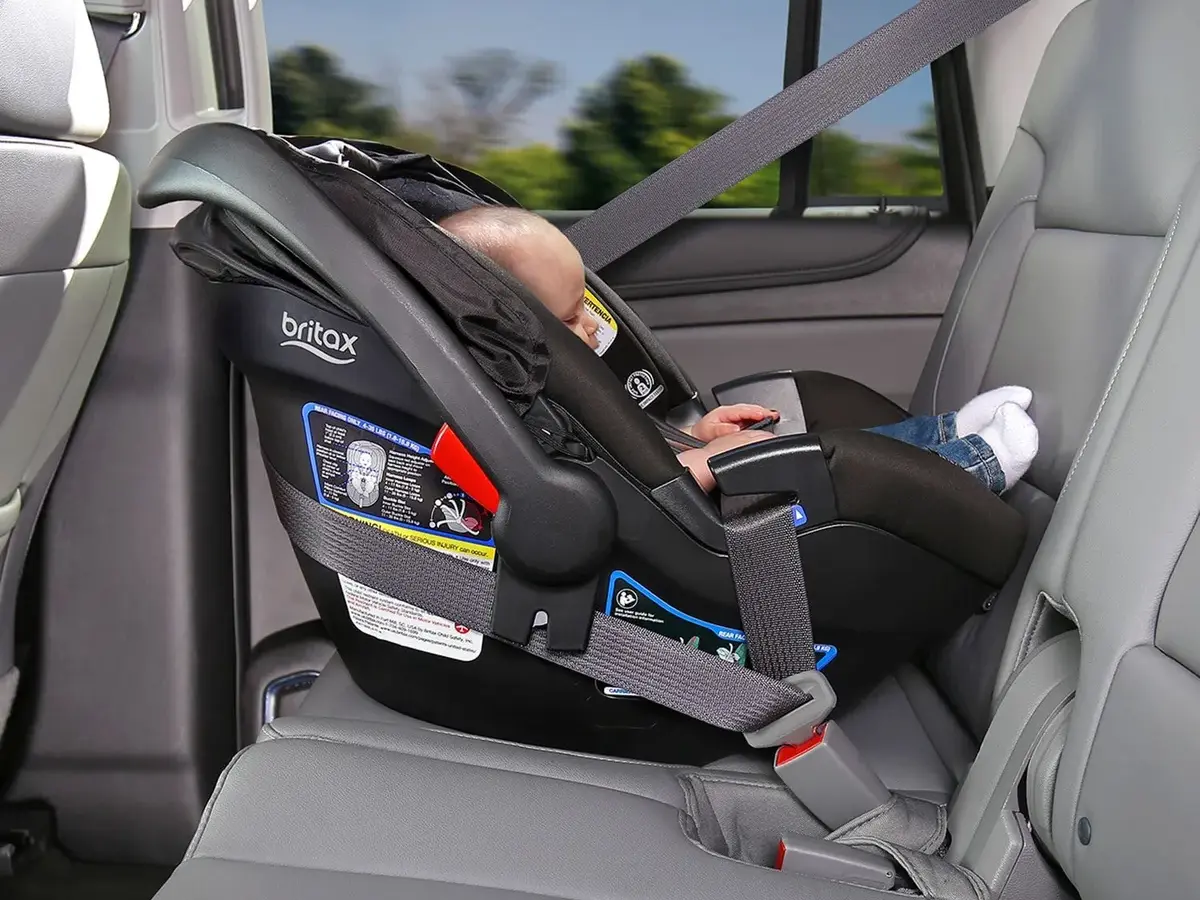
You've got the seat installed, your baby is snug, and then the doubt creeps in. When do you change a baby car seat, really? The honest answer is that it's rarely one clean moment.
It's four separate triggers, and whichever one hits first is the one that matters.
In our research, manufacturer specifications and guidance from the National Highway Traffic Safety Administration NHTSA point to four change triggers: outgrowing the seat, hitting the expiration date, being in a crash, and a recall. You check them in that order, every few months. Here's how to walk through each one and know exactly when to move your child up.
when do you change a baby car seat
Change a baby car seat when your child outgrows it, when it expires, after a moderate or severe crash, or if it's recalled. Outgrowing usually comes first. Rear-facing seats end at a set weight or height.
Expiration dates run 6 to 10 years. A recall means stop using it now.
The Four Triggers That Mean It's Time And the Order to Check Them In
Think of this as a checklist you run in sequence, not a single rule you memorize. The first trigger that fires is your answer. Most parents jump straight to weight, but expiration and crashes can force a change long before your kid outgrows anything.
Here's the order that keeps you safe, based on manufacturer specs and NHTSA guidance.
Outgrown the seat (weight, height, or the 1-inch rule)
Expired seat
Crash history
Active recall
Run through all four. Don't skip ahead just because the weight limit looks fine. A seat can be expired and dangerous even if your child still fits.
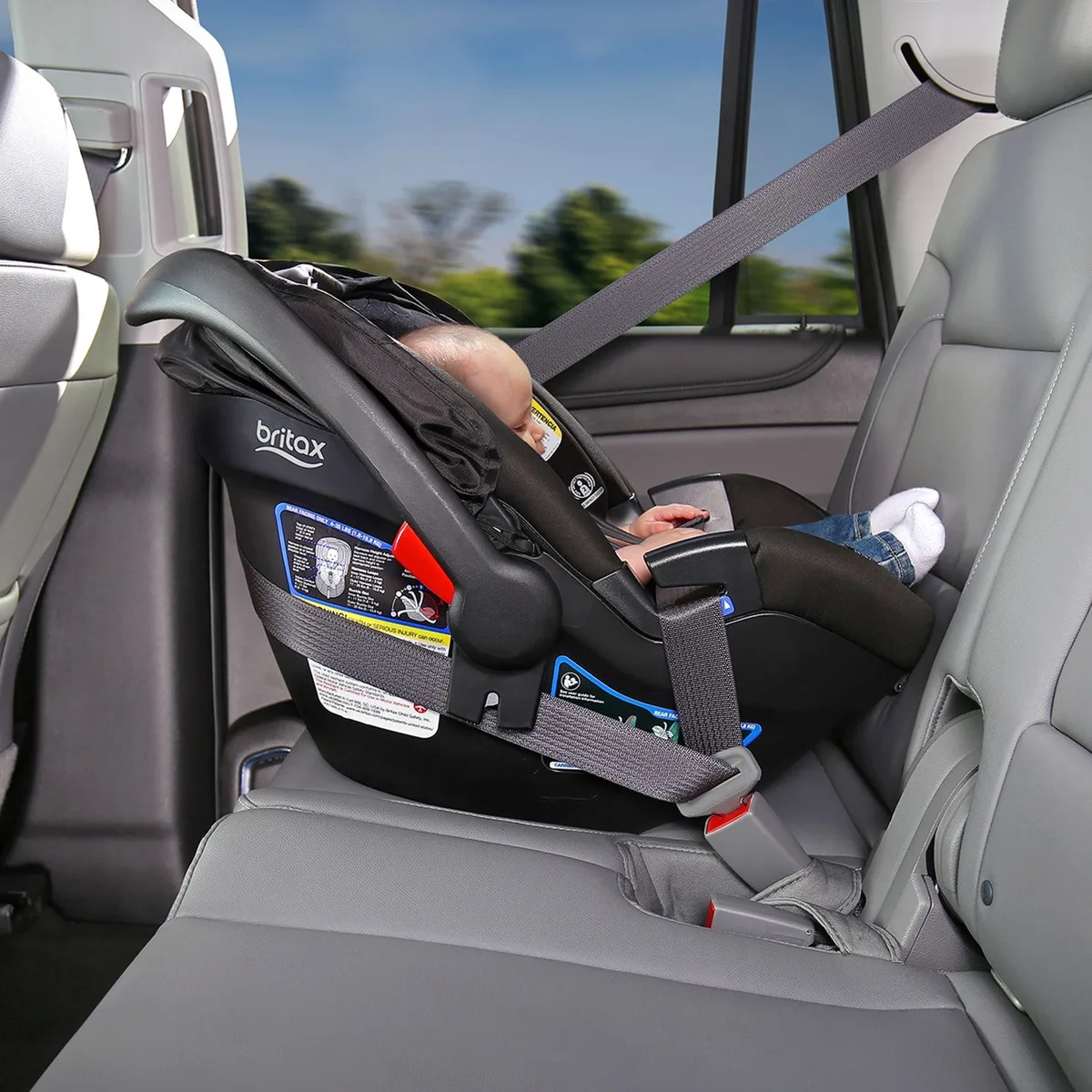
Image source: Web (Bing) / pinterest.com (Web image (fair-use with source credit))
if your child still fits but the seat is expired, change the seat
If the seat is expired, you change it even when your child fits comfortably. Plastic degrades over time. Labels fade, parts go missing, and the seat may no longer perform the way it did on day one.
if your child has outgrown the seat but it's not expired, change the seat
If your child has outgrown the seat, you change it regardless of the expiration date. Outgrowing is a hard stop. The seat can't protect a child who no longer fits its limits.
if none of the four triggers has fired, keep the seat
If none of the four triggers has fired, keep using the seat. There's no benefit to upgrading early. A properly fitted, unexpired seat is doing its job.
Outgrown the Seat: Weight, Height, and the 1-Inch Rule
Outgrowing a seat happens in three ways, and the smallest one wins. Your child hits the weight limit, the height limit, or the head-clearance rule. Whichever comes first is your signal to change.
For rear-facing infant seats, the 1-inch rule is the one parents miss most. Your child's head must sit at least 1 inch below the top of the seat shell. Once the head gets too close, the seat can't protect the neck in a crash.
Manufacturer specifications indicate infant seat rear-facing limits commonly sit between 22 and 35 lbs, with convertible seats often going to 40 or 50 lbs rear-facing. But limits vary by model, so read your manual, not a general chart.
Weight limit: the max pounds listed on your seat label
Height limit: both standing height and seated height
1-inch rule: head clearance below the top of the shell
Harness slots: at or below the shoulders when rear-facing
If your child still fits all four, you don't change the seat. If any one fails, you move up.
Hit the Expiration Date: How to Find It on Your Seat
Every car seat has an expiration date, and it matters more than most parents think. The rule isn't arbitrary. Sun, heat, and repeated stress weaken the plastic shell over years.
Parts can also be discontinued, so a broken buckle might be impossible to replace.
Expiration windows typically run 6 to 10 years from the manufacture date, and the date lives on a label stuck to the seat itself. You won't find it on the box or the receipt.
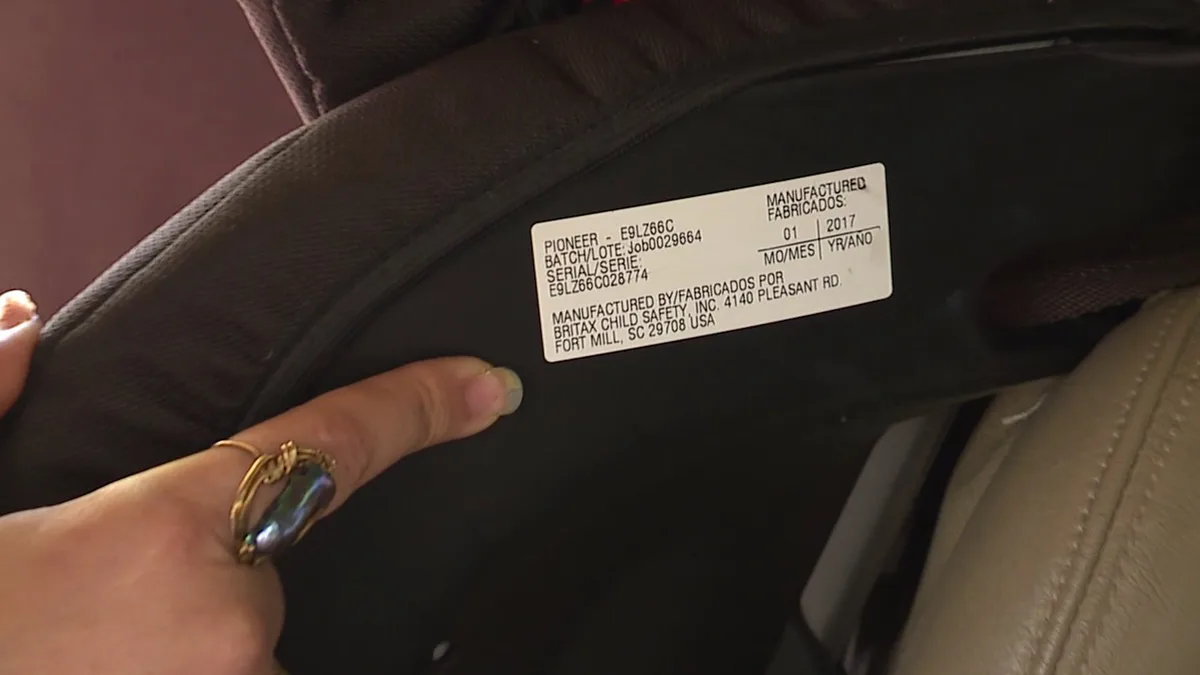
Image source: Web (Bing) / kidtravel.org (Web image (fair-use with source credit))
Here's where to look.
Under the seat, on the base or shell
On the side of the shell, near the harness
On the back of the seat, sometimes behind padding
The label shows both a manufacture date and, on most seats, a do-not-use-after date. If you only see a manufacture date, add the seat's stated lifespan from the manual. As of 2026, a seat made in 2019 with an 8-year lifespan still has a year left.
One made in 2016 is done.
After a Crash: When Replacement Is Mandatory vs. Optional
Not every crash means a new seat, but more do than parents assume. The rule depends on severity, and NHTSA draws the line. A minor fender-bender usually lets you keep the seat.
A moderate or severe crash means replace it, no exceptions.
NHTSA's replacement criteria say a seat should be replaced if any of these apply.
The airbags deployed
Anyone in the vehicle was injured
The door nearest the car seat was damaged
The vehicle couldn't be driven from the scene
There's visible damage to the seat itself
If none of those fit, and the crash was genuinely minor, you can keep using the seat. Check it over for cracks, bent parts, or a frayed harness first. When in doubt, replace it.
A new seat costs far less than the risk of trusting a stressed one.
Many auto insurers cover car seat replacement after a crash. Ask your provider. Some replace it automatically, no questions asked.
Which Seat Comes Next? Matching the Change to Your Child's Stage
The seat you change into depends on how big your child is and what they've outgrown. This is where the decision tree branches. It's not about age.
It's about fitting the right seat to the right limit.
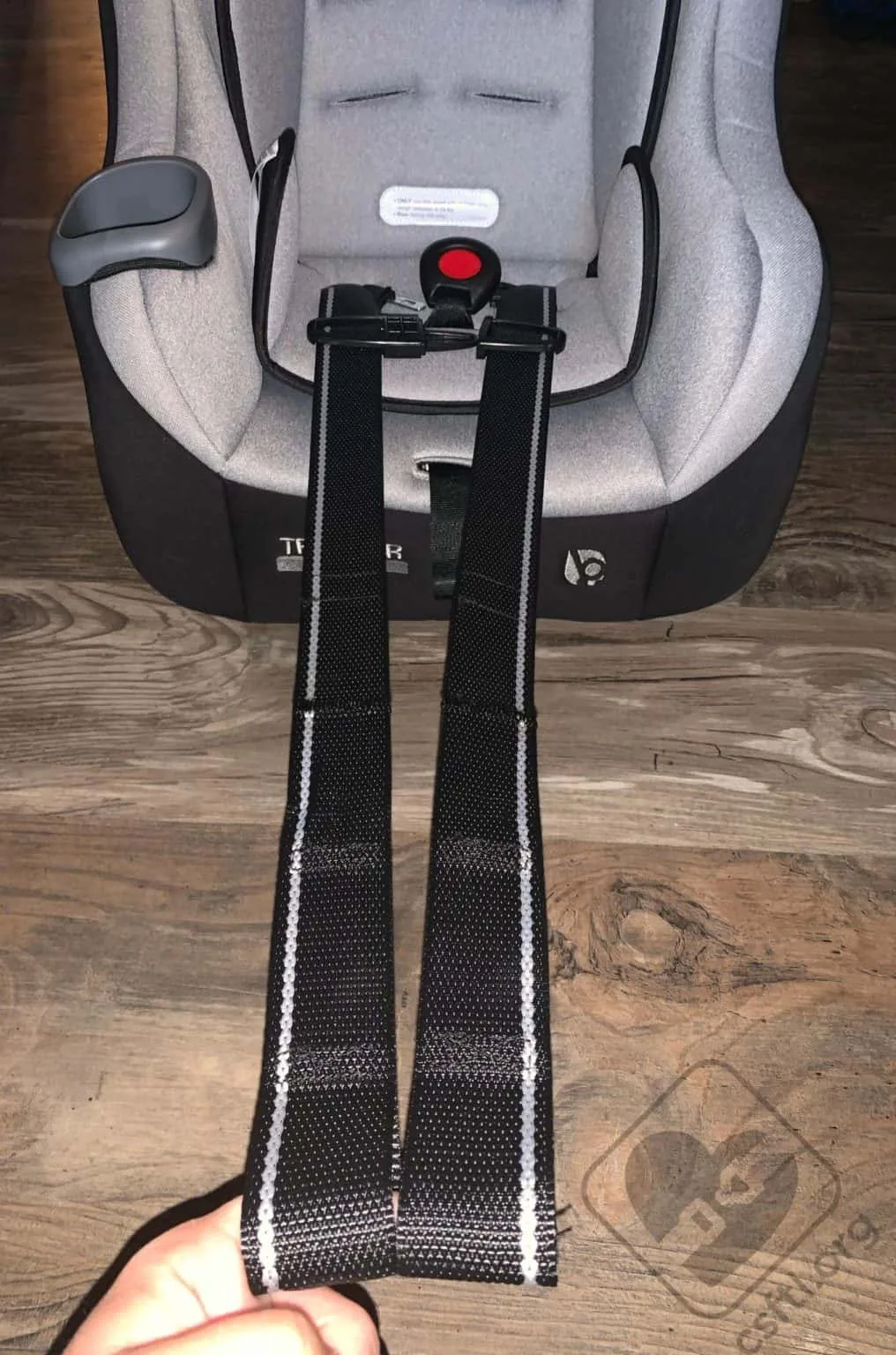
Image source: Web (Bing) / csftl.org (Web image (fair-use with source credit))
Rear-Facing Infant Seat to Convertible
If your baby has outgrown the infant carrier, move to a convertible seat and keep it rear-facing. Convertibles offer higher rear-facing weight limits. That means more time in the safest position.
Convertible to Forward-Facing
If your child has maxed out the convertible's rear-facing limits, flip it forward-facing. Keep the harness on. Set the harness slots at or above the shoulders now, the reverse of rear-facing.
Forward-Facing to Booster (and the 5-Step Readiness Test)
If your child has outgrown the forward-facing harness limits, a booster may be next. But only if they pass the 5-step readiness test. Most kids aren't ready until around age 8 to 12, or 4'9" tall.
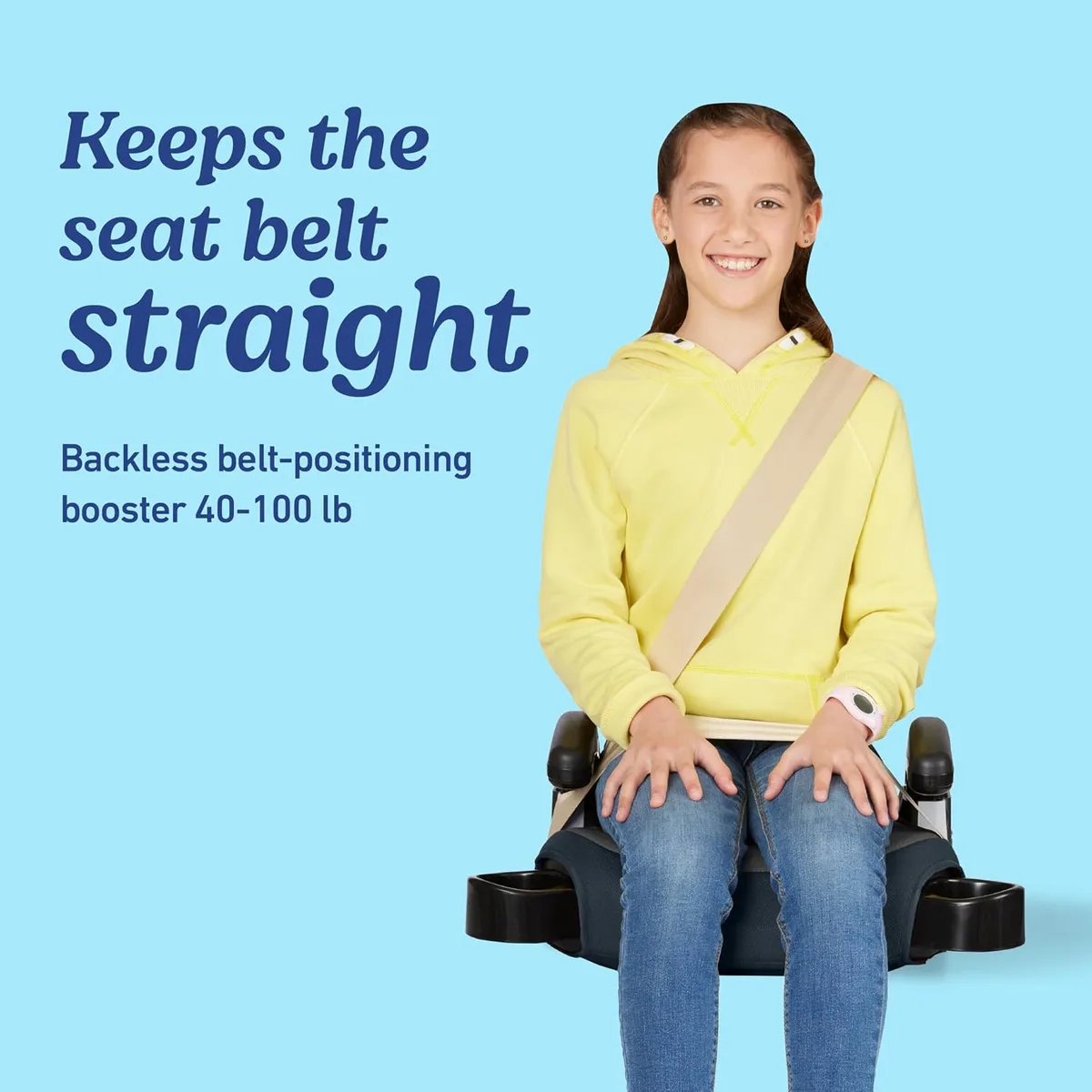
Image source: Web (Bing) / manuals.plus (Web image (fair-use with source credit))
The 5-step booster test checks these.
Back against the vehicle seat
Knees bend at the seat edge
Lap belt low across the hips
Shoulder belt across the chest
Seated the whole ride
If any step fails, stay in the harnessed seat. A booster only works when the seat belt fits correctly without it.
The Full Change-Over Workflow: From New Seat to Safely Installed
Once you've picked the next seat, installing it correctly matters as much as choosing it. A brand-new seat that's loose or misrouted won't protect your child. Here's the workflow we recommend, drawn from manufacturer manuals and NHTSA installation guidance.
Register the new seat with the manufacturer so recall notices reach you.
Read the seat manual and your vehicle owner's manual. Both matter.
Choose your install method: lower anchors (LATCH) or the seat belt. Never both at once.
Route the belt or anchor strap through the correct path for your child's weight.
Tighten until there's less than 1 inch of movement at the belt path.
Adjust the recline angle for your child's size.
Set harness slots and tighten the harness until you can't pinch slack at the shoulder.
Position the chest clip at armpit level.
Store the old seat's manual with the seat if you're passing it on, or mark it expired and dispose of it.
Does the 1-inch rule apply to both directions? Yes. Whether rear-facing or forward-facing, the seat shouldn't move more than 1 inch side to side or front to back at the belt path.
That single check catches most installation errors.
If your vehicle has top tether anchors, use them forward-facing. They cut head movement in a crash and are required in most newer vehicles. Many parents skip them because they're hidden behind headrests.
Don't.
Mistakes That Push Parents to Change Too Early (or Too Late)
The most common mistake is moving to forward-facing too soon. Parents see a child who looks cramped and assume it's time. In reality, legs touching the back seat is fine.
Rear-facing is safer for the head, neck, and spine, and kids should stay that way as long as the seat allows.
Here are the errors we see most often, based on manufacturer warnings and CPST guidance.
Switching forward-facing before hitting the rear-facing limit
Using an expired seat because it "still looks fine"
Buying a used seat with no known history or missing labels
Skipping replacement after a crash that met NHTSA's criteria
Ignoring recall notices because the seat seemed okay
Winter coats under the harness, which create dangerous slack
Installing with LATCH and seat belt together, which is never allowed
Moving to a booster before the 5-step test passes
Under-changing is the bigger risk. A seat past its expiration or one that survived a serious crash can fail when you need it most. Over-changing wastes money but rarely harms anyone.
How do you know which mistake you're making? Check your seat's limits and expiration date every few months. Set a calendar reminder.
Most parents stop checking once the seat is installed, and that's when problems hide.
Fit, Rules, and Red Tape: What the Law and Safety Standards Actually Require
In the US, every car seat sold must meet Federal Motor Vehicle Safety Standard 213 (FMVSS 213). That standard covers crash performance, labeling, and instructions. It's the floor, not the ceiling.
State laws vary widely, and they don't always match best practice. Some states go by age, some by weight, some by height. A few require rear-facing until age 2.
The American Academy of Pediatrics recommends rear-facing until the child maxes out the seat, which is often longer than any state minimum.
Here's how the key rules stack up.
| Rule Source | What It Says | Practical Takeaway |
|---|---|---|
| FMVSS 213 | Minimum crash and labeling standard | Every US seat meets this |
| State law | Varies by age, weight, or height | Follow your state's minimum |
| AAP guidance | Rear-face until the seat limit | Safer than most state laws |
| ECE R129 (i-Size, Europe) | Height-based categories, rear-facing emphasis | Different standard, don't mix seats across regions |
In Europe, the older R44/04 standard is being phased out in favor of ECE R129, also called i-Size. It uses height rather than weight and pushes longer rear-facing use. If you're shopping across regions, don't assume a seat meets both standards.
Does insurance cover a replacement seat after a crash? Often yes. Many US insurers replace car seats automatically after any crash, even a minor one.
Ask your provider. Some require a police report or photos.
One warning: never buy a used seat without the full history. Unknown crash history, missing parts, and faded labels make a used seat a gamble. If you can't verify it, don't use it.

Similar Posts































