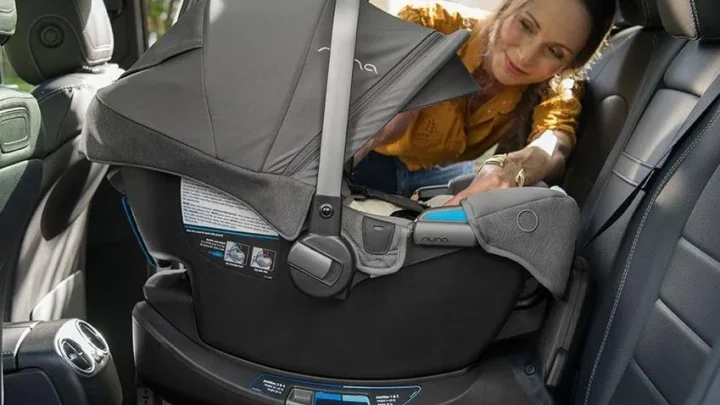
When Can Baby Face Forward in a Car Seat?
If you're wondering when baby front facing car seat becomes the right move, the short answer is later than most parents think. Age 2 is the minimum, not the finish line. The real rule is to keep your child rear-facing until they max out the height or weight limit of their seat.
That two-year mark comes from the American Academy of Pediatrics, whose guidance says children should ride rear-facing until at least age 2, or until they outgrow their seat's rear-facing limits, whichever comes later. The federal safety standard, FMVSS 213, backs this up with crash-test requirements for every seat sold in the US. Read on to see what actually decides when to turn the seat around.
when baby front facing car seat
Keep your baby rear-facing until at least age 2. Continue longer if the seat still fits. Turn forward only when they hit the rear-facing weight or height limit.
Every seat is different, so check your manual. Age alone isn't the deciding factor.
Quick Answer: The Real Rule Isn't Just "Age 2"
Age 2 is a floor, not a milestone to hit and move past. In our research, the phrase "outgrow the seat" is what actually matters. Your child rides rear-facing until one of two things happens: they hit the rear-facing weight ceiling, or their head comes within one inch of the top of the seat shell.
The American Academy of Pediatrics updated its policy in 2018 to drop specific age targets for each stage. Instead, it recommends keeping kids in the most protective seat their size allows. For most toddlers, that means rear-facing well past their second birthday.
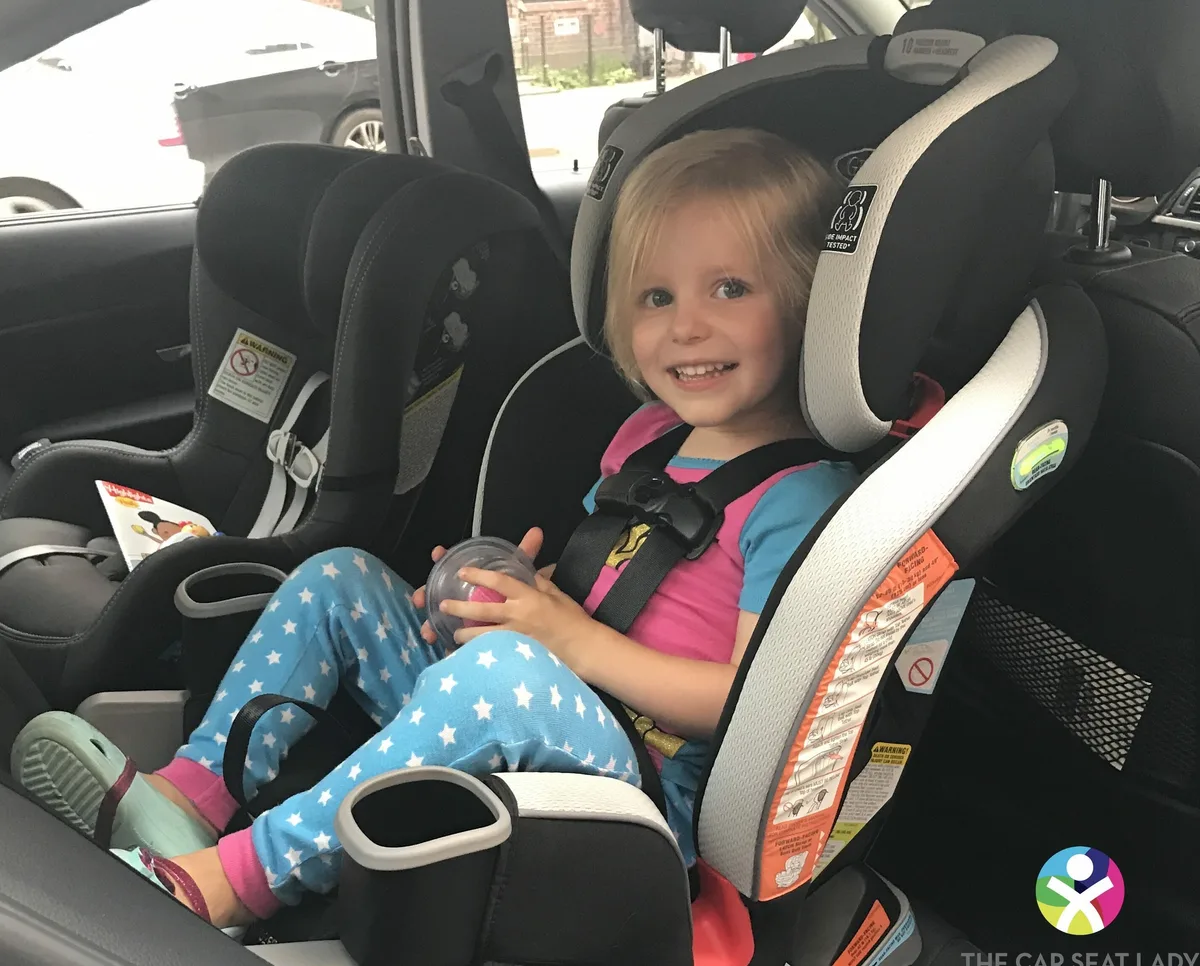
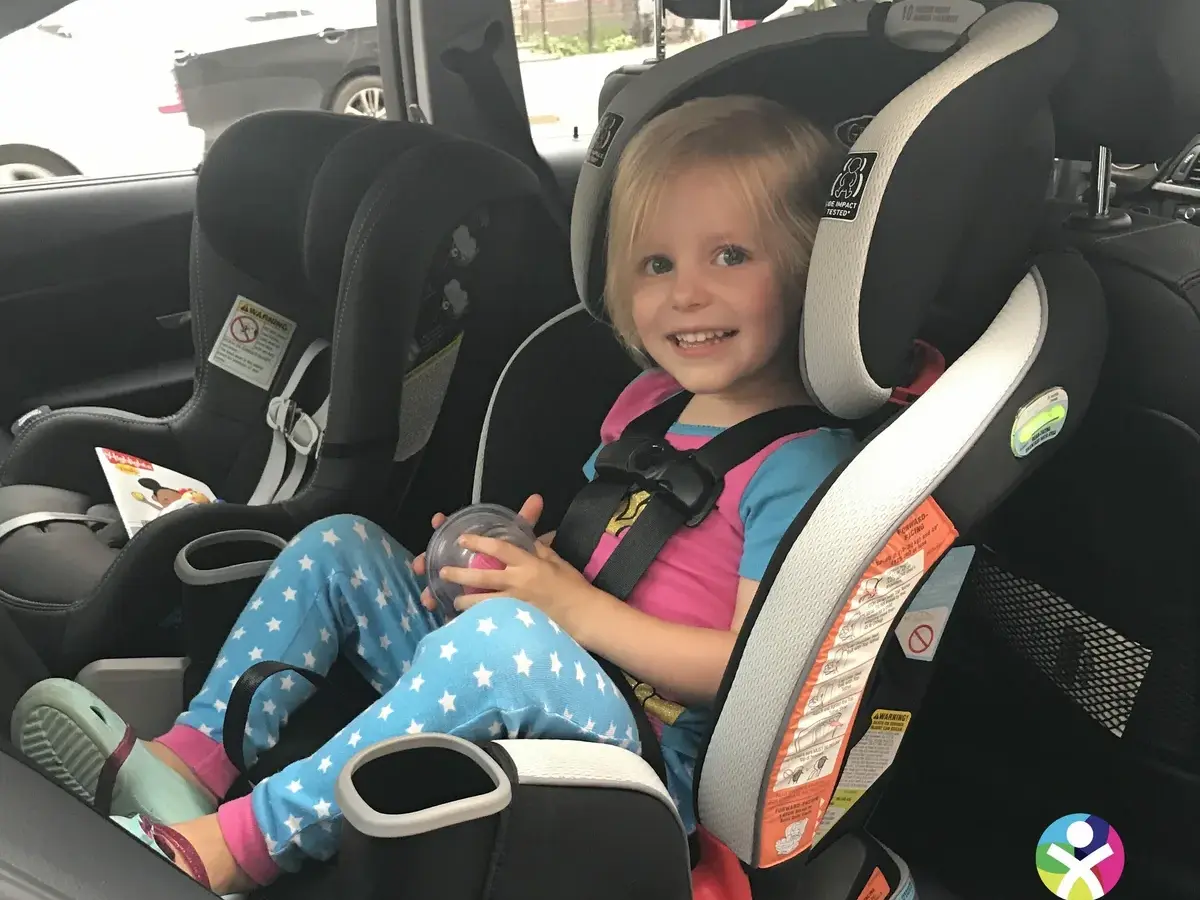
Image source: Web (Bing) / taftindependent.com (Web image (fair-use with source credit))
Many convertible car seats today are rated rear-facing up to 40, 45, or even 50 pounds. That covers a surprising number of three- and four-year-olds. If your seat allows it and your child fits, there's no safety reason to rush the switch.
Why This Decision Is Worth Getting Right
Motor vehicle crashes remain a leading cause of death for children ages 1 to 13 in the US, according to the CDC. The good news is that correctly used car seats cut the risk of fatal injury dramatically. The catch is the word "correctly."
Rear-facing seats spread crash forces across the back and shell of the seat. The child's head, neck, and spine move together with the seat rather than snapping forward. That matters most in the first few years, when a toddler's head is disproportionately large and their neck ligaments are still developing.
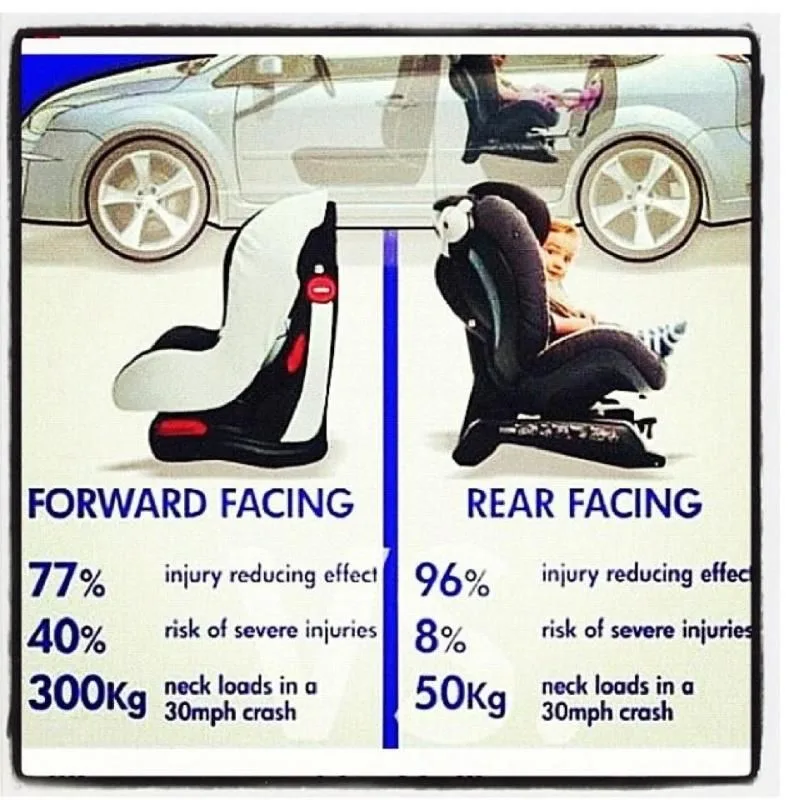
Image source: Web (Bing) / ar.inspiredpencil.com (Web image (fair-use with source credit))
Forward-facing changes that physics. The harness holds the torso, but the head and neck carry more load in a frontal crash. That's why the top tether exists, and why using it isn't optional.
Per NHTSA, properly installed car seats reduce the risk of fatal injury by 71% for infants and 54% for toddlers in passenger cars. The keyword there is "properly installed." A seat turned too early, or a tether left unhooked, erases much of that protection.
The Three Numbers That Decide When to Turn the Seat
Three numbers decide this, not one. Age sets the legal floor. Weight and height tell you when the seat has been outgrown.
Your own seat's manual tells you the exact cutoffs.
Age: The Minimum, Not the Finish Line
Every US state sets a minimum age for forward-facing. Many still say 1 year, which is badly outdated. The AAP's position is at least 2 years old, and ideally older.
Think of age 2 as the earliest you'd even consider it.
Weight and Height: The Rules That Actually Apply
Weight and height are what your seat actually cares about. A seat rated rear-facing to 40 pounds isn't "done" the day your kid turns 2 at 26 pounds. They stay rear-facing until they hit that 40-pound ceiling or the height limit.
Here's the quick breakdown:
| Factor | Rear-Facing Limit | Forward-Facing Limit |
|---|---|---|
| Typical weight | 22 to 50 lbs | 22 to 65 lbs |
| Typical height | Up to 40 to 49 in | Up to 49 in or shell top |
| Head position | 1 in below shell top | At or below shell top |
| Harness slots | At or below shoulders | At or above shoulders |
Your Specific Seat's Limits (Read the Manual)
Your manual beats every general rule. Manufacturer specs vary more than parents expect. One convertible seat might allow rear-facing to 40 pounds, another to 50.
If the manual says the rear-facing weight limit is 40 pounds and your child weighs 38, you stay rear-facing.
How to Move Your Child Forward-Facing Safely
Once your child has genuinely outgrown the rear-facing limits, the switch is straightforward. Get the install right the first time. Then re-check it after a week, because straps and anchors settle.
Step-by-Step Installation With the Top Tether
- Read both manuals. The car seat manual and your vehicle owner's manual. The vehicle manual tells you where the tether anchors are.
- Recline to the forward-facing angle. Most seats have a specific recline setting for forward-facing. It's usually more upright than rear-facing.
- Route the belt or LATCH strap. Thread it through the forward-facing belt path, which is different from the rear-facing path.
- Attach the top tether. Hook it to the designated anchor and pull the slack out.
- Tighten the lower anchors or seat belt. Push down on the seat with your body weight as you tighten.
- Check for movement. Grab the seat at the belt path and try to move it side to side. It shouldn't shift more than 1 inch.
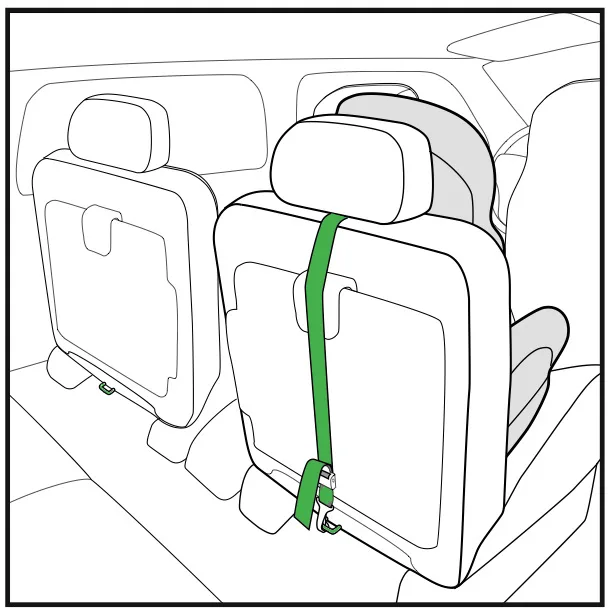
Image source: Web (Bing) / storage.googleapis.com (Web image (fair-use with source credit))
Harness, Chest Clip, and the Pinch Test
For forward-facing, the harness slots sit at or above your child's shoulders. Thread the straps through the slots, buckle them, then tighten the harness. Do the pinch test at the collarbone.
If you can pinch a fold of strap, it's too loose.
The chest clip goes at armpit level, no lower. It keeps the straps on the shoulders in a crash. It's not a tightening device, so get the straps tight first, then slide the clip up.
Getting a Free CPST Inspection
A certified Child Passenger Safety Technician will check your install for free. Safe Kids Worldwide runs inspection events across the country, and many fire departments and police stations offer them. Find a local fitting station through the NHTSA site.
It takes about 30 minutes and catches errors most parents miss.
The Mistakes That Undo a Good Car Seat
Most car seat failures aren't the seat's fault. They're installation and use errors. Here are the ones our research shows come up again and again.
- Turning too soon. The most common one. If the seat still fits rear-facing, keep it rear-facing.
- Harness too loose. The straps should lie flat against the body with no slack. Do the pinch test every single time.
- Chest clip too low. It belongs at armpit level, not on the belly.
- Top tether not attached. Forward-facing seats need it. It's not a "nice to have."
- Lower anchors used past their weight limit. Many vehicles cap LATCH at 40 to 65 pounds combined. Above that, use the seat belt.
- Bulky coats under the harness. The coat compresses in a crash, leaving the harness loose. Buckle the coat off, or use a thin fleece.
Turning Too Soon Because "Their Legs Look Cramped"
Cramped legs aren't a safety problem. Kids fold their legs, prop them on the seat back, or sit cross-legged. It looks uncomfortable to adults but isn't.
Never turn a child forward-facing just because their legs touch the seat back.
Bulky Coats, Loose Straps, and Lower Anchors Past Their Limit
These three errors share a theme. They all let the harness loosen without the parent noticing. A compressed coat, a slack strap, or an over-limit anchor can let a child's torso move too far in a crash.
Check the harness against a thin layer, then add a coat over the buckled straps or use a blanket instead.
Expired, Secondhand, or Recalled Seats
Car seats expire, usually 6 to 10 years after the manufacture date. The plastic and foam degrade over time. A seat with an unknown history may have been in a crash, which can compromise its structure.
Check the NHTSA recall database by model and manufacture date before you use any seat, new or used.
State Laws vs. Best Practice (And Why They Diverge)
State law is a floor, not a recommendation. Many states still require only age 1 and 20 pounds before forward-facing. That's a legal minimum written decades ago, and it lags well behind the science.
What Most State Laws Actually Say
Laws vary widely. Some states now require rear-facing until age 2, matching the AAP. Others haven't updated since the 1990s.
Always check your own state's current statute, because the officer at a check point is reading the law, not the best-practice guidance.
Where AAP, NHTSA, and i-Size Push Further
The AAP and NHTSA both push for rear-facing as long as the seat allows, not just to age 2. In Europe, the UN R129 standard, known as i-Size, requires rear-facing until at least 15 months and encourages extended rear-facing through age 3 or 4. The direction of travel everywhere is the same: keep them rear-facing longer.
FAQs About Forward-Facing Car Seats
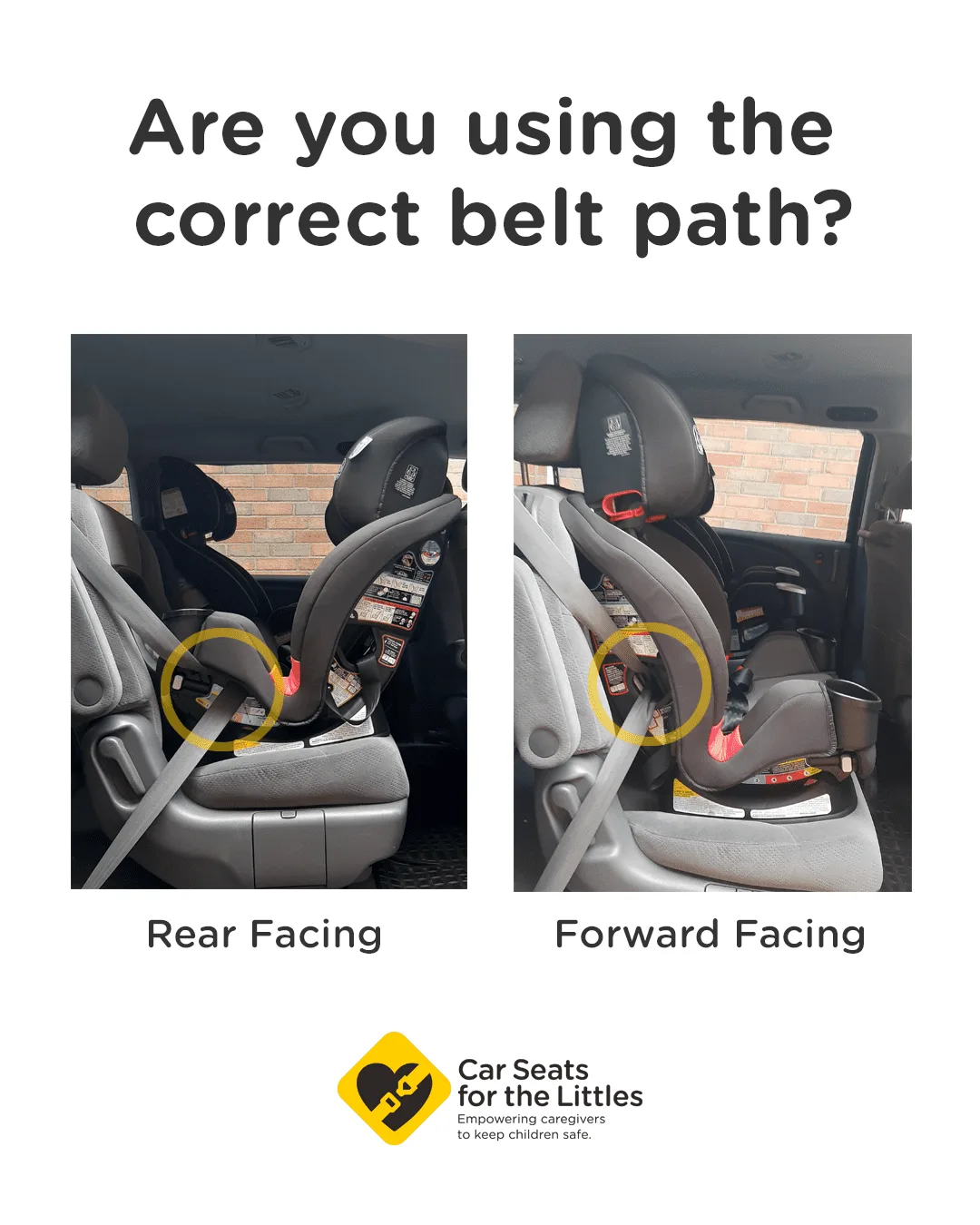
Image source: Web (Bing) / rivieradeifiori.org (Web image (fair-use with source credit))
When can my baby face forward legally?
It depends on your state, but many allow forward-facing at 1 year and 20 pounds. That's a legal floor, not a safety recommendation. The AAP advises rear-facing until at least age 2, or until your child outgrows the seat's rear-facing limits, whichever comes later.
Is it safe to turn my toddler around at 2?
Age 2 is the earliest you'd consider it, not a deadline. If your seat is rated rear-facing to 40 or 50 pounds and your toddler still fits, keep them rear-facing longer. Rear-facing remains the more protective position for as long as the seat allows.
Can I use LATCH for a forward-facing seat?
Yes, but only within the weight limit. Many vehicles cap the lower anchors at 40 to 65 pounds combined, including the seat's weight. Past that limit, switch to the seat belt.
The top tether still attaches either way.
Do I always need the top tether?
For forward-facing seats, yes. FMVSS 213 requires top tether use, and it limits how far your child's head moves forward in a crash. Check your vehicle owner's manual for anchor locations, since they're usually behind the seat or on the floor.
My child's legs touch the seat. Is that a problem?
No, cramped legs aren't a safety issue. Kids fold their legs, sit cross-legged, or prop their feet on the seat back. Broken legs from rear-facing are extremely rare.
A forward-facing child can still strike the seat in front, so legroom isn't a reason to turn early.
What if my toddler hates rear-facing?
Try adjusting the recline angle, adding a thin seat protector approved by the manufacturer, or giving them a small toy. Sometimes they just need time. If nothing works, keep them rear-facing anyway until they outgrow the seat.
Safety beats comfort here.
The Bottom Line: Rear-Face as Long as Your Seat Allows
The whole decision comes down to one phrase: ride rear-facing until the seat says stop. Not age 2. Not the day your toddler turns two and you feel done with it.
Your seat's weight and height limits decide it, and most modern convertibles let you keep them rear-facing past their third birthday.
When you do switch, get the install right. Top tether attached. Harness snug at the shoulders.
Chest clip at armpit level. Less than 1 inch of movement at the belt path. If you're not sure, book a free check with a CPST.
One last thing worth saying. Turning the seat around feels like a milestone, and it is. But it's also a downgrade in protection.
Every month you can safely delay it is a month your child's head and neck are better shielded in a crash. There's no rush.

Similar Posts