Can You Travel With a Baby Without a Car Seat?
Can you travel with a baby without a car seat? Sometimes yes, often no, and it depends entirely on what you're travelling in. On a train or a bus, you can usually get away with it.
On a plane, most airlines will let you hold an infant under two on your lap. But step into a taxi, a rideshare, or a rental car, and the rules tighten fast.
Here's the part most parents miss. An infant car seat is a rear-facing restraint tested to federal safety standards, and no lap, sling, or pair of arms replicates what it does in a crash. NHTSA's own testing shows that a properly installed car seat reduces the risk of fatal injury for infants by roughly 71 percent in passenger cars.
So the real question isn't just "can you" but "when should you, and when is it a hard no." Let's break it down by vehicle type and country.
can you travel with a baby without a car seat
Yes, in some situations. Airlines allow lap infants under two without a car seat. Trains and buses generally don't require one.
Taxis and rideshares are where it gets tricky. Several countries exempt taxis from car seat laws, but many don't. Private cars almost always require a car seat by law.
Quick Answer: When "No Car Seat" Is Legal, When It's Not, and When It's Just Unsafe
Legality and safety are two different questions, and parents constantly blur them. In our research, that's the single biggest source of confusion. A taxi exemption doesn't mean your baby is safe without a seat.
It just means you won't be fined.
Here's the honest breakdown for a baby under two:
- Airplanes: Lap infants are legal on virtually every major carrier. Most airlines also allow FAA-approved car seats if you buy a seat.
- Taxis and rideshares: Rules vary wildly. The UK, Ireland, and parts of the EU exempt taxis. Many US states do too, but not all. Rideshare rules follow local taxi law in some places and private-car law in others.
- Buses and coaches: Car seats are rarely required and often impractical. The physics of a heavy bus make it relatively safer than a car.
- Trains and trams: No car seat requirement anywhere we've found. You hold the baby or use a carrier.
- Rental cars and private vehicles: Car seats are mandatory. No exemptions. Full stop.
So the short answer is: yes in some vehicles, no in others, and "not required" never means "recommended." The section below unpacks each one.
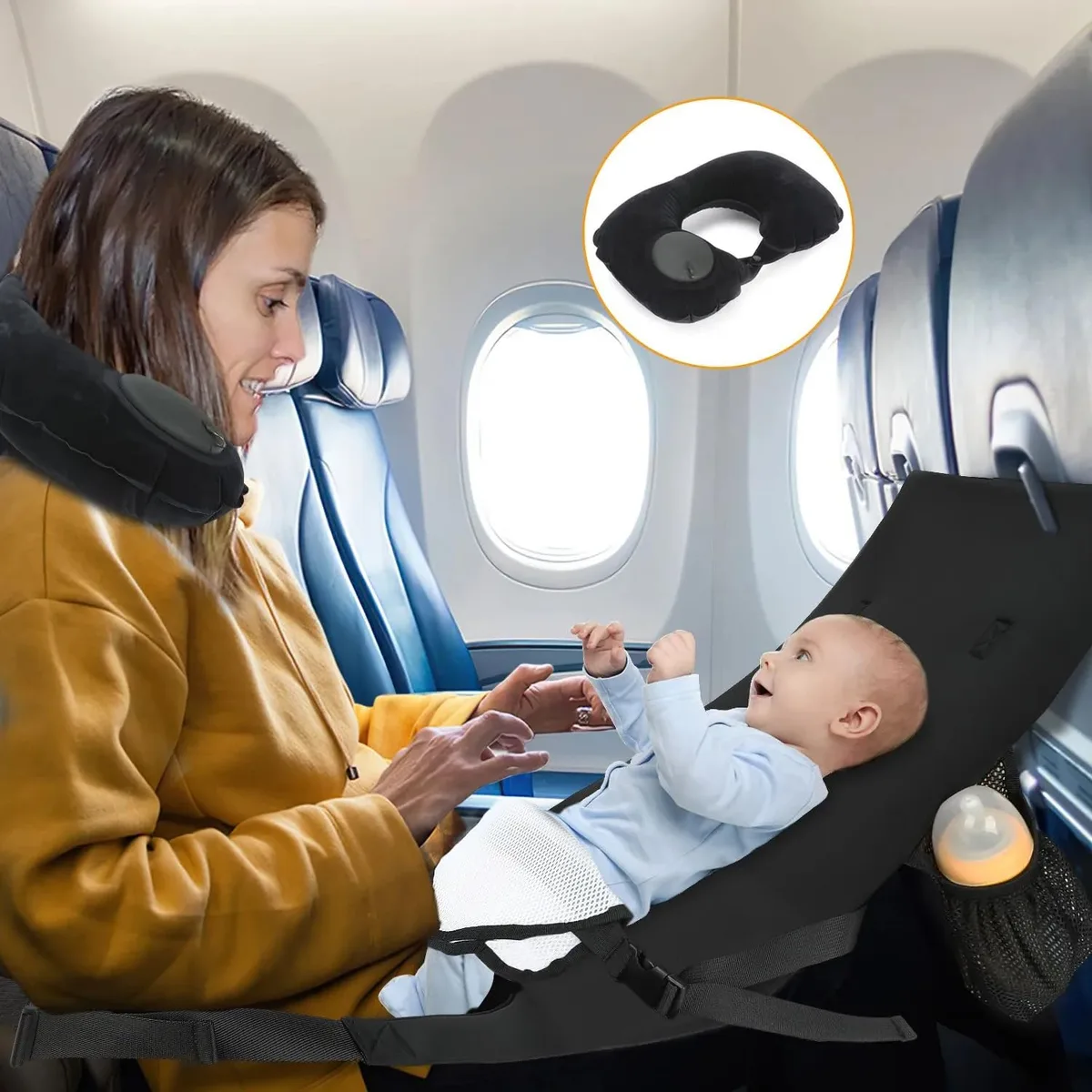
Image source: Bing (Web (fair-use with source credit))
How Car Seat Rules Actually Work — Planes, Taxis, Trains, and Rental Cars
Different vehicle types fall under different regulations, and that's why the answer changes so much. A plane isn't governed by road traffic law. A taxi often isn't either.
A rental car always is. Once you see that split, the whole topic makes more sense.
Airplanes and the FAA Lap Infant Rule
On a plane, you have two legal options. Hold your baby on your lap as a "lap infant," or buy a seat and use an FAA-approved child restraint. The Federal Aviation Administration sets the rules here, and its guidance allows both.
If you go the car seat route, check the label. It'll say in red text: "This restraint is certified for use in motor vehicles and aircraft." No label, no aircraft use, even if the seat is otherwise perfectly safe in a car. Measure the seat too.
Economy seats run 17 to 18 inches wide, and infant seats run 16 to 19 inches. A wide seat won't fit.
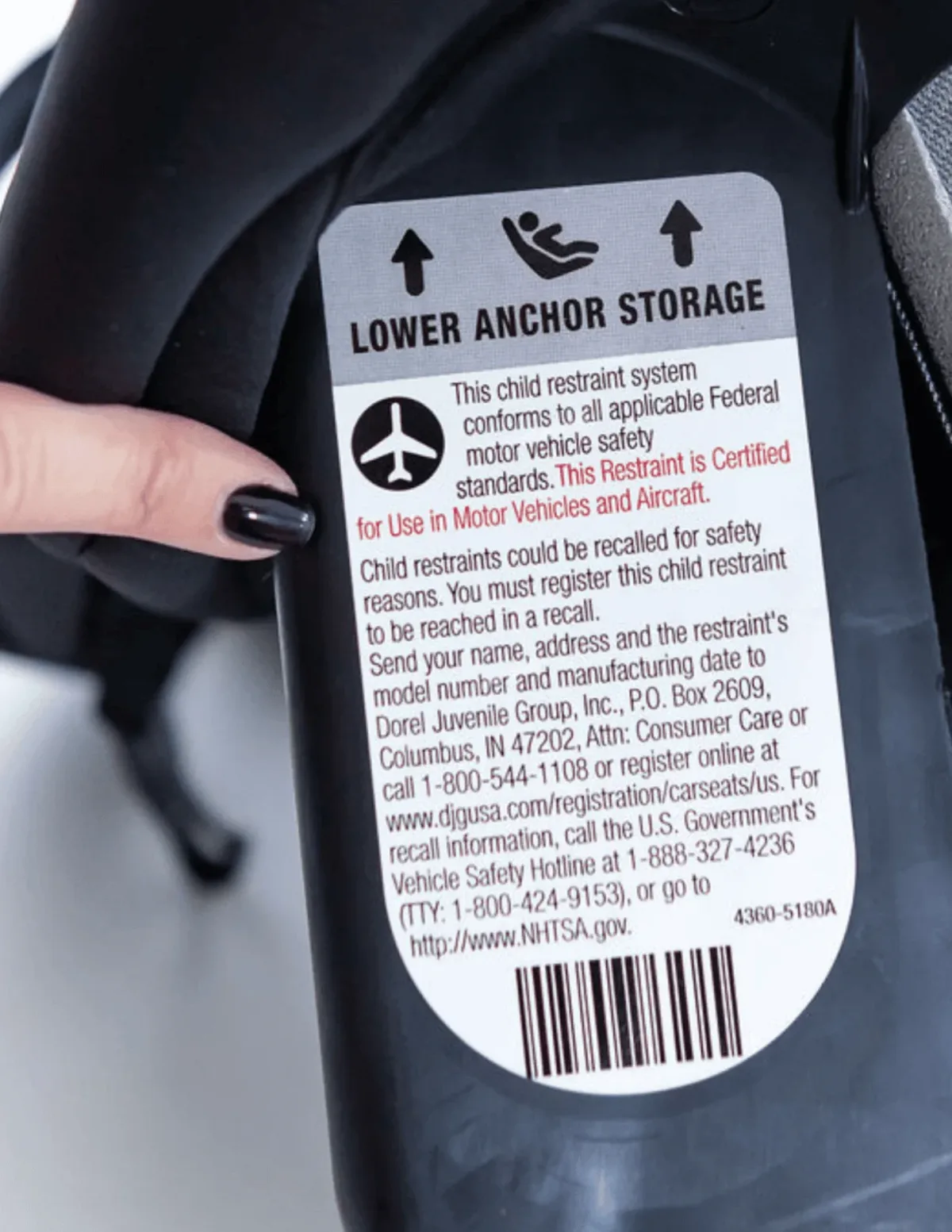
Image source: Bing (Web (fair-use with source credit))
The catch with lap infants? Turbulence. It's the leading cause of in-flight injuries to babies, and a lap baby can't be protected from it.
Per FAA and NTSB data, lap-held infants are also at serious risk in an emergency evacuation. That's the "legal but not ideal" zone.
Taxis, Rideshares, and the Exemption Most Parents Misread
Taxis are the tricky middle ground. In the UK, licensed taxis and minicabs are exempt from car seat law if a seat isn't available. In the US, exemptions exist in many states but the wording is different everywhere.
Rideshares are messier still. Some cities treat them as taxis. Others treat them as private cars, which means the seat is required.
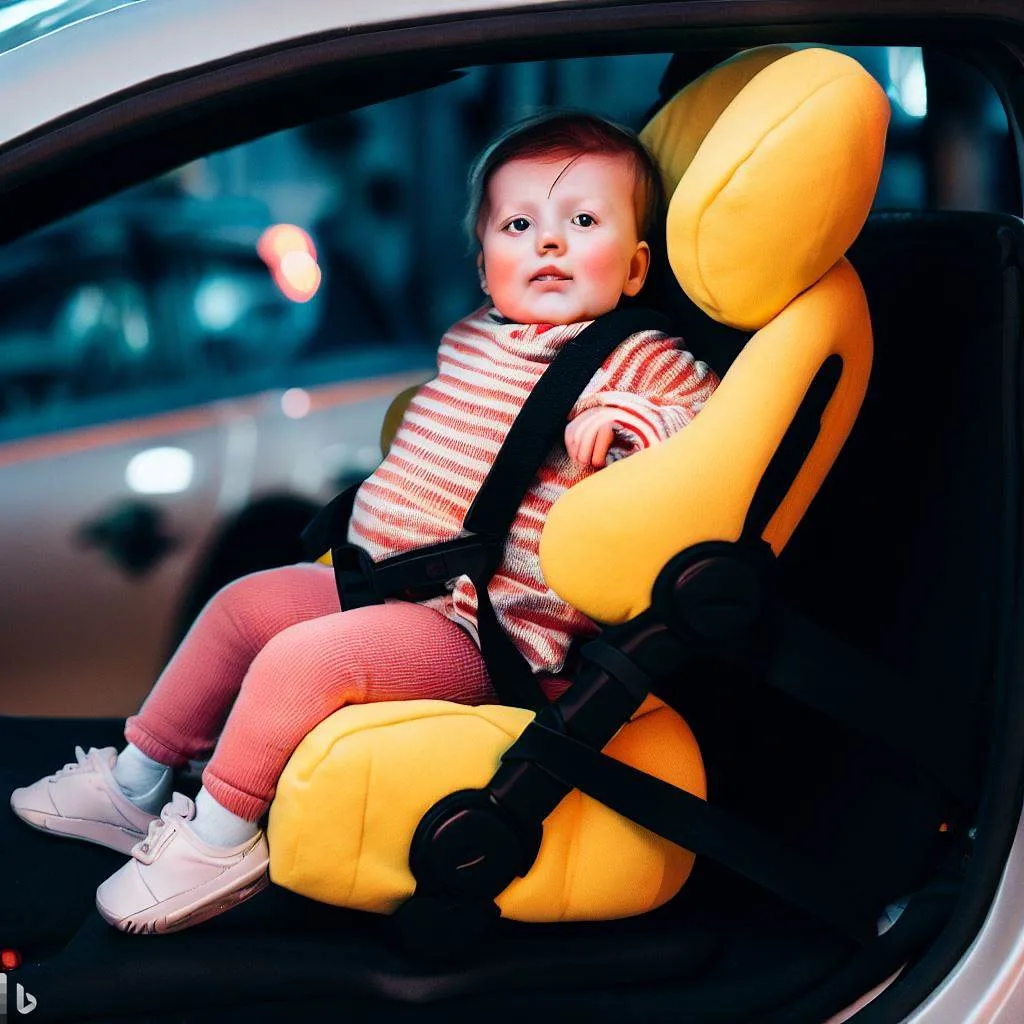
Image source: Bing (Web (fair-use with source credit))
If you're booking an Uber or Lyft, don't assume the exemption applies to you. Ask the driver directly. Some will wait while you install a seat.
Some will cancel when they see a baby. In select cities, Uber Car Seat offers a vehicle with an infant seat already fitted, but availability is limited.
Buses, Coaches, and Trains
For buses, coaches, and trains, you almost never need a car seat. There's no legal requirement, and installing one is usually impossible anyway since there are no seat belts in the traditional sense on many transit vehicles. The weight and size of a bus or train also make it far safer than a car in a collision.
Your best options here are a baby carrier, a sling, or your arms. Just keep the baby secured if the vehicle brakes hard, and avoid standing in the aisle.
Rental Cars and Private Vehicles
This is the no-exception zone. Every US state, every Canadian province, the UK, and the EU require an appropriate child restraint in a private vehicle. Rental cars count as private vehicles.
So if you're hiring a car at your destination, you need a seat.
Rental companies will rent you one, usually for $10 to $15 a day. Inspect it before you drive off. Check the manufacture date and the expiry label.
Car seats expire, typically 6 to 10 years from the manufacture date. Ask about recalls too. NHTSA runs a free recall database you can check on your phone.
Why "Legal" Doesn't Mean "Safe" — What Happens to a Lap Baby in a Crash
Here's where we stop being polite about it. A lap baby is not protected in a crash, and the physics are brutal. At 30 mph, a 20-pound infant effectively weighs around 600 pounds of force against your arms.
You cannot hold onto that. Nobody can.
During turbulence on a flight, the same principle applies at lower speeds. A sudden jolt can lift a baby out of your arms and into the cabin ceiling. That's not a scare tactic.
It's the reason the FAA and the American Academy of Pediatrics both recommend purchasing a seat and using an approved restraint for infants when you can.
Two more things worth knowing:
- Car seat misuse rates are high. NHTSA estimates that a large share of car seats are installed or used incorrectly, which reduces their protection.
- The "pinch test" matters. You shouldn't be able to pinch slack at the harness strap over your baby's shoulder. If you can, it's too loose.
So when we say "you can travel without a car seat," we mean "the law may permit it." Whether it's the safest choice for your baby is a separate conversation, and the answer tilts heavily toward using one whenever the vehicle allows it.
Your Real Options When You Don't Want to Bring a Car Seat
Hauling a full-size car seat through an airport is nobody's idea of fun. The good news is there are several legit alternatives, and each one fits a different situation. Here's how they stack up.
| Option | Weight Range | Best For | Packability |
|---|---|---|---|
| FAA-approved car seat | 4–35 lbs | Flying with a purchased seat | Bulky, gate-checkable |
| CARES harness | 22–44 lbs | Toddlers on planes | Folds to pocket size |
| Ride Safer vest | 30–60 lbs+ | Older toddlers in taxis | Very compact |
| Rental car seat | Varies | Destination driving | None, provided locally |
| Baby carrier / sling | Birth up | Trains, buses, walking | Tiny |
Notice what's missing: an option for a young infant in a car. Under 22 pounds, the CARES harness won't work and the Ride Safer vest isn't appropriate. For a baby that small, you either bring a seat, rent one, or accept the risk.
There's no third path for ground transport.
FAA-Approved Car Seats On Board
This is the gold standard. You buy your baby a seat, install the car seat rear-facing, and route the aircraft seat belt through the correct path. On arrival, the same seat goes straight into your rental car or taxi.
One seat, two jobs, no compromise. It's more expensive since you're paying for an extra ticket, but it's the only option that protects your baby in both phases of the trip.
CARES Harness and Ride Safer Vest
The CARES harness is a small, belt-based restraint for children 22 to 44 pounds. It loops around the aircraft seat and converts the adult belt into a four-point harness. It's aviation-only, so it does nothing for you in a car.
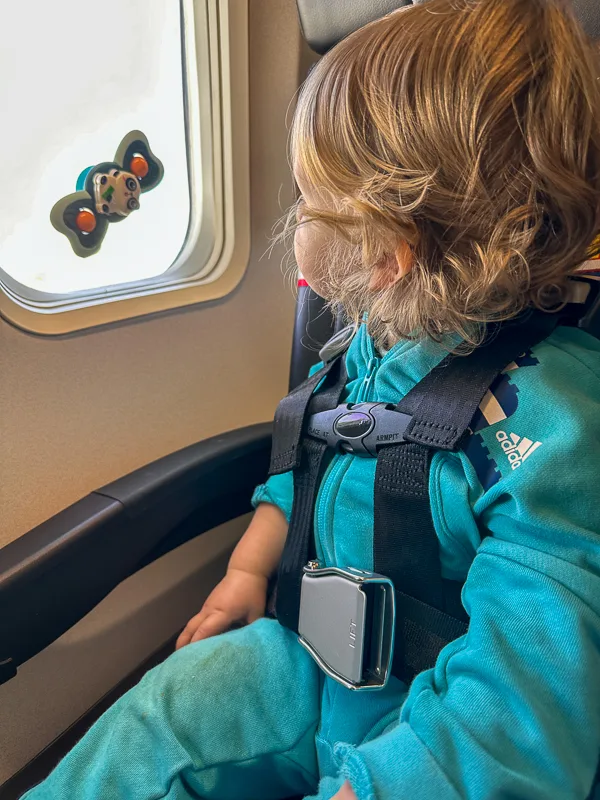
Image source: Bing (Web (fair-use with source credit))
The Ride Safer vest is different. It's a wearable harness for kids 30 pounds and up, designed for cars and taxis. It uses the vehicle's own seat belt.
It's compact and a favorite among parents who take a lot of short taxi rides. Just check your local law first, since some jurisdictions don't recognize vest-type restraints for young children.
Rental Seats, Rideshare Car Seat Programs, and Baby Gear Rental Services
You can skip the seat entirely by renting one at your destination. Rental car companies, baby gear rental services like BabyQuip, and some rideshare programs all offer them. The tradeoff is quality control.
You don't know the seat's history, expiry date, or whether it's been in a crash. Always inspect it in person before strapping your baby in.
Baby Carriers and Slings — What They Can and Can't Do
A carrier or sling is perfect for trains, buses, airports, and walking. It keeps your hands free and your baby close. It is not a car seat and should never be used in place of one in a moving car.
There's no crash protection in a sling, and in a collision the baby becomes a projectile.
Country-by-Country Car Seat Laws Every Traveling Parent Should Check
Car seat law is set at the national or state level, so it changes the moment you cross a border. Before you fly, look up the specific rules for your destination. Here's a quick reference for common destinations.
| Country / Region | Taxi Exemption? | Private Car Requirement |
|---|---|---|
| United States | Varies by state | Required in all states |
| United Kingdom | Yes, if no seat available | Required |
| Canada | Varies by province | Required |
| EU (ECE R129) | Varies by country | Required, i-Size standard |
| Australia | Limited | Required, AS/NZS 1754 |
| New Zealand | Limited | Required |
| Japan | No | Required |
| UAE | No | Required |
A few practical notes. The EU's ECE R129 standard, known as i-Size, is the newer rule and it uses height rather than weight to classify seats. The US uses FMVSS 213.
A seat approved in one region isn't automatically legal in another, so if you're driving abroad, check whether your seat's certification is accepted. Tourists are usually held to the same rules as residents. "I didn't know" won't get you out of a fine.
Mistakes That Get Parents Fined, Stranded, or Worse
Most car seat travel disasters trace back to a handful of avoidable errors. Our research into travel forums and airline policy pages shows the same ones coming up again and again.
- Assuming a taxi exemption applies to rideshares. It often doesn't. Check local law before you book.
- Booking a rental car without confirming the seat. "We have seats available" means nothing unless one is reserved under your name.
- Checking a car seat as ordinary baggage. It gets thrown around, and a dropped seat may need replacing. Gate-check it instead.
- Forgetting the expiry date. Seats expire 6 to 10 years from manufacture. An expired seat isn't legal protection in most places.
- Skipping the recall check. NHTSA's recall database is free and takes a minute. Do it before you travel.
- Using a counterfeit or secondhand seat with unknown history. No crash history, no certified label, no deal worth the risk.
Then there's the bigger mistake: treating "legal" as "safe." A lap baby is legal on most flights. That doesn't make it a good idea in turbulence, and it's a serious liability in a ground collision. If you can hold your baby in a certified seat, do it.
One more: installing the seat wrong. NHTSA estimates that most car seat errors happen at the harness, not the base. The chest clip goes at armpit level.
The harness should pass the pinch test. If it feels loose, it is loose. Fix it before you move the car an inch.
FAQs About Traveling With a Baby and No Car Seat
Can you travel with a baby without a car seat on a plane?
Yes. Airlines allow infants under two as lap infants without a car seat. You can also buy a seat and use an FAA-approved car seat if you prefer.
The FAA permits both options, though a dedicated seat with a certified restraint is safer in turbulence and emergencies.
Is it legal to hold a baby in a taxi without a car seat?
It depends where you are. The UK, Ireland, and many EU countries exempt licensed taxis when no seat is available. Some US states do too.
Rideshare rules vary by city, and many treat rideshares like private cars, which means a seat is required.
What can I use instead of a car seat for a baby?
For infants under 22 pounds, nothing portable replaces a car seat. CARES harnesses start at 22 pounds, and Ride Safer vests start around 30 pounds. For trains, buses, and walking, a baby carrier or sling works fine.
For cars, you need a certified seat or a rental.
Do buses and trains require car seats?
No. Buses and trains generally don't require car seats, and most don't have the seat belts needed to install one. Hold your baby or use a carrier, and keep them secure if the vehicle brakes hard.
How do I check a car seat's expiry and recall status?
Look for the manufacture date sticker on the seat shell or base. Most expire 6 to 10 years from that date. For recalls, enter the brand, model, and date on NHTSA's recall lookup, which is free and updated regularly.
What happens if I'm in a crash without a car seat?
The baby can be seriously injured or killed. A 20-pound infant in a 30 mph crash generates roughly 600 pounds of force. No adult can hold onto that.
There's also a legal side: some insurers and jurisdictions treat the missing restraint as negligence.
Final Verdict: What I'd Actually Do in Each Situation
No single answer covers every trip. So here's the practical call we'd make for each scenario, based on the laws and safety data above.
- Flying with an infant under two: Buy the extra seat and bring an FAA-approved car seat. Yes, it costs more. It's the only option that protects your baby on the plane and gives you a certified seat at the other end.
- Flying with a toddler 22 to 44 pounds: Bring a CARES harness if you want to travel light, or use the car seat if you'll need one on the ground.
- Taking a train or bus: Leave the car seat at home. Use a carrier or your arms.
- Taking taxis at your destination: Check the local exemption first. If it doesn't apply, book a rideshare with a built-in car seat or carry a compact seat.
- Renting a car: Reserve a seat with the rental in advance. Inspect it on pickup. No exceptions.
- Crossing borders: Look up the destination country's standard before you pack. US, EU, and Australian seats follow different rules, and a seat legal at home may not be legal there.
The bottom line: you can travel with a baby without a car seat in plenty of situations. But every time a vehicle has seat belts and moves on a road, the safest choice is a certified restraint. The law might let you skip it.
Your baby's neck and spine would rather you didn't.

Similar Posts































