How to Keep Baby Car Seat Cool in Summer
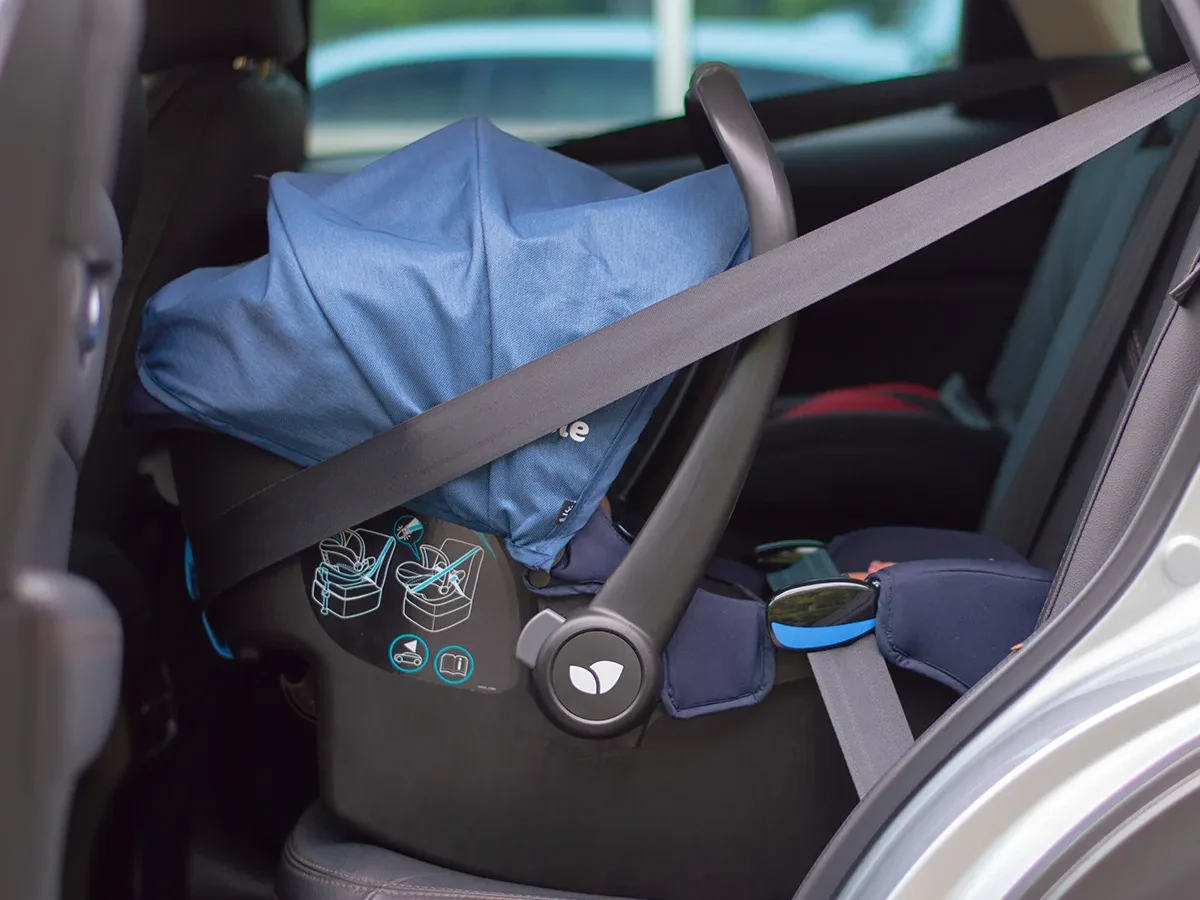
How to keep baby car seat cool in summer comes down to a simple habit. You pre-cool the cabin before anyone gets in. You shield the seat from direct sun while it's parked.
Then you touch-test the hardware before buckling up.
None of that matters, though, if you skip the fundamental rule. Never leave a child alone in a vehicle, not even to dash into a store with the AC running. Per NHTSA heat-safety data, cabins climb roughly 20°F in just 10 minutes on an 80°F day.
As of 2026, pediatric heatstroke remains the leading non-crash cause of child vehicle deaths. So cooling steps are comfort tools. The safety rules are what keep kids alive.
how to keep baby car seat cool in summer
Pre-cool the car with AC on recirculate for 3 to 5 minutes before anyone gets in. Drape a light towel over the car seat while parked. Always remove it before driving.
Touch-test the buckle, chest clip, and adjuster hardware with the back of your hand. If metal feels hot, let it cool before you buckle your baby in. Never leave a child alone in the car.
Why a Hot Car Seat Is a Real Safety Problem, Not Just an Annoyance
Two distinct problems get mixed up here. One is comfort. The seat and buckle feel hot against soft baby skin.
The other is danger. The cabin air itself has become hot enough to trigger heatstroke.
Babies overheat far faster than adults. Pediatric research shows a child's core temperature can rise three to five times quicker. Their airways are smaller and their sweating response is less mature.
That gap means minutes matter in ways most parents don't realize.
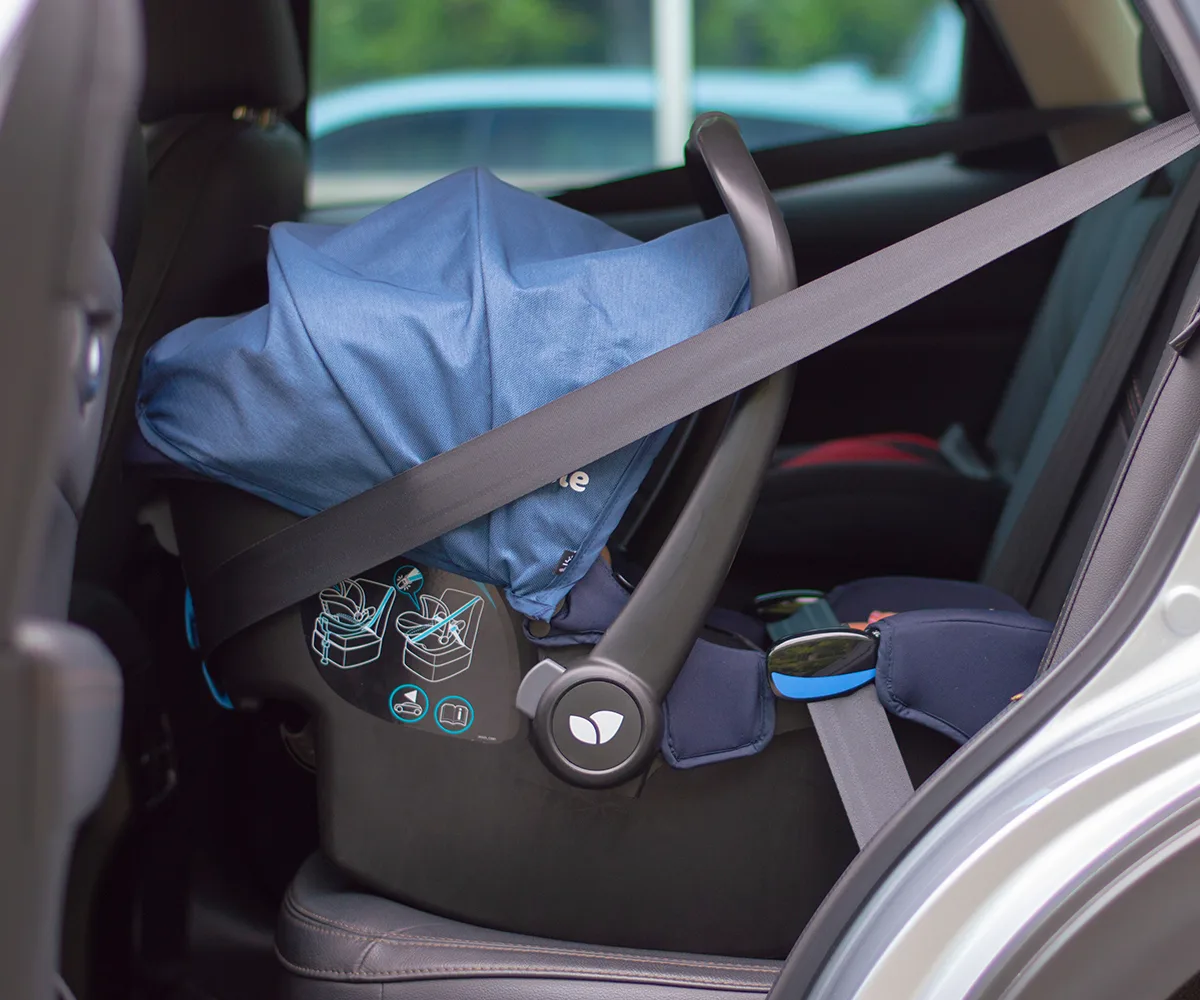
Image source: Bing (Web (fair-use with source credit))
Metals make it worse. Buckle tongues and adjuster plates sit in direct sun and soak up heat. They can reach temperatures well above 150°F, hot enough to cause contact burns on infant skin.
The seat can feel fine while the metal is dangerous.
Here's the trap. A cool-feeling seat often sits inside a lethally hot car. Fixing the seat alone changes nothing about the actual risk.
You have to cool the air.
That's why the safety hierarchy matters more than any cooling trick. Never leave a child unattended in a vehicle, not for one minute. Do a visual back-seat check every time you lock up.
Ask your daycare to call you if your child doesn't show up on schedule. Those three habits prevent more tragedies than any gadget ever will.
What's Actually Happening Inside Your Car (and Why "Cracking a Window" Doesn't Cut It)
A car interior acts like a greenhouse. Sunlight passes through the glass, hits the seats and dashboard, and converts to heat. That heat can't escape back through the glass efficiently.
So it builds, minute after minute.
The numbers are stark. On an 80°F day, a cabin can hit 100°F in about 10 minutes. By 20 minutes it's pushing 110°F.
On a 95°F day, interiors can reach 115°F to 120°F or higher in 20 to 30 minutes. Pedestrian NHTSA research has been confirming these figures for years.
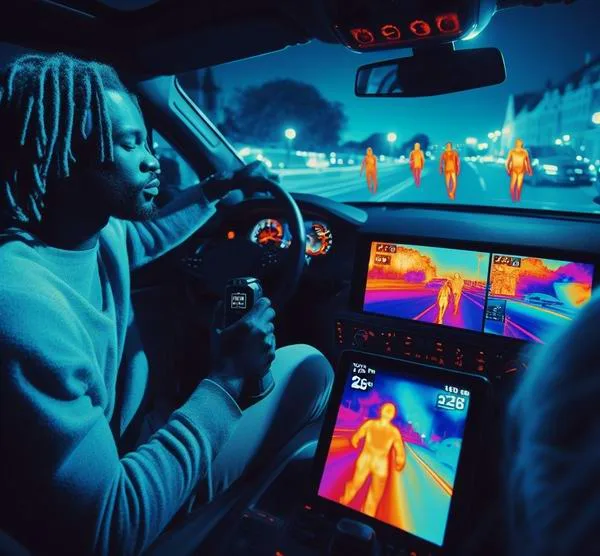
Image source: Bing (Web (fair-use with source credit))
Now the myth. Cracking a window barely helps. Testing puts the reduction at roughly 2°F.
It does nothing to change the underlying risk. A cracked window is not a safety measure, and treating it like one is how tragedies happen.
Dark interior surfaces make it worse. Black fabric, dark plastic, and tinted-but-not-reflective glass all absorb more heat. Light-colored car seats reflect more sun and stay cooler to the touch, though the cabin air still gets hot.
This is the surface-versus-air distinction. The seat fabric can feel acceptable while the air around your baby is dangerous. Always cool the air, not just the seat.
Cooling Methods That Work, and the Aftermarket Gear You Should Skip
Let's break this down by what actually helps versus what looks helpful. If a method cools the air, keep it. If it only cools the surface, use it as a comfort add-on, not a safety fix.
What works:
- Pre-running the AC on recirculate for 3 to 5 minutes before anyone gets in
- Parking in shade, ideally from a building rather than trees
- Orienting the car so the sun hits the rear window, not the windshield
- Using a windshield sunshade to slow dashboard and cabin heating
- Draping a light towel over the car seat while parked, then removing it before driving
- Touch-testing the buckle, chest clip, and adjuster hardware every time
What to skip or use with caution:
- Frozen water bottles or ice packs in the seat. They leave moisture, invite mold, and can damage the foam.
- Wet towels over the baby. Same moisture problem, plus mold risk inside the seat shell.
- Clip-on battery fans. They do almost nothing for temperature, and unsecured ones are a pinch or strangulation hazard.
- Aftermarket cooling inserts or seat pads. These aren't tested with your specific seat and can alter harness fit in a crash.
- Cracking windows for airflow. Negligible cooling, false reassurance.
| Method | Cools the seat? | Cools the air? | Safe for baby? |
|---|---|---|---|
| Pre-run AC (recirculate) | Yes | Yes | Yes |
| Windshield sunshade | Slight | Slight | Yes |
| Towel drape (parked only) | Yes | No | Yes, if removed before use |
| Window mesh shade (on glass) | Minor | No | Yes |
| Frozen packs / ice | Marginal | No | Not recommended |
| Clip-on battery fan | No | No | Risky if unsecured |
| Aftermarket seat insert | No | No | No, voids testing |
The pattern is clear. Only one method cools the air, and it's free. Run the AC before anyone gets in.
The Step-by-Step Routine: Pre-Cooling, Buckle Checks, and Safe Parking
This is the workflow to bake into your daily habits. It takes about five minutes once you're used to it.
Before you leave:
- Start the car, either manually or with remote start.
- Set the AC to max and switch to recirculate mode.
- Aim the rear vents toward the back seat if you have them.
- Wait 3 to 5 minutes minimum. Longer on very hot days.
- Remove any drape or cover from the car seat.
- Touch-test the buckle, chest clip, and adjuster with the back of your hand.
- Buckle your baby in and tighten the harness to the manufacturer's specification.

Image source: Web (Bing) / en.wikipedia.org (Web image (fair-use with source credit))
When you park:
- Pick shade from a building if you can. Buildings don't move.
- Orient the car so the sun hits the rear window, not the windshield.
- Deploy the windshield sunshade.
- Attach mesh shades to the rear side windows. On the glass only, never over the seat.
- Drape a light towel over the car seat.
- Lock up, and do a visual back-seat check before you walk away.
The visual check is non-negotiable. NHTSA's "Look Before You Lock" campaign exists for one reason. Parents forget.
Routines change, stress happens, and the consequences are irreversible. Put your purse, phone, or left shoe in the back seat so you're forced to look.
If your baby seems overheated during the ride, pull over and cool them down immediately. Signs to watch for include flushed skin, heavy sweating, irritability, and lethargy. If they seem confused or stop sweating, that's an emergency.
Call 911.
The Safety Rules That Override Every Cooling Hack
Cooling tricks are comfort tools. The safety rules are what actually keep kids alive. Keep those separate in your head and you'll avoid the mindset that gets children killed: "the seat feels fine, so we're okay."
If you remember nothing else, remember this. Never leave a child alone in a vehicle for any length of time. Not with the AC running.
Not with windows down. Not for one trip into the store. Children have died in cars on days that weren't even that hot.
Beyond that single rule, build these habits:
- Do a visual back-seat check every single time you lock up
- Put something you need (phone, purse, badge) in the back seat as a forced reminder
- Ask your daycare or sitter to call if your child doesn't arrive on schedule
- Set a phone alarm for daycare drop-off days if your routine varies
- Keep a stuffed animal in the front seat as a visual cue when a baby is aboard
Vehicles with rear-seat reminder systems add a helpful layer. As of 2026, more new models ship with them. But they're a backup, not a replacement for your own check.
One more warning. If you ever see a child alone in a hot car, don't wait to see whether a parent returns. Call 911 immediately.
Most states have Good Samaritan protections for bystanders who act in good faith. Awkward beats the alternative.
Heat Damage, Wear, and When to Replace a Car Seat
Prolonged extreme heat does stress a car seat over time. The plastic shell, harness webbing, and foam padding all take a beating. That doesn't mean a single hot summer ruins your seat.
It means you should inspect it each season.
What to check:
- Harness webbing for fading, fraying, or stiffness
- Plastic shell for warping, cracking, or discoloration
- Buckle mechanism for smooth operation
- Foam padding for crumbling or flat spots
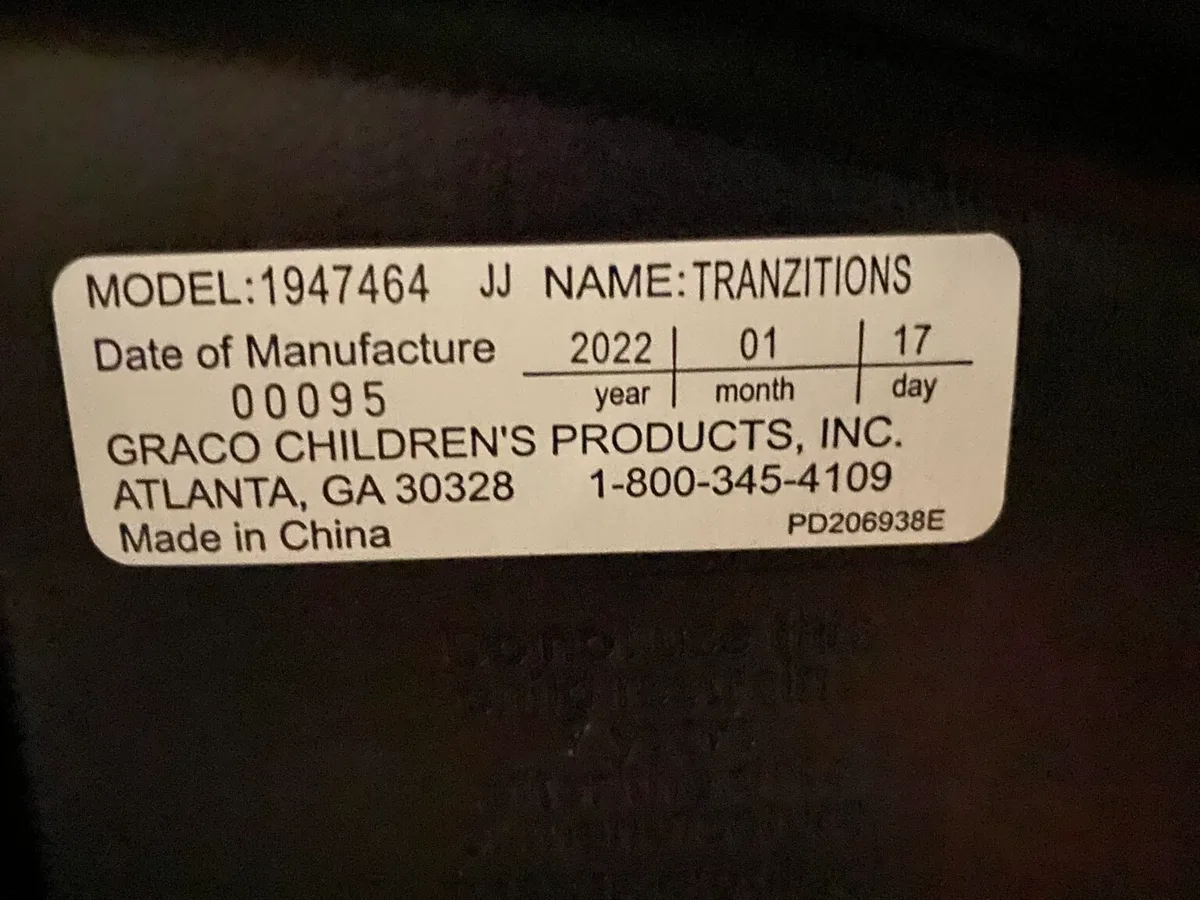
Image source: Bing (Web (fair-use with source credit))
If the shell looks warped or the webbing feels brittle, stop using it. Replace it. A compromised car seat may not perform in a crash, and you'll never know until the moment it counts.
Every car seat has an expiration date stamped on the shell or on a label underneath. Most fall between six and ten years from the manufacture date, depending on the brand. Check yours.
Heat exposure shortens that window, so don't push it.
Harness webbing is the most heat-sensitive component. UV light and repeated heat cycles degrade the fibers. If straps look faded or feel stiff, that's a signal.
Contact the manufacturer for guidance before you keep using it.
Storage matters too. If you take the seat out between uses, keep it in a cool, dry spot. A garage that hits 120°F in July isn't protecting anything.
Treat the seat like the safety equipment it is.
Frequently Asked Questions
Can I leave the AC running while I run into a store for two minutes?
No. Never leave a child in a car unattended, even briefly with the AC on. Systems fail, keys get locked in, and someone could drive off with your car.
Take your baby with you every time. That two-minute gap is how most hot-car tragedies start.
Is it safe to use a sunshade over the car seat while driving?
No. Nothing goes over or around a car seat while the vehicle is moving. Covers can interfere with the harness and aren't crash-tested.
Drape a towel or cover while parked, then remove it completely before you drive.
What temperature is too hot for a baby in a car?
There's no single number, and that's the trap. Even mild days push interiors into the danger zone within minutes. If you wouldn't sit in the car comfortably, your baby shouldn't either.
And if you aren't in the car with them, they shouldn't be in it at all.
My car seat feels cool but the car is hot. Am I okay?
No. The seat surface can feel fine while the surrounding air is dangerously hot. Heatstroke comes from ambient temperature, not the fabric.
Always cool the air with the AC first, then buckle your baby in.
Do cooling car seat covers or inserts actually work?
Most aftermarket inserts aren't tested with your specific seat. They can change how the harness fits and how the seat performs in a crash. Skip them.
A light towel draped over the seat while parked is safer, cheaper, and easier to remove before driving.
How long does it take to pre-cool a car on a hot day?
Three to five minutes with the AC on max and recirculate mode makes a meaningful difference. On very hot days (95°F or higher), give it longer. Point the rear vents at the back seat if you have them.
Start the engine before you walk out the door.

Similar Posts