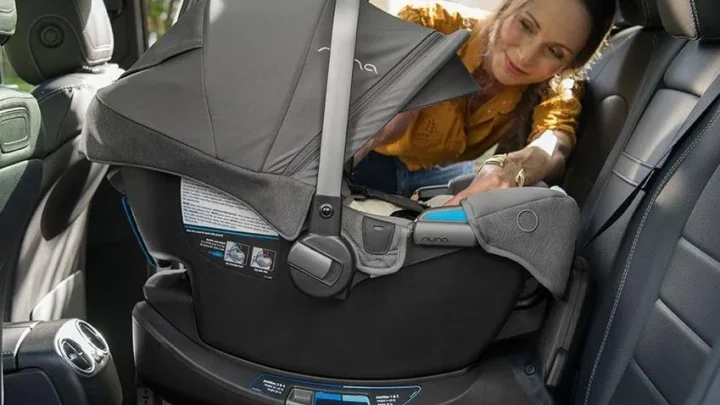
When Do Babies Outgrow Infant Car Seats? Key Signs
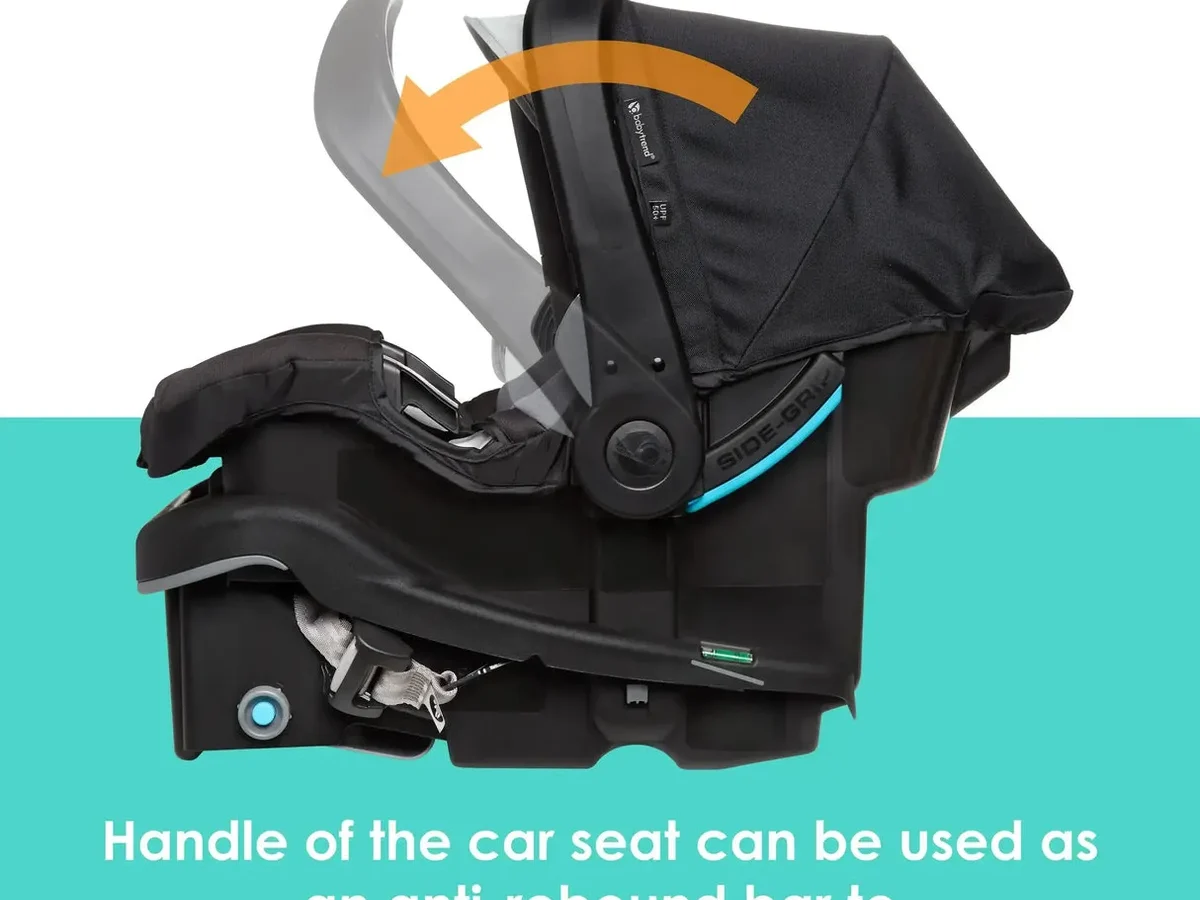
When does a baby grow out of infant car seat, really? Not at the old "1 year and 20 pounds" mark most of us grew up hearing. The truth is that your baby outgrows an infant car seat when they hit the seat's height or weight limit, whichever comes first, and that usually happens somewhere between 8 and 15 months.
Manufacturer specifications indicate most infant seats top out at 30 to 35 pounds and 30 to 32 inches, per current American Academy of Pediatrics guidance. In our research, height almost always runs out first. A baby can be well under the weight ceiling and still be too tall for the shell.
That's the part the outdated advice misses, and it's the part we're going to walk through properly.
when does a baby grow out of infant car seat
A baby outgrows an infant car seat when they hit the seat's height or weight limit. Most seats cap at 30 to 35 pounds. Most also cap around 30 to 32 inches tall.
Height usually runs out first. Check your manual for the exact numbers. Then measure your baby against them.
The Short Answer (And Why "1 Year and 20 Pounds" Is Outdated)
The "1 year and 20 pounds" rule is a fossil. It dates back to when car seats were far less capable, and it survives mostly through word of mouth. The American Academy of Pediatrics has recommended rear-facing until at least age 2 for years now, and most safety bodies go further.
Here's the thing. Outgrowing the infant seat and flipping to forward-facing are two completely different events. Parents conflate them all the time, and it's an easy mistake to make.
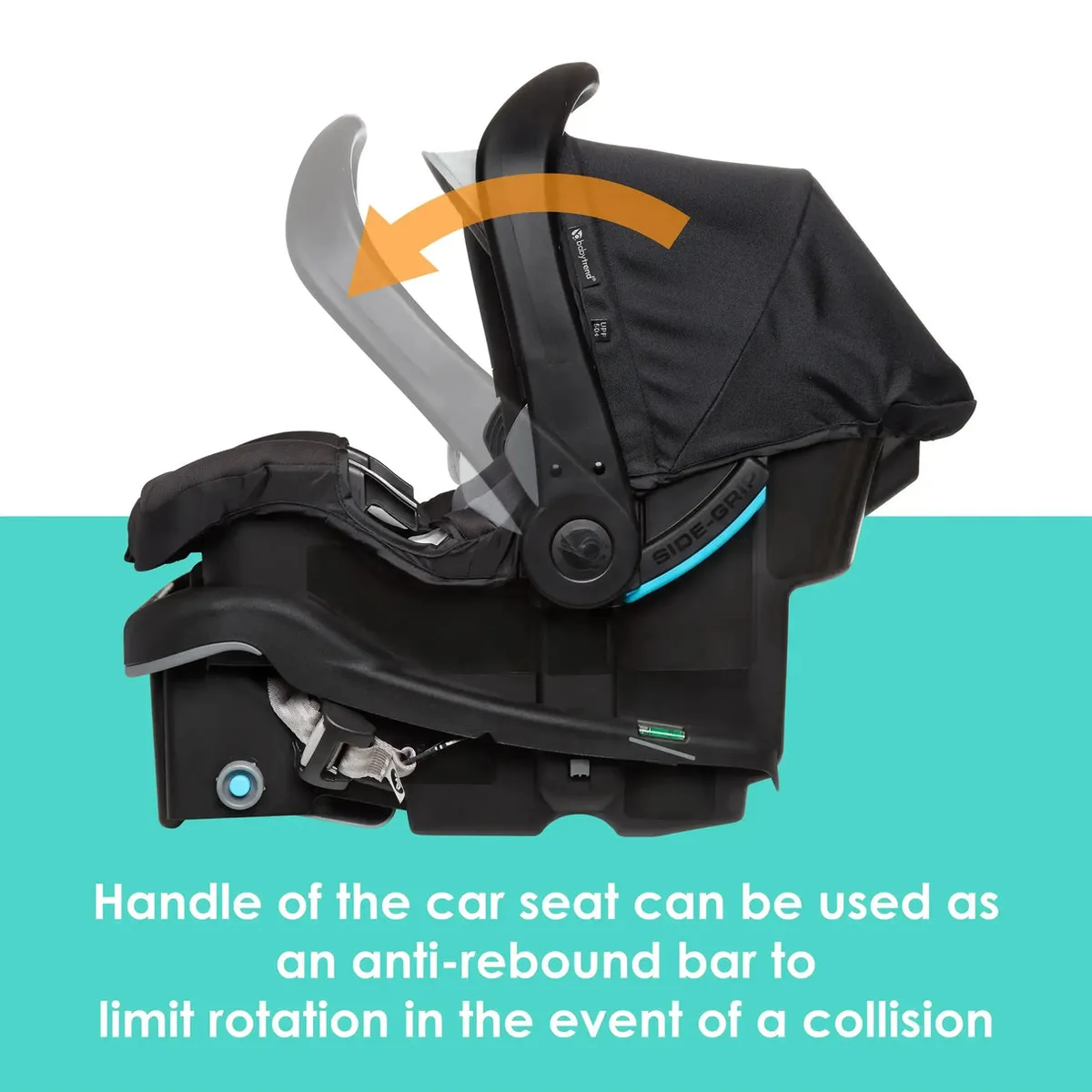
Image source: Bing (Web (fair-use with source credit))
When your baby maxes out the infant carrier, the usual next move is a convertible car seat, still rear-facing. Not a forward-facing seat. Not a booster.
The convertible seat lets them stay rear-facing well past age 2, often to age 3 or 4, because many models rear-face up to 40 or 50 pounds.
So the honest answer to "when" has two layers. They outgrow the infant seat at the seat's limit. They outgrow rear-facing much later.
Confusing those two is where the real danger lives.
Height vs. Weight: Which Limit Your Baby Hits First
Height wins almost every time. That's the pattern in our research across the major manufacturers, and it catches parents off guard because they've been watching the scale.
Here's why it happens. Infant seats are deliberately compact, which is what makes them carryable. The shell has to be short enough to lift in and out of a car.
That short shell means the headroom runs out long before the weight ceiling does.
Why the 1-Inch Head Rule Matters More Than the Number on the Box
The number on the box is your ceiling, not your daily check. The check you actually use is the 1-inch rule. Your baby's head should sit at least 1 inch below the top of the car seat shell.
If the head is touching or level with the top, the seat is done, regardless of weight.
Image source: Bing (Web (fair-use with source credit))
That rule exists because of how seats protect a small body. In a crash, the shell needs to contain the head and keep it from moving too far. Once the head clears the shell, that protection is gone.
Weight has nothing to do with it.
Manufacturer specs confirm the same pattern. A seat rated to 32 pounds and 32 inches will almost always run out of height first on an average baby. By the time most kids approach the weight limit, they've already crossed the height line.
How to Measure Correctly at Home
Measuring at home is simple, and you don't need special gear. A soft tape measure and a clear head help.
- Measure height with your baby lying flat, from the top of the head to the heel.
- Check the head-to-shell clearance with your baby seated in the installed seat, not on the floor.
- Confirm the top harness slot is at or below your baby's shoulders for rear-facing.
- Remove the infant insert on the schedule in your manual, since leaving it in can push shoulders above the slots.
Do this at every well-check. Babies grow in spurts, and a seat that fit last month can be wrong this month.
What Actually Changes When They Outgrow the Infant Seat
Here's the part that trips people up. Outgrowing the infant seat does not mean your baby is ready to face forward. It just means they've outgrown that particular seat.
A convertible car seat is rear-facing and forward-facing in one. It does everything the infant seat did, only bigger and without the handle. Most current models rear-face to 40 or 50 pounds, which is why pediatric guidance points here.
- Rear-facing is still the safest position for a toddler's head and neck.
- The convertible seat keeps them rear-facing to age 3 or 4 in many cases.
- The seat stays in the car. No more lifting a heavy carrier in and out.
- It typically lasts years, from infant through forward-facing.
If your baby is fighting the recline or the seat is getting too heavy to carry, that's a practical sign too. Not a safety one, but a real one. Many parents switch because carrying 20 pounds of baby plus a 9-pound seat stops being worth it.
Infant Seat vs. Convertible Seat: What You're Really Choosing Between
Think of it as a straight swap, not an upgrade to a new stage. You're replacing one rear-facing seat with a bigger rear-facing seat.
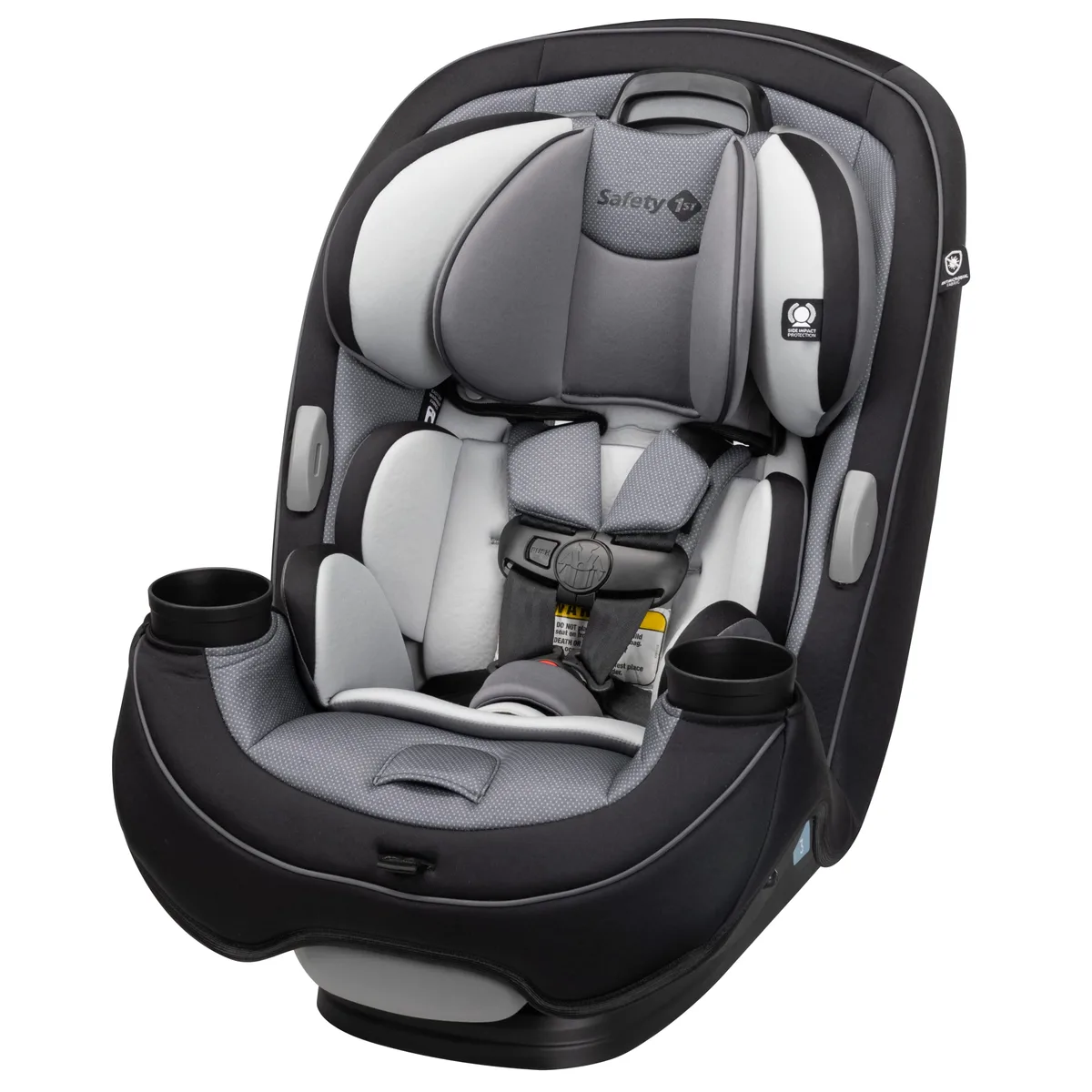
Image source: Bing (Web (fair-use with source credit))
| Feature | Infant Car Seat | Convertible Car Seat |
|---|---|---|
| Position | Rear-facing only | Rear-facing, then forward-facing |
| Typical weight limit | 30 to 35 lbs | 40 to 50 lbs rear-facing |
| Carry handle | Yes | No |
| Stroller compatible | Usually yes | No |
| Lifespan | 8 to 15 months | Several years |
The comparison isn't about which is safer. Both are safe when used correctly. It's about which stage of rear-facing your child is in.
Rear-Facing Isn't Over, It's Just Moving to a Bigger Seat
This is the sentence to remember. Rear-facing doesn't end when the infant seat ends. The AAP recommends keeping kids rear-facing until at least age 2, and the longer the better, up to the seat's limits.
The National Highway Traffic Safety Administration offers state-by-state guidance and a car seat finder tool at nhtsa.gov. It's worth a look before you buy the next seat, especially if you're unsure what your state requires.
Everyday Signs It's Time (Even If the Numbers Say Otherwise)
The manual is the final word. But there are practical signs that show up first, and it helps to know what they look like. In our research, parents usually spot at least two or three of these before they check the numbers.
- The seat is getting too heavy to carry comfortably.
- Your baby's head is nearing the top of the shell.
- Shoulders are creeping above the top harness slot.
- Your baby is fighting the recline and seems uncomfortable.
- The manual says remove the insert, and you haven't yet.
That last one matters more than people think. An infant insert lifts your baby up in the seat. Left in too long, it pushes the shoulders above the top harness slot, which is a fit problem.
Check your manual for the removal weight, which is often around 11 to 12 pounds.
Here's a simple if/then version you can run through in under a minute.
- If the head is within 1 inch of the shell top, the seat is done.
- If the weight crossed the manual's limit, the seat is done.
- If the shoulders are above the top slot, the seat is done.
- If none of those are true, the infant seat is still fine.
If two or more of those hit at once, it's time to go shopping. No need to wait for a birthday.
Common Mistakes Parents Make at This Stage
The mistakes here are predictable, and most of them come from good intentions plus outdated advice. Here's what shows up again and again.
- Forward-facing too early. This is the big one. A child who's outgrown the infant seat is usually nowhere near ready to face forward.
- Skipping the convertible and going straight to a booster. Boosters are for much older, bigger kids. A toddler in a booster is a serious safety problem.
- Using a hand-me-down seat with unknown history. Unless you know the seat's full story, you can't trust it.
- Leaving the infant insert in too long. It changes the harness fit in ways that aren't obvious.
- Bulky winter coats under the harness. Snowsuits add slack that the harness can't compensate for.
- Ignoring the manual because "all seats are the same." They aren't. Limits vary a lot between brands.
The manual point deserves a callout. Every seat has its own height and weight ceiling, its own insert removal weight, and its own top slot rule. Reading a friend's manual or trusting a forum post won't cut it.
There's one more mistake worth naming. Some parents assume a more expensive seat has higher limits. Not necessarily true.
All seats sold in the US must pass the same federal standard, FMVSS 213. A budget seat and a premium seat both meet that bar. The limits differ by design, not by price.
Safety Rules, Laws, and When to Ask a Pro
Get the install checked before you assume it's right. That's the single most useful piece of advice at this stage. Most car seat mistakes aren't about choosing the wrong seat.
They're about installing a correct seat incorrectly.
AAP, NHTSA, and What "At Least Age 2" Actually Means
The AAP recommendation to keep kids rear-facing until at least age 2 is a floor, not a finish line. "At least" means the two-year mark is the minimum, and staying rear-facing longer is safer.
Many current convertible seats rear-face to 40 or 50 pounds. That can carry a child to age 3 or 4 rear-facing. Verified buyer feedback and manufacturer specs both point the same way here.
The seat is almost never the limiting factor once you've moved to a convertible. Your child's growth is.
State Laws vs. Best Practice
State laws vary widely, and several states now require rear-facing until age 2. Some use looser language like "properly restrained," which leaves room for interpretation. Best practice is not the same as the legal minimum.
If you're unsure what your state requires, check NHTSA's guidance before you buy or install anything. Following the strictest reasonable guidance is the safer path. It costs you nothing and removes the guesswork.
Finding a CPST and Getting the Install Checked
A CPST, or Child Passenger Safety Technician, is a certified inspector for car seat installations. These folks are trained to spot the errors that manuals can't. Common issues they catch include a loose install, a wrong recline angle, and a chest clip sitting too low.
Safe Kids Worldwide runs car seat check events across the country. Many fire stations also offer free inspections. If you can't find one nearby, most hospitals and clinics can point you toward a certified technician.
The Transition Checklist: Your Next Seat, Installed Right
Switching seats is a short job when you know the steps. Here's the order that works.
- Confirm your child has hit a limit on the current infant seat.
- Choose a convertible seat rated to rear-face well beyond your child's current weight.
- Read that seat's manual cover to cover before you install it.
- Install it rear-facing with the correct recline angle for your child's size.
- Tighten the harness so you can't pinch slack at the shoulder.
- Position the chest clip at armpit level, never on the belly or neck.
- Get the install checked by a CPST if you can.
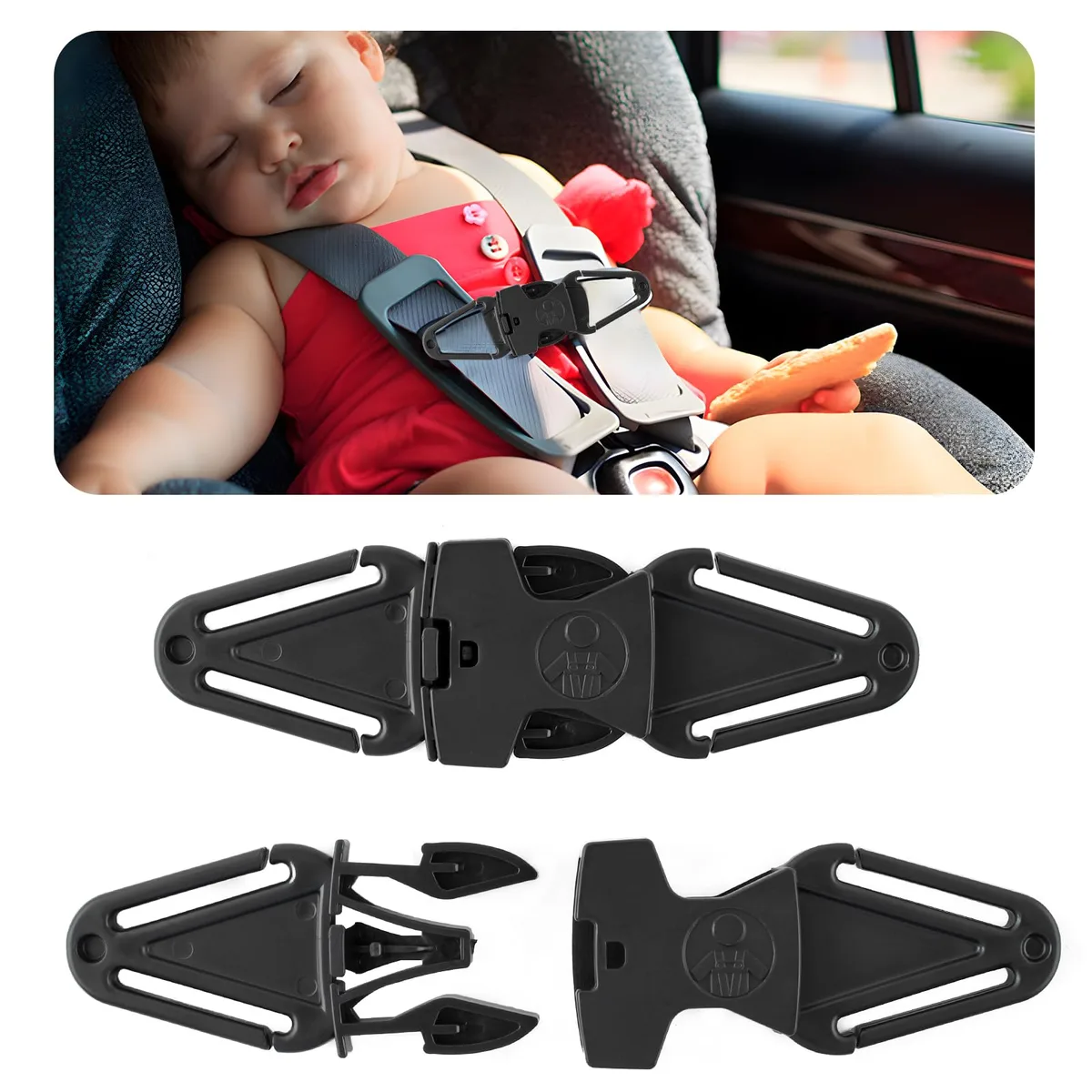
Image source: Bing (Web (fair-use with source credit))
That chest clip detail matters more than most parents realize. A clip sitting low leaves the shoulders free to slip out in a crash. Armpit level is the target every time.
The pinch test is how you check harness tightness. Pinch the strap at the shoulder with your thumb and forefinger. If you can grab any slack, tighten it.
A snug harness holds your child against the seat, which is how the seat actually protects them.
One more stop before you get going. If you're handing a seat down or buying used, check the expiration date and the recall list first. Registering a new seat with the manufacturer means you'll hear about recalls directly, and that's free.
FAQ
What's the average age babies outgrow an infant car seat?
Most babies outgrow an infant car seat between 8 and 15 months. Height usually runs out first, often around 30 to 32 inches. A fast-growing baby can hit the limit closer to 8 months, while a smaller baby might make it past a year.
Can my baby outgrow the infant seat before 1 year?
Yes, and it's common. Height limits catch many babies well before their first birthday. Outgrowing the infant seat is not a problem as long as you move them to a convertible seat that still rear-faces.
It just means that seat is done.
Do I have to switch to a convertible, or can I go straight to forward-facing?
Always choose the convertible and keep them rear-facing. Going straight to forward-facing skips the safest position for your child's head and neck. Rear-facing is the goal until at least age 2, and longer is better.
How do I know if the infant insert needs to come out?
Check your manual for the insert removal weight, which is often around 11 to 12 pounds. If your baby has crossed that weight, the insert comes out. Leaving it in can push their shoulders above the top harness slot.
Is a hand-me-down infant seat safe?
Only if you know the seat's full history. Skip any seat that's been in a crash, is expired, or has no known history. Check the expiration date and the recall list before you trust it.
If anything is unclear, buy new instead.
What do I do with the old infant seat?
Cut the harness straps and mark the seat as expired or damaged before disposing of it. That stops someone from pulling it out of the trash and using an unsafe seat. Check local recycling programs for car seat drop-off options.

Similar Posts