When Can a Baby Face Forward in a Car Seat?
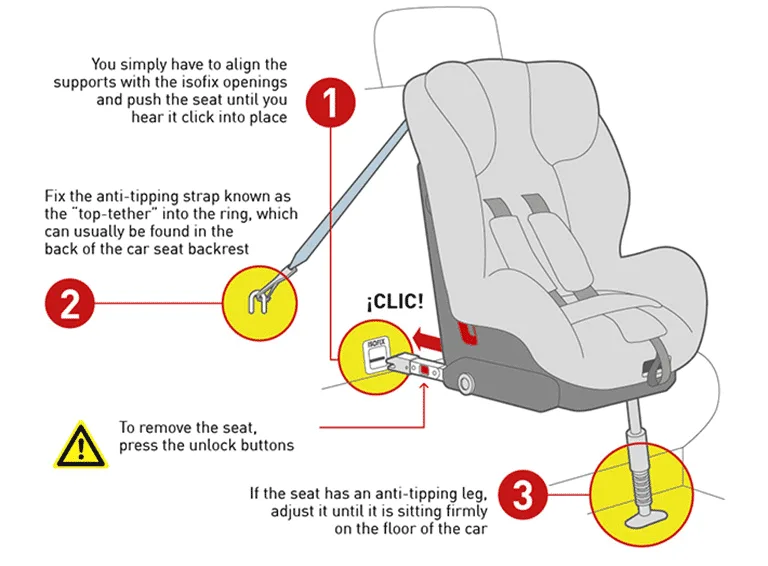
When can a baby be in a front facing car seat? The honest answer is later than most grandparents will tell you. The old "first birthday, twenty pounds" line has been outdated for years, and following it can put a small child at serious risk in a crash.
What actually decides the switch is weight, height, and your specific seat's printed limits.
The American Academy of Pediatrics still recommends keeping children rear-facing until at least age 2, and longer if the seat allows it. As of 2026, most convertible car seats sold in the US carry rear-facing weight limits of 40 to 50 pounds. That means many kids can safely stay backward until age 3 or 4.
Here's how to know when your child is genuinely ready.
when can a baby be in a front facing car seat
A baby can move to a front-facing seat only once every limit is met. That means hitting the seat's minimum weight, height, and age. Your child must also max out the rear-facing limits first.
For most seats, that's age 2 or older, 22 to 40 pounds, and shoulders below the top harness slot. Laws set minimums, not best practice. Safety guidance says wait longer.
Why the "1 Year and 20 Pounds" Rule Is Dangerous and Outdated
The one-year, twenty-pound rule is a fossil. It dates back to when infant seats only came as rear-facing carriers, and the guidance was about bare minimums. It was never designed as a finish line.
Here's the physics. A baby's head is proportionally huge, roughly 25% of total body weight. Their neck ligaments and vertebrae are still fusing.
In a frontal crash, a rear-facing seat cradles the head and shell together, spreading force across the back.
Image source: Bing (Web (fair-use with source credit))
Forward-facing too early changes all of that. The harness holds the torso, but the head whips forward. That force can stretch the spinal cord.
In our research, this is the single clearest reason the AAP updated its policy to age 2 and beyond.
The AAP's current policy statement, published in the journal Pediatrics, recommends rear-facing until a child reaches the seat's height or weight limit. NHTSA echoes this. So does every major seat manufacturer's manual.
What changed, and when
The "age 2" shift came from crash data, not opinion. Rear-facing seats reduce serious injury risk across all crash types. The benefit is largest in frontal collisions, which account for most serious crashes.
The Two Numbers That Actually Matter: Weight and Height, Not Just Age
Age is the weakest of the three criteria. It's a proxy for size. Weight and height are what physically determine whether a seat can protect a child.
Here's the hierarchy:
- Weight first. Every seat prints a rear-facing weight minimum and maximum. A convertible seat might say 5 to 40 pounds rear-facing.
- Height second. Standing or seated height, depending on the seat. Most rear-facing seats cap around 40 to 49 inches.
- Head clearance third. The child's head must stay at least 1 inch below the top of the shell.
- Age last. It's a floor, not a target.
The head-clearance rule catches people off guard. A tall toddler can outgrow a seat by height long before hitting the weight limit. Once the crown of the head is within an inch of the shell's top edge, rear-facing is done, regardless of what the scale says.
The seated shoulder position
Harness slots matter too. Rear-facing, the harness straps should sit at or below the child's shoulders. Once the shoulders rise above the top rear-facing slot, that seat has been outgrown.
Forward-facing flips that rule: straps go at or above shoulder level.
| Criterion | Rear-Facing Rule | Forward-Facing Rule |
|---|---|---|
| Weight | Within seat's rear-facing limit | Meet seat's forward minimum |
| Height | Under seat's rear height cap | Under seat's forward height cap |
| Head | 1 inch below shell top | Top of ears below shell top |
| Harness position | At or below shoulders | At or above shoulders |
What the Law Says vs. What's Actually Safe
Your state law is almost always weaker than the safety guidance. That gap trips up a lot of parents.
Most US states require children to be in a car seat until age 4 or 5, and rear-facing until at least age 1. A few states now require rear-facing to age 2. NHTSA maintains a state-by-state breakdown of child passenger safety laws on its official site.
The law answers "what's the minimum I can get away with." Safety guidance answers "what actually protects my kid." They are not the same question, and treating them as one is where mistakes start.
In the UK, the rules run differently. Children must use a suitable child car seat until they're either 12 years old or 135 cm tall, whichever comes first. UK law also under UN R129 (i-Size) restricts certain forward-facing seats for very small children.
What to follow when they conflict
Follow the stricter of the two. If your state allows forward-facing at 1 year but your seat and the AAP say 2, wait. The law won't protect a child who wasn't ready.
Your seat's manual is the final word on limits for that specific product.
The Rear-Facing Checklist: How to Know Your Child (and Seat) Are Still Good to Go
Run this checklist every few months. Kids grow in spurts, and a seat that fit in January may not fit by June.
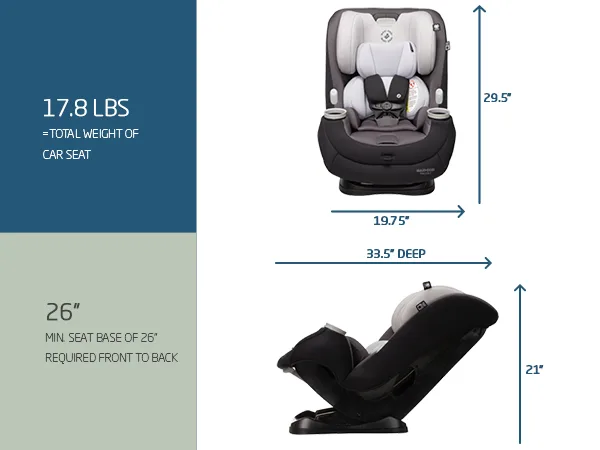
Image source: Bing (Web (fair-use with source credit))
Step 1. Find the seat's rear-facing weight and height limits. Check the label on the side of the shell and the manual.
Step 2. Weigh and measure your child. Use current numbers, not last year's pediatric visit.
Step 3. Confirm both limits are unmet. Weight below max AND height below cap.
Step 4. Check head clearance. The top of the head must sit at least 1 inch below the shell's top edge.
Step 5. Check harness slot position. Straps at or below the shoulders.
Step 6. Confirm the harness still fits snugly. You shouldn't be able to pinch slack at the collarbone.
If all six pass, stay rear-facing. If any one fails, that seat has been outgrown rear-facing, and it's time to flip it, or move to a seat with a higher rear-facing limit.
If/then logic for the switch
- If weight is at the rear max → switch, or move to an extended rear-facing seat.
- If height hits the cap → switch. Height limits are hard stops.
- If head is within 1 inch of shell top → switch.
- If shoulders rise above the top rear slot → switch.
- If all limits are still open → keep them rear-facing. No rush.
How to Switch to Forward-Facing the Right Way
Flipping the seat isn't just turning it around. Forward-facing changes how the seat is installed, and getting it wrong undoes most of the safety benefit.
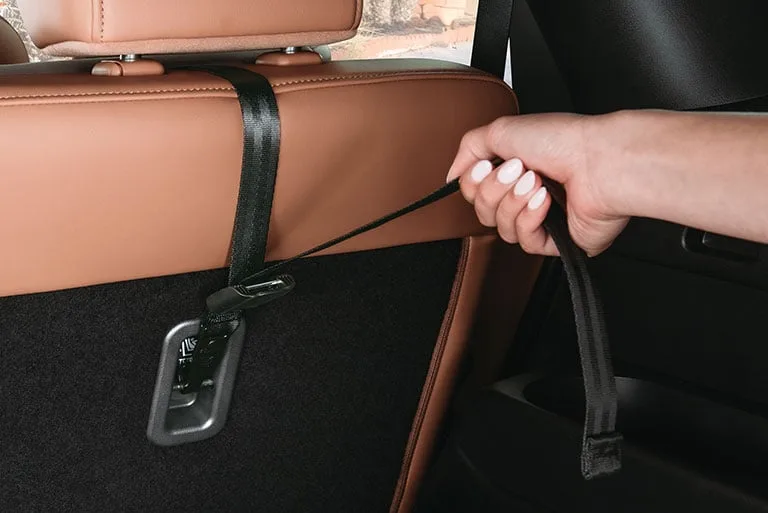
Image source: Bing (Web (fair-use with source credit))
Step 1. Read the forward-facing section of your manual. Recline angle, belt path, and tether routing all change.
Step 2. Route the seat belt or LATCH straps through the forward-facing belt path. This is usually the color-coded path, not the rear-facing one.
Step 3. Attach and tighten the top tether. Connect it to the designated anchor in your vehicle, then pull the slack out.
Step 4. Move the harness to at or above shoulder level. Re-thread the straps through the correct slots.
Step 5. Check the recline. Forward-facing seats usually sit more upright than rear-facing.
Step 6. Test the install. The seat shouldn't move more than 1 inch side to side or front to back at the belt path.
Step 7. Tighten the harness and position the chest clip. The clip sits at armpit level, not on the belly.
Why the top tether matters
The top tether is not optional when your seat and vehicle both have one. It anchors the top of the seat and cuts head excursion, the forward movement of the child's head in a crash. Per FMVSS 213 crash testing, a tethered forward-facing seat keeps the head far more contained than an untethered one.
If you're unsure about your install, get it checked. Safe Kids Worldwide runs free inspection stations staffed by certified Child Passenger Safety Technicians (CPSTs) across the US. A ten-minute check catches errors most parents never spot.

Similar Posts































