Is It Safe for Baby to Sleep in a Car Seat? What Parents
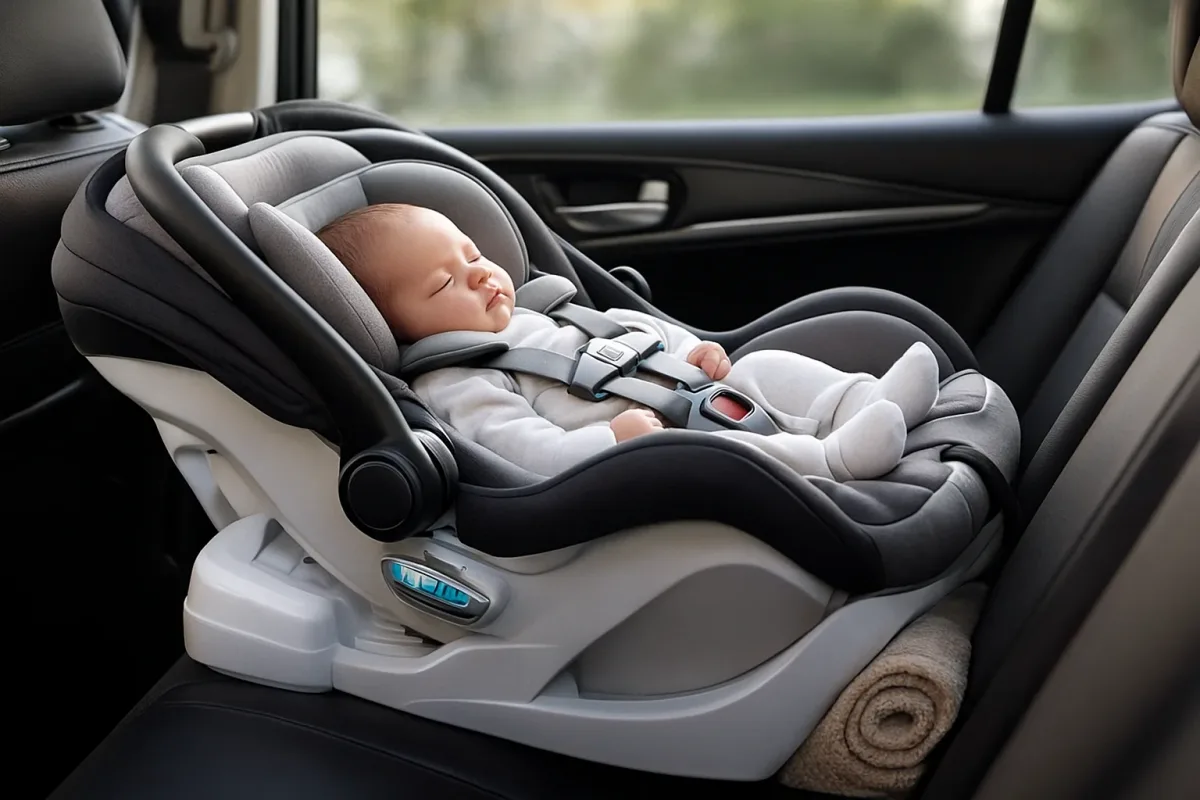
Is it ok to let baby sleep in car seat? The short answer is yes, but only for short, supervised stretches, and never as a routine sleep spot. Car seats are engineered for crash protection, not for napping.
The angle that keeps a baby safe in a collision is the same angle that can put their airway at risk during a long sleep.
In our research, the highest-risk window sits under the 4-month mark, when head and neck control is still developing. Per AAP and NHTSA guidance, infant car seats typically recline between 30 and 45 degrees, and anything more upright pushes a newborn's head forward. That forward slump is the start of the problem we need to unpack.
is it ok to let baby sleep in car seat
Yes, but with strict limits. Short, supervised car seat naps during a drive are generally acceptable. Longer sleep in a parked car is not.
Never leave a baby unsupervised. Transfer them to a flat, firm surface as soon as you arrive. Preterm and newborn babies carry the highest risk.
The Real Risk Behind "Just Let Them Sleep"
Every parent has faced it. Baby finally drifts off, and you don't want to be the one who wakes them. But "letting them sleep" in a car seat isn't just a convenience question.
It's an airway question.
Positional asphyxia is the medical term, and it describes what happens when a baby's chin drops toward their chest. The airway narrows, oxygen drops, and a newborn can't self-correct. Under 4 months, babies simply don't have the neck strength to reposition their own heads.
Image source: Bing (Web (fair-use with source credit))
The other piece is oxygen desaturation. That means SpO2 levels falling below safe thresholds, often cited around 90%. Preterm infants are especially vulnerable here.
Hospital car seat tolerance screenings exist for exactly this reason, and many discharge protocols monitor a preterm baby in the seat for 90 to 120 minutes before sending them home.
If a baby isn't tolerating the seat, that screening catches it. If they are, it still doesn't make the seat a nap spot.
Why Car Seats Aren't Designed for Sleep — And Why That Matters
Car seats exist for one job: keeping a child alive in a crash. That's what FMVSS 213 testing in the US and UN ECE R129 in the UK and EU are built around. Sleep safety isn't part of that brief.
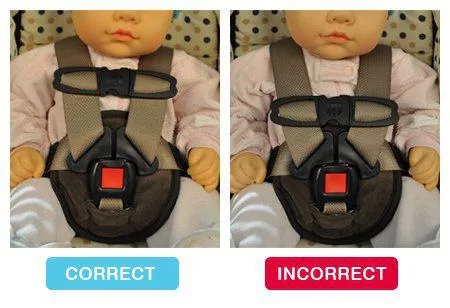
Image source: Bing (Web (fair-use with source credit))
The Chin-to-Chest Problem
When a seat sits at the wrong angle, a baby's head flops forward. Their chin meets their chest. That position can compress a tiny airway in seconds.
The seat's side wings and newborn inserts don't fix it. They're crash padding, not sleep support.
How Age Changes the Equation
Age is the biggest variable in this whole topic.
- Under 4 months: highest risk. Weak neck control, heavier head-to-body ratio.
- 4 to 6 months: risk drops, but head control still developing.
- Over 6 months: still not recommended for routine sleep, though a supervised doze while driving is far lower risk.
When a Car Seat Nap Is Actually Fine — And When It Isn't
Use if/then logic here, because the answer genuinely changes based on your situation.
Short Drive, Awake Parent: Usually OK
If the car is moving, the seat is installed, and you're awake and able to check breathing and color, a short nap is fine. That's what the seat is for. Keep the trip reasonable.
Get baby out when you arrive.
Parked Car, Baby Still Asleep: Move Them
If you've arrived and the baby is still asleep, transfer them. Don't leave them in the seat to "finish the nap." That's where most car seat sleep deaths happen. The seat on the floor, on a stroller, or in a parked car is not a safe sleep surface.
Preterm and Newborn Babies: The Highest-Risk Group
If your baby was born before 37 weeks, treat car seat sleep with extra caution. Their oxygen desaturation risk is measurably higher. Ask your hospital about the car seat challenge before discharge.
If they pass, still limit time in the seat and transfer them quickly.
Safe Practices That Actually Work
These aren't optional extras. They're the basics that keep the risk low.
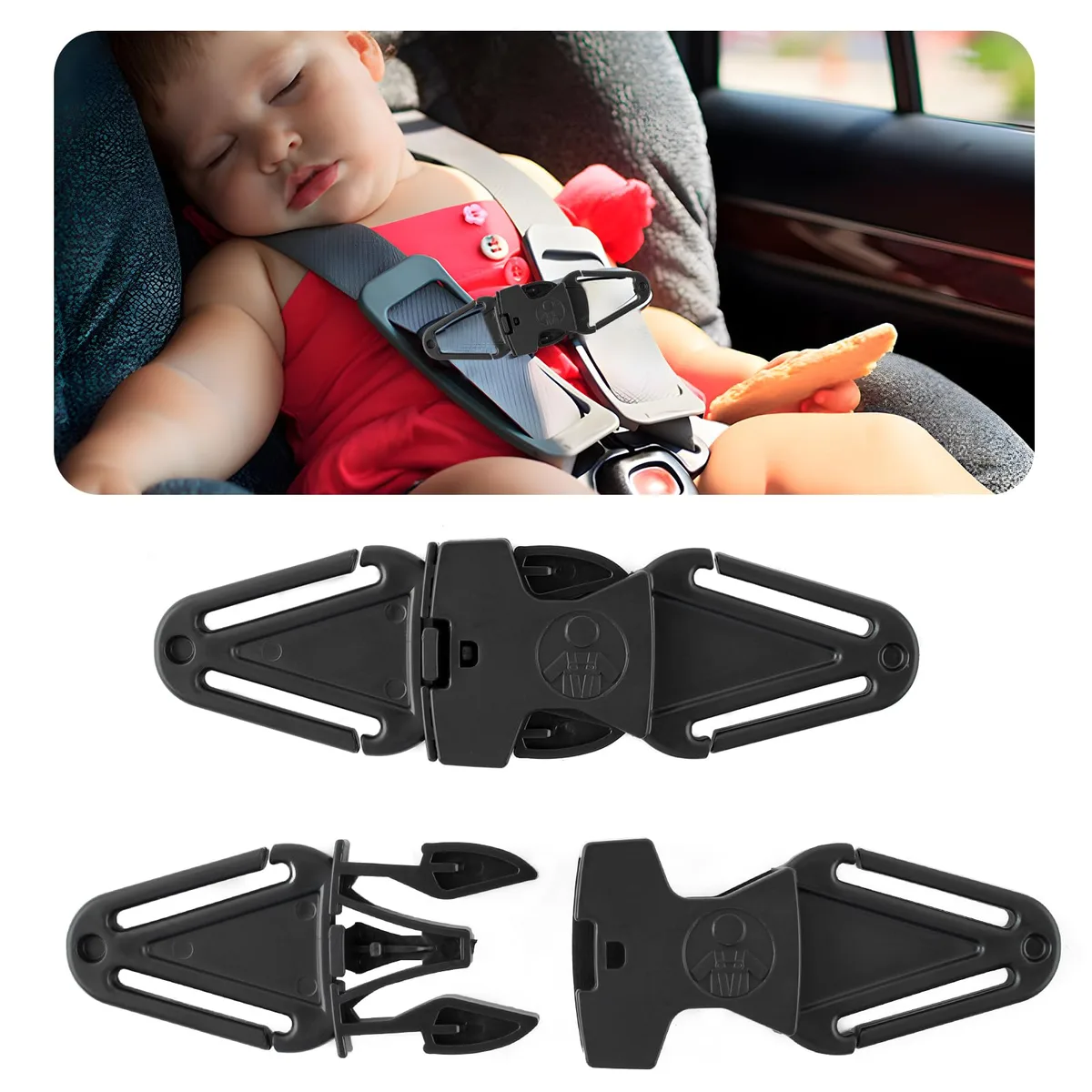
Image source: Bing (Web (fair-use with source credit))
Install, Recline, and Harness Basics
- Check the recline angle using the seat's built-in indicator.
- Use LATCH or the seatbelt per the manual, not both unless stated.
- Keep the chest clip at armpit level.
- Run the pinch test on the harness at the shoulder. No slack.
- Skip aftermarket inserts unless the manufacturer approves them.
The 90-Minute Rule and Other Practical Limits
Treat 90 to 120 minutes as a ceiling for continuous time in the seat, especially for newborns. After that, break the trip. Get baby out, lay them flat, and reset.
Transferring a Sleeping Baby Without the Meltdown
- Warm the destination surface with a blanket first.
- Support the head and neck the whole way over.
- Keep the transfer slow and close to your body.
- Lay them on their back on a firm, flat surface.
Car Seat vs. Bassinet vs. Crib: Where Should Naps Happen?
Here's the honest comparison, laid out simply.
| Surface | Safe for Sleep? | Best For |
|---|---|---|
| Car seat (in moving car, supervised) | Short naps only | Drives to and from places |
| Bassinet | Yes | Daytime naps, room-sharing |
| Crib / play yard | Yes | Night sleep, all routine naps |
| Stroller bassinet (flat) | Yes | Walks and outings |
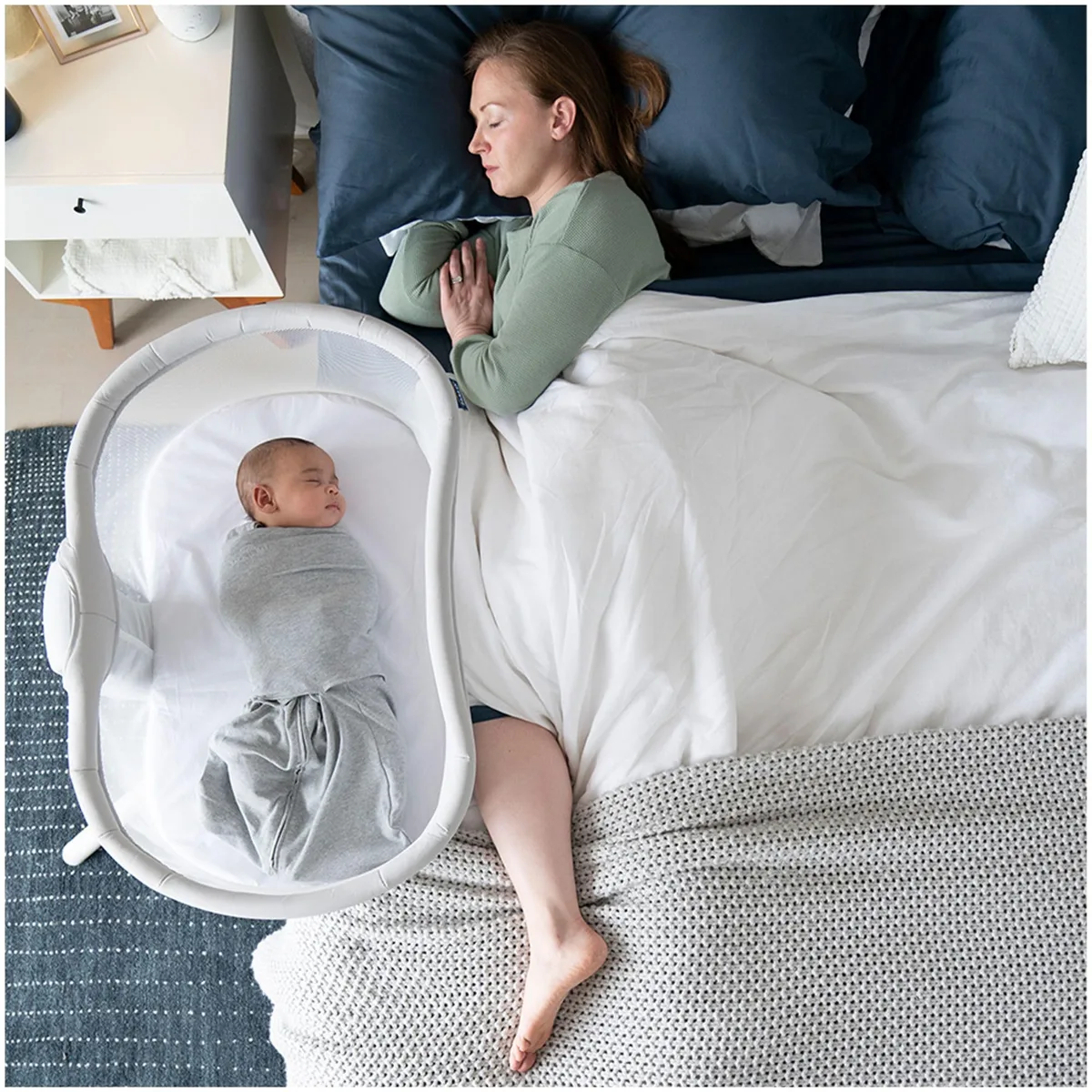
Image source: Bing (Web (fair-use with source credit))
The AAP's safe sleep guidance is clear: alone, on the back, in a crib or bassinet. That's the standard for routine sleep. Car seats, swings, bouncers, and strollers are not substitutes, no matter how still a baby looks.
For a proper bassinet, look for a firm mattress and a flat, level surface. For travel, a lie-flat car seat is the only option designed to let a baby stay horizontal.
Mistakes Parents Make (And What to Do Instead)
Letting the nap run long tops the list. A quick doze becomes two hours, and the risk climbs with every minute. Set a mental timer.
If you're still driving past 90 minutes, plan a stop.
Leaving the car seat on the floor at home is another common one. Parents bring a sleeping baby inside and set the bucket seat down. That seat isn't level, and the angle can push the chin toward the chest.
Using the car seat as a permanent nap station is a slow trap. It starts as convenience for a fussy afternoon. It ends as the default sleep surface.
The AAP's flat, firm surface guidance exists because car seats can't replace it.
Forgetting the chest clip is a quieter error. A slipped clip drops the harness off the shoulders. In a crash, that's serious.
In a sleep position, it can let the body slump.
Here's what to do instead:
- Waking a sleeping baby feels cruel. It isn't. Transfer them.
- Keep the bucket seat off elevated surfaces. Countertops, beds, and sofas are all no.
- Tilt-check before you trust the seat. If the head flops forward, the recline is wrong.
- Never leave a baby asleep in a car seat unsupervised, not even for "one minute."
What the AAP, NHTSA, and Hospital Screens Actually Say
The American Academy of Pediatrics is blunt on this. Car seats are for travel. They're not for routine sleep.
That's the position the AAP has held for years, and it hasn't shifted as of 2026.
NHTSA echoes it from the crash side. Proper installation, correct recline, snug harness. Those are the fundamentals they test and publish.
They don't endorse the seat as a sleep surface.
Hospital car seat tolerance screening is the practical bridge. Preterm babies and some low-birth-weight infants get monitored in the seat for 90 to 120 minutes before discharge. If oxygen drops below safe thresholds, they fail.
A failed screen often means a lie-flat car seat or a longer hospital stay.
You can read the AAP's sleep guidance directly at healthychildren.org.
What the screening doesn't do is bless the seat for home use. Passing means the baby tolerated the ride. It doesn't mean they should nap there.
FAQs About Babies Sleeping in Car Seats
How long is too long in a car seat for a newborn?
Keep continuous time under 90 to 120 minutes for newborns. After that, take a break and lay them flat. Preterm babies need shorter stretches and closer watching.
Long drives should be broken up with stops.
Can I let my baby sleep in the car seat while I carry them inside?
No, transfer them. Bucket seats aren't level when set down, and the chin-to-chest angle can return. Put them on a firm, flat surface.
Waking them is safer than leaving them.
Do car seat tolerance tests mean my baby is safe to sleep there?
No. Passing only means they tolerated the seat during monitoring. It doesn't make the seat a safe sleep surface.
Use it for travel, then transfer to a crib or bassinet.
What if my baby always falls asleep in the car seat?
That's normal, and it's fine for the drive. The rule is what happens after. Get them out when you arrive.
Don't extend the nap just because they're comfortable.
Are lie-flat car seats safer for sleep?
Some lie-flat options exist for preemies and travel, and they keep the baby more horizontal. They're still not a crib substitute. Use them for transport, then transition to a flat sleep surface.
Does a sleeping baby in a car seat risk SIDS?
The bigger risk is positional asphyxia, not SIDS specifically. Both fall under sleep-related infant deaths. The AAP's Alone, Back, Crib guidance is the standard for reducing that whole category of risk.
The Bottom Line: A Simple Rule You Can Remember
The rule is short. Moving car, awake parent, short trip: fine. Parked car, unsupervised, or "just finishing the nap": transfer them.
Car seats protect babies in crashes. They don't protect them in sleep. Keep the two jobs separate, and you've handled the biggest risk in this whole topic.

Similar Posts































