When to Move Baby Out of Infant Car Seat

If your baby is still within the infant car seat's weight and height limits, and their head sits at least one inch below the top of the shell, they stay rear-facing. That's the whole game. The transition isn't tied to a birthday, a holiday, or a proud text from your mother-in-law about how big they've gotten.
So when do you actually make the move? Per NHTSA and the American Academy of Pediatrics, rear-facing is the safest position well past the first birthday. As of 2026, the AAP recommends keeping your child rear-facing until they max out the seat entirely.
Infant seats are only part of that journey.
when to move baby out of infant car seat
Move your baby when they outgrow the infant seat, not by age. Check three limits: weight, height, and head clearance. The baby must also sit at or below the top harness slots.
Any one limit reached means it's time. Move them into a rear-facing convertible car seat next, never forward-facing.
The One-Inch Rule and Other Limits That Actually Decide It
The one-inch rule is the clearest signal. There should be at least one inch of hard shell above your baby's head. Measure from the top of the head to the top of the seat shell.
If that gap closes to under an inch, the seat is outgrown.
Manufacturer specs confirm most infant seats cap out at 29 to 32 inches in height and 22 to 35 pounds in weight. Your manual lists the exact numbers for your model. Those are hard limits, not suggestions.
Here's what parents miss. A baby is often too tall for the infant seat long before they're too heavy. Pediatric growth charts show many babies hit the height limit by 9 to 12 months.
The scale stays quiet the whole time.

Image source: Bing (Web (fair-use with source credit))
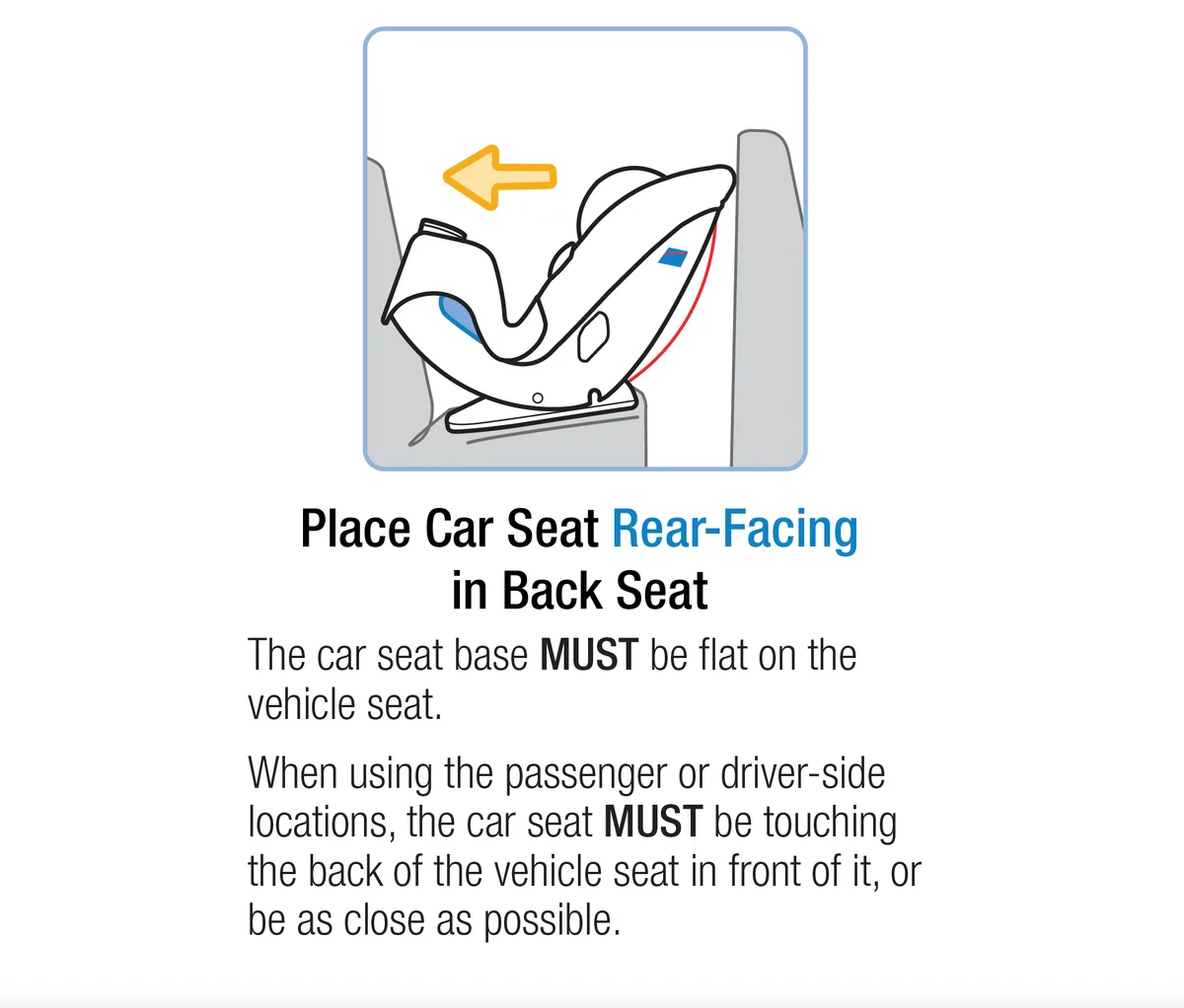
Image source: Bing (Web (fair-use with source credit))
The Three Limits That End an Infant Seat's Life
- Weight limit: Usually 22 to 35 pounds. Check the label.
- Height limit: Usually 29 to 32 inches. Measure lying down.
- Head clearance: One inch of shell minimum. Check weekly as they grow.
If any one of these is met, the seat is done. No exceptions.
What If Only One Limit Is Reached?
If only one limit is hit, that's still the end. The seat protects your child only within its stated ranges. Staying past any single limit means the shell may no longer contain them in a crash.
Retire the seat and move up.
The Three Things You Check Before Anything Else
Do this check once a month, and always after a growth spurt. It takes two minutes and it's the single most useful habit you'll build in that first year. Grab a tape measure and the car seat manual.
The three checks are weight, height, and head-to-shell gap. In our research, the head-to-shell gap is the one parents forget most. Yet it's the fastest limit babies reach.
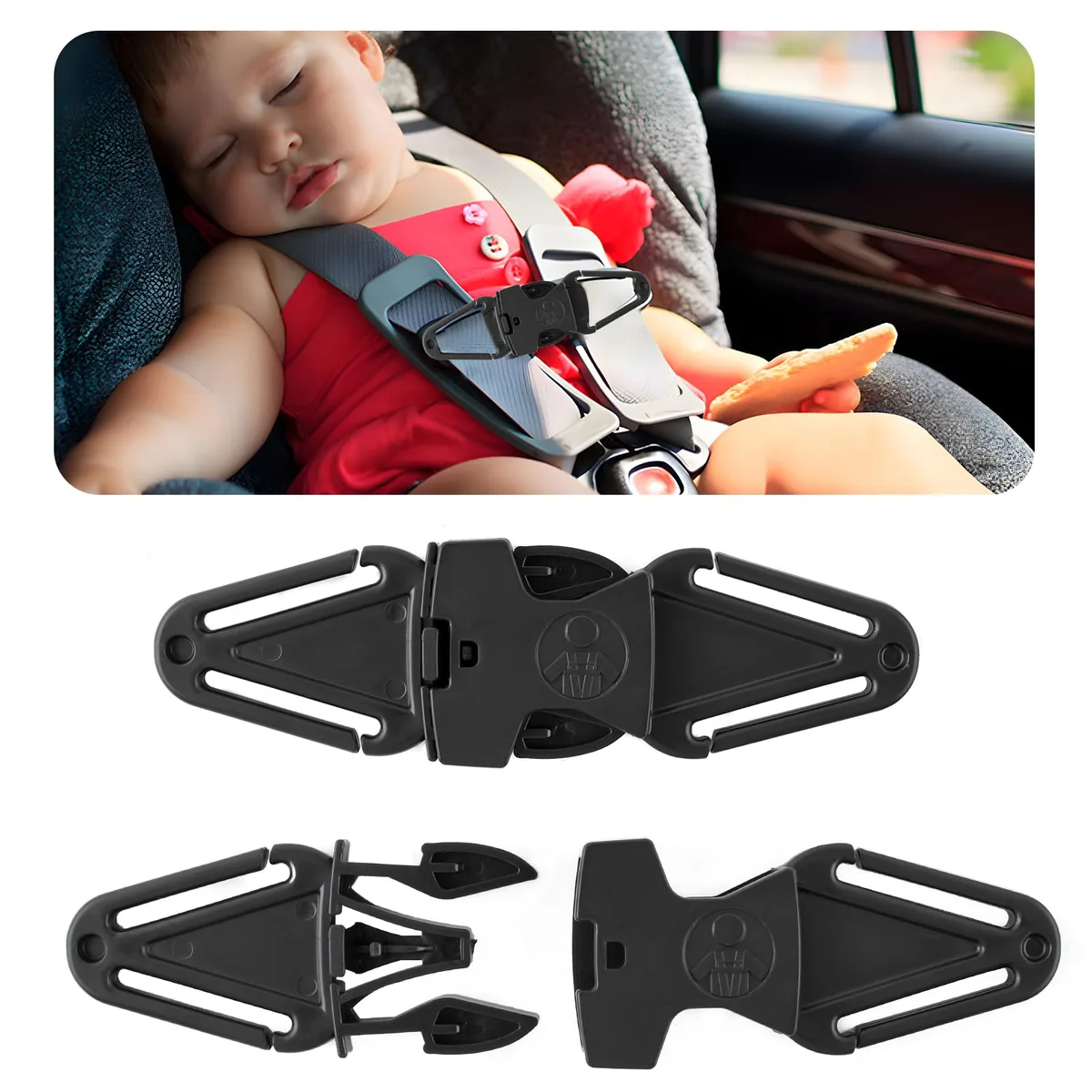
Image source: Bing (Web (fair-use with source credit))
How Do You Measure the Head-to-Shell Gap?
Measure the vertical distance from the top of your baby's head to the top of the hard shell. Do it with them sitting naturally in the seat. If the gap is one inch or less, the seat is outgrown.
Any soft canopy or fabric doesn't count in that measurement.
Does the Harness Slot Position Matter?
It matters and this one catches parents by surprise. In a rear-facing seat, the shoulder straps must sit at or below your baby's shoulders. Not above.
As your baby grows taller, the top slots become their floor. When the shoulders rise above the top slots, the seat is outgrown. Full stop.
How to Tell Your Baby Has Outgrown the Infant Seat
The manual is the source of truth here, not the sales display or what a friend did. Every infant seat ships with weight, height, and fit limits printed on the label and in the instructions. So grab both before you eyeball anything.
If your baby hits the weight cap, it's over. If they hit the height cap, it's over. If their head comes within an inch of the shell, it's over.
If their shoulders rise above the top strap slots, it's over.
Wait, one more. If the seat has passed its expiration date (usually 6 to 10 years from the manufacture stamp), it's over. Never use an expired or crash-involved seat.
What Does the Manual Actually Tell You?
Manufacturer specifications indicate the exact limits for your specific model. Graco, Britax, Chicco, Evenflo, and Nuna all publish these. Read the label on the seat shell too.
Both sources should agree, and when they do, that's your number.
What About a Hand-Me-Down Seat?
A hand-me-down seat works only if you trust it completely. No crash history, no missing parts, no expired label, and the manual still available. If you can't confirm all four, don't use it.
Then check the seat itself against its own limits.
A Quick Growth Tracker
- Weigh monthly: A basic baby scale works.
- Measure length monthly: Lay them flat.
- Check head clearance weekly: A visual eye check is fine.
- Read the manual once: Know your seat's ceilings before you need them.
Why Rear-Facing Longer Matters More Than You Think
Crash data is blunt and it favors rear-facing. In a frontal crash, a rear-facing seat cradles the head, neck, and spine as one unit. Forward-facing puts the neck in tension.
For a baby under two, that neck is still soft, and the head is disproportionately heavy.
Per NHTSA, rear-facing is the safest position, and the AAP recommends staying rear-facing as long as the seat allows. The 12-month rule is an old minimum, not a target. It has been outdated for years.
How Does Rear-Facing Protect a Small Neck?
In a crash, the seat shell absorbs most of the force. The head and body move together instead of the head snapping forward. That distributes the load across the whole shell, not the neck.
That's why keeping them rear-facing past age one reduces injury severity.
What About the "Legs Are Cramped" Objection?
Legs bent or touching the vehicle seat back isn't a safety issue. That's a discomfort question, not a crash-protection one. There's no documented case of a child breaking their legs from being rear-facing too long.
Leave them rear-facing until they max out the seat.
Infant Seat vs. Convertible Seat: Which Move Comes Next
The infant seat is a rear-facing-only carrier. The convertible seat is the next step, and it starts rear-facing too. That's the seat that carries your child from infant limits up through forward-facing, and eventually to booster mode.
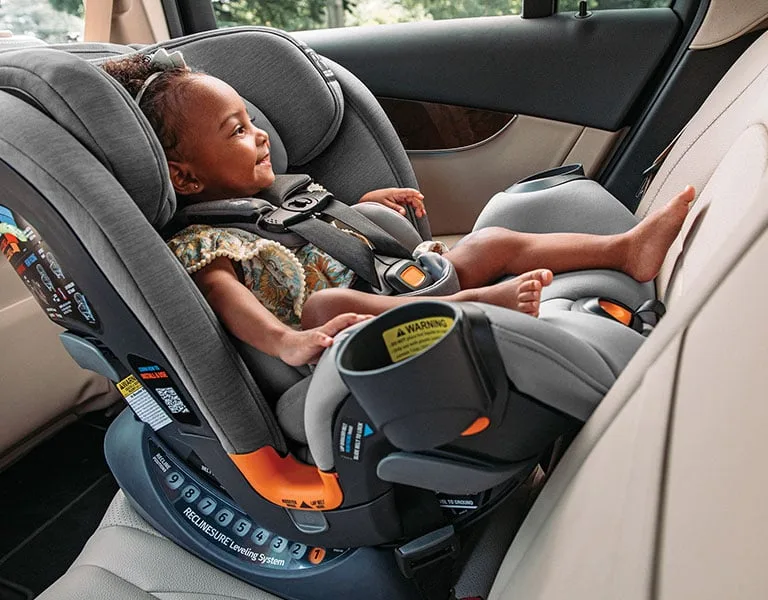
Image source: Bing (Web (fair-use with source credit))
Convertible seats give you a much longer rear-facing runway. Many models accommodate rear-facing up to 40 or even 50 pounds, and up to 43 to 49 inches on some. That's the whole point.
You get more time in the safest position.
What If Your Baby Still Fits the Infant Seat?
If the baby still fits, keep them in it. Rear-facing in a convertible is the goal, and the infant seat already does that. The move happens when the infant seat is outgrown, not before.
Switching early buys nothing and can even worsen the fit.
Which Convertible Seat Limits Should You Check?
Look at the rear-facing weight and height limits, not the forward-facing ones. That's the range you'll use right now. Also check the harness slot minimums.
Some convertible seats start rear-facing at 5 pounds, some at 10.
Mistakes That Get Babies Moved Too Soon
The most common mistake is treating the first birthday as a deadline. It isn't. Rear-facing is the safest position long past twelve months, and the AAP recommendation now stretches until the seat itself runs out of room.
Age alone never ends an infant seat.
The second mistake is weighing the baby and stopping there. Height limits and the one-inch head rule end seats just as often. In our research, tall babies hit the height cap months before they touch the weight cap.
A third trap: bulky winter coats. A puffy jacket creates slack under the harness, and that slack hides how loose the straps really are. Always buckle the baby in thin layers, then tuck a blanket over the top.
Do Aftermarket Inserts Cause Problems?
Yes, if they didn't come with the seat. Aftermarket head supports, strap covers, and body pillows can interfere with the harness path and void the seat's certification. Only use inserts that ship in the box with your specific model.
What About Using a Seat Past Expiration?
Expired seats get retired, even if they look fine. Plastic degrades over time, and the label's manufacture date tells you the truth. Most infant seats expire six to ten years after that stamp.
Check the shell, not the receipt.
The Pressure-to-Forward-Face Problem
Relatives and even strangers will push you to forward-face "because baby looks big." Ignore it. Convertible seats now rear-face up to 40 or 50 pounds, so there's no reason to rush the flip. Your manual and the AAP outrank a parking-lot opinion.
When to Get a Professional Inspection
A certified Child Passenger Safety Technician (CPST) inspection is free, and it's the fastest way to catch install errors. Safe Kids Worldwide runs a locator tool, and many fire departments and hospitals host fitting stations. Book one whenever you switch seats.
Roughly half of all car seats are installed incorrectly, per NHTSA data. That number doesn't improve on its own. An inspection checks the recline angle, the belt path, the harness fit, and the head clearance all at once.
What Does a Technician Actually Check?
They'll test for less than one inch of movement at the belt path. They'll verify the seat's recline. They'll confirm the harness sits at or below the shoulders and the chest clip sits at armpit level.
Then they'll teach you to repeat it yourself.
How Often Should You Get Rechecked?
Get one inspection with every new seat and after every vehicle change. Also recheck after any crash, even a minor fender-bender. A seat involved in a crash may need replacing, so read the manufacturer's crash-replacement policy before you reuse it.
A Quick Reference Table and Verification Checklist
Use this table as your fast decision guide. Print it, stick it on the fridge, and check it monthly.
| Check | Safe Range | Outgrown When |
|---|---|---|
| Weight | Per manual (usually 4–35 lbs) | Above the weight cap |
| Height | Per manual (usually 29–32 inches) | Above the height cap |
| Head-to-shell gap | 1 inch or more | Under 1 inch |
| Harness slots | At or below shoulders | Shoulders above top slots |
| Expiration | Before manufacture-date limit | Past the stamped date |
| Install movement | Under 1 inch | More than 1 inch |
What If Your Baby Is Between Sizes?
If your baby is between an outgrown infant seat and a convertible that fits, you may have a short gap. Some convertible seats start rear-facing at 5 pounds, so check their minimums. Don't use a seat before your baby meets its weight floor or the fit won't protect them.
The Five-Second Monthly Check
- Press the harness. You shouldn't be able to pinch slack at the collarbone.
- Look at the chest clip. It sits at armpit level, always.
- Feel the seat base. It moves less than one inch.
- Eyeball the head gap. One inch of shell stays visible.
- Glance at the label. Limits and date still match your baby.
Where to Find Authoritative Guidance
The three sources that matter are your seat's manual, NHTSA, and the AAP. Manufacturer specs confirm the exact limits for your model. NHTSA publishes car seat recommendations and a recall database you should check by model number.
The AAP sets the rear-facing policy that most state laws now follow.
Register your seat with the manufacturer the day you buy it. That's how recall notices reach you. An unregistered seat can sit under an active recall for years without you knowing.
Do State Laws Match the AAP?
Not always, and laws run behind the science. Most US states now require rear-facing to age two, but some set the floor at one year and 20 pounds. Treat the law as a minimum and your seat's manual as the real target.
UK and EU parents face the i-Size regulation (R129), which requires rear-facing to at least 15 months.
What's the Safest Plan?
Keep your child rear-facing until they max out the seat's rear-facing limits, whatever their age. Move from infant seat to rear-facing convertible when the infant seat is outgrown. Then stay put until the convertible runs out of rear-facing room too.

Similar Posts