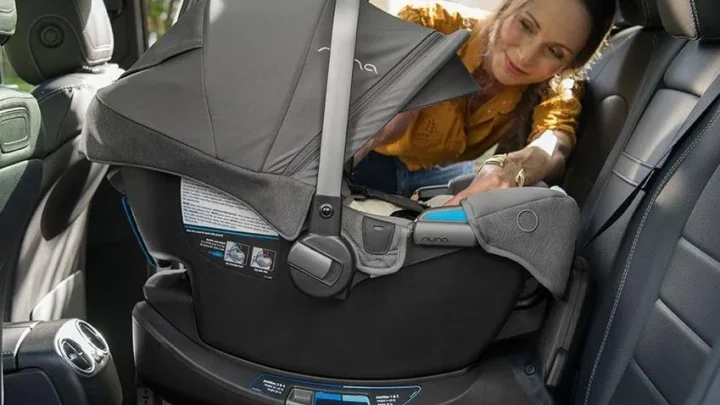
When Can a Baby Face Forward in a Car Seat?
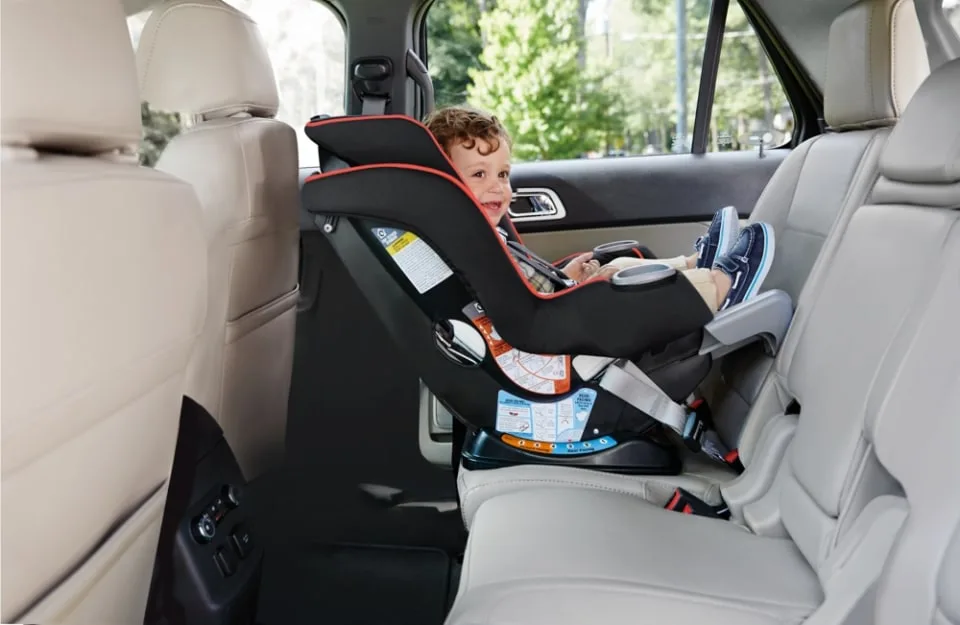
When your toddler's legs are squished against the back seat and every drive ends in tears, it's tempting to just turn the car seat around. So, the question every parent eventually types into their phone at 11pm: when can a baby face forward in car seat? The honest answer is more layered than the "age 2" rule you've probably heard, and getting it right is one of the single biggest safety decisions you'll make for your child.
According to the American Academy of Pediatrics, children should stay rear-facing until they reach at least 2 years old, and ideally until they max out the rear-facing height or weight limit of their specific seat. That "max out the seat" part is where most parents get tripped up. Let's walk through what actually determines the right moment for your child, in your car, with your seat.
when can a baby face forward in car seat
A baby can face forward once they're at least 2 years old and have hit the rear-facing weight and height limits of their specific seat. Most convertible seats allow rear-facing up to 40 to 50 pounds and 40 to 49 inches tall. State law minimums vary.
The AAP recommends waiting until the seat is outgrown, not just the calendar.
The Short Answer (and Why "Age 2" Isn't the Whole Story)
Age 2 is a floor, not a finish line. The AAP's actual recommendation is to keep children rear-facing until they reach the highest weight or height allowed by the car seat manufacturer. For many modern convertible seats, that's closer to 3 or 4 years old.
Here's why rear-facing wins the physics battle. In a frontal crash, a rear-facing seat cradles the child's head, neck, and spine against the shell. The forces get spread across the entire back instead of concentrated on a tiny cervical spine.
A 2-year-old's neck vertebrae are still fusing. Internal decapitation is a real risk in forward-facing crashes for kids under 2. NHTSA data shows car seats reduce fatal injury risk by about 71% for infants and 54% for toddlers aged 1 to 4 in passenger cars.
Image source: Bing (Web (fair-use with source credit))
So the real question isn't "is my child 2 yet?" It's "has my child hit the limit my seat says?" Most parents turn too early because they're following family advice or old state minimums.
Why This Decision Matters More Than You Think
Rear-facing isn't about comfort. It's about anatomy. A young child's head is proportionally huge compared to their body, roughly 25% of total body weight versus 6% in adults.
That heavy head, sitting on a spine that hasn't fully ossified, is the vulnerable part. Rear-facing keeps the head and spine moving together in a crash. Forward-facing with a harness alone allows more forward head movement.
Top tether use cuts head excursion significantly in crash testing, but it doesn't replicate the protection of rear-facing. It's an additional safety layer, not a substitute.
The stakes are also legal. Nearly every US state has a car seat law with age or weight thresholds. Some are stricter than others.
You can be ticketed for turning a child forward before the state minimum, even if you believe the seat allows it.
For families in the UK or EU, i-Size (R129) rules tie forward-facing to specific height and age gates. Sweden remains the global outlier, with children commonly rear-facing until age 4 or 5.
The Four Conditions That Must All Be True Before You Turn the Seat
Think of this as a checklist. All four boxes need to be ticked before you flip the seat around. Miss one and you're cutting a corner you can't get back.
1. Your Child Has Hit the Age Threshold, Legally and Medically
Check your state's law first. Many still say "1 year and 20 pounds," which is dangerously outdated but technically enforceable. Others now mandate 2 years.
The AAP and NHTSA both recommend 2 as an absolute floor.
If your state says 1 and the AAP says 2, follow the AAP. The law is a minimum. Your child's safety is the standard.
2. Your Child Has Outgrown the Rear-Facing Limits of Their Seat
Open the seat manual. Find the rear-facing weight and height limits. Every model is different.
Common numbers as of 2026 land around 40 to 50 pounds and 40 to 49 inches.
Then measure. Weigh your child on a scale at home. Measure height against a wall.
If they're under both limits, keep them rear-facing.
3. The Head-to-Shell Rule Still Passes
This is the "1 inch rule." Rear-facing is done when the top of your child's head is less than 1 inch from the top of the car seat shell. Once the head gets closer than that, the seat can't protect the neck in a crash.
Measure from the top of the head to the top edge of the shell. If it's 1 inch or less, it's time to turn.
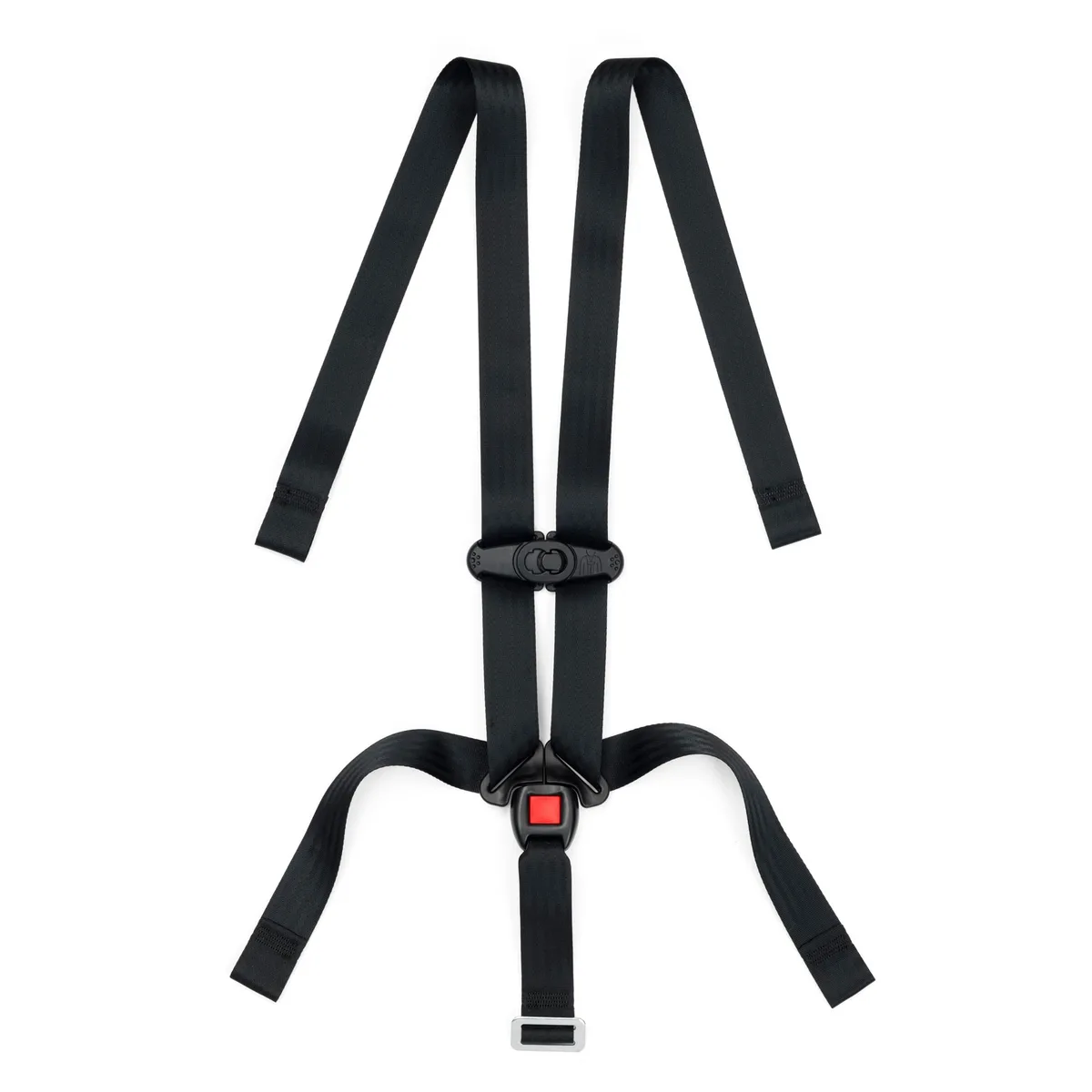
Image source: Bing (Web (fair-use with source credit))
4. Your Seat Is Properly Installed and Not Expired
Car seats expire, typically 6 to 10 years from the manufacture date stamped on the shell. Expired seats have degraded plastic and weakened harness webbing. If your seat is expired, replace it before turning it around.
Also check for recalls. Register your seat with the manufacturer so you get alerts. NHTSA maintains a public recall database you can search by brand and model.
If any of those four boxes is unchecked, wait. There's no prize for turning early.
Legal Minimums vs. What's Actually Safe: A State-by-State Reality Check
Every US state has a car seat law. The problem is that most were written decades ago and haven't kept up with the research. That gap between legal and safe is where parents get confused.
Why "1 Year and 20 Pounds" Is Outdated
The 1 year and 20 pounds rule came from 1980s research. It was the best guidance available at the time. Modern crash test data has completely replaced it.
A 1-year-old's neck can't handle the forces of a forward-facing crash. Rear-facing spreads those forces across the back. That's why the AAP moved the recommendation to 2 years, then to "until the seat is outgrown."
What the AAP and NHTSA Actually Say
The AAP's policy statement on child passenger safety is the gold standard. Their position is clear: keep children rear-facing as long as the seat allows. Age 2 is the minimum, not the target.
NHTSA echoes this. Their guidance says "keep your child rear-facing as long as possible." It's about the seat's limits, not the child's birthday.
How to Read Your Own State's Law Without Panicking
Look up your state's DMV or highway safety office website. Find the child passenger safety statute. Read the actual wording.
If your state still says 1 year and 20 pounds, understand it's a floor. You can legally exceed it. You cannot legally go under the AAP recommendation if your seat allows more, though technically some states allow it.
Follow the safer standard.
The pattern holds across most states. The law sets the floor. The seat manual and the AAP set the ceiling.
Aim for the ceiling.
Extended Rear-Facing: Why More Parents Are Waiting Longer
Extended rear-facing just means keeping your child facing backwards past their second birthday. It's not extreme parenting. It's the seat doing exactly what it was designed to do.
Modern convertible seats are built to accommodate longer rear-facing use. Manufacturer specifications confirm that models like the Graco Extend2Fit, Britax One4Life, and Chicco NextFit all offer rear-facing limits at or above 50 pounds and 49 inches. That's a preschooler, not a toddler.
The payoff is measurable. Aggregate crash test data continues to show rear-facing reduces head and neck injury risk in frontal impacts. That's the most common and most dangerous kind of crash.
The Leg-Cramping Myth, Debunked
Kids don't mind crossed legs or bent knees in a rear-facing seat. They sit cross-legged on the floor for hours without complaint. Children are flexible in ways adults aren't.
The real injury risk isn't leg discomfort. It's a spinal cord injury from turning too early. A broken leg is treatable.
A severed spinal cord isn't.
If your child genuinely looks cramped, check the recline angle and headrest position. Sometimes a small adjustment opens up more knee room than you'd think.
What Swedish and European Parents Do Differently
Sweden has one of the lowest child road fatality rates in the world. Their norm is rear-facing until age 4 or 5. Swedish seats are built specifically for extended rear-facing, with higher shell backs and deeper side wings.
The EU's i-Size regulation (R129) now requires children to remain rear-facing until at least 15 months, tied to height rather than weight. That's still well below the Swedish standard, but it's a step up from older R44 rules.
US parents don't need special seats to match this. Many mainstream convertible seats already meet the same effective limits. The culture just hasn't caught up yet.
When Rear-Facing Stops Working for Your Family
There are real constraints. A compact car may not fit a large rear-facing seat behind the driver when it's reclined properly. A tall parent may end up with knees against the dash to keep a toddler rear-facing.
If that's your situation, you have options before you give up on rear-facing. Try a narrower convertible seat like the Clek Foonf or Diono Radian. Move the seat to the middle position if the vehicle allows it.
If two cars are in play, consider a dedicated rear-facing seat for the primary vehicle. Only when nothing fits should forward-facing become the plan.
Turning the Seat Around: Step-by-Step Without Missing a Safety Check
Reinstall the seat in forward-facing mode following the manual exactly. Every step matters, because forward-facing harness installs have different rules than rear-facing ones.
Start with the recline. Forward-facing seats typically sit more upright, but not fully vertical. Check the manual's recline indicator.
Next, re-route the seat belt or LATCH strap through the forward-facing belt path. This is a different path than rear-facing. Getting it wrong means the seat won't restrain your child properly.
Then attach the top tether. This is required in the US for every forward-facing harness install, per FMVSS 213. The tether anchors to a dedicated point behind the seat, usually on the vehicle's rear shelf, floor, or seatback.
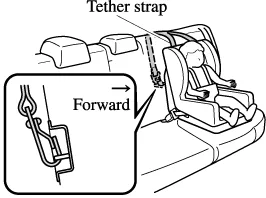
Image source: Web (Bing) / velcromag.com (Web image (fair-use with source credit))
Reclining, Re-Routing the Belt, and Attaching the Top Tether
Tighten the tether until the slack is gone. Don't crank it down so hard the seat tilts. You want snug, not over-torqued.
Check seat movement at the belt path. It should move less than 1 inch side to side or front to back. More than that means reinstall.
The Pinch Test, the 1-Inch Rule, and the Chest Clip
Harness straps should fit snugly against the shoulders. Do the pinch test: try to pinch slack at the collarbone. If you can pinch a horizontal fold, tighten the straps.
The chest clip sits at armpit level, not on the belly and not at the neck. It's a pre-crash positioner, not a restraint.
Getting a Free Inspection Before You Drive Off
Most communities have free car seat inspection stations staffed by Certified Child Passenger Safety Technicians (CPSTs). NHTSA maintains a locator at nhtsa.gov. Book one after any seat change, rear-facing or forward.
The inspection takes about 30 minutes. It's the single best way to confirm your install is correct before your child rides in it.
Mistakes That Get Kids Hurt and How to Avoid Every One
Aftermarket inserts, strap covers, and mirrors are the most common mistake. Unless the item came in the box with your seat, it hasn't been crash tested with it. Adding it can void the warranty and interfere with harness geometry.
LATCH weight limits get ignored constantly. Combined child plus seat weight usually tops out at 65 pounds. Past that, you must switch to a seat belt install.
The top tether gets skipped because it's a hassle. Skipping it increases head excursion in a crash. Use it every single time.
Image source: Bing (Web (fair-use with source credit))
Aftermarket Inserts, Strap Covers, and Mirrors
That cute padded head support? It pushes your child's head forward into a chin-to-chest position. In a crash, that's a suffocation and spinal risk.
Skip it.
Harness strap covers are a similar trap. They stop the straps from sitting flat on the shoulders. If you need padding for comfort, use the ones that came with the seat, or none at all.
LATCH Weight Limits and the Top Tether You Forgot
Every LATCH system has a weight limit. It's usually 65 pounds total, child plus seat. Check the vehicle manual and the seat manual for the specific number.
Once you hit that limit, switch to a seat belt install. Seat belts don't have a weight limit. The top tether is still required regardless of install method.
Hand-Me-Downs, Expired Seats, and Unknown Crash History
Never use a seat that's been in a moderate or severe crash. Even if it looks fine, the plastic and webbing may have micro-fractures. Replace it.
Check the manufacture date on the shell. Seats expire six to ten years from that date. An expired seat is a plastic seat, and plastic gets brittle.
If you don't know a seat's history, don't use it. That's the rule. No exceptions, no "it looks fine" shortcuts.
FAQs: Forward-Facing Car Seat Questions Parents Ask Most
Can my 2-year-old face forward if they've hit the weight limit?
Yes, if they've hit the rear-facing weight limit on their seat. The AAP recommendation is to stay rear-facing until the seat is outgrown, whether that's age 2 or age 4. Once the seat can't safely hold them rear-facing, forward-facing is the correct next step.
What if my state law says 1 year and 20 pounds?
Follow the AAP recommendation instead. State law is a legal minimum, not a safety standard. Most state laws haven't been updated to reflect modern crash data.
Your child's neck is safer rear-facing until at least 2, regardless of what the statute says.
Is it safe to turn the seat around for a long road trip?
Only if your child meets all four conditions: age, seat limits, head-to-shell clearance, and a properly installed non-expired seat. A road trip isn't a reason to turn early. If your child is close to the limit, consider a narrow convertible seat instead.
Do I need a top tether for forward-facing?
Yes. Top tether use is required for every forward-facing harness install in the US. It's part of the FMVSS 213 standard and significantly reduces head movement in a crash.
Check your vehicle manual for the tether anchor location.
Can I use LATCH for a forward-facing seat?
Yes, but only up to the LATCH weight limit, typically 65 pounds combined child and seat weight. Past that, switch to a seat belt install. The top tether is still required either way.
How do I know my child has outgrown the rear-facing position?
Two checks. Weight and height limits from the seat manual. And the 1-inch rule: the top of your child's head must be at least 1 inch below the top of the seat shell.
If either limit is met, it's time to turn.
The Bottom Line: Wait Until the Seat Says So, Not the Calendar
The calendar is a bad guide. The seat manual is a good one. So is the AAP, and so is a CPST at a free inspection station.
If your child is 2 but still fits comfortably rear-facing, keep them rear-facing. If your child is 3 and still under the seat's rear-facing limits, keep them rear-facing. There's no rush, and there's no prize for turning early.
When the day comes to flip the seat around, do it properly. Read the manual. Attach the top tether.
Do the pinch test. Get it inspected. Then enjoy the view from the front seat, knowing you did it right.

Similar Posts