When Can a Baby Face Forward in a Car Seat?
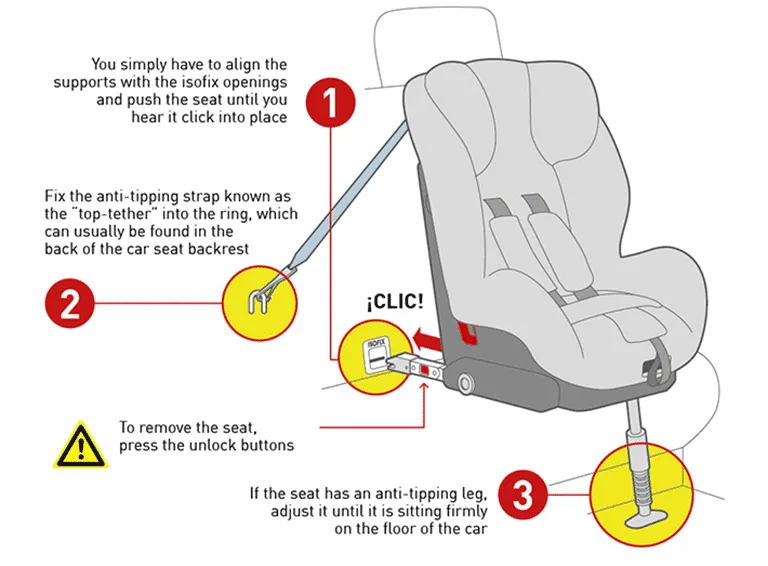
When can baby be front facing in car seat? The short answer is later than most parents think. Every major child passenger safety body sets the minimum at age two, and many pediatric safety guides now push that further.
The real trigger isn't a birthday at all. It's the seat's rear-facing limits, and how close your toddler is to crossing them.
There's also a stubborn gap between what the law allows and what crash testing recommends. Federal Motor Vehicle Safety Standard 213 sets the hardware rules for car seats sold in the US, but individual states decide when a child can legally flip. As of 2026, several states still allow forward-facing at age one.
That's the same age pediatric research has shown to be the highest-risk window for spine injury. Here's how to figure out where your child actually stands.
when can baby be front facing in car seat
Your baby can turn forward-facing once they've hit both the AAP age minimum of two years and the seat's own forward-facing weight and height limits. Many convertible seats also require a minimum forward-facing weight around 22 to 25 pounds. Rear-facing beyond age two is safer.
Turn only when the child outgrows the rear-facing limits.
The Real Answer: Age, Weight, and Height All Have to Line Up
The AAP recommendation is at least two years old, and that's a floor, not a finish line. Your child also needs to meet the seat manufacturer's forward-facing minimum weight, usually somewhere between 22 and 25 pounds on convertible seats. Height matters just as much.
If the top of their head sits within one inch of the car seat shell's top edge, they've outgrown rear-facing regardless of the calendar.
Rear-facing vs forward-facing isn't a comfort preference. It's a crash-physics decision. Forward-facing is fine once all three factors line up.
Age alone isn't enough. A small two-year-old who only weighs 23 pounds should stay rear-facing if the seat allows it.
Image source: Bing (Web (fair-use with source credit))
Why Rear-Facing Is Safer, and Why Legal Isn't the Same as Safe
Rear-facing car seats spread crash forces across the back, head, and neck, using the shell itself as a shock absorber. Forward-facing harnesses can't do that the same way. The head whips forward on impact, and the immature neck takes the load.
That's why pediatric research consistently finds rear-facing is significantly safer for toddlers, especially in frontal collisions, which are the most common severe crash type.
Here's the honest part: state laws are inconsistent. Some allow forward-facing at one year. Others now push it to two.
A few go further. A law that lets you turn early doesn't make early turning safe. If you want the current state-by-state text, check your state's highway safety office or the NHTSA site directly.
That's where the enforceable rules live.
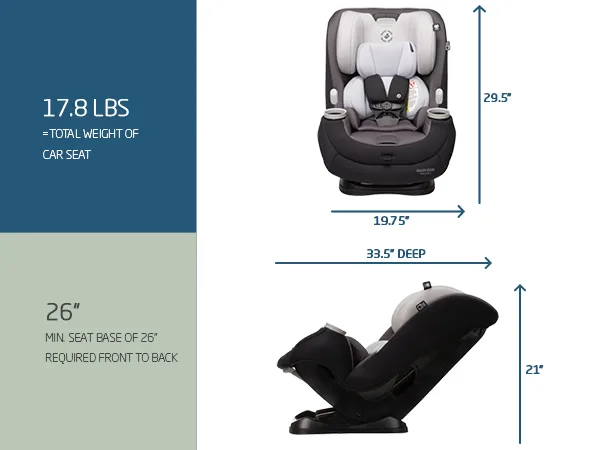
Image source: Bing (Web (fair-use with source credit))
How to Tell Your Child Has Actually Outgrown the Rear-Facing Limits
Outgrowing rear-facing is a two-part test, and most parents only check one part. Here's what to look at, in order:
- Weight limit. Check your seat's manual. Convertibles commonly max out between 35 and 50 pounds rear-facing.
- Height limit. Many seats cap rear-facing at 40 to 49 inches. Your manual has the exact number.
- Head clearance. The top of the head must sit at least one inch below the top of the seat shell.
- Harness slot position. Rear-facing harness straps go at or below the shoulders.
If your child hits the rear-facing weight or height cap, you switch. That's the seat telling you it's done. Long legs or crossed legs are not a reason.
Kids routinely ride safely rear-facing with bent knees well past age three.
Harness slot position is where the confusion peaks. Rear-facing, the straps sit at or below shoulder level. Forward-facing, they move up to at or above the shoulders.
Get this wrong and the harness won't hold your child in a crash.
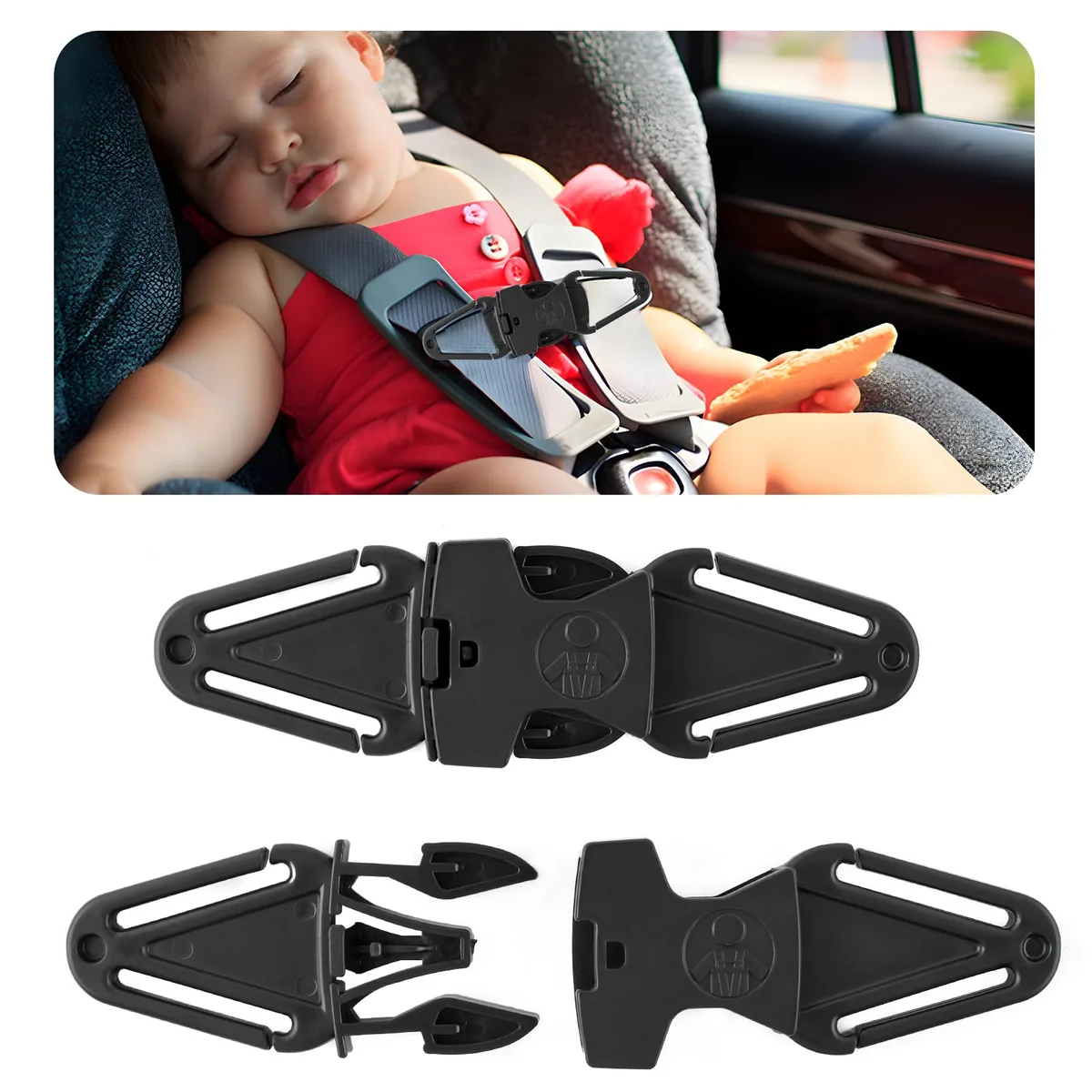
Image source: Bing (Web (fair-use with source credit))
Step-by-Step: Switching From Rear-Facing to Forward-Facing the Right Way
Turn the seat only after your child clears the age minimum and the rear-facing weight and height caps. Then follow these steps in order:
- Read the car seat manual's forward-facing section first, not last.
- Move the harness straps to at or above the shoulders.
- Re-thread the seat belt or LATCH strap through the forward-facing belt path.
- Attach the top tether strap to the vehicle's tether anchor. This is required, not optional.
- Set the recline more upright. Forward-facing seats ride steeply.
- Install tight, under one inch of movement at the belt path.
- Buckle your child, tighten the harness, and run the pinch test.
- Position the chest clip at armpit level.
- Get the install checked by a CPST. Many fire stations offer this free.
| Factor | Rear-Facing | Forward-Facing |
|---|---|---|
| Harness slots | At or below shoulders | At or above shoulders |
| Top tether | Not required (sometimes used) | Required |
| Recline angle | More reclined | More upright |
| Child facing direction | Rear of vehicle | Front of vehicle |
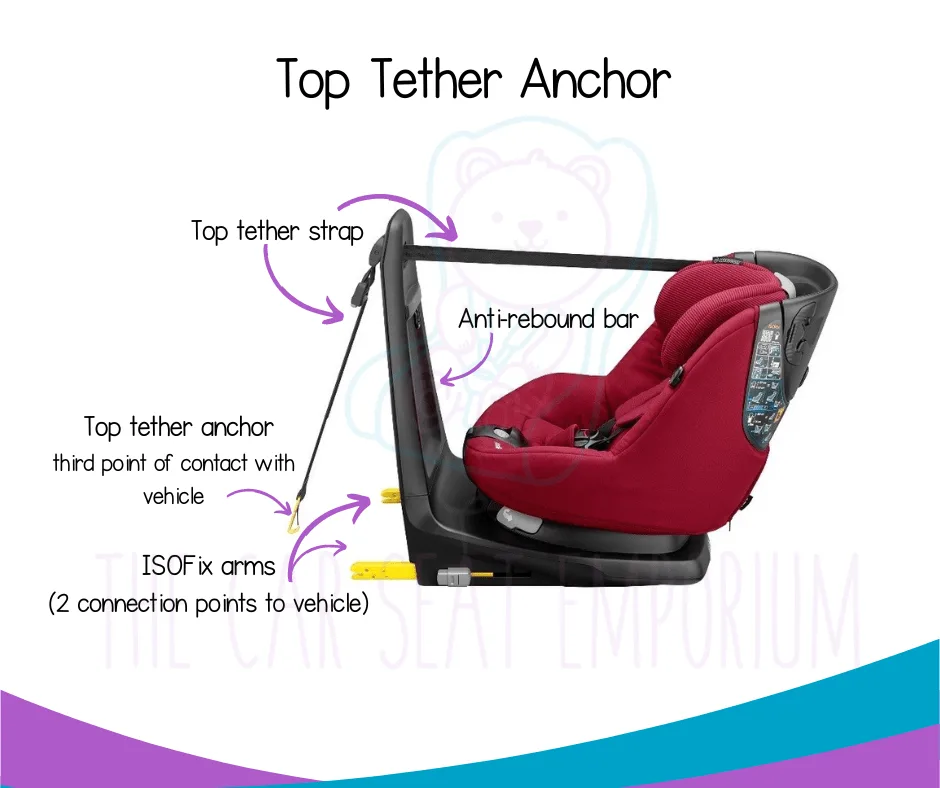
Image source: Bing (Web (fair-use with source credit))
Common Mistakes That Put Toddlers at Risk
The single biggest mistake is turning your child around because they're "big enough," when they haven't actually cleared the rear-facing limits. Size alone doesn't tell the story. Age, weight, and height all have to line up, and skipping one of those checks is how most premature switches happen.
Bulky winter coats are another quiet failure. A puffy coat creates fake slack in the harness, and in a crash the coat compresses, leaving the straps loose against your child's body. Take the coat off before buckling, then tuck a blanket over the top afterward.
Loose installs are common too. If the seat moves more than one inch at the belt path, it isn't tight enough. Equally dangerous: a misrouted seat belt, a twisted harness strap, or a chest clip sitting on the belly instead of at armpit level.
Small errors like these quietly undo all the work.
Finally, avoid aftermarket add-ons. Seat mats, head supports, and strap covers that didn't come with your car seat can interfere with the harness in ways the manufacturer never crash-tested. If it isn't in the manual, leave it out.
State Laws, AAP Guidance, and Where They Diverge
AAP guidance is a recommendation, not a law. The American Academy of Pediatrics advises rear-facing until at least age two, and preferably longer. Your state's statute may say something looser, and many still allow forward-facing at age one.
When the two conflict, follow the stricter one.
Here's how the major bodies stack up as of 2026:
| Source | Rear-Facing Minimum | Notes |
|---|---|---|
| AAP best practice | Age 2 | Ideally until limits are outgrown |
| US states (varies) | Age 1 to 2 | Check your state highway office |
| EU i-Size (R129) | 15 months | Height-based standard |
| Transport Canada | Provincial variation | Federal standard sets hardware |
If you want the current enforceable rule for where you live, look it up directly rather than relying on a forum answer. The NHTSA car seat guidance covers federal standards, recalls, and inspection resources. State DMV and highway safety offices carry the legal text.
FAQs: Extended Rear-Facing, Crying Toddlers, Long Legs, and Secondhand Seats
How long can you keep a toddler rear-facing?
As long as the seat allows. Many convertibles fit kids rear-facing to 40 pounds and 49 inches. Some children stay rear-facing until age four or five.
Extended rear-facing is safe and recommended. Switch only when they outgrow the seat's rear-facing limits.
Is it ever okay to turn a child forward-facing early?
There's no safe reason to turn early for comfort or convenience. Crying, long legs, or a desire to see out aren't valid triggers. The only legitimate reason is outgrowing the seat's rear-facing weight or height cap.
Those are the seat's own safety limits.
Do long legs mean my toddler needs to face forward?
No. Bent knees and feet against the back seat are normal and safe. Leg injuries are rare in rear-facing crashes.
Head and neck protection matters far more. If legroom feels tight, you can recline the front passenger seat slightly.
Are secondhand car seats safe to use?
Only if you know the seat's full history. A used seat may be expired, missing parts, or have been in a crash. Check the manufacture date, expiration, and labels.
If any of that is unclear, don't use it. Free seats from trusted programs beat unknown-history seats every time.
Should I still get the install checked if I read the manual?
Yes. Manuals are essential, but installs are fiddly. A certified Child Passenger Safety Technician can spot misrouting, loose harnesses, and anchor mistakes in minutes.
Many fire stations and health departments offer free checks. It's the fastest way to confirm your forward-facing setup is correct.
Final Decision Guide: When to Turn, When to Wait, and Who to Ask
Use this as your quick check before making the switch:
- Turn forward-facing if your child is at least two years old AND has hit the seat's forward-facing weight minimum AND has outgrown the rear-facing height or weight cap.
- Wait if any of those three isn't true. Keep them rear-facing and recheck every few months.
- Ask a CPST if you're unsure about harness routing, tether anchors, or whether the seat fits your vehicle.
Rear-facing as long as possible is the goal. Forward-facing is a milestone, not a race. When the seat says your child is ready, you follow its limits, install it right, and get it checked.
That's the whole picture.

Similar Posts































