When to Buy a Car Seat for Your Baby: Timing Guide
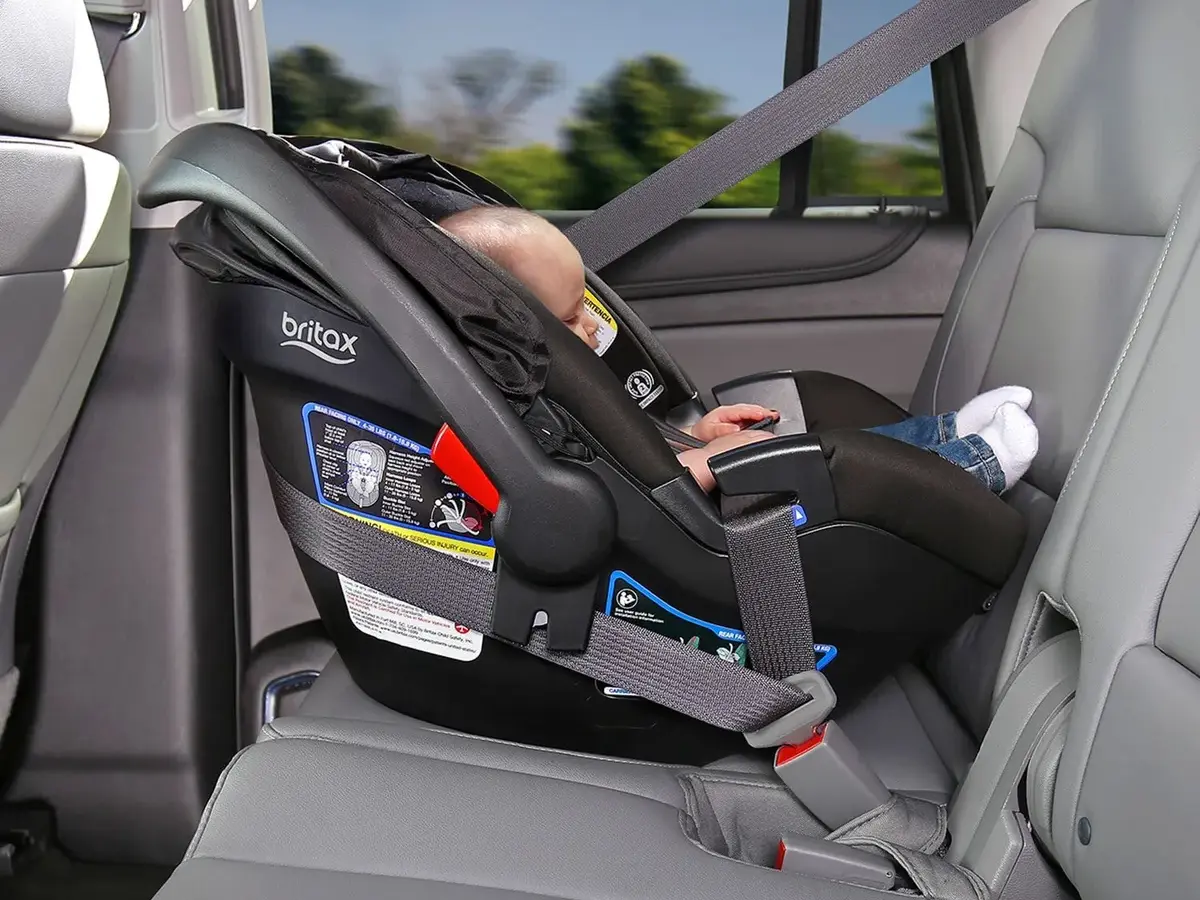
The safest answer to when to buy car seat for baby is earlier than most parents think. You need it before your baby leaves the hospital, not after. Hospitals won't discharge a newborn without a properly installed, correctly fitted seat.
That means the clock starts in your third trimester, not the week you're due.
Per federal standards, every seat sold in the US must meet Federal Motor Vehicle Safety Standard (FMVSS) 213. That's the rule that keeps infant seats crash-tested and certified. Manufacturer specs put expiration windows at 6 to 10 years from the date of manufacture (DOM), so a seat bought on deep discount could already be aging.
We'll walk through the timing windows, the seat types, and the mistakes that trip up even careful parents.
when to buy car seat for baby
Buy your car seat by 32 to 36 weeks of pregnancy. Install it before the due date, not after. Most hospitals require a properly fitted seat at discharge.
Preemies may need a different seat type. Register the seat right away for recall alerts.
Why Timing Matters More Than You Think
Timing isn't a scheduling detail. It's a safety issue, and the stakes are real.
There's a difference between buying the seat and installing the seat. You can buy at 30 weeks and still be scrambling at 38. Leave two to three weeks for installation practice and a professional inspection.
That buffer matters if you're relying on a CPST check or a hospital inspection station with a waitlist.
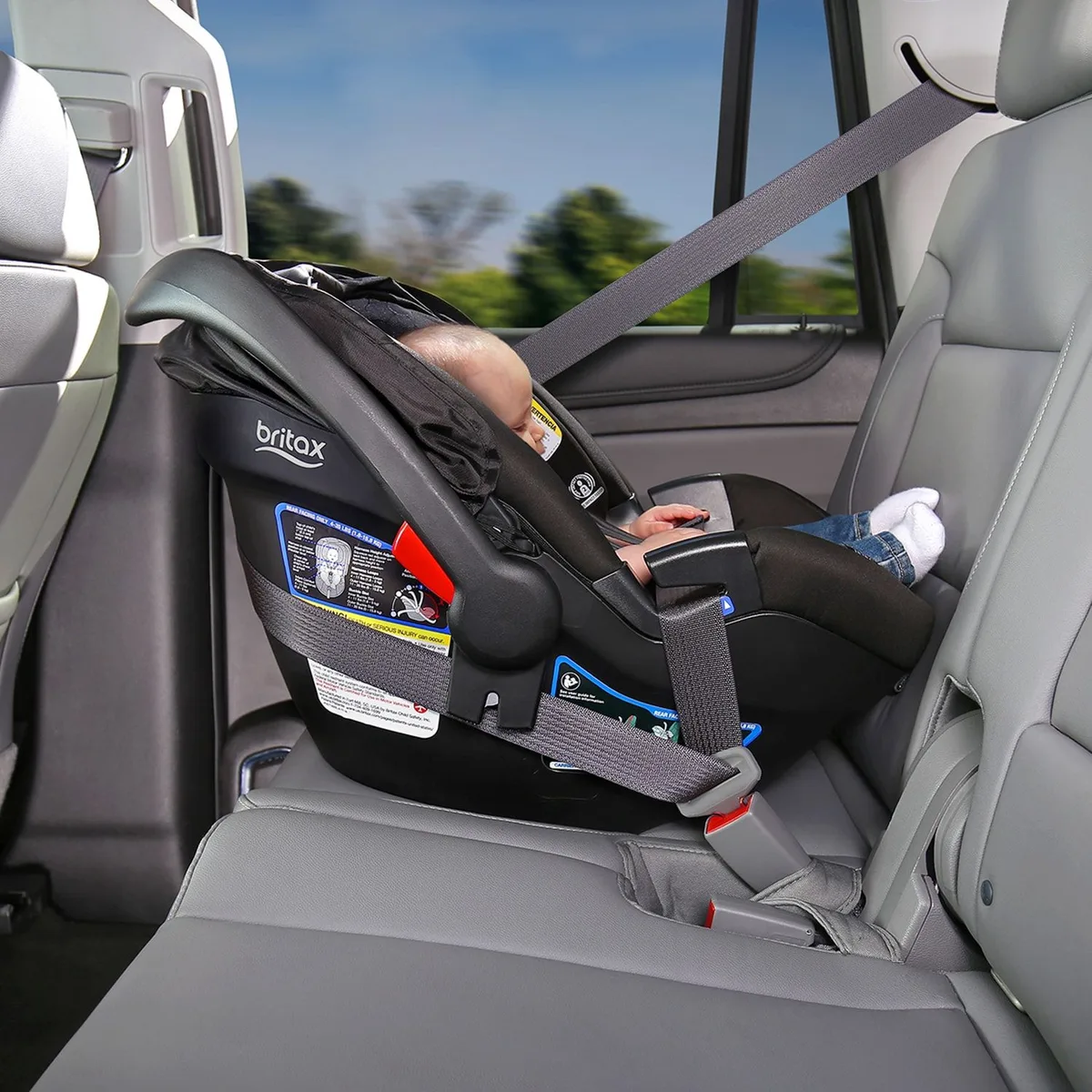
Image source: Web (Bing) / pinterest.com (Web image (fair-use with source credit))
Hospitals treat the car seat as a discharge requirement, not a suggestion. In most US facilities, a nurse or tech checks the seat before you leave. A missing or misinstalled seat can delay discharge.
That's not a scare tactic. It's standard protocol.
Expiration dates add another wrinkle. Seats have a usable life of roughly 6 to 10 years from DOM, per manufacturer specs. Materials degrade.
Standards change. A free hand-me-down from a cousin might have two years left, or none. Always check the label before you accept it.
There's also a supply and recall angle. Popular infant seats sell out around major baby events, and recall notices arrive by mail only if you've registered. Buy early enough to register, verify the DOM, and confirm the seat hasn't been recalled.
The Three Buying Windows Every Parent Needs to Know
Think of timing in three windows, not one. Each has its own deadline and its own logic.
- Window 1: Before birth. Buy and install at 32 to 36 weeks. This is the safest default.
- Window 2: Hospital discharge. The seat must be in the car and properly fitted. No exceptions.
- Window 3: Outgrowing the first seat. Know the limits before your baby hits them.
Before Birth: The Safe Default
Thirty-two to thirty-six weeks is the goldilocks zone. Buying earlier risks an expired seat sitting in a hot garage by the time baby arrives. Buying later risks a rushed, panicked install.
This window also gives you time to read both manuals. Your car seat manual and your vehicle owner's manual both matter. Vehicle manuals list LATCH weight limits and rear seat specs.
Skip either one and you're guessing.
At Hospital Discharge: The Hard Deadline
This is the deadline that surprises people. You can't leave with a newborn without a seat.
The seat needs a proper recline angle, a snug harness, and under one inch of movement at the belt path. Nurses check this. If it fails, you fix it before discharge.
Some hospitals keep loaner seats for emergencies, but you don't want to rely on that.
When Baby Outgrows the First Seat: The Transition Point
Infant seats typically top out around 30 to 35 pounds and 30 to 32 inches. Rear-facing convertibles often handle 40 to 50 pounds. Watch the head-to-shell clearance, not just the weight.
The American Academy of Pediatrics recommends keeping children rear-facing as long as the seat allows. That means most kids stay rear-facing well past age two. Plan the transition based on your specific seat's limits, not a calendar.
Which Seat Type Fits Your Situation
Pick your seat type based on your baby, your car, and your lifestyle. Here's how the three main categories stack up.
Infant Seat vs. Convertible vs. All-in-One
| Seat Type | Weight Range | Best For | Trade-Off |
|---|---|---|---|
| Infant seat | 4–35 lbs, with base | Newborns, parents on the go | Outgrown within a year |
| Convertible | 5–50 lbs rear-facing | Long-term value, one purchase | Stays in the car |
| All-in-one | 4–120 lbs, all stages | One-seat families | Bulkier, pricier upfront |
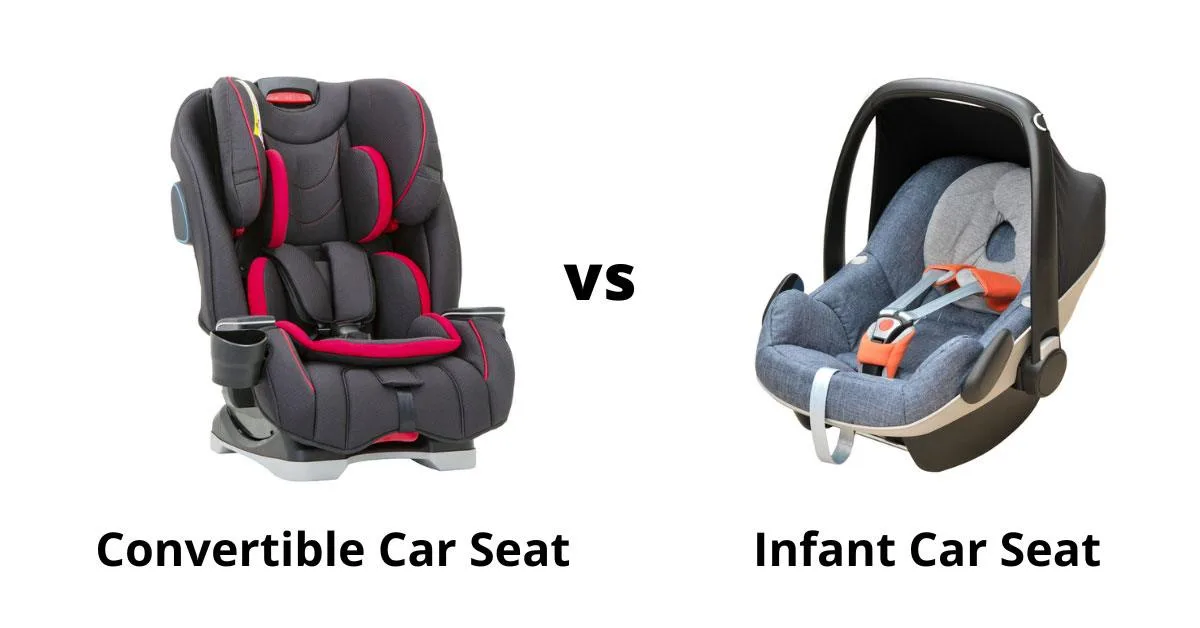
Image source: Bing (Web (fair-use with source credit))
Infant seats click into a base and double as a carrier. They're ideal if you're moving a sleeping baby between car and stroller. The downside is short lifespan.
Many babies outgrow them by 9 to 12 months.
Convertibles stay in the car and grow with your child. They're cheaper per year, but you lose the carry-out convenience. All-in-ones stretch from newborn to booster, which sounds great until you realize they're heavy and can take up serious backseat space.
Special Cases: Preemies, Multiples, and Second Vehicles
Preemies often fail the car seat tolerance test in a standard infant seat. A car bed or a seat rated down to 4 pounds may be required. Check with your NICU team before you buy.
Twins and multiples change the math. Two infant seats plus two bases can cost $400 or more. Some families go straight to convertibles to save space and money.
If you have two cars, an extra base runs about $40 to $150. That's cheaper than a second seat. Just make sure both bases install correctly in both vehicles.
How to Time the Purchase Around Your Due Date
Work backward from your due date. A simple timeline keeps you ahead of the deadline.
- Weeks 20, 28: Research seat types. Check your vehicle manual for LATCH limits and rear seat width.
- Weeks 28, 32: Buy the seat. Register it with the manufacturer for recall alerts.
- Weeks 32, 34: Install the base. Practice the harness fit with a doll or stuffed animal.
- Weeks 34, 36: Get a CPST inspection. Fix any install issues while you still have time.
- Week 36 onward: Keep the seat installed and ready. Pack the hospital bag.
CPST inspections are free at most inspection stations and typically take 20 to 45 minutes. Safe Kids Worldwide runs check events across the country. If you can't find one, your local fire or police department often helps.
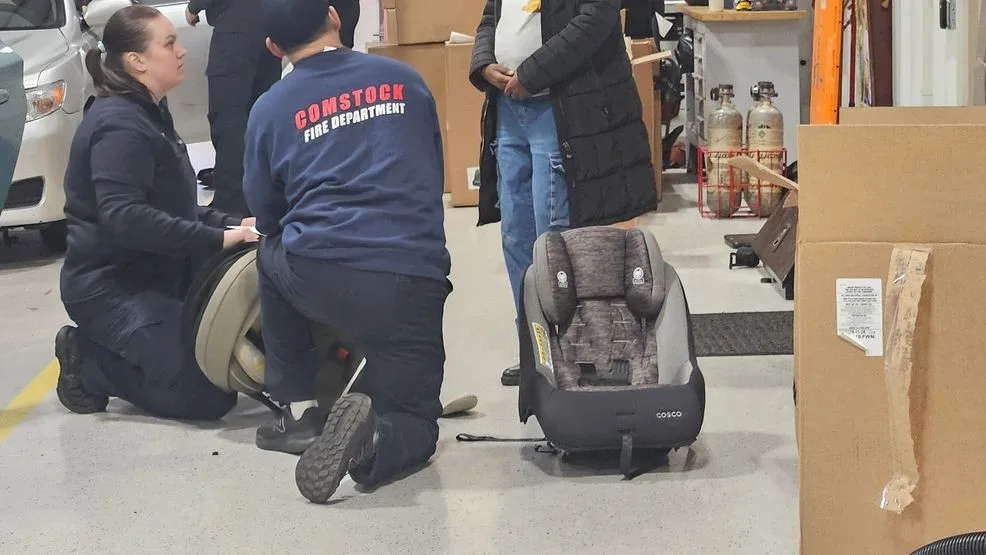
Image source: Bing (Web (fair-use with source credit))
Mistakes That Cause Real Problems
Most car seat failures aren't caused by bad products. They're caused by bad timing and bad installs. Here are the ones we see most often.
Expired, Used, and Recalled Seats
An expired seat has degraded plastic and weakened straps. The label on the shell or base shows the DOM and expiration date. Never buy a used seat from a stranger.
You can't verify its crash history.
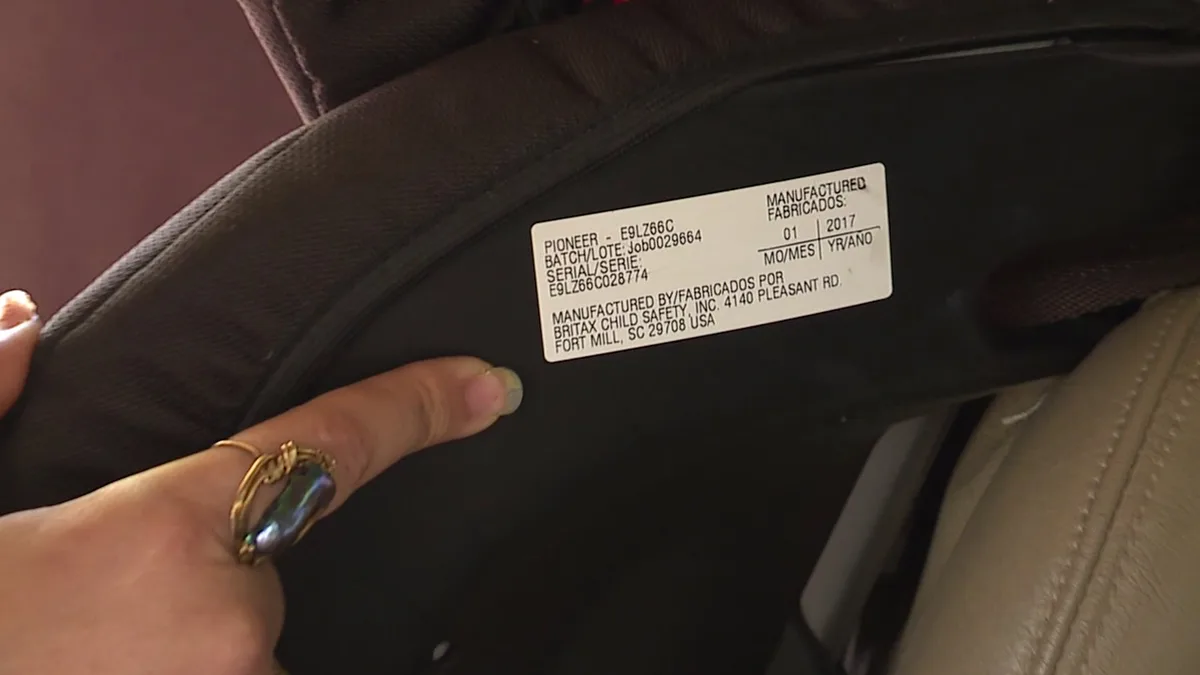
Image source: Web (Bing) / exploramadeira.com (Web image (fair-use with source credit))
A seat involved in a moderate or severe crash must be replaced, even if it looks fine. The National Highway Traffic Safety Administration maintains a recall database you can search by brand and model. Check it before you install anything.
Installation Errors and the CPST Inspection
Common install mistakes include a loose base, the wrong recline angle, and twisted harness straps. A chest clip sitting at the belly instead of armpit level is another frequent error. So is leaving a thick coat on the baby under the harness.
The tightness test is simple. Grab the seat at the belt path and tug. It shouldn't move more than one inch in any direction.
If it does, tighten the LATCH strap or seat belt and try again.
Never add aftermarket inserts or padding unless the seat manufacturer approves them. They can interfere with the harness and void the seat's safety certification.
Costs, Legal Rules, and What Hospitals Require
Budget matters, but timing drives cost more than brand does. Prices swing hard around sales cycles.
| Seat Type | Typical Price Range | Extra Base Cost |
|---|---|---|
| Infant seat | $80–$400 | $40–$150 |
| Convertible | $100–$500 | N/A (no base) |
| All-in-one | $150–$600 | N/A |
Buying during a baby sale can knock 20 to 30 percent off. Buying at 2 a.m. the week you're due means full price, every time.
State laws set the floor, not the ceiling. Every US state requires an appropriate child restraint for infants. The exact age, weight, and height thresholds vary by state.
Hospitals then layer their own discharge policies on top. Most require a properly installed seat before you leave. Some check it, some just confirm you have one.
Never assume your hospital is lenient.
One more rule worth knowing: never place a rear-facing seat in front of an active airbag. That's a hard no. The back seat is the only safe spot for an infant.
FAQs About Car Seat Timing
Can I buy a car seat before I know the baby's size?
Yes, and you should. Infant seats handle a wide weight range, usually 4 to 35 pounds. Most newborns fall comfortably inside that window.
If you're expecting a preemie, check with your NICU team about a car bed instead.
Is it okay to buy a used car seat?
Only if you can verify three things: the expiration date, the crash history, and the recall status. That's rarely possible with a stranger. A seat from a trusted friend or family member with a known history is a safer bet.
How long before my due date should I install the seat?
Aim for 34 weeks. That gives you time to fix install issues and get a CPST inspection. Installing the night before your due date is a recipe for a rushed, wrong install.
Do I need a car seat for a home birth or birth center?
Yes. Any time a newborn travels by car, they need a properly fitted seat. Even the short drive home counts.
State law doesn't carve out exceptions for home births.
When should I switch to a convertible seat?
When your baby hits the infant seat's weight or height limit, or when the head is within one inch of the shell top. Many babies outgrow infant seats between 9 and 12 months. Some last longer.
Do car seats really expire?
Yes. Manufacturer specs put usable life at 6 to 10 years from the date of manufacture. Plastic and harness webbing degrade over time.
Heat cycles in a parked car speed that up. Check the label before you trust any seat.
The Decision Guide: Your Timing Checklist
Here's the short version, all in one place.
- By 28 weeks: Research seat types and check your vehicle manual for LATCH limits.
- By 32 weeks: Buy the seat and register it with the manufacturer.
- By 34 weeks: Install the base and practice harness fit.
- By 36 weeks: Get a CPST inspection and fix any issues.
- At discharge: Confirm the seat is installed and the harness is snug.
- At outgrow: Transition to the next stage before your baby hits the limit.
If you take one thing from all this, make it the 32-to-36-week window. That's the sweet spot. Enough time to install, inspect, and fix.
Not so early that you're storing an aging seat for months.
For authoritative guidance on standards and recalls, check the National Highway Traffic Safety Administration directly. Their car seat database and inspection locator are the sources hospitals and CPSTs use.

Similar Posts































