How Long Does a Baby Car Seat Last? Key Facts
Finding the expiration date on your baby's car seat can feel like a scavenger hunt, but it's one of the most important safety checks you'll ever do. If you've ever wondered how long does a baby car seat last, the honest answer is that it depends on the type of seat and the manufacture date, not the day you bought it. Most seats expire 6 to 10 years from the date they were made, and that clock keeps ticking whether the seat sits in a box or in your back seat.
Using an expired seat isn't just a technicality. The plastic shell and harness webbing can degrade over time, and newer seats often meet updated federal safety standards that older models never had to pass.
In our research, the single biggest confusion point is where that clock actually starts. Federal Motor Vehicle Safety Standard FMVSS 213 requires every seat sold in the US to carry a manufacture date, but it doesn't mandate a single universal expiration window. That's why an infant seat from one brand might expire in 6 years while a convertible from another lasts a decade.
Once you know where to look and what each number means, the rest of the decision gets a lot simpler.
How Long Does a Baby Car Seat Last
A baby car seat typically lasts 6 to 10 years from its manufacture date. Infant seats usually expire around 6 years. Convertible and all-in-one seats often last 7 to 10 years.
Always check the sticker on your specific seat, because manufacturer rules override any general guideline.
The Short Answer: Car Seats Expire, and the Clock Starts at Manufacture
Car seats do expire, and the countdown begins the day the seat rolls off the production line, not the day you bring it home. That's the part most parents miss. A seat that sat in a warehouse for two years before you bought it is already two years into its lifespan.
Manufacturer specifications and the seat's own manual are the final word on when it's done.
Why does the clock start so early? Manufacturers build in a safety margin based on how plastics and foams behave over time. Polypropylene shells can become brittle.
EPS foam liners can lose their ability to absorb crash energy. Harness webbing can weaken from heat, sunlight, and repeated adjustment.
Image source: Web (Bing) / fox4kc.com (Web image (fair-use with source credit))
There's also a standards angle. As of 2026, seats sold in the US must meet FMVSS 213, but that standard has been updated over the years. An older seat may have passed a less rigorous version.
That doesn't make it automatically unsafe, but it does mean a newer seat reflects the latest testing.
Here's the practical takeaway. If you don't know your seat's manufacture date, find it today. Write it down.
Set a reminder for the expiration month. That one small step prevents the most common car seat mistake we see.
Why Expiration Dates Exist (and Why They Actually Matter)
Expiration dates exist because car seats are made of materials that age, and those materials are what protect your child in a crash. This isn't a ploy to sell more seats. It's an acknowledgment that plastic, foam, and fabric don't stay in peak condition forever.
Three things drive the timeline:
- Material fatigue. The plastic shell and base endure thousands of heating and cooling cycles. Over years, that stress adds up.
- Foam degradation. EPS and EPP foam liners compress and lose energy-absorbing capacity. You can't see this damage from the outside.
- Harness wear. Webbing stretches and weakens. Buckles and adjusters wear down.
Then there's the design side. Seat technology improves. Side-impact standards, load legs, anti-rebound bars, and better harness geometry have all evolved.
A seat built to today's expectations offers protection an older model may not.
Does an expired seat become instantly dangerous the day after it expires? No. It's a gradual risk, not a cliff.
But the manufacturer set that date based on testing and material science, and ignoring it means you're carrying risk you can't measure.
Bottom line. If your seat is expired, replace it. If it's close, start planning now so you're not caught scrambling.
How Long Each Type of Car Seat Lasts
How long each seat lasts depends on its category, and the ranges vary more than most people expect. Here's the breakdown based on manufacturer documentation and typical stated expiration windows.
| Car Seat Type | Typical Lifespan | Notes |
|---|---|---|
| Infant seat (carrier + base) | ~6 years | Shortest window; base may expire separately |
| Convertible seat | 7 to 10 years | Rear-facing then forward-facing |
| All-in-one / 3-in-1 | Up to 10 years | Covers rear-facing to booster |
| Booster seat | 6 to 10 years | Varies widely by brand |
Image source: Web (Bing) / fity.club (Web image (fair-use with source credit))
Infant seats expire soonest because they're used for the shortest time and often passed between families. Convertibles and all-in-ones get longer windows because they're designed to grow with your child.
One detail that trips people up: on infant seats, the base and the carrier can have different expiration dates. Check both. If the base is expired but the carrier isn't, you may still be able to use the carrier with a seatbelt instead of the base, but confirm that in your manual first.
Why the Numbers Vary by Manufacturer
There's no single federal rule forcing every brand to use the same window. Each manufacturer runs its own testing and sets its own expiration based on materials, design, and liability. Britax, Graco, Chicco, and others publish their own ranges, and those ranges are the ones that count.
So if you're comparing two seats and one says 6 years while another says 10, that's not a marketing trick. It reflects genuinely different materials and engineering. Always defer to the manual that came with your specific model.
How to Find Your Car Seat's Manufacture and Expiration Date
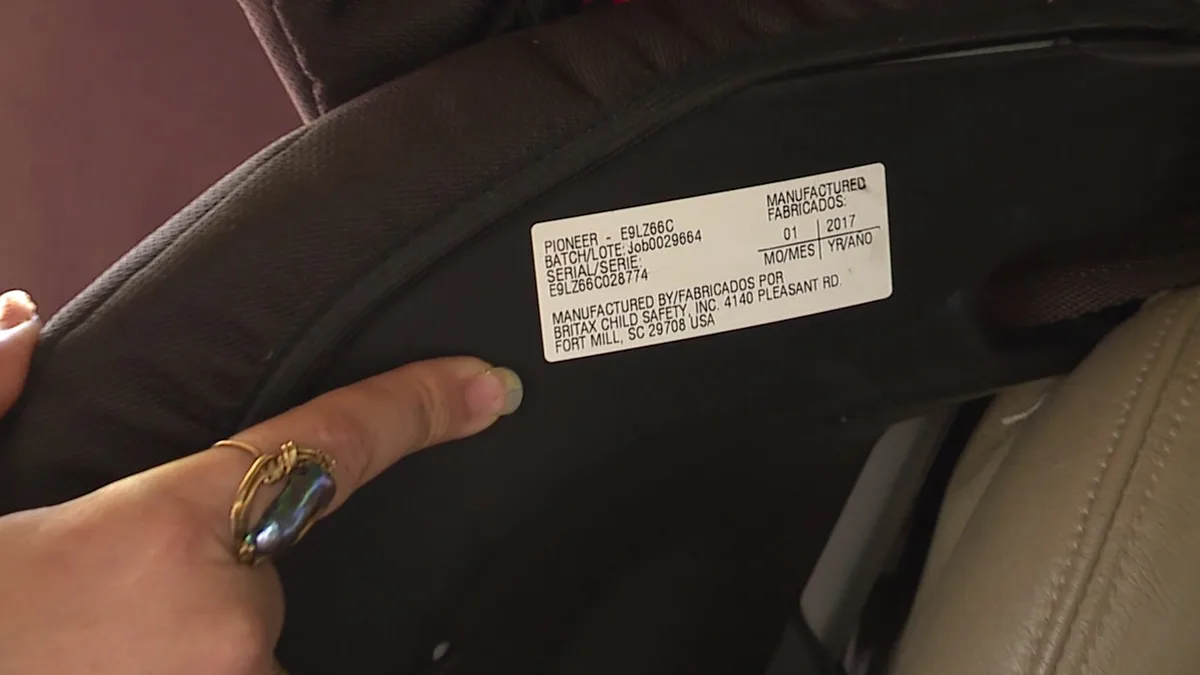
Finding the date takes about two minutes once you know where to look. The manufacture date is almost always printed on a sticker or molded directly into the plastic shell.
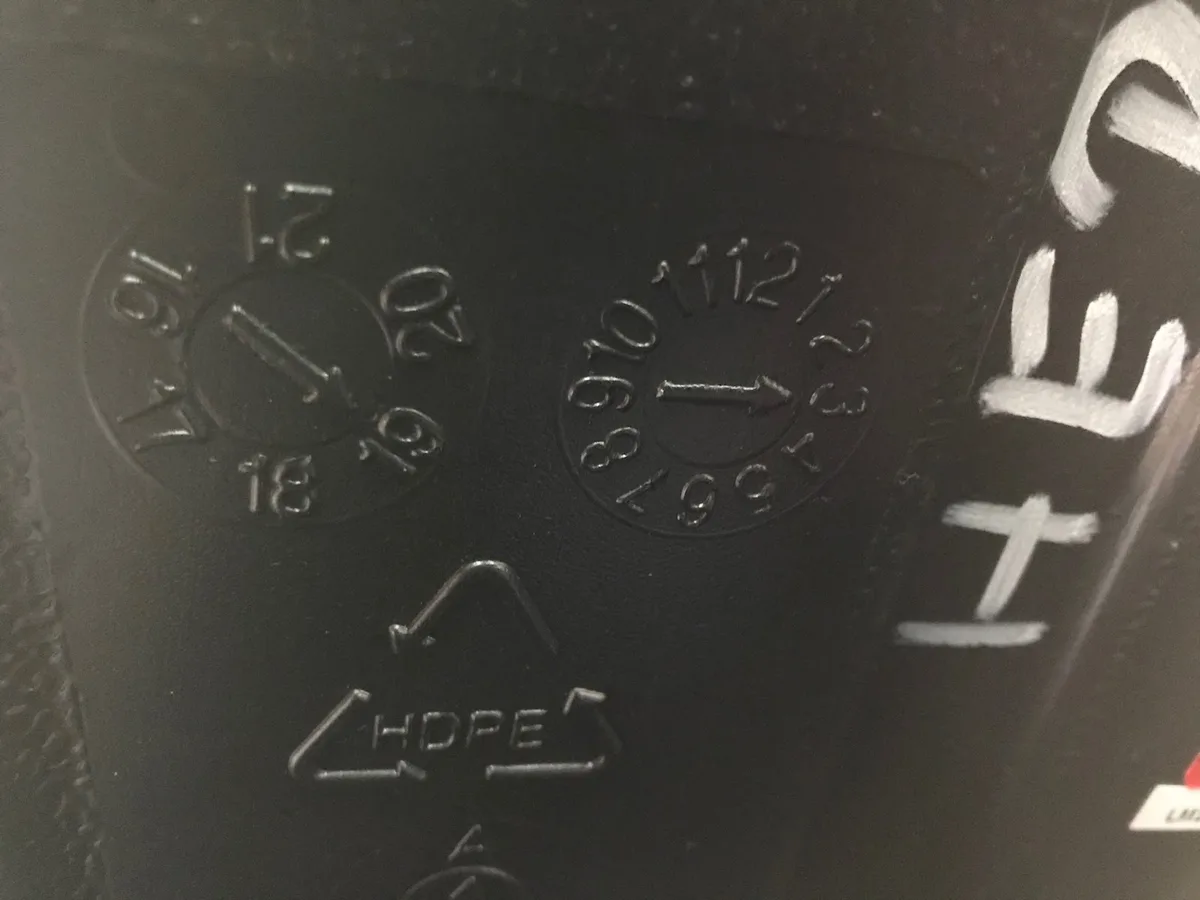
Image source: Bing (Web (fair-use with source credit))
Here's where to check, in order:
- The bottom or back of the shell. Most seats stamp the date here in a month/year format.
- The base of an infant seat. Check separately from the carrier.
- Under the fabric cover. Some models hide the sticker beneath removable padding.
- The manual and registration card. These often restate the expiration window.
Once you've found the date, do this:
- Write it on a calendar reminder set for the expiration month.
- Photograph the sticker so you have a record if it fades.
- Register the seat with the manufacturer to get recall alerts.
Manufacturer specs confirm that some seats list an explicit "do not use after" date, while others only list the manufacture date and expect you to calculate. If yours only shows MFD, add the lifespan from your manual.
Can't find the date at all? That's a red flag for used seats. Without a verifiable date, you can't confirm the seat's safety window, and we'd treat it as unusable.
What Shortens a Car Seat's Safe Lifespan
Even within its rated window, a seat can become unsafe before the expiration date. Several factors accelerate wear, and some of them are invisible.
Heat is the biggest one. A car parked in the sun can hit interior temperatures above 150°F. That constant baking stresses plastic and foam far faster than a seat kept in a garage.
If you live somewhere like Arizona, Texas, or Florida, your seat is working harder than one in a mild climate.
Here's what shortens a seat's life:
- Crash involvement. NHTSA guidance says replace a seat after a moderate or severe crash, even if it looks fine. Structural damage often isn't visible.
- Unknown history. A used seat with no known crash history is a gamble. You can't inspect for hidden stress.
- Harsh cleaning. Machine-washing harness straps weakens the webbing. So does soaking buckles in water.
- Extreme storage. Attics and garages swing between freezing and scorching. That cycling degrades materials.
- Aftermarket add-ons. Cushions and strap covers that weren't tested with the seat can interfere with fit and harness tension.
If your seat has been in a crash, the date on the sticker doesn't matter. Replace it. Per NHTSA's guidance on crash replacement, most insurers will cover a new seat after a claim, so it's worth asking.
When to Replace vs. When to Keep Using It
If your seat is expired, been in a crash, or has an unknown history, replace it. If it's within its window, has a known history, and passes a physical inspection, you can keep using it. Those are the three conditions that matter most.
Crashes are the clearest trigger. Per NHTSA guidance, replace a seat after a moderate or severe crash, even if it looks intact. Minor crashes may not require replacement, but the criteria are strict: the vehicle had to be drivable, the door nearest the seat wasn't damaged, no one was injured, and the airbags didn't deploy.
Hand-me-downs need extra scrutiny. A seat from a trusted family member still has to clear three checks:
- Is the manufacture date within the rated window?
- Has it ever been in a crash?
- Does it have all original parts, labels, and the manual?
If you can't answer all three, walk away. Free isn't worth the risk when you can't verify the history.
Recalls are the last piece. Seats can be recalled years after purchase. Check your model number and date code against the NHTSA recall database.
If your seat is recalled, the manufacturer often provides a free fix or replacement, so it's worth a two-minute search.
What If the Seat Looks Brand New?
Looks mean nothing here. UV damage, foam fatigue, and stress fractures don't show up on a visual scan. The date on the sticker and the crash history tell the real story, not the shine on the fabric.
How to Dispose of or Recycle an Expired Car Seat
Don't just toss an expired seat in the trash or leave it on the curb. Someone might grab it and use it, which puts another child at risk. The responsible move is to make it unusable before you dispose of it.
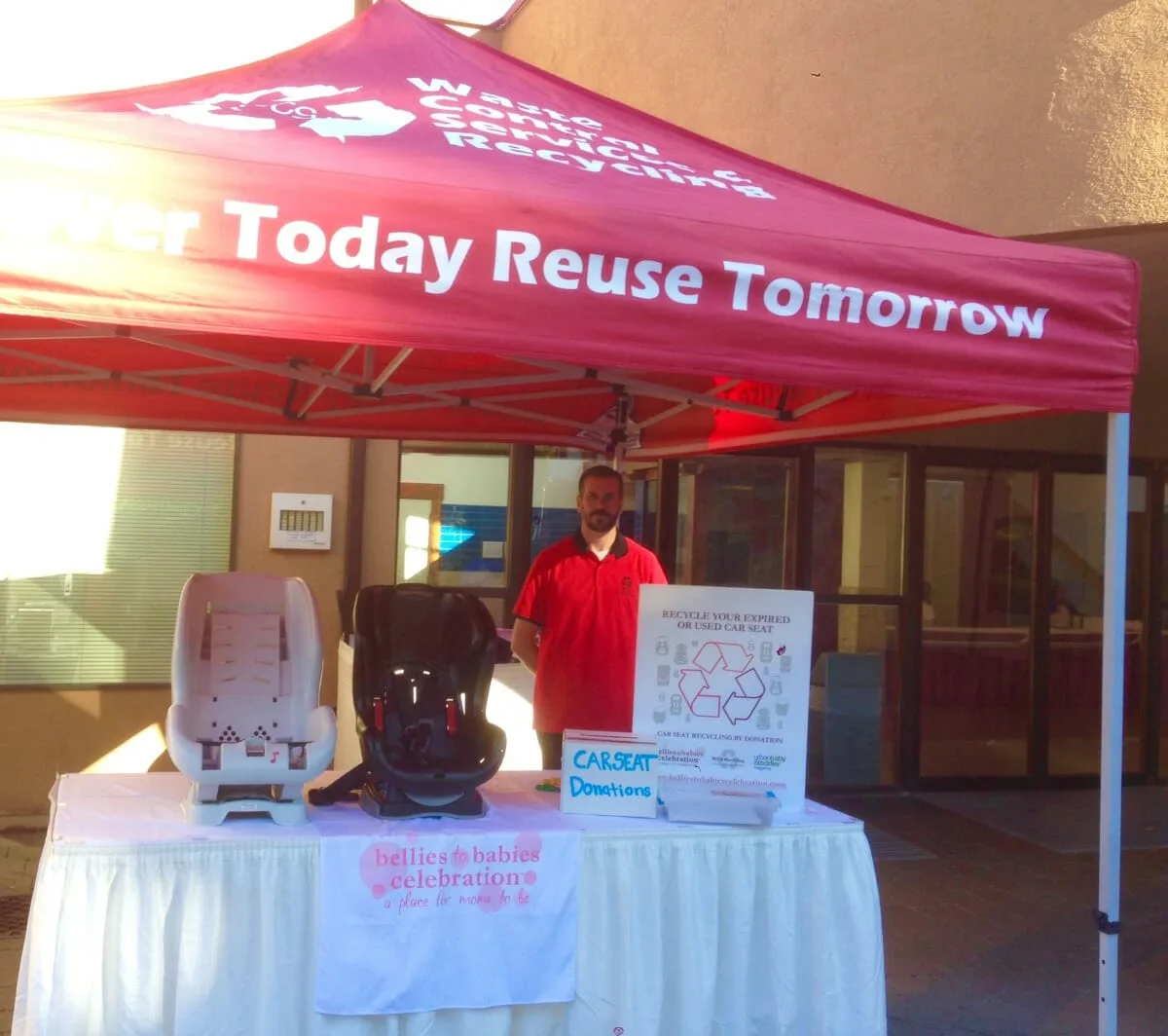
Image source: Web (Bing) / storage.googleapis.com (Web image (fair-use with source credit))
Here's the standard approach:
- Strip the seat. Remove the cover, padding, and harness straps.
- Cut the harness webbing. This makes the seat unsafe to reuse.
- Mark the shell. Write "EXPIRED, DO NOT USE" in permanent marker.
- Check for a recycling program. Some municipalities and retailers run car seat recycling events.
Target, Walmart, and several regional programs have run trade-in events where you bring an old seat and get a discount on a new one. Availability varies by year and location, so check locally before you plan around it.
If no recycling option exists, put the dismantled seat in your regular trash. The key is destroying it enough that no one mistakes it for a usable seat.
FAQs
How long does a baby car seat last?
Most baby car seats last 6 to 10 years from the manufacture date. Infant seats typically expire around 6 years, while convertible and all-in-one seats often last 7 to 10 years. Check your specific seat's sticker and manual, since the manufacturer sets the exact window.
Do car seats expire even if they've never been used?
Yes. The expiration clock starts at manufacture, not first use. Plastic, foam, and webbing age whether the seat sits in a box or in a car.
A never-used seat that's past its date is still expired.
Can I use a car seat after a minor accident?
Sometimes. NHTSA says you can keep using a seat after a minor crash if the vehicle was drivable, the door nearest the seat was undamaged, no one was hurt, and the airbags didn't deploy. If any of those don't apply, replace the seat.
How do I find my car seat's expiration date?
Look for the manufacture date sticker on the bottom or back of the shell, or on the infant seat base. Add the lifespan from your manual to get the expiration date. If you can't find any date, treat the seat as unusable.
Is it safe to use a secondhand car seat?
Only if you can verify the manufacture date, confirm it's never been in a crash, and check it against recall lists. Without that history, the seat is a gamble. Free seats from strangers usually aren't worth the risk.
What should I do with an expired car seat?
Cut the harness straps, strip the padding, mark the shell as expired, and recycle it if a program is available. Never leave an intact expired seat on the curb or donate it. Someone could use it and put a child in danger.
Final Verdict: A Simple Rule You Can Actually Follow
One rule covers almost every situation. If you can't verify the manufacture date and the crash history, don't use the seat. That single filter eliminates the vast majority of risky seats.
For seats you can verify, here's the decision flow. If it's within its rated lifespan and has no crash history, keep using it and set a reminder for the expiration month. If it's expired or has been in a moderate or severe crash, replace it.
If it's a hand-me-down with a clear history, inspect it, check for recalls, and use it only if everything checks out.
The expiration date isn't a marketing gimmick. It reflects real material science and evolving safety standards. Respecting it costs you a replacement seat.
Ignoring it costs you something you can't put a price on.
When in doubt, replace. A new seat is one of the cheapest safety upgrades you'll ever make for your child.

Similar Posts