Is a Middle Car Seat Safe? What Parents Need to Know
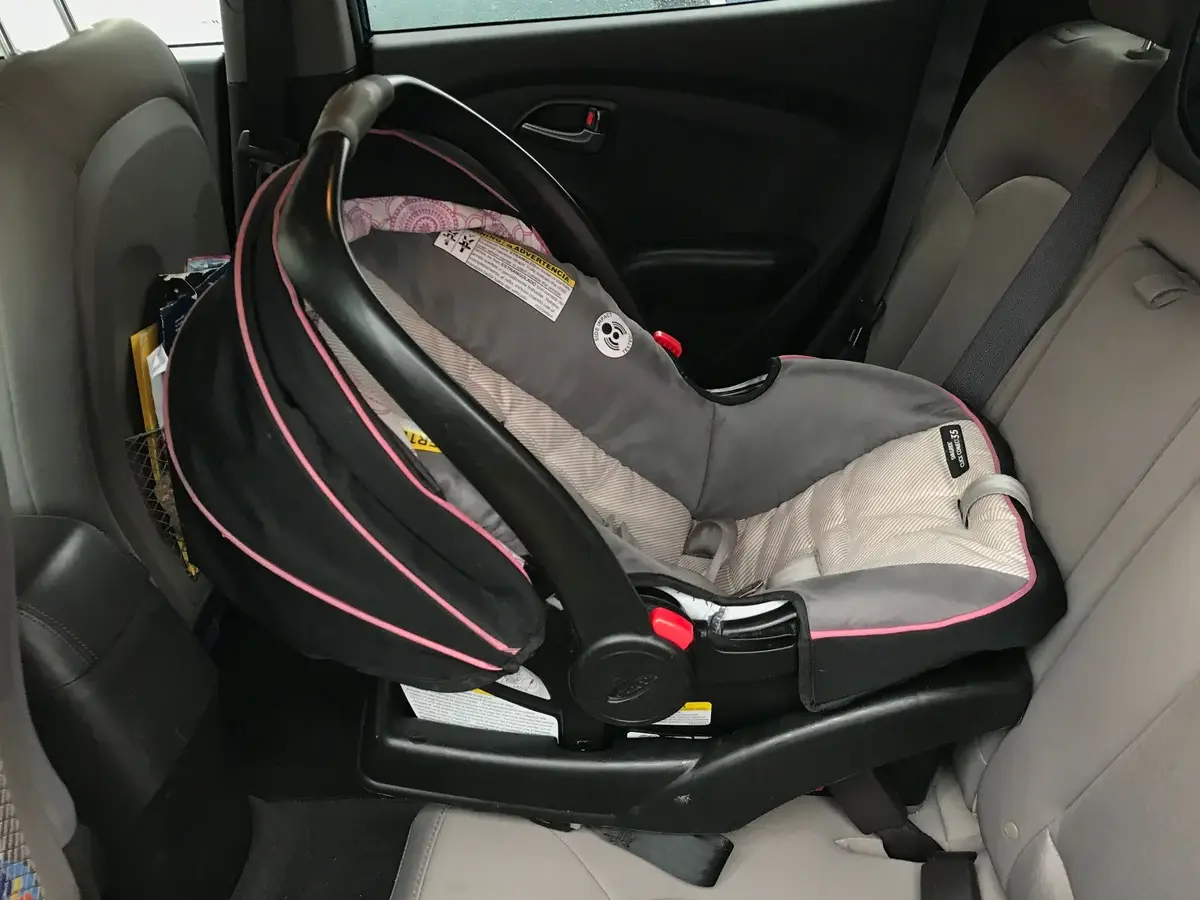
The middle seat has long been treated as the gold standard for car seat safety, and for good reason. But whether you can actually use it in your car comes down to your vehicle, your seat, and how well the install holds. In our research, the answer to "can a baby car seat be in the middle" is usually yes, with conditions.
One number matters most here: the one-inch rule. Per National Highway Traffic Safety Administration (NHTSA) testing guidance, a car seat should move less than 1 inch side to side or front to back at the belt path. If your center seat can't deliver that, it's not the safest spot no matter what the general rule says.
can a baby car seat be in the middle
Yes, a baby car seat can be in the middle if you can get a tight install. The center rear is often the safest spot. It sits furthest from both side doors.
But many cars allow it only with a seat belt, not lower anchors. Always check both your vehicle and car seat manuals first.
Why the Middle Seat Has a Reputation as the Safest Spot
What the Crash Data Actually Shows
The center rear position sits furthest from every point of impact. That distance is the whole reason it's considered the safest spot in the car.
In a side-impact crash, the child is buffered by an extra seat's worth of space on both sides. That's a real structural advantage, not a myth.
That said, the advantage assumes a proper install. A center seat that's loose, misrouted, or resting on a hump isn't safer than a tight outboard install. It's actually worse.
When "Safest" Depends on Your Car, Not the Rule
Here's where it gets tricky. Not every center seat is a real seat. Some are narrow, some sit on a hump, and some have a lap-only belt with no anchors.
If your vehicle manual warns against center installs, that warning wins. It reflects testing specific to that seat design.
Think of it this way. The middle is the best position when the install is correct. If the install is compromised, outboard wins every time.
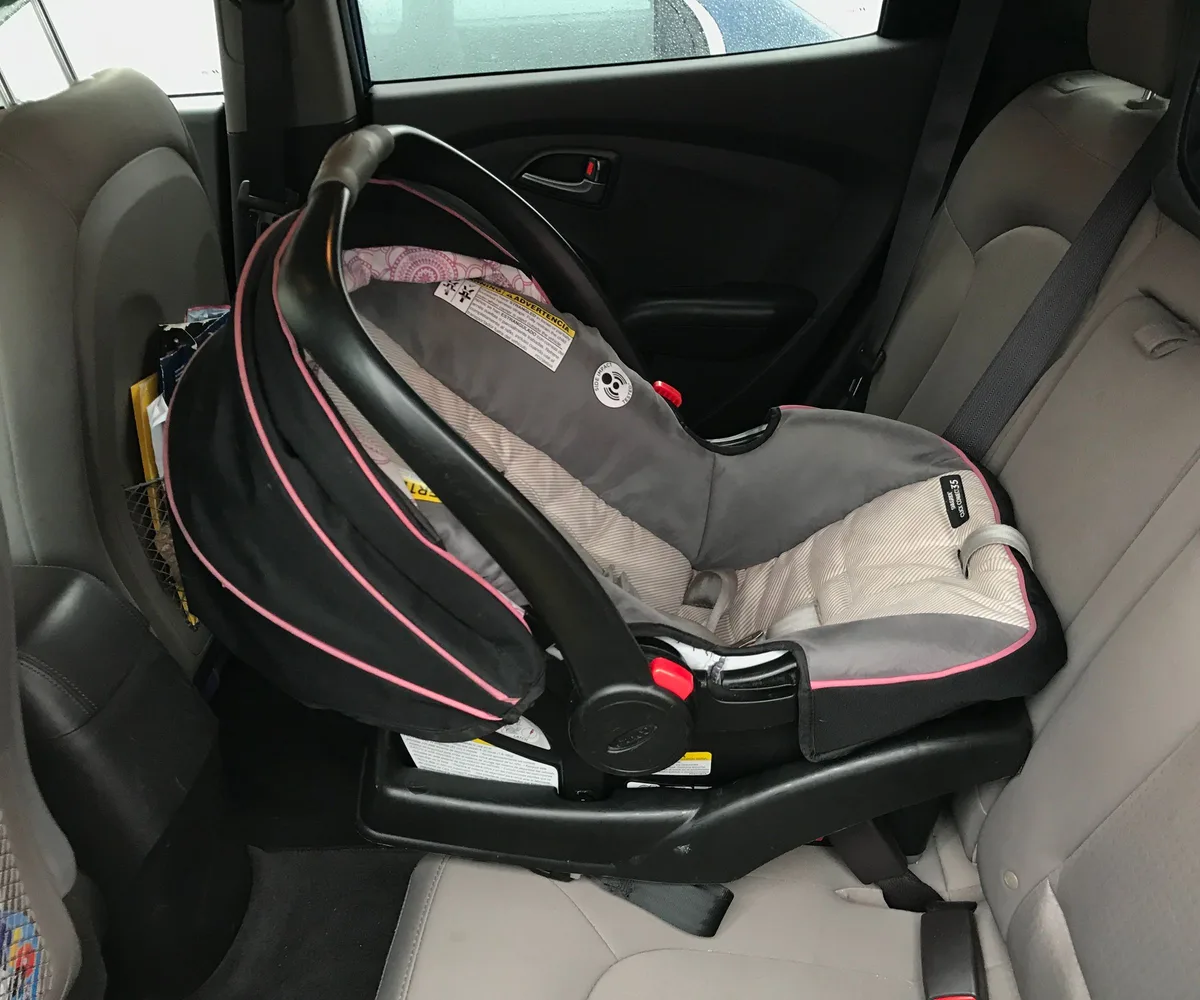
Image source: Bing (Web (fair-use with source credit))
The Real Deciding Factor: Can You Get a Tight Install?
Center Lap-Shoulder Belt vs. Lap-Only Belt vs. Lower Anchors
The type of belt in the center tells you almost everything. A lap-shoulder belt with a switchable or locking retractor gives you the best shot at a snug install.
A lap-only belt is harder. It needs a locking latchplate or a locking clip to hold tension. Many parents get this wrong the first time.
Lower anchors are the easiest route, but most vehicles don't have them in the center. If they aren't there, you can't borrow the outboard ones.
The Anchor-Borrowing Mistake That Voids Your Seat's Safety
Borrowing anchors is a common shortcut, and it's almost always forbidden. Per Federal Motor Vehicle Safety Standard (FMVSS) 225, lower anchors are spaced and rated for their specific positions.
Using one anchor from each outboard seat widens the spacing and changes the load path. It can exceed what either anchor is rated to hold.
Most car seat and vehicle manufacturers explicitly prohibit this. If you're unsure, check both manuals before you clip anything in.
The One-Inch Test and How to Run It
Grip the seat at the belt path. Push and pull firmly, side to side and front to back. If it moves less than 1 inch, you've passed.
Do this before you add the baby. Once it's tight, install the infant seat or snug the harness.
Then check the recline indicator and make sure the buckle stalk isn't pressing into the shell. That's buckle crunch, and it can weaken the install in a crash.
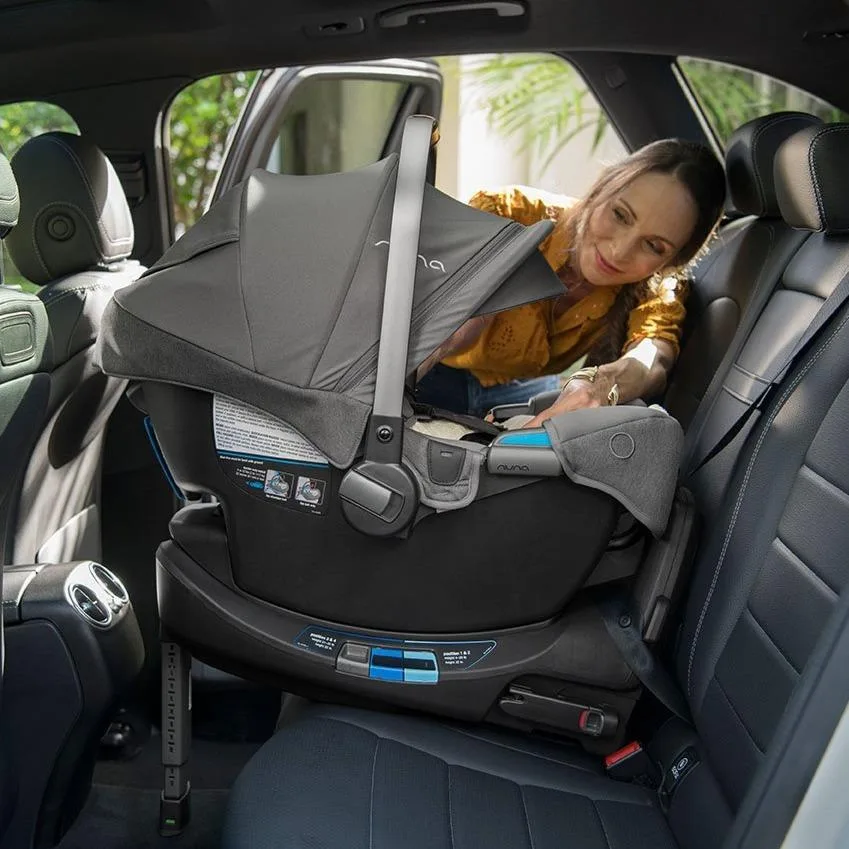
Image source: Bing (Web (fair-use with source credit))
How to Install a Car Seat in the Center, Step by Step
Reading Your Vehicle and Car Seat Manuals First
Start with the vehicle owner's manual. Find the section on child restraints and note what it says about the center position.
Then read the car seat manual. It lists which install methods are allowed for your seat model.
Two minutes here saves a lot of guesswork. If either manual says no to the center, stop and pick a different position.
Routing the Belt or Anchors Correctly
If you're using the seat belt, route it through the correct belt path. For rear-facing seats, that's usually under the shell or through the base.
Buckle it, then lock the belt. Pull the shoulder portion out slowly until it clicks into locking mode. If your belt doesn't lock, use a locking clip.
If you have lower anchors in the center, clip them and pull the adjuster strap until it's tight. Then verify with the one-inch test.
Checking Recline, Harness Fit, and Buckle Crunch
Check the recline angle against the seat's indicator. Newborns often need a steeper recline to keep their airway open.
Snug the harness so you can't pinch slack at the collarbone. Put the chest clip at armpit level, every single time.
Finally, look at the buckle. If it's dug into the car seat shell, adjust the seat or try a different position.
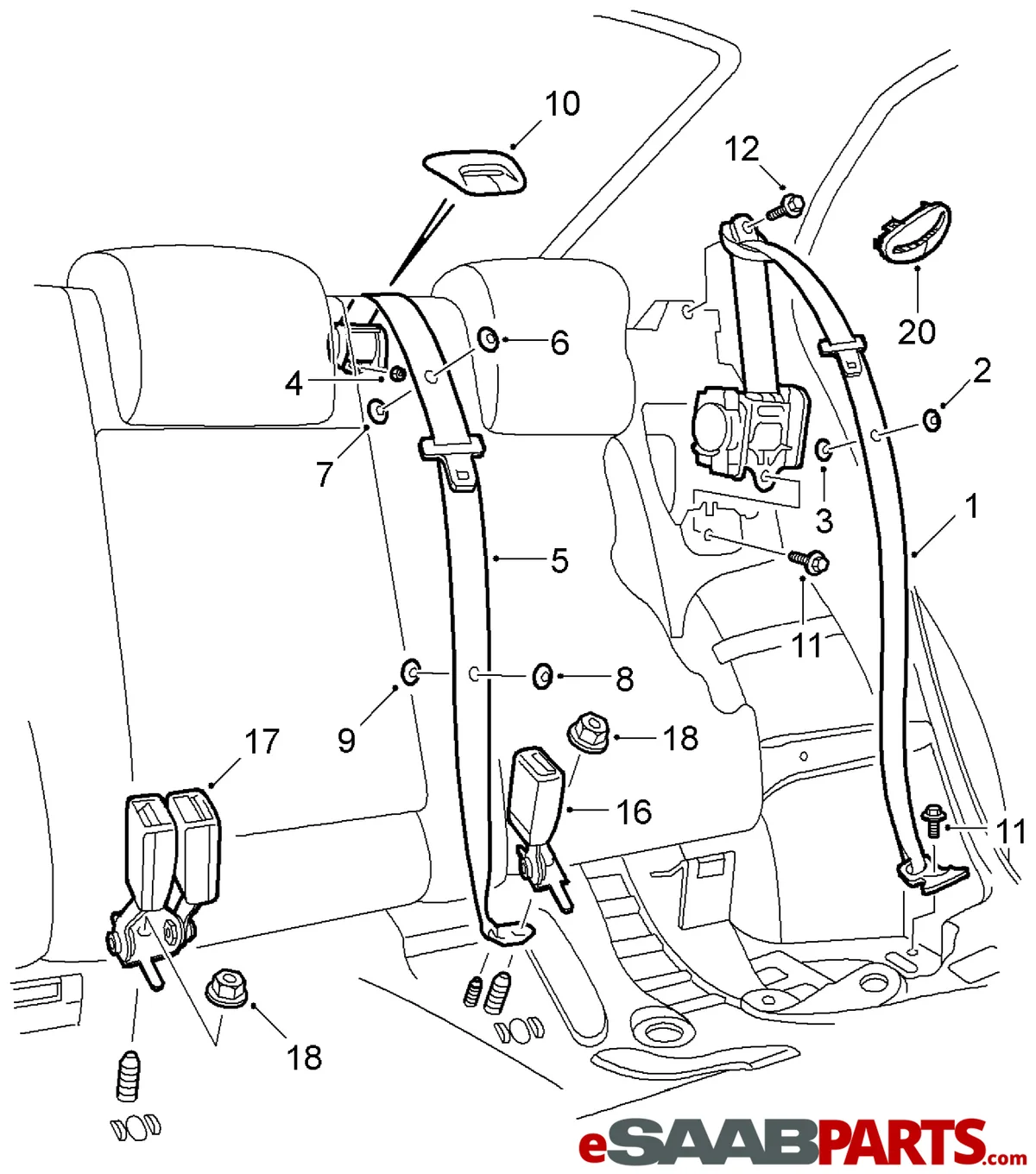
Image source: Bing (Web (fair-use with source credit))
When the Middle Seat Won't Work, and What to Do Instead
Two or Three Car Seats Across
If you're fitting two or three seats in one row, the math gets tight. Center installs often crowd the outboard seats and force a bad angle.
In many cases, putting both seats outboard with a gap between them gives you cleaner installs. Each one gets its own anchors or belt path.
If you must do three across, measure your seat widths first. Infant seats typically run 16 to 19 inches wide.
Narrow Center Seats, Humps, and Forbidden Positions
Some centers are too narrow for the seat footprint. Others sit on a driveline hump that stops the seat from sitting flat.
If the seat tilts or rocks on the hump, it's not usable. A tilted install can't pass the one-inch test.
And if your vehicle manual prohibits center installs, that's final. Pick the outboard position instead.
Best Outboard Choices When Center Is Off the Table
Either outboard position is safer than a bad center install. Both rear seats sit well away from the front airbag zone.
If you can only pick one, the passenger side lets you load curbside in traffic. That's a practical edge in real daily use.
Whatever you choose, run the one-inch test again. A tight outboard install beats a loose center one any day.
Image source: Bing (Web (fair-use with source credit))
Risks, Legal Rules, and Recalls You Can't Ignore
FMVSS 213, LATCH Limits, and i-Size Basics
In the US, every car seat sold must pass Federal Motor Vehicle Safety Standard (FMVSS) 213. That's the crash test baseline. FMVSS 225 covers the LATCH system itself, including anchor spacing and strength ratings.
Lower anchors are typically rated for a combined 65 pounds of child plus seat. Once your child and the seat together hit that number, you switch to the seat belt. Some seats list a higher limit, so check your manual.
In the UK and EU, the equivalent is ECE R129, also called i-Size. It requires rear-facing until at least 15 months and uses a height-based classification instead of weight. If you drive a European model, i-Size seats and ISOFIX points are your reference standard.
Aftermarket Products That Quietly Undo Your Install
Seat mats, head supports, and strap covers feel harmless. Most aren't tested with your seat, and some interfere with how it locks in.
A thick seat mat can lift the base and add slack. A padded head support can push the harness off the shoulders.
If it didn't come in the box with the seat, treat it as untested. That includes mirrors, though a soft one strapped to a headrest is generally fine.
How to Check for Recalls and Expiration Dates
Check the NHTSA recall database at nhtsa.gov with your seat's model number and manufacture date. Register your seat so the manufacturer can reach you directly.
Car seats expire, usually six to ten years from the manufacture date. The plastic weakens over time and in heat. The date is stamped on the shell or the base.
If your seat has been in a moderate or severe crash, replace it. Even with no visible damage, the shell may have taken stress it can't absorb twice.
Real Scenarios: Which Families Should Aim for the Center
One Child, Compact Car, Lap-Only Belt
If you have one child and a lap-only center belt, this is doable but fiddly. You'll need a locking clip or a locking latchplate to hold tension.
If the seat passes the one-inch test after locking, keep it in the center. If it won't tighten, move outboard and use the lap-shoulder belt instead.
Two Kids, SUV, Three-Across Puzzle
With two kids in one row, the center often stops being an option. Two seats side by side usually crowd each other and force a bad angle.
If both seats fit outboard with a gap, take that setup. It gives each seat its own anchors or belt path and cleaner geometry.
If you want to keep one child in the center, test the fit with both seats installed. Measure your seat widths first.
Grandparent Car, Rideshare, or Rental
Secondary vehicles are where installs go wrong most often. You're working with an unfamiliar belt and no anchors.
If you're using a rental or rideshare, bring a seat with a base if you can. The base installs once and the seat clicks in and out, so you're not redoing the belt every trip.
For grandparents, do a practice install before the first ride. Most fire stations and child safety programs offer free checks, and a Certified Child Passenger Safety Technician (CPST) can verify it in minutes.
Frequently Asked Questions
Is the middle seat always safer than the sides?
No. The center rear is often the safest spot, but only with a tight install. A loose center seat is less safe than a properly installed outboard seat.
Install quality matters more than position.
Can I use the outboard anchors to install in the center?
No, not unless your vehicle manual specifically allows it. Borrowing one anchor from each side changes the spacing and can exceed what the anchors are rated to hold. Most manufacturers prohibit it outright.
What if my car's center seat has only a lap belt?
A lap-only belt can work with a locking clip or locking latchplate, as long as the seat moves less than 1 inch. If it won't tighten, move the seat outboard and use the lap-shoulder belt.
Does the middle seat work for a newborn in a base?
Often yes, if the base installs tight and the recline angle is right for a newborn. Newborns usually need a steeper recline to keep the airway open. Check the base's angle indicator before you click the seat in.
How do I know if my install is tight enough?
Grip the seat at the belt path and push and pull firmly. If it moves less than 1 inch side to side or front to back, it passes. Have a CPST verify it if you're unsure.

Similar Posts































