How to Choose a Baby Car Seat: Safe & Easy Guide
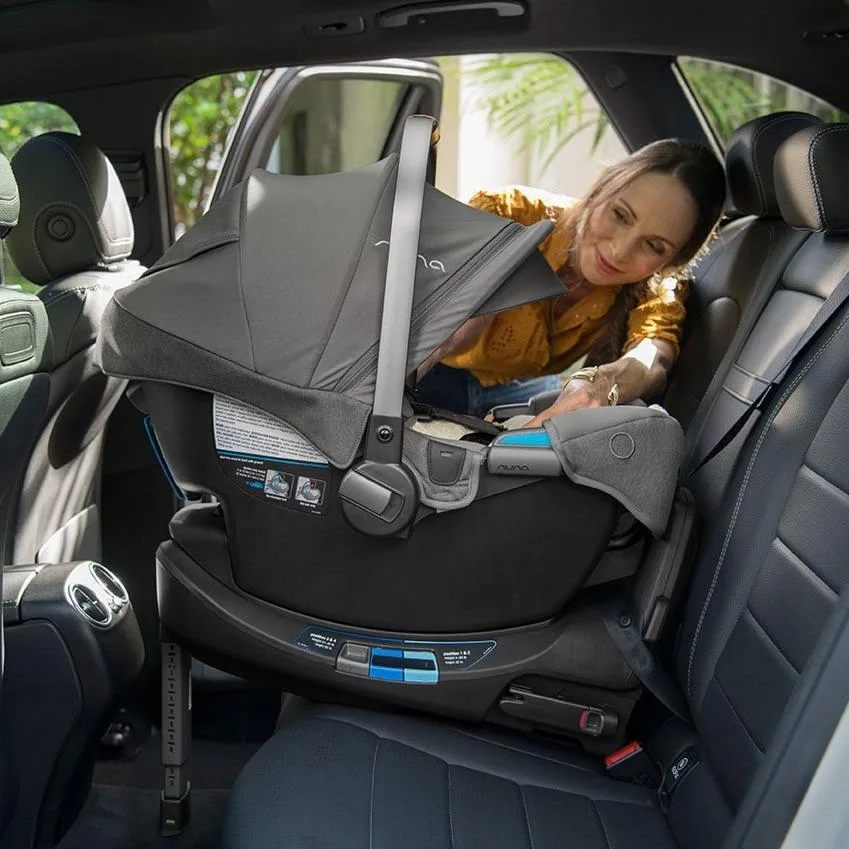
Learning how to choose baby car seat comes down to three things: the seat has to match your child's current weight and height, fit properly in your specific vehicle, and get installed correctly every single time. Get those three right and almost everything else is secondary.
That's because every car seat sold in the US must pass the same federal crash standard, FMVSS 213. Price and brand don't change that baseline. What does change the safety outcome is fit and installation, which is where most parents make mistakes.
Here's how to think it through in the right order.
how to choose baby car seat
Match the seat to your child's weight and height, not their age. Rear-facing is safest until they outgrow the seat's rear-facing limits. Check your vehicle's LATCH and tether anchors.
Verify the seat isn't expired or recalled. Then get the install inspected by a certified technician.
Why Getting This Wrong Is a Real Safety Risk
Car crashes are a leading cause of death for children, and correctly used car seats cut that risk dramatically. The problem isn't usually the product. It's the install and the fit.
Three things trip people up most.
- Moving to forward-facing too early. The American Academy of Pediatrics recommends rear-facing until a child maxes out the seat's rear-facing height or weight limit, not at a set birthday.
- A loose install. If the seat moves more than 1 inch side to side at the belt path, it's not tight enough.
- An expired, recalled, or counterfeit seat. Every legitimate seat carries an FMVSS 213 label, and most have a 6 to 10 year lifespan from the manufacture date.
Per National Highway Traffic Safety Administration guidance, the seat must match your child's weight and height, fit your car, and be installed correctly every time. Miss any of those and the protection drops.
Image source: Bing (Web (fair-use with source credit))
The Four Seat Types and Which One Fits Your Child Right Now
There's no single "best" seat. There's only the seat that fits your child's size right now and the stage they're in. If your baby is a newborn, you'll likely want an infant seat or a convertible.
If your toddler is outgrowing a carrier, you move up.
Here's the quick breakdown.
- Infant car seat: rear-facing only, built for newborns up to roughly 22 to 35 lbs. Usually comes with a detachable base so you can click it in and out of the car.
- Convertible car seat: starts rear-facing, then flips forward-facing once your child hits the limit. Lasts longer because it grows with the child.
- All-in-one or 3-in-1: rear-facing, forward-facing, then belt-positioning booster. One purchase, but each stage may end sooner than a dedicated seat.
- Combination seat: forward-facing harness that later converts to a booster. For kids who've outgrown rear-facing.
- Booster seat: positions the vehicle's seat belt over strong bones. Belt-positioning or backless, for kids around 40 lbs and up.
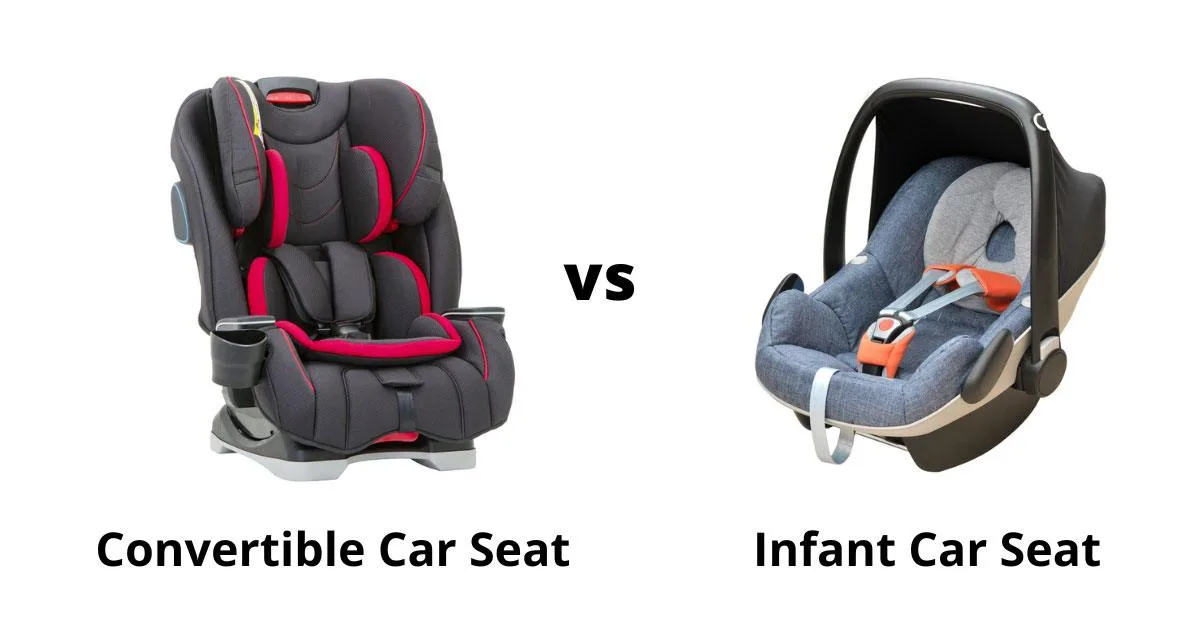
Image source: Bing (Web (fair-use with source credit))
If you want one seat to cover the longest stretch, a convertible is usually the smartest call. If you need to carry a sleeping newborn inside, an infant seat wins. You can read the full AAP car seat recommendations at https://www.healthychildren.org for the age and stage guidance.
The Specs That Decide Fit: Weight, Height, and Harness Limits
This is where most buying decisions actually get made. The spec sheet tells you whether a seat will work for your child next month, not just today.
Watch these numbers.
| Spec | What it tells you | Why it matters |
|---|---|---|
| Rear-facing weight limit | Max lbs while rear-facing | Higher limit = longer rear-facing |
| Rear-facing height limit | Max inches while rear-facing | Kids outgrow by height fast |
| Harness slot positions | Adjustable or fixed | No-rethread is easier as they grow |
| Seat width | Inches across the base | Critical for three-across fit |
| Recline positions | Number of angles | Newborns need a deeper recline |
| Expiration date | Months/years from manufacture | Expired seats lose integrity |
A few practical notes. A no-rethread harness moves up and down with the headrest, so you're not uninstalling the seat to adjust straps. Cheaper seats often use rethread slots, which are fine but more work.
Height limits matter more than people expect. A tall toddler can hit the rear-facing height cap long before the weight cap.
Matching the Seat to Your Car: LATCH, Seat Belts, and Tether Anchors
A seat that fits your child perfectly can still be wrong for your car. That's why you check the vehicle before you buy.
LATCH (Lower Anchors and Tethers for Children) is the anchor system built into most vehicles since 2002. The top tether anchor is a separate strap point, usually behind the seat or on the back of it. Always use the top tether when the seat is forward-facing.
Here's the if/then logic.
- If your vehicle has LATCH and the child plus seat weighs under 65 lbs combined, you can use LATCH.
- If that combined weight passes 65 lbs, switch to the seat belt install.
- If you're installing rear-facing, check whether your car allows LATCH in that position. Not all do.
- If you can't find the anchors, check your vehicle owner's manual. They're not always obvious under the seat cushion.
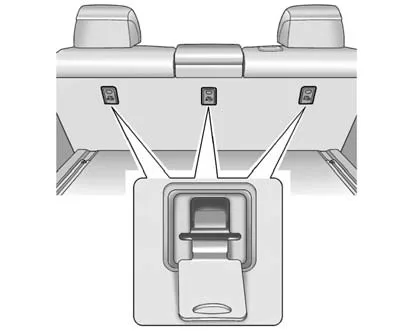
Image source: Bing (Web (fair-use with source credit))
Seat belt installs are just as safe as LATCH when done right. The belt locks and holds the seat firm. A locking clip or built-in lock-off keeps it from loosening over time.
Installing and Checking the Seat the Right Way
A correct install is the single biggest safety factor you control. It's also the one parents most often get slightly wrong.
Follow these steps.
- Read both manuals. The car seat manual and your vehicle owner's manual. They tell you the allowed install methods.
- Choose your method. LATCH or seat belt, based on the weight rules above.
- Tighten until firm. The seat should move less than 1 inch at the belt path when you tug it.
- Adjust the harness. Straps should be snug enough that you can't pinch slack at the shoulder.
- Position the chest clip. It goes at armpit level, never on the belly or neck.
- Set the recline. Newborns need a deeper rear-facing angle, usually 30 to 45 degrees.
- Get it inspected. A certified Child Passenger Safety Technician will check it for free at many fire stations and inspection events.
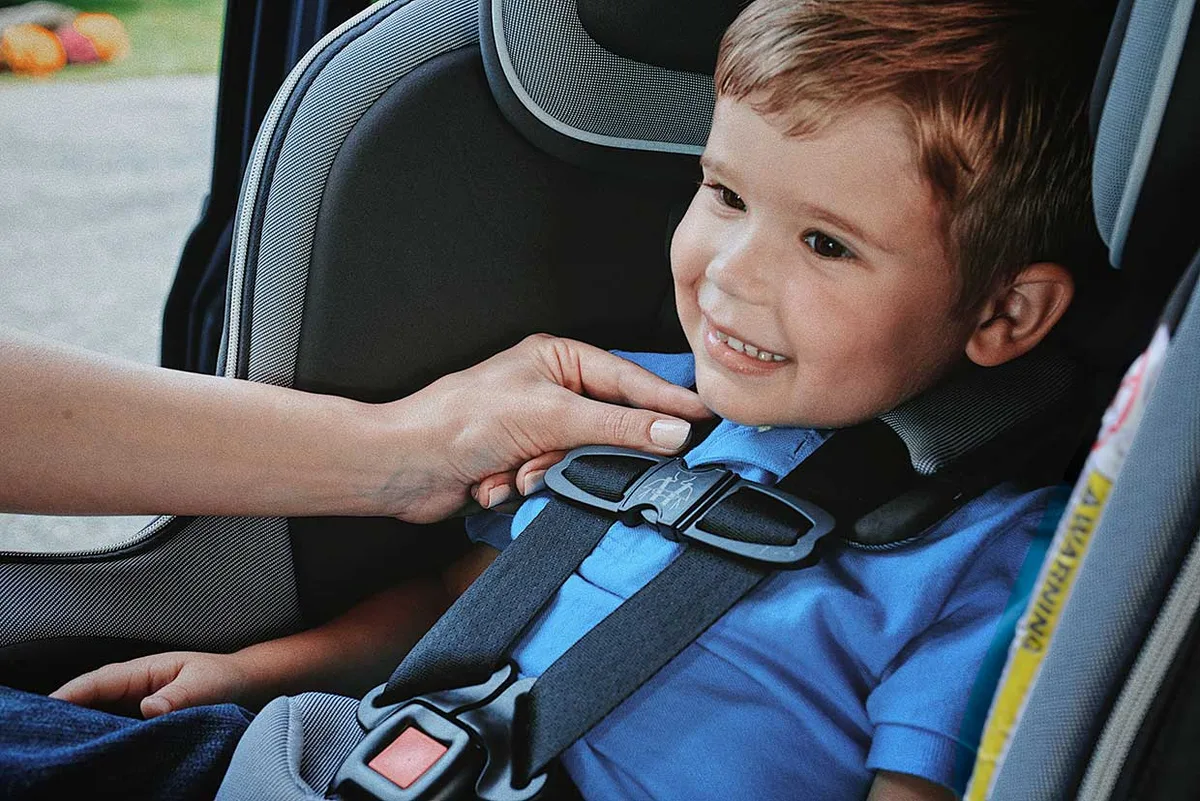
Image source: Bing (Web (fair-use with source credit))
That pinch test is your quick daily check. If you can grab and fold harness webbing at the collarbone, it's too loose. Bulkier coats make this test unreliable, so buckle kids in without them and add a blanket on top instead.
A certified technician can catch install errors you'd never spot on your own. NHTSA maintains a searchable inspection station locator and recall database at https://www.nhtsa.gov for both.
Where to Buy, What to Spend, and How to Avoid a Bad Seat
Buying new is the safest route because you know the seat's full history. You can't say that about a seat from a garage sale or a stranger online. There's no real recall on used seats, and that's the core problem.
That doesn't mean every used seat is dangerous. It means you have to ask hard questions before you trust one.
A used seat is only worth considering if all of these are true:
- The seat has an FMVSS 213 label and a legible model number.
- It's not expired. Most last 6 to 10 years from manufacture.
- You can confirm it wasn't in a moderate or severe crash.
- All parts, harness straps, and the manual are included.
- It hasn't been recalled. Check the model number against NHTSA's recall database.
Miss any one of those and you walk away. Cheap used seats aren't worth the gamble.
Price ranges shift a lot by type and features. Here's what to expect as of 2026.
| Seat type | Typical price range | Notes |
|---|---|---|
| Infant car seat | $80 to $300 | Often sold with a base or travel system |
| Convertible | $100 to $500 | Best value if you want one seat long-term |
| All-in-one | $150 to $600 | Covers rear-facing through booster |
| Booster | $30 to $250 | Backless options sit at the low end |
Counterfeits are a growing issue on marketplaces like Amazon and eBay. The tell is usually a missing label, a price that's far below normal, or a seller with no real history. If the seat doesn't have that FMVSS 213 sticker, it's not a legal seat and it hasn't been crash-tested.
When You Can Move to the Next Seat
Move up when your child outgrows the seat's limits, not when they hit a birthday. Age matters far less than the weight and height printed on the label.
For rear-facing, the goal is to stay there as long as the seat allows. That's typically until at least age 2, and often until age 3 or 4 for seats with higher limits. Bigger kids often hit the height cap before the weight cap.
For forward-facing, switch once your child maxes out the rear-facing limits. Keep the harness and top tether in use until they hit the forward-facing weight and height limits.
Booster readiness isn't just a number. Your child needs to sit still for the whole ride, keep the belt positioned right, and sit tall without slouching. Most kids aren't ready until around age 4 and 40 lbs at the very earliest, and many need to wait until 5 or older.
Once in a booster, stay there until the vehicle belt fits properly without it. That's usually around 4 feet 9 inches tall, often between ages 8 and 12.
The belt fit test tells you when you're done. With your child sitting against the seat back, the lap belt should cross the upper thighs, not the belly. The shoulder belt should cross the middle of the shoulder and chest, not the neck or face.
Knees should bend comfortably at the seat edge.
Register your seat with the manufacturer the day you buy it. That's how you get recall notices directly. It takes two minutes and covers you for years.
Frequently Asked Questions
What's the safest car seat for a newborn?
Any correctly installed rear-facing seat that fits your newborn's weight and height is safe. Infant seats and convertibles both work. The install and harness fit matter more than the brand, per FMVSS 213 testing.
Get the seat checked by a certified technician before you leave the hospital.
Do I need a top tether for a rear-facing seat?
It depends on the seat. Some rear-facing seats allow a top tether, and some require it. Check the seat manual and your vehicle manual.
Forward-facing seats should always use the top tether.
How do I know if my car seat is expired?
Look for the manufacture date and expiration date on a label on the seat shell or base. Most seats expire 6 to 10 years out. If you can't find the date, contact the manufacturer with the model number.
Can I use a car seat from a family member?
Only if you can confirm it wasn't in a crash, isn't expired, has all parts and the manual, and matches no recall. If any of those are unclear, don't use it. The risk isn't worth saving money here.
Is a more expensive car seat safer?
No. Every seat sold in the US must pass FMVSS 213, so a $100 seat and a $500 seat meet the same crash standard. Higher prices buy convenience, easier installs, and nicer fabrics, not a higher safety floor.
Fit and installation are what keep a child safe.

Similar Posts































